About Los Picachos
Los Picachos is a notable dive site located off Isla del Carmen, the largest of the five protected islands within Mexico's Bahía de Loreto National Park. This UNESCO World Heritage Site is celebrated for its rich biodiversity, often referred to as the "Aquarium of the World" by Jacques Cousteau due to its impressive array of Pacific Ocean marine life and over 890 fish species. The site is part of a region that features varied underwater terrain, including shallow pinnacles, steep wall dives, and deeper seamounts, providing diverse habitats for marine organisms. Diving here allows exploration of a vibrant ecosystem supported by the meeting point of Pacific Ocean and Gulf of California currents, close to steep walls and deep ocean waters. The underwater landscape is characterized by its rocky, rubbled bottoms and the presence of dense sea fan corals, indicating a thriving environment even without extensive coral reefs. The Bahía de Loreto National Park itself spans over 200,000 hectares, offering an undisturbed natural area. The dive experience at Los Picachos is part of a larger diving region that appeals to various skill levels, from beginners to experienced divers. The park is managed for conservation, ensuring that its natural beauty and marine inhabitants are preserved. Loreto is also known for its family-friendly atmosphere and the availability of expert local dive operators.
Highlights
Isla del Carmen locationBahía de Loreto National ParkRich marine biodiversitySteep walls and seamountsSea fan coralsEagle ray sightingsUNESCO World Heritage Site
Season calendar
Best months to dive here
Jan
Feb
Mar
Apr
May
Jun
Jul
Aug
Sep
Oct
Nov
Dec
Excellent
Good
Dive site facts: Los Picachos
- Current
- Strong (seasonal)
- Visibility
- 5–30 m (seasonal)
- Water temperature
- 19–28°C (seasonal)
- Entry
- Boat
- Level
- Intermediate
- Dive type
- Wall, seamount, drift
- Region / port
- Loreto, Baja California Sur, Mexico
- Coordinates
- 25.8458, -111.3072
Conditions & Currents
Currents in the Loreto region, particularly during October and November, can be strong, creating excellent conditions for drift dives. These currents contribute to nutrient rich waters which support a diverse marine ecosystem. While the main body of the Gulf of California sees water temperatures in the mid-80s Fahrenheit during summer, a thermocline can introduce colder water in the low 70s Fahrenheit at depths around 90 feet. Visibility is generally at its best from June through August, often exceeding 100 feet, but can drop significantly in late spring due to nutrient-rich upwellings that bring special marine life encounters. Divers should be prepared for varying visibility and temperature changes with depth, especially during transitional seasons, and adapt their gas planning and exposure protection accordingly.
Marine life & sighting chances

Eagle rays
occasionalAngel sharks
Summer · occasional
Guitarfish
Summer · occasional
Torpedo rays
Summer · occasional
Electric rays
Summer · occasional
Wavyline grunts
commonBurrito grunts
common
Barberfish
common
Blue-and-gold snappers
common
Sea lions
Summer · common
Nudibranchs
common
Whale sharks
October-November · occasional
Humpback whales
December-March · occasional
Mobula rays
May-July, October-December · occasionalDive profile & how the dive runs
Diving at Los Picachos typically involves boat entry from Loreto, with a short ride to Isla del Carmen. The site features shallow pinnacles, steep wall dives, and deeper seamounts, allowing for varied depth profiles. Divers can explore ledges and caverns formed by rocky formations. A common route might involve descending along a wall, allowing for a gradual depth progression while observing the abundant sea fan corals and various fish species. Due to potentially strong currents, especially in certain seasons, a drift dive profile may be adopted, with the boat following the divers. Safety stops are conducted at 5 meters, often in shallower, protected areas of the reef or along the wall, before surfacing for boat pick-up. Surface intervals can be enjoyed at nearby idyllic beaches within the national park.
Underwater photography
Los Picachos offers diverse photographic opportunities, from wide-angle shots of sea fan-covered walls and rock formations to macro subjects like nudibranchs. For capturing the expansive topography and schools of fish, a wide-angle lens is recommended. When photographing larger marine life such as eagle rays or sea lions, a wide-angle setup with external strobes will enhance color and detail in blue water. For macro subjects, a dedicated macro lens with snooted strobes can highlight the intricate details of smaller creatures. Maintaining excellent buoyancy is crucial to avoid disturbing delicate marine life and stirring up sediment. Be mindful of subject etiquette, giving marine animals space, especially playful sea lions, to ensure natural behavior and ethical interactions.
Combine with nearby dive sites
- Palo Blanco
Another 'can't miss' site near Isla del Carmen.
- The Abyss
A deeper site near Isla del Carmen, known for eagle rays.
- Isla Coronados
Closest island, features lava rocks, caverns, and ledges.
- Isla Danzante
Offers several excellent reef sites and a wall dive.
- Piedra Blanca
A lone pinnacle known for sea fan corals and grunts.
- El Morro
Part of the region's diverse dive offerings.
Getting there & logistics
Access to Los Picachos typically involves flying into Loreto International Airport (LTO). From Loreto, dive operators utilize fishing pangas or similar dive boats to reach the sites around Isla del Carmen, which is one of the more visited islands. Travel times to islands like Isla del Carmen from Loreto can range from 20 to 45 minutes, depending on wind and waves. Most dive excursions are day trips, though liveaboards also operate in the wider Sea of Cortez region during prime season. No specific permits or fees are mentioned for Los Picachos itself beyond the general park regulations of Bahía de Loreto National Park, an UNESCO World Heritage Site. Trips to Loreto are often combined with other activities like exploring the historic town or whale watching during winter months.
Safety & environment
Diving in the Loreto area requires adherence to standard safety practices, including proper dive planning and awareness of changing conditions. The nearest recompression chamber would likely be in La Paz, approximately 225 miles from Loreto, emphasizing the importance of comprehensive dive insurance that covers emergency medical treatment and evacuation. Divers should be mindful of strong currents that can occur, particularly from October to November, and ensure they are proficient in drift diving techniques if conditions warrant. Surface support from dive boats is essential, and divers should always follow the guidance of local dive guides. While generally safe, the remote nature of some dive sites means self-sufficiency and conservative diving practices are highly recommended.
Who it suits — and who it doesn't
Suited for
- Divers interested in diverse marine ecosystems
- Underwater photographers seeking pelagic and macro subjects
- Advanced divers comfortable with currents
- Divers seeking warmer water and excellent visibility (June-November)
- Travelers looking for a blend of cultural and diving experiences
Less suited for
- Divers uncomfortable with potential thermoclines or colder water (April-May)
- Beginner divers without current experience during peak current seasons
- Divers expecting extensive coral reefs (due to rocky habitats)
- Those seeking large pelagic encounters year-round (seasonal occurrences)
FAQ
Los Picachos FAQ
What kind of marine life can I expect to see at Los Picachos?
Los Picachos is known for a variety of marine life found around rocky bottoms and walls. You can frequently encounter various grunts, barberfish, and snappers. Eagle rays are occasionally spotted, and during summer months, you might see angel sharks, guitarfish, and electric rays. Playful sea lions are also common in the broader Loreto marine park.
What are the best diving conditions like at Los Picachos?
The best diving conditions generally occur from June through November, with summer (June-August) offering the clearest waters and highest visibility, often exceeding 30 meters. Water temperatures are warmest during this period, reaching up to 28-30°C. October and November provide warm water and stronger currents, ideal for drift diving, while late spring can bring cooler water and lower visibility but unique marine encounters.
Is Los Picachos suitable for beginner divers?
While Loreto offers sites for all levels, Los Picachos is part of Isla del Carmen, which features varied depths and can experience strong currents seasonally. Beginner divers should consult with local operators to ensure conditions are suitable for their experience level, especially if currents are present. Some current experience would be helpful for certain dive profiles at this site.
How do I get to Los Picachos?
Los Picachos is accessed by boat from Loreto, Baja California Sur. The Loreto International Airport (LTO) provides direct access to the town. Local dive operators arrange boat trips to Isla del Carmen, where Los Picachos is located, typically taking 20-45 minutes depending on sea conditions. It is usually included as part of a day trip diving itinerary.
Are there any specific hazards to be aware of when diving Los Picachos?
Divers should be aware of potential strong currents, particularly during October and November, which can make for dynamic drift dives. A thermocline can also lead to cooler water temperatures at deeper depths, so appropriate exposure protection is recommended. Always dive with a reputable local guide and follow their instructions to navigate any site-specific conditions safely.
Why dive Los Picachos from a liveaboard?
Los Picachos is one of Mexico's signature dive sites. A liveaboard sleeps you on the water and puts you in the water for three to four guided dives per day, including dawn and night dives that day-boat operators rarely offer. You skip the daily commute back to port and reach quieter, less-crowded sites in the same region on a single trip.
Below are the liveaboards that include Los Picachos on their Mexico itineraries.
Liveaboards diving Los Picachos
These liveaboards may visit Los Picachos on selected itineraries — the exact dive sites depend on departure, weather and conditions.
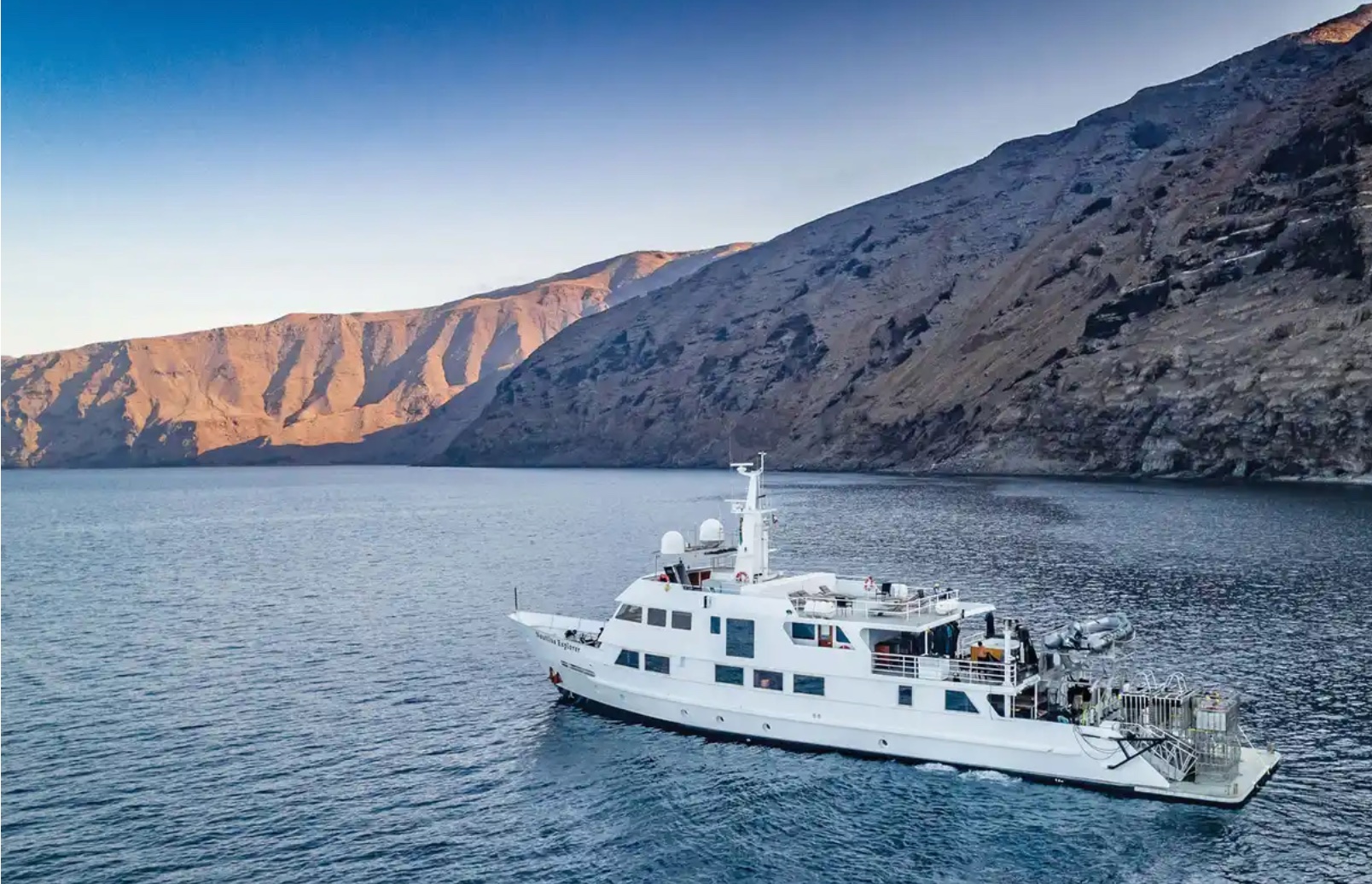
Nautilus Explorer
Mexico
25 guests44.8 m
$336/day
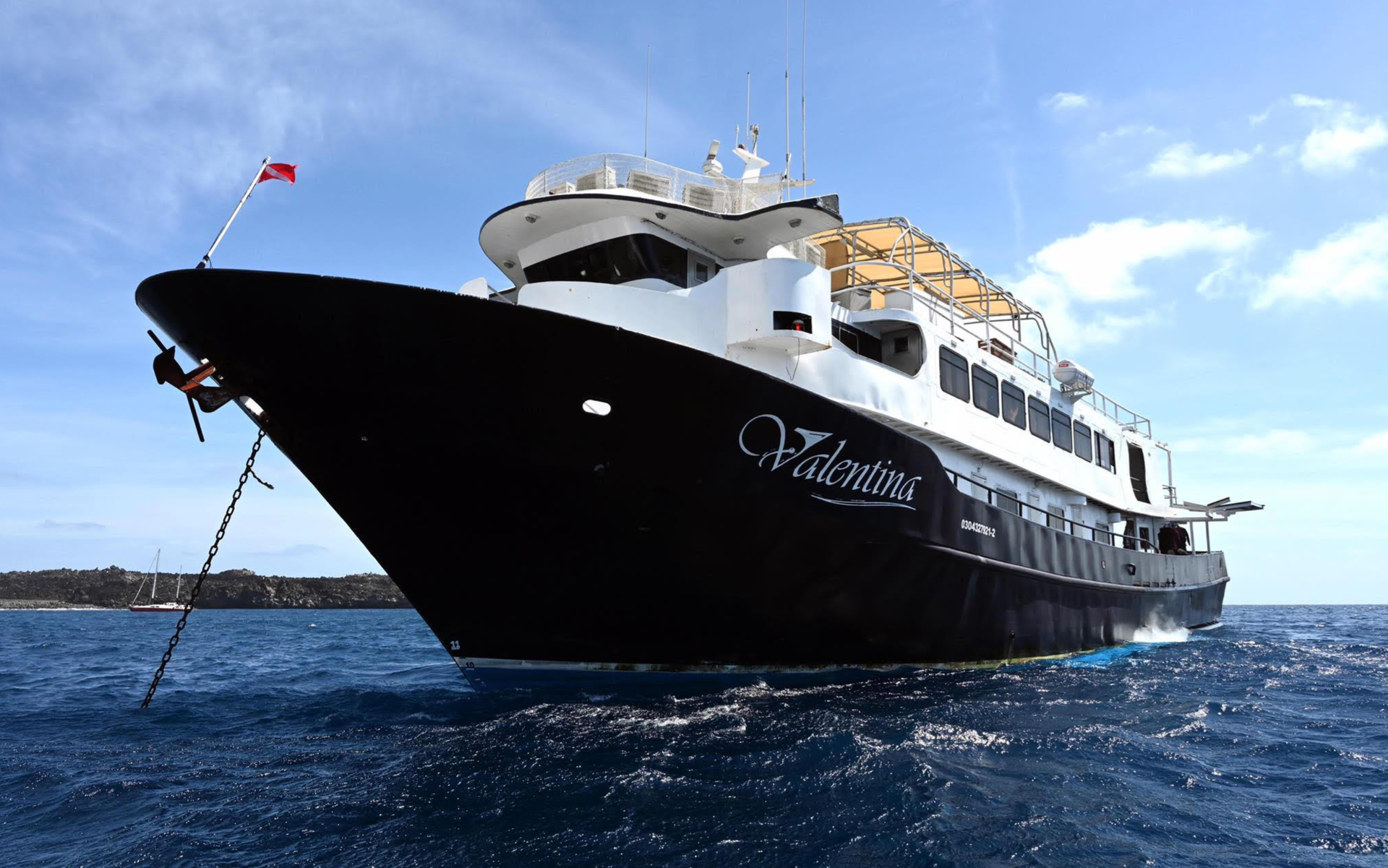
Valentina
Mexico
20 guests38.1 m
$430/day
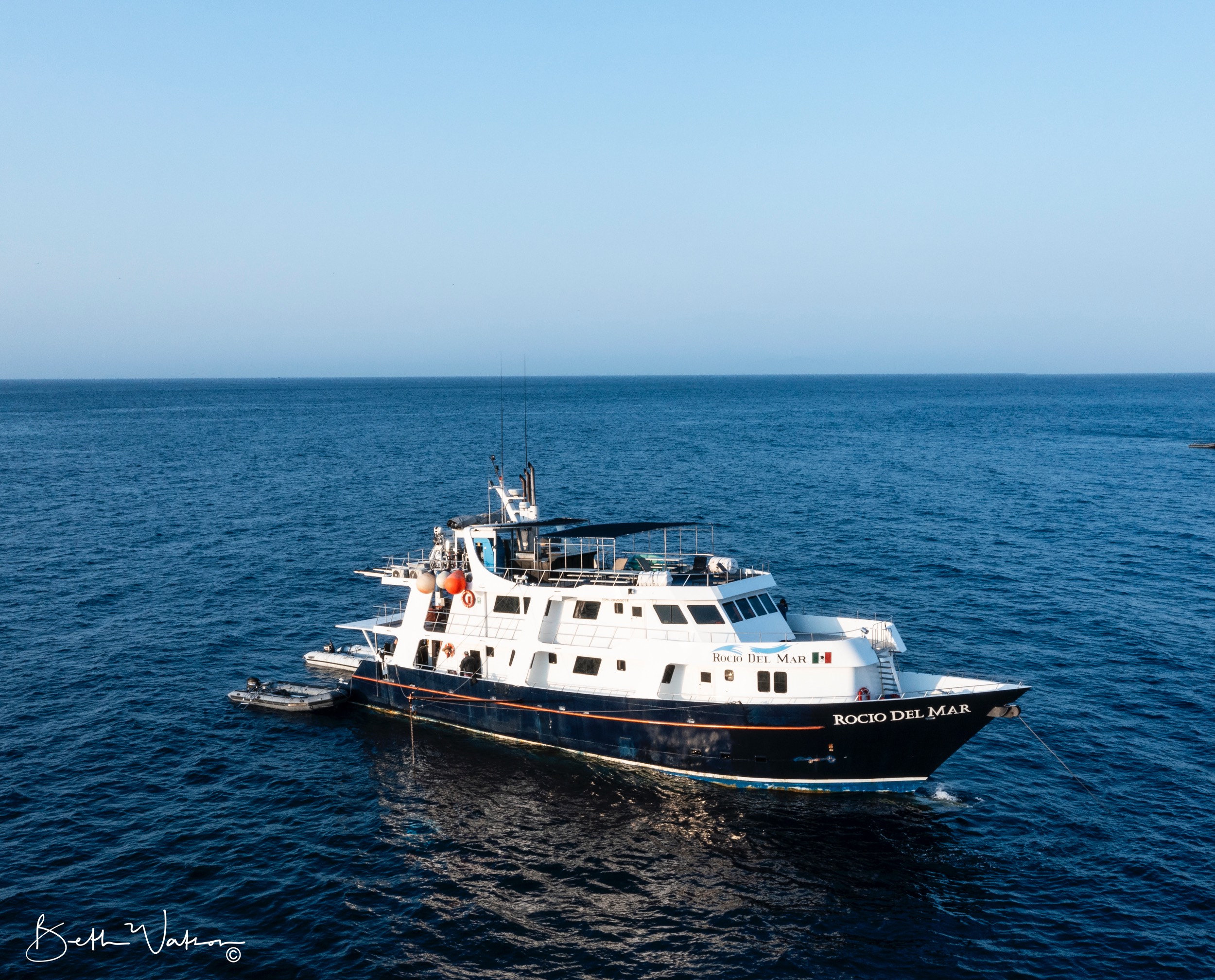
Rocio del Mar
Mexico
20 guests33.5 m
$392/day
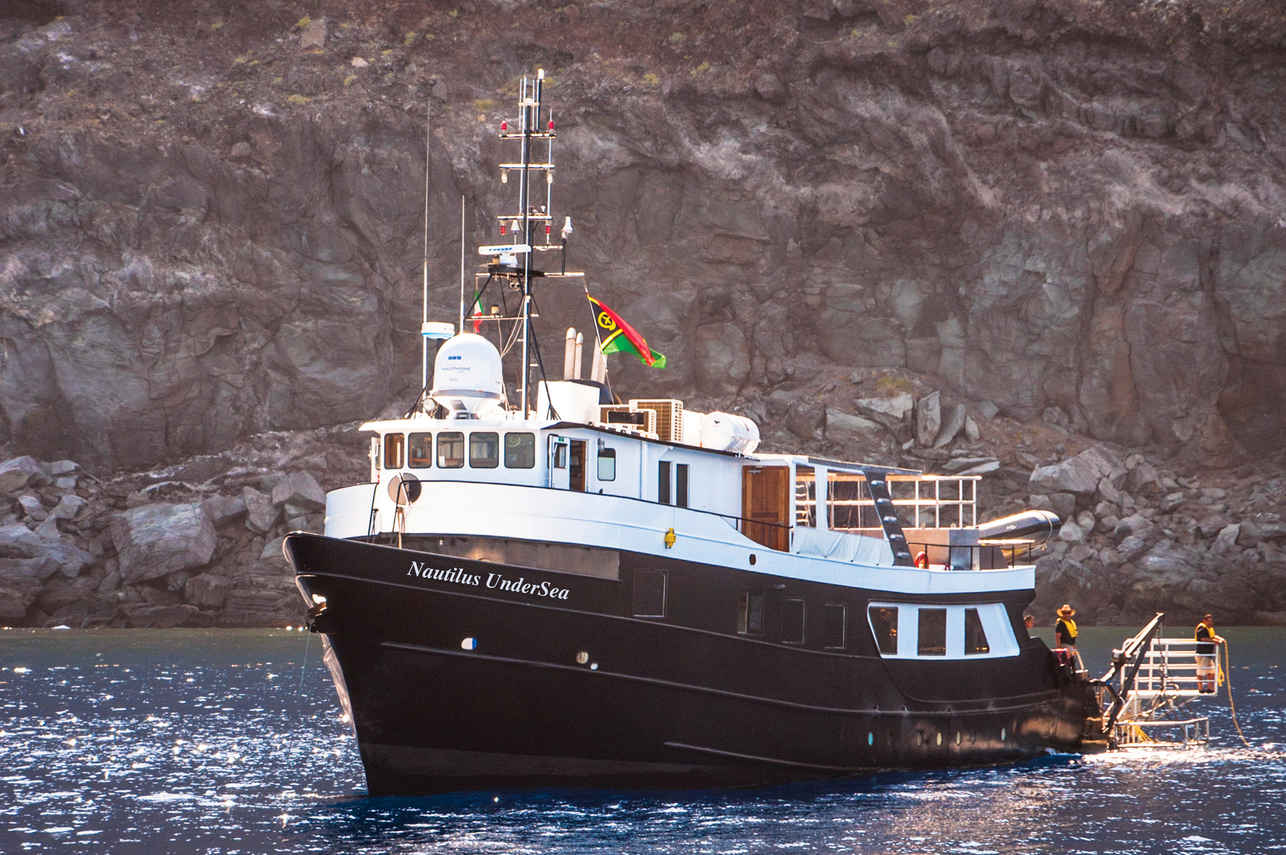
Nautilus Under Sea
Mexico
19 guests32 m
$261/day
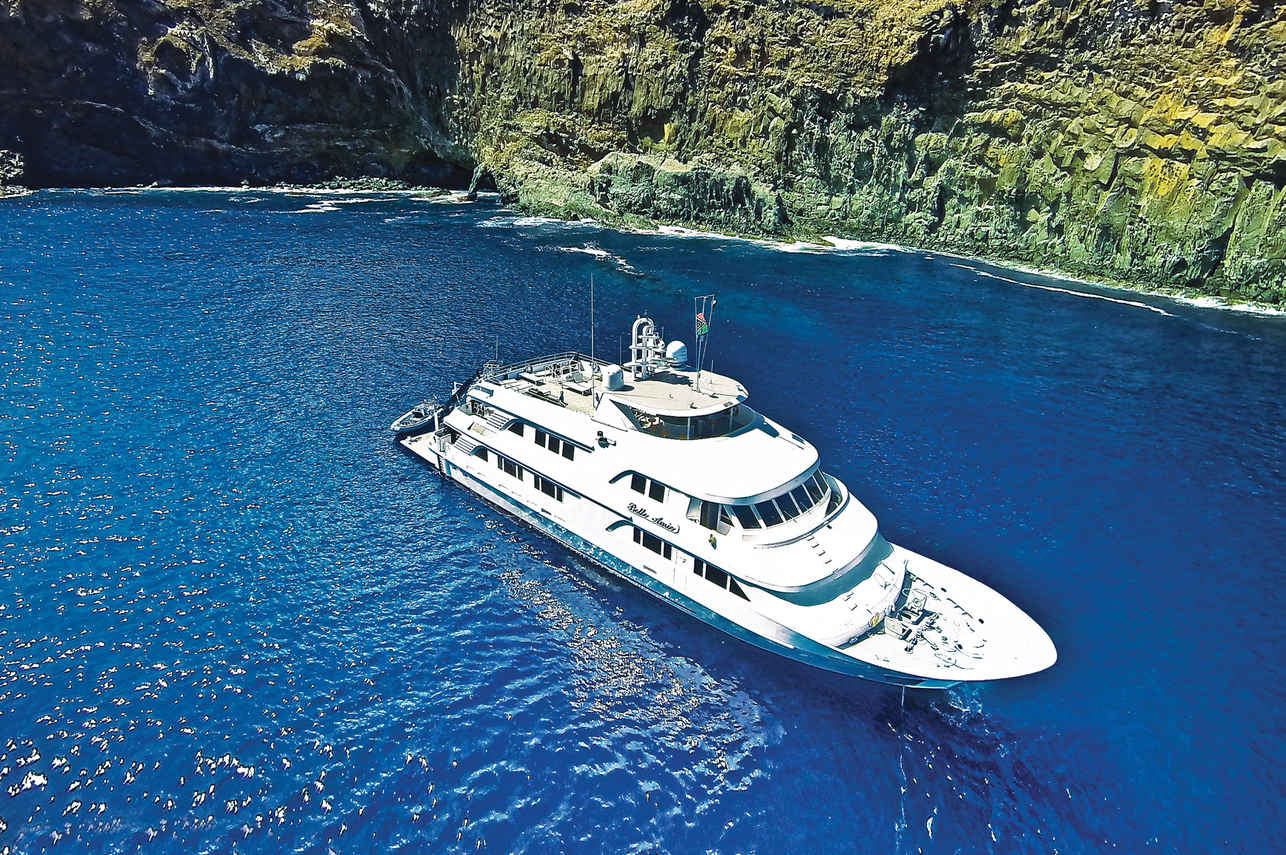
Nautilus Belle Amie
Mexico
32 guests44.8 m
$323/day
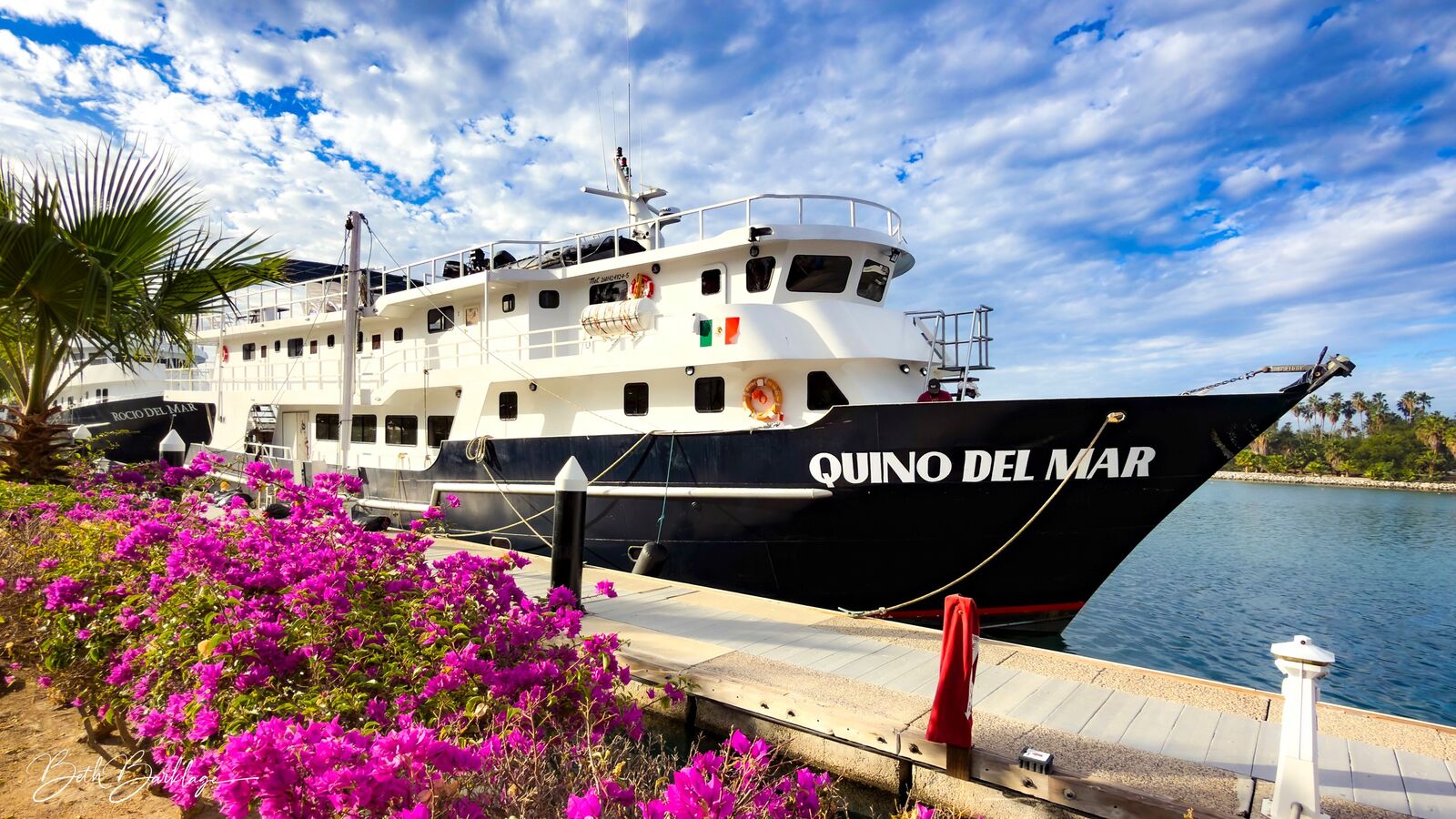
Quino del Mar
Mexico
20 guests36 m
$377/day
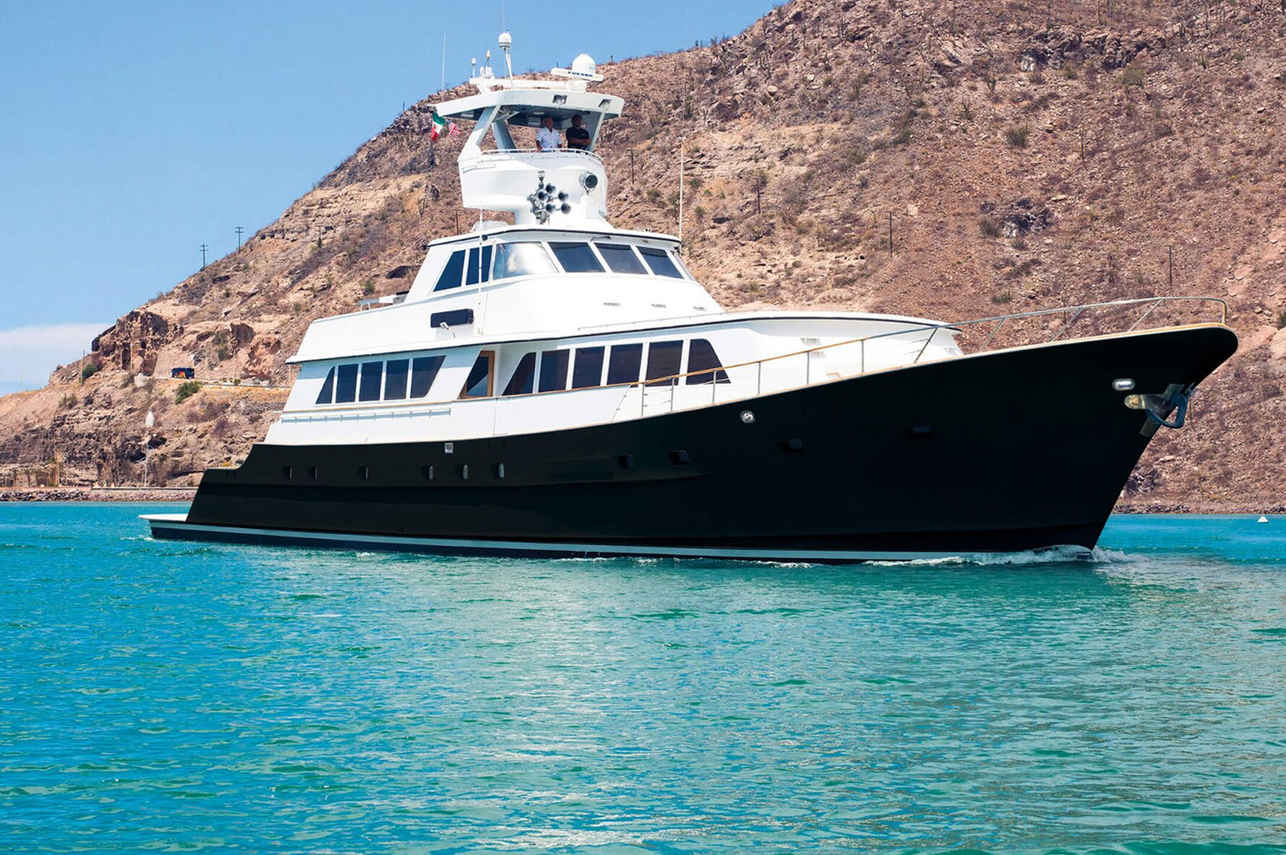
Nautilus Gallant Lady
Mexico
12 guests35.36 m
$332/day
Dive sites similar to Los Picachos
Same character, same waters — six more sites divers love for the exact same reasons.Compare seasons, access and liveaboard routes — then pick the site that fits your trip best.
© Esri — Maxar, Earthstar, GIS
Tak Be Luum
Mexico
Cenote Tak Be Luum, located in the Mexican state of Quintana Roo, is an exceptional cavern dive that forms part of the vast Sac Actun underwater cave system, one of the world's largest.
- Suitable for
- Advanced
- Current
- No current
- Access
- Shore / dayboat
- Depth
- 4–9 m
- Theme
- Reef
© Esri — Maxar, Earthstar, GIS
Neptune's Finger
Mexico
Neptune's Finger is a renowned dive site located in Cabo San Lucas, Mexico, at the southern tip of the Baja California Peninsula.
- Suitable for
- Beginner
- Current
- Mild
- Access
- Liveaboard or dayboat
- Depth
- 4–152 m
- Theme
- Reef
© Esri — Maxar, Earthstar, GIS
Majahuitas
Mexico
Majahuitas is a pristine and secluded cove located on the southern coast of Banderas Bay, near Puerto Vallarta, Mexico.
- Suitable for
- Beginner
- Current
- Mild
- Access
- Dayboat
- Depth
- 8–14 m
- Theme
- Reef
La Poza is a remarkable dive site located in Xcalak, a serene fishing village situated on Mexico's Caribbean coast, near the Belize border.
- Suitable for
- Advanced
- Current
- Mild
- Access
- Shore / dayboat
- Depth
- 20–25 m
- Theme
- Reef
© Esri — Maxar, Earthstar, GIS
Siete Bocas
Mexico
Cenote Siete Bocas, meaning "Seven Mouths," is a unique cavern dive site nestled along the Ruta de los Cenotes near Puerto Morelos in Mexico's Riviera Maya.
- Suitable for
- Intermediate
- Current
- No current
- Access
- Shore / dayboat
- Depth
- ≤ 30 m
- Theme
- Reef
© Esri — Maxar, Earthstar, GIS
Sleeping Shark Cave
Mexico
Sleeping Shark Cave is a legendary underwater site situated off the eastern coast of Isla Mujeres, Mexico.
- Suitable for
- Intermediate
- Current
- No current
- Access
- Liveaboard or dayboat
- Depth
- 16–20 m
- Theme
- Reef