About Los Indios
Los Indios is a prominent dive site located in the Punta Francés National Marine Park, on the southwestern coast of Isla de la Juventud, Cuba. This marine protected area, established in 1978 and later a National Park, is renowned for its exceptional coral reef system, making it one of the Caribbean's premier diving destinations. The park spans an area of approximately 2,170 square kilometers, protecting a diverse ecosystem of coral reefs, seagrass beds, and mangroves. The underwater topography features dramatic coral walls that descend from shallow reef flats into deep water. These walls are characteristic of the region, formed from uplifted coral reef limestone, and often include submarine caves and tunnels. Depths can range from shallow reef tops to significant drop-offs, accommodating various dive profiles. Los Indios is part of an area celebrated for its rich marine biodiversity. Divers can expect to encounter large populations of groupers, including Nassau, black, and yellowfin species, as well as various snappers and barracuda. The park is particularly known for reliable sightings of nurse sharks, Caribbean reef sharks, and eagle rays, along with several species of sea turtles. The healthy coral communities include both stony and soft corals, such as sea fans and sea whips, thriving alongside abundant reef fish like parrotfish and surgeonfish. Visibility here is consistently excellent, often exceeding 20 to 40 meters in calm conditions, allowing for expansive views of the vibrant reef. Water temperatures are warm year-round, ranging from 24-26°C in winter months to 26-30°C in summer. While the site is generally protected from strong currents due to its location in the sheltered Gulf of Batabanó, divers should be prepared for varying conditions, especially during the wet season from May to October, which brings higher rainfall.
Highlights
Pristine coral wallsAbundant large groupersFrequent shark encountersExcellent visibilitySubmarine caves and tunnelsHealthy reef ecosystem
Season calendar
Best months to dive here
Jan
Feb
Mar
Apr
May
Jun
Jul
Aug
Sep
Oct
Nov
Dec
Excellent
Dive site facts: Los Indios
- Depth
- Shallow reef flats to deep wall drop-offs
- Current
- Mild, protected
- Visibility
- 20–40 m
- Water temperature
- 24–30°C
- Entry
- Boat
- Level
- All levels, good buoyancy recommended
- Dive type
- Wall, reef, marine park
- Region / port
- Isla de la Juventud, Cuba
- Coordinates
- 21.6294° N, 83.1889° W
Conditions & Currents
Currents at Los Indios are generally well-protected and mild due to the site's location within the sheltered Gulf of Batabanó. This allows for relaxed diving experiences suitable for various skill levels. However, during certain lunar cycles or weather patterns, mild to moderate currents can occasionally be encountered along the deeper sections of the coral walls. Entry is typically a back-roll from a liveaboard or day boat, with descents usually commencing directly onto the reef structure. Visibility at the site is consistently excellent, often ranging from 20 to 40 meters, ensuring clear views even with slight water movement. Thermoclines are generally not a significant concern, as water temperatures remain warm throughout the year. Divers should always be mindful of their air consumption and planned bottom time, especially when exploring deeper wall sections, and maintain good buoyanc
Marine life & sighting chances
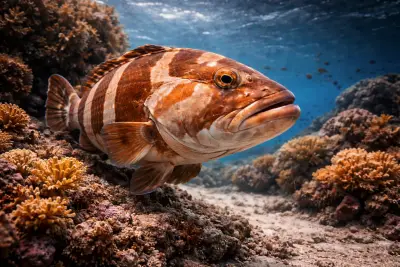
Nassau grouper
Year-round · common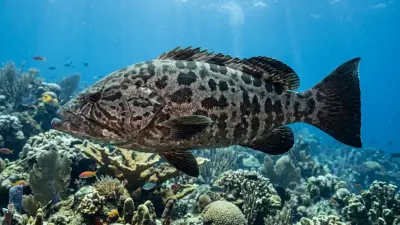
Black grouper
Year-round · common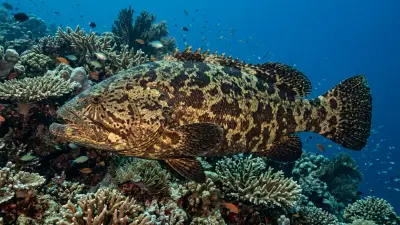
Yellowfin grouper
Year-round · common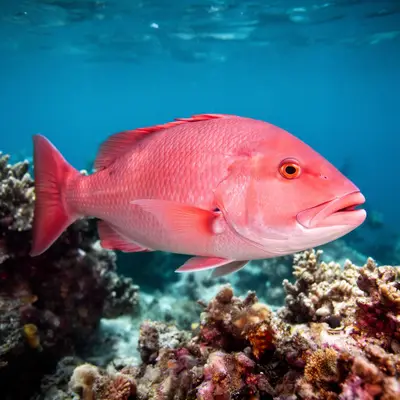
Cubera snapper
Year-round · common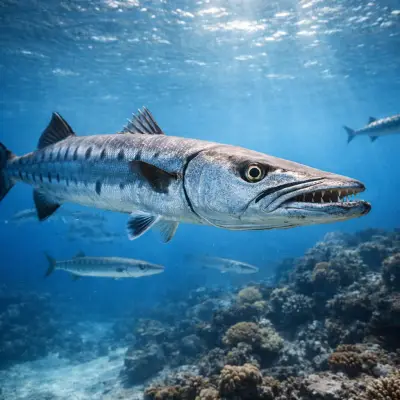
Barracuda
Year-round · common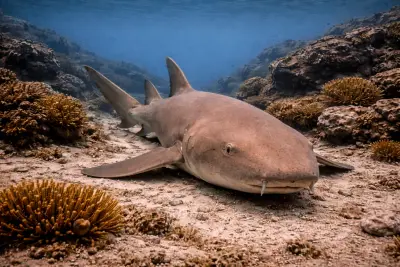
Nurse shark
Year-round · common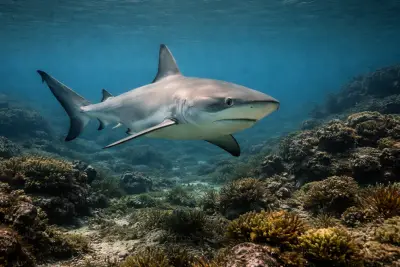
Caribbean reef shark
Year-round · common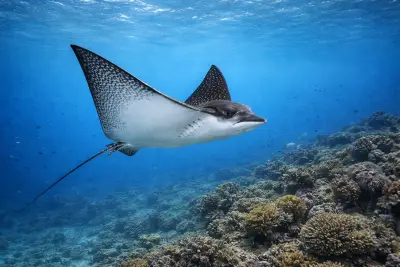
Eagle ray
Year-round · common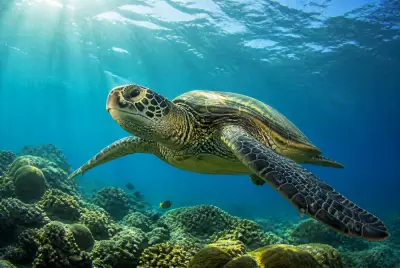
Sea turtle
Year-round · common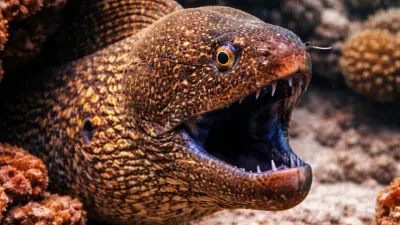
Green moray eel
Year-round · occasionalSpotted moray eel
Year-round · occasional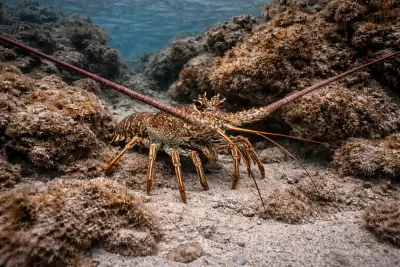
Lobster
Year-round · commonDive profile & how the dive runs
Divers at Los Indios typically initiate their dive with a boat entry, often a back-roll, directly over the reef wall that characterizes the site. The dive profile involves exploring the dramatic coral formations and descending along the wall into deeper waters. The top of the wall starts in shallower areas, allowing for a gradual depth progression. Along the route, divers investigate ledges, overhangs, and small caves that are common features of this limestone geology, observing the abundant reef fish and larger marine life inhabiting these structures. The turn point is determined by gas consumption and no-decompression limits, after which divers slowly ascend the wall, often focusing on macro life and smaller reef creatures in the shallower sections. The safety stop is conducted in the clear, calm waters near the reef top, usually at 5 meters, before a comfortable boat exit.
Underwater photography
Los Indios offers excellent opportunities for both wide-angle and macro photography due to its clear waters and diverse subjects. For wide-angle shots, consider a fisheye or wide-angle rectilinear lens to capture the dramatic coral walls, schooling fish, and sharks. External strobes are highly recommended to bring out the vibrant colors of the healthy corals and to properly expose larger subjects like groupers and sharks against the deep blue background. When approaching marine life, especially the curious groupers and sharks, move slowly and avoid sudden movements to prevent startling them. Macro photographers will find plenty of subjects among the intricate coral formations, small cracks, and crevices, home to crabs, shrimps, and juvenile fish. Maintain excellent buoyancy control at all times to avoid contact with the delicate reef structure and to secure stable shots.
Combine with nearby dive sites
- Punta Perdiz
Punta Perdiz is a classic shore diving location situated in Cuba's Bay of Pigs, known for its clear Caribbean waters and direct beach…
- El Triton
El Triton is a spectacular dive site located within the Jardines del Rey archipelago, off the northern coast of Cuba.
- Neptuno Wreck
The Neptuno Wreck is an advanced dive site located off the eastern coast of Varadero, Cuba.
- Los Tiburones
Los Tiburones is an exciting dive site located within the Jardines del Rey archipelago in Cuba.
- El Salon
El Salon, often referred to as "the hall," is a captivating cave dive situated off the coast of Maria la Gorda, in Cuba's Pinar del Rio…
Getting there & logistics
Access to Los Indios typically begins with arrival at Jose Marti International Airport in Havana, followed by a domestic flight to Isla de la Juventud, or potentially a ferry journey. The main departure point for diving this site is often Hotel Colony, located near Nueva Gerona, approximately 45 minutes from the city. Divers usually travel to the dive sites by boat, with journey times averaging around 80 minutes. Dive packages frequently include transfers and accommodation at the Hotel Colony, which serves primarily as a dive resort due to its remote location. The diving at Los Indios is managed as part of the Punta Francés National Marine Park, meaning dive operators will handle any necessary park fees or permits as part of the package. Trips are often structured as multi-day liveaboard or resort-based excursions, allowing divers to explore several sites within the protected area.
Safety & environment
For diving at Los Indios, it is crucial to ensure you have comprehensive dive insurance that covers emergency medical treatment and evacuation, as medical facilities and recompression chambers are not immediately available on Isla de la Juventud. The nearest recompression chamber is located in Havana, which would necessitate a potentially lengthy evacuation process, highlighting the importance of adequate insurance and careful dive planning. Dive operators in the Punta Francés National Marine Park adhere to safety protocols, including group diving with experienced guides. Site-specific hazards are minimal due to generally mild currents and excellent visibility, but divers must maintain good buoyancy control to protect the pristine coral reefs and avoid accidental contact. Always follow your dive guide's instructions, stay within your certification limits, and conduct thorough pre-dive checks to ensure a safe and enjoyable experience.
Who it suits — and who it doesn't
Suited for
- Divers seeking pristine coral walls
- Photographers interested in wide-angle reef shots
- Divers who enjoy close encounters with large marine life like sharks and groupers
- All experience levels due to mild currents and good visibility
- Nature enthusiasts valuing marine protected areas
Less suited for
- Divers expecting strong currents and drift dives
- Those who prefer highly developed dive infrastructure
- Divers unwilling to travel to remote locations
- Individuals sensitive to remote medical access
FAQ
Los Indios FAQ
What kind of marine life can I expect to see at Los Indios?
Los Indios is renowned for its abundant and diverse marine life. You can frequently encounter large populations of groupers, including Nassau, black, and yellowfin, as well as various snappers and barracuda. The site is also known for reliable sightings of nurse sharks, Caribbean reef sharks, eagle rays, and several species of sea turtles, making for exciting encounters.
What are the typical diving conditions at Los Indios?
Diving conditions at Los Indios are generally excellent, characterized by consistently clear waters with visibility often ranging from 20 to 40 meters. Water temperatures remain warm throughout the year, typically between 24-30°C. Currents are usually mild and well-protected, making it suitable for divers of all experience levels.
Is Los Indios suitable for beginners or only advanced divers?
Los Indios is suitable for divers of all experience levels, including beginners. The generally mild currents and excellent visibility provide a comfortable and safe environment for newer divers. Experienced divers will also appreciate the pristine reef walls, abundant marine life, and opportunities for exploration of its varied topography.
How do I get to Los Indios?
Access to Los Indios typically involves flying into Havana's Jose Marti International Airport, followed by a domestic flight or ferry to Isla de la Juventud. From there, most dive operations depart from the Hotel Colony, which acts as a dedicated dive resort. Boat transfers to the dive site usually take about 80 minutes from the resort.
What is the best time of year to dive Los Indios?
While Los Indios offers excellent diving year-round, the period from mid-November to mid-December is often considered ideal. This time falls after the hurricane season, providing calm seas and pleasant air temperatures before the peak holiday crowds. The wet season from May to October, while having warm water, experiences higher rainfall and potential for tropical weather.
Why dive Los Indios from a liveaboard?
Los Indios is one of Cuba's signature dive sites. A liveaboard sleeps you on the water and puts you in the water for three to four guided dives per day, including dawn and night dives that day-boat operators rarely offer. You skip the daily commute back to port and reach quieter, less-crowded sites in the same region on a single trip.
Below are the liveaboards that include Los Indios on their Cuba itineraries.
Liveaboards diving Los Indios
These liveaboards may visit Los Indios on selected itineraries — the exact dive sites depend on departure, weather and conditions.
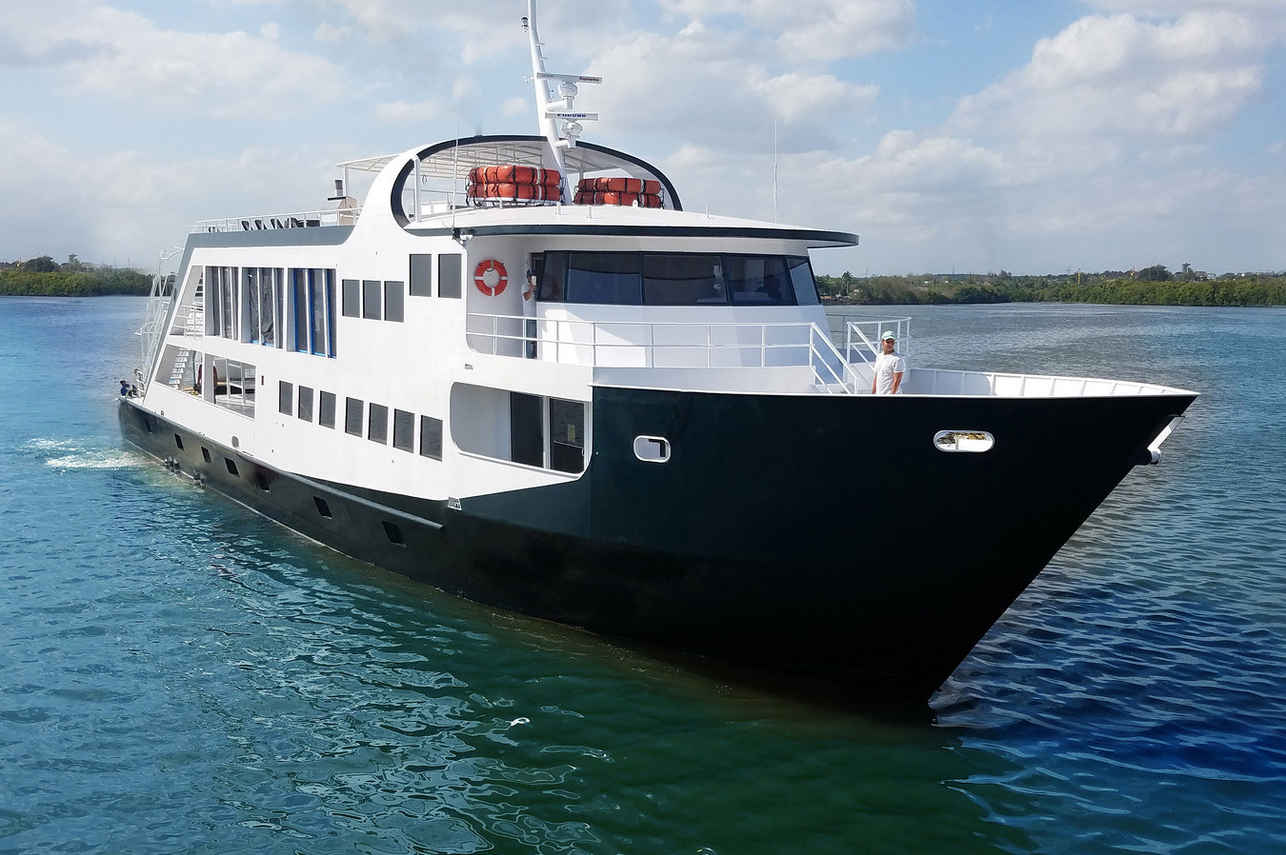
Jardines Avalon Fleet
Cuba
20 guests35.05 m
$494/day
Dive sites similar to Los Indios
Same character, same waters — six more sites divers love for the exact same reasons.Compare seasons, access and liveaboard routes — then pick the site that fits your trip best.
© Esri — Maxar, Earthstar, GIS
El Almirante
Cuba
El Almirante is an advanced dive site located off the shores of Maria la Gorda, on Cuba's Guanahacabibes Peninsula.
- Suitable for
- Advanced
- Current
- Moderate
- Access
- Dayboat
- Depth
- 27–30 m
- Theme
- Wall / Reef
La Patana is a prominent dive site within the protected marine park of Jardines de la Reina, a vast archipelago stretching 150 kilometers off Cuba's southern coast.
- Suitable for
- Intermediate
- Current
- Mild
- Access
- Liveaboard only
- Depth
- 15–30 m
- Theme
- Reef / Wall
© Esri — Maxar, Earthstar, GIS
Arrecife Somero
Cuba
Arrecife Somero, located near Key Sigua within the UNESCO-recognized Zapata Swamp biosphere reserve, presents a unique reef crest forming a horseshoe shape.
- Suitable for
- Beginner
- Current
- Mild
- Access
- Liveaboard only
- Depth
- 2–5 m
- Theme
- Reef
© Esri — Maxar, Earthstar, GIS
Puente Escondido
Cuba
Puente Escondido is a notable dive site nestled within the Jardines de la Reina marine park, an expansive and highly protected area off Cuba's southern coast.
- Suitable for
- Beginner
- Current
- Mild
- Access
- Liveaboard only
- Depth
- ≤ 18 m
- Theme
- Reef
La Corona is a captivating dive site situated within the expansive 35-kilometer barrier reef off Playa Santa Lucía in Cuba's Camagüey province.
- Suitable for
- Beginner
- Current
- Mild
- Access
- Dayboat
- Depth
- 5–40 m
- Theme
- Reef / Wall
© Esri — Maxar, Earthstar, GIS
Cueva del Negro
Cuba
Cueva del Negro is a notable dive site located near Cayo Largo, an island off Cuba's southern coast, known for its extensive underwater features.
- Suitable for
- Intermediate
- Current
- No current
- Access
- Liveaboard or dayboat
- Depth
- 8–8 m
- Theme
- Reef