About El Triton
El Triton is a spectacular dive site located within the Jardines del Rey archipelago, off the northern coast of Cuba. It is renowned for its diverse marine ecosystem, particularly its rich population of juvenile marine life, making it a captivating destination for divers of all experience levels. Situated near other popular sites like Las Coloradas, El Triton showcases the vibrant biodiversity characteristic of this region. The site features a relatively shallow profile, with depths ranging from 12 to 20 meters, fostering an environment ideal for both burgeoning coral formations and a wide array of smaller creatures. The underwater topography is defined by coral reefs that transition from shallower sections to slightly deeper areas, supporting a variety of soft corals and sponges. Thanks to its mild currents, El Triton is often enjoyed as a drift dive, allowing divers to effortlessly glide along the reef and observe the bustling marine activity. Visibility typically ranges from 20 to 30 meters, providing clear views of the abundant flora and fauna. The consistent conditions and rich marine life make it a popular spot for underwater photography. Access to El Triton is typically from accommodations within the Jardines del Rey region, such as Cayo Coco, which boasts an international airport for convenient travel. The site is part of a larger network of dive locations that highlight the natural beauty and ecological importance of Cuba's coastal waters.
Highlights
Shallow coral reefAbundant juvenile marine lifeMild drift divingExcellent visibilitySoft corals and spongesVibrant fish populations
Season calendar
Best months to dive here
Jan
Feb
Mar
Apr
May
Jun
Jul
Aug
Sep
Oct
Nov
Dec
Good
Dive site facts: El Triton
- Depth
- 12–20 m
- Current
- Mild
- Visibility
- 20–30 m
- Entry
- Boat / drift
- Level
- All levels
- Dive type
- Reef, drift, photography
- Region / port
- Jardines del Rey, Cuba
- Coordinates
- 22.5696° N, 78.4116° W
Conditions & Currents
El Triton is characterized by a mild current that sweeps gently through the reef, making it an excellent location for drift diving. Divers typically enter the water and allow the current to carry them along the reef, minimizing exertion and maximizing observation time. Visibility at the site is consistently good, ranging from 20 to 30 meters, providing clear conditions for navigation and marine life spotting. While the current is generally mild, divers should maintain good buoyancy control to avoid contact with the delicate coral structures. Boat traffic is not noted as a significant concern, allowing for relaxed surface intervals. Dive planning should account for the drift, ensuring divers are picked up by the boat down-current from their entry point.
Marine life & sighting chances
Juvenile fish
common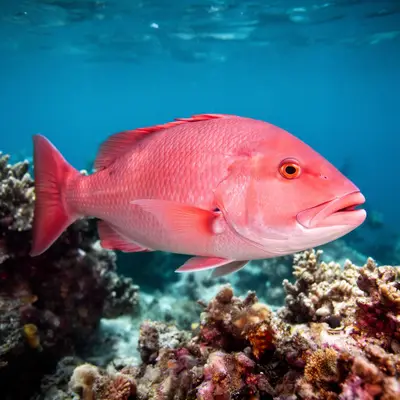
Snappers
occasional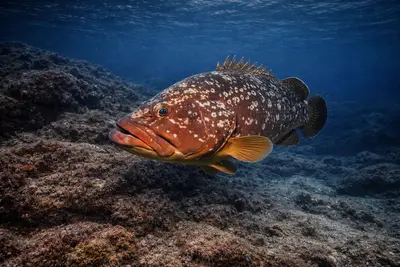
Groupers
occasional
Barracudas
occasional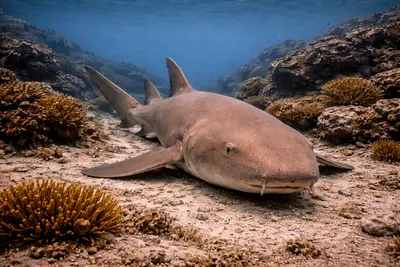
Nurse sharks
occasional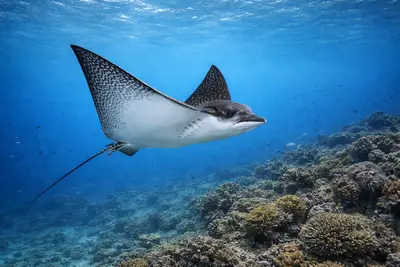
Eagle rays
occasional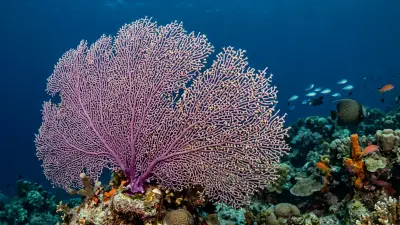
Gorgonians
common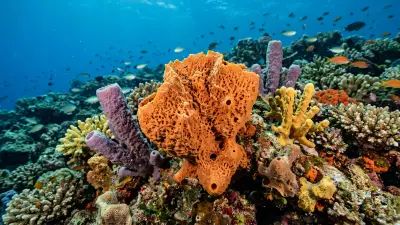
Sponges
common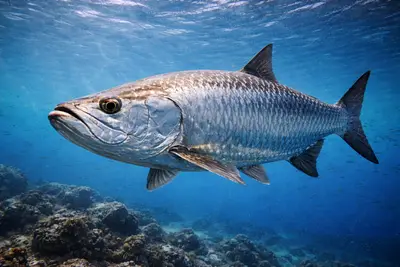
Tarpons
occasionalDive profile & how the dive runs
Diving El Triton typically involves a drift along its vibrant shallow reef, starting with a boat entry. Divers descend to depths between 12 and 20 meters, allowing the mild current to guide them over the coral formations. The dive route generally follows the reef's natural contours, offering continuous views of abundant juvenile marine life, soft corals, and sponges. Given the drift conditions, divers should maintain awareness of their position relative to the reef and their buddies. Turnaround points are often dictated by air consumption or the designated end of the drift section. The safety stop is performed at 5 meters, typically near a designated ascent line or deploying a DSMB to signal the boat, which will be waiting down-current to pick up divers.
Underwater photography
El Triton is an excellent site for underwater photography due to its clear visibility, shallow depths, and rich marine life. Wide-angle lenses are ideal for capturing the expansive coral gardens and schools of fish, while macro lenses will excel at showcasing the numerous juvenile species and intricate details of the reef. Natural light photography is often effective given the site's shallow profile and good visibility, but strobes will help bring out the true colors of the corals and fish. Buoyancy control is paramount to avoid disturbing the delicate reef ecosystem and to position yourself for the best shots. Pay attention to the mild current, using it to your advantage for stable shots of stationary subjects or to gently drift with schools of fish.
Combine with nearby dive sites
- Las Coloradas
Another shallow site known for abundant Caribbean sea life.
- Jaula I
A deeper site for advanced divers, known for larger pelagics.
- Jaula II
Similar to Jaula I, offering deeper dives with larger fish.
- Caribe
A site offering deeper waters, suitable for advanced divers.
- Neptuno Wreck
A wreck dive also suitable for advanced divers.
Getting there & logistics
Accessing El Triton primarily involves flying into Cayo Coco, which features an international airport, serving as a hub for the Jardines del Rey region. From there, divers typically stay at all-inclusive resorts that often arrange local boat transfers to dive sites. Day trips are common, combining dives at El Triton with other nearby reefs in the archipelago. There are no specific park fees mentioned for this site, and dive packages are generally bundled through local operators. Typical dive excursions will include two dives in the morning or afternoon. Trip lengths can vary, from a few days of diving to week-long holidays exploring the wider region.
Safety & environment
For El Triton, divers should ensure they carry comprehensive dive insurance that covers recompression chamber treatments and emergency evacuation, although specific chamber locations in the immediate vicinity are not detailed in the sources. The nearest major medical facilities would likely be in Ciego de Ávila province. Given the mild drift conditions, maintaining good buoyancy and staying close to your dive guide is important. All divers should be comfortable with boat entries and exits, and competent in deploying a DSMB for surface pickup, especially in drift scenarios. Always follow the dive briefing instructions and maintain adequate gas reserves for the duration of the dive, accounting for potential current influences.
Who it suits — and who it doesn't
Suited for
- Newly certified divers
- Underwater photographers
- Divers interested in macro life
- Drift dive enthusiasts
- Marine biology observers
Less suited for
- Technical divers seeking extreme depths
- Divers exclusively seeking large pelagic encounters
- Those who prefer static, non-current dives
- Divers who dislike abundant juvenile marine life
FAQ
El Triton FAQ
What kind of marine life can I expect to see at El Triton?
El Triton is celebrated for its abundant juvenile marine life, offering a fantastic opportunity to observe young fish thriving in its protected reef environment. You can also expect to encounter common Caribbean reef species such as snappers, groupers, barracudas, and occasionally nurse sharks or eagle rays. The site features a variety of soft corals and sponges that create a vibrant habitat for these creatures.
Is El Triton suitable for beginners?
Yes, El Triton is generally suitable for divers of all experience levels, including beginners. Its shallow depths, ranging from 12 to 20 meters, and mild currents make for a comfortable and enjoyable dive. The clear visibility further enhances the experience, allowing newer divers to easily navigate and appreciate the underwater scenery.
What are the typical diving conditions like?
Diving conditions at El Triton are usually favorable, featuring excellent visibility that often spans 20 to 30 meters. The site experiences a mild current, making it ideal for drift diving, where divers simply glide along with the flow. Water temperatures are characteristic of the Caribbean, generally warm, and the shallower profile ensures good ambient light penetration.
How do I get to El Triton?
El Triton is located in the Jardines del Rey archipelago, with the most common access point being Cayo Coco, which has an international airport. Divers typically arrange their trips through resorts in the area, which provide boat transfers to the dive site. These resorts often offer dive packages that include transportation and guided dives to El Triton and other nearby locations.
Is underwater photography good at El Triton?
El Triton is considered an excellent location for underwater photography. Its clear waters and shallow depths allow for good natural light, enhancing colors and contrast. The abundance of juvenile fish and diverse soft corals provide numerous opportunities for both wide-angle reef shots and detailed macro photography subjects.
Why dive El Triton from a liveaboard?
El Triton is one of Cuba's signature dive sites. A liveaboard sleeps you on the water and puts you in the water for three to four guided dives per day, including dawn and night dives that day-boat operators rarely offer. You skip the daily commute back to port and reach quieter, less-crowded sites in the same region on a single trip.
Below are the liveaboards that include El Triton on their Cuba itineraries.
Liveaboards diving El Triton
These liveaboards may visit El Triton on selected itineraries — the exact dive sites depend on departure, weather and conditions.
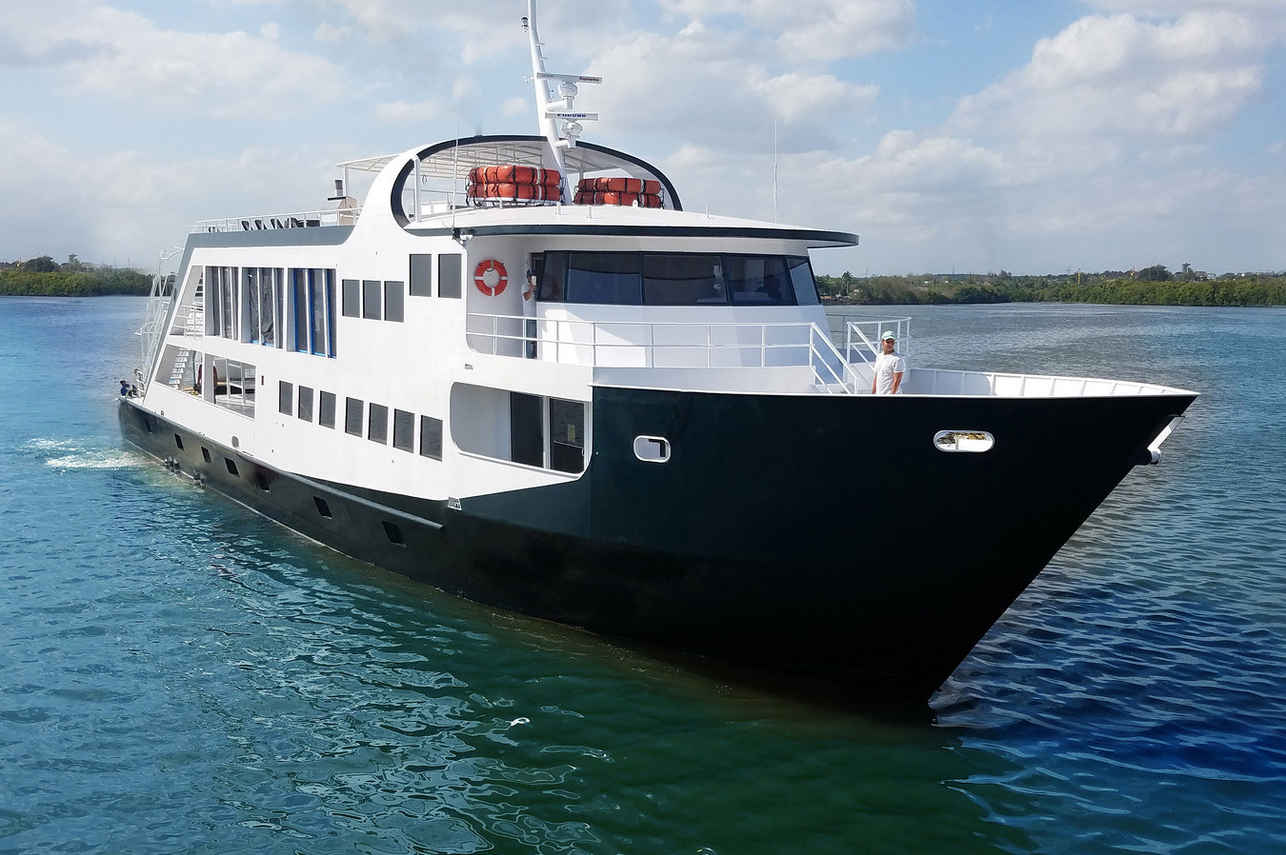
Jardines Avalon Fleet
Cuba
20 guests35.05 m
$494/day
Dive sites similar to El Triton
Same character, same waters — six more sites divers love for the exact same reasons.Compare seasons, access and liveaboard routes — then pick the site that fits your trip best.
© Esri — Maxar, Earthstar, GIS
El Almirante
Cuba
El Almirante is an advanced dive site located off the shores of Maria la Gorda, on Cuba's Guanahacabibes Peninsula.
- Suitable for
- Advanced
- Current
- Moderate
- Access
- Dayboat
- Depth
- 27–30 m
- Theme
- Wall / Reef
La Patana is a prominent dive site within the protected marine park of Jardines de la Reina, a vast archipelago stretching 150 kilometers off Cuba's southern coast.
- Suitable for
- Intermediate
- Current
- Mild
- Access
- Liveaboard only
- Depth
- 15–30 m
- Theme
- Reef / Wall
© Esri — Maxar, Earthstar, GIS
Arrecife Somero
Cuba
Arrecife Somero, located near Key Sigua within the UNESCO-recognized Zapata Swamp biosphere reserve, presents a unique reef crest forming a horseshoe shape.
- Suitable for
- Beginner
- Current
- Mild
- Access
- Liveaboard only
- Depth
- 2–5 m
- Theme
- Reef
© Esri — Maxar, Earthstar, GIS
Puente Escondido
Cuba
Puente Escondido is a notable dive site nestled within the Jardines de la Reina marine park, an expansive and highly protected area off Cuba's southern coast.
- Suitable for
- Beginner
- Current
- Mild
- Access
- Liveaboard only
- Depth
- ≤ 18 m
- Theme
- Reef
La Corona is a captivating dive site situated within the expansive 35-kilometer barrier reef off Playa Santa Lucía in Cuba's Camagüey province.
- Suitable for
- Beginner
- Current
- Mild
- Access
- Dayboat
- Depth
- 5–40 m
- Theme
- Reef / Wall
© Esri — Maxar, Earthstar, GIS
Cueva del Negro
Cuba
Cueva del Negro is a notable dive site located near Cayo Largo, an island off Cuba's southern coast, known for its extensive underwater features.
- Suitable for
- Intermediate
- Current
- No current
- Access
- Liveaboard or dayboat
- Depth
- 8–8 m
- Theme
- Reef