About Caribe
Caribe is an advanced dive site situated in the waters off Varadero, on Cuba's northern coast. It offers divers the chance to explore a rich marine environment characterized by deeper sections compared to shallower, nearby sites. This location is part of Varadero's extensive underwater topography, which includes caverns, cenotes, and sloping coral gardens, providing a diverse backdrop for underwater exploration. While specific details on its exact topography are limited, Caribe is noted for its deeper depths, appealing to more experienced divers. The site benefits from the clear conditions found in the Varahicacos Ecological Reserve, contributing to good visibility for observing marine life. Diving here allows encounters with notable species such as giant green morays and tarpons, making it a highlight for those seeking larger marine creatures. The marine ecosystem thrives with various reef inhabitants, typical of healthy Caribbean environments. Access to Caribe is typically via a short boat ride from the shore of Varadero. Given its advanced designation and deeper profiles, divers should be prepared for conditions that may require specific training or experience.
Highlights
Advanced dive siteVaradero regionGiant green moraysTarpon sightingsHealthy coral gardensDeeper profiles
Season calendar
Best months to dive here
Jan
Feb
Mar
Apr
May
Jun
Jul
Aug
Sep
Oct
Nov
Dec
Excellent
Good
Off-Season
Nov – May (Dry Season)
Best visibility 30–40m, calm seas. Peak season for Jardines de la Reina. Whale sharks, silky sharks, crocodiles.
Jun – Jul & Oct (Shoulder)
Warm water, occasional rain. Good shark diving continues. Fewer tourists.
Aug – Sep (Hurricane Season)
Peak hurricane risk. Some operators pause. Rough seas and reduced visibility when storms pass.
Dive site facts: Caribe
- Current
- Moderate
- Water temperature
- 25-30°C
- Entry
- Boat
- Level
- Advanced
- Dive type
- Coral reef, large marine life
- Region / port
- Varadero, Cuba
- Coordinates
- 23.1678° N, 81.2583° W
Conditions & Currents
Information on specific current strength for Caribe is not provided in the sources. However, as an advanced site, divers should generally be prepared for variable conditions. Visibility in Varadero's dive sites, including those near the Varahicacos Ecological Reserve, is typically clear. In the wider region, some sites like Las Coloradas experience mild currents, often suitable for drift dives, but this cannot be directly attributed to Caribe. Divers should always consult with local dive operators for real-time conditions, including any potential for thermoclines or surge, and plan their gas and decompression limits accordingly, especially at deeper sites.
Marine life & sighting chances

Giant green morays
common
Tarpons
common
Snappers
occasional
Groupers
occasional
Barracudas
occasional
Nurse sharks
occasional
Eagle rays
occasional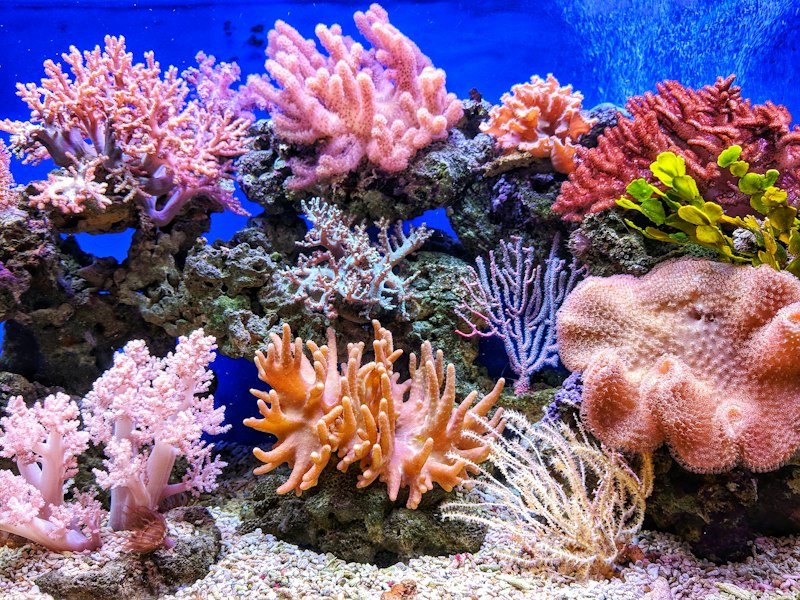
Soft corals
common
Sponges
common
Gorgonians
commonDive profile & how the dive runs
Caribe is accessed via a short boat ride from Varadero. As an advanced site, the dive profile likely involves descending to deeper sections of the coral reef. While a specific route is not detailed, typical dives in the area might involve exploring sloping coral gardens and deeper features where larger marine life such as giant green morays and tarpons are sighted. Divers should anticipate a multi-level profile, gradually ascending through different depth bands to maximize bottom time and safety. The safety stop would be conducted at the end of the dive at standard depths, preparing for a boat pickup at the surface.
Underwater photography
Caribe, with its clear waters and potential for encounters with giant green morays and tarpons, offers excellent opportunities for wide-angle photography focusing on the reef and larger subjects. A fisheye or wide-angle lens would be beneficial to capture the expansive coral structures and big fish. For close-up shots of reef inhabitants, a macro lens could also be useful. Ensure good buoyancy control to protect the delicate coral formations and allow for stable shots. Strobes are recommended to bring out the true colors of the marine life and illuminate deeper areas. Patience and respectful observation of the marine environment will yield the best photographic results.
Combine with nearby dive sites
Getting there & logistics
Diving Caribe typically begins from Varadero, a prominent coastal area on Cuba's northern coast. Most dive tours to sites like Caribe are booked through local dive shops, often associated with resorts, or as part of a liveaboard itinerary. Travelers arriving in Cuba can utilize international airports such as Juan Gualberto Gómez Airport (VRA) in Varadero or José Martí International Airport (HAV) in Havana, with transfers then arranged to Varadero. Dive trips are usually single-day excursions, often combining two tanks. Specific permit or park fees for Caribe are not detailed, but divers should budget for dive package costs and equipment rental. Longer liveaboard trips in Cuba may combine this site with others across the island's diverse diving regions.
Safety & environment
While specific safety protocols for Caribe are not detailed, advanced dive sites in Cuba generally require adherence to international safety standards. Divers should possess appropriate certification for advanced diving and ensure their insurance covers scuba diving activities, including potential medical evacuation. In Cuba, recompression chambers are available, with the nearest major facility likely in Havana or another large city, though exact locations relative to Varadero should be confirmed with local operators. Site-specific hazards may include variable currents, deeper depths requiring careful gas planning, and potential encounters with marine life that should be observed respectfully. Always dive with a reputable operator, follow dive leader instructions, and maintain excellent buoyancy control.
Who it suits, and who it doesn't
Suited for
- Advanced certified divers
- Divers seeking large marine life encounters
- Photographers interested in wide-angle and reef scenes
- Explorers of deeper coral environments
- Divers comfortable with boat entries
Less suited for
- Beginner divers without advanced certification
- Divers uncomfortable with deeper depths
- Individuals prone to seasickness on boat transfers
- Divers seeking easy, shallow reef dives
- Those who prefer shore-based diving
FAQ
Caribe FAQ
What marine life can I expect to see at Caribe?
At Caribe, divers frequently encounter impressive giant green morays and tarpons. The site also supports a healthy reef ecosystem with various soft corals, sponges, and gorgonians. Occasional sightings of snappers, groupers, barracudas, nurse sharks, and eagle rays are also possible.
Is Caribe suitable for beginner divers?
Caribe is specifically designated as an advanced dive site, meaning it is not suitable for beginner divers. Its deeper profiles and potentially variable conditions require a higher level of experience and certification. Beginners should look for shallower, less challenging sites in the Varadero area.
What are the typical water temperatures at Caribe?
Water temperatures at Caribe are comfortably warm throughout the year, ranging from approximately 25°C (77°F) in cooler months like December to a peak of 30°C (86°F) around July. This allows for enjoyable diving conditions, often requiring only a minimal wetsuit.
How do I get to the Caribe dive site?
Caribe is reached by boat from Varadero, Cuba. Dive operators in Varadero, often affiliated with local resorts, arrange daily excursions to various dive sites, including Caribe. Travelers typically fly into Varadero's airport or Havana and then transfer to the Varadero peninsula.
When is the best time of year to dive Caribe?
The prime diving season for Caribe, and Cuba in general, runs from December to April. This period offers the driest weather, calmest seas, and comfortable water temperatures, making it ideal for underwater exploration. While diving is possible year-round, these months provide the most favorable conditions.
Why dive Caribe from a liveaboard?
Caribe is one of Cuba's signature dive sites. A liveaboard sleeps you on the water and puts you in the water for three to four guided dives per day, including dawn and night dives that day-boat operators rarely offer. You skip the daily commute back to port and reach quieter, less-crowded sites in the same region on a single trip.
Below are the liveaboards that include Caribe on their Cuba itineraries.
Liveaboards diving Caribe
These liveaboards may visit Caribe on selected itineraries, the exact dive sites depend on departure, weather and conditions.

Jardines Avalon Fleet
Cuba
20 guests35 m
Dive sites similar to Caribe
Same character, same waters, six more sites divers love for the exact same reasons.Compare seasons, access and liveaboard routes, then pick the site that fits your trip best.
© EsriMaxar, Earthstar, GIS
3 Fathom Wall
Cayman Islands
3 Fathom Wall is an exciting and fish-filled dive site located in the Cayman Islands, specifically at the intersection of the renowned Bloody Bay Wall.
- Suitable for
- Intermediate
- Current
- Mild
- Access
- Liveaboard only
- Depth
- ≤ 3000 m
- Theme
- Reef
While specific details for a dive site named "3 Riff" are not present in the provided sources, general diving conditions and characteristics for the Dominican Republic…
- Suitable for
- Advanced
- Current
- Mild
- Access
- Dayboat
- Depth
- 30–55 m
- Theme
- Reef
The dive site known as 3 Rocks is located off the coast of Sosúa in Puerto Plata, Dominican Republic, offering an accessible and lively underwater experience.
- Suitable for
- Beginner
- Current
- Mild
- Access
- Dayboat
- Depth
- 2–8 m
- Theme
- Reef
4 Amigos is a notable dive site located in the Bay Islands of Honduras, an area renowned for its extensive Mesoamerican Barrier Reef System, which is the world's second-longest.
- Suitable for
- Intermediate
- Current
- Moderate
- Access
- Liveaboard or dayboat
- Depth
- 9–40 m
- Theme
- Reef
© EsriMaxar, Earthstar, GIS
6 Toed Cat
Mexico
The dive site known as "6 Toed Cat" is not a recognized dive location in Mexico; rather, it refers to the polydactyl felines, many with six toes, that inhabit the Ernest Hemingway Home and Museum in Key West, Florida.
- Suitable for
- Beginner
- Current
- Mild
- Access
- Liveaboard or dayboat
- Depth
- —
- Theme
- Reef
© EsriMaxar, Earthstar, GIS
Aaron's Backyard
Honduras
Aaron's Backyard is a noted dive site within the Roatan Marine Park in Honduras, part of the extensive Mesoamerican Barrier Reef System.
- Suitable for
- Intermediate
- Current
- Moderate
- Access
- Liveaboard or dayboat
- Depth
- 9–40 m
- Theme
- Reef