About Neptuno Wreck
The Neptuno Wreck is an advanced dive site located off the eastern coast of Varadero, Cuba. This area, transitioning towards Los Cayos and Jardines del Rey, features deeper waters suitable for experienced divers. The wreck itself contributes to the rich underwater topography that includes caverns, cenotes, and extensive coral gardens found throughout the Varadero region. Diving the Neptuno Wreck allows for exploration of its structure, which serves as an artificial reef attracting a variety of marine species. This site is particularly known for encounters with significant marine life, adding to the allure for divers seeking more than just a typical reef dive. The surrounding environment in Varadero offers a diverse range of over 20 dive sites, ensuring varied experiences for divers. The region's climate is favorable, with the drier and calmer season running from December to April, making it an excellent time to visit. Water temperatures remain comfortably warm, contributing to an enjoyable dive experience year-round, although conditions are optimal outside of the hurricane season. Accessibility is generally managed through local dive operators or liveaboard options, as detailed information on Cuban diving can be challenging to research independently. The Neptuno Wreck is typically combined with other deeper sites in the area, appealing to those with advanced certifications.
Highlights
Advanced wreck explorationGiant green moray eelsTarpon sightingsDeeper water environmentVaradero's diverse dive sites
Season calendar
Best months to dive here
Jan
Feb
Mar
Apr
May
Jun
Jul
Aug
Sep
Oct
Nov
Dec
Good
Dive site facts: Neptuno Wreck
- Current
- Potentially moderate to strong
- Visibility
- 30–40 m
- Water temperature
- 25–30°C
- Entry
- Boat
- Level
- Advanced
- Dive type
- Wreck, deep, marine life
- Region / port
- Varadero, Cuba
- Coordinates
- 23.1364° N, 81.0963° W
Conditions & Currents
While specific current information for Neptuno Wreck is not detailed in the sources, general Cuban diving conditions, particularly at deeper or offshore sites, can sometimes involve stronger currents. For instance, the USS Merrimac wreck, also in Cuba, is noted for strong currents due to its mid-channel position, requiring experienced divers. Divers should anticipate potentially moderate to strong currents at deeper wreck sites like Neptuno, necessitating good buoyancy control and dive planning. Visibility in Cuba is generally excellent, often reaching 30-40 meters (98-131 feet) in optimal conditions, though this can vary. Water temperatures are warm, ranging from 25°C (77°F) in December to 30°C (86°F) by July, making for comfortable diving.
Marine life & sighting chances

Giant green moray
common
Tarpon
common
Snapper
occasional
Grouper
occasional
Barracuda
occasional
Nurse shark
occasional
Eagle ray
occasional
Coral (soft)
common
Sponge
common
Gorgonian
commonDive profile & how the dive runs
Divers typically access the Neptuno Wreck by boat, likely requiring a short ride from shore. As an advanced wreck dive in deeper waters, the descent will be controlled to the wreck structure. The dive profile will involve exploring the interior and exterior of the wreck, paying close attention to potential current conditions. Given the emphasis on encountering large marine life like giant green morays and tarpons, divers should plan their route to observe these species around the wreck's features. Ascent will be gradual, including a safety stop at 5 meters (15 feet) for at least three minutes, a standard practice for all recreational dives, particularly after deeper or longer exposures. Final ascent to the surface should be slow and controlled, checking for boat traffic.
Underwater photography
The Neptuno Wreck provides excellent opportunities for wide-angle photography, capturing the entire wreck structure and its inhabitants. Divers should consider using a wide-angle lens to encompass the scale of the wreck and any large pelagics, such as tarpon, that may be present. Strobes are essential for bringing out the vibrant colors of soft corals, sponges, and the resident fish that have made the wreck their home, especially in deeper sections where natural light diminishes. Excellent visibility, often 30-40 meters, will aid in capturing clear shots. Buoyancy control is paramount to avoid disturbing the wreck or stirring up sediment, ensuring clear visibility for your shots and preserving the site. For encounters with morays, a macro lens could be beneficial if focusing on detail, though a wide-angle is more versatile for the overall wreck experience.
Combine with nearby dive sites
- Caribe
Also an advanced wreck dive in deeper waters off Varadero
- Las Mandarinas
A beautiful coral reef closer to the peninsula
- Jaula I
Located in Jardines del Rey, known for deeper diving (25-35m)
- Jaula II
Located in Jardines del Rey, known for deeper diving (25-35m)
- El Triton
A shallow site in Jardines del Rey (12-20m) with diverse marine life
- Punta Perdiz
Punta Perdiz is a classic shore diving location situated in Cuba's Bay of Pigs, known for its clear Caribbean waters and direct beach…
Getting there & logistics
Access to Cuban dive sites like Neptuno Wreck is typically arranged through liveaboards or local dive operations at resorts. Flights to Cuba generally arrive at Havana's main airport, with direct routes available from Canada, Europe, and Mexico. Some chartered flights may go directly to resort areas like Cayo Coco, which has an international airport, simplifying travel to the Jardines del Rey region near Varadero. Independent travel and organizing diving can be challenging, so booking through established dive centers or liveaboard providers is recommended. Dive trips are often part of multi-day itineraries that combine various sites across the region. Specific permit fees for diving the Neptuno Wreck are not detailed, but divers should anticipate standard dive operator fees.
Safety & environment
Diving the Neptuno Wreck, particularly as an advanced site, requires adherence to standard safety protocols. While specific information on recompression chambers is not provided for Varadero, divers should always have comprehensive dive insurance that covers emergency medical treatment and evacuation. Given the potential for deeper depths and currents at wreck sites, careful dive planning, monitoring no-decompression limits, and maintaining excellent buoyancy control are critical. Divers should perform a safety stop at 5 meters (15 feet) for at least three minutes at the end of every dive to aid nitrogen off-gassing. Always dive with a buddy and follow the instructions of your certified dive guide. Be aware of boat traffic, especially during ascents.
Who it suits — and who it doesn't
Suited for
- Advanced divers with wreck experience
- Divers seeking large marine life encounters
- Underwater photographers
- Those comfortable with deeper dives
- Divers preferring fewer crowds (outside peak season)
Less suited for
- Beginner divers
- Divers uncomfortable with potential currents
- Those without advanced certifications
- Divers seeking only shallow reef experiences
- Individuals prone to seasickness on longer boat rides
FAQ
Neptuno Wreck FAQ
What kind of marine life can I expect to see at Neptuno Wreck?
The Neptuno Wreck is known for attracting significant marine life. Divers commonly encounter giant green moray eels and large tarpons. Additionally, the surrounding reef systems in the Varadero area host snappers, groupers, barracudas, nurse sharks, and eagle rays, providing a diverse underwater experience.
What is the best time of year to dive Neptuno Wreck?
The ideal time to dive Neptuno Wreck, and Cuba in general, is during the drier and calmer season, which runs from December to April. During these months, you'll experience more stable weather conditions and avoid the peak hurricane season that occurs from August to September, ensuring a more pleasant and predictable dive trip.
What is the typical depth and visibility at the Neptuno Wreck?
The Neptuno Wreck is considered a deeper dive site, suitable for advanced divers. While a specific depth range for the wreck isn't provided, general Cuban diving visibility is excellent, often ranging from 30 to 40 meters (98 to 131 feet). This high visibility enhances the experience of exploring the wreck and observing its marine inhabitants.
Is Neptuno Wreck suitable for beginner divers?
No, Neptuno Wreck is classified as an advanced dive site. Its location in deeper waters and potential for currents make it more challenging. Beginner divers or those without advanced certifications are recommended to explore shallower reef sites in the Varadero region until they gain more experience.
How do I typically get to Neptuno Wreck?
Access to Neptuno Wreck is primarily by boat, usually organized through local dive operators in Varadero or as part of a liveaboard itinerary. Given the general complexities of organizing independent travel and diving in Cuba, booking through an established dive center is the most common and recommended approach.
Why dive Neptuno Wreck from a liveaboard?
Neptuno Wreck is one of Cuba's signature dive sites. A liveaboard sleeps you on the water and puts you in the water for three to four guided dives per day, including dawn and night dives that day-boat operators rarely offer. You skip the daily commute back to port and reach quieter, less-crowded sites in the same region on a single trip.
Below are the liveaboards that include Neptuno Wreck on their Cuba itineraries.
Liveaboards diving Neptuno Wreck
These liveaboards may visit Neptuno Wreck on selected itineraries — the exact dive sites depend on departure, weather and conditions.
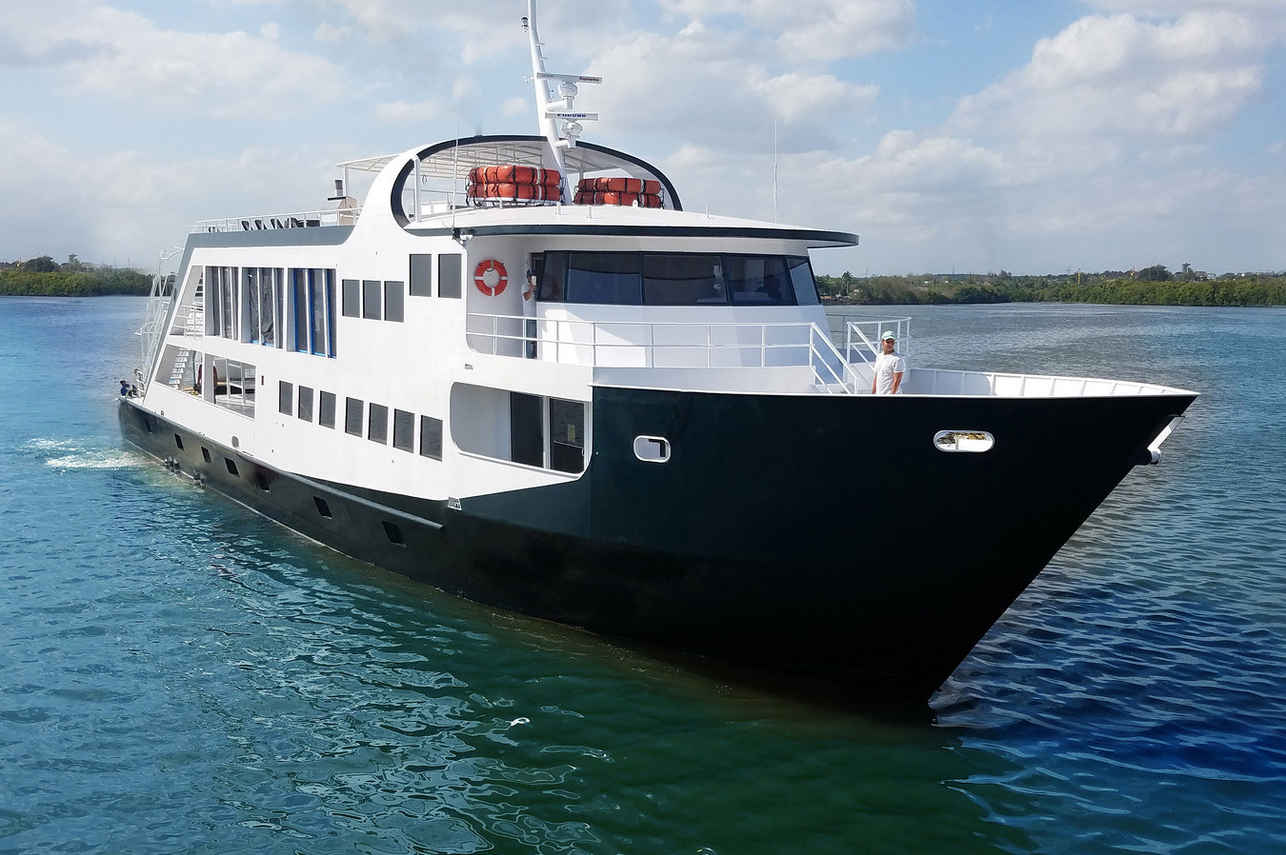
Jardines Avalon Fleet
Cuba
20 guests35.05 m
$494/day
Dive sites similar to Neptuno Wreck
Same character, same waters — six more sites divers love for the exact same reasons.Compare seasons, access and liveaboard routes — then pick the site that fits your trip best.
© Esri — Maxar, Earthstar, GIS
El Almirante
Cuba
El Almirante is an advanced dive site located off the shores of Maria la Gorda, on Cuba's Guanahacabibes Peninsula.
- Suitable for
- Advanced
- Current
- Moderate
- Access
- Dayboat
- Depth
- 27–30 m
- Theme
- Wall / Reef
La Patana is a prominent dive site within the protected marine park of Jardines de la Reina, a vast archipelago stretching 150 kilometers off Cuba's southern coast.
- Suitable for
- Intermediate
- Current
- Mild
- Access
- Liveaboard only
- Depth
- 15–30 m
- Theme
- Reef / Wall
© Esri — Maxar, Earthstar, GIS
Arrecife Somero
Cuba
Arrecife Somero, located near Key Sigua within the UNESCO-recognized Zapata Swamp biosphere reserve, presents a unique reef crest forming a horseshoe shape.
- Suitable for
- Beginner
- Current
- Mild
- Access
- Liveaboard only
- Depth
- 2–5 m
- Theme
- Reef
© Esri — Maxar, Earthstar, GIS
Puente Escondido
Cuba
Puente Escondido is a notable dive site nestled within the Jardines de la Reina marine park, an expansive and highly protected area off Cuba's southern coast.
- Suitable for
- Beginner
- Current
- Mild
- Access
- Liveaboard only
- Depth
- ≤ 18 m
- Theme
- Reef
La Corona is a captivating dive site situated within the expansive 35-kilometer barrier reef off Playa Santa Lucía in Cuba's Camagüey province.
- Suitable for
- Beginner
- Current
- Mild
- Access
- Dayboat
- Depth
- 5–40 m
- Theme
- Reef / Wall
© Esri — Maxar, Earthstar, GIS
Cueva del Negro
Cuba
Cueva del Negro is a notable dive site located near Cayo Largo, an island off Cuba's southern coast, known for its extensive underwater features.
- Suitable for
- Intermediate
- Current
- No current
- Access
- Liveaboard or dayboat
- Depth
- 8–8 m
- Theme
- Reef