About Jaula I
Jaula I is a prominent dive site within the Jardines del Rey archipelago, situated between the well-known Cayo Coco and Cayo Guillermo. This region, celebrated for its pristine white-sand beaches and thriving coral reefs, provides a rich marine ecosystem. While some nearby sites are shallower, Jaula I is specifically known for its greater depths, making it a key attraction for experienced divers seeking deeper explorations. The underwater topography of the Jardines del Rey is characterized by extensive coral reefs that vary in depth, with Jaula I specifically targeting a deeper band. These reefs host a variety of soft corals, sponges, and grand gorgonian formations, which provide a dynamic habitat for diverse marine life. The site's depth profile typically ranges from 25 to 35 meters, creating an environment suitable for larger, more elusive species. Marine life sightings at Jaula I consistently include a range of notable species. Divers frequently encounter snappers and groupers, along with more impressive pelagics such as barracudas, nurse sharks, and eagle rays. The visibility in the general region is often excellent, contributing to clear views of the vibrant underwater world, though specific visibility for Jaula I's deeper zones can vary. The currents, while generally mild in the broader area, necessitate an understanding of conditions for a deeper dive. Access to Jaula I depends on the diver's accommodation location, typically arranged through dive operations based at all-inclusive resorts in the Cayo Coco and Cayo Guillermo areas. Dive excursions often involve two-tank trips, allowing divers to explore this and other nearby sites, emphasizing careful planning due to the advanced depth requirements.
Highlights
Deeper coral reef systemEncounters with large fishSnappers and groupersBarracudasNurse sharksOccasional eagle raysAdvanced dive profilePart of Jardines del Rey
Season calendar
Best months to dive here
Jan
Feb
Mar
Apr
May
Jun
Jul
Aug
Sep
Oct
Nov
Dec
Excellent
Good
Off-Season
Nov – May (Dry Season)
Best visibility 30–40m, calm seas. Peak season for Jardines de la Reina. Whale sharks, silky sharks, crocodiles.
Jun – Jul & Oct (Shoulder)
Warm water, occasional rain. Good shark diving continues. Fewer tourists.
Aug – Sep (Hurricane Season)
Peak hurricane risk. Some operators pause. Rough seas and reduced visibility when storms pass.
Dive site facts: Jaula I
- Depth
- 25–35 m
- Current
- Mild (regional)
- Visibility
- 20–30 m (regional)
- Water temperature
- 25–30°C
- Entry
- Boat
- Level
- Advanced
- Dive type
- Reef, drift, photography
- Region / port
- Jardines del Rey, Cayo Coco
- Coordinates
- 22.5500° N, 78.4333° W
Conditions & Currents
Information on specific currents for Jaula I is not detailed in the provided sources. However, nearby sites in Jardines del Rey, such as Las Coloradas, experience mild currents, which are often utilized for drift diving. The visibility in the region is consistently good, often ranging from 20 to 30 meters, contributing to a pleasant dive experience for various skill levels. Water temperatures are generally warm, between 25°C and 30°C from December to July, ensuring comfortable conditions for dives. Entry is typically from a boat, and calm surface conditions, especially outside hurricane season, usually allow for straightforward entry and exit.
Marine life & sighting chances

Snapper
common
Grouper
common
Barracuda
common
Nurse Shark
common
Eagle Ray
occasional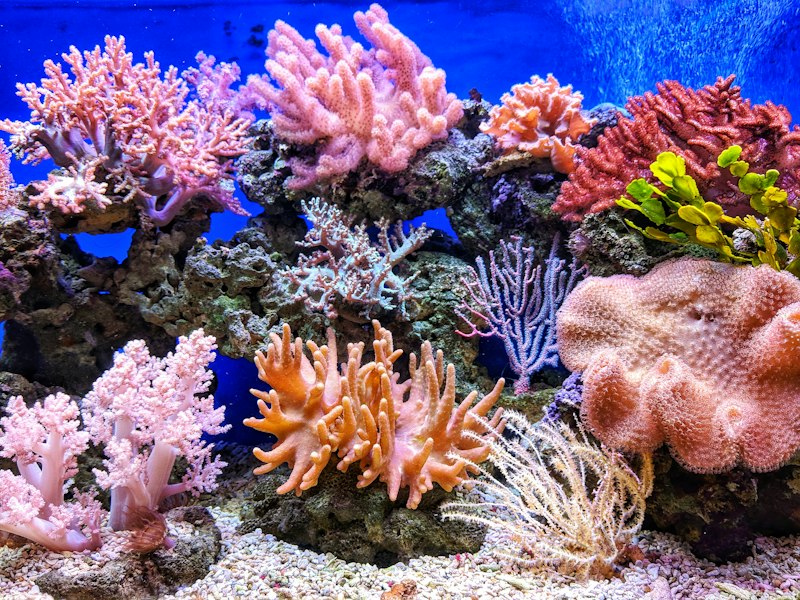
Soft Corals
common
Sponges
common
Gorgonians
commonDive profile & how the dive runs
Your dive at Jaula I typically begins with a boat entry, descending directly onto the reef structure. Given the deeper average depths of 25 to 35 meters, the dive plan focuses on exploring these advanced-level zones. You will generally follow the reef's contours, observing the larger fish species such as snappers, groupers, barracudas, and nurse sharks that frequent these depths. The route and turn point will be managed by your dive guide, prioritizing gas consumption and no-decompression limits for safety in the deeper environment. The dive concludes with a safety stop at 5 meters, often over a shallower part of the reef or a sandy area, before ascending to the surface for boat pickup.
Underwater photography
Jaula I, with its deeper profile and potential for larger marine life, offers excellent opportunities for wide-angle photography. Consider using a wide-angle lens to capture the extensive reef structures and the presence of species like nurse sharks and barracudas. For more detailed shots of groupers and snappers, a macro lens might be less suitable given the site's characteristics, but a standard port and dome are advisable. Ensure your strobe setup is capable of illuminating subjects at depth, compensating for light loss. Good buoyancy control is crucial to avoid disturbing the deeper reef and to maintain optimal positions for capturing dynamic shots of moving marine life.
Combine with nearby dive sites
Getting there & logistics
Access to Jaula I is typically arranged through all-inclusive resorts located in the Cayo Coco and Cayo Guillermo areas of the Jardines del Rey archipelago. Divers generally fly into the international airport at Cayo Coco. Dive operators based at these resorts conduct daily two-tank excursions, combining Jaula I with other nearby sites. There are no specific permit or park fees mentioned for this site, but these are usually incorporated into the overall dive package cost. Given its location, Jaula I is usually part of multi-day dive itineraries focusing on the Jardines del Rey region.
Safety & environment
While no specific safety information for Jaula I is provided, general dive safety protocols apply. Divers should ensure they have appropriate insurance coverage, including emergency evacuation and recompression chamber treatment, given that Cuba is an island nation. Due to the site's advanced depth profile, advanced certification and experience with deeper dives are crucial. Always dive within your training limits and follow your dive guide's instructions regarding gas management and bottom times. The nearest recompression chamber or advanced medical facility location is not specified in the sources, highlighting the importance of thorough pre-trip planning and communication with local dive operators regarding emergency procedures.
Who it suits, and who it doesn't
Suited for
- Advanced certified divers
- Divers seeking deeper reef exploration
- Photographers targeting large marine life
- Divers comfortable with potential currents
- Those interested in pelagic encounters
Less suited for
- Entry-level divers
- Divers without deep dive experience
- Those prone to narcosis
- Divers uncomfortable with potential low visibility (regional)
- Individuals sensitive to cooler water (in winter months)
FAQ
Jaula I FAQ
What kind of marine life can I expect at Jaula I?
At Jaula I, you can anticipate encountering a variety of larger reef inhabitants, including snappers, groupers, barracudas, and nurse sharks. Occasionally, lucky divers may also spot eagle rays. The site is part of a healthy coral reef system, so you'll see a range of reef fish and invertebrates, though the highlights are often the larger species.
What is the typical depth at Jaula I?
Jaula I is known for its deeper profile, with average depths ranging from 25 to 35 meters (82-115 feet). This depth range makes it particularly appealing to advanced divers seeking to explore deeper reef environments and encounter marine life that prefers these conditions. Proper training and experience for deep diving are recommended for this site.
Is Jaula I suitable for beginner divers?
No, Jaula I is not typically suitable for beginner divers. Its average depths of 25 to 35 meters categorize it as an advanced dive site. Divers should possess an advanced certification and be comfortable with deeper dive profiles, including managing air consumption and no-decompression limits at these depths.
How do I get to Jaula I?
Jaula I is accessible via boat trips organized by dive operators based in the all-inclusive resorts around Cayo Coco and Cayo Guillermo. You would typically fly into the international airport at Cayo Coco and then arrange your diving excursions through your resort or a local dive shop. It's usually part of a two-tank dive itinerary.
What are the water temperatures like at Jaula I?
Water temperatures in the Jardines del Rey region, where Jaula I is located, are generally warm. From December to April, temperatures average around 25°C (77°F), rising to 30°C (86°F) by July. These warm conditions contribute to comfortable diving throughout much of the year, though specific seasonal variations might occur.
Why dive Jaula I from a liveaboard?
Jaula I is one of Cuba's signature dive sites. A liveaboard sleeps you on the water and puts you in the water for three to four guided dives per day, including dawn and night dives that day-boat operators rarely offer. You skip the daily commute back to port and reach quieter, less-crowded sites in the same region on a single trip.
Below are the liveaboards that include Jaula I on their Cuba itineraries.
Liveaboards diving Jaula I
These liveaboards may visit Jaula I on selected itineraries, the exact dive sites depend on departure, weather and conditions.
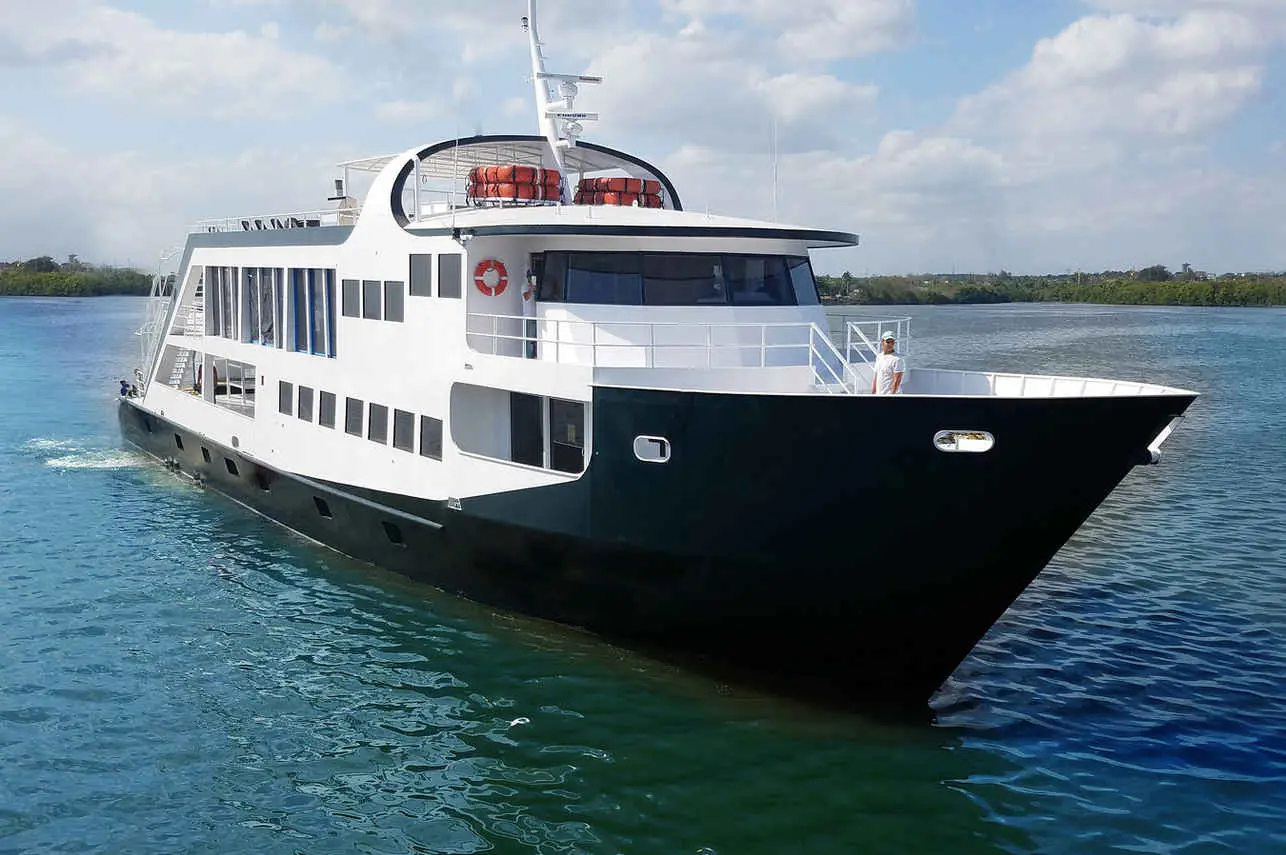
Jardines Avalon Fleet
Cuba
20 guests35 m
Dive sites similar to Jaula I
Same character, same waters, six more sites divers love for the exact same reasons.Compare seasons, access and liveaboard routes, then pick the site that fits your trip best.
© EsriMaxar, Earthstar, GIS
3 Fathom Wall
Cayman Islands
3 Fathom Wall is an exciting and fish-filled dive site located in the Cayman Islands, specifically at the intersection of the renowned Bloody Bay Wall.
- Suitable for
- Intermediate
- Current
- Mild
- Access
- Liveaboard only
- Depth
- ≤ 3000 m
- Theme
- Reef
While specific details for a dive site named "3 Riff" are not present in the provided sources, general diving conditions and characteristics for the Dominican Republic…
- Suitable for
- Advanced
- Current
- Mild
- Access
- Dayboat
- Depth
- 30–55 m
- Theme
- Reef
The dive site known as 3 Rocks is located off the coast of Sosúa in Puerto Plata, Dominican Republic, offering an accessible and lively underwater experience.
- Suitable for
- Beginner
- Current
- Mild
- Access
- Dayboat
- Depth
- 2–8 m
- Theme
- Reef
4 Amigos is a notable dive site located in the Bay Islands of Honduras, an area renowned for its extensive Mesoamerican Barrier Reef System, which is the world's second-longest.
- Suitable for
- Intermediate
- Current
- Moderate
- Access
- Liveaboard or dayboat
- Depth
- 9–40 m
- Theme
- Reef
© EsriMaxar, Earthstar, GIS
6 Toed Cat
Mexico
The dive site known as "6 Toed Cat" is not a recognized dive location in Mexico; rather, it refers to the polydactyl felines, many with six toes, that inhabit the Ernest Hemingway Home and Museum in Key West, Florida.
- Suitable for
- Beginner
- Current
- Mild
- Access
- Liveaboard or dayboat
- Depth
- —
- Theme
- Reef
© EsriMaxar, Earthstar, GIS
Aaron's Backyard
Honduras
Aaron's Backyard is a noted dive site within the Roatan Marine Park in Honduras, part of the extensive Mesoamerican Barrier Reef System.
- Suitable for
- Intermediate
- Current
- Moderate
- Access
- Liveaboard or dayboat
- Depth
- 9–40 m
- Theme
- Reef