About Jaula II
Jaula II is a notable dive site located within the Jardines del Rey archipelago, positioned between Cayo Coco and Cayo Guillermo on Cuba's northern coast. This area is renowned for its diverse ecosystem, characterized by extensive coral reefs and a vibrant array of fish species. Unlike some shallower neighboring sites, Jaula II caters specifically to advanced divers due to its considerable depths, which plunge well beyond typical recreational limits. The underwater topography at Jaula II supports a robust marine environment, with its deeper sections providing a habitat for larger pelagic and reef-dwelling species. The site is part of a larger coral reef system that features both soft corals, such as sponges and grand gorgonians, alongside an abundance of varied fish life. While the general reef structure in Jardines del Rey is divided into strips, Jaula II's profile allows for exploration into deeper zones. Divers at Jaula II can anticipate encountering impressive marine fauna, including various snapper and grouper species, as well as barracudas. More adventurous dives often reveal nurse sharks and graceful eagle rays navigating the deeper currents. The dive experience here is geared towards those with the training and comfort level required to safely explore depths averaging between 25 and 35 meters, promising a rich and engaging underwater adventure.
Highlights
Jardines del Rey archipelagoAdvanced dive depthsNurse sharksEagle raysSnappers and groupersBarracudasSoft corals and gorgonians
Season calendar
Best months to dive here
Jan
Feb
Mar
Apr
May
Jun
Jul
Aug
Sep
Oct
Nov
Dec
Good
Dive site facts: Jaula II
- Depth
- 25–35 m
- Current
- Mild to moderate (regionally)
- Visibility
- 20–30 m (regionally)
- Water temperature
- 25–30°C (seasonal)
- Entry
- Boat
- Level
- Advanced divers
- Dive type
- Coral reef, deep dive
- Region / port
- Jardines del Rey, Cuba
- Coordinates
- 22.5600° N, 78.4400° W
Conditions & Currents
While specific current details for Jaula II are not provided, other sites in the wider Jardines del Rey region, such as Las Coloradas, experience mild currents that facilitate drift diving. Divers at Jaula II, particularly at its average depths of 25-35 meters, should be prepared for varying current conditions typical of deeper reef environments. Visibility in the region is generally good, often ranging from 20 to 30 meters, contributing to safe navigation and observation. Water temperatures in the wider Cuban waters can fluctuate seasonally, from 25°C in December to 30°C by July, influencing diver comfort and exposure suit requirements. Advanced divers should always maintain strong buoyancy control and monitor air consumption, especially when navigating potentially stronger currents at greater depths.
Marine life & sighting chances
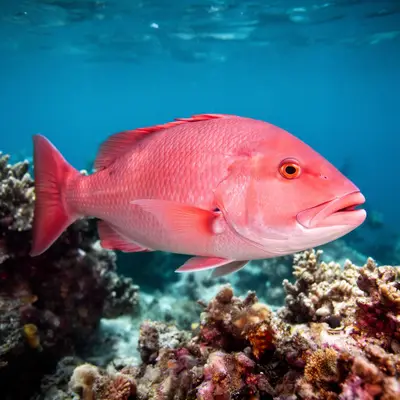
Snappers
common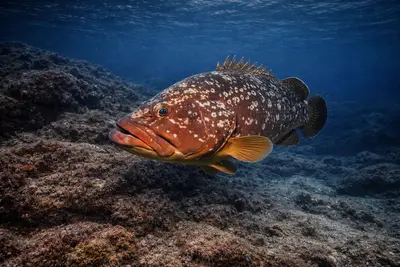
Groupers
common
Barracudas
common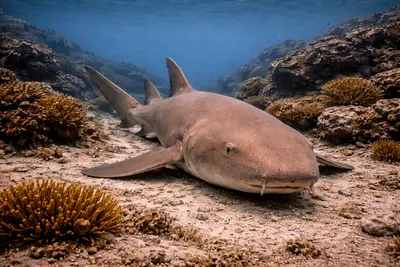
Nurse Sharks
occasional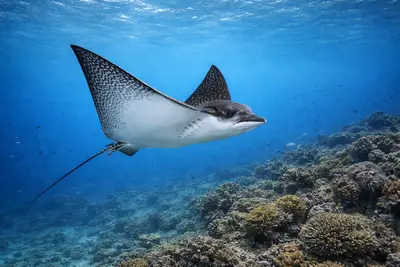
Eagle Rays
occasional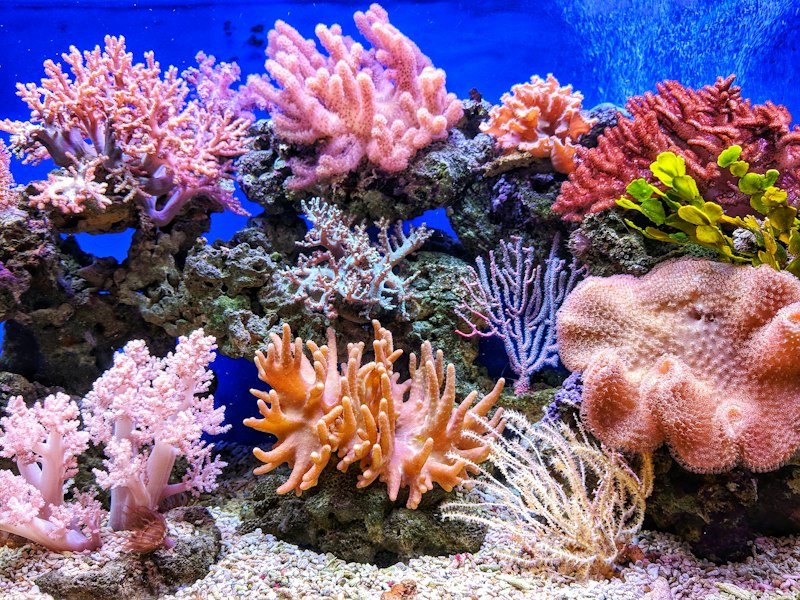
Soft Corals
common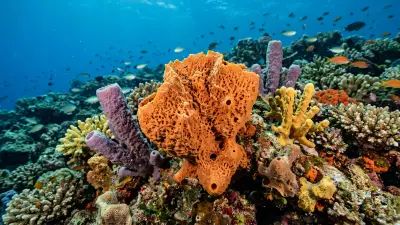
Sponges
common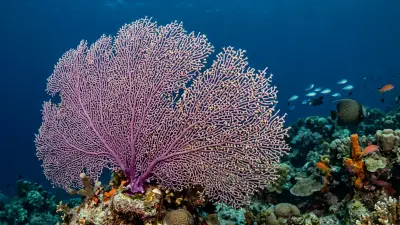
Grand Gorgonians
commonDive profile & how the dive runs
Dives at Jaula II typically involve boat entry directly over the reef, with a gradual descent to explore the coral formations and deeper sections. The site's depths average between 25 and 35 meters, requiring divers to manage their gas and no-decompression limits carefully. Depending on prevailing currents, a drift diving technique may be employed, allowing divers to move along the reef while observing marine life. The dive plan focuses on exploring the deeper reef walls and structures where nurse sharks, eagle rays, snappers, groupers, and barracudas are often sighted. The ascent will be gradual, with a safety stop conducted in shallower, calmer waters, allowing for thorough off-gassing and observation of smaller reef inhabitants before surfacing for boat pick-up.
Underwater photography
Jaula II's significant depths and the presence of larger marine life like nurse sharks and eagle rays make it suitable for wide-angle photography. Consider a dome port and external strobes to capture the vastness of the reef and the impressive pelagic encounters. For macro enthusiasts, the diverse soft corals, sponges, and gorgonians in the shallower sections of the broader Jardines del Rey reef offer excellent subjects, though the primary draw of Jaula II is its deeper fauna. Ensure excellent buoyancy control to avoid disturbing fragile coral structures and to maintain optimal positioning for shots, especially in potential currents. Good low-light performance is beneficial for capturing details at deeper ranges.
Combine with nearby dive sites
- Jaula I
Sister site, also for advanced divers, similar depths and marine life.
- Las Coloradas
Shallower site, known for juvenile fish and mild drift diving.
- El Triton
Shallower site at the edge of the archipelago, also good for juveniles.
- Caribe
Deeper wreck site in the wider Varadero region, often visited by tarpons and morays.
- Neptuno Wreck
Deeper wreck site in the wider Varadero region, alongside Caribe.
Getting there & logistics
Jaula II is located in the Jardines del Rey archipelago, situated between Cayo Coco and Cayo Guillermo. Travelers typically access this region via Cayo Coco's international airport, offering stress-free arrival. Diving excursions to Jaula II are generally arranged through local dive shops, often associated with all-inclusive resorts on Cayo Coco or Cayo Guillermo. Liveaboard options also provide access to the dive sites within the Jardines del Rey. Day trips typically involve boat transfers from the nearest cayo. While specific permit fees for this site are not detailed, it is advisable to confirm any marine park or diving fees with your operator. Trip durations vary, from single day excursions to multi-day liveaboard itineraries that explore numerous sites in the archipelago.
Safety & environment
For diving at Jaula II, which averages 25-35 meters in depth, it is crucial for divers to be Advanced Open Water certified and have solid experience with deeper dives. No information is available regarding the nearest recompression chamber or specific emergency evacuation procedures for this remote region of Cuba; therefore, divers must carry comprehensive dive insurance that covers medical emergencies, including potential evacuation and recompression. Always adhere to dive computer limits, monitor air supply diligently, and practice excellent buoyancy control. Given the potential for currents in the region, a surface marker buoy (SMB) should be carried by each diver, and proper boat pick-up procedures must be thoroughly briefed. Never dive beyond your training or comfort level.
Who it suits — and who it doesn't
Suited for
- Advanced Open Water certified divers
- Divers comfortable with depths of 25-35 meters
- Underwater photographers seeking large marine life
- Divers interested in exploring healthy Caribbean coral reefs
- Those seeking encounters with pelagic species like sharks and rays
Less suited for
- Beginner divers or those with limited deep diving experience
- Divers uncomfortable with potential currents
- Individuals without adequate dive insurance for remote locations
- Those prone to seasickness on boat transfers to dive sites
- Divers preferring very shallow, easy-access sites
FAQ
Jaula II FAQ
What is the typical depth range for diving at Jaula II?
Jaula II is primarily an advanced dive site, with depths typically ranging from 25 to 35 meters. Divers exploring this location should possess the appropriate certification and experience for deeper water diving. This depth profile allows for encounters with a different array of marine life compared to shallower reef areas.
What kind of marine life can I expect to see at Jaula II?
At Jaula II, divers frequently encounter larger reef fish such as snappers, groupers, and barracudas. The deeper waters also increase the chances of sighting impressive pelagic species like nurse sharks and eagle rays. The site is part of a vibrant coral ecosystem, featuring various soft corals and gorgonians.
Is Jaula II suitable for beginner divers?
No, Jaula II is not recommended for beginner divers. Its average depths of 25 to 35 meters require an Advanced Open Water certification and comfort with deeper diving techniques. Less experienced divers may find the depth and potential currents challenging, and should opt for shallower sites in the Jardines del Rey region.
What are the best months to dive Jaula II?
The prime diving season for Jaula II, and Cuba in general, runs from December to April. During these months, the weather is typically drier and calmer, providing more favorable surface conditions. Water temperatures are comfortable, starting around 25°C in December and warming as the season progresses.
How do I get to Jaula II?
Jaula II is located in the Jardines del Rey archipelago, between Cayo Coco and Cayo Guillermo. Access is usually via Cayo Coco International Airport, with dive trips typically arranged through resorts or liveaboards. Divers are transported to the site by boat from coastal bases.
Why dive Jaula II from a liveaboard?
Jaula II is one of Cuba's signature dive sites. A liveaboard sleeps you on the water and puts you in the water for three to four guided dives per day, including dawn and night dives that day-boat operators rarely offer. You skip the daily commute back to port and reach quieter, less-crowded sites in the same region on a single trip.
Below are the liveaboards that include Jaula II on their Cuba itineraries.
Liveaboards diving Jaula II
These liveaboards may visit Jaula II on selected itineraries — the exact dive sites depend on departure, weather and conditions.
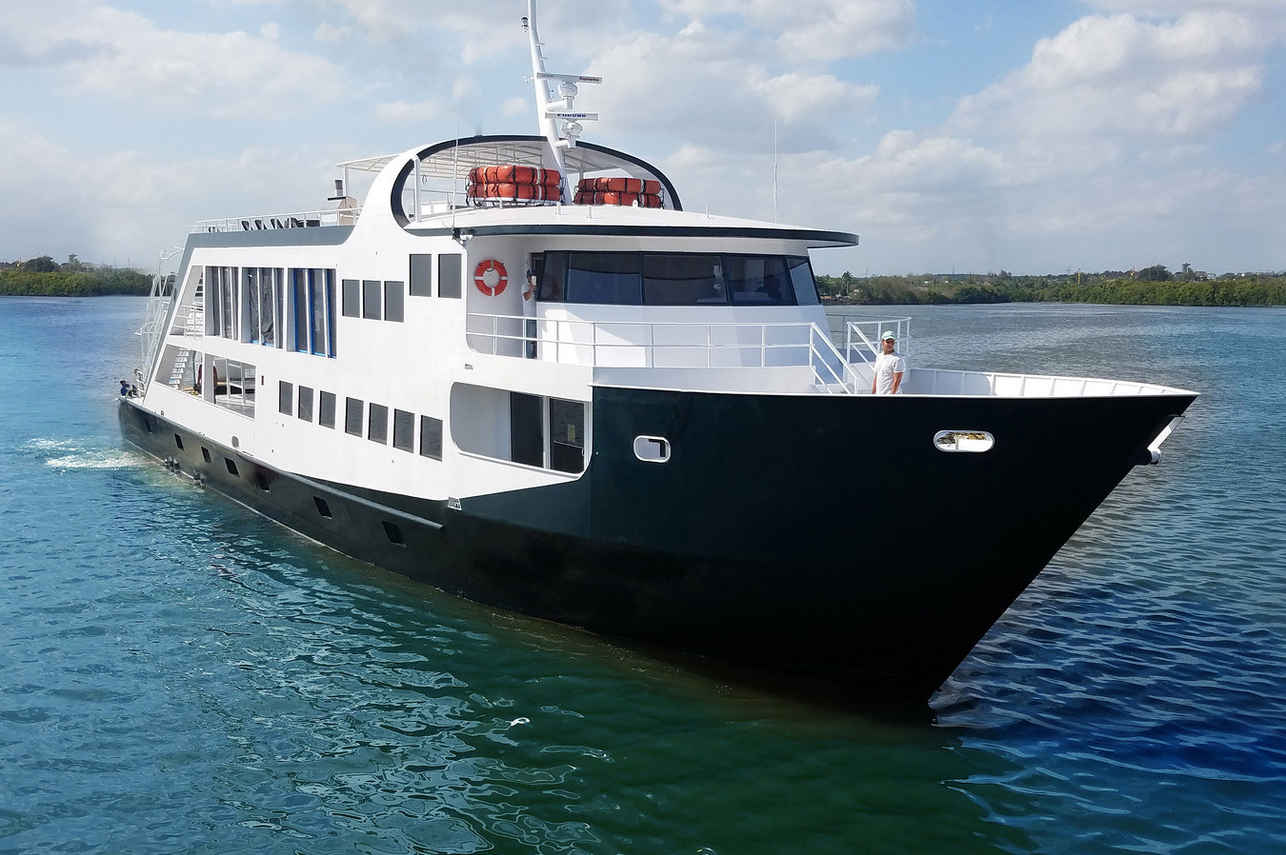
Jardines Avalon Fleet
Cuba
20 guests35.05 m
$494/day
Dive sites similar to Jaula II
Same character, same waters — six more sites divers love for the exact same reasons.Compare seasons, access and liveaboard routes — then pick the site that fits your trip best.
© Esri — Maxar, Earthstar, GIS
El Almirante
Cuba
El Almirante is an advanced dive site located off the shores of Maria la Gorda, on Cuba's Guanahacabibes Peninsula.
- Suitable for
- Advanced
- Current
- Moderate
- Access
- Dayboat
- Depth
- 27–30 m
- Theme
- Wall / Reef
La Patana is a prominent dive site within the protected marine park of Jardines de la Reina, a vast archipelago stretching 150 kilometers off Cuba's southern coast.
- Suitable for
- Intermediate
- Current
- Mild
- Access
- Liveaboard only
- Depth
- 15–30 m
- Theme
- Reef / Wall
© Esri — Maxar, Earthstar, GIS
Arrecife Somero
Cuba
Arrecife Somero, located near Key Sigua within the UNESCO-recognized Zapata Swamp biosphere reserve, presents a unique reef crest forming a horseshoe shape.
- Suitable for
- Beginner
- Current
- Mild
- Access
- Liveaboard only
- Depth
- 2–5 m
- Theme
- Reef
© Esri — Maxar, Earthstar, GIS
Puente Escondido
Cuba
Puente Escondido is a notable dive site nestled within the Jardines de la Reina marine park, an expansive and highly protected area off Cuba's southern coast.
- Suitable for
- Beginner
- Current
- Mild
- Access
- Liveaboard only
- Depth
- ≤ 18 m
- Theme
- Reef
La Corona is a captivating dive site situated within the expansive 35-kilometer barrier reef off Playa Santa Lucía in Cuba's Camagüey province.
- Suitable for
- Beginner
- Current
- Mild
- Access
- Dayboat
- Depth
- 5–40 m
- Theme
- Reef / Wall
© Esri — Maxar, Earthstar, GIS
Cueva del Negro
Cuba
Cueva del Negro is a notable dive site located near Cayo Largo, an island off Cuba's southern coast, known for its extensive underwater features.
- Suitable for
- Intermediate
- Current
- No current
- Access
- Liveaboard or dayboat
- Depth
- 8–8 m
- Theme
- Reef