About Komba Volcano
Komba Volcano presents a rare and dramatic dive experience in the remote Banda Sea, northeast of Flores. This active stratovolcano offers an impressive backdrop, with its smoking crater visible from the surface and even from underwater. Divers here explore pristine hard coral reefs contrasting beautifully with black sand slopes, an unusual combination providing diverse photographic opportunities. The area is part of the 'Forgotten Islands' itinerary, meaning it remains largely untouched by mass tourism, ensuring a serene and exclusive diving adventure. The dive sites around Komba typically feature healthy hard coral formations in shallower waters, transitioning to drop-offs adorned with large sea fans and a rich diversity of fish life. Depths can vary, with some areas offering shallow black sand bottoms perfect for macro photography, while others plunge into the deep blue, inviting encounters with pelagic species. The unique geological setting, where the volcano's partially collapsed crater slopes down to the sea, creates distinctive underwater topographies. Marine life around Komba Volcano benefits from the nutrient-rich waters of the Banda Sea, supporting abundant reef fish and occasional larger marine animals. The exclusivity of the site means marine ecosystems are remarkably healthy and vibrant. Conditions are generally favorable, with good visibility and warm waters, especially outside the rainy season. Access to Komba Volcano is primarily via liveaboard, as it lies far from main islands and established dive infrastructure. This ensures that visits are carefully planned, often incorporating the dramatic sunrise over the smoking volcano into the diving schedule. The site offers a blend of stunning volcanic scenery, healthy coral ecosystems, and a sense of true exploration.
Highlights
Active volcano backdropPristine hard coral reefsBlack sand topographyDramatic drop-offsExclusive liveaboard experienceExcellent wide-angle photography
Season calendar
Best months to dive here
Jan
Feb
Mar
Apr
May
Jun
Jul
Aug
Sep
Oct
Nov
Dec
Excellent
Good
Dive site facts: Komba Volcano
- Depth
- 5–30+ m
- Current
- Moderate
- Visibility
- 20–30 m
- Water temperature
- 26–29°C
- Entry
- Liveaboard tender
- Level
- Advanced Open Water, current experience recommended
- Dive type
- Reef, wall, wide-angle
- Region / port
- Alor, East Nusa Tenggara
- Coordinates
- -7.792, 124.013
Conditions & Currents
Currents around Komba Volcano are generally moderate but can vary, especially near drop-offs and during tidal changes. Liveaboards typically plan dives to coincide with optimal current conditions to ensure safety and enjoyment. Divers should be comfortable with drift diving, as this is common in the region. Visibility is usually excellent, often exceeding 20-30 meters, contributing to spectacular wide-angle opportunities. Water temperatures are typically warm, ranging from 26-29°C, though occasional thermoclines can bring cooler water to depth. The remote nature of the site means boat traffic is minimal, enhancing the peaceful underwater experience. Divers should have experience managing currents to fully appreciate the diverse ecosystems Komba offers.
Marine life & sighting chances

White-tip reef shark
occasional
Eagle ray
occasional
Dogtooth tuna
occasional
Giant trevally
occasional
Zebra shark
occasional
Anthias
common
Damselfish
common
Cuttlefish
occasional
Octopus
occasional
Frogfish
occasional
Yellow Danded Pipefish
occasional
Catfish school
occasional
Nudibranchs
common
Peacock Mantishrimps
commonDive profile & how the dive runs
Dives at Komba Volcano typically begin with a tender drop-off directly onto the reef, often at sites like "Alice In Wonderland" or areas near the partially collapsed crater. You'll start in shallower waters, around 5-10 meters, exploring healthy hard coral gardens and black sand patches. The dive progresses along gentle slopes or walls, descending to depths between 15-25 meters, where large sea fans and diverse reef fish are abundant. Your dive guide will lead you through coral formations and along the drop-off, keeping an eye out for pelagic encounters in the blue. The turn point is determined by air consumption and current, usually allowing for a return trajectory along the reef. The safety stop is conducted in the shallow, vibrant coral gardens, providing a beautiful end to the dive before ascending to the tender for pickup.
Underwater photography
Komba Volcano is a dream for wide-angle photographers, with its dramatic volcanic backdrop and extensive, healthy coral reefscapes. A fisheye lens is highly recommended to capture the vastness of the hard coral gardens, the impressive drop-offs, and the sheer abundance of fish life. Consider snorkeling opportunities for over-under shots of the smoking volcano, especially during sunrise. For macro enthusiasts, the black sand areas and coral patches can yield interesting critters, so a macro lens might be worthwhile for specific subjects if you can manage a lens change between dives. Utilize strobes to bring out the vibrant colors of the corals and fish. Be mindful of buoyancy, especially over delicate hard coral formations, and practice responsible diving etiquette to avoid disturbing marine life.
Combine with nearby dive sites
- Ipet Drop-off
A wide-angle photographer's dream with dense fish life and pristine corals.
- Adonara Channel
A wall dive featuring healthy reef and potential for black-tip reef sharks.
- The Arch
Natural rock arch covered in soft corals, sweetlips, and eagle rays.
- Kal's Dream
Pristine coral wall known for fusiliers, barracuda, and hammerhead sharks.
- Clown Valley
Famous black sand muck dive for macro life like clownfish and blue-ringed octopus.
Getting there & logistics
Accessing Komba Volcano typically requires a liveaboard trip, often starting from Maumere (Flores) or disembarking in Kalabahi (Alor). International flights usually route through Bali International Airport (DPS), with domestic connections to Frans Seda Airport (MOF) in Maumere or Mali Airport (ARD) in Alor. It's strongly recommended to arrive in Maumere the day before embarkation and account for potential domestic flight delays. Liveaboard itineraries to the Alor and Solor Archipelago, including Komba Volcano, usually last around 10 nights. Transfers between local hotels or airports and the harbor are often provided by liveaboard operators. There might be park fees included in your liveaboard package.
Safety & environment
Diving at Komba Volcano, like much of the remote Alor region, necessitates adherence to strict safety protocols. All divers must have dive-specific insurance covering emergency evacuation and recompression chamber costs, as the nearest recompression chamber is not immediately local, requiring significant travel. The remote location means emergency medical assistance and evacuation can be complex and time-consuming, possibly involving private speedboats or air evacuation. Divers must hold at least PADI Advanced Open Water certification or equivalent, with a minimum of 50 logged dives, and comfort in currents is highly recommended. The use of a dive computer is mandatory for all dives. Adhere strictly to depth limits and dive plans set by the dive guides, as conditions can vary.
Who it suits — and who it doesn't
Suited for
- Experienced divers comfortable with currents
- Underwater photographers seeking dramatic wide-angle shots
- Enthusiasts of pristine, remote coral reefs
- Liveaboard adventurers seeking off-the-beaten-path destinations
- Divers interested in unique volcanic topography
Less suited for
- Beginner divers or those without current experience
- Divers expecting readily accessible shore diving
- Those without comprehensive dive insurance
- Individuals prone to seasickness on longer crossings
- Divers unwilling to travel to remote locations
FAQ
Komba Volcano FAQ
Is Komba Volcano an active volcano?
Yes, Komba Volcano is an active stratovolcano that periodically emits plumes of smoke. This adds a unique and dramatic element to the dive experience, with its smoking crater often visible from the dive sites and the liveaboard deck, especially during sunrise.
What kind of marine life can I expect at Komba Volcano?
Komba Volcano offers a diverse range of marine life, from abundant reef fish like anthias and damselfish to occasional pelagic sightings such as white-tip reef sharks, eagle rays, and dogtooth tuna. The healthy coral gardens and black sand areas also host critters like nudibranchs, cuttlefish, and various pipefish.
What are the diving conditions like at Komba Volcano?
Diving conditions are generally favorable with excellent visibility often between 20-30 meters and warm water temperatures ranging from 26-29°C. Currents can be moderate, particularly along drop-offs, so comfort with drift diving is beneficial. The best diving season is from April to November.
Do I need special certification to dive Komba Volcano?
Yes, divers are required to have at least a PADI Advanced Open Water certification or an equivalent, along with a minimum of 50 logged dives. It is also strongly recommended that divers have prior experience and are comfortable diving in currents, due to the nature of some dive sites in the region.
How do I get to Komba Volcano?
Komba Volcano is a remote site best accessed via a liveaboard trip, typically as part of an Alor or 'Forgotten Islands' itinerary. Most liveaboards depart from or conclude in Maumere (Flores) or Kalabahi (Alor), which are reached by domestic flights from Bali International Airport (DPS).
Is Komba Volcano suitable for underwater photography?
Absolutely. Komba Volcano is considered a wide-angle photographer's paradise. The dramatic volcanic scenery, healthy hard coral reefs, and abundant fish life provide stunning subjects. Photographers often use fisheye lenses to capture the expansive reefscapes and the unique over-under opportunities of the smoking volcano.
Why dive Komba Volcano from a liveaboard?
Komba Volcano is one of Alor's signature dive sites. A liveaboard sleeps you on the water and puts you in the water for three to four guided dives per day, including dawn and night dives that day-boat operators rarely offer. You skip the daily commute back to port and reach quieter, less-crowded sites in the same region on a single trip.
Below are the liveaboards that include Komba Volcano on their Alor itineraries.
Liveaboards diving Komba Volcano
These liveaboards may visit Komba Volcano on selected itineraries — the exact dive sites depend on departure, weather and conditions.
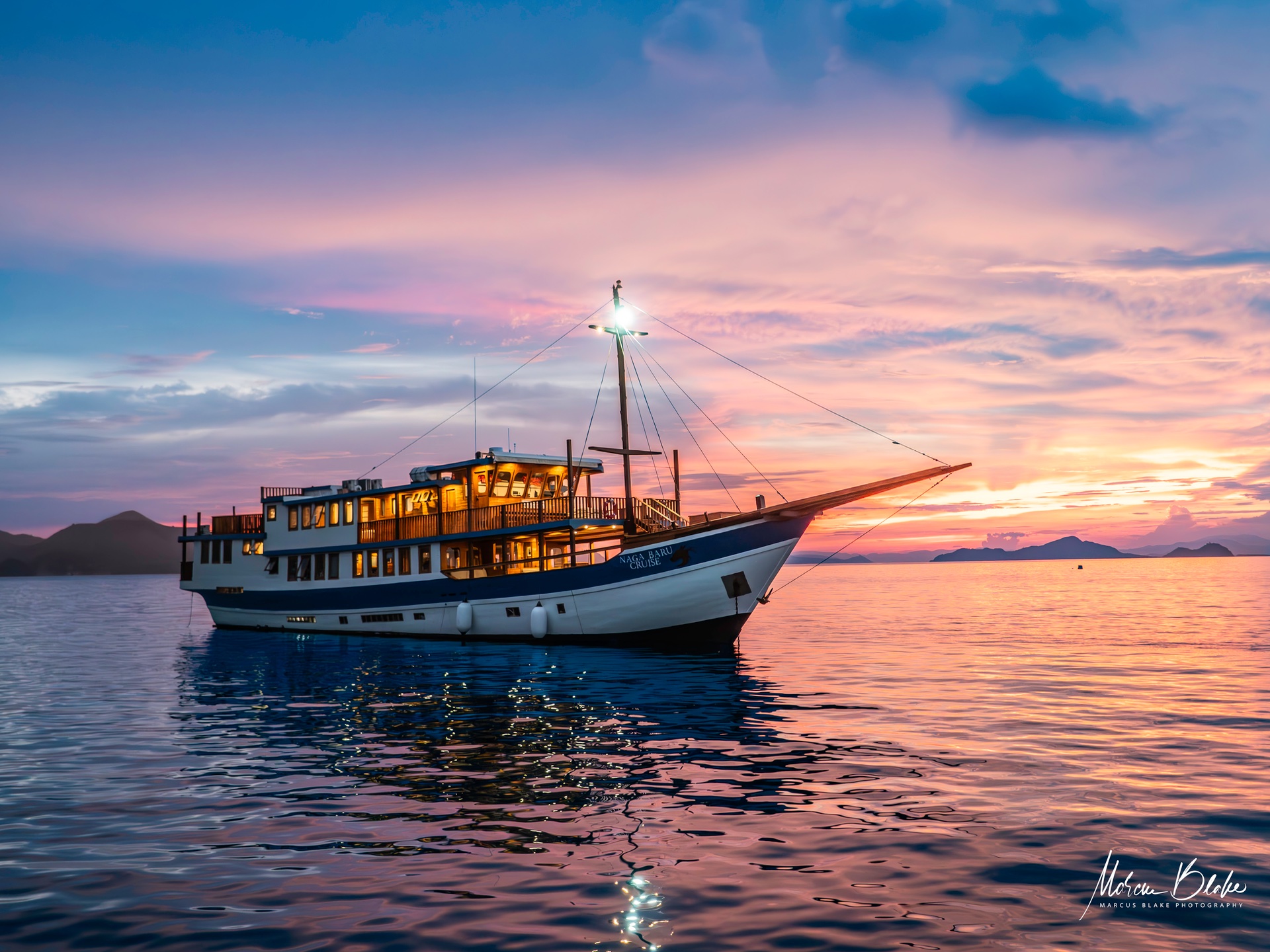
Naga Biru
Indonesia
12 guests40 m
$272/day
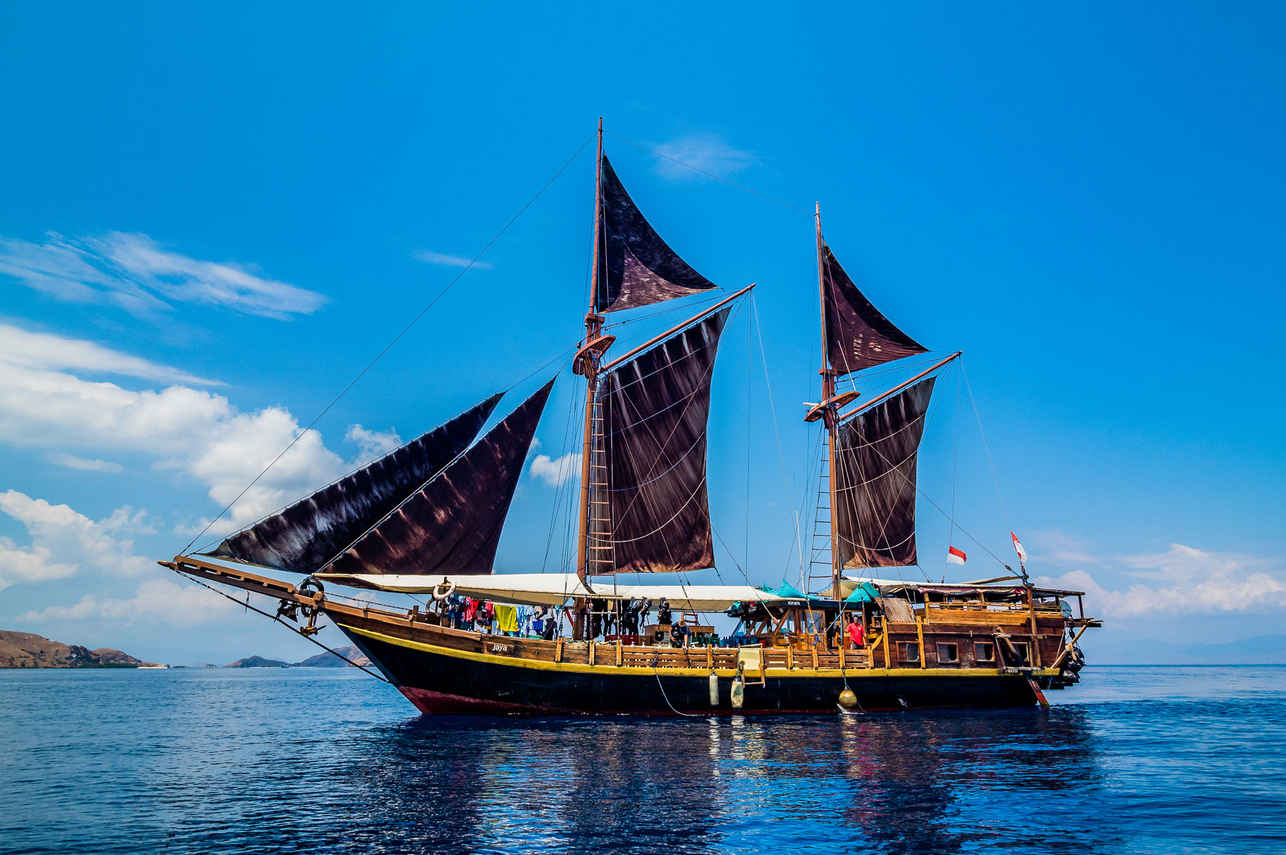
Jaya
Indonesia
14 guests23 m
$280/day
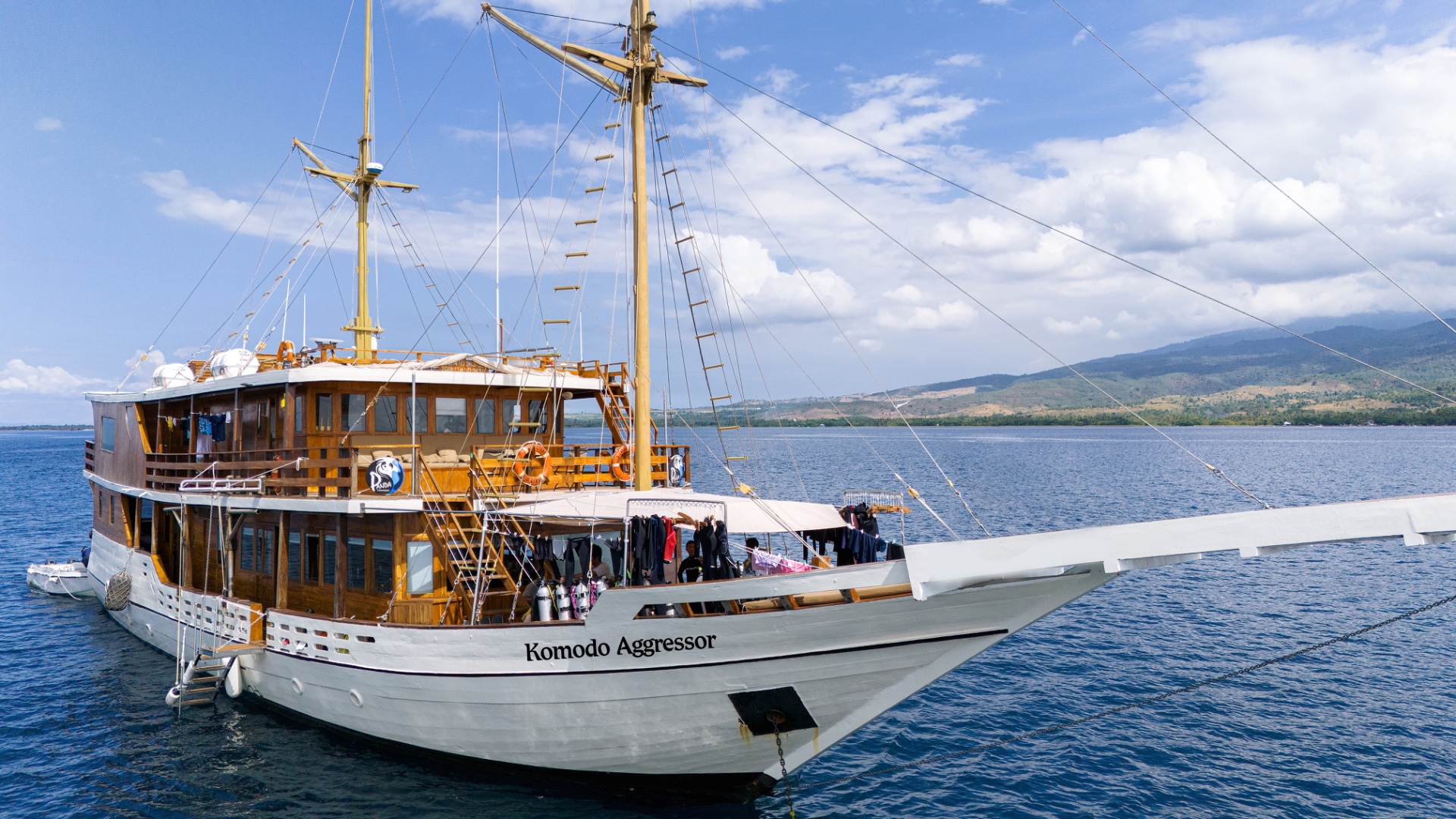
Komodo Aggressor
Komodo, Indonesia
16 guests29 m
$312/day
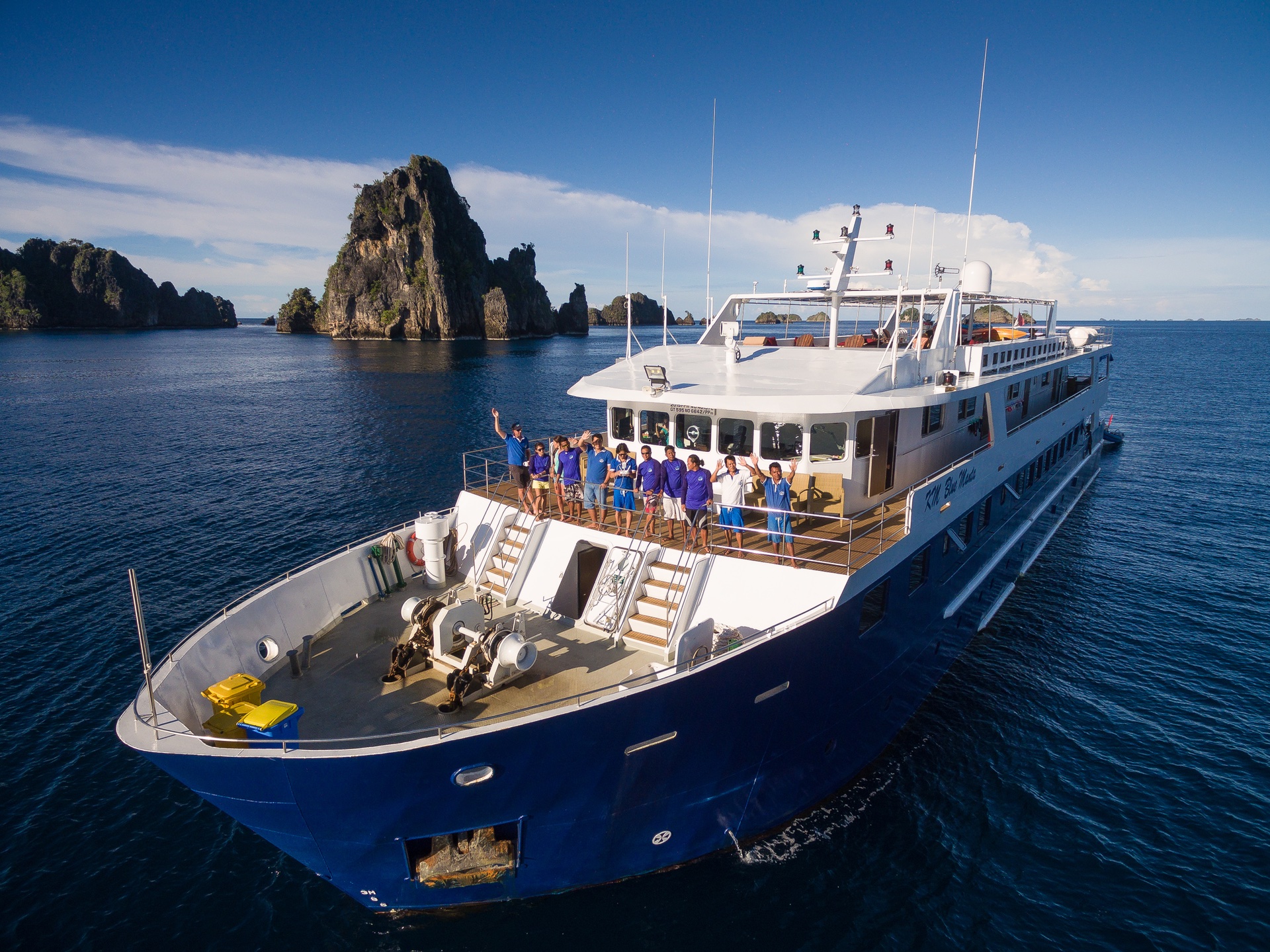
Blue Manta
Indonesia
20 guests45 m
$482/day
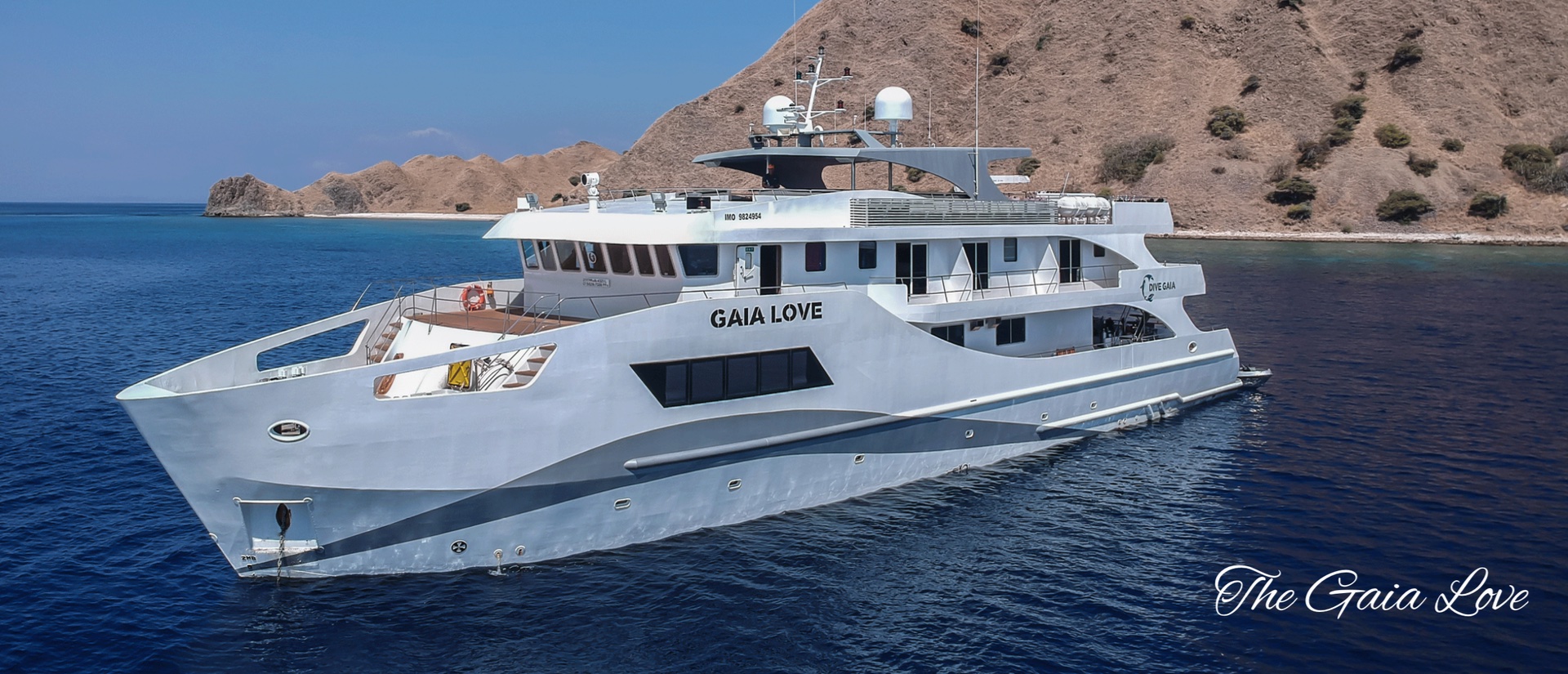
Gaia Love
Alor
20 guests
$554/day
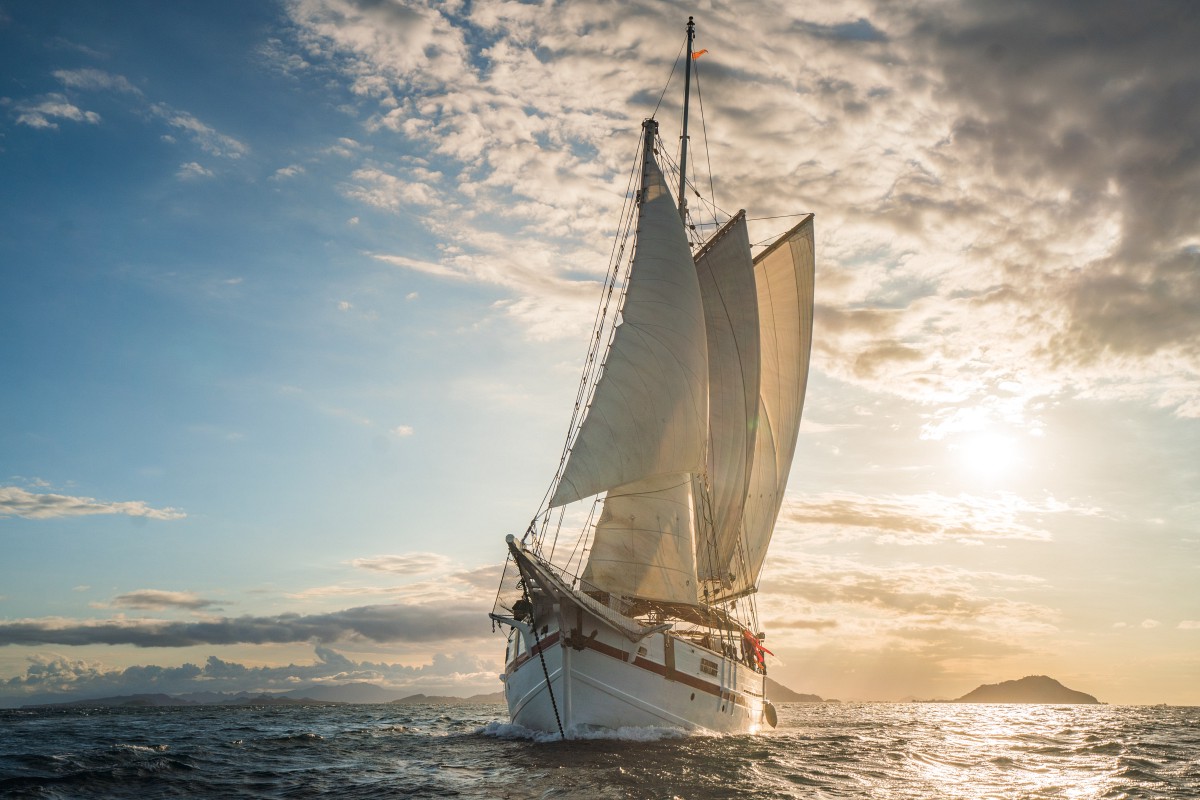
Emperor Raja Laut
Raja Ampat, Indonesia
12 guests31 m
$413/day
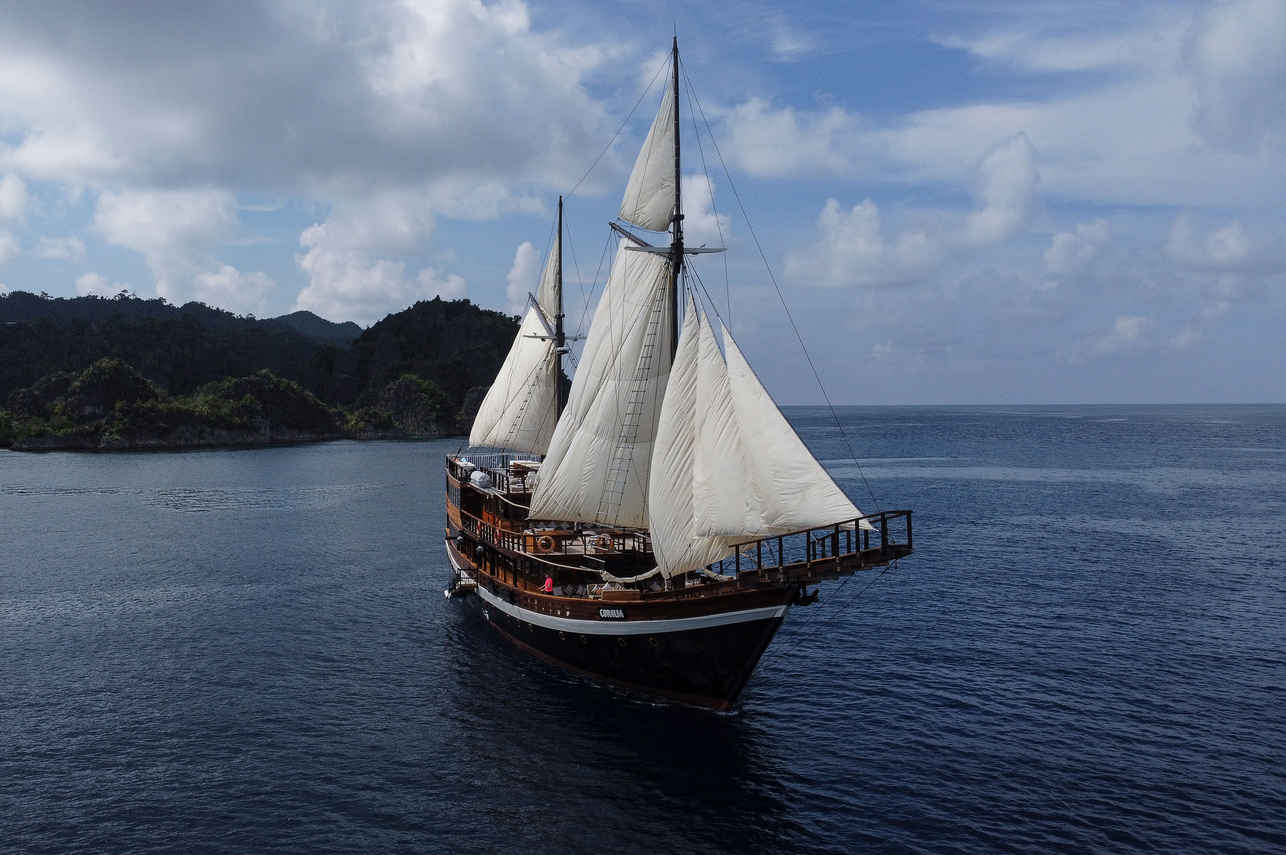
Coralia
Indonesia
16 guests48 m
$577/day
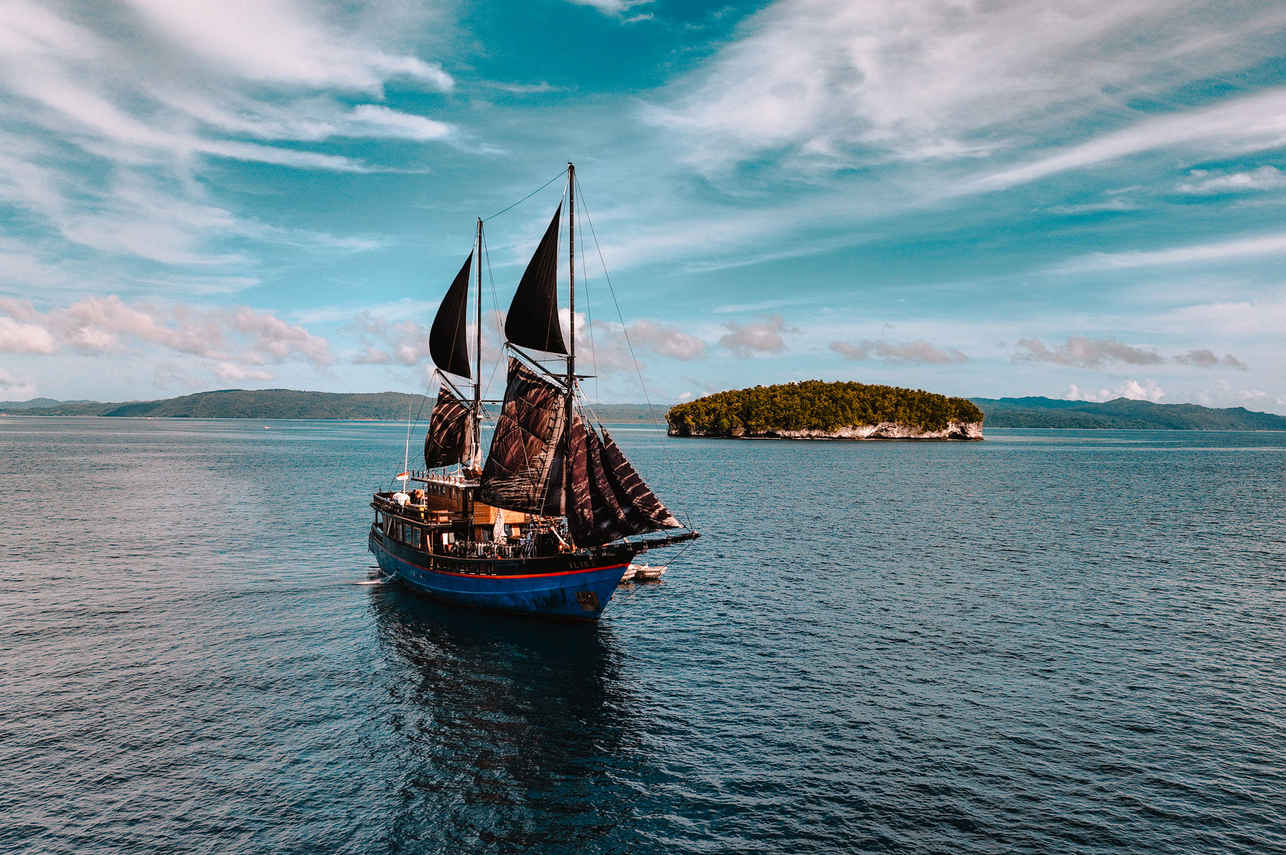
Ilike
Indonesia
16 guests40 m
$350/day
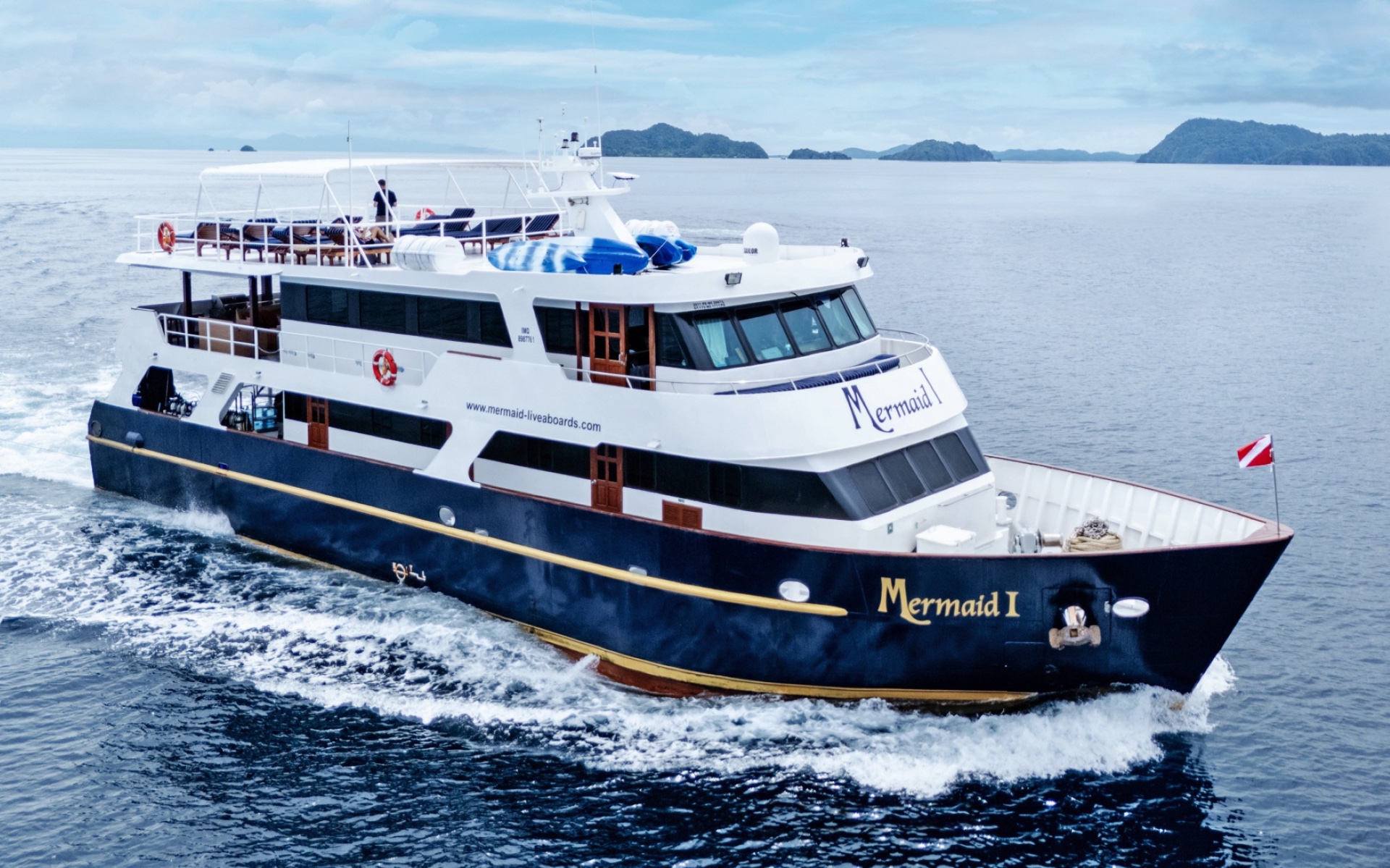
Mermaid I
Alor
15 guests28 m
$476/day
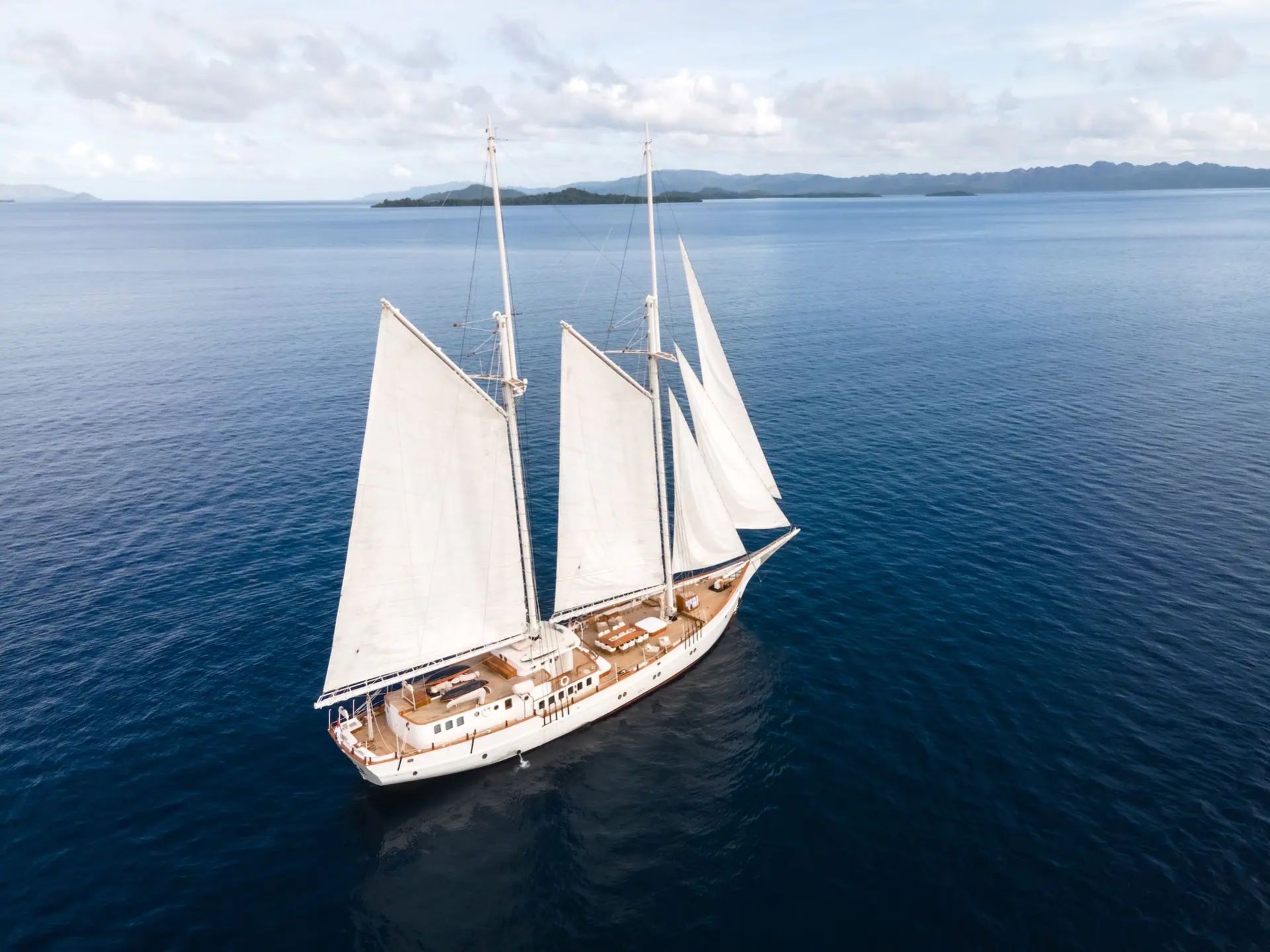
Mutiara Laut
Indonesia
14 guests46 m
$741/day
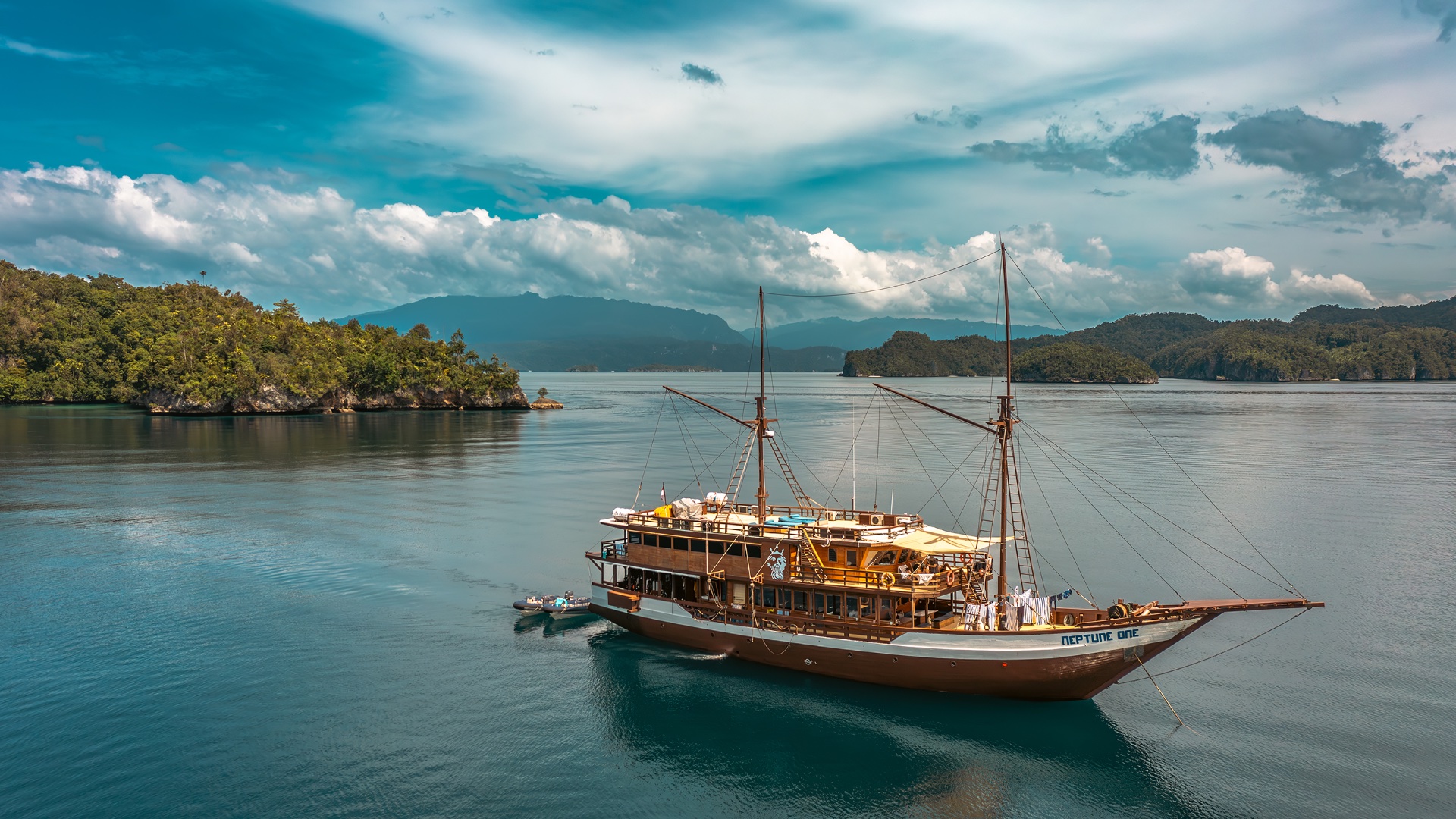
Neptune One
Indonesia
16 guests38 m
$312/day
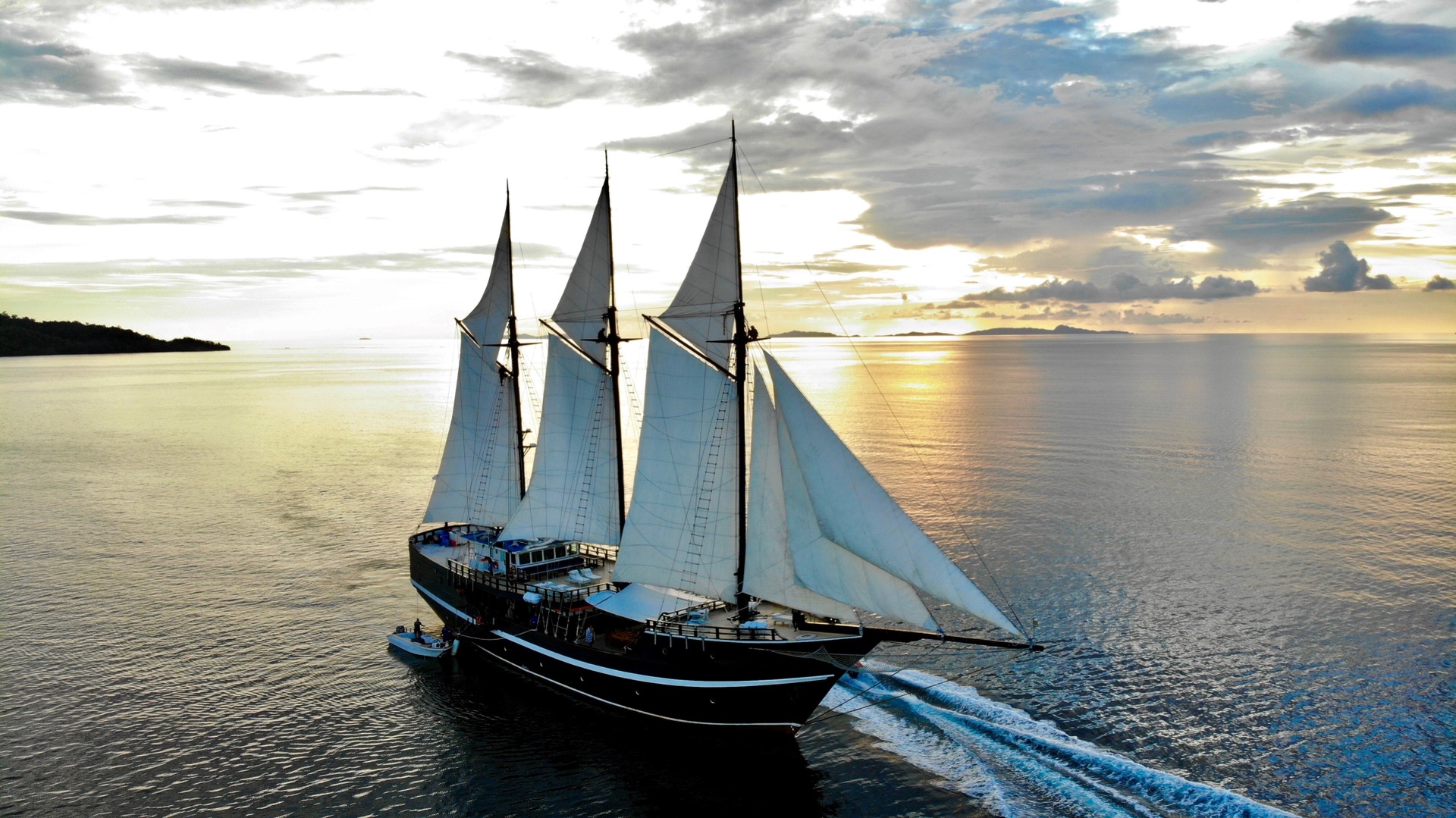
Dewi Nusantara
Indonesia
18 guests57 m
$599/day
Dive sites similar to Komba Volcano
Same character, same waters — six more sites divers love for the exact same reasons.Compare seasons, access and liveaboard routes — then pick the site that fits your trip best.
Halerman is a prominent dive site located in the southern part of Alor, known for its distinct underwater landscape and varied marine life.
- Suitable for
- Advanced
- Current
- Strong
- Access
- Liveaboard or dayboat
- Depth
- —
- Theme
- Wall / Drift
© Esri — Maxar, Earthstar, GIS
Sharks Galore
Alor
Sharks Galore, an iconic drift-dive in Alor, offers thrilling encounters with diverse marine life.
- Suitable for
- Advanced
- Current
- Ripping
- Access
- Liveaboard or dayboat
- Depth
- 15–40 m
- Theme
- Channel / Drift
© Esri — Maxar, Earthstar, GIS
Goa Wolang
Alor
Goa Wolang, also known as Wolang Cave, is a distinctive dive site located in South Alor, renowned for its intriguing topography and diverse marine life.
- Suitable for
- Advanced
- Current
- Strong
- Access
- Dayboat
- Depth
- 5–30 m
- Theme
- Cavern / Wall
Munaseli is a prominent dive site situated off the northern coast of Pantar Island in the Alor archipelago, an area celebrated for its rich marine biodiversity within the Coral Triangle.
- Suitable for
- Advanced
- Current
- Strong
- Access
- Liveaboard or dayboat
- Depth
- ≤ 40 m
- Theme
- Wall / Drift
© Esri — Maxar, Earthstar, GIS
Ipet Drop-off
Alor
Situated off Adonara Island, Ipet Drop-off is a renowned dive site in the Alor region, celebrated for its vibrant and densely populated reef.
- Suitable for
- Advanced
- Current
- Strong
- Access
- Liveaboard only
- Depth
- —
- Theme
- Reef / Wall
© Esri — Maxar, Earthstar, GIS
Crocodile Rock
Alor
Crocodile Rock is a captivating dive site situated within the Alor Archipelago, a remote Indonesian region celebrated for its untouched marine ecosystems.
- Suitable for
- Advanced
- Current
- Strong
- Access
- Liveaboard or dayboat
- Depth
- 6–28 m
- Theme
- Drift / Wall