About Ennerdale Wreck
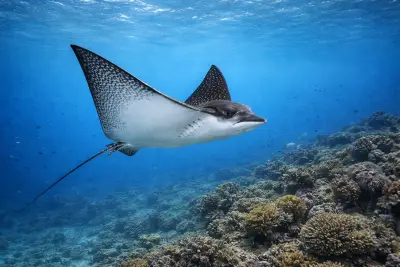
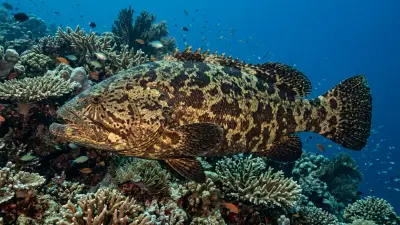
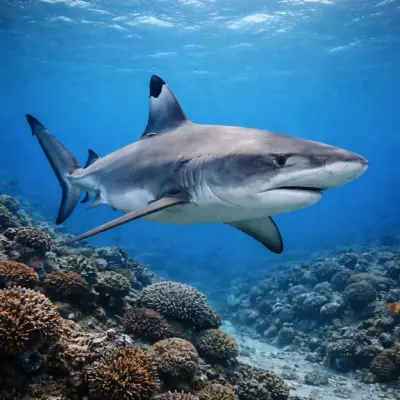
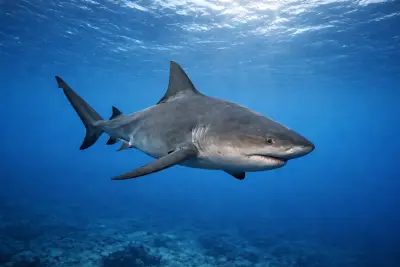
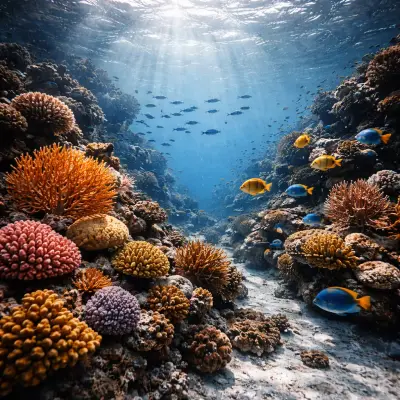
The Ennerdale Wreck, located northeast of Mahé, is one of the Seychelles' most renowned dive sites. This British oil tanker, which sank in 1970 and was later blown up to prevent an oil spill, now lies scattered across the seabed, forming a complex artificial reef. Measuring over 200 meters in length, the wreck offers a substantial area for exploration. Over the decades, the Ennerdale has transformed into a vibrant underwater ecosystem. Corals have extensively colonized its structure, providing a habitat for a diverse array of marine species. The site's depth makes it suitable for advanced divers, offering unique opportunities to explore its intricate remains and observe the marine life that thrives there. Encounters with large pelagic species are common at the Ennerdale. Eagle rays and groupers are frequently observed gliding through the wreck, while reef sharks and bull sharks are also known to patrol the area. The combination of its historical significance as a shipwreck and its current role as a bustling marine habitat makes the Ennerdale a captivating destination for experienced divers seeking a challenging and rewarding underwater adventure. While visibility can be a factor, especially outside the dry season, diving the Ennerdale offers an extraordinary experience. The strong currents at depth add to the challenge, ensuring a dynamic and exhilarating dive for those prepared for its conditions.
Highlights
British oil tanker wreckExtensive coral growthScattered wreck sectionsEagle rays and groupersReef and bull sharksChallenging deep diveHistorical significance
Season calendar
Best months to dive here
Jan
Feb
Mar
Apr
May
Jun
Jul
Aug
Sep
Oct
Nov
Dec
Excellent
Good
Dive site facts: Ennerdale Wreck
- Depth
- 30 m
- Current
- Strong at depth
- Visibility
- Low visibility possible
- Water temperature
- 25–29 °C
- Entry
- Liveaboard or dayboat
- Level
- Advanced
- Dive type
- Wreck, pelagic
- Region / port
- Mahé
- Coordinates
- -4.67, 55.42
Conditions & Currents
The Ennerdale Wreck is known for its strong currents at depth, presenting a significant challenge for divers. These conditions necessitate advanced diving skills and careful planning, as navigating against or within strong flows requires good buoyancy control and air management. Divers should be prepared for potential drift and understand their entry and exit strategies in relation to the prevailing currents. Visibility can be affected by these currents and seasonal weather patterns, sometimes being low, which further emphasizes the need for experience. The dynamic water movement, while challenging, also contributes to the rich marine life found around the wreck, attracting larger pelagic species. Experienced divers who are comfortable with current are best suited for this site.
Marine life & sighting chances
Dive profile & how the dive runs
Diving the Ennerdale Wreck involves descending to approximately 30 meters to reach the scattered remains of the British oil tanker. The dive typically begins with a descent directly to the main sections of the wreck, allowing exploration of its vast structure. Due to strong currents, divers often navigate along the wreck, utilizing its size for shelter and as a reference point. The dive proceeds through various sections, observing the extensive coral growth and diverse marine life. Turnaround is usually determined by gas consumption or no-decompression limits, especially given the depth and potential for current. The safety stop is conducted in the shallower waters above the wreck, often with a visual reference to the anchor line or a safety buoy.
Underwater photography
Capturing the Ennerdale Wreck requires a wide-angle lens to encompass the vastness of the scattered tanker and its impressive coral formations. Due to the depth and potential for low visibility, external strobes are highly recommended to bring out the vibrant colors of the corals and marine life, as well as to cut through any particulate matter. Be prepared for strong currents, which can make stable shots challenging; consider using a fast shutter speed or increasing ISO. For marine life such as eagle rays and sharks, a fast autofocus system is beneficial. Good buoyancy control is paramount to avoid disturbing the delicate coral ecosystems and to maintain position in challenging conditions.
Combine with nearby dive sites
- Aldebaran Wreck
The Aldebaran Wreck, a 28-meter (92-foot) fishing vessel, was intentionally sunk on July 11, 2008, by the Seychelles Tourism Board to…
- Shark Bank (Mahé)
Shark Bank, located approximately 8 kilometers northwest of Mahé in open water, is a submerged granite plateau that rises from depths…
- White Bank
White Bank is a captivating dive site situated off Praslin, a highlight among the Seychelles' granitic Inner Islands.
- Channel Rocks
Channel Rocks is a distinguished dive site nestled between Praslin and La Digue, forming part of the granitic Inner Islands of Seychelles.
- L'Ilot
L'Ilot is a small, granite island located approximately half a kilometer from Mahé, easily accessible from Beau Vallon.
Getting there & logistics
Access to the Seychelles is primarily through Seychelles International Airport (SEZ) on Mahé. Most dive trips to the Ennerdale Wreck originate from Mahé, with dive centers located around Beau Vallon offering boat excursions. Dive packages often include transport to the site and equipment rental. Liveaboards operating in the Seychelles also typically include the Ennerdale in their itineraries, providing an excellent way to combine this wreck dive with other significant sites. There are no specific permits mentioned for diving the wreck, but it's always advisable to confirm with your chosen dive operator about any marine park fees or local regulations. Trip lengths vary, from single-day excursions to multi-day liveaboard adventures.
Safety & environment
Diving the Ennerdale Wreck requires advanced certification and experience due to its depth and the presence of strong currents. Divers should always carry appropriate safety equipment, including a surface marker buoy (SMB) and a dive computer. Recompression chambers in the Seychelles are limited, with the nearest typically located on Mahé, emphasizing the importance of conservative dive planning and strict adherence to no-decompression limits. Evacuation from the site to a medical facility can be time-consuming, so comprehensive dive insurance that covers medical emergencies and evacuation is crucial. Always dive with a reputable operator, follow your dive guide's instructions, and ensure your equipment is well-maintained.
Who it suits — and who it doesn't
Suited for
- Advanced divers
- Wreck diving enthusiasts
- Divers comfortable with strong currents
- Photographers with wide-angle setups
- Divers seeking large pelagic encounters
Less suited for
- Beginner divers
- Divers without deep dive experience
- Those uncomfortable with strong currents
- Divers with limited buoyancy control
- Open Water certified divers
FAQ
Ennerdale Wreck FAQ
What is the maximum depth of the Ennerdale Wreck?
The Ennerdale Wreck lies at a maximum depth of approximately 30 meters. This depth makes it accessible to advanced certified divers who are comfortable with deeper dives and potential strong currents. It's an ideal site for those looking to explore a significant wreck structure.
What kind of marine life can be seen at the Ennerdale Wreck?
The Ennerdale Wreck is teeming with marine life, including common sightings of eagle rays and groupers. Divers may also encounter reef sharks and bull sharks patrolling the area. The extensive coral growth on the wreck provides a rich habitat for various smaller reef fish.
Is the Ennerdale Wreck suitable for beginner divers?
No, the Ennerdale Wreck is not suitable for beginner divers. Due to its depth of 30 meters and the presence of strong currents, it is recommended only for experienced and advanced certified divers. Good buoyancy control and comfort in challenging conditions are essential for this dive.
When is the best time to dive the Ennerdale Wreck for good visibility?
The best time to dive the Ennerdale Wreck for optimal visibility is during the calmest seas in April, October, and November. The dry season, generally from May to October, also tends to offer clearer waters. However, visibility can sometimes be low depending on local conditions and currents.
What happened to the Ennerdale Wreck?
The Ennerdale was a British oil tanker that sank in 1970 off the coast of Mahé. Following its sinking, parts of the wreck were blown up to prevent an oil spill, scattering its remains across the seabed. Today, these fragments form a large artificial reef, attracting diverse marine ecosystems.
Why dive Ennerdale Wreck from a liveaboard?
Ennerdale Wreck is one of Seychelles's signature dive sites. A liveaboard sleeps you on the water and puts you in the water for three to four guided dives per day, including dawn and night dives that day-boat operators rarely offer. You skip the daily commute back to port and reach quieter, less-crowded sites in the same region on a single trip.
Below are the liveaboards that include Ennerdale Wreck on their Seychelles itineraries.
Liveaboards diving Ennerdale Wreck
These liveaboards may visit Ennerdale Wreck on selected itineraries — the exact dive sites depend on departure, weather and conditions.
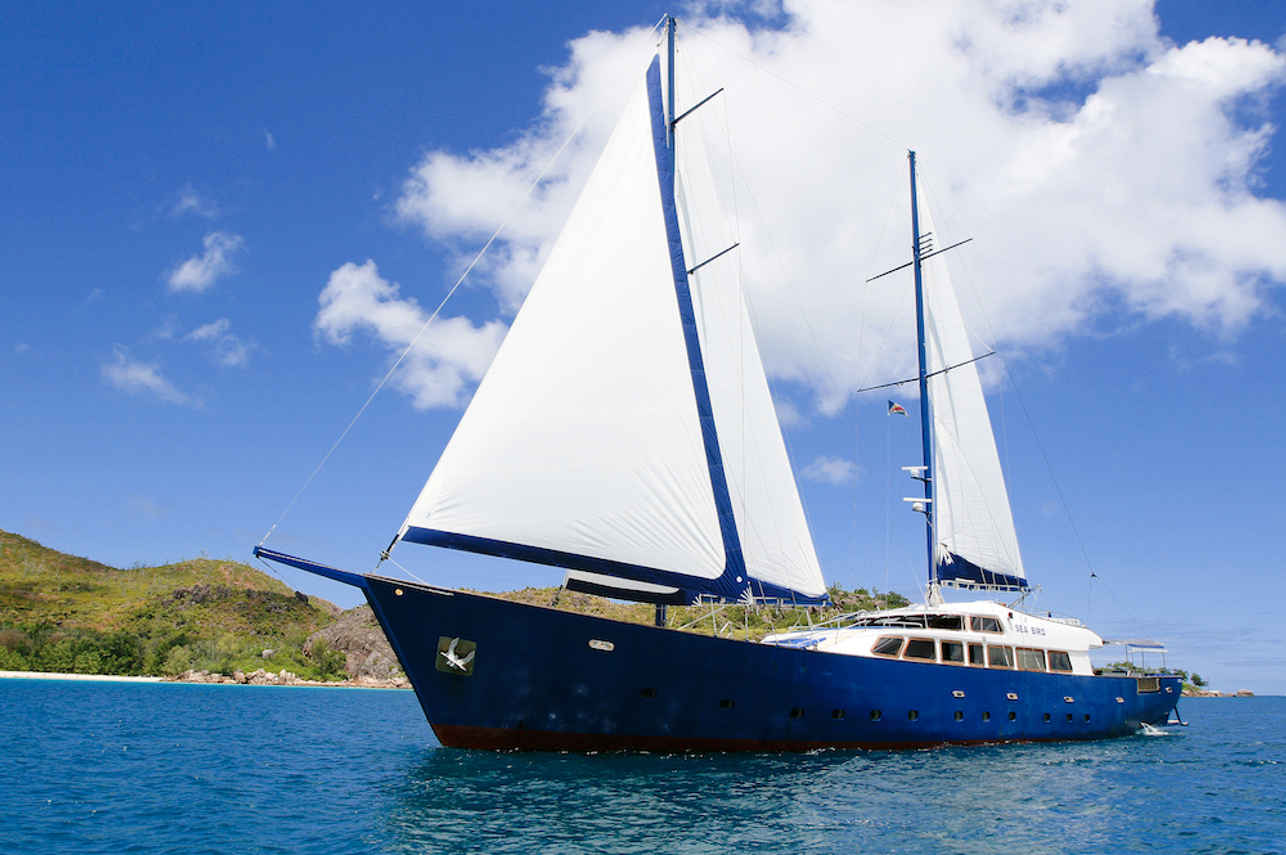
Sea Bird and Sea Star
Seychelles
18 guests42 m
$288/day
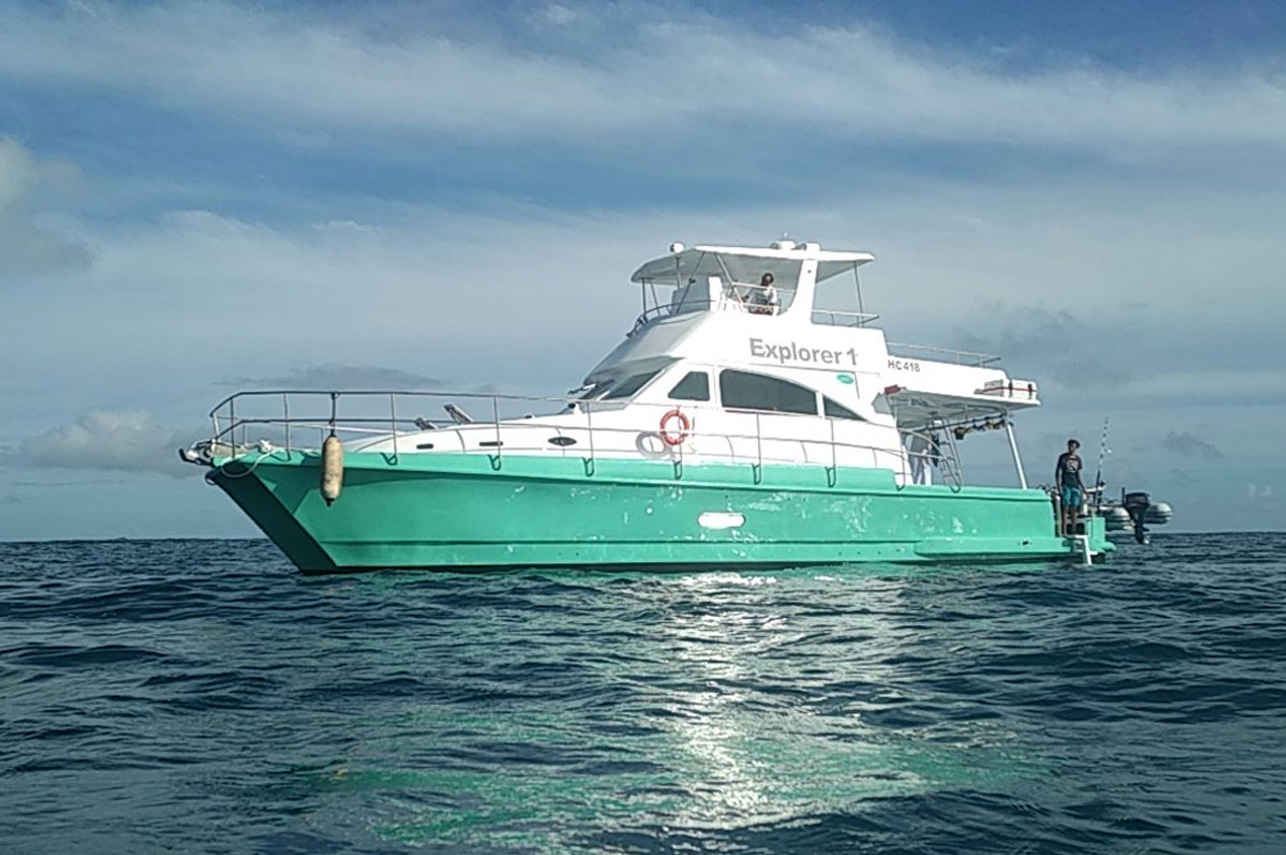
Explorer 1
Seychelles
6 guests17 m
$522/day
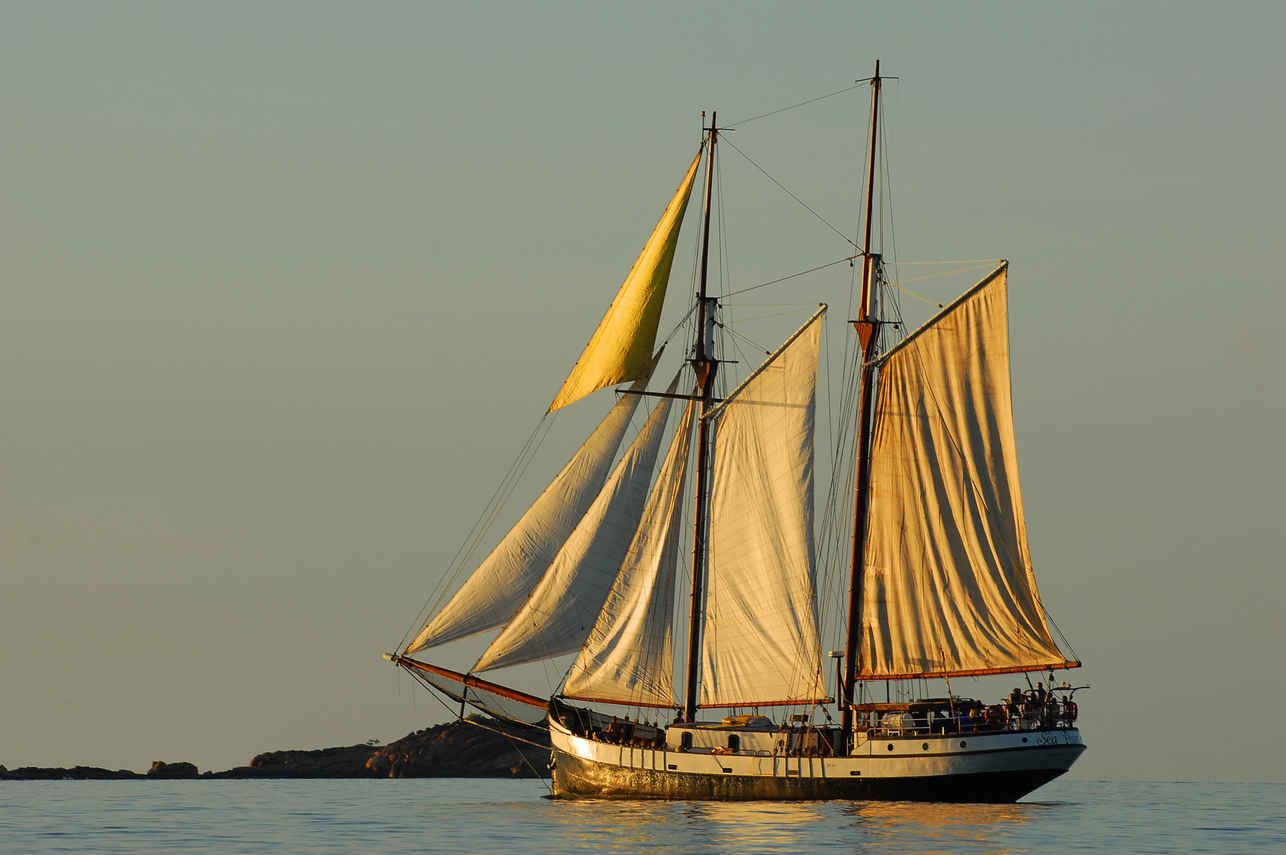
Sea Pearl
Seychelles
16 guests36 m
$212/day
Dive sites similar to Ennerdale Wreck
Same character, same waters — six more sites divers love for the exact same reasons.Compare seasons, access and liveaboard routes — then pick the site that fits your trip best.
© Esri — Maxar, Earthstar, GIS
Aldebaran Wreck
Seychelles
The Aldebaran Wreck, a 28-meter (92-foot) fishing vessel, was intentionally sunk on July 11, 2008, by the Seychelles Tourism Board to create an artificial reef.
- Suitable for
- Advanced
- Current
- Moderate
- Access
- Liveaboard or dayboat
- Depth
- 28–40 m
- Theme
- Wreck
© Esri — Maxar, Earthstar, GIS
Twin Barges Wreck
Seychelles
The Twin Barges Wreck, located near Mahé Island, offers a captivating dive into an artificial reef created when two barges were purposefully scuttled in 1989. This initiative…
- Suitable for
- Intermediate
- Current
- Strong
- Access
- Liveaboard or dayboat
- Depth
- 16–22 m
- Theme
- Wreck
© Esri — Maxar, Earthstar, GIS
Sister Bank
Seychelles
Sister Bank is a notable dive site situated in the Inner Islands of Seychelles, specifically near Praslin Island.
- Suitable for
- Intermediate
- Current
- Mild
- Access
- Liveaboard only
- Depth
- 15–30 m
- Theme
- Reef / Drift
© Esri — Maxar, Earthstar, GIS
Brissare Rocks (Mahé)
Seychelles
Brissare Rocks, located just north of Mahé, is a renowned dive site in Seychelles, widely considered one of Mahé's top five.
- Suitable for
- Intermediate
- Current
- Strong
- Access
- Liveaboard or dayboat
- Depth
- 8–20 m
- Theme
- Cave & cavern / Drift
© Esri — Maxar, Earthstar, GIS
Whale Rock
Seychelles
Whale Rock, located in La Rivière Anglaise, Seychelles, is renowned for its unique underwater geology, featuring large granite formations that extend from the surface to depths of…
- Suitable for
- Intermediate
- Current
- Moderate
- Access
- Liveaboard only
- Depth
- 15–25 m
- Theme
- Drift
© Esri — Maxar, Earthstar, GIS
Lighthouse Reef (Mahé)
Seychelles
Lighthouse Reef, situated near Mahé in the Seychelles, presents a captivating underwater experience characterized by thriving reef ecosystems.
- Suitable for
- Beginner
- Current
- Strong
- Access
- Liveaboard or dayboat
- Depth
- 5–18 m
- Theme
- Reef