About Cousin Island
Cousin Island, situated approximately two kilometers west of Praslin Island in the Seychelles, functions as a specially protected reef and boulder dive site. This unique locale is recognized as a Special Reserve under Seychelles law, prioritizing nature conservation, research, and ecotourism. The site features a rich granite structure, healthy coral formations, and abundant marine life. Diving at Cousin Island unfolds across a shallow-to-mid-depth reef and boulder zone, with depths reaching up to 18 meters. Divers explore a landscape marked by granite rockwork where lobsters are often found tucked away. The reef itself boasts 'super corals,' which are heat-resistant genotypes that survived the 2016 bleaching event, showcasing the reef's resilience and vitality. The waters around Cousin Island are teeming with a diverse array of aquatic creatures. Expect to encounter numerous schools of reef fish, eagle rays, and a significant population of Hawksbill turtles, for which the island is a favored nesting site. Other species like groupers and lionfish are also present, adding to the exceptional variety of marine life. Access to Cousin Island is strictly controlled, requiring booking through licensed operators and adherence to guide-led island visits and dive procedures. Dives are typically conducted as guided reef-and-boulder circuits, emphasizing calm buoyancy and respect for the reserve's no-touch and no-collect rules. Guides are essential due to currents that can build along the island's edges, influencing logistics and dive planning.
Highlights
Protected marine reserveAbundant fish populationsFrequent hawksbill turtle sightingsHealthy coral ecosystemsGranite and coral reef structuresManaged conservation diving
Season calendar
Best months to dive here
Jan
Feb
Mar
Apr
May
Jun
Jul
Aug
Sep
Oct
Nov
Dec
Excellent
Good
Mar – May & Sep – Nov (Transition)
Calmest seas, warmest water, best visibility up to 25m. Whale shark season Oct-Dec. Ideal for all levels.
Jun – Aug & Dec – Feb (Monsoon Seasons)
Dec–Feb (NW Monsoon): warmer but wetter, reduced visibility, interesting macro life. Jun–Aug (SE Monsoon): cooler water, stronger currents, pelagics and manta rays. Both seasons still diveable.
Dive site facts: Cousin Island
- Depth
- 0–18 m
- Typical dive
- 8–18 m
- Current
- Mild to moderate
- Visibility
- 15–30 m
- Water temperature
- 28–30 °C
- Entry
- Boat dive
- Level
- Beginner friendly, intermediate
- Dive type
- Reef, boulder, protected marine reserve
- Region / port
- Praslin, Seychelles
- Coordinates
- 4.3300° S, 55.6600° E
Conditions & Currents
Currents around Cousin Island can be variable; while some reviews note mild to no current, others indicate moderate or even tricky conditions, especially near the island edges. Dive plans must account for potential current build-up, necessitating a current-aware approach with boat logistics. Entry into the water is typically a negative or quick descent to avoid surface currents and ensure the group stays together. Divers should maintain awareness of their surroundings, particularly looking outwards into the blue for pelagic encounters. The dive profile is often a guided circuit, allowing divers to follow the contours of the reef while managing current flow. Safety stops should be carefully executed, potentially near the reef wall if it provides shelter from any prevailing currents.
Marine life & sighting chances

Hawksbill Turtle
common
Moray Eel
occasional
Lionfish
occasional
Napoleon Wrasse
occasional
Sweetlips
common
Grouper
common
Reef Shark
occasional
Manta Ray
occasional
Whale Shark
September–November · occasional
Eagle Ray
occasional
Nurse Shark
occasional
Parrotfish
common
Stingray
occasional
Trumpetfish
occasionalDive profile & how the dive runs
Dives at Cousin Island are typically guided boat dives, beginning with a swift entry from the boat to ensure the group descends together, especially if currents are present. The dive usually follows a controlled circuit around the island's protected reef and boulder formations, with depths primarily ranging from 8 to 18 meters. Divers are encouraged to maintain careful buoyancy control to navigate the granite and coral structures, observing the abundant fish life and feeding turtles. The route explores the complex topography, looking for lobsters within rockwork and schools of tropical fish above the coral. Turn points are determined by air consumption or bottom time, with a focus on a gradual ascent. The safety stop is performed at 5 meters for three minutes, often near a sheltered part of the reef or in visual contact with the boat, ensuring a smooth and safe surfacing for pickup.
Underwater photography
Cousin Island offers excellent opportunities for wide-angle photography, capturing the healthy coral gardens, expansive granite formations, and schools of fish. A wide-angle lens is ideal for showcasing the reef’s overall health and the protected marine environment, including large schooling fish. For close-up shots of the numerous hawksbill turtles, moray eels, or smaller reef inhabitants, a macro lens can be beneficial. Given the shallow to mid-depth range, natural light is often sufficient, but strobes can enhance colors and bring out details on coral and fish. Maintain impeccable buoyancy to avoid any contact with the protected reef. When photographing turtles, approach slowly and respectfully, keeping a safe distance to observe their natural behavior without disturbance, aligning with the reserve's strict no-touch policy.
Combine with nearby dive sites
- Whale Rock
Known for whale shark sightings and underwater rock formations.
- Red Point
A beginner-friendly dive site.
- South Marianne Island
Famous for unique topography, caves, and pelagics for advanced divers.
- L'Ilot
Granite island with arches and swim-throughs, whale shark season from September to November.
Getting there & logistics
Access to Cousin Island is strictly controlled as it is a Special Reserve, requiring booking through licensed operators for guided visits. The primary international gateway to Seychelles is Seychelles International Airport (SEZ) on Mahé. From Mahé, divers typically take inter-island flights with Air Seychelles to Praslin, from where dive centers operate. Most dive trips to Cousin Island are day trips, integrated into itineraries that include other sites around Praslin and La Digue. Permits and guide fees are typically included in the dive operator's package. Modern dive equipment rental is available, but specialized gear repairs might be limited. The experience is designed to be orderly, aligning with the reserve's nature conservation and ecotourism focus.
Safety & environment
Safety at Cousin Island is paramount, particularly given its protected status and the potential for variable currents. Divers must adhere to the guide-led format, staying with their group at all times and respecting the reserve’s strict no-touch and no-collect rules. Strong currents around the island edges are a key hazard, requiring divers to be current-aware and maintain excellent buoyancy. In case of separation, divers should surface and signal the boat, which will track and pick them up, avoiding swimming towards it unassisted. The nearest recompression chamber is likely on Mahé. Divers should ensure they have comprehensive dive insurance covering medical emergencies and evacuation. Photographers and divers completing multiple dives should be extra vigilant, as these groups have shown higher contact rates with reefs.
Who it suits — and who it doesn't
Suited for
- Beginner divers seeking protected, calm reef environments
- Divers interested in marine conservation
- Photographers aiming for healthy reef and turtle subjects
- Divers looking for frequent turtle encounters
- Divers comfortable with guided boat dives
Less suited for
- Divers preferring independent, unguided diving
- Those seeking very deep or technically challenging dives
- Divers who struggle with buoyancy control
- Individuals not comfortable with reserve rules and strict conduct
- Divers looking for night diving experiences at this specific site
FAQ
Cousin Island FAQ
What is special about diving at Cousin Island?
Cousin Island is a strictly protected marine reserve, offering exceptionally healthy coral reefs and abundant marine life. Its conservation efforts mean divers experience thriving ecosystems with plentiful fish populations and frequent, close encounters with comfortable hawksbill turtles, making it a unique and meaningful dive.
What kind of marine life can I expect to see at Cousin Island?
You can anticipate seeing a rich variety of marine life, including numerous hawksbill turtles, large schools of tropical fish, groupers, sweetlips, and occasional sightings of Napoleon wrasse, moray eels, and reef sharks. During certain seasons, manta rays and whale sharks may also be present, adding to the allure of the site.
Is Cousin Island suitable for beginner divers?
Yes, Cousin Island is considered beginner-friendly, with depths typically ranging from shallow areas down to 18 meters. The dive is usually a guided circuit in protected waters, offering manageable conditions. However, divers should be comfortable with boat entries and maintaining good buoyancy control, especially if mild currents are present.
How are dives organized at Cousin Island?
Diving at Cousin Island is strictly controlled through licensed operators as it is a Special Reserve. Dives are typically guided boat dives, with a focus on following a planned circuit around the protected reef. This ensures adherence to conservation rules, promotes diver safety, and enhances the overall experience by pointing out marine highlights.
When is the best time of year to dive Cousin Island?
The optimal time for diving at Cousin Island is during the transition months of April-May and October-November. During these periods, the seas are generally calmer, water temperatures are comfortably warm between 27–28°C, and visibility is at its best, often exceeding 25 meters, providing excellent conditions for exploration.
Why dive Cousin Island from a liveaboard?
Cousin Island is one of Seychelles's signature dive sites. A liveaboard sleeps you on the water and puts you in the water for three to four guided dives per day, including dawn and night dives that day-boat operators rarely offer. You skip the daily commute back to port and reach quieter, less-crowded sites in the same region on a single trip.
Below are the liveaboards that include Cousin Island on their Seychelles itineraries.
Liveaboards diving Cousin Island
These liveaboards may visit Cousin Island on selected itineraries — the exact dive sites depend on departure, weather and conditions.
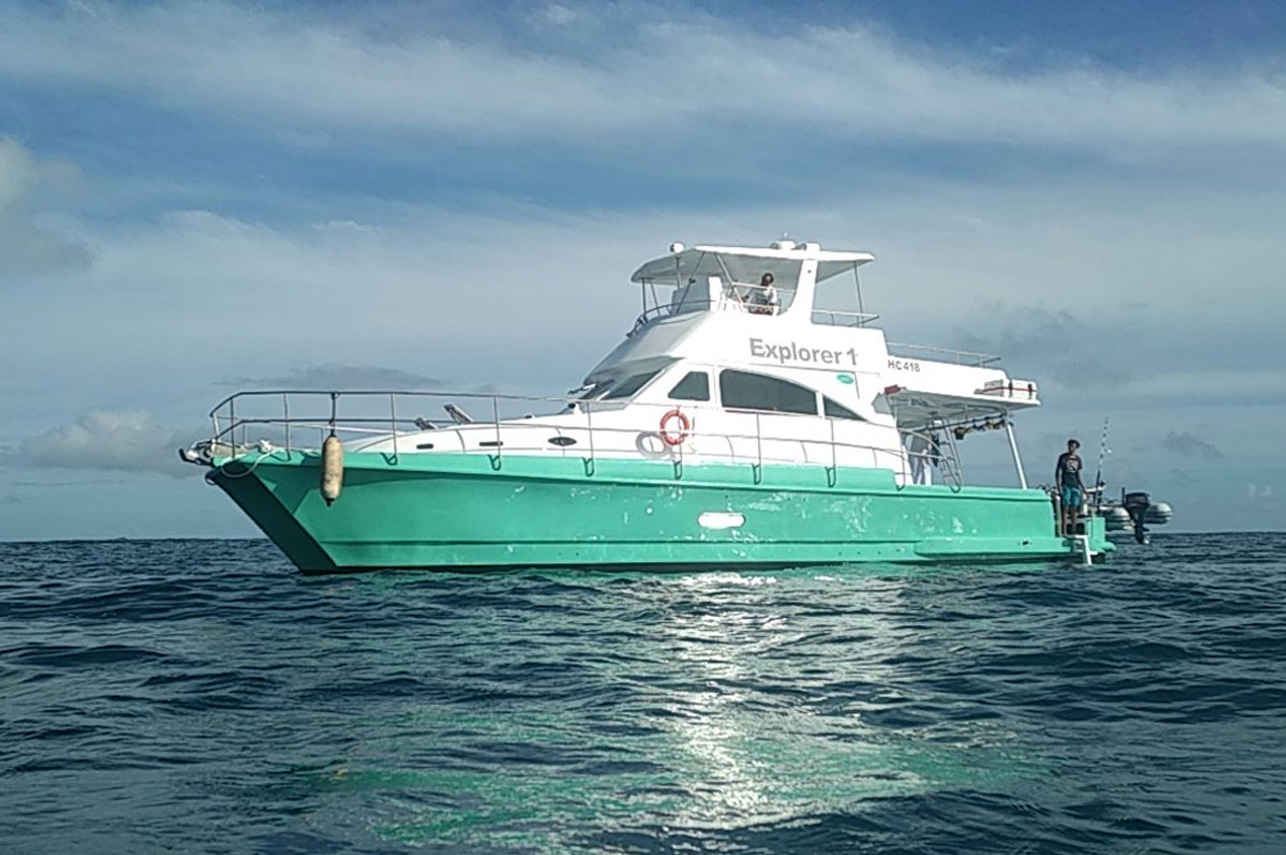
Explorer 1
Seychelles
6 guests17 m
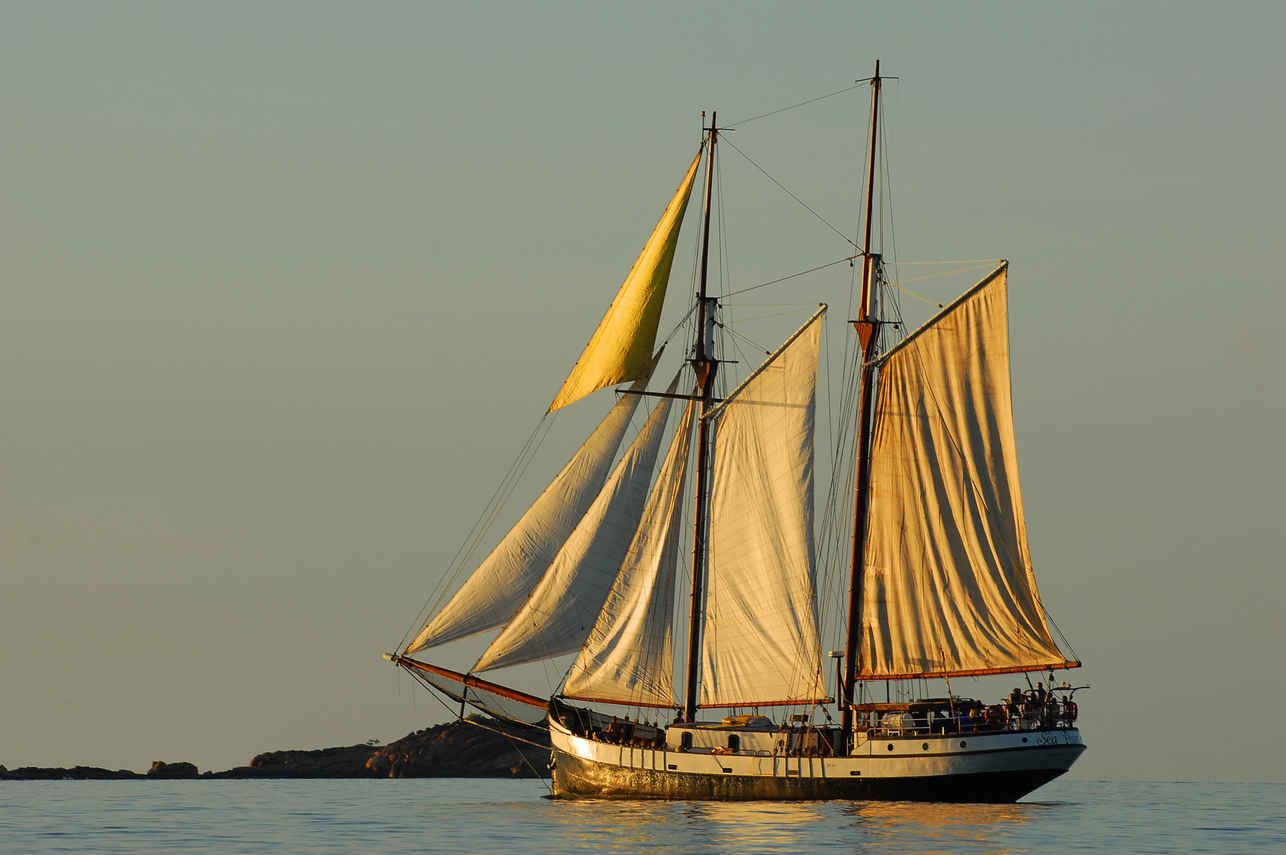
Sea Pearl
Seychelles
16 guests36 m
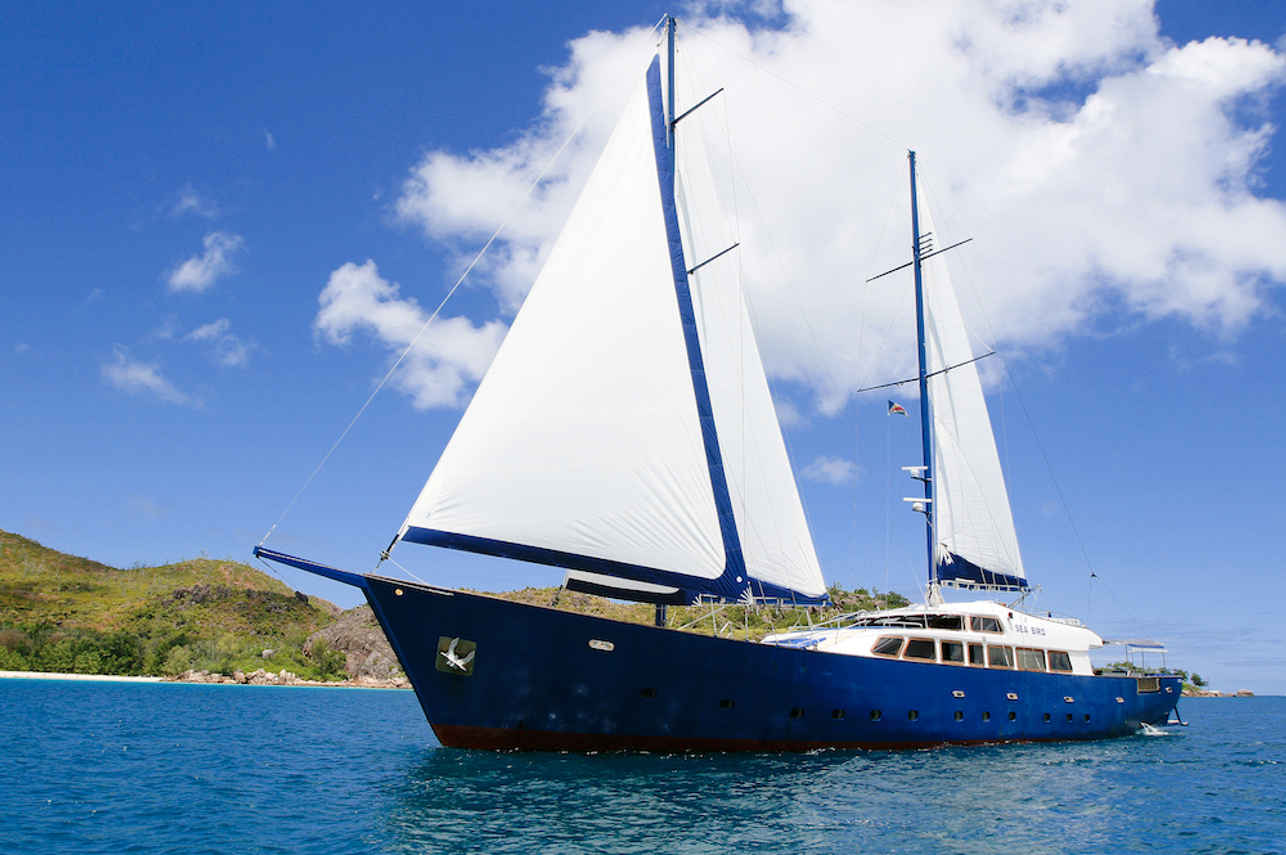
Sea Bird and Sea Star
Seychelles
18 guests42 m
Dive sites similar to Cousin Island
Same character, same waters — six more sites divers love for the exact same reasons.Compare seasons, access and liveaboard routes — then pick the site that fits your trip best.
© Esri — Maxar, Earthstar, GIS
7th Heaven
Maldives
7th Heaven is a vibrant channel reef located in the South Ari Atoll of the Maldives.
- Suitable for
- Intermediate
- Current
- Strong
- Access
- Liveaboard only
- Depth
- 10–30 m
- Theme
- Reef / Drift
The dive site known as "Abyss" is not specifically mentioned or described in the provided sources.
- Suitable for
- Intermediate
- Current
- Moderate
- Access
- Liveaboard or dayboat
- Depth
- 18–50 m
- Theme
- Reef
© Esri — Maxar, Earthstar, GIS
Addu Kandu
Maldives
Addu Kandu, also known as Addu Channel, is a significant natural waterway situated within the Addu Atoll, which is the southernmost atoll in the Maldives.
- Suitable for
- Advanced
- Current
- Strong
- Access
- Liveaboard only
- Depth
- 10–35 m
- Theme
- Drift
© Esri — Maxar, Earthstar, GIS
Aldabra Atoll
Seychelles
Aldabra Atoll, a remote UNESCO World Heritage Site in the Seychelles, offers an unparalleled diving experience that transports you back to a pristine, pre-industrial marine ecosystem.
- Suitable for
- Advanced
- Current
- Strong
- Access
- Liveaboard or dayboat
- Depth
- 5–40 m
- Theme
- Cave & cavern / Drift
© Esri — Maxar, Earthstar, GIS
Aldebaran Wreck
Seychelles
The Aldebaran Wreck, a 28-meter (92-foot) fishing vessel, was intentionally sunk on July 11, 2008, by the Seychelles Tourism Board to create an artificial reef.
- Suitable for
- Advanced
- Current
- Moderate
- Access
- Liveaboard or dayboat
- Depth
- 28–40 m
- Theme
- Wreck
© Esri — Maxar, Earthstar, GIS
Alimatha Jetty
Maldives
Alimatha Jetty, situated in the Vaavu Atoll beside the Alimatha Aquatic Resort's working pier, is celebrated as a premier night dive destination in the Maldives.
- Suitable for
- Beginner
- Current
- Moderate
- Access
- Liveaboard or dayboat
- Depth
- 2–12 m
- Theme
- Reef