About Clerke Reef
Clerke Reef is one of three remote coral atolls forming the Rowley Shoals, located approximately 260 kilometers west of Broome in Western Australia. Rising from depths of 390 meters, this ancient atoll, named after Captain Clerke, is renowned for its exceptional water clarity and rich biodiversity, boasting over 700 fish species and 230 coral varieties. The diving experience ranges from shallow, protected lagoons ideal for snorkeling and easier dives to exhilarating wall and drift dives along the outer sections. The atoll is characterized by extensive coral formations, including large hard corals, gorgonian fans, plate corals, and soft corals, which create a vibrant underwater landscape. A permanent sandy cay, Bedwell Island, is situated at its northern end. Life at Clerke Reef is profoundly influenced by extreme tides, which create powerful currents through narrow natural channels, making it a prime location for adrenaline-filled drift diving. Despite the strong currents in some areas, the water temperature remains a comfortable 27-28°C. Visibility can often extend up to 50 meters, providing unparalleled views of the intricate reef ecosystem and its diverse inhabitants. Access to this isolated marine reserve is exclusively via liveaboard vessels departing from Broome, making it a truly off-the-beaten-path destination. Dive itineraries typically dedicate several days to exploring Clerke Reef's numerous sites, offering varied experiences for divers of all levels, though some current experience is beneficial.
Highlights
Remote coral atollExtreme tidal drift divesExceptional water clarity700+ fish speciesSpectacular wall divingVast coral diversityLiveaboard-only accessPelagic encounters
Best Season
The diving season for Rowley Shoals, including Clerke Reef, is notably short, typically aligning with the dry season months. This period generally offers more comfortable daytime temperatures, less humidity, and significantly less rainfall, leading to optimal diving conditions with calm seas and excellent visibility.
Dive site facts: Clerke Reef
- Depth
- 10–50 m
- Current
- Strong (drift dependent)
- Visibility
- 30–50 m
- Water temperature
- 27–28°C
- Entry
- Live boat / giant stride / backroll
- Level
- Advanced recommended, current experience helpful
- Dive type
- Wall, drift, coral gardens
- Night dive
- Possible
- Region / port
- Western Australia / Rowley Shoals
- Coordinates
- 18.2700° S, 119.5900° E
Conditions & Currents
Diving at Clerke Reef is significantly shaped by the powerful tides characteristic of the Rowley Shoals, which pour in and out of the atolls through natural channels. This creates racing currents, particularly in areas like The Rollercoaster, providing exhilarating drift dives where divers glide past flashing colors and curious animals. Depending on the state of the tide, drifts can range from gentle to swift, demanding good buoyancy control and situational awareness from divers. For these drift dives, an unanchored boat will follow divers, often keying on their bubbles or a surface marker buoy. While some dives, like those inside the lagoon, are calm and protected, divers should be prepared for varying current strengths and be comfortable with boat entries and exits, which often require efficiency due to the drifting vessel. Visibility is consistently excellent, frequently reaching up t
Marine life & sighting chances
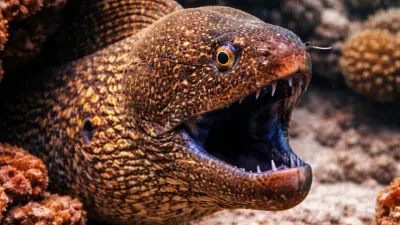
Moray eels
common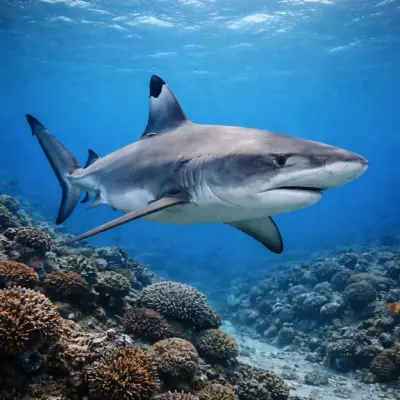
Grey reef sharks
common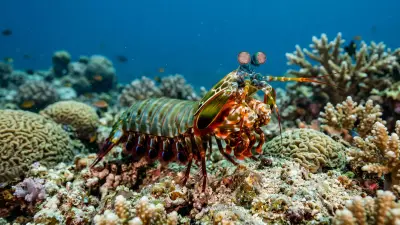
Shrimps
common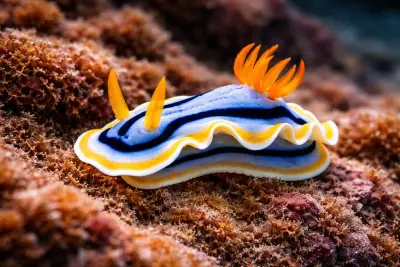
Nudibranchs
common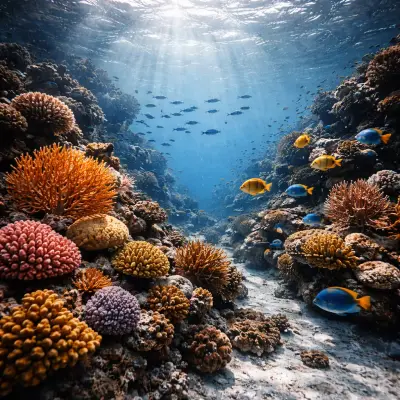
Coral trout
common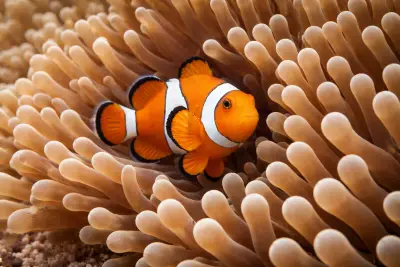
Clownfish
common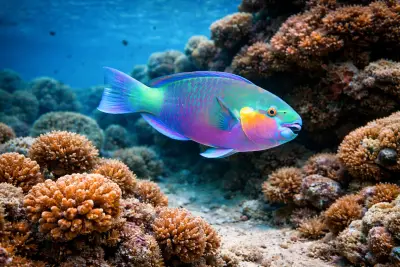
Humphead parrotfish
common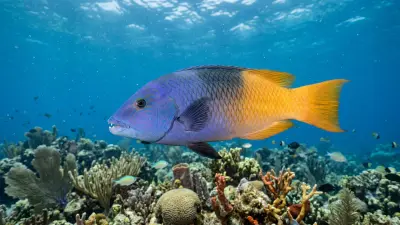
Maori wrasse
common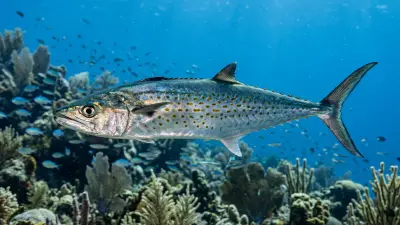
Spanish mackerel
common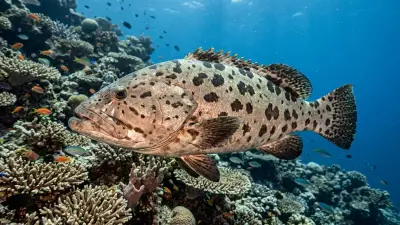
Giant potato cod
common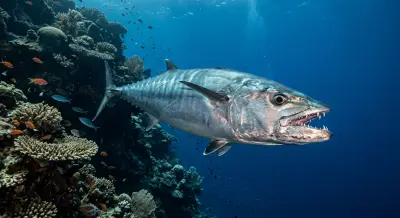
Dogtooth tuna
common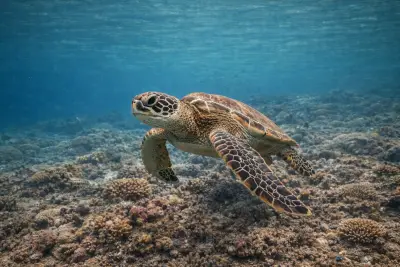
Green turtles
common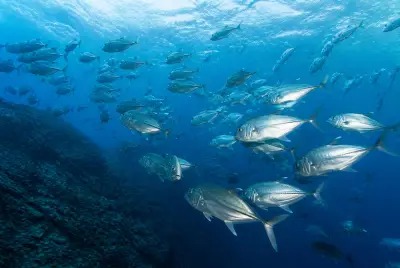
Pelagic fish
common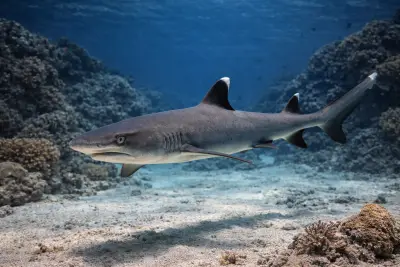
White-tip reef sharks
commonDive profile & how the dive runs
Dives at Clerke Reef typically commence with a giant stride or backroll entry from a liveaboard or tender, often positioning slightly upcurrent for drift dives. For sites like 'Aquarium' or 'Blue Lagoon' inside the protected lagoon, descents are straightforward to shallow depths, often staying around 10-12 meters, allowing divers to explore vibrant coral gardens and abundant reef fish. Outer reef sites, such as 'Jimmy goes to China' or 'The Bat Cave', involve descending along dramatic walls that plunge to 40-50 meters, showcasing impressive gorgonian fans and plate corals. 'The Rollercoaster' offers an exhilarating drift through the Clerke Reef Channel, with divers carried by strong currents past diverse marine life. Safety stops are often conducted in shallower gutters along the reef or as part of a continuous drift, with the boat following and picking up divers once they surface.
Underwater photography
Clerke Reef offers outstanding opportunities for both wide-angle and macro photography due to its clear waters and diverse ecosystem. For wide-angle shots, a fisheye or wide-angle lens is ideal to capture the expansive coral formations, dramatic walls, and large pelagics, especially during drift dives. The exceptional visibility, often reaching 50 meters, allows for stunning landscape compositions. For macro enthusiasts, there's a wealth of tiny shrimps, nudibranchs, and other small critters hiding among the corals; a macro lens and powerful strobes are essential to highlight their intricate patterns and colors. Due to potential currents, stable buoyancy and quick subject acquisition are key. Always maintain proper distance from marine life and avoid touching the delicate corals.
Combine with nearby dive sites
Getting there & logistics
Access to Clerke Reef is exclusively via multi-day liveaboard expeditions, with vessels typically departing from Broome, Western Australia. While international travelers often fly into Perth, the state capital, and then take a domestic flight to Broome, Australian domestic flights can reach Broome directly. Itineraries to the Rowley Shoals usually last a week or more, dedicating several days to Clerke Reef and often combining it with Mermaid Reef. Due to the very short diving season and high demand, booking liveaboard trips well in advance, sometimes a year ahead, is highly recommended. Tanks and weights are provided onboard, but divers are generally expected to rent any additional equipment from Broome if they don't bring their own. No specific park fees for Clerke Reef are mentioned, but liveaboard costs cover all permits and access.
Safety & environment
Diving at Clerke Reef, particularly the drift dives in strong currents, requires divers to have adequate training and experience, especially with unanchored boat procedures and efficient entries and exits. While the nearest recompression chamber is in Perth, several thousand kilometers away, liveaboard vessels operating in the Rowley Shoals are equipped with emergency oxygen and highly trained dive guides. Divers are strongly advised to hold comprehensive dive insurance that covers remote medical evacuation and hyperbaric treatment. Site-specific hazards include powerful tidal currents, which can necessitate negative entries or rapid descents, and potential encounters with large pelagic species and sharks. Divers should always follow the dive guide's instructions, maintain good buoyancy control, and be comfortable deploying a surface marker buoy.
Who it suits — and who it doesn't
Suited for
- Experienced divers comfortable with currents
- Drift diving enthusiasts
- Photographers seeking clear water and diverse marine life
- Liveaboard adventurers
- Divers seeking remote and pristine reef experiences
Less suited for
- Brand new open water divers
- Divers uncomfortable with strong currents
- Those prone to seasickness on longer voyages
- Divers with limited logged dives (less than 20 typically required)
FAQ
Clerke Reef FAQ
How do you get to Clerke Reef?
Clerke Reef is located about 260 kilometers off the coast of Western Australia and is only accessible via multi-day liveaboard cruises. These expeditions typically depart from Broome, a town in Western Australia. Travelers often fly into Perth first, then take a connecting flight to Broome to begin their liveaboard journey.
What kind of diving can I expect at Clerke Reef?
Clerke Reef offers a diverse range of diving experiences, including spectacular wall dives, vibrant coral gardens, and exhilarating drift dives through channels with strong tidal currents. There are also calmer, shallow lagoon sites perfect for check-out dives and snorkeling. Expect to see a wide variety of fish, corals, and larger pelagics.
What marine life is common at Clerke Reef?
The reef is home to over 700 fish species and 230 types of coral. Common sightings include moray eels, grey reef sharks, a wealth of macro life like shrimps and nudibranchs, and larger species such as coral trout, clownfish, humphead parrotfish, Maori wrasse, Spanish mackerel, giant potato cod, dogtooth tuna, and green turtles.
Is Clerke Reef suitable for beginner divers?
While some shallow lagoon sites offer easier diving, many of Clerke Reef's signature dives involve strong currents and deeper walls, making it more suitable for experienced divers. Most liveaboard operators recommend a minimum of 20 logged dives and comfort with current-dependent diving. Current experience is particularly helpful for fully enjoying the drift dives.
What are the water temperatures at Clerke Reef?
The water at Clerke Reef is consistently warm and comfortable for diving. Temperatures typically range between 27°C and 28°C throughout the diving season. This allows for enjoyable diving even on longer or multiple dives per day.
How is the visibility at Clerke Reef?
Clerke Reef is renowned for its exceptional water clarity. Visibility frequently reaches up to 50 meters, providing crystal-clear views of the stunning coral formations and abundant marine life. This excellent visibility enhances the overall dive experience, especially on wall and drift dives.
Why dive Clerke Reef from a liveaboard?
Clerke Reef is one of Australia's signature dive sites. A liveaboard sleeps you on the water and puts you in the water for three to four guided dives per day, including dawn and night dives that day-boat operators rarely offer. You skip the daily commute back to port and reach quieter, less-crowded sites in the same region on a single trip.
Below are the liveaboards that include Clerke Reef on their Australia itineraries.
Liveaboards diving Clerke Reef
These liveaboards may visit Clerke Reef on selected itineraries — the exact dive sites depend on departure, weather and conditions.
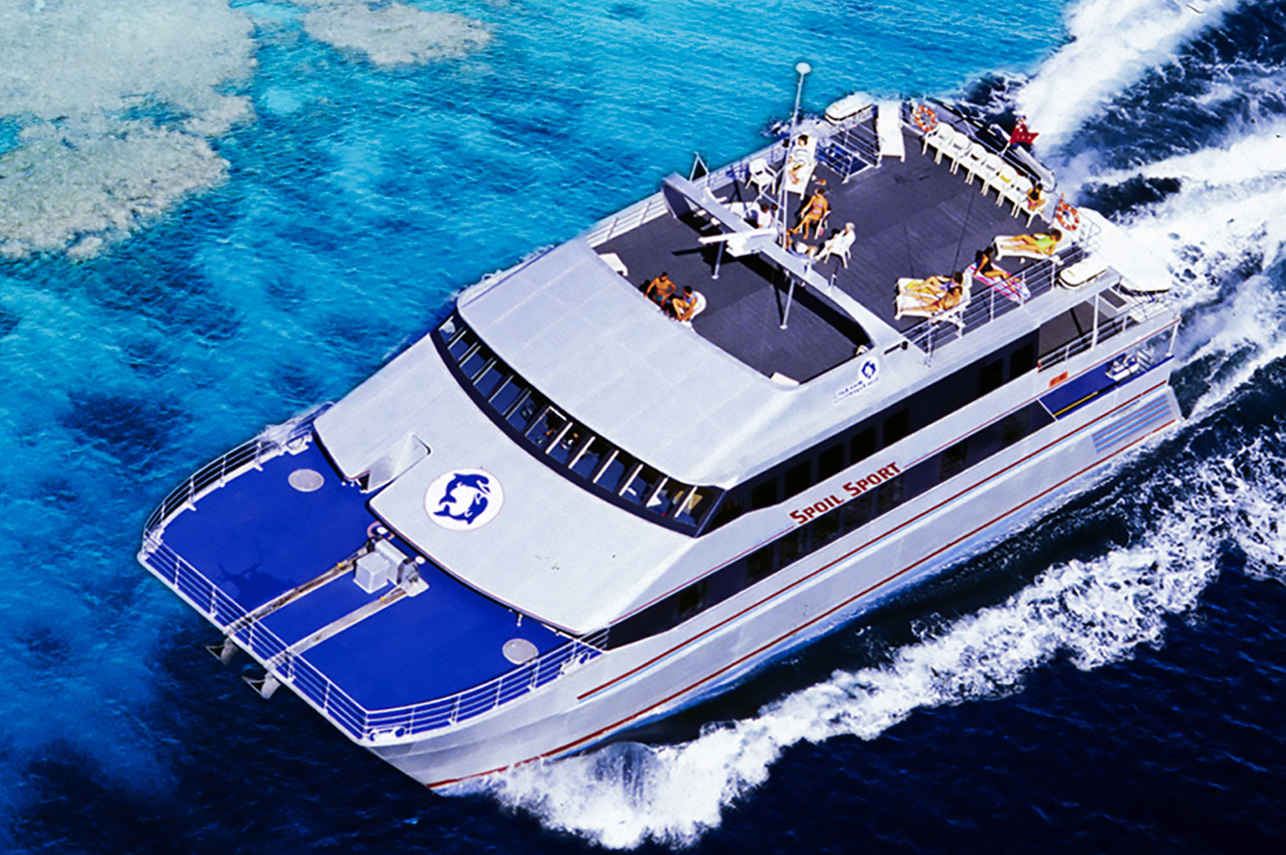
Spoilsport
Australia
28 guests30 m
$408/day
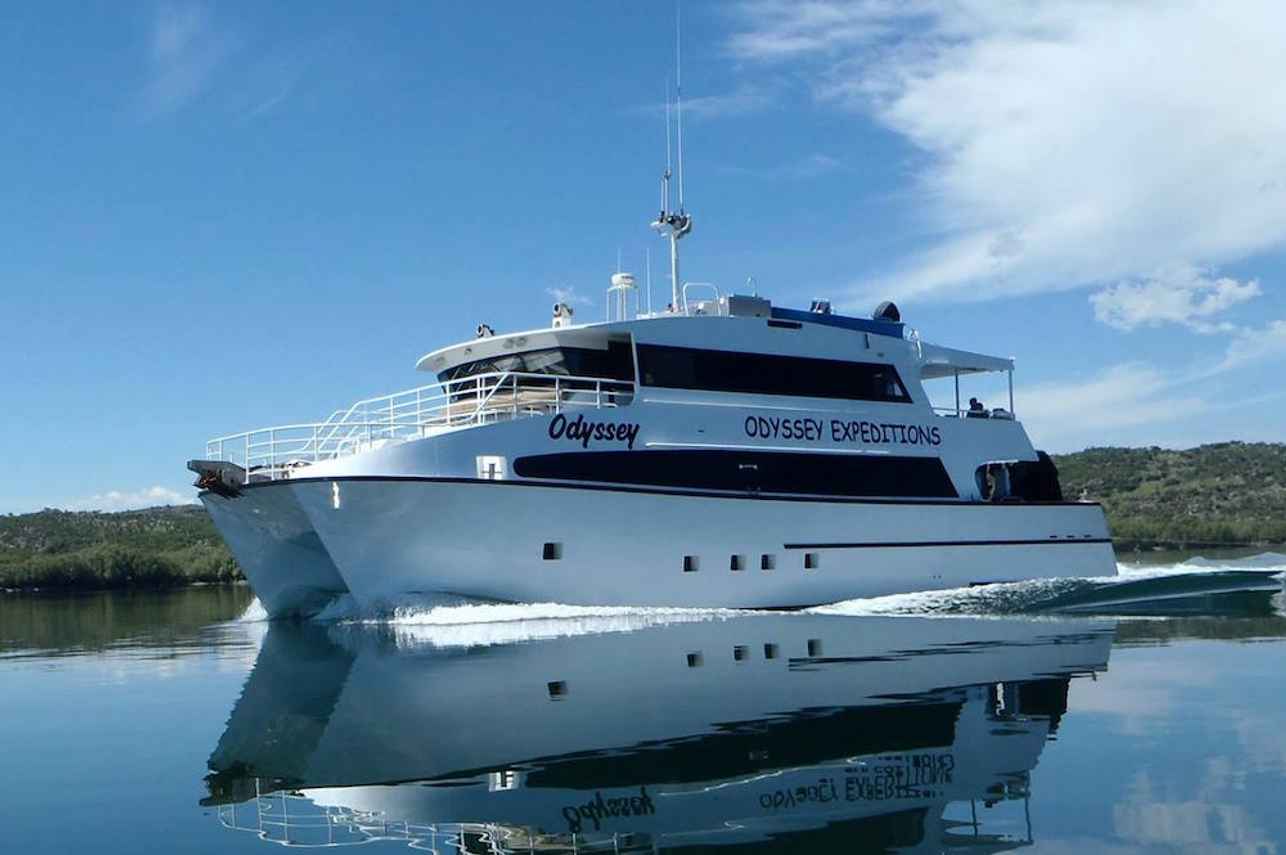
Odyssey Liveaboard
Australia
20 guests24 m
$392/day
Dive sites similar to Clerke Reef
Same character, same waters — six more sites divers love for the exact same reasons.Compare seasons, access and liveaboard routes — then pick the site that fits your trip best.
© Esri — Maxar, Earthstar, GIS
Agincourt Reef
Australia
Agincourt Reef sits on the outer edge of the Great Barrier Reef, roughly 60–72 km off Port Douglas in Far North Queensland, at the southern end of the true ribbon reefs that run…
- Suitable for
- Beginner
- Current
- Moderate
- Access
- Dayboat
- Depth
- 2–20 m
- Theme
- Reef / Wall
© Esri — Maxar, Earthstar, GIS
Cocos Keeling - Canons
Australia
Cocos Keeling - Canons offers a distinctive dive experience within the Cocos (Keeling) Islands lagoon, making it Australia's most remote dive destination.
- Suitable for
- Beginner
- Current
- Mild
- Access
- Dayboat
- Depth
- 8–12 m
- Theme
- Reef
© Esri — Maxar, Earthstar, GIS
Raine Island
Australia
Raine Island is a pivotal dive site located in the Far Northern Great Barrier Reef, approximately 85 kilometers east-north-east of Cape Grenville and just over 4 nautical miles south of the island itself.
- Suitable for
- Advanced
- Current
- Strong
- Access
- Liveaboard only
- Depth
- 5–40 m
- Theme
- Reef / Wall
© Esri — Maxar, Earthstar, GIS
Bare Island East
Australia
Bare Island East is a highly regarded shore dive in Sydney, celebrated for its diverse and colourful sponge gardens.
- Suitable for
- Intermediate
- Current
- Mild
- Access
- Shore / dayboat
- Depth
- 2–11 m
- Theme
- Reef
© Esri — Maxar, Earthstar, GIS
Cocos Keeling - Broccoli Patch
Australia
Broccoli Patch is a premier dive site nestled within the Cocos (Keeling) Islands lagoon system, offering a gentle yet captivating underwater experience.
- Suitable for
- Beginner
- Current
- Mild
- Access
- Dayboat
- Depth
- 5–10 m
- Theme
- Reef
© Esri — Maxar, Earthstar, GIS
Milln Reef
Australia
Milln Reef, located approximately 60km offshore from Cairns within the Great Barrier Reef, stands out as a highly favored outer reef destination for both divers and snorkelers.
- Suitable for
- Intermediate
- Current
- Moderate
- Access
- Liveaboard or dayboat
- Depth
- 4–22 m
- Theme
- Reef