About Cape Heusner
Cape Heusner is a notable dive site located within Kimbe Bay, off New Britain Island in Papua New Guinea. This region is internationally recognized for its exceptional marine biodiversity and is protected as a Marine Protected Area. The bay's underwater topography features extensive reef systems, offering a rich habitat for various species. Diving here allows for close encounters with significant marine animals, such as the enormous green turtles frequently observed resting on the reef. The overall health of the coral reefs in Kimbe Bay is highly regarded, supporting a complex ecosystem of smaller fish and invertebrates. The dive experience at Cape Heusner is generally accessible, as many dive sites in Papua New Guinea offer relatively easy conditions. While some open-ocean pinnacles in the broader region may have stronger currents, sites within Kimbe Bay are known for diverse environments ranging from vibrant reefs to potentially calmer areas. Visibility is typically excellent, often ranging from 25 to 40 meters, ensuring clear views of the abundant marine life.
Highlights
Green turtle encountersVibrant reef ecosystemKimbe Bay biodiversityClear water visibilityMarine Protected Area
Season calendar
Best months to dive here
Jan
Feb
Mar
Apr
May
Jun
Jul
Aug
Sep
Oct
Nov
Dec
Excellent
Good
Off-Season
May – Oct
Dry season with best visibility up to 30m. Calmer seas ideal for liveaboard expeditions.
Nov – Dec
Transition with increasing plankton attracting pelagics. Still good diving conditions.
Jan – Apr
Wet season with reduced visibility. Some areas remain excellent. Fewer boats and lower prices.
Dive site facts: Cape Heusner
- Current
- Mild to moderate (site-dependent)
- Visibility
- 25–40 m
- Water temperature
- 26–31°C
- Entry
- Boat
- Level
- All levels
- Dive type
- Reef
- Region / port
- Kimbe Bay, New Britain Island
- Coordinates
- 5.4623° S, 149.9384° E
Conditions & Currents
While specific current information for Cape Heusner itself is not detailed, the broader Kimbe Bay area often provides fairly easy diving with minimal current. However, Papua New Guinea generally features a variety of dive environments, with some open-ocean pinnacles experiencing stronger currents. Dive operators in the region take appropriate precautions to ensure diver safety and enjoyment in varying current conditions. Divers should expect generally calm conditions at reef sites within the bay, allowing for relaxed exploration. Visibility is usually superb, often ranging from 25 to 40 meters, but can extend up to 60 meters, enhancing the experience of drifting along the reef.
Marine life & sighting chances

Green turtle
common
Pelagic sharks
occasional
Barracudas
occasional
Pilot whales
occasional
Dolphins
occasional
Frogfish
occasional
Pipefish
occasional
Seahorses
occasional
Nudibranchs
common
Crabs
common
Shrimp
common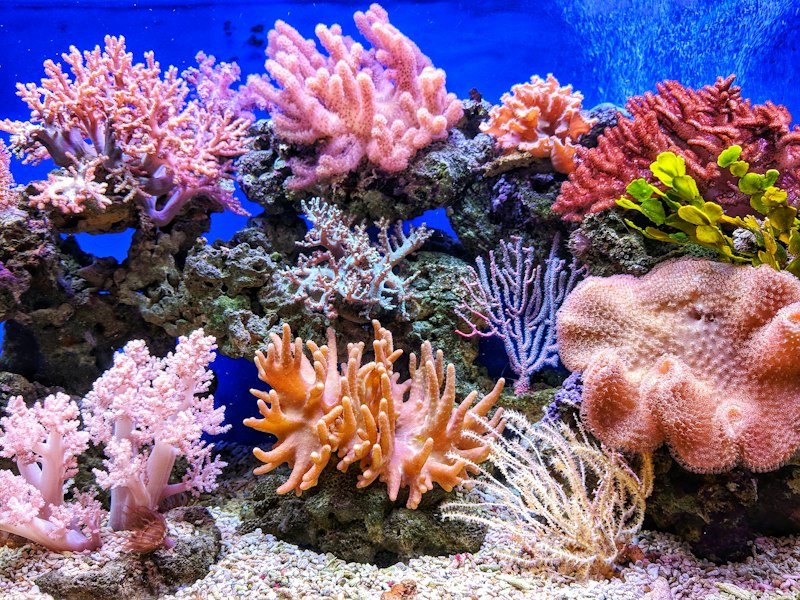
Soft corals
common
Hard corals
common
Sea fans
commonDive profile & how the dive runs
Dives at Cape Heusner typically begin with a boat entry, followed by a descent to the reef where enormous green turtles are often seen resting. The dive proceeds along the vibrant coral structures, allowing divers to explore the diverse macro and invertebrate life within the reef. Given the rich biodiversity of Kimbe Bay, the dive profile often involves navigating along coral walls or slopes, maintaining a comfortable depth to observe both reef fish and larger pelagic species. Turnaround time and ascent will depend on air consumption and no-decompression limits, culminating in a safety stop where divers can often observe schooling fish before surfacing back to the dive boat.
Underwater photography
Cape Heusner and the surrounding Kimbe Bay offer exceptional photographic opportunities. For wide-angle shots, consider a fisheye or wide-angle lens to capture the extensive coral gardens, large sea fans, and potential encounters with green turtles, sharks, and barracudas. The vibrant soft corals, in particular, lend themselves well to these wider compositions. For macro enthusiasts, a macro lens will be invaluable for documenting the numerous pipefish, seahorses, nudibranchs, crabs, and shrimp that inhabit the reef. Pay close attention to buoyancy control to avoid damaging delicate corals while positioning for shots. Using strobes is recommended to bring out the true colors of the reef and marine life, especially in deeper areas, ensuring vivid and striking underwater images.
Combine with nearby dive sites
- Father's Reef
Fathers Reefs, located northeast of Kimbe Bay off New Britain Island in Papua New Guinea, are a series of offshore reefs formed from the…
- South Emma
South Emma is a renowned dive site located in Kimbe Bay, off the northern coast of New Britain Island in Papua New Guinea.
- Susan's Reef
Susan's Reef is a highlight of Kimbe Bay, located on New Britain Island in Papua New Guinea, celebrated for its pristine condition and rich…
- Witu Islands - Circle of Stars
Lama Shoal, evocatively named 'Circle of Stars' or 'Crack-A-Fat Reef,' is a premier dive site within the remote Witu Islands of Papua New…
Getting there & logistics
Access to Cape Heusner, located in Kimbe Bay, typically involves flying into Jacksons International Airport (POM) in Port Moresby, Papua New Guinea. From there, divers take a domestic connecting flight on carriers like Air Niugini to Hoskins (HKN) airport, also known as Kimbe airport, which is on New Britain Island. Walindi Resort, a common base for exploring Kimbe Bay, is approximately a fifty-minute drive from Hoskins airport, with transfers usually pre-arranged. Liveaboards like the FeBrina and Oceania also operate from Walindi Resort, providing extended access to Kimbe Bay's dive sites. The diving season in Kimbe Bay is best from May to June and September to December, aligning with optimal conditions. Travelers should save some local currency for a small airport tax when departing PNG. An additional 15kg checked luggage allowance for dive gear may be possible for Air Niugini domestic flights if connecting from an international flight with the same carrier.
Safety & environment
For diving in Papua New Guinea, including Cape Heusner, general safety practices are paramount. The nearest recompression chamber should be known to your dive operator, though evacuation from remote areas could be lengthy and complex. Comprehensive dive accident insurance is strongly recommended. Most dive sites, including those around Cape Heusner, offer fairly easy diving with little current, but adherence to dive brief instructions is crucial, especially for any potential stronger current areas. Always dive within your training and experience limits and maintain excellent buoyancy control to protect the fragile coral ecosystems. Staying well-hydrated and avoiding excessive sun exposure are important due to the hot and humid climate. Malaria prophylaxis may be advised depending on the specific travel itinerary and medical advice.
Who it suits, and who it doesn't
Suited for
- Divers seeking vibrant coral reef ecosystems
- Underwater photographers interested in macro and wide-angle subjects
- Divers eager to encounter green turtles
- Those who appreciate excellent visibility
- Divers preferring relatively calm and easy dive conditions
Less suited for
- Divers exclusively seeking large pelagic action in strong currents
- Beginners without adequate buoyancy control for delicate reefs
- Divers averse to tropical heat and humidity
- Those looking for shore diving accessibility
- Travelers with very limited time for internal flights
FAQ
Cape Heusner FAQ
What marine life can I expect to see at Cape Heusner?
Cape Heusner is particularly known for its resident green turtles, often found resting on the reef. The wider Kimbe Bay area is rich in biodiversity, so you can also anticipate sightings of various reef fish, colorful soft and hard corals, sea fans, and macro life such as nudibranchs, crabs, and shrimp. Occasional encounters with pelagic sharks and barracudas are also possible, making each dive a unique experience.
When is the best time of year to dive Cape Heusner?
The optimal times for diving Cape Heusner and the rest of Kimbe Bay are during two primary windows: May and June, and then again from September through December. These periods generally offer the most favorable diving conditions, including good visibility and calmer seas. While diving is possible year-round, these months provide the best chance for an exceptional experience.
What are the typical diving conditions like at Cape Heusner?
Diving at Cape Heusner typically offers comfortable conditions with generally mild or no currents, making it suitable for a range of diver experience levels. Visibility is usually excellent, often between 25 to 40 meters, allowing for clear views of the abundant marine life and vibrant coral reefs. Water temperatures are warm, averaging between 26°C and 31°C, making for pleasant dives.
Is Cape Heusner suitable for underwater photography?
Yes, Cape Heusner is highly suitable for underwater photography, appealing to both wide-angle and macro photographers. The extensive coral formations, green turtles, and potential for pelagic encounters provide excellent wide-angle subjects. For macro enthusiasts, the reefs are teeming with small critters like pipefish, seahorses, and nudibranchs. Good buoyancy control is essential to avoid disturbing the delicate ecosystem while capturing your shots.
How do I get to Cape Heusner in Papua New Guinea?
To reach Cape Heusner, you will first fly internationally to Port Moresby (POM). From there, you take a domestic flight to Hoskins (HKN) airport on New Britain Island. Most divers stay at Walindi Resort, which is about a 50-minute drive from Hoskins airport, or board a liveaboard that operates in Kimbe Bay. Transfers from Hoskins airport are typically arranged by your dive operator or resort.
Why dive Cape Heusner from a liveaboard?
Cape Heusner is one of Papua New Guinea's signature dive sites. A liveaboard sleeps you on the water and puts you in the water for three to four guided dives per day, including dawn and night dives that day-boat operators rarely offer. You skip the daily commute back to port and reach quieter, less-crowded sites in the same region on a single trip.
Below are the liveaboards that include Cape Heusner on their Papua New Guinea itineraries.
Liveaboards diving Cape Heusner
These liveaboards may visit Cape Heusner on selected itineraries, the exact dive sites depend on departure, weather and conditions.


Dive sites similar to Cape Heusner
Same character, same waters, six more sites divers love for the exact same reasons.Compare seasons, access and liveaboard routes, then pick the site that fits your trip best.
Abila is a notable dive site located within the Alor Islands Marine Park, an area celebrated for its rich marine biodiversity due to its position in the Coral Triangle.
- Suitable for
- Beginner
- Current
- Mild
- Access
- Liveaboard only
- Depth
- —
- Theme
- Reef
© EsriMaxar, Earthstar, GIS
Adonara Channel
Alor
Adonara Channel stands as one of Alor's most iconic dive sites, celebrated for its dynamic currents and exceptionally rich biodiversity.
- Suitable for
- Advanced
- Current
- Strong
- Access
- Liveaboard or dayboat
- Depth
- 10–40 m
- Theme
- Drift / Wall
© EsriMaxar, Earthstar, GIS
Adonara Wall
Indonesia
Adonara is an Indonesian island dive site, renowned for its vibrant underwater topography characterized by submerged seamounts.
- Suitable for
- Intermediate
- Current
- Strong
- Access
- Liveaboard or dayboat
- Depth
- 5–35 m
- Theme
- Seamount / Wall
© EsriMaxar, Earthstar, GIS
Agnay Fish Sanctuary
Philippines
Agnay Fish Sanctuary is nestled in a sheltered bay near the village of Agnay in Romblon, a province celebrated for its rich marine biodiversity.
- Suitable for
- Beginner
- Current
- Mild
- Access
- Dayboat
- Depth
- 9–18 m
- Theme
- Reef
© EsriMaxar, Earthstar, GIS
Ai Island Reef
Banda Sea
Ai Island Reef, nestled within the Banda Sea, offers a remarkable diving experience characterized by its rich marine biodiversity and varied underwater topography.
- Suitable for
- Beginner
- Current
- Strong
- Access
- Liveaboard only
- Depth
- 3–30 m
- Theme
- Reef / Seamount
© EsriMaxar, Earthstar, GIS
Akitsushima
Philippines
The Akitsushima is a distinguished World War II Japanese seaplane tender, sunk in September 1944 during an American air raid in Coron Bay, Palawan.
- Suitable for
- Advanced
- Current
- Strong
- Access
- Dayboat
- Depth
- 22–38 m
- Theme
- Wreck