About Blue Corner Nusa Lembongan
Blue Corner, located off Nusa Lembongan, is renowned as one of Bali's most exciting and challenging dive sites, situated where strong currents sweep between Lembongan and Ceningan islands. This dynamic environment creates a dramatic underwater topography where the reef shelf drops away, and converging currents concentrate marine life in impressive densities. The site is particularly famous for encounters with the Mola Mola, or Oceanic Sunfish, especially during the colder months when these majestic creatures ascend from deeper waters. The topography consists of a sloping reef leading to a dramatic drop-off, with depths reaching approximately 40 meters. While divers typically explore the shallower areas around 20-25 meters, the deeper blue water is where pelagic sightings, including the Mola Mola, frequently occur. The currents, though strong and sometimes unpredictable, are responsible for bringing in nutrient-rich water, fostering a vibrant ecosystem of soft corals and sponges that carpet the reef. Marine life at Blue Corner is abundant and diverse, ranging from large pelagics like reef sharks, eagle rays, and schooling barracuda to smaller reef fish. The Mola Mola season, from July to October, is a major draw, although sightings are dependent on luck and specific conditions. Diving here requires careful planning and experienced guides due to the challenging currents, offering a thrilling experience for advanced divers. Visibility is generally excellent, often exceeding 20-30 meters, though thermoclines can significantly drop water temperatures.
Highlights
Mola Mola encounters (seasonal)Strong drift divingPelagic marine lifeDramatic reef topographyVibrant soft coral gardensConverging oceanic currents
Season calendar
Best months to dive here
Jan
Feb
Mar
Apr
May
Jun
Jul
Aug
Sep
Oct
Nov
Dec
Excellent
Good
Dive site facts: Blue Corner Nusa Lembongan
- Depth
- 8–30 m
- Typical dive
- 12–25 m, 45–60 min
- Current
- Strong to very strong
- Visibility
- 15–40 m
- Water temperature
- 18–29 °C
- Entry
- Negative entry / live drop
- Level
- AOWD recommended, current experience essential
- Dive type
- , Wall
- Night dive
- Not typical
- Region / port
- Nusa Lembongan, Bali, Indonesia
- Coordinates
- -8.6889, 115.4534
Conditions & Currents
Blue Corner is characterized by powerful and often unpredictable oceanic currents that can reach up to 8 knots at extreme sites. These currents are a defining feature of the dive, creating an exhilarating drift experience, but they can also shift direction rapidly. Divers must be comfortable with strong currents and proficient in drift diving techniques, as conditions necessitate flexible dive plans and often negative entries. Visibility at the site is generally excellent, often between 15-40 meters, but deep thermoclines are common, especially during the Mola Mola season, bringing colder water that can drop temperatures significantly and increase air consumption. Dive centers in the area emphasize that this site is not suitable for beginners and requires advanced certification with prior current experience.
Marine life & sighting chances

Oceanic Sunfish
July–October · occasional
Reef Shark
common
Eagle Ray
occasional
Barracuda
common
Sea Turtle
common
Marbled Ray
occasional
Bamboo Shark
occasional
Manta Ray
occasionalDive profile & how the dive runs
Diving Blue Corner typically begins with a negative entry due to the strong currents. The dive plan often involves drifting along the reef edge at a depth of around 20-25 meters. Guides monitor the currents closely, adapting the route as needed to explore areas where marine life congregates. The focus is often on observing pelagic species in the blue, particularly Mola Mola during their season, which are often found at around 30 meters or deeper. Divers drift with the current, enjoying sightings of reef sharks, eagle rays, and schooling barracuda. The dive concludes with a safety stop in shallower, less current-affected areas, followed by a boat pick-up, often a live pick-up, to account for the swift drift.
Underwater photography
Blue Corner is a prime location for wide-angle photography, especially when pelagic encounters are frequent. A fisheye or wide-angle lens is ideal for capturing the Mola Mola, schooling barracuda, and expansive reefscapes. Strong currents demand excellent buoyancy control and quick reactions, so be prepared to adjust camera settings and positions rapidly. Consider using powerful strobes to bring out the vibrant colors of the soft corals and to properly expose subjects in the blue. For Mola Mola, a natural light approach can often be effective given their size. Given the thermoclines, protect your camera gear from sudden temperature changes. Focus on subjects that can be found in the shallows during safety stops, as the upper reef is also rich in colorful life.
Combine with nearby dive sites
- Manta Point Nusa Penida
Manta Point, located on the southwest coast of Nusa Penida near Bali, stands out as a premier global destination for encountering majestic…
- Crystal Bay
Nestled on the western coast of Nusa Penida, Crystal Bay is celebrated for its exceptionally clear waters and diverse underwater ecosystem.
- Mangrove Point (Nusa Lembongan)
The Point is a dynamic dive site located in Roatan, Honduras, part of the extensive Mesoamerican Barrier Reef system, the second-largest…
- The Cauldron
The Cauldron, also known as The Shotgun, is a world-class dive site located in the northern reaches of Komodo National Park.
- SD Point
SD Point is a renowned dive site located on the northern coast of Nusa Penida, Indonesia, celebrated for its spectacular drift dives and…
- Karang Makassar
Karang Makassar, widely known as Manta Point, offers one of Komodo National Park's most reliable manta ray encounters.
Getting there & logistics
Access to Blue Corner is primarily via speed boat from Sanur on mainland Bali to Nusa Lembongan, a journey of approximately 45 minutes. Divers typically stay on Nusa Lembongan or Nusa Penida, where numerous dive centers operate daily trips to the site. Dive packages usually include multiple dives per day, with trips lasting several days to allow for various site conditions and increased chances of Mola Mola sightings. Most dive centers provide hotel transfers within selected areas. There are no specific marine park fees beyond standard dive operator costs, but it is always advisable to confirm with your chosen dive operator.
Safety & environment
Diving Blue Corner requires a high level of caution and adherence to safety protocols due to strong and unpredictable currents. All divers must be Advanced Open Water certified and have significant experience with drift diving. Always dive with a reputable local guide who is intimately familiar with the site and its current patterns. Maintain excellent buoyancy control and stay close to your buddy and group. Monitor air consumption carefully, as cold thermoclines can increase it. The nearest recompression chamber is in Denpasar, Bali, necessitating robust evacuation plans and comprehensive dive insurance. Always carry an SMB and know how to deploy it in case of separation. This site is not suitable for novice divers or those uncomfortable with challenging conditions.
Who it suits, and who it doesn't
Suited for
- Experienced Advanced Open Water divers
- Divers comfortable with strong currents
- Photographers seeking pelagic action
- Mola Mola enthusiasts
- Drift diving aficionados
Less suited for
- Beginner divers or Open Water certified
- Divers without drift diving experience
- Those prone to seasickness in strong currents
- Divers uncomfortable with cold water
- Individuals with poor buoyancy control
FAQ
Blue Corner Nusa Lembongan FAQ
What marine life can I expect to see at Blue Corner?
Blue Corner is renowned for its pelagic encounters, including reef sharks, eagle rays, and large schools of barracuda. During the cooler months from July to October, it's one of the best sites to spot the elusive Mola Mola, also known as the oceanic sunfish. Occasional sightings of marbled rays, bamboo sharks, and sea turtles also occur.
What is the best time of year to dive Blue Corner for Mola Mola?
The prime season for Mola Mola sightings at Blue Corner is typically from July to October. During these months, colder, nutrient-rich thermoclines rise from the deep, attracting these magnificent sunfish to shallower cleaning stations. While sightings are never guaranteed, this period offers the highest probability.
Is Blue Corner suitable for all divers?
No, Blue Corner is an advanced dive site due to its notoriously strong and often unpredictable currents. It is highly recommended for Advanced Open Water certified divers with significant experience in drift diving and excellent buoyancy control. Beginners or newly certified divers should choose less challenging sites in the region.
What kind of currents can I expect at Blue Corner?
Blue Corner is famous for its powerful oceanic currents, which can be very strong and change direction rapidly. These currents create an exhilarating drift dive but require careful planning and experienced guides. Divers must be prepared for potential downcurrents and upcurrents, and often a negative entry is necessary.
What is the water temperature like at Blue Corner?
Water temperatures at Blue Corner can vary significantly. While surface temperatures might be around 26-29°C year-round, deep thermoclines, especially during the Mola Mola season (July-October), can drop water temperatures to as low as 18-20°C. Divers are advised to wear adequate exposure protection, such as a 5mm wetsuit and hood.
Why dive Blue Corner Nusa Lembongan from a liveaboard?
Blue Corner Nusa Lembongan is one of Indonesia's signature dive sites. A liveaboard sleeps you on the water and typically offers several guided dives per day (the exact number depends on the vessel and itinerary), including dawn and night dives that day-boat operators rarely offer. You skip the daily commute back to port and reach quieter, less-crowded sites in the same region on a single trip.
Liveaboards diving Blue Corner Nusa Lembongan
These liveaboards may visit Blue Corner Nusa Lembongan on selected itineraries, the exact dive sites depend on departure, weather and conditions.
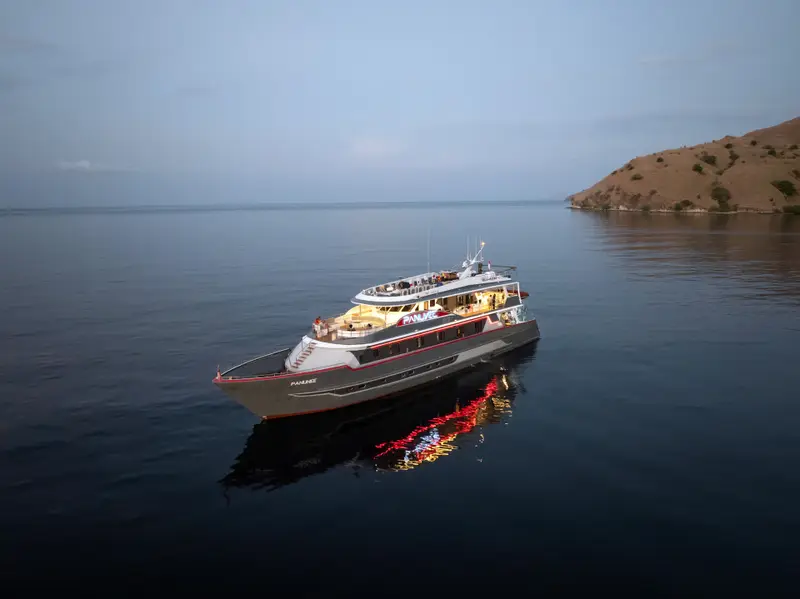
Panunee
Indonesia
18 guests38 m
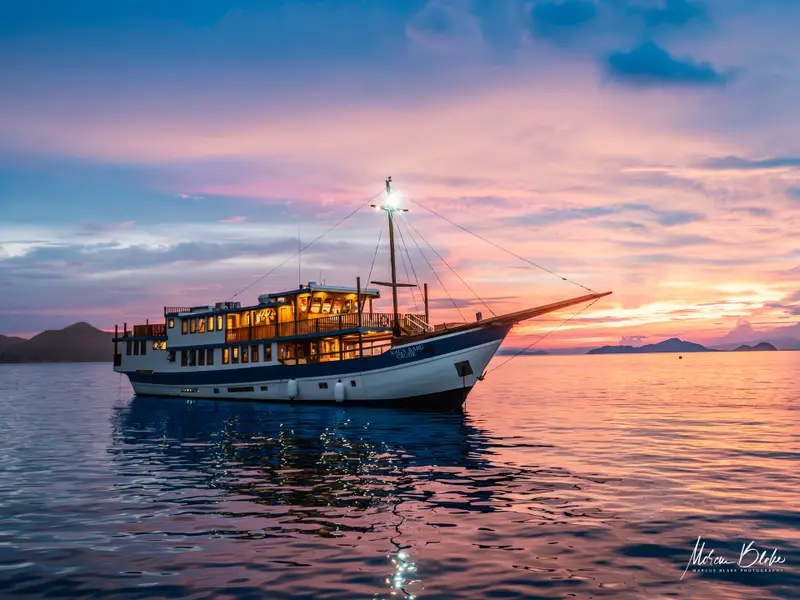
Naga Biru
Indonesia
12 guests40 m
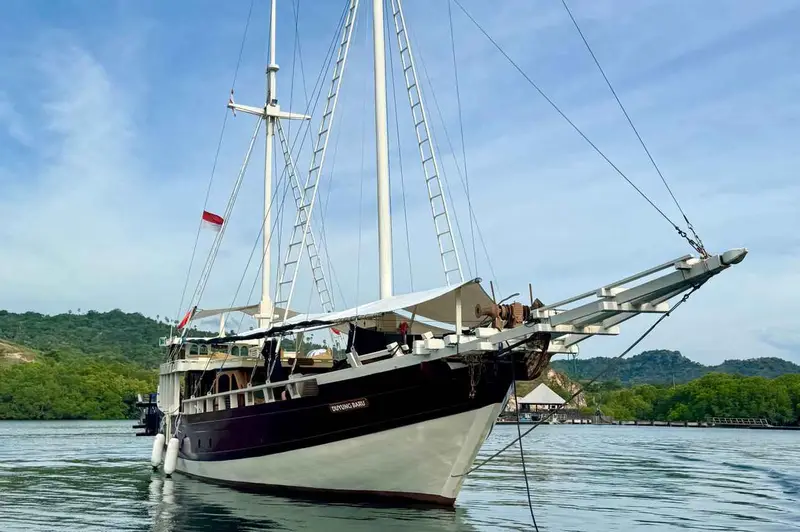
Ecopro Duyung Baru
Indonesia
6 guests27 m
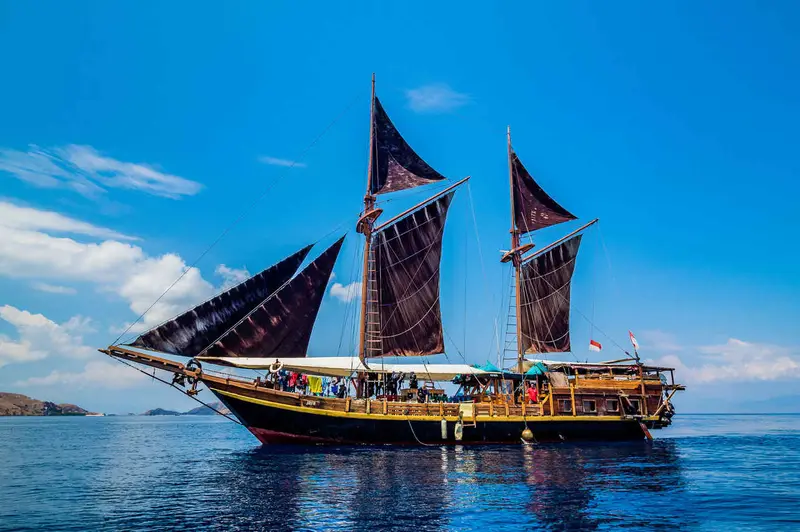
Jaya
Indonesia
14 guests23 m
Wellenreng
Indonesia
9 guests25 m

Komodo Aggressor
Komodo, Indonesia
16 guests29 m
Blue Manta
Indonesia
20 guests45 m
Mari
Indonesia
14 guests32 m
Situju7
Komodo, Indonesia
10 guests33 m
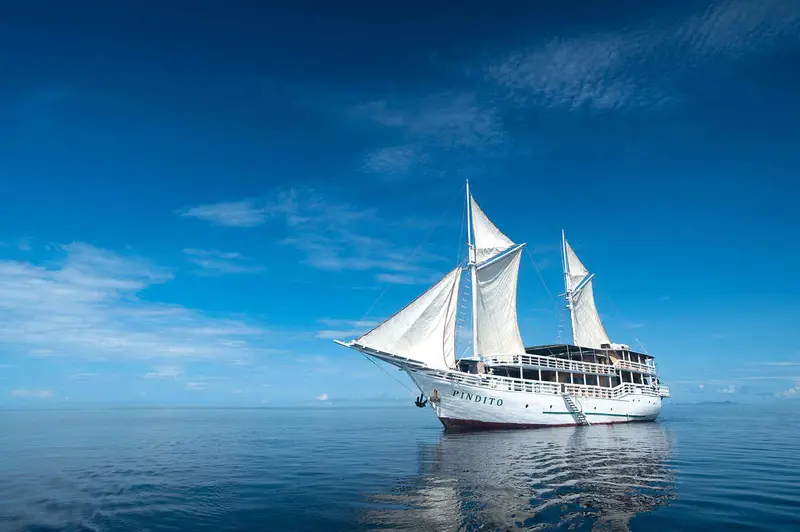
Pindito
Indonesia
16 guests38 m
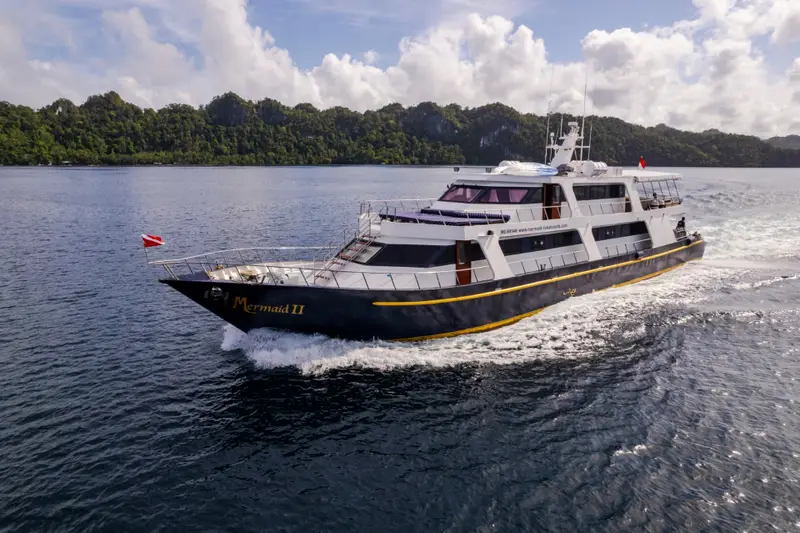
Mermaid II
Komodo, Indonesia
18 guests
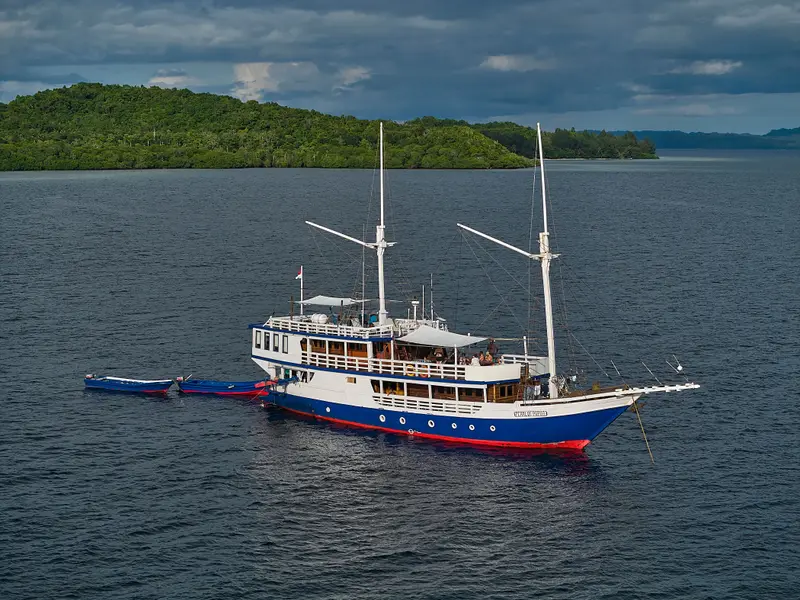
Pearl of Papua
Raja Ampat, Indonesia
14 guests30 m
Dive sites similar to Blue Corner Nusa Lembongan
Same character, same waters, six more sites divers love for the exact same reasons.Compare seasons, access and liveaboard routes, then pick the site that fits your trip best.
© EsriMaxar, Earthstar, GIS
Adonara Channel
Alor
Adonara Channel stands as one of Alor's most iconic dive sites, celebrated for its dynamic currents and exceptionally rich biodiversity.
- Suitable for
- Advanced
- Current
- Strong
- Access
- Liveaboard or dayboat
- Depth
- 10–40 m
- Theme
- Drift / Wall
© EsriMaxar, Earthstar, GIS
Banda Sea Seamounts
Indonesia
The Banda Sea seamounts offer an unparalleled pelagic diving experience in Indonesia's remote Ring of Fire.
- Suitable for
- Advanced
- Current
- Strong
- Access
- Liveaboard or dayboat
- Depth
- 10–45 m
- Theme
- Pinnacle / Seamount
© EsriMaxar, Earthstar, GIS
Batu Bolong
Komodo, Indonesia
Batu Bolong, meaning "Hollow Rock" in Bahasa Indonesian, is a renowned dive site in Komodo National Park, situated in the central Lintah Strait between Komodo Island and Tatawa Besar.
- Suitable for
- Advanced
- Current
- Strong
- Access
- Liveaboard or dayboat
- Depth
- 10–30 m
- Theme
- Drift / Pinnacle
© EsriMaxar, Earthstar, GIS
Batu Kapal
Banda Sea
Batu Kapal, meaning "Stone Ship," is a captivating dive site nestled within the historic Banda Islands, a region renowned for its pristine marine environment and rich spice trade history.
- Suitable for
- Advanced
- Current
- Moderate
- Access
- Liveaboard only
- Depth
- 8–35 m
- Theme
- Pinnacle / Wall
Batu Tiga, meaning "Three Rocks" in Indonesian, is a dive site reserved for experienced divers within the Komodo National Park, particularly due to its notoriously strong and often unpredictable currents.
- Suitable for
- Advanced
- Current
- Strong
- Access
- Liveaboard or dayboat
- Depth
- 12–35 m
- Theme
- Pinnacle / Wall
© EsriMaxar, Earthstar, GIS
Batununggul
Bali
Batununggul, also known as Suana or Batumulapan by some operators, is a dynamic wall and sloping reef dive site situated on the eastern side of Nusa Penida, Bali.
- Suitable for
- Advanced
- Current
- Strong
- Access
- Liveaboard or dayboat
- Depth
- 10–40 m
- Theme
- Wall