About Sept Frères South Wall
Sept Frères South Wall, part of the Seven Brothers Islands (Sawabi Islands) archipelago in Djibouti, is a premier dive site renowned for its exhilarating drift diving opportunities and abundant marine life. Situated at the convergence of the Red Sea and the Gulf of Aden, this location benefits from nutrient-rich waters and strong tidal shifts that fuel a thriving ecosystem. The site features dramatic underwater topography, including deep walls and sloping reefs adorned with healthy hard and soft corals. These formations provide shelter and feeding grounds for a wide variety of reef fish, while the consistent currents attract larger pelagic species. Divers can expect a dynamic environment that showcases the raw, untamed beauty of Djibouti’s underwater landscape. From October to February, the area is particularly known for seasonal whale shark and manta ray encounters, though other pelagics like barracuda, trevally, and various reef sharks are common year-round. The South Wall's exposure to currents makes it a hotspot for schooling fish and occasional surprises. While conditions are generally moderate, the potential for strong currents necessitates careful planning and experience. Diving here typically involves liveaboard itineraries that explore the diverse sites of the Seven Brothers. The vibrant marine biodiversity and the thrill of drift diving make Sept Frères South Wall a must-visit for adventurous divers seeking unique encounters in an uncrowded setting.
Highlights
Exhilarating drift divingAbundant pelagic speciesHealthy coral wallsSeven Brothers IslandsRich nutrient upwellingsSchooling fish encountersDynamic underwater topography
Season calendar
Best months to dive here
Jan
Feb
Mar
Apr
May
Jun
Jul
Aug
Sep
Oct
Nov
Dec
Excellent
Good
Off-Season
Oct – Mar (Peak)
Whale shark season in the Gulf of Tadjoura, best visibility up to 25m, comfortable air temperatures, calm seas.
Apr & Sep (Shoulder)
Rising temperatures, fewer whale sharks but good reef diving. Manta rays and dolphins common.
May – Aug (Hot Season)
Extreme heat above 40°C, reduced visibility, strong currents. Most dive operations scale back.
Dive site facts: Sept Frères South Wall
- Depth
- 15 – 40+ m
- Typical dive
- Variable, depending on current
- Current
- Strong, unpredictable
- Visibility
- 10 – 35+ m
- Water temperature
- 24 – 33°C
- Entry
- Tender / Negative entry often required
- Level
- Advanced upwards, drift experience recommended
- Dive type
- Drift, wall, pelagic encounters
- Night dive
- Possible (check liveaboard itinerary)
- Region / port
- Seven Brothers Islands, Djibouti
- Coordinates
- 12.44, 43.43
Conditions & Currents
Sept Frères South Wall is characterized by strong and often unpredictable currents due to its location in the Bab El Mandab strait, where massive tidal shifts occur twice daily. These currents, while challenging, are responsible for the site's rich biodiversity, bringing in abundant nutrients and attracting pelagic life. Divers should be prepared for potential negative-buoyancy back-roll entries to quickly descend past stronger surface currents. Once at depth, careful attention to the dive briefing is crucial, as the lead guide will often direct divers to keep the reef to their left or right while flowing with the current. Maintaining good buoyancy and streamlining equipment are essential for conserving air and avoiding exhaustion, as fighting the current is often futile. Divers should be constantly observant of natural cues, such as the direction fish are swimming or the flow of soft co
Marine life & sighting chances

Whale shark
October to February · occasional
Manta ray
October to February · occasional
Grey reef shark
common
Whitetip reef shark
common
Barracuda
September · common
Trevally
September · common
Snapper
September · common
Reef fish
common
Moray eel
common
Lionfish
common
Marine turtle
occasional
Nudibranch
September · occasional
Dolphin
occasionalDive profile & how the dive runs
Diving Sept Frères South Wall is typically a drift dive, commencing with a negative entry from a tender to quickly descend below the stronger surface currents. Your dive guide will assess the current direction and instruct you to keep the wall to your left or right. The dive progresses along the coral-encrusted wall, allowing the current to carry you effortlessly past schooling fish and pelagic visitors. Depths can range from 15 meters to beyond 40 meters, depending on the chosen route and diver experience. Throughout the dive, maintain neutral buoyancy to hover just above the reef, avoiding contact. The dive continues with the current, offering continuous new scenery. Turn points are generally determined by air consumption and no-decompression limits, with the safety stop conducted in mid-water, maintaining visual contact with the group, before surfacing for pickup by the tender boat, which tracks the divers from above.
Underwater photography
Sept Frères South Wall offers excellent opportunities for both wide-angle and macro photography, though the dynamic currents demand a keen awareness of your surroundings. For wide-angle shots, consider using a fisheye or wide rectilinear lens to capture the expansive coral walls, large schools of fish, and passing pelagics. Spring and autumn offer the best visibility and light for these shots. During summer, the intense light at depth can be leveraged for dramatic wide-angle compositions. For macro subjects like nudibranchs and small reef inhabitants, a macro lens is essential, but be prepared to stabilize yourself against the current without touching the reef. Strobes are highly recommended for both types of photography to bring out the vibrant colors of corals and marine life, especially to counter potential backscatter from plankton blooms which can occur. Practicing good buoyancy is paramount to avoid disturbing the ecosystem and to maintain stable shots in varying currents. Always prioritize safety and environmental protection over getting the perfect shot.
Combine with nearby dive sites
- Les Sept Frères (Seven Brothers Islands)
A diverse archipelago offering various wall and reef dives, known for healthy coral and pelagic encounters.
- Stegostoma Bay
A nearby site within the Seven Brothers, often combined in itineraries.
- Le Goubet (Ghoubbet al-Kharab)
Famous for its trench and as a hotspot for juvenile whale sharks, especially from November to January.
- Maskali Island
Offers vibrant coral gardens and diverse reef fish closer to Djibouti City, suitable for warm-up dives.
- Moucha Island Reef
Another reef near Djibouti City with rich marine biodiversity.
Getting there & logistics
Access to Sept Frères South Wall typically involves flying into Djibouti-Ambouli International Airport (JIB). From there, most divers join liveaboard trips departing from Djibouti City. These itineraries usually range from 7 to 8 days, focusing on the Seven Brothers Islands and potentially other sites in the Gulf of Tadjoura, such as Ghoubbet al Kharab. Liveaboards are the primary and most efficient way to access this remote site, maximizing dive time and providing comfortable accommodations. There are no specific park fees mentioned for this particular dive site, but liveaboard costs will encompass permits and operational expenses. It is advisable to book in advance, especially during the peak whale shark season from October to February.
Safety & environment
Diving Sept Frères South Wall demands excellent buoyancy control and an understanding of drift diving techniques due to strong, unpredictable currents. All divers should ensure they have appropriate dive insurance that covers emergency evacuations and recompression chamber treatments. The nearest recompression chamber is located in Djibouti City, but evacuation realities can be complex and time-consuming given the remote nature of the Seven Brothers Islands. Always dive with a reputable liveaboard operator that adheres to strict safety protocols, including experienced guides familiar with local conditions and robust emergency plans. Maintain close contact with your buddy and follow all instructions from the dive guide, especially regarding entry procedures, descent, and ascent. Be mindful of boat traffic on the surface, although this is less of a concern in the more remote areas. It is strongly recommended to have advanced dive certifications and experience with currents before attempting this dive.
Who it suits — and who it doesn't
Suited for
- Experienced divers comfortable with strong currents
- Liveaboard enthusiasts seeking remote, uncrowded sites
- Underwater photographers targeting pelagic action
- Adventurous divers looking for dynamic dive experiences
- Divers interested in whale shark and manta encounters
Less suited for
- Beginner divers or those without drift diving experience
- Divers uncomfortable with strong currents and potential surge
- Individuals prone to seasickness on longer boat journeys
- Divers seeking purely calm, current-free reef dives
- Those on a tight schedule requiring quick day trips
FAQ
Sept Frères South Wall FAQ
What kind of currents can I expect at Sept Frères South Wall?
The Sept Frères South Wall is known for strong and often unpredictable currents. These are caused by significant tidal shifts in the Bab El Mandab strait, making it a prime location for drift diving. Divers should be prepared for dynamic conditions and follow their dive guide's instructions closely.
What marine life is common at Sept Frères South Wall?
This site is rich in marine life, featuring abundant schooling fish such as barracuda, trevally, and snapper. You can also expect encounters with various reef sharks, moray eels, and vibrant reef fish. During the season from October to February, there are increased chances of spotting whale sharks and manta rays.
Is Sept Frères South Wall suitable for beginners?
Sept Frères South Wall is generally recommended for advanced divers due to the strong currents and the nature of drift diving. Prior experience with currents and good buoyancy control are essential for a safe and enjoyable dive. Beginners might find the conditions challenging.
How do I get to Sept Frères South Wall?
Access to Sept Frères South Wall is primarily via liveaboard trips departing from Djibouti City. Divers typically fly into Djibouti-Ambouli International Airport (JIB). Liveaboards provide the best means to reach this remote site within the Seven Brothers Islands archipelago.
What is the best time of year to dive Sept Frères South Wall?
The best time to dive here is from October to February, offering comfortable water temperatures and the highest likelihood of whale shark sightings. September also presents good conditions, particularly for those interested in the transitional period before peak season.
What kind of dive gear is recommended for Sept Frères South Wall?
Given the warm water temperatures (24-33°C), a 3mm wetsuit or even a rash guard for thermal protection is usually sufficient. However, for multiple dives or personal preference, a 3mm full suit can be comfortable. Essential gear includes a dive computer, surface marker buoy (SMB), and reliable safety equipment for drift diving.
Why dive Sept Frères South Wall from a liveaboard?
Sept Frères South Wall is one of Djibouti's signature dive sites. A liveaboard sleeps you on the water and puts you in the water for three to four guided dives per day, including dawn and night dives that day-boat operators rarely offer. You skip the daily commute back to port and reach quieter, less-crowded sites in the same region on a single trip.
Below are the liveaboards that include Sept Frères South Wall on their Djibouti itineraries.
Liveaboards diving Sept Frères South Wall
These liveaboards may visit Sept Frères South Wall on selected itineraries — the exact dive sites depend on departure, weather and conditions.
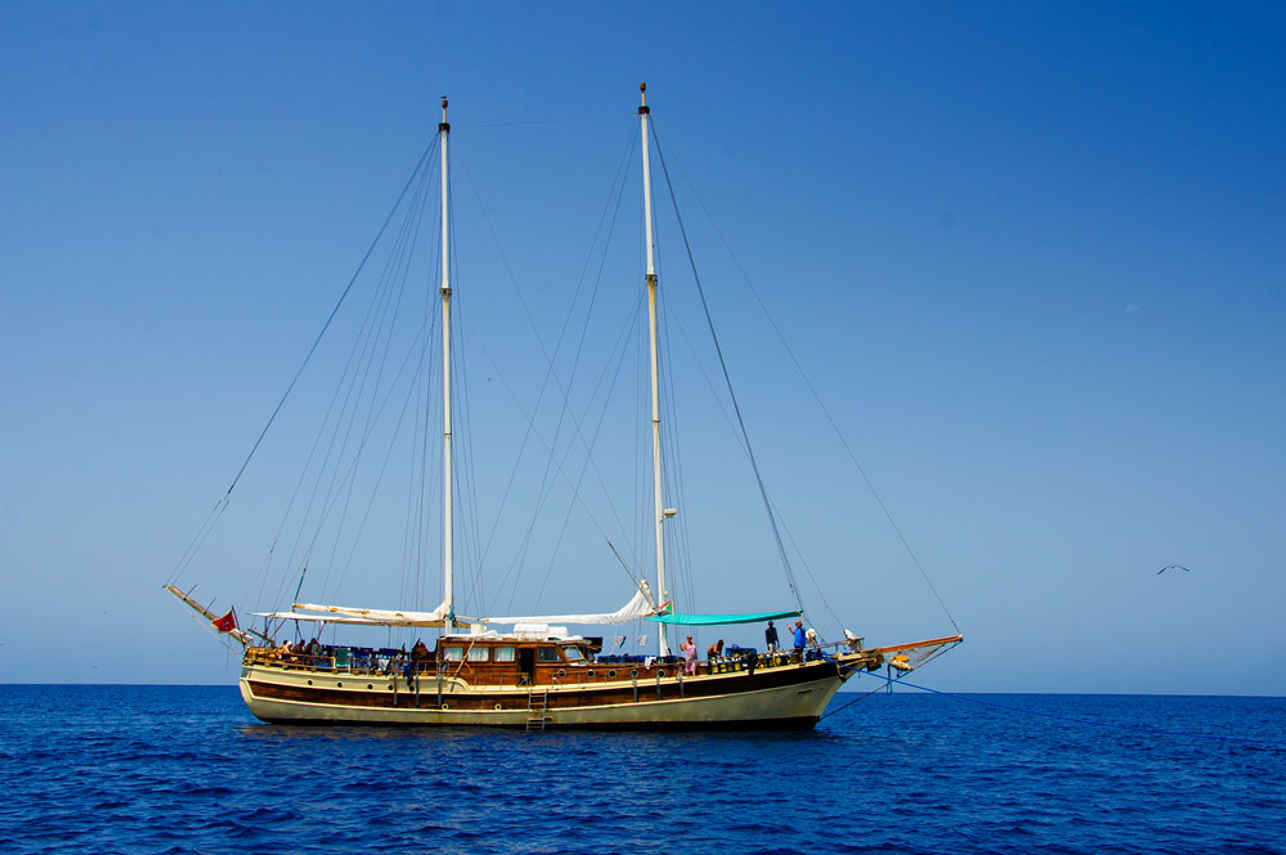
Elegante
Djibouti
14 guests25 m
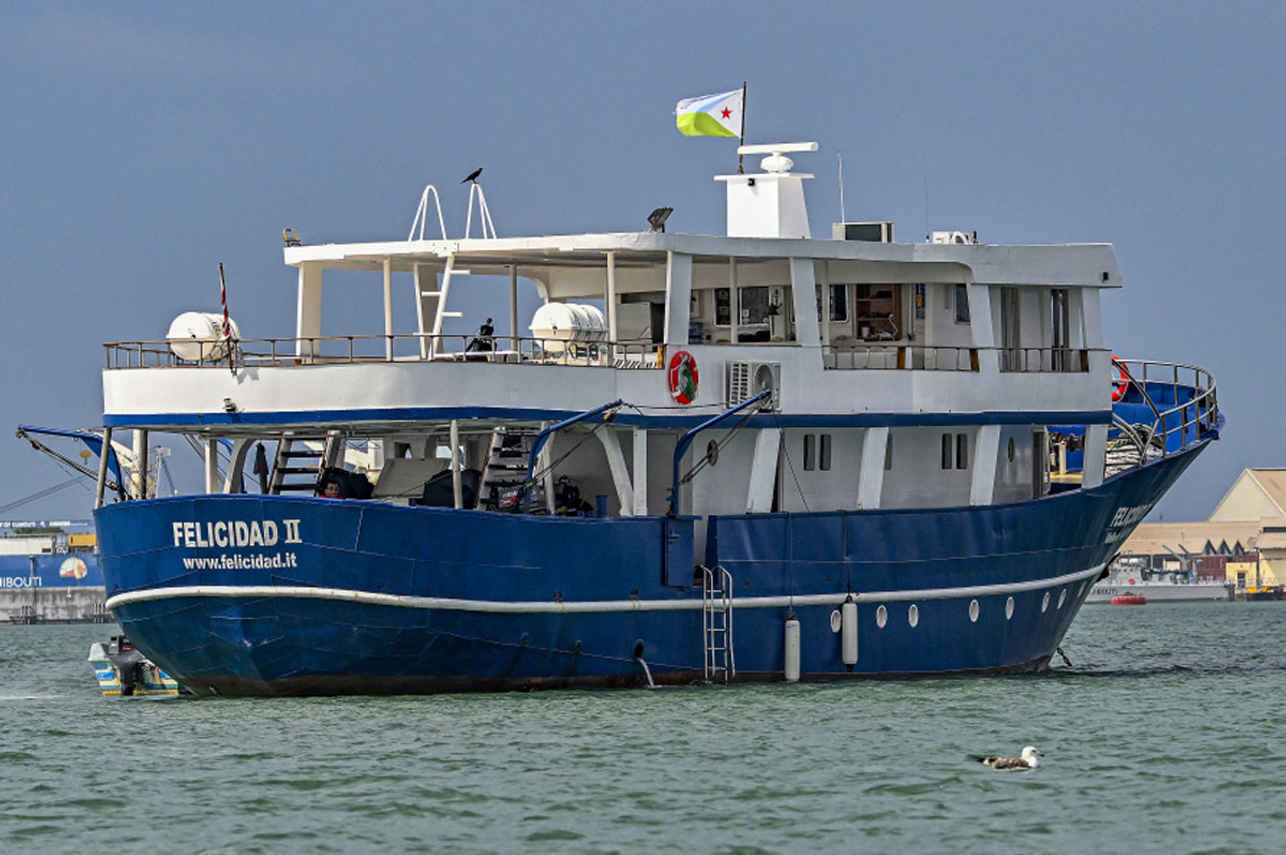
Felicidad II
Djibouti
18 guests30 m
Dive sites similar to Sept Frères South Wall
Same character, same waters — six more sites divers love for the exact same reasons.Compare seasons, access and liveaboard routes — then pick the site that fits your trip best.
© Esri — Maxar, Earthstar, GIS
Abu Dabbab
Egypt
Abu Dabbab stands out as one of the Red Sea's most celebrated dive destinations, particularly notable for being a rare location where divers can encounter the endangered dugong.
- Suitable for
- Beginner
- Current
- Strong
- Access
- Shore / dayboat
- Depth
- 3–20 m
- Theme
- Reef
© Esri — Maxar, Earthstar, GIS
Abu Galawa
Saudi Arabia
Abu Galawa is a prominent dive site within Saudi Arabia's Red Sea, specifically located among the Seven Sisters reefs near Yanbu.
- Suitable for
- Intermediate
- Current
- Strong
- Access
- Liveaboard or dayboat
- Depth
- 5–40 m
- Theme
- Reef / Wall
© Esri — Maxar, Earthstar, GIS
Abu Galawa Kebir
Egypt
Abu Galawa Kebir is a premier dive site located in the southern Red Sea, situated on the northwestern edge of the extensive Fury Shoal reef system.
- Suitable for
- Beginner
- Current
- Strong
- Access
- Liveaboard or dayboat
- Depth
- 3–18 m
- Theme
- Wreck
Abu Nuhas, often called the "ship's graveyard" of the Red Sea, is a triangular coral reef situated at the northern edge of the Strait of Gubal.
- Suitable for
- Beginner
- Current
- Strong
- Access
- Liveaboard or dayboat
- Depth
- 4–24 m
- Theme
- Wreck
The Aida is a prominent wreck dive site located in the Egyptian Red Sea, frequently visited on liveaboard itineraries that traverse the central region between the northern and southern dive sites.
- Suitable for
- Advanced
- Current
- Strong
- Access
- Liveaboard only
- Depth
- 25–65 m
- Theme
- Wreck / Drift
© Esri — Maxar, Earthstar, GIS
Al Lith Mangrove Reef
Saudi Arabia
Al Lith Mangrove Reef, located approximately 210 km south of Jeddah, serves as the primary launch point for exploring the renowned Farasan Banks.
- Suitable for
- Beginner
- Current
- Strong
- Access
- Shore / dayboat
- Depth
- 3–15 m
- Theme
- Reef / Wall