About Stegostoma Bay
Stegostoma Bay is a prominent dive site located in the Gulf of Tadjoura, off the coast of Djibouti. This area is particularly celebrated for its role as a nursery and feeding ground for juvenile whale sharks, especially during the plankton-rich months. Its unique geographical position, where the Red Sea meets the Indian Ocean, contributes to a rich marine ecosystem, supporting a high diversity of species in waters that are largely undisturbed. The topography of Stegostoma Bay features a shallow cove surrounded by towering mountains and cliffs, creating a spectacular natural amphitheater. Underwater, divers explore vibrant coral gardens and reef formations that attract a multitude of reef fish and larger pelagics. The bay's protected status and consistent plankton blooms ensure a thriving environment for these gentle giants and a wide array of other marine creatures. Beyond whale sharks, the bay is home to various reef sharks, manta rays, and schooling fish such as barracuda, jacks, and snappers. Healthy hard and soft corals carpet the seabed, providing habitat for colorful reef fish, nudibranchs, and crustaceans. Divers can expect warm, clear waters and relatively calm conditions, making for enjoyable and accessible diving. Diving at Stegostoma Bay typically involves encounters with the abundant marine life drawn to its nutrient-rich environment. Snorkeling opportunities with whale sharks are common here, emphasizing respectful and passive interactions. Dive operators ensure safe and regulated interactions, allowing visitors to witness this natural spectacle up close.
Highlights
Juvenile whale shark encountersThriving coral gardensManta ray sightingsAbundant schooling fishDramatic scenic backdropDiverse reef sharks
Season calendar
Best months to dive here
Jan
Feb
Mar
Apr
May
Jun
Jul
Aug
Sep
Oct
Nov
Dec
Excellent
Good
Off-Season
Oct – Mar (Peak)
Whale shark season in the Gulf of Tadjoura, best visibility up to 25m, comfortable air temperatures, calm seas.
Apr & Sep (Shoulder)
Rising temperatures, fewer whale sharks but good reef diving. Manta rays and dolphins common.
May – Aug (Hot Season)
Extreme heat above 40°C, reduced visibility, strong currents. Most dive operations scale back.
Dive site facts: Stegostoma Bay
- Depth
- 5-20 m
- Typical dive
- 10-18 m, 45-60 min
- Current
- Mild
- Visibility
- 15-25 m
- Water temperature
- 28-30°C
- Entry
- Tender / Liveaboard
- Level
- Open Water Diver
- Dive type
- Pelagic, coral gardens
- Night dive
- Possible
- Region / port
- Gulf of Tadjoura, Djibouti
- Coordinates
- 11.605, 43.17
Conditions & Currents
Currents at Stegostoma Bay are typically mild within the protected cove, especially during the whale shark season when these shallow waters are favored by the juveniles. This allows for relaxed drift dives and easier snorkeling interactions with the large pelagics. While moderate currents can be found in other parts of the Gulf of Tadjoura, the bay itself is generally calm. Visibility can range from 15-25 meters, occasionally impacted by plankton blooms which, paradoxically, are responsible for attracting the abundant marine life. Divers should be prepared for potential surface chop during windy conditions, but underwater conditions are usually tranquil. Entry is typically from a tender or directly from the liveaboard, with clear communication on descent timing for group cohesion.
Marine life & sighting chances

Whale shark (juvenile)
October-February (peak), decent chance in September · common
Manta ray
October-February · occasional
Grey reef shark
occasional
Whitetip reef shark
occasional
Barracuda
common
Jack
common
Snapper
common
Dolphin
occasional
Pilot whale
rare
Nudibranch
occasionalDive profile & how the dive runs
Dives at Stegostoma Bay typically begin with a tender or liveaboard entry directly into the sheltered waters. The primary focus is often on observing the juvenile whale sharks, which tend to congregate in shallower areas, typically between 5 and 18 meters. Divers descend gradually, maintaining a respectful distance from the feeding animals. The dive generally follows a gentle drift along the bay's contours, allowing for extended observation of the pelagics and exploration of the underlying coral gardens. Turnaround points are usually dictated by air consumption and current conditions, with the boat tracking the dive group. Safety stops are conducted in the clear, shallow waters before ascending to the surface, where the tender collects divers. The profile is designed to maximize interaction time with the whale sharks while prioritizing diver safety and comfort.
Underwater photography
Stegostoma Bay offers exceptional opportunities for wide-angle photography, particularly during the whale shark season. A fisheye or wide-angle lens is essential to capture the scale of these magnificent creatures and the expansive coral formations. While strobes can be effective for illuminating reef details, it is crucial to avoid flash photography directly at whale sharks, especially during snorkeling encounters, to prevent startling them. For macro enthusiasts, explore the coral gardens for nudibranchs and smaller reef inhabitants, requiring a macro lens. Buoyancy control is paramount to avoid disturbing the seabed or marine life, especially when whale sharks are present at shallower depths. Always maintain a passive and respectful approach to subjects, particularly the whale sharks.
Combine with nearby dive sites
- Ghoubbet al Kharab
Known for juvenile whale sharks and the tectonic fissure, often visited in the same itinerary.
- Les Sept Frères (Seven Brothers Islands)
A chain of volcanic islands offering diverse reef and wall dives, known for pelagics and stronger currents.
- Maskali Island
Features vibrant coral gardens and diverse reef fish, suitable for warm-up dives.
- Moucha Island Reef
Offers healthy coral and rich reef fish diversity, often combined with other Gulf of Tadjoura sites.
Getting there & logistics
Access to Stegostoma Bay is primarily via liveaboard trips departing from Djibouti City, the capital of Djibouti. Divers typically fly into Djibouti-Ambouli International Airport (JIB). Liveaboard itineraries usually range from 7 to 10 days, combining Stegostoma Bay with other prime sites in the Gulf of Tadjoura and the Seven Brothers Islands. There are no specific park fees mentioned for Stegostoma Bay, but overall trip costs include liveaboard expenses, flights, and potential visa fees. An e-Visa is required for entry into Djibouti, which must be applied for in advance and collected upon arrival at the airport.
Safety & environment
The nearest recompression chamber is located in Djibouti City, approximately 1-2 hours away from Stegostoma Bay by boat, depending on sea conditions. Divers should carry comprehensive dive insurance that covers emergency medical treatment and evacuation, as access to advanced medical facilities can be limited. Site-specific hazards include boat traffic, especially during peak whale shark season, and potential encounters with larger pelagic species, though whale sharks are docile. Strict adherence to dive guide instructions, particularly regarding maintaining distance from marine life and safe boat entry/exit procedures, is crucial. Passive observation of whale sharks is enforced; touching them or using flash photography is prohibited to ensure their welfare.
Who it suits — and who it doesn't
Suited for
- Pelagic enthusiasts
- Underwater photographers (wide-angle)
- Beginner and intermediate divers
- Snorkelers
- Those seeking uncrowded dive sites
Less suited for
- Muck diving specialists
- Technical divers
- Divers seeking strong currents and challenging drifts (primarily)
- Those uninterested in large animal encounters
FAQ
Stegostoma Bay FAQ
What is Stegostoma Bay known for?
Stegostoma Bay is primarily renowned as a nursery and feeding ground for juvenile whale sharks. During the peak season, divers and snorkelers have a high chance of encountering these gentle giants, making it a world-class destination for pelagic interactions.
When is the best time to see whale sharks at Stegostoma Bay?
The prime whale shark season at Stegostoma Bay runs from October to February. These months offer the best conditions for sightings due to increased plankton blooms, which attract the whale sharks to the sheltered waters of the bay.
Are there other marine animals to see besides whale sharks?
Yes, Stegostoma Bay boasts a rich marine ecosystem beyond whale sharks. Divers often encounter manta rays, various reef sharks including grey and whitetip, and large schools of barracuda, jacks, and snappers. The healthy coral reefs also support diverse reef fish and macro life.
What is the typical dive depth at Stegostoma Bay?
Dives at Stegostoma Bay typically range from 5 to 20 meters, with most whale shark encounters occurring between 10 and 18 meters. The site is characterized by relatively shallow, protected waters, making it accessible for divers of various experience levels.
Is Stegostoma Bay suitable for beginner divers?
Yes, Stegostoma Bay is generally well-suited for beginner and intermediate divers. The currents are typically mild, and the focus on shallower depths for whale shark encounters makes it a comfortable environment for less experienced divers. Good buoyancy control is always beneficial for protecting the marine environment.
Why dive Stegostoma Bay from a liveaboard?
Stegostoma Bay is one of Djibouti's signature dive sites. A liveaboard sleeps you on the water and puts you in the water for three to four guided dives per day, including dawn and night dives that day-boat operators rarely offer. You skip the daily commute back to port and reach quieter, less-crowded sites in the same region on a single trip.
Below are the liveaboards that include Stegostoma Bay on their Djibouti itineraries.
Liveaboards diving Stegostoma Bay
These liveaboards may visit Stegostoma Bay on selected itineraries — the exact dive sites depend on departure, weather and conditions.
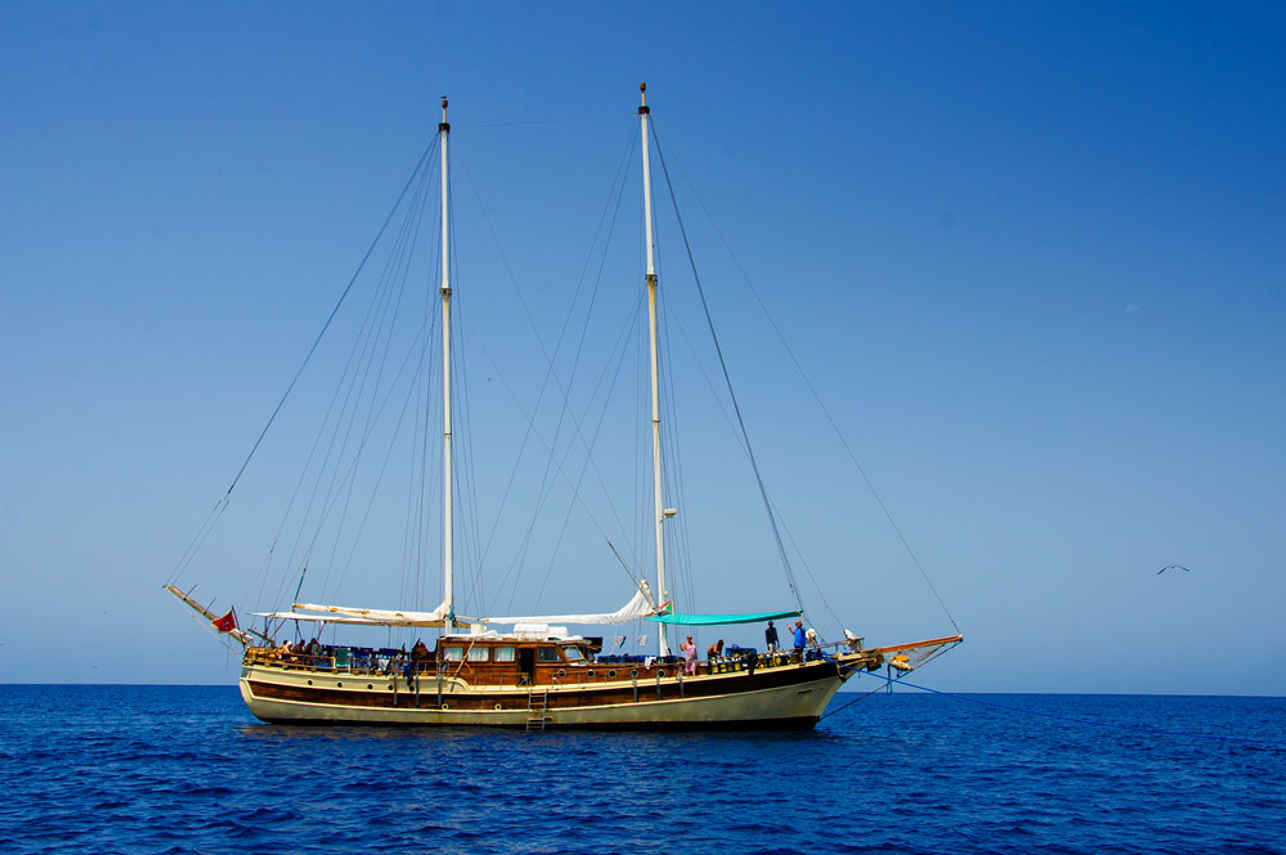
Elegante
Djibouti
14 guests25 m
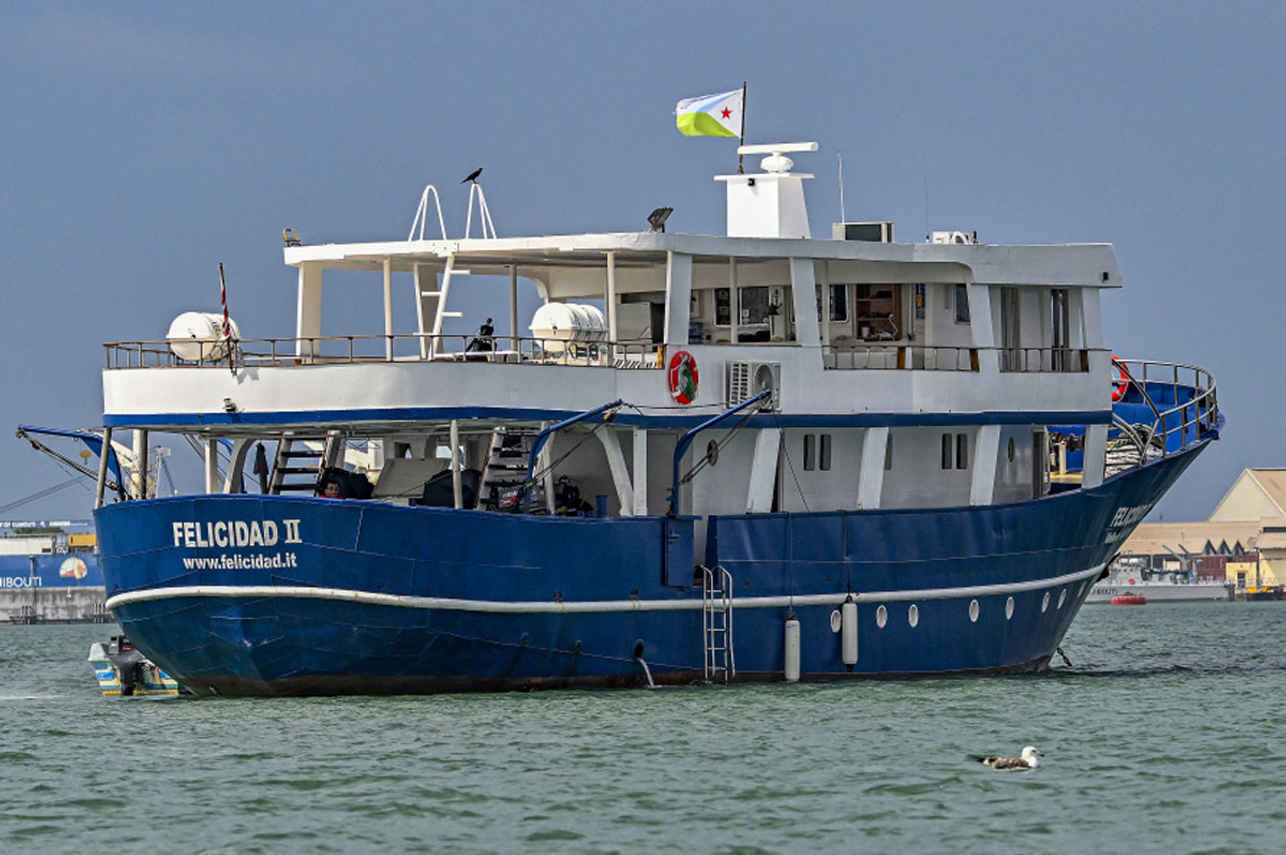
Felicidad II
Djibouti
18 guests30 m
Dive sites similar to Stegostoma Bay
Same character, same waters — six more sites divers love for the exact same reasons.Compare seasons, access and liveaboard routes — then pick the site that fits your trip best.
© Esri — Maxar, Earthstar, GIS
Abu Dabbab
Egypt
Abu Dabbab stands out as one of the Red Sea's most celebrated dive destinations, particularly notable for being a rare location where divers can encounter the endangered dugong.
- Suitable for
- Beginner
- Current
- Strong
- Access
- Shore / dayboat
- Depth
- 3–20 m
- Theme
- Reef
© Esri — Maxar, Earthstar, GIS
Abu Galawa
Saudi Arabia
Abu Galawa is a prominent dive site within Saudi Arabia's Red Sea, specifically located among the Seven Sisters reefs near Yanbu.
- Suitable for
- Intermediate
- Current
- Strong
- Access
- Liveaboard or dayboat
- Depth
- 5–40 m
- Theme
- Reef / Wall
© Esri — Maxar, Earthstar, GIS
Abu Galawa Kebir
Egypt
Abu Galawa Kebir is a premier dive site located in the southern Red Sea, situated on the northwestern edge of the extensive Fury Shoal reef system.
- Suitable for
- Beginner
- Current
- Strong
- Access
- Liveaboard or dayboat
- Depth
- 3–18 m
- Theme
- Wreck
Abu Nuhas, often called the "ship's graveyard" of the Red Sea, is a triangular coral reef situated at the northern edge of the Strait of Gubal.
- Suitable for
- Beginner
- Current
- Strong
- Access
- Liveaboard or dayboat
- Depth
- 4–24 m
- Theme
- Wreck
The Aida is a prominent wreck dive site located in the Egyptian Red Sea, frequently visited on liveaboard itineraries that traverse the central region between the northern and southern dive sites.
- Suitable for
- Advanced
- Current
- Strong
- Access
- Liveaboard only
- Depth
- 25–65 m
- Theme
- Wreck / Drift
© Esri — Maxar, Earthstar, GIS
Al Lith Mangrove Reef
Saudi Arabia
Al Lith Mangrove Reef, located approximately 210 km south of Jeddah, serves as the primary launch point for exploring the renowned Farasan Banks.
- Suitable for
- Beginner
- Current
- Strong
- Access
- Shore / dayboat
- Depth
- 3–15 m
- Theme
- Reef / Wall