About Santal
Santal, often called Sental Point, is a reef dive located on the northern coast of Nusa Penida, an island situated southeast of Bali. This site is renowned for its healthy and beautiful coral reef that slopes gently downwards, covered in a rich variety of hard and soft corals. It's an integral part of the Nusa Penida Marine Protected Area, which aims to balance tourism and conservation across its 200 km² expanse. The dive profile at Santal typically involves a drift along this vibrant reef, making it an accessible and enjoyable experience for various diver levels. While the site generally features limited current, allowing ample time to explore, the conditions can vary, influencing both visibility and the nature of the drift. Between July and September, when the surrounding waters cool, Santal becomes a notable spot for encounters with the elusive mola mola, also known as the ocean sunfish, which ascend from deeper waters. Beyond these seasonal visitors, the reef is home to a consistent array of marine life including turtles, banded sea snakes, and various reef fish. Visibility here is generally good, enhancing the appreciation of the diverse ecosystem. Diving at Santal is typically a boat dive, with entry from the surface before allowing the gentle current to carry you along the reef. The experience is characterized by its relaxed pace and the opportunity to observe a thriving underwater environment without overly challenging conditions, making it a popular choice for many visiting divers.
Highlights
Healthy reef slopeSeasonal mola mola sightingsGentle drift divingAbundant hard and soft coralsBanded sea snakesGood visibilityGreen moray eels
Season calendar
Best months to dive here
Jan
Feb
Mar
Apr
May
Jun
Jul
Aug
Sep
Oct
Nov
Dec
Good
Dive site facts: Santal
- Depth
- Up to 30 m
- Current
- Limited drift
- Visibility
- 15–25 m
- Water temperature
- 25–29 °C
- Entry
- Boat dive
- Level
- All levels
- Dive type
- Reef drift
- Region / port
- Nusa Penida, Bali
- Coordinates
- 8.3065° S, 115.6476° E
Conditions & Currents
Santal is primarily known as a drift dive, though the currents are typically described as limited, allowing divers to relax and observe the reef at a comfortable pace. While conditions are generally calm, the presence and strength of the current can fluctuate, necessitating boat entry and exit. Divers should be prepared for potential changes in current intensity. Visibility at Santal is generally good, ranging from 15 to 25 meters, though it can be affected by tidal movements and recent rainfall. Water temperatures during cooler months, especially from July to September, can drop, increasing the likelihood of mola mola sightings. This site is suitable for all levels of divers due to its generally mild drift, but current awareness is always beneficial.
Marine life & sighting chances
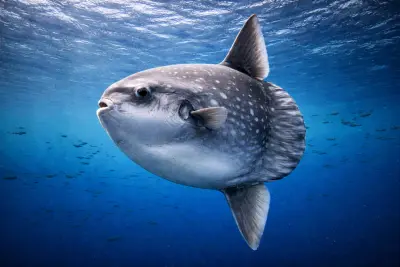
Mola Mola (Ocean Sunfish)
July-September · occasional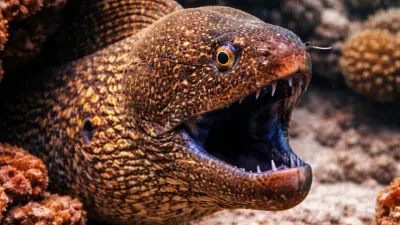
Green Moray
occasional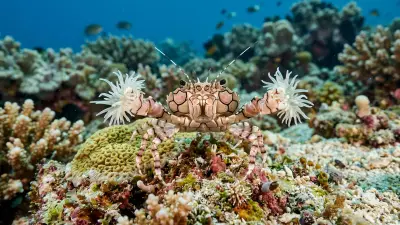
Crab
common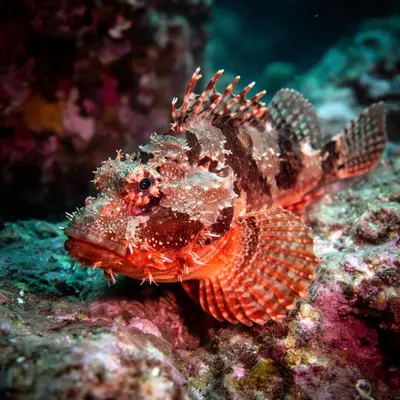
Scorpionfish
occasional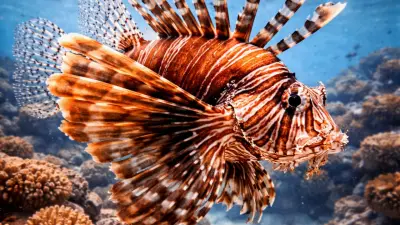
Lionfish
occasional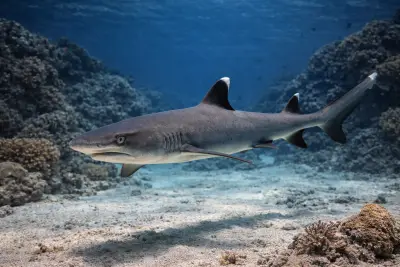
Whitetip reef shark
occasional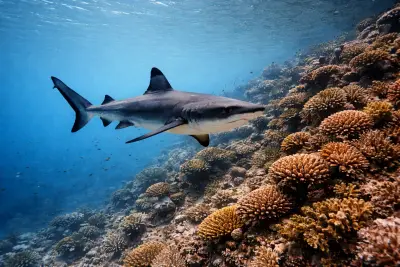
Blacktip reef shark
occasional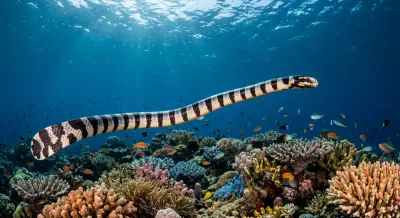
Banded Sea Snake
occasional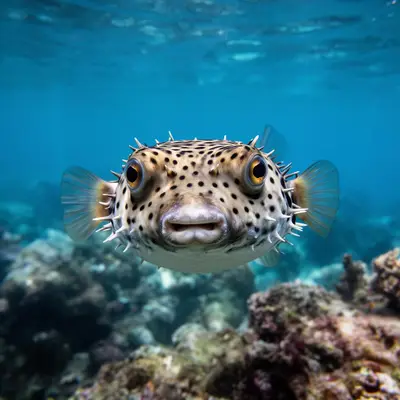
Pufferfish
occasional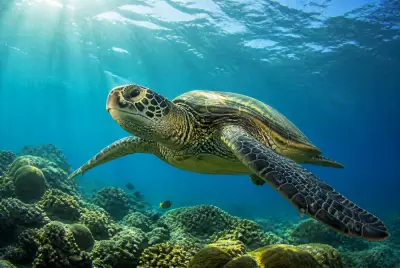
Turtle
occasionalDive profile & how the dive runs
Diving at Santal begins with a boat entry, typically a negative entry depending on current, directly onto the reef slope. The dive usually proceeds as a relaxed drift along the healthy reef, allowing divers to be carried by the limited current. You will descend to explore depths often around 20 meters, observing the abundant hard and soft corals that cover the slope. During the cooler months, particular attention is given to the blue water in search of mola mola. The dive naturally progresses with the reef, making it ideal for continuous observation of marine life such as moray eels, crabs, and occasional reef sharks. Your guide will manage the drift to ensure a safe and enjoyable trajectory. The ascent and safety stop will be conducted in shallower waters, often in the 5-meter range, near the end of the drift, before surfacing for boat pick-up.
Underwater photography
Santal offers excellent opportunities for both wide-angle and macro photography, especially given its healthy reef and potential for pelagic encounters. For wide-angle shots, a fisheye or wide-angle lens is ideal to capture the expansive coral formations and the blue water, particularly if mola mola are present. Pay attention to ambient light for natural-looking images. For macro enthusiasts, a macro lens will highlight the smaller reef inhabitants like crabs and nudibranchs nestled within the corals. Good buoyancy control is crucial to avoid touching the delicate reef. Using strobes can enhance colors and bring out details in both wide and macro compositions. If shooting mola mola, anticipate their rapid movement and use a fast shutter speed.
Combine with nearby dive sites
Getting there & logistics
Diving Santal typically involves day trips from Bali, with Sanur serving as a primary departure port. Speedboats depart around 8:00 AM, reaching Nusa Penida dive sites in approximately 35-45 minutes. Most day trips include 2-3 dives, lunch, and hot beverages on the boat. Trips are usually arranged by dive centers based in Sanur or directly from Nusa Lembongan. Divers usually combine Santal with other northern Nusa Penida sites like Pura Ped or SD Point, or with sites around Nusa Lembongan. There are no specific permits required for diving, as it is generally included in the dive package fees. Staying in Sanur or Nusa Lembongan provides convenient access to Santal and other surrounding dive areas.
Safety & environment
For diving at Santal and other Nusa Penida sites, adequate dive insurance covering potential recompression chamber treatments and emergency evacuation is essential. The nearest recompression chamber is located in Denpasar, Bali. Evacuation from Nusa Penida would involve boat transfer back to mainland Bali, followed by land transport to the medical facility, which can take several hours depending on sea conditions and traffic. While Santal generally has limited currents, conditions can change, so always follow your guide's instructions. Keep a safe distance from all marine life, especially banded sea snakes and any larger pelagic species. Due to potential cooler water temperatures during mola mola season, wearing appropriate thermal protection like a 5mm wetsuit is advisable to prevent discomfort.
Who it suits — and who it doesn't
Suited for
- All levels of certified divers
- Divers seeking healthy coral reefs
- Divers hoping to see mola mola (seasonal)
- Drift diving enthusiasts
- Underwater photographers
Less suited for
- Divers unwilling to dive in currents
- Snorkelers during strong currents
- Divers expecting guaranteed mola mola sightings
- Those looking for shore dives
FAQ
Santal FAQ
What kind of marine life can I expect at Santal?
Santal is known for its healthy coral reef, which attracts a variety of reef fish. You can commonly spot green moray eels, crabs, scorpionfish, and lionfish. During the cooler months from July to September, there's a good chance of encountering the elusive mola mola, also known as ocean sunfish.
Are the currents strong at Santal?
Santal is a drift dive site, but the currents are typically described as limited or mild. This allows for a relaxed dive experience where you can be carried gently along the reef. However, as with any drift dive, conditions can vary, so always pay attention to your dive guide's briefing and instructions.
What is the typical depth and visibility at Santal?
The dive site at Santal can reach depths of up to 30 meters, with most of the reef exploration occurring around 20 meters. Visibility is generally very good, typically ranging between 15 to 25 meters, providing clear views of the extensive coral gardens and marine life.
When is the best time to see mola mola at Santal?
The best period to spot mola mola at Santal is during the cooler water months, which typically occur from July to September. This is when these large ocean sunfish ascend from deeper waters to shallower depths, offering divers a chance to see them. Outside these months, sightings are rare.
Is Santal suitable for beginner divers?
Yes, Santal is generally suitable for all levels of certified divers, including beginners. The currents are typically mild, and the dive profile involves a gentle drift over a beautiful reef. However, having some experience with drift diving is always beneficial, and always dive with a local guide.
Why dive Santal from a liveaboard?
Santal is one of Bali's signature dive sites. A liveaboard sleeps you on the water and puts you in the water for three to four guided dives per day, including dawn and night dives that day-boat operators rarely offer. You skip the daily commute back to port and reach quieter, less-crowded sites in the same region on a single trip.
Below are the liveaboards that include Santal on their Bali itineraries.
Liveaboards diving Santal
These liveaboards may visit Santal on selected itineraries — the exact dive sites depend on departure, weather and conditions.
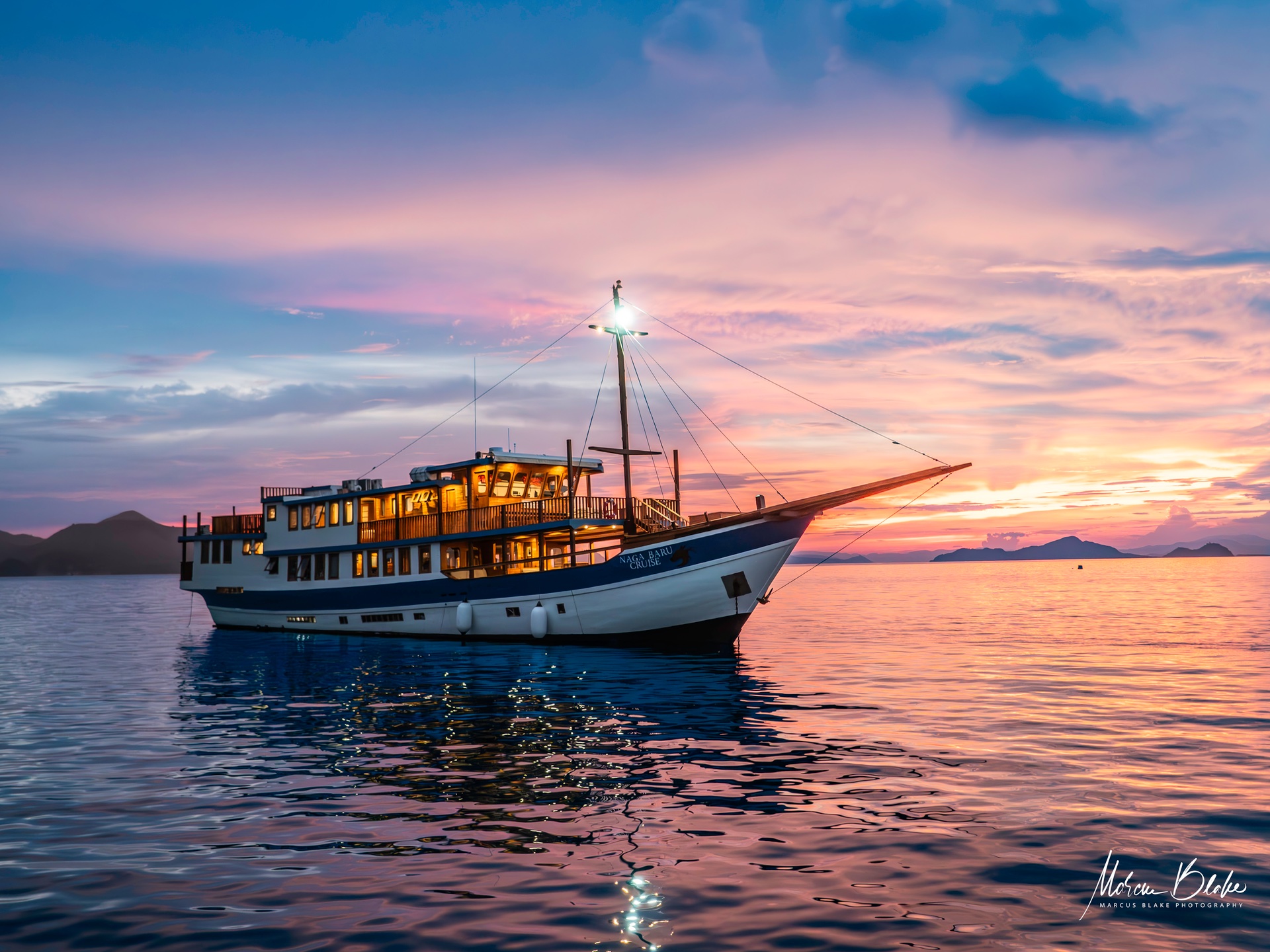
Naga Biru
Indonesia
12 guests40 m
$274/day
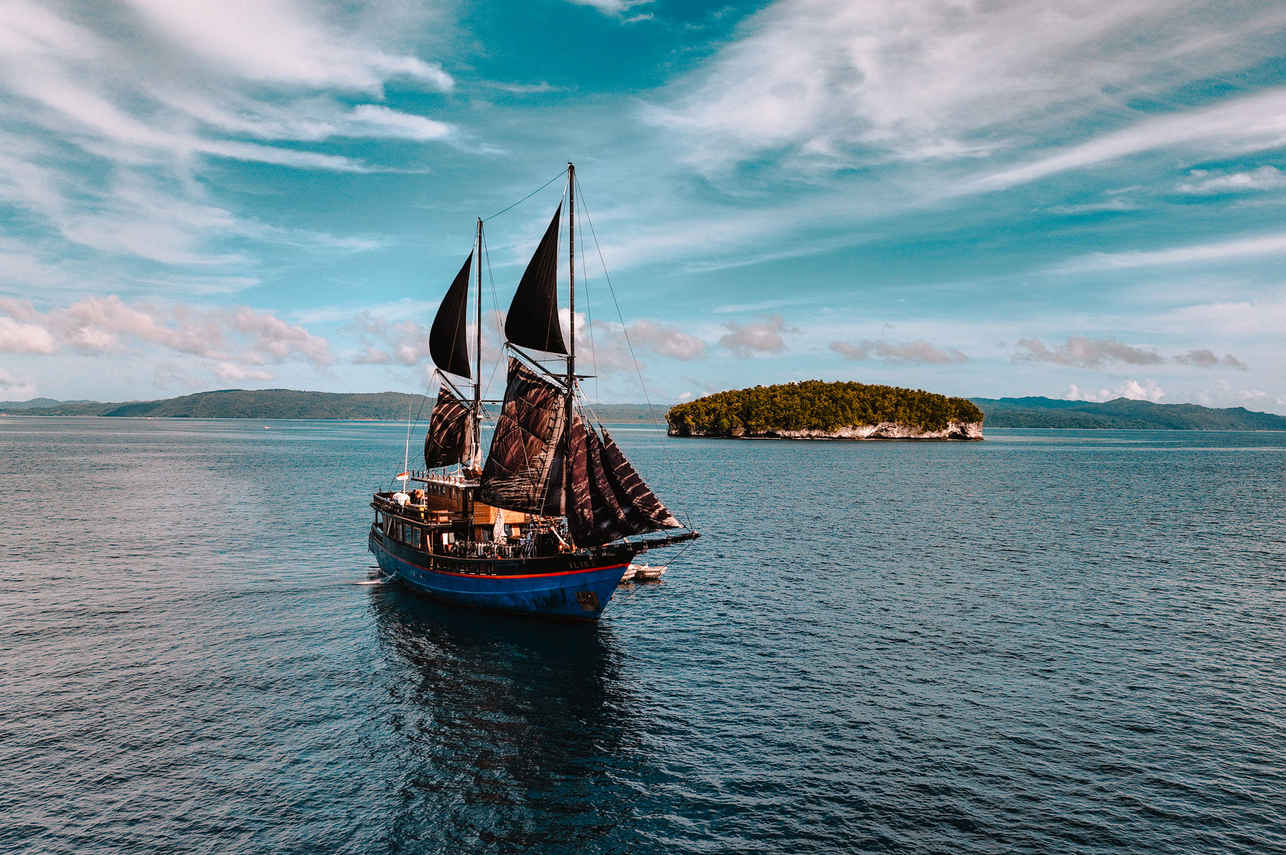
Ilike
Indonesia
16 guests40 m
$298/day
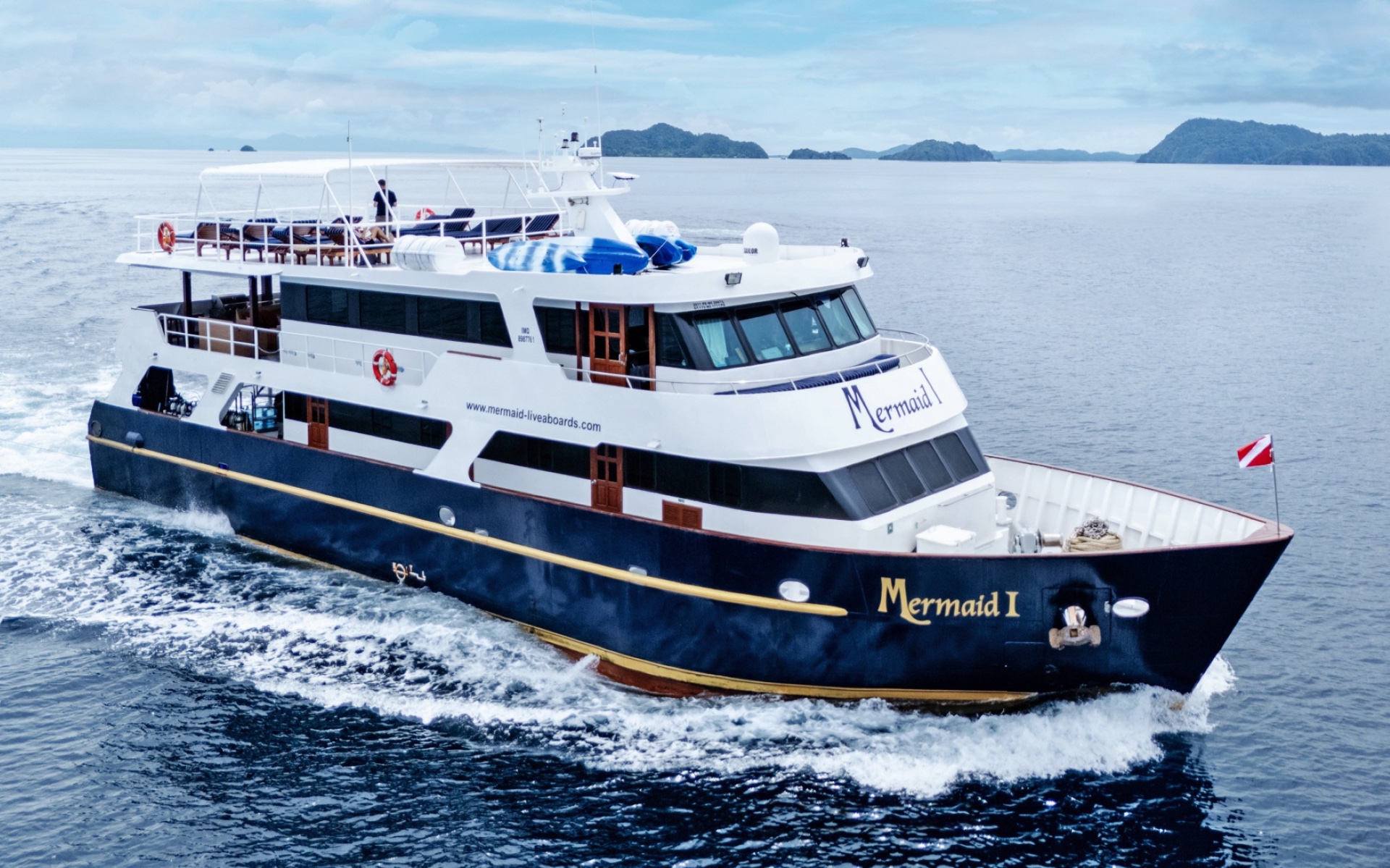
Mermaid I
Alor
15 guests28 m
$372/day
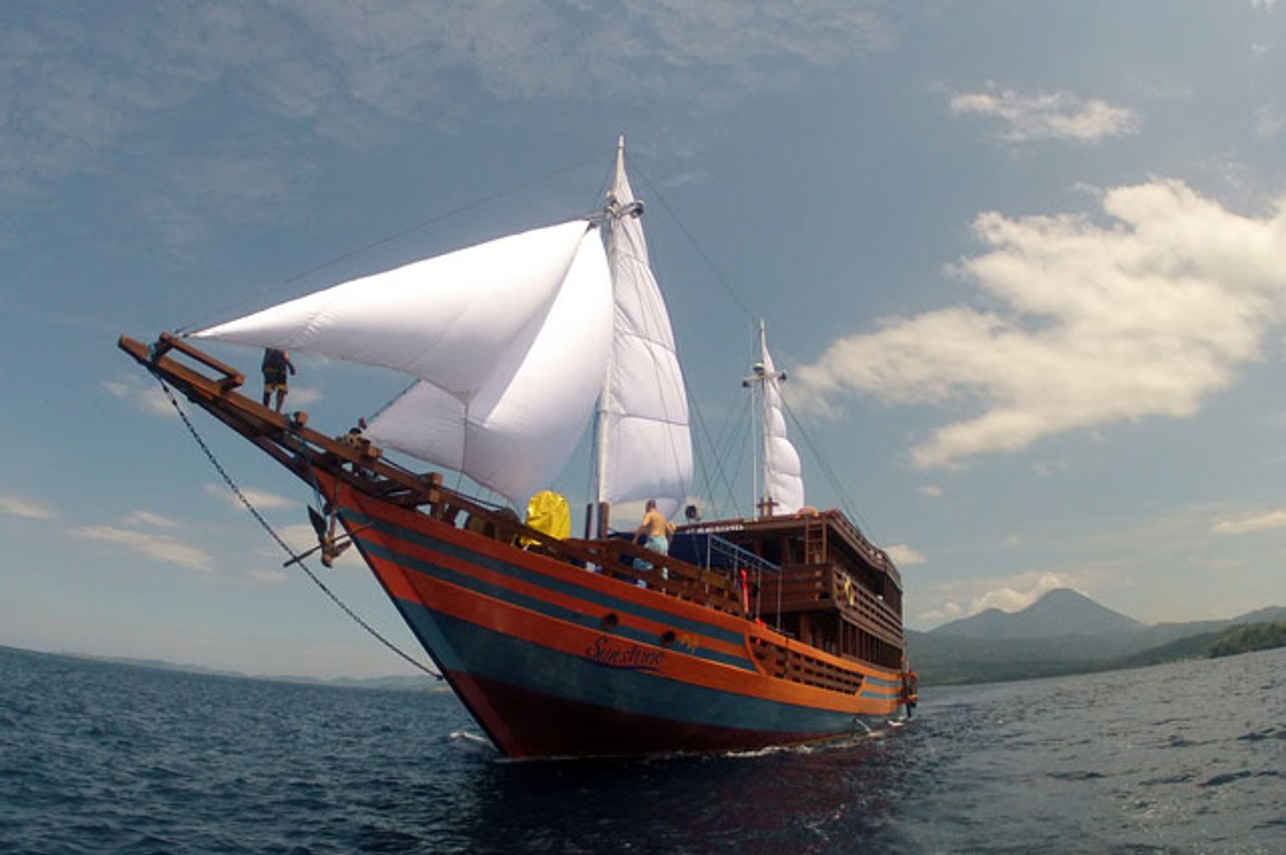
Sunshine Liveaboard
Indonesia
10 guests31 m
$191/day
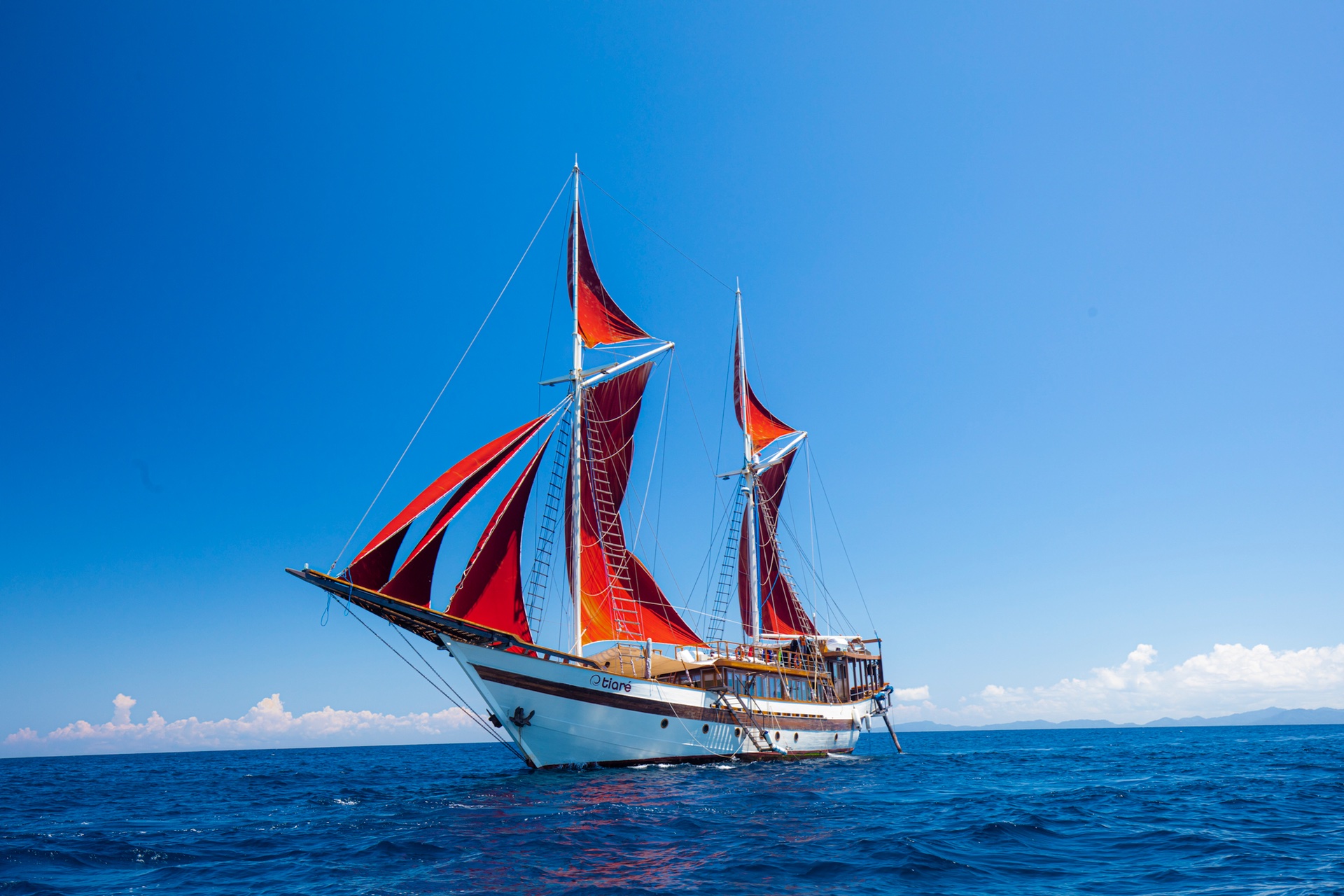
Tiare Cruise
Indonesia
12 guests36.5 m
$419/day
Dive sites similar to Santal
Same character, same waters — six more sites divers love for the exact same reasons.Compare seasons, access and liveaboard routes — then pick the site that fits your trip best.
Lipah Bay is situated on Bali's northeast coast within the Amed area, nestled against the dramatic backdrop of Gunung Agung.
- Suitable for
- Beginner
- Current
- Mild
- Access
- Liveaboard or dayboat
- Depth
- 5–30 m
- Theme
- Reef / Drift
© Esri — Maxar, Earthstar, GIS
Gili Tepekong
Bali
Gili Tepekong is one of three volcanic islets situated off the coast of Amuk Bay, near Padang Bai and Candidasa in East Bali.
- Suitable for
- Advanced
- Current
- Strong
- Access
- Liveaboard or dayboat
- Depth
- 10–40 m
- Theme
- Cave & cavern / Drift
Puri Jati, often referred to as PJ, is located on Bali's north coast near Lovina, on the outskirts of Seririt village.
- Suitable for
- Intermediate
- Current
- No current
- Access
- Shore / dayboat
- Depth
- 6–12 m
- Theme
- Reef
© Esri — Maxar, Earthstar, GIS
Japanese Wreck
Bali
The Japanese Wreck is a compelling dive site located in Banyuning Bay, just off the beach in Amed, Bali.
- Suitable for
- Beginner
- Current
- Moderate
- Access
- Shore / dayboat
- Depth
- 6–12 m
- Theme
- Wreck / Reef
© Esri — Maxar, Earthstar, GIS
Dream Wall
Bali
Dream Wall is one of Menjangan Island's premier dive sites, located within the protected West Bali National Park marine area.
- Suitable for
- Beginner
- Current
- Mild
- Access
- Dayboat
- Depth
- 10–60 m
- Theme
- Wall / Reef