About Sailstone
Sailstone Reef, located in Fiji's Bligh Water region, offers an exceptional dive experience characterized by its stunning coral diversity and abundant marine life. This area is celebrated for some of the South Pacific's richest and most colourful reefs, a stark contrast to Lieutenant William Bligh's hurried passage in 1789. The reef is easily accessible from Rakiraki, serving as a primary dive destination for local resorts. Diving at Sailstone reveals a topography of large coral heads that ascend from depths of 25 meters to as shallow as 6 meters. These structures are adorned with a breathtaking array of gorgonians, spiky soft corals, sponges, ascidians, whip corals, and black coral trees, creating an intense spectacle of color. Channels within the reef system can introduce varying current strengths, adding an element of dynamic drift to some sections of the dive. While the Bligh Water is generally known for its strong, unpredictable currents, areas closer to shore, like Sailstone Reef, typically experience more benign surface conditions and minimal current, making them suitable for a broader range of divers. Visibility can fluctuate, sometimes affected by heavy rains, but generally offers clear viewing of the vibrant coral gardens and the myriad species inhabiting them. The dry season, from May to October, usually brings the best visibility and more predictable currents. The marine ecosystem here is thriving, featuring dense schools of basslets, damsels, and fusiliers, alongside an impressive array of macro subjects such as nudibranchs, gobies, and commensal shrimps. Unique sightings like ghost pipefish further enrich the dive experience. Sailstone Reef truly encapsulates the vibrant essence of Fijian diving, combining healthy coral ecosystems with plentiful and diverse marine inhabitants.
Highlights
Kaleidoscope of soft coralsDramatic coral headsDense schools of reef fishGhost pipefish sightingsDiverse macro lifeGorgonian gardensAccessible from Rakiraki
Season calendar
Best months to dive here
Jan
Feb
Mar
Apr
May
Jun
Jul
Aug
Sep
Oct
Nov
Dec
Excellent
Dive site facts: Sailstone
- Depth
- 6–25 m
- Typical dive
- 12–25 m, 50–60 min
- Current
- Mild to moderate, potentially strong in channels
- Visibility
- 10–40 m
- Water temperature
- 24–29°C (76–84°F)
- Entry
- Boat / tender
- Level
- Open Water Diver, current experience beneficial
- Dive type
- Reef, macro, wide-angle
- Night dive
- Possible
- Region / port
- Bligh Water, Rakiraki
- Coordinates
- -16.75, 177.4
Conditions & Currents
Currents at Sailstone Reef can vary significantly, ranging from minimal in sheltered areas closer to shore to potentially strong within the reef's channels. Dive guides typically plan routes to utilize or avoid stronger currents, often by initiating dives behind the main reef structures. Divers should be prepared for drift diving conditions and maintain good buoyancy control, especially when navigating through channels where currents can intensify rapidly. While the Bligh Water region is famous for chaotic water conditions and strong ocean currents, Sailstone Reef, being closer to the resort, often provides more benign conditions. Visibility can fluctuate, with heavy rains potentially reducing it to below 10 meters, though it frequently exceeds 30 meters during the dry season. Surface conditions are generally benevolent near the reef, but divers should be mindful of the potential for str
Marine life & sighting chances
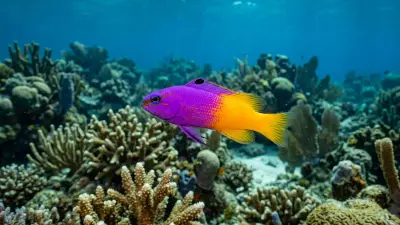
Basslet
Year-round · common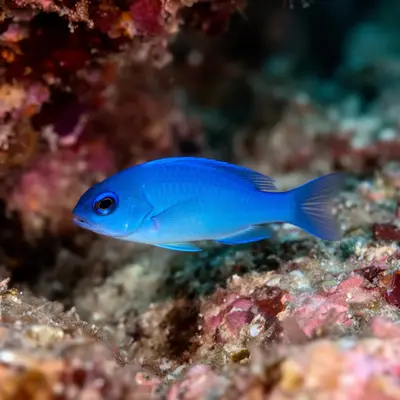
Damsel (Damselfish)
Year-round · common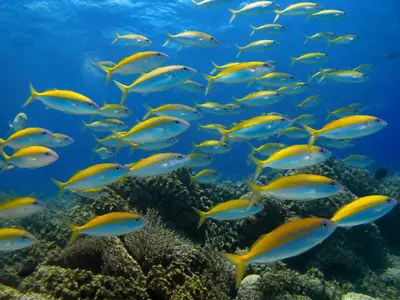
Fusilier
Year-round · common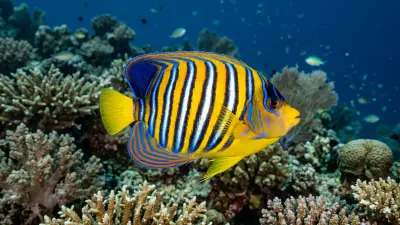
Angelfish
Year-round · occasional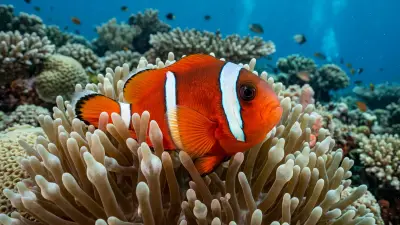
Anemonefish
Year-round · common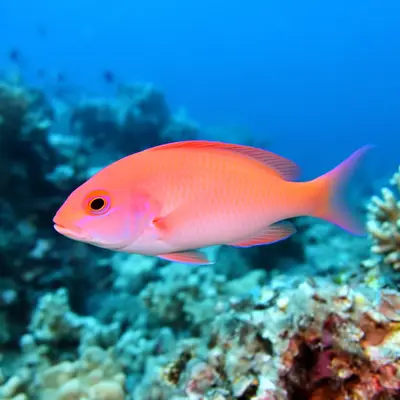
Anthias
Year-round · common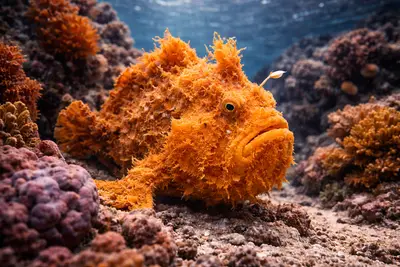
Frogfish
Year-round · occasional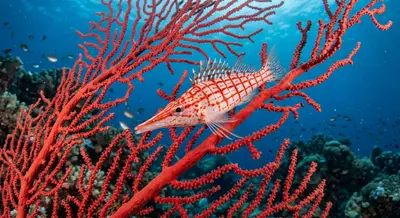
Hawkfish
Year-round · occasional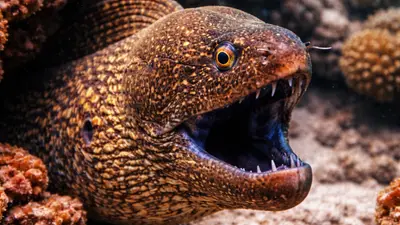
Moray eel
Year-round · occasional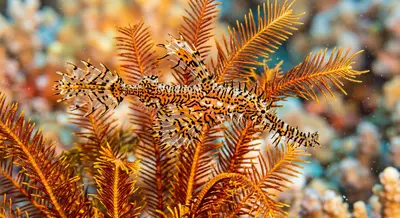
Ghost pipefish
Year-round · occasional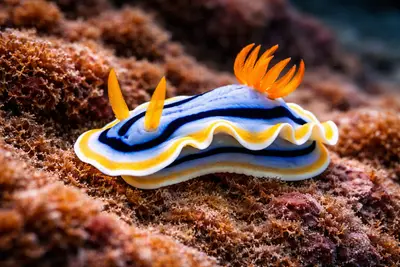
Nudibranch
Year-round · common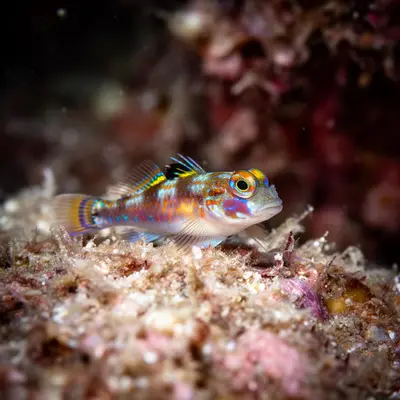
Goby
Year-round · common
Commensal shrimp
Year-round · occasionalDive profile & how the dive runs
Dives at Sailstone Reef typically begin with a boat entry behind the main reef to avoid stronger surface currents. The route usually follows a series of large coral heads, descending to depths of 25 meters. Divers navigate through channels between these formations, observing the rich soft coral growth on the walls. Macro life such as nudibranchs and gobies can be found in abundance on the reef flats and slopes. The dive progresses along the colorful coral gardens, where schools of basslets and fusiliers are common. Turnaround is often dictated by air consumption or current direction, with a gradual ascent to shallower sections around 6 meters for a prolonged safety stop, allowing for observation of reef fish and continued enjoyment of the vibrant corals.
Underwater photography
Sailstone Reef is a photographer's dream, offering both wide-angle opportunities with its sprawling soft coral gardens and dramatic coral heads, as well as excellent macro subjects. For wide-angle shots, especially during the dry season (May to October) when visibility is at its peak and sunlight penetrates deeper, use strobes to bring out the fluorescent hues of the corals. Subjects like gorgonians, whip corals, and the dense schools of reef fish are perfect for capturing the reef's grandeur. When focusing on macro, switch to a dedicated macro lens to highlight the intricate details of nudibranchs, gobies, commensal shrimps, and the occasional ghost pipefish found within the coral formations. Buoyancy control is paramount to avoid disturbing delicate corals and to achieve clear, focused shots. Be mindful of currents when framing your shots, particularly in channels, and always respect marine life by maintaining a respectful distance.
Combine with nearby dive sites
- Golden Dream
A series of large coral heads with diverse corals and macro subjects.
- Yellow Mellow Reef
Known for vibrant soft corals and clear visibility during optimal conditions.
- E6
A pinnacle in Bligh Water swarming with pelagic species.
- Instant Replay
Offers dynamic currents and abundant reef fish action.
Getting there & logistics
Access to Sailstone Reef primarily involves flying into Nadi International Airport (NAN) on Viti Levu, Fiji's main island. From Nadi, Rakiraki, the nearest town to the dive sites in Bligh Water, is approximately a 2.5-hour drive, with resorts often providing airport shuttle services. Divers typically stay at land-based resorts in the Rakiraki area, such as Wananavu Beach Resort or Volivoli Beach Resort, which offer daily dive excursions to Sailstone and other Bligh Water sites. Liveaboards like the Nai'a also visit the Bligh Water region, offering longer itineraries of 7-10 days, though these are more geared towards experienced divers and underwater photographers. Dive packages generally include accommodations, meals, transfers, and multiple daily dives. Marine park fees are often handled by the dive operators.
Safety & environment
Diving at Sailstone Reef requires adherence to standard safety protocols and awareness of local conditions. The nearest recompression chamber is located in Suva, requiring potential evacuation from Rakiraki, which can be time-consuming depending on local transport availability. Therefore, comprehensive dive insurance covering medical emergencies and evacuation is strongly recommended. Site-specific hazards include potentially strong and unpredictable currents, especially in deeper channels. Divers should always follow their guide's instructions, maintain excellent buoyancy control, and stay within comfortable limits. Proper gas planning is essential, considering the potential for current-induced exertion. Ensure all gear is well-maintained and perform thorough buddy checks before each dive. While generally safe, the dynamic nature of Bligh Water necessitates a cautious and prepared approach to diving.
Who it suits — and who it doesn't
Suited for
- Open Water certified divers with some experience
- Divers comfortable with moderate currents
- Underwater photographers interested in macro and wide-angle
- Coral enthusiasts
- Divers seeking vibrant reef ecosystems
Less suited for
- Absolute beginner divers without current experience
- Divers unwilling to manage variable current conditions
- Those prone to seasickness in choppier conditions
- Divers seeking exclusively large pelagic encounters
FAQ
Sailstone FAQ
What kind of marine life can I expect to see at Sailstone Reef?
Sailstone Reef boasts an incredible array of marine life, from vibrant schools of basslets, damsels, and fusiliers swirling around coral heads, to fascinating macro subjects like nudibranchs, gobies, and commensal shrimps. You might also spot angelfish, anemonefish, moray eels, and if you're lucky, the elusive ghost pipefish, making every dive a discovery.
How deep are the dives at Sailstone Reef?
The coral formations at Sailstone Reef typically ascend from around 25 meters (82 feet) to as shallow as 6 meters (20 feet). Most dives explore a depth range that allows for extended bottom times and excellent light penetration, showcasing the vibrant colours of the reef.
Are there strong currents at Sailstone Reef?
While the broader Bligh Water region is known for its strong currents, Sailstone Reef, particularly the areas closer to shore, often experiences milder conditions. However, currents can be unpredictable and vary in strength, especially within the reef's channels. Divers should be prepared for moderate currents and practice good buoyancy control.
What is the best time of year to dive Sailstone Reef?
The best time to dive Sailstone Reef is during Fiji's dry season, from May to October. During these months, you can expect significantly improved visibility, often exceeding 30 meters (100 feet), and more predictable sea conditions, which are ideal for exploring the reef's colourful soft corals and diverse marine inhabitants.
What visibility can I expect at Sailstone Reef?
Visibility at Sailstone Reef can fluctuate based on weather conditions and recent rainfall. During the peak dry season, visibility can be exceptional, often reaching 30-40 meters (100-130 feet). However, after heavy rains, it may drop to below 10 meters (30 feet), particularly in shallower, more sheltered areas.
Is Sailstone Reef suitable for underwater photography?
Absolutely, Sailstone Reef is highly suitable for underwater photography. Its diverse coral formations, ranging from large heads to intricate soft coral gardens, provide excellent wide-angle opportunities. Simultaneously, the abundance of small critters like nudibranchs and ghost pipefish makes it a fantastic site for macro photography, offering subjects for every lens choice.
Why dive Sailstone from a liveaboard?
Sailstone is one of Fiji's signature dive sites. A liveaboard sleeps you on the water and puts you in the water for three to four guided dives per day, including dawn and night dives that day-boat operators rarely offer. You skip the daily commute back to port and reach quieter, less-crowded sites in the same region on a single trip.
Below are the liveaboards that include Sailstone on their Fiji itineraries.
Liveaboards diving Sailstone
These liveaboards may visit Sailstone on selected itineraries — the exact dive sites depend on departure, weather and conditions.
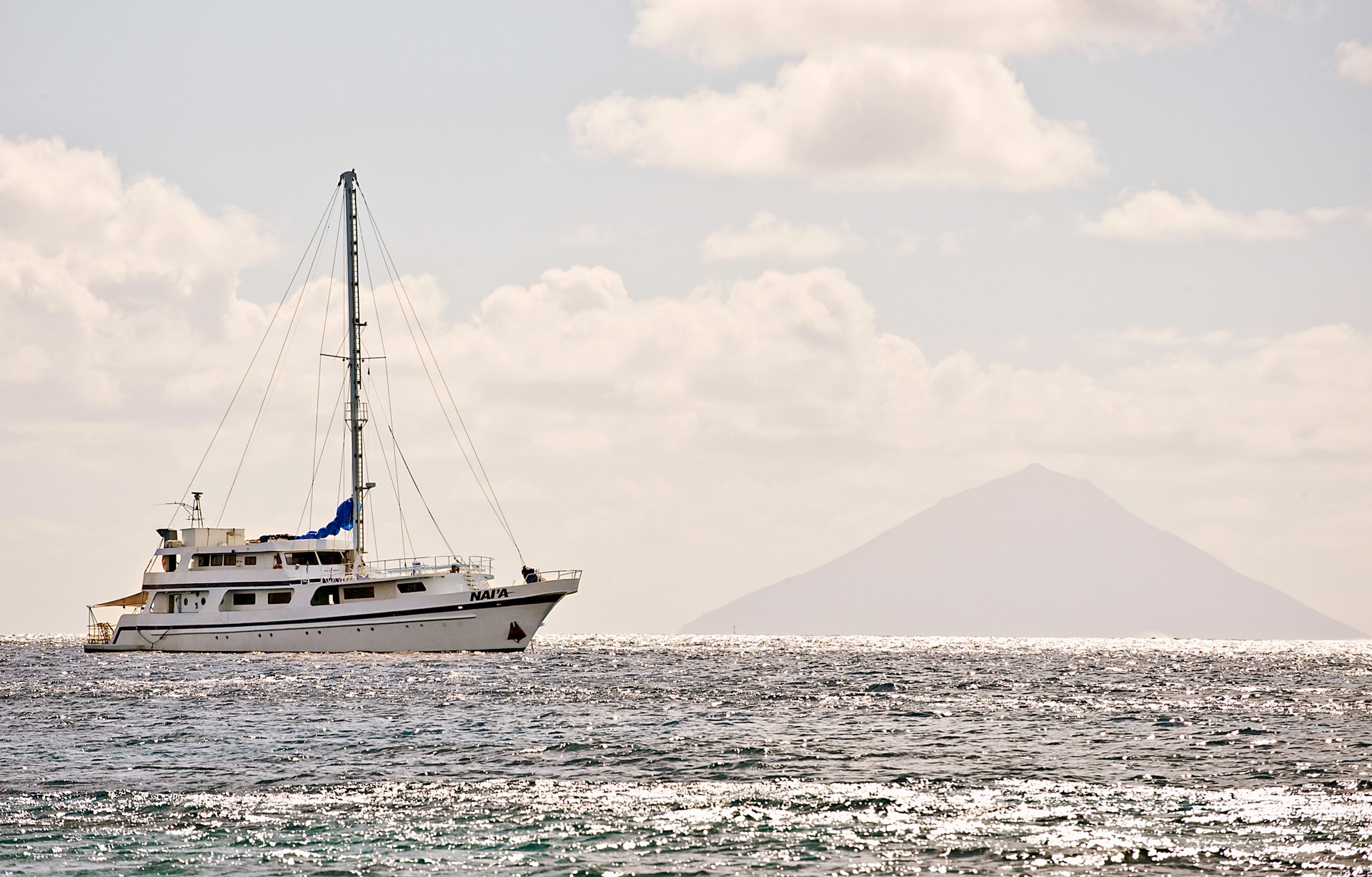
Nai'a
Fiji
16 guests36.576 m
$547/day
Dive sites similar to Sailstone
Same character, same waters — six more sites divers love for the exact same reasons.Compare seasons, access and liveaboard routes — then pick the site that fits your trip best.
© Esri — Maxar, Earthstar, GIS
Manta Channel, situated off Kadavu Island in Fiji, is a world-class dive destination primarily celebrated for its frequent sightings of manta rays.
- Suitable for
- Advanced
- Current
- Strong
- Access
- Liveaboard or dayboat
- Depth
- 8–20 m
- Theme
- Channel / Drift
© Esri — Maxar, Earthstar, GIS
Sam's Point
Fiji
Sam's Point is one of the celebrated patch reefs found within the Somosomo Strait, a narrow channel between Vanua Levu and Taveuni in Fiji.
- Suitable for
- Advanced
- Current
- Strong
- Access
- Dayboat
- Depth
- 8–27 m
- Theme
- Reef / Drift
© Esri — Maxar, Earthstar, GIS
Rainbow's End
Fiji
Rainbow's End is a top dive site located in the Somosomo Strait, a channel separating Taveuni and Vanua Levu islands, known as the 'Soft Coral Capital of the World'.
- Suitable for
- Intermediate
- Current
- Moderate
- Access
- Liveaboard or dayboat
- Depth
- 10–30 m
- Theme
- Reef / Drift
© Esri — Maxar, Earthstar, GIS
Wilkes Passage
Fiji
Wilkes Passage is a dive site located within the Malolo Barrier Reef in Fiji's Mamanuca Group, southwest of Nadi on Viti Levu.
- Suitable for
- Intermediate
- Current
- Moderate
- Access
- Dayboat
- Depth
- 15–20 m
- Theme
- Reef / Drift
© Esri — Maxar, Earthstar, GIS
Namena Marine Reserve, nestled in Fiji's Koro Sea, is a crown jewel among the world's elite dive spots, consistently ranked as one of the best global destinations for scuba diving.
- Suitable for
- Advanced
- Current
- Moderate
- Access
- Liveaboard only
- Depth
- 5–40 m
- Theme
- Reef / Wall
© Esri — Maxar, Earthstar, GIS
Shark Fin Point
Fiji
Shark Fin Point, also known as Shark Point, is located off the northeast coast of Koro Island in Fiji.
- Suitable for
- Advanced
- Current
- Strong
- Access
- Liveaboard only
- Depth
- 5–29 m
- Theme
- Drift / Reef