About Nosy Hara Marine Park
Nosy Hara Marine Park is a significant protected area situated near the northernmost point of Madagascar, forming part of the broader Nosy Be Archipelago. This remote location, often accessed via extended liveaboard itineraries, safeguards an exceptionally rich marine environment, critical for its biodiversity and the resilience of its coral ecosystems. The park is recognized for its pristine hard coral cover, which on some reefs exceeds 60%, a biomass rivaling renowned sites like the Maldives before the onset of mass tourism. Diving here reveals a topography of healthy coral reefs teeming with life. Depths typically range from shallow areas suitable for beginners to deeper zones that attract a wider array of species. The waters host a vibrant ecosystem, from the smallest nudibranchs and seahorses to larger pelagic species. It is identified as an important habitat for dugongs within Madagascar. Nosy Hara offers a distinct dive experience, appealing to those seeking unspoiled and less crowded underwater exploration. Its diverse marine life makes it a prime location for macro photography, yet it also promises encounters with various reef and pelagic species. Divers can expect good visibility and warm waters, typical of the Indian Ocean, making it a comfortable destination for underwater enthusiasts. Access to Nosy Hara usually involves multi-day liveaboard trips from Hellville harbour in Nosy Be, often combined with visits to the Mitsio and Radama Archipelagos. This ensures that divers can fully immerse themselves in the park's remote beauty and contribute to its continued preservation through responsible tourism.
Highlights
Pristine coral reefsHigh hard coral cover (60% plus)Diverse marine lifeNudibranchs and seahorsesImportant dugong habitatExcellent macro photographyUncrowded dive sitesRemote, protected marine park
Season calendar
Best months to dive here
Jan
Feb
Mar
Apr
May
Jun
Jul
Aug
Sep
Oct
Nov
Dec
Excellent
Good
Dive site facts: Nosy Hara Marine Park
- Depth
- 5–40 m
- Current
- Variable
- Visibility
- 10–50 m
- Water temperature
- 25–28°C
- Entry
- Liveaboard tender
- Level
- All levels (AOWD recommended for deeper sites)
- Dive type
- Reef
- Region / port
- Northern Madagascar, Nosy Be Archipelago
- Coordinates
- 12.9833° S, 48.5167° E
Conditions & Currents
Currents within Nosy Hara Marine Park can vary, influencing dive difficulty and marine life encounters. While some areas might experience mild conditions, others can have stronger flows, making drift diving a possibility. Divers should be prepared for varying current strengths, which can bring in nutrient-rich waters attracting pelagic species, yet might reduce visibility temporarily due to plankton blooms. Entry and exit procedures will depend on the specific dive site and prevailing conditions, with liveaboards typically offering tender-based access. Visibility is generally good, ranging from 10 to 50 meters, though it can decrease during significant plankton events. Water temperatures are consistently warm, negating concerns about thermoclines. Divers should ensure adequate gas planning and maintain good buoyancy control, especially in areas with stronger currents, to fully appreciate
Marine life & sighting chances

Nudibranchs
common
Seahorses
occasional
Dugongs
occasional
Reef sharks
occasional
Rays
occasional
Colorful reef fish
common
Whale sharks
October-January · occasional
Manta rays
May-October (peak), April-November · occasional
Hard corals
common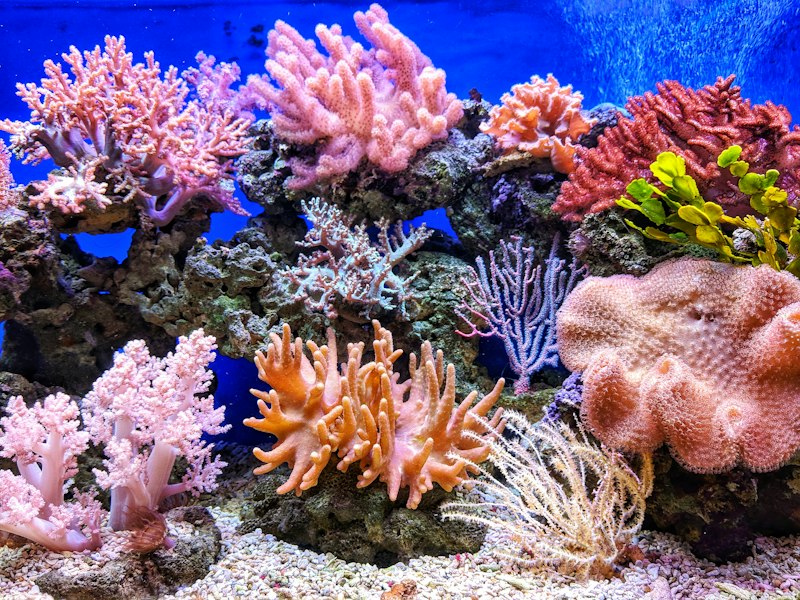
Soft corals
common
Napoleon wrasse
Cooler months · occasional
Octopus
occasionalDive profile & how the dive runs
Diving in Nosy Hara Marine Park typically begins with a tender transfer from the liveaboard to the chosen reef, allowing for precise entry points. Dives often follow the natural contours of the reef, starting shallower and gradually descending along coral slopes or walls. The profile prioritizes exploration of the pristine hard coral gardens, seeking out macro subjects like nudibranchs and seahorses, which thrive in these protected waters. Divers generally proceed at a relaxed pace to fully absorb the rich biodiversity and capture underwater photographs. Turnaround points are usually determined by gas consumption or depth limits, often at a maximum depth of around 30 meters, though shallower sections offer abundant life. The ascent is slow, including a mandatory safety stop in the vibrant shallow reef areas, which are rich in fish life and provide excellent opportunities for decompression.
Underwater photography
Nosy Hara Marine Park is a macro photographer's dream due to its extraordinary density of nudibranch species and seahorses. A macro lens (e.g., 60mm or 100/105mm) is essential for capturing these intricate subjects. Wide-angle photography is also rewarding given the extensive hard coral cover and healthy reefscapes; consider a fisheye or rectilinear wide-angle lens to capture the vastness. External strobes are highly recommended to bring out the true colors of the corals and cryptic critters, especially in deeper areas or when shooting macro. Pay close attention to buoyancy to avoid disturbing delicate coral formations, particularly when focusing on small subjects. Ethical conduct is paramount; avoid touching or moving marine life for a better shot, and maintain a respectful distance from all creatures.
Combine with nearby dive sites
- Mitsio Wreck
The Mitsio Wreck lies on the seabed of the Mitsio Archipelago, a pristine and secluded diving destination off Madagascar's northwest coast.
- Nosy Mitsio Pinnacles
Nosy Mitsio Pinnacles, part of the Mitsio Archipelago in Madagascar, offers a pristine and authentic diving experience far removed from…
- The Four Brothers
The Four Brothers, also known as "Quattro Fratelli," is a distinctive dive site located within the Mitsio Archipelago, north of Nosy Be in…
- The Whale Shark Alley
The Whale Shark Alley, located within the Nosy Be Archipelago, is renowned for its consistent opportunities to encounter whale sharks…
- Nosy Be Wall
Nosy Be Wall is a renowned dive site located within the Nosy Be Archipelago, known for its dramatic underwater topography.
Getting there & logistics
Access to Nosy Hara Marine Park primarily involves liveaboard trips departing from Hellville harbour in Nosy Be. International travelers typically fly into Ivato International Airport (TNR) in Antananarivo, then take a domestic flight to Fascene Airport (NOS) on Nosy Be. Liveaboard itineraries to Nosy Hara are generally longer, ranging from 7 to 10 nights, often combining the park with other northern sites like the Mitsio Archipelago and Radama Islands. These trips are essential for reaching this remote location, which is inaccessible for day trips from shore. Park fees and permits are usually included in the liveaboard package, but it's advisable to confirm this with your operator. Ensure you book flights and Nosy Be accommodation well in advance, especially during peak season.
Safety & environment
Diving in Nosy Hara Marine Park requires adherence to standard safety protocols due to its remote location. The nearest recompression chamber is not readily accessible, making dive accident management challenging. Divers must carry comprehensive travel insurance that includes emergency medical evacuation coverage, as costs can range from $30,000 to $80,000. It is crucial to dive conservatively, within personal limits and no-decompression limits. All divers should be proficient in buoyancy control to protect the pristine coral ecosystems and prevent accidental contact. Always dive with a reliable buddy and follow your dive guide's instructions. Liveaboard crews are trained in first aid, but self-sufficiency and preventative safety measures are paramount in this distant region.
Who it suits, and who it doesn't
Suited for
- Experienced divers seeking unspoiled reefs
- Underwater photographers (macro & wide-angle)
- Divers interested in marine conservation
- Those looking for uncrowded, remote dive experiences
- Liveaboard enthusiasts
Less suited for
- Divers new to current diving
- Beginners preferring shore-based diving
- Those prone to seasickness on longer boat journeys
- Divers with limited time seeking quick access
- Individuals not comfortable with remote medical access
FAQ
Nosy Hara Marine Park FAQ
Where is Nosy Hara Marine Park located?
Nosy Hara Marine Park is situated near the northern tip of Madagascar, within the Nosy Be Archipelago. It is a remote and protected area, known for its pristine marine environment. Access is typically via liveaboard vessels from Hellville harbour in Nosy Be.
What kind of marine life can I expect to see at Nosy Hara?
The park is famous for its diverse marine life, including an abundance of nudibranchs and seahorses, making it excellent for macro photography. You can also encounter various reef fish, rays, and occasionally larger species like whale sharks (seasonal) and manta rays. It's also an important habitat for dugongs.
What are the diving conditions like in Nosy Hara Marine Park?
Diving conditions are generally favorable with warm water temperatures, averaging 25-28°C, and good visibility that can range from 10 to 50 meters. Currents can vary depending on the specific site and tides. The park features extensive hard coral reefs and diverse underwater topography.
Is Nosy Hara suitable for beginner divers?
While some shallower areas may be suitable for beginners, the remote nature of the park and potential for varying currents make it more recommended for experienced divers. Advanced Open Water certification is generally advised for liveaboard itineraries that reach Nosy Hara.
How do I get to Nosy Hara Marine Park?
Nosy Hara is primarily accessed via multi-day liveaboard diving trips that depart from Hellville harbour in Nosy Be. These itineraries often combine Nosy Hara with other northern Madagascar dive sites. Travelers typically fly into Nosy Be's Fascene Airport after an international flight to Antananarivo.
When is the best time of year to dive Nosy Hara?
The prime diving season for Nosy Hara Marine Park is from October to May, offering calm seas and exceptional visibility, often exceeding 30 meters. This period provides ideal conditions for exploring the park's vibrant coral reefs and encountering diverse marine species, including seasonal whale shark sightings.
Why dive Nosy Hara Marine Park from a liveaboard?
Nosy Hara Marine Park is one of Madagascar's signature dive sites. A liveaboard sleeps you on the water and typically offers several guided dives per day (the exact number depends on the vessel and itinerary), including dawn and night dives that day-boat operators rarely offer. You skip the daily commute back to port and reach quieter, less-crowded sites in the same region on a single trip.
Dive sites similar to Nosy Hara Marine Park
Same character, same waters, six more sites divers love for the exact same reasons.Compare seasons, access and liveaboard routes, then pick the site that fits your trip best.
© EsriMaxar, Earthstar, GIS
Alimatha Jetty
Maldives
Alimatha Jetty, situated in the Vaavu Atoll beside the Alimatha Aquatic Resort's working pier, is celebrated as a premier night dive destination in the Maldives.
- Suitable for
- Beginner
- Current
- Moderate
- Access
- Liveaboard or dayboat
- Depth
- 2–12 m
- Theme
- Reef
© EsriMaxar, Earthstar, GIS
Baie Ternay Marine Park
Seychelles
Baie Ternay Marine Park, nestled near Mahé Island in the Seychelles, stands as a premier dive site known for its extraordinary beauty and abundant marine life.
- Suitable for
- Beginner
- Current
- Moderate
- Access
- Liveaboard or dayboat
- Depth
- ≤ 23 m
- Theme
- Reef
© EsriMaxar, Earthstar, GIS
Banana Reef
Maldives
Banana Reef, located in the North Malé Atoll, holds the distinction of being the Maldives' inaugural protected marine area, established in 1995. Its unique crescent shape, which…
- Suitable for
- Beginner
- Current
- Strong
- Access
- Liveaboard or dayboat
- Depth
- 5–25 m
- Theme
- Cave & cavern / Drift
Banc 06 is a shallow, fish-rich plateau dive located approximately 5 km behind Nosy Sakatia, off the coast of Nosy Be, Madagascar.
- Suitable for
- Beginner
- Current
- Mild
- Access
- Dayboat
- Depth
- 14–20 m
- Theme
- Reef
© EsriMaxar, Earthstar, GIS
Bateman's Bay
Australia
Bateman's Bay is a scenic diving area located on the South Coast of New South Wales, Australia.
- Suitable for
- Beginner
- Current
- Moderate
- Access
- Liveaboard or dayboat
- Depth
- ≤ 25 m
- Theme
- Reef
© EsriMaxar, Earthstar, GIS
Befotaka Bay
Madagascar
Befotaka Bay, situated in northwestern Madagascar, is a key diving destination renowned for its vibrant marine ecosystems.
- Suitable for
- Beginner
- Current
- Strong
- Access
- Liveaboard or dayboat
- Depth
- 3–14 m
- Theme
- Drift / Reef