About The Whale Shark Alley
The Whale Shark Alley, located within the Nosy Be Archipelago, is renowned for its consistent opportunities to encounter whale sharks, making it a highly sought-after destination for divers and snorkelers alike. This site is part of a larger marine ecosystem known for its abundant biodiversity, situated off Madagascar's northwest coast in the warm waters of the Indian Ocean. The area features a variety of marine life beyond its namesake, including rays and schools of pelagic fish, thriving in healthy coral environments. Diving here typically involves seeking out these magnificent filter feeders in open water. While specific depth profiles can vary based on whale shark movements, encounters often occur in shallower, sunlit waters. The surrounding Nosy Be region offers clear visibility and warm temperatures, contributing to an enjoyable experience. The best time to visit for whale shark encounters is generally from October to December, when their presence is most frequent. During these months, the seas are often calm, enhancing the chances for successful interactions. The diving experience focuses on observing these gentle giants in their natural habitat, making it a memorable encounter for any diver. Operators from Nosy Be organize trips to this site, often combining it with other local dive spots. The emphasis is on responsible interaction, allowing divers to appreciate the marine megafauna in a natural, respectful setting.
Highlights
Whale shark encountersManta ray sightingsNosy Be Archipelago divingPelagic fish schoolsWarm Indian Ocean watersHigh marine biodiversity
Season calendar
Best months to dive here
Jan
Feb
Mar
Apr
May
Jun
Jul
Aug
Sep
Oct
Nov
Dec
Good
Dive site facts: The Whale Shark Alley
- Depth
- Unknown, likely open water
- Current
- Likely moderate
- Visibility
- 10–50 m
- Water temperature
- 25–28°C
- Entry
- Boat
- Level
- All Levels
- Dive type
- Whale shark encounters, pelagic, drift
- Region / port
- Nosy Be Archipelago
- Coordinates
- 13.3444° S, 48.1505° E
Conditions & Currents
Information specifically on current strength and direction for The Whale Shark Alley is not detailed in the sources, but typical dives in the Nosy Be region can include drift diving, which implies some current presence. Divers should always be prepared for moderate currents, especially in open water environments where pelagic species are common. Clear communication on entry, descent timing, and exit procedures with the dive guide is crucial, similar to any drift dive scenario. Visibility in the area can be excellent, ranging from 10 to 50 meters, though localized conditions can always vary. Water temperatures are consistently warm, generally between 25°C and 28°C.
Marine life & sighting chances

Whale shark
October-December · common
Manta ray
Summer months (Jan-Mar), Oct-Dec · occasional
Humpback whale
July-September · occasional
Reef shark
occasional
Barracuda
occasional
Sea turtle
occasional
Leopard shark
rare
Schools of pelagic fish
common
Coral reef fish
common
Hard coral
common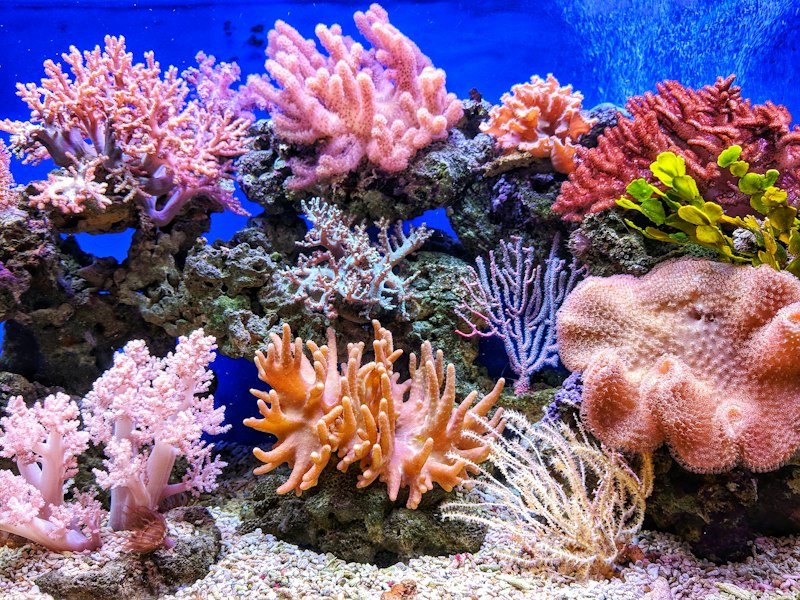
Soft coral
commonDive profile & how the dive runs
A dive at The Whale Shark Alley focuses on interacting with whale sharks and other pelagic species, which typically involves open-water encounters rather than a fixed reef route. After spotting a whale shark from the surface, divers usually enter the water with a negative entry to minimize disturbance and quickly reach the desired depth. The dive then becomes an extended drift, following the movements of the whale shark, maintaining a respectful distance. The depth will vary based on the animal's behavior, often remaining in the upper water column where light penetration is excellent. Safety stops are conducted in open water, typically at 5 meters, before surfacing, where the boat will be waiting to pick up divers after tracking their drift.
Underwater photography
For capturing the large pelagic subjects at The Whale Shark Alley, a wide-angle lens is essential to frame these majestic creatures effectively. Due to the typically good visibility and natural light in the upper water column, artificial lighting may not be strictly necessary for whale shark encounters, but strobes can enhance color and detail if shooting smaller subjects or in deeper areas. Focus on capturing the scale of the whale sharks in their environment. Practice good buoyancy control to avoid disturbing marine life and to maintain optimal positions for photography. Be mindful of ethical interaction guidelines, such as not touching the animals and allowing them space to swim unhindered.
Combine with nearby dive sites
- Nosy Tanikely
A marine reserve known for vibrant reefs and diverse marine life.
- Manta Point
A dive site 14km from the coast, known for good visibility and larger fish, but manta sightings are not guaranteed.
- Nosy Sakatia
Offers calm waters, rich biodiversity, and coral formations.
- Nosy Be Wall
Known for steep walls covered in colorful corals and large pelagic species.
- Nosy Mitsio Pinnacles
Part of the Mitsio Archipelago, known for pristine coral gardens and pinnacles.
Getting there & logistics
Access to The Whale Shark Alley typically begins with flying into Ivato International Airport (TNR) near Antananarivo, the capital of Madagascar. From there, domestic flights connect to Nosy Be, which serves as the primary hub for diving the northern region. Dive operators in Nosy Be, such as Blue Wave Diving and Scuba Nosy Be, arrange daily boat trips to various sites, including The Whale Shark Alley. Trips often vary in length, with many operators offering multi-day dive packages or combining dives with land-based excursions on Nosy Be. There are no specific dive park fees mentioned for this site, but general marine park fees might apply in other protected areas within the Nosy Be Archipelago. It's advisable to confirm all logistical details and potential permit requirements with your chosen dive center.
Safety & environment
While diving at The Whale Shark Alley, general dive safety protocols apply, including proper buddy procedures and conservative dive planning. The nearest recompression chamber is likely located in a major city like Antananarivo, making evacuation a potentially lengthy and complex process. Divers must have comprehensive dive insurance that covers medical emergencies and emergency evacuation. Site-specific hazards primarily involve encountering large marine animals, necessitating adherence to strict guidelines for respectful interaction to avoid disturbance or injury to both divers and animals. Always follow the dive guide's instructions regarding approach distances and behavior. Always be aware of boat traffic when surfacing in open water and deploy a safety sausage.
Who it suits — and who it doesn't
Suited for
- Divers seeking encounters with whale sharks and large pelagics
- Underwater photographers with wide-angle setups
- Divers who enjoy drift diving experiences
- All levels of certified divers with good buoyancy control
- Those interested in marine megafauna observation
Less suited for
- Divers primarily interested in macro photography
- Beginners uncomfortable with open water or potential currents
- Divers expecting intricate coral gardens as the primary focus
- Individuals with a strong aversion to boat travel
- Those who prefer static reef dives over pelagic encounters
FAQ
The Whale Shark Alley FAQ
What is the best time of year to see whale sharks at The Whale Shark Alley?
The most reliable period for encountering whale sharks at this site is from October to December. During these months, their presence is frequent, offering divers excellent opportunities for observation. Conditions are generally favorable with calm seas and good visibility, enhancing the overall dive experience.
What kind of marine life can I expect to see besides whale sharks?
Beyond the majestic whale sharks, divers at this site and in the surrounding Nosy Be region can frequently spot manta rays, particularly during summer months and the whale shark season. Other marine inhabitants include reef sharks, barracuda, various sea turtles, and schools of diverse pelagic fish, enriching the diving experience.
Is drift diving common at The Whale Shark Alley?
Yes, encounters with whale sharks often involve a form of drift diving, as you follow the movements of these large animals in open water. This means divers should be comfortable with entry and exit procedures in varied conditions and be prepared for potential currents. Always pay close attention to your dive briefing for specific instructions on managing the drift.
Do I need special dive certifications to dive here?
While the site is suitable for divers of all levels, having some experience with open water and potentially drift diving is beneficial. Strong buoyancy control is always recommended, especially when observing marine megafauna. No advanced certifications are strictly required, but comfort in pelagic environments is key for enjoyment.
What are the typical water conditions at The Whale Shark Alley?
The water temperature in the Nosy Be region is consistently warm, ranging from 25°C to 28°C throughout the year. Visibility is generally excellent, often between 10 to 50 meters, providing clear views of marine life. Currents can be present, and divers should be prepared for moderate conditions typical of open ocean encounters.
Why dive The Whale Shark Alley from a liveaboard?
The Whale Shark Alley is one of Madagascar's signature dive sites. A liveaboard sleeps you on the water and puts you in the water for three to four guided dives per day, including dawn and night dives that day-boat operators rarely offer. You skip the daily commute back to port and reach quieter, less-crowded sites in the same region on a single trip.
Below are the liveaboards that include The Whale Shark Alley on their Madagascar itineraries.
Dive sites similar to The Whale Shark Alley
Same character, same waters — six more sites divers love for the exact same reasons.Compare seasons, access and liveaboard routes — then pick the site that fits your trip best.
© Esri — Maxar, Earthstar, GIS
Kudimaa Wreck
Maldives
The Kudimaa Wreck is a compelling dive site in the Maldives, offering a fascinating artificial reef environment.
- Suitable for
- Advanced
- Current
- Moderate
- Access
- Liveaboard only
- Depth
- ≤ 30 m
- Theme
- Wreck / Reef
© Esri — Maxar, Earthstar, GIS
Blizzard Ridge
Australia
Blizzard Ridge is a renowned dive site situated within Lighthouse Bay on Ningaloo Reef, Western Australia, easily accessible from Exmouth.
- Suitable for
- Beginner
- Current
- Moderate
- Access
- Liveaboard or dayboat
- Depth
- ≤ 15 m
- Theme
- Reef
© Esri — Maxar, Earthstar, GIS
Andilana Reef
Madagascar
Andilana Reef, situated near Nosy Be on Madagascar's northwestern coast, presents a captivating underwater landscape that appeals to divers of all experience levels.
- Suitable for
- Intermediate
- Current
- Mild
- Access
- Liveaboard or dayboat
- Depth
- 6–22 m
- Theme
- Cave & cavern / Reef
© Esri — Maxar, Earthstar, GIS
Aldebaran Wreck
Seychelles
The Aldebaran Wreck, a 28-meter (92-foot) fishing vessel, was intentionally sunk on July 11, 2008, by the Seychelles Tourism Board to create an artificial reef.
- Suitable for
- Advanced
- Current
- Moderate
- Access
- Liveaboard or dayboat
- Depth
- 28–40 m
- Theme
- Wreck
© Esri — Maxar, Earthstar, GIS
Rottnest Island
Australia
Rottnest Island, located approximately 18 kilometers off Perth, Western Australia, offers exceptional diving characterized by its distinctive limestone formations.
- Suitable for
- Intermediate
- Current
- Mild
- Access
- Dayboat
- Depth
- 8–22 m
- Theme
- Reef / Cave & cavern
© Esri — Maxar, Earthstar, GIS
North Island
Seychelles
North Island is an exclusive dive location within the Seychelles, known for its pristine underwater environment and the opportunity to explore newly discovered sites.
- Suitable for
- Intermediate
- Current
- Moderate
- Access
- Liveaboard only
- Depth
- 18–35 m
- Theme
- Reef