About Half Moon Bay
Half Moon Bay offers a distinctive freshwater diving experience within Lake Havasu, situated on the California side, directly opposite Site 6. The primary entry point for divers is via a mooring line that leads down to a sunken sailboat, which serves as a gateway to an expansive underwater landscape. This site is notable for its collection of multiple submerged boats and various artificial fish habitats, which attract a diverse array of freshwater marine life. The topography transitions from the initial mooring line to a series of sunken structures, eventually connecting to a deeper area known as the "butt hole dive site," which represents the deepest part of the lake. The numerous fish habitats dispersed throughout the cove create abundant opportunities for observing various species. While not a typical coral reef, the artificial structures foster a unique ecosystem. Divers can expect to encounter species such as bass, crappie, carp, and catfish, which thrive among the underwater debris and dedicated habitats. The freshwater environment offers a different kind of marine biodiversity compared to saltwater dives, focusing on the specific species adapted to lake conditions. Visibility can vary, but the calm, protected waters generally allow for clear viewing of the sunken features. This site caters to divers seeking an unusual underwater adventure, combining wreck diving with freshwater marine life observation. The accessibility from shore, coupled with the presence of facilities like showers and bathrooms nearby, makes it a convenient option for local divers and those undergoing training. The overall experience provides a unique perspective on freshwater ecosystems.
Highlights
Multiple sunken boatsArtificial fish habitatsFreshwater fish speciesDeepest part of the lake accessUnique freshwater wrecksCalm, protected waters
Best Season
The best time to dive Half Moon Bay is during periods of calm weather, which generally ensures better visibility and easier entry/exit. As a freshwater lake dive, it is less susceptible to ocean swells, making it a reliable backup site when coastal conditions are poor.
Dive site facts: Half Moon Bay
- Depth
- 3–15 m
- Current
- Mild to none
- Entry
- Shore entry via mooring line
- Level
- All levels, ideal for training
- Dive type
- Freshwater wreck, artificial habitat
- Region / port
- Lake Havasu, California, USA
- Coordinates
- 8.2712° S, 124.4123° E
Conditions & Currents
Half Moon Bay is located within Lake Havasu, which typically features very calm and protected waters, especially within the cove. Divers should not anticipate strong currents; the environment is generally tranquil, making it suitable for less experienced divers. Entry and exit are straightforward from the shore. Visibility can fluctuate, but calm conditions usually contribute to better clarity, though it may not compare to oceanic visibility. There are no notable thermoclines mentioned for this specific site, and boat traffic within the immediate dive area is usually managed to ensure diver safety.
Marine life & sighting chances
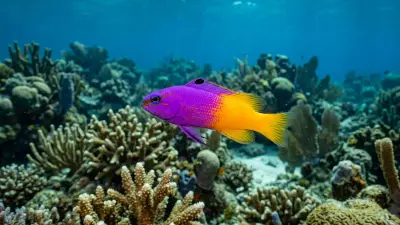
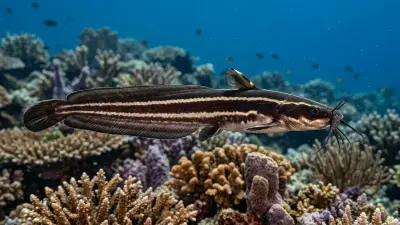
Dive profile & how the dive runs
Diving at Half Moon Bay typically begins with a shore entry. Divers follow a mooring line down to a sunken sailboat. From this point, the dive progresses to explore multiple other sunken boats and various artificial fish habitats scattered across the lakebed. The route can lead towards the deeper "butt hole dive site," which is the lake's deepest section, offering an extended depth profile. Divers can navigate between the wrecks and habitats, observing the freshwater marine life. The turn point is flexible, depending on air consumption and desired bottom time. Safety stops are conducted during the ascent back towards the shore entry point.
Underwater photography
Underwater photography at Half Moon Bay focuses on freshwater wrecks and resident fish species. Wide-angle lenses are suitable for capturing the overall scene of the sunken boats and their arrangement. Macro lenses can be employed to capture detailed shots of the fish inhabiting the artificial structures, such as bass, crappie, carp, and catfish. Due to potentially varying visibility in a lake environment, external strobes are beneficial for adding light and contrast, especially in deeper areas or during low light conditions. Buoyancy control is paramount to avoid stirring up sediment from the lakebed, which can quickly degrade visibility for both still photography and videography. Subjects are generally accustomed to divers, allowing for patient composition.
Getting there & logistics
Access to Half Moon Bay is typically from shore, located on the California side of Lake Havasu. The nearest major airport would be in a larger Californian or Arizona city, with a drive to Lake Havasu City. There are facilities nearby, including public outdoor showers and bathrooms, making it convenient for divers to gear up and rinse off. This site is often used for dive training due to its accessibility and calm conditions. It's a day-dive destination, and there are no specific permits or fees mentioned for diving this particular spot, though general lake usage regulations may apply.
Safety & environment
Divers at Half Moon Bay should carry appropriate dive insurance for freshwater diving. While located in a calm lake environment, standard diving safety practices apply, including careful ascent rates and monitoring air consumption. The nearest recompression chamber would be located in a larger medical facility in Arizona or California, necessitating land-based evacuation in case of a serious diving emergency. Specific hazards include entanglement with submerged wreckage, though the site is generally well-known and mapped. Divers should always be aware of their depth and bottom time, especially when exploring deeper sections of the lake. Adherence to local dive guidelines and proper buddy procedures are essential for a safe dive.
Who it suits — and who it doesn't
Suited for
- Beginner divers and training
- Freshwater wreck enthusiasts
- Divers seeking calm, protected conditions
- Underwater photographers interested in unique subjects
- Those looking for easily accessible shore dives
Less suited for
- Divers seeking vibrant coral reefs
- Those expecting pelagic encounters
- Divers preferring strong current drifts
- Individuals looking for remote, untouched dive experiences
FAQ
Half Moon Bay FAQ
What kind of marine life can I expect to see at Half Moon Bay?
At Half Moon Bay, you can expect to encounter various freshwater fish species that inhabit the lake. Common sightings include bass, crappie, carp, and catfish, which often congregate around the sunken boats and artificial fish habitats. The site offers a unique opportunity to observe these species in their natural, albeit artificial, environment.
Is Half Moon Bay suitable for beginner divers?
Yes, Half Moon Bay is considered suitable for beginner divers and is frequently used for dive training. The waters are typically calm and protected, with minimal currents, providing a safe and controlled environment for learning and practicing dive skills. Its accessibility from shore also contributes to its beginner-friendly nature.
What are the main attractions for divers at this site?
The main attractions for divers at Half Moon Bay are the collection of sunken boats and various artificial fish habitats. These submerged structures create an interesting underwater landscape to explore and serve as focal points for marine life. The site also offers access to the deepest part of the lake, known as the "butt hole dive site."
What are the entry and exit procedures for Half Moon Bay?
Entry into Half Moon Bay is typically a shore entry, where divers follow a mooring line that leads down to a sunken sailboat. This provides a clear and controlled descent point into the dive site. Exit procedures involve a gentle ascent back along the same path towards the shore.
Are there any facilities available near Half Moon Bay for divers?
Yes, there are facilities available near Half Moon Bay that cater to divers. These include free public outdoor showers and bathrooms, which are convenient for rinsing off gear and personal use. Additionally, there is space to lay out dive equipment, enhancing the overall convenience for divers.
Why dive Half Moon Bay from a liveaboard?
Half Moon Bay is one of Indonesia's signature dive sites. A liveaboard sleeps you on the water and puts you in the water for three to four guided dives per day, including dawn and night dives that day-boat operators rarely offer. You skip the daily commute back to port and reach quieter, less-crowded sites in the same region on a single trip.
Below are the liveaboards that include Half Moon Bay on their Indonesia itineraries.
Liveaboards diving Half Moon Bay
These liveaboards may visit Half Moon Bay on selected itineraries — the exact dive sites depend on departure, weather and conditions.
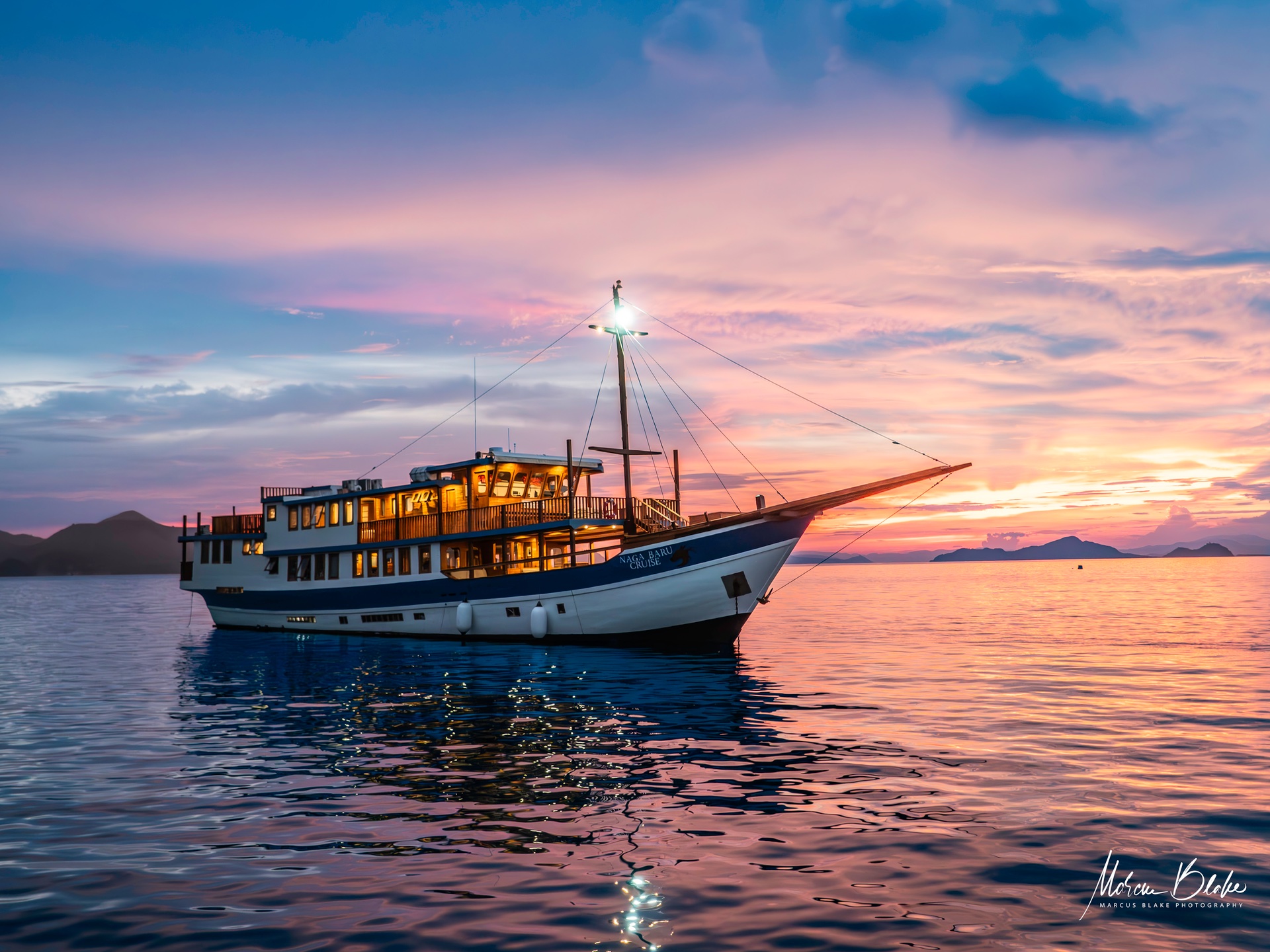
Naga Biru
Indonesia
12 guests40 m
$274/day
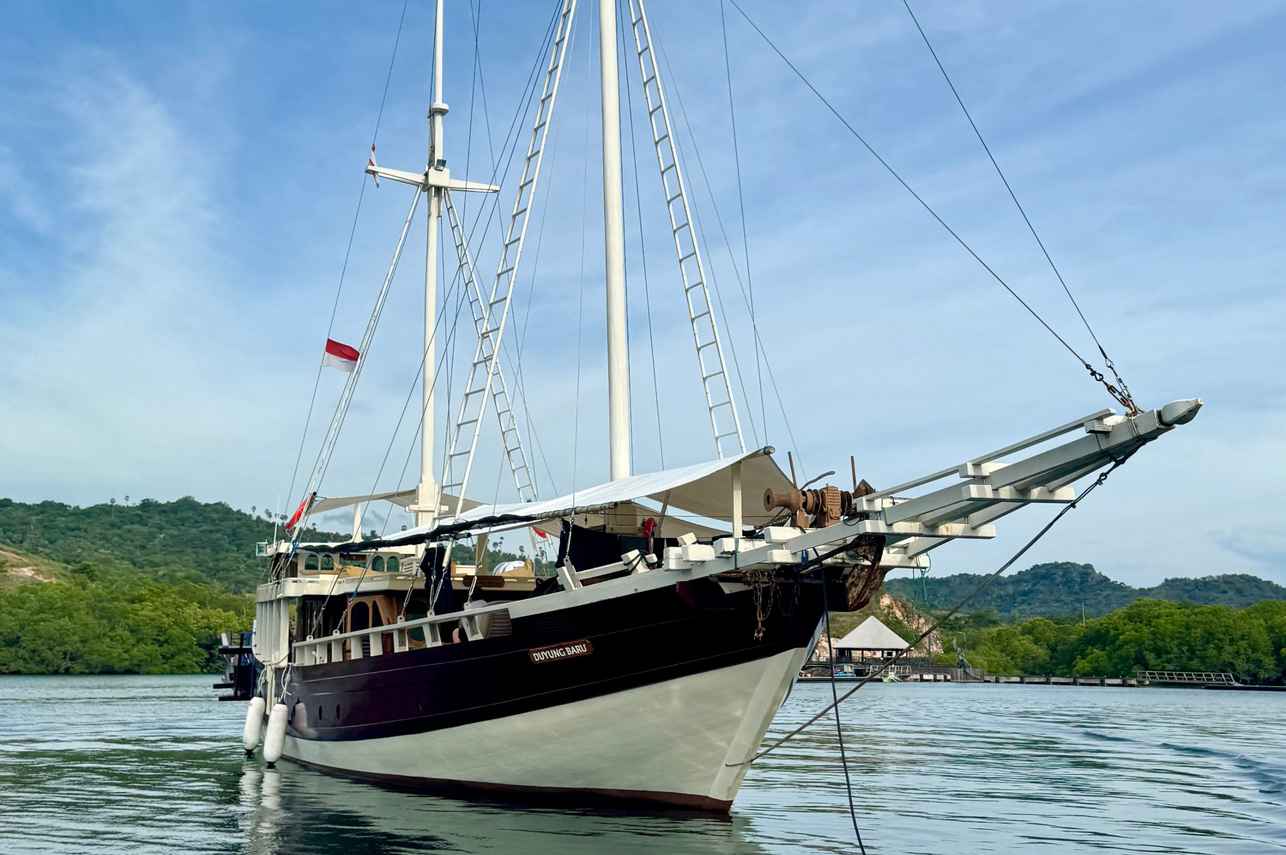
Ecopro Duyung Baru
Indonesia
6 guests27 m
$361/day
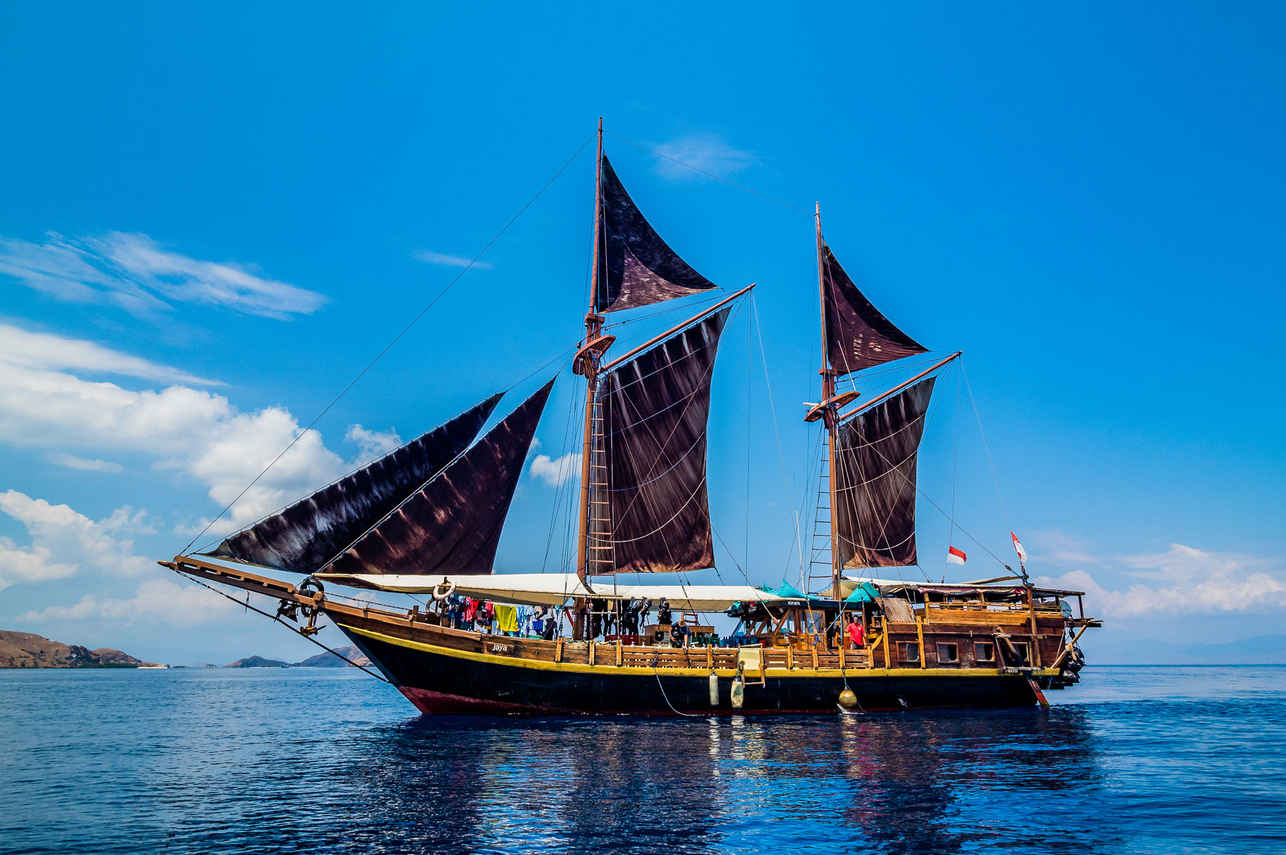
Jaya
Indonesia
14 guests23 m
$280/day
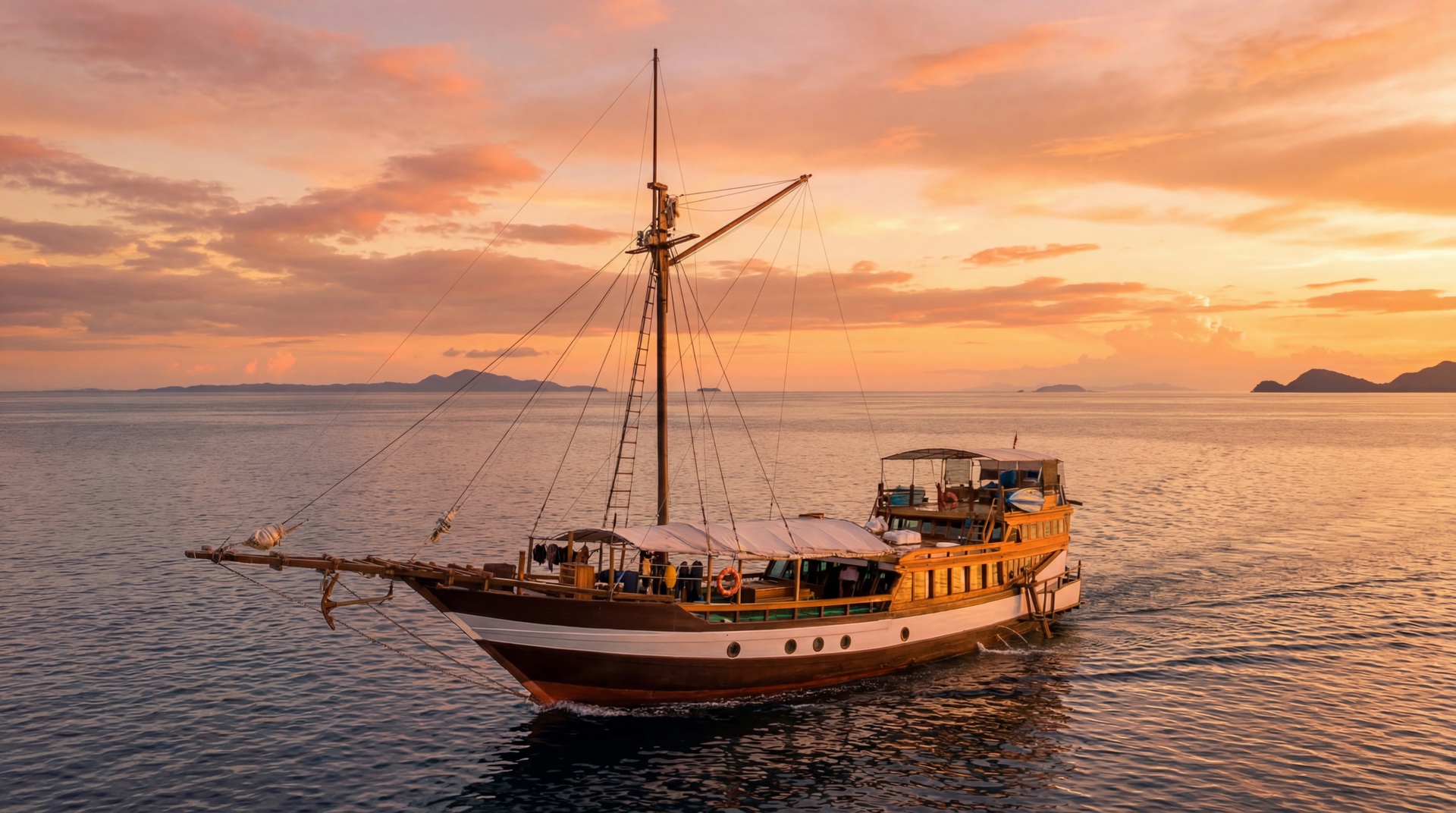
Wellenreng
Indonesia
9 guests25 m
$427/day
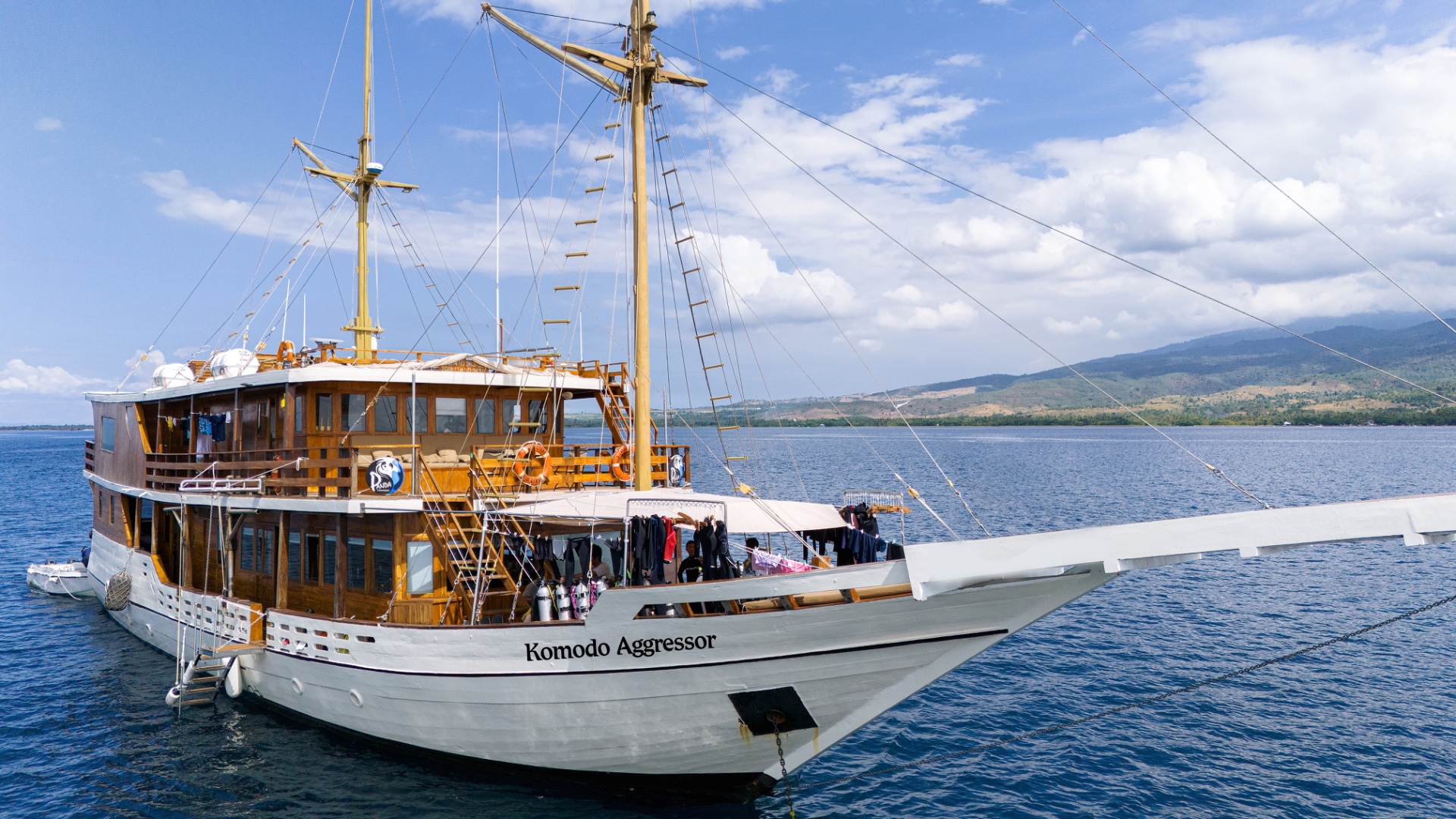
Komodo Aggressor
Komodo, Indonesia
16 guests29 m
$312/day
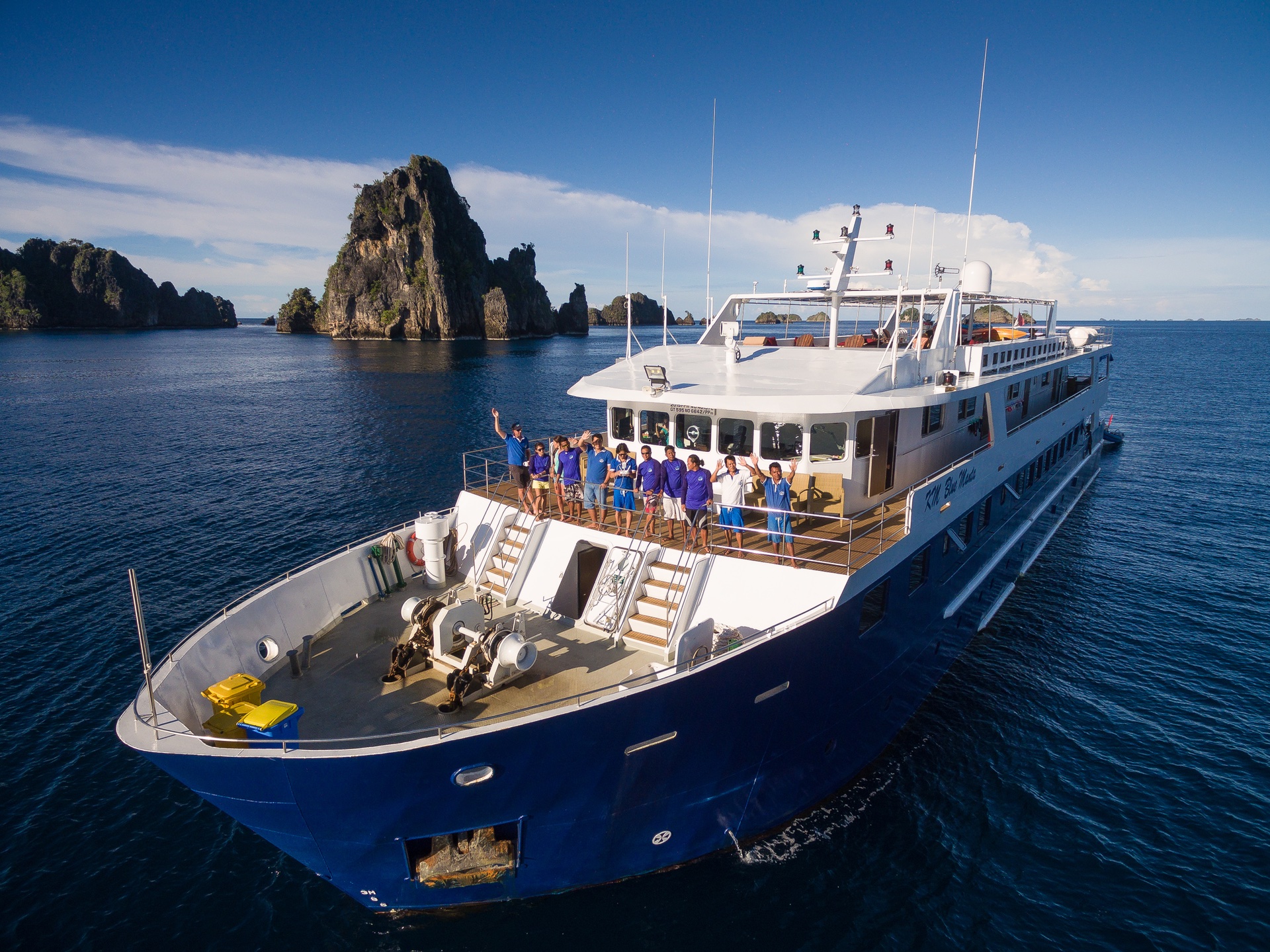
Blue Manta
Indonesia
20 guests45 m
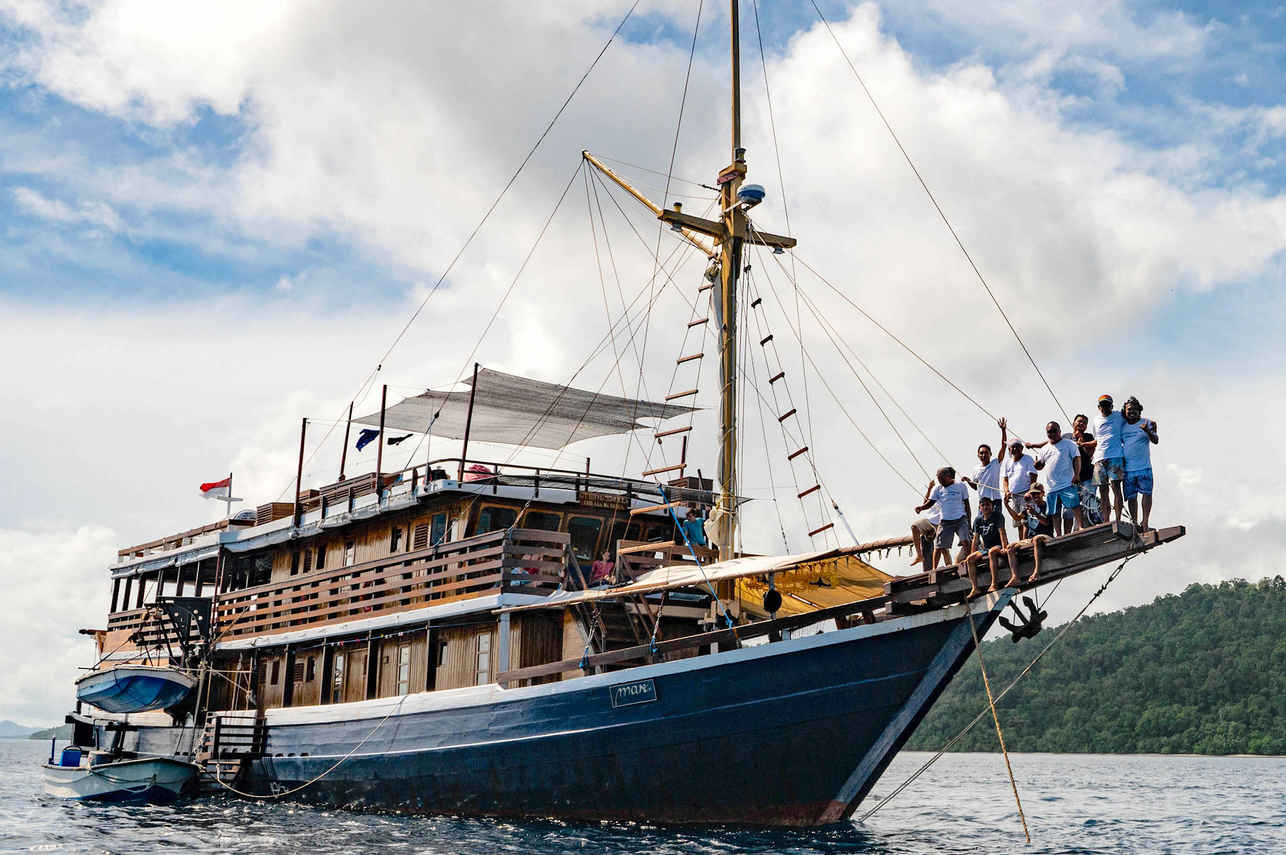
Mari
Indonesia
14 guests32.2 m
$328/day
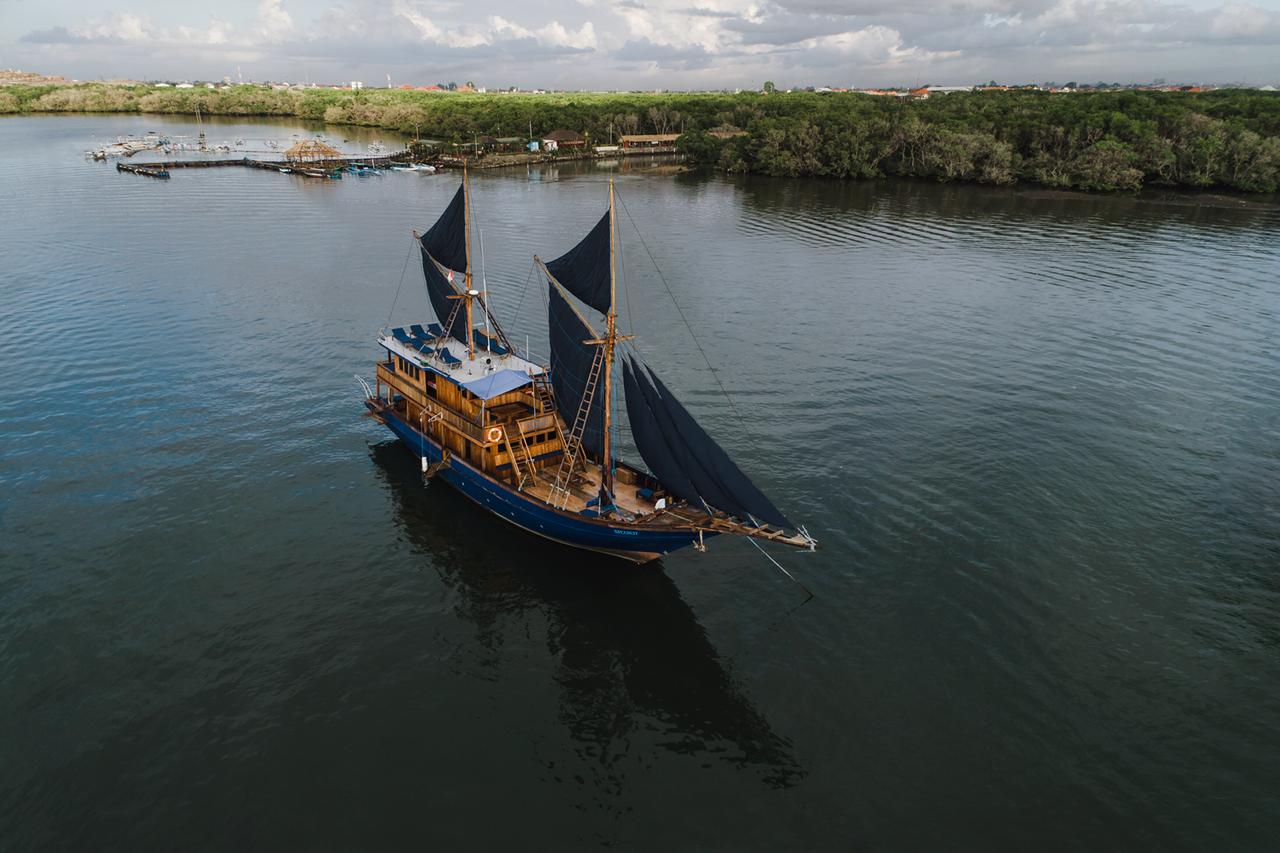
Situju7
Komodo, Indonesia
10 guests32.7 m
$362/day
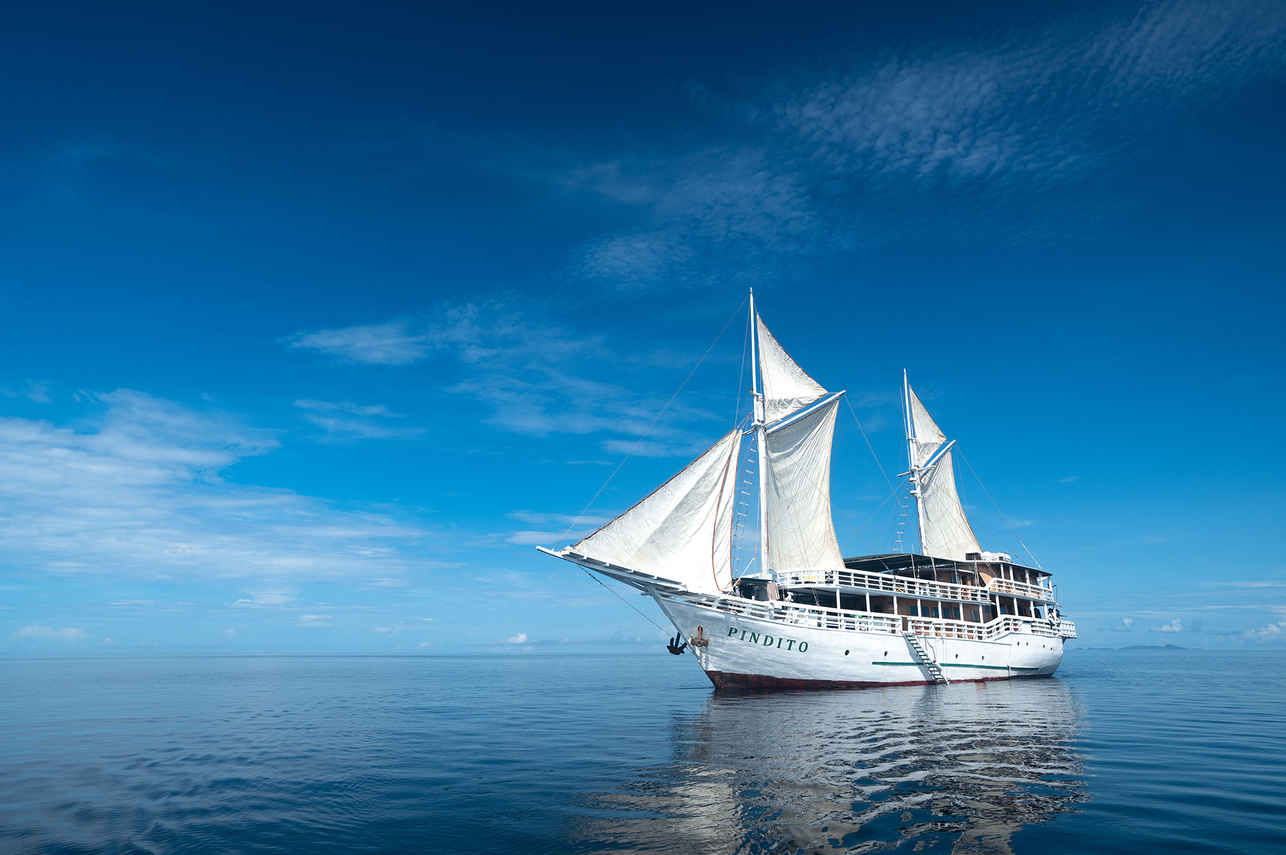
Pindito
Indonesia
16 guests37.79 m
$533/day
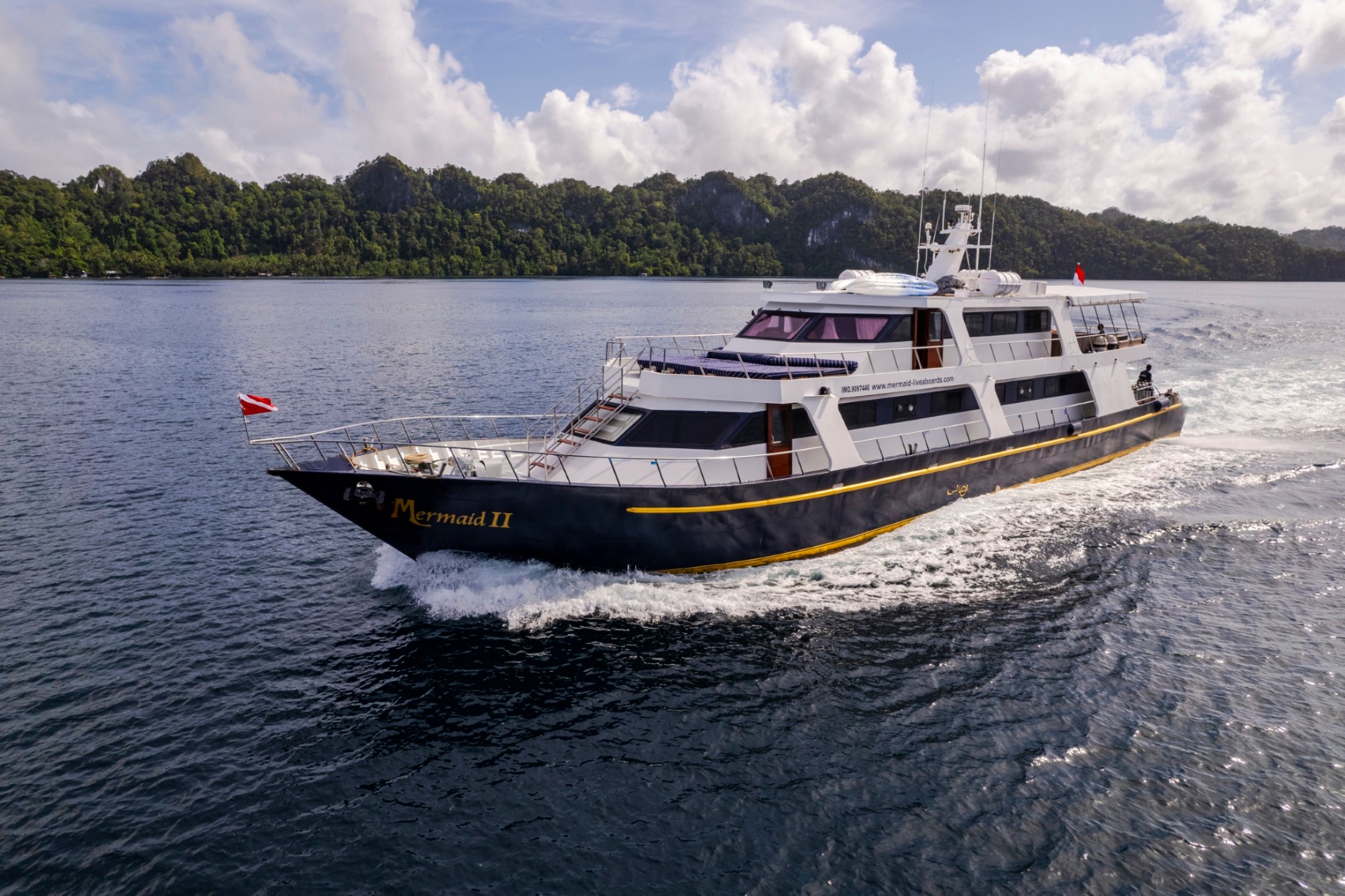
Mermaid II
Komodo, Indonesia
18 guests
$355/day
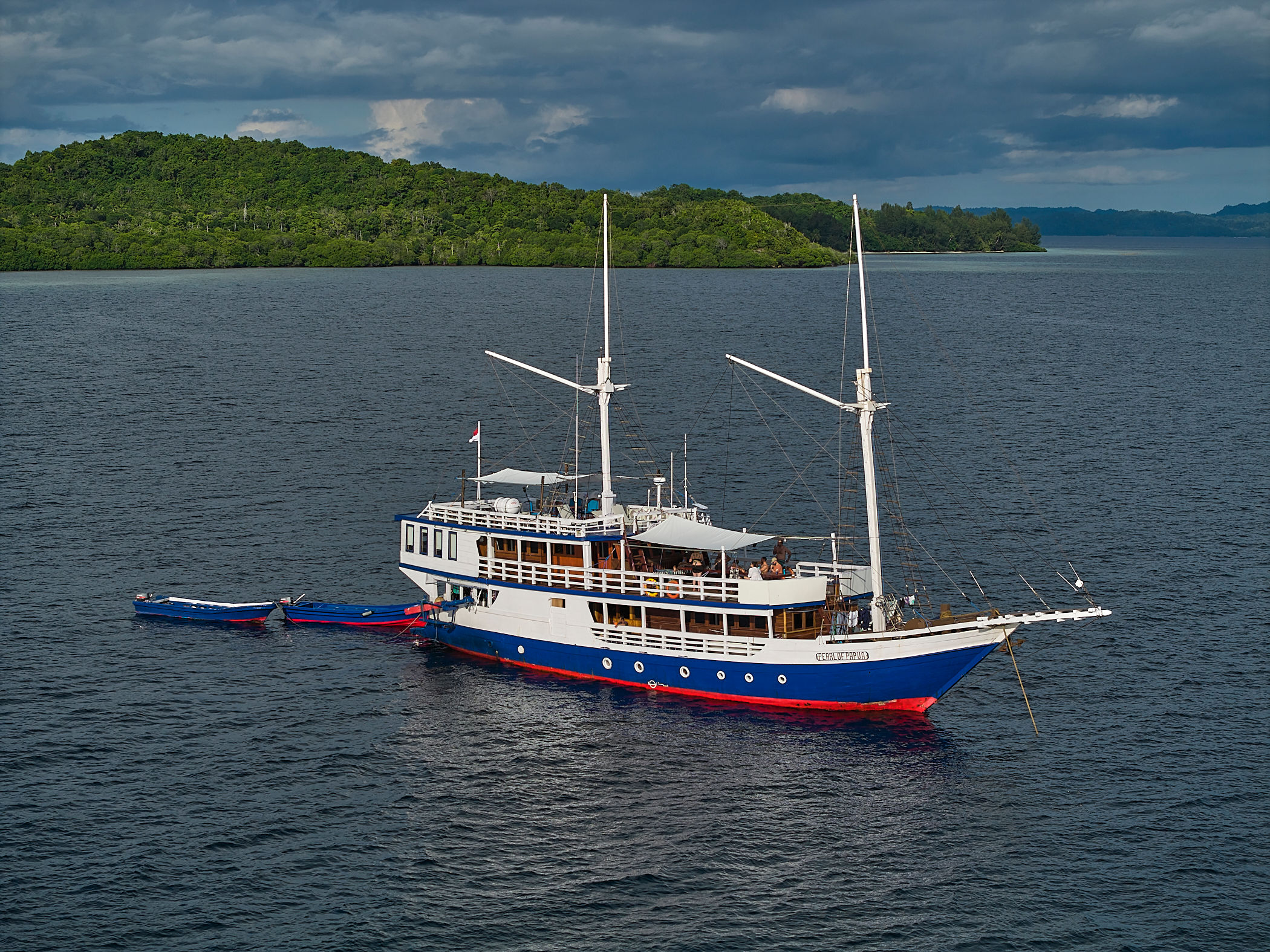
Pearl of Papua
Raja Ampat, Indonesia
14 guests30 m
$303/day
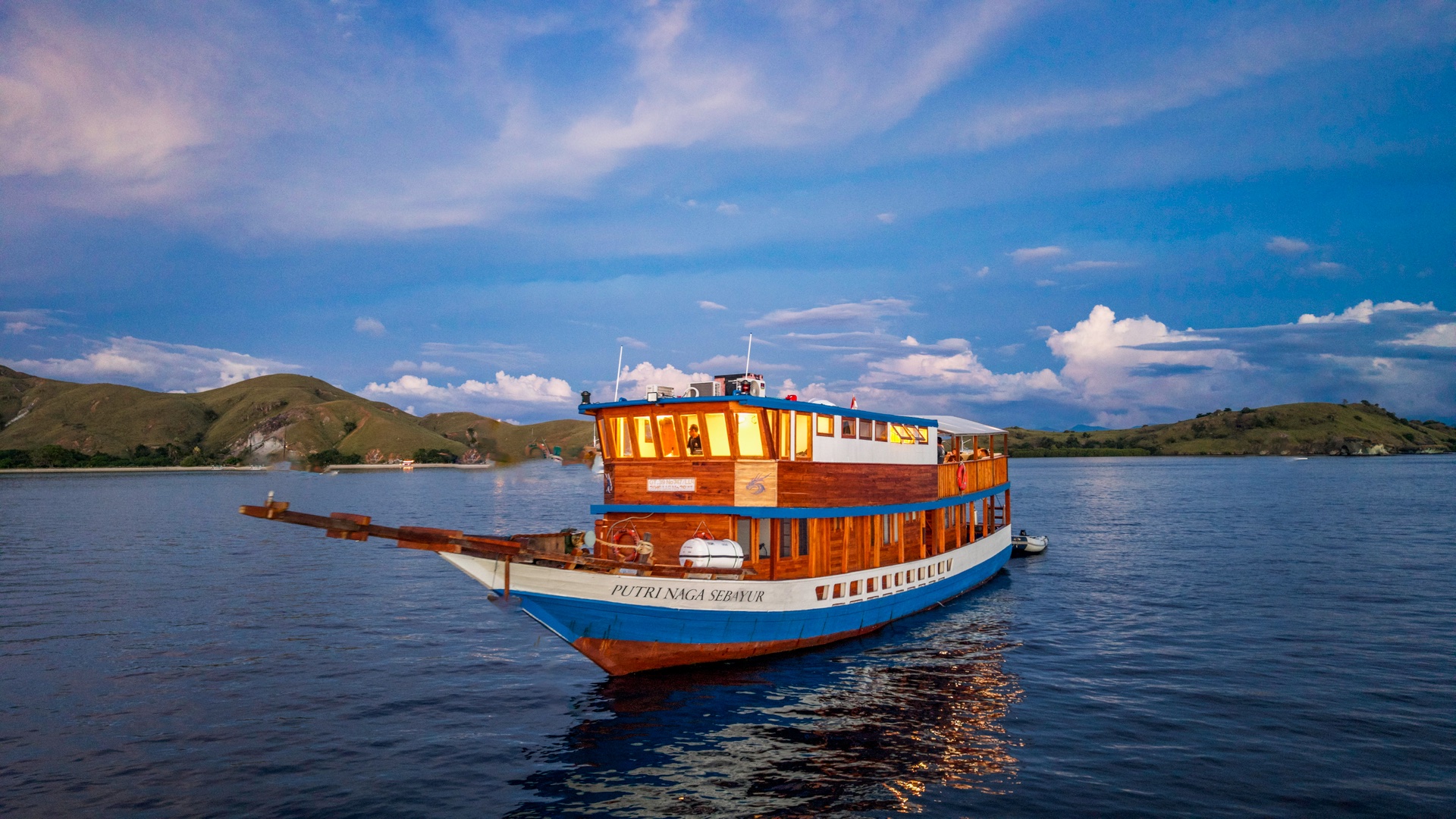
Putri Naga
Komodo, Indonesia
6 guests25 m
Dive sites similar to Half Moon Bay
Same character, same waters — six more sites divers love for the exact same reasons.Compare seasons, access and liveaboard routes — then pick the site that fits your trip best.
© Esri — Maxar, Earthstar, GIS
Mawali Wreck
Indonesia
The Mawali Wreck, a Japanese cargo ship, rests on its side in the Lembeh Strait, off the northern coast of Sulawesi.
- Suitable for
- Advanced
- Current
- Mild
- Access
- Liveaboard only
- Depth
- 25–40 m
- Theme
- Wreck / Reef
Aljui Bay, located in Raja Ampat's remote northern reaches, was discovered as a premier snorkeling and diving destination by chance in 2011. This bay, situated within the broader…
- Suitable for
- Beginner
- Current
- Mild
- Access
- Liveaboard only
- Depth
- ≤ 20 m
- Theme
- Reef
Wakatobi, an acronym for the islands of Wangi-Wangi, Kaledupa, Tomia, and Binongko, lies in Southeast Sulawesi, Indonesia, at the heart of the Coral Triangle.
- Suitable for
- Beginner
- Current
- No current
- Access
- Liveaboard only
- Depth
- 5–30 m
- Theme
- Wall / Reef
© Esri — Maxar, Earthstar, GIS
Cornucopia
Indonesia
Cornucopia, aptly named the 'horn of plenty,' is celebrated as Wakatobi's most spectacular wall dive, offering a diverse and nutrient-rich underwater environment.
- Suitable for
- Intermediate
- Current
- Mild
- Access
- Liveaboard only
- Depth
- 5–40 m
- Theme
- Reef
© Esri — Maxar, Earthstar, GIS
Raymond’s Point
Indonesia
Raymond's Point is a distinguished dive site located south of Mike's Point within the Bunaken National Marine Park, renowned for its dramatic vertical wall.
- Suitable for
- Advanced
- Current
- Strong
- Access
- Dayboat
- Depth
- 5–35 m
- Theme
- Reef / Wall
Located in Tulamben Bay on Bali’s northeastern coast, Drop Off, also known as the Tulamben Wall, is a rewarding dive site recognized for its dramatic underwater landscape.
- Suitable for
- Intermediate
- Current
- Mild
- Access
- Shore / dayboat
- Depth
- 5–60 m
- Theme
- Muck diving / Reef