About Great Wall East
Great Wall East is a notable dive site that forms an extension of the renowned Bloody Bay Wall system, located in the Cayman Islands. This region is celebrated for its dramatic underwater topography and pristine conditions, making it a world-class scuba diving destination. The site is characterized by an impressive vertical drop, plunging over 1,800 meters (6,000 feet) into the abyss, creating a sense of awe and immensity for divers. The topography features a sheer wall adorned with vibrant black corals and sponges that decorate the near-vertical face. In the shallower sections, divers can explore large coral heads teeming with diverse marine life. The top of the wall typically starts around 9 meters (30 feet), allowing for both shallow and deeper dive profiles. The site is less frequented than other parts of Bloody Bay, which contributes to a more untouched and pristine diving experience. Marine life encounters at Great Wall East often include resident Nassau groupers that frequently interact with divers. Keen observers might also spot delicate seahorses and colorful lettuce-leaf slugs among the corals. The overall visibility is generally excellent, often exceeding 30 meters (100 feet), enhancing the viewing of both the macro and the dramatic drop-off. Common sightings also include eagle rays, reef sharks, and sea turtles. The dive experience here typically involves mild currents, making it accessible for a range of skill levels, though proper buoyancy control is essential given the wall environment. Divers often appreciate the opportunity to hover over the abyss, looking back at the sheer magnitude of the wall. Liveaboard trips frequently include this site, offering multiple dives per day, including night dives, without the need for daily commutes to port.
Highlights
Dramatic vertical drop-offAbundant black coral formationsColorful sponge gardensResident Nassau groupersOccasional seahorse sightingsLettuce-leaf slugsExcellent visibilityLess crowded dive experience
Season calendar
Best months to dive here
Jan
Feb
Mar
Apr
May
Jun
Jul
Aug
Sep
Oct
Nov
Dec
Excellent
Good
Off-Season
Dec – Jun (Peak)
Best visibility up to 40m, calm seas, comfortable temperatures, ideal conditions for wall diving.
Jul – Aug & Nov (Shoulder)
Warmer water, occasional rain, still excellent diving. Good time for tarpon and turtle sightings.
Sep – Oct (Hurricane)
Hurricane season with unpredictable weather. Some operators may limit trips. Best prices of the year.
Dive site facts: Great Wall East
- Depth
- 7–20 m
- Typical dive
- 7–10 m, 50–60 min
- Current
- Mild
- Visibility
- 18–30 m (up to 66 m in summer)
- Water temperature
- 26–29°C
- Entry
- Boat
- Level
- All levels
- Dive type
- Wall, reef, marine life
- Night dive
- Permitted
- Region / port
- Little Cayman
- Coordinates
- 19.711, -80.042
Conditions & Currents
Sea conditions at Great Wall East, like much of the Cayman Islands, are generally calm due to a limited tidal range. This results in minimal currents, making for a relaxed and less strenuous diving experience. While currents can vary slightly due to dramatic wall drop-offs and island breezes, they are typically mild, allowing divers to leisurely explore the reef and wall. Visibility is consistently excellent, often reaching 60 to 100 feet, and can extend up to 200 feet in summer, though it averages 100 feet or more outside of hurricane season. Water temperatures remain warm throughout the year, ranging from 78-84°F (26-29°C). Divers should be aware of seasonal wind direction changes, with northeast winds in winter contributing to stable and calm conditions, while summer months may bring choppier waters. Entry and exit are typically boat-based, facilitated by the generally tranquil surfac
Marine life & sighting chances

Green Sea Turtle
common
Spotted Eagle Ray
occasional
Nurse Shark
occasional
French Angelfish
common
Squirrelfish
common
Trumpetfish
common
Blue Tang
common
Parrotfish
common
Balloonfish
common
Fairy Basslet
common
Yellowtail Snapper
common
Caribbean Reef Shark
occasional
Lobster
common
Grouper
commonDive profile & how the dive runs
Divers typically begin their descent over the shallow reef of Great Wall East, often starting between 20 to 30 feet (7 to 10 meters). The average dive depth for this site is kept relatively shallow, around 20 to 30 feet, making it suitable for extended exploration. The reef gently slopes towards the dramatic wall, which drops off into the deep blue abyss. Most recreational divers will keep their maximum depth around 60 feet (20 meters) to fully appreciate the vibrant coral formations and abundant marine life that thrives in the well-lit shallower sections. The dive usually involves meandering along the edge of the wall, observing the transition from reef to the deep, and then returning to the shallower reef for the latter part of the dive. The safety stop is conducted in the clear, calm shallow waters of the reef, often amidst schools of tropical fish.
Underwater photography
Great Wall East offers exceptional opportunities for both wide-angle and macro photography due to its diverse topography and abundant marine life. For capturing the dramatic wall drop-offs and extensive reefscapes, a wide-angle lens is essential. The excellent visibility, often exceeding 100 feet, makes it easy to compose expansive shots of the wall and schooling fish. External strobes are highly recommended to bring out the true colors of the corals and sponges, especially as you approach the wall's edge. For macro enthusiasts, the shallow reef is teeming with small tropical fish like squirrelfish, fairy basslets, and angelfish, as well as various crustaceans. Patience and good buoyancy control are crucial to avoid disturbing the delicate coral formations and to capture clear, well-focused images of the resident marine life. Consider using a focus light for macro subjects to enhance detail. The clear water and plentiful subjects provide a rewarding experience for photographers of all levels.
Combine with nearby dive sites
- Bloody Bay Wall
A collection of spectacular wall dives within the same marine park.
- Jackson Bight Wall
Another renowned site within Bloody Bay Marine Park, west of Jackson's Point.
- Lea Lea’s Lookout
Known for its coral cuts and diverse marine life, located near Great Wall East.
- Marilyn's Cut
Similar wall diving experiences to the famous sites.
- Mixing Bowl
A well-known site for varied marine encounters and dramatic topography.
Getting there & logistics
Access to Little Cayman, where Great Wall East is located, typically involves flying into Grand Cayman (GCM) and then taking a short inter-island flight to Little Cayman (LYB). Dive trips to Great Wall East are generally part of a liveaboard itinerary or daily boat excursions from Little Cayman's resorts. Most dive packages include transfers to and from the local airport, boat dives, and often meals. Permits for diving within the Bloody Bay Marine Park are usually handled by the dive operators and are included in the dive fees. Typical trip lengths range from 3 to 7 days, allowing divers to explore multiple sites within the Bloody Bay area. The secluded nature of Little Cayman ensures a focus on diving, with most itineraries centered around maximizing underwater time.
Safety & environment
While Great Wall East offers relatively calm conditions, divers should always practice safe diving protocols. The nearest recompression chamber is located on Grand Cayman, necessitating emergency evacuation in case of a serious dive accident. Therefore, comprehensive dive insurance that covers emergency medical treatment and evacuation is highly recommended. Always dive with a buddy and within your certified limits. While currents are generally mild, stay alert to any changes, especially near the wall. Respect marine life by observing from a distance and avoiding contact with corals and creatures. Little Cayman maintains clear guidelines for marine park conduct, which dive operators will brief you on. Adhering to these rules helps preserve the pristine environment for future divers.
Who it suits — and who it doesn't
Suited for
- New divers looking for gentle wall diving experiences
- Divers interested in abundant reef fish and macro life
- Underwater photographers seeking clear water and vibrant subjects
- Divers who appreciate healthy coral ecosystems
- Those looking for relaxed, shallow-to-medium depth dives
Less suited for
- Technical divers seeking extreme depths or complex penetrations (unless planning specific deep wall explorations)
- Divers uninterested in reef or wall environments
- Those seeking strong current drift dives
- Individuals sensitive to boat-based dive operations
- Divers exclusively focused on large pelagic encounters (though occasional sightings occur)
FAQ
Great Wall East FAQ
What is the typical depth for a dive at Great Wall East?
A typical dive at Great Wall East usually ranges from 7 to 10 meters (20 to 30 feet) on the shallow reef. While the wall drops much deeper, most recreational diving activities focus on the vibrant and well-lit shallow sections, often reaching a maximum depth of around 20 meters (60 feet) to appreciate the coral and marine life.
What kind of marine life can I expect to see at Great Wall East?
Great Wall East is teeming with marine life. Divers frequently encounter green sea turtles, various species of groupers, and a colorful array of tropical fish including French angelfish, squirrelfish, trumpetfish, blue tang, parrotfish, balloonfish, and fairy basslets. Nurse sharks and lobsters are also common, and occasionally, spotted eagle rays or Caribbean reef sharks can be seen near the wall's edge.
Is Great Wall East suitable for beginner divers?
Yes, Great Wall East is very suitable for beginner divers. Its relatively shallow average depth of 7-10 meters, combined with generally mild currents and excellent visibility, creates a comfortable and safe environment for those new to diving or looking for a relaxed experience. The abundant marine life and vibrant corals are easily accessible at these depths.
When is the best time of year to dive Great Wall East?
The best time to dive Great Wall East is during the dry season, from December to April. During these months, the weather is stable, humidity is low, and underwater visibility is typically at its peak, often exceeding 30 meters (100 feet). While diving is possible year-round, avoiding hurricane season (June to November) ensures the calmest sea conditions.
What are the water conditions like at Great Wall East?
Water conditions at Great Wall East are generally excellent. Temperatures consistently range from 26-29°C (78-84°F) year-round. Visibility is exceptional, often 18-30 meters (60-100 feet), and can even reach 66 meters (200 feet) during summer. Currents are usually mild, making for easy and enjoyable dives, although they can vary slightly due to local factors.
Why dive Great Wall East from a liveaboard?
Great Wall East is one of Cayman Islands's signature dive sites. A liveaboard sleeps you on the water and puts you in the water for three to four guided dives per day, including dawn and night dives that day-boat operators rarely offer. You skip the daily commute back to port and reach quieter, less-crowded sites in the same region on a single trip.
Below are the liveaboards that include Great Wall East on their Cayman Islands itineraries.
Liveaboards diving Great Wall East
These liveaboards may visit Great Wall East on selected itineraries — the exact dive sites depend on departure, weather and conditions.
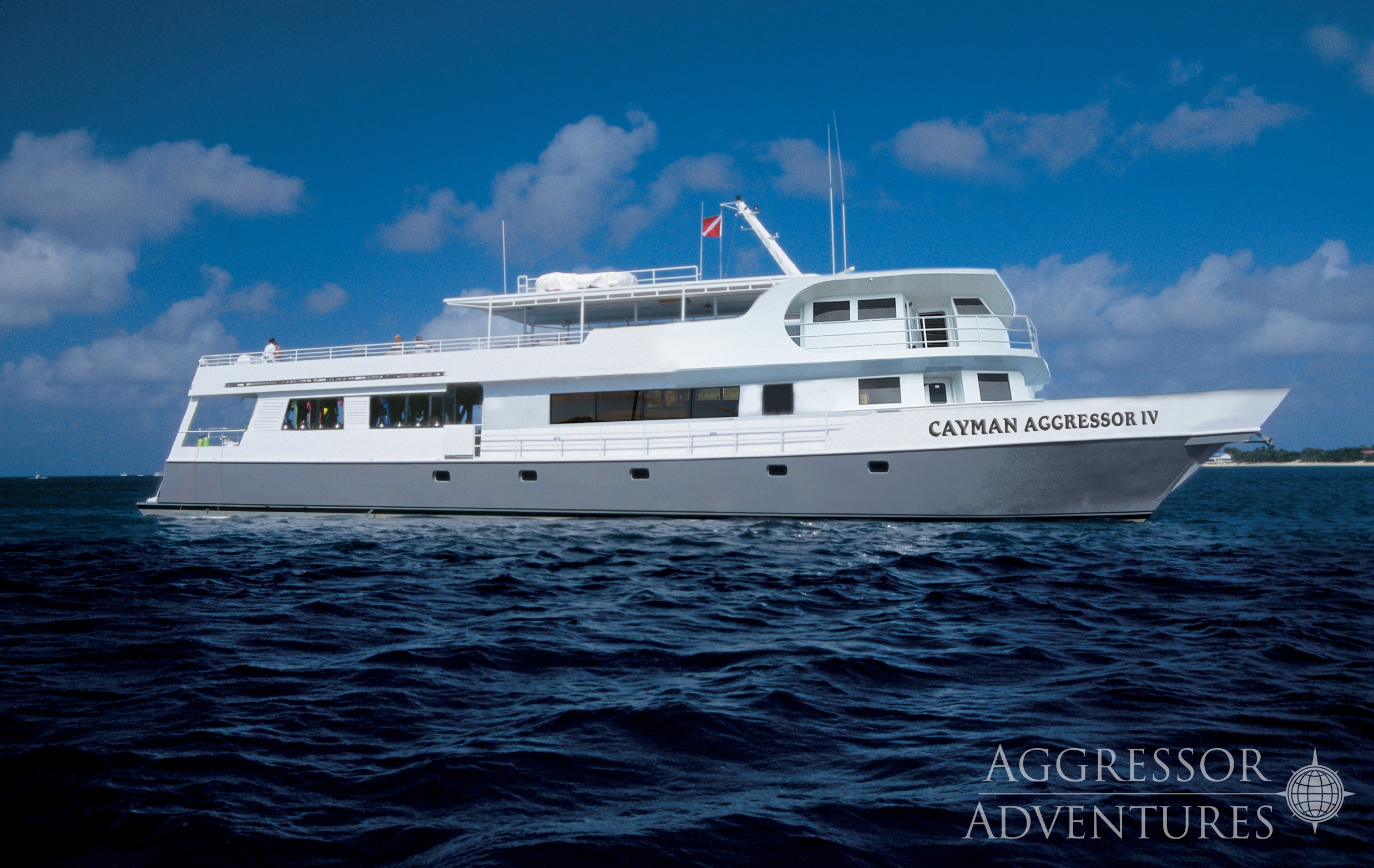
Cayman Aggressor IV
Cayman Islands
18 guests33 m
Dive sites similar to Great Wall East
Same character, same waters — six more sites divers love for the exact same reasons.Compare seasons, access and liveaboard routes — then pick the site that fits your trip best.
© Esri — Maxar, Earthstar, GIS
3 Fathom Wall
Cayman Islands
3 Fathom Wall is an exciting and fish-filled dive site located in the Cayman Islands, specifically at the intersection of the renowned Bloody Bay Wall.
- Suitable for
- Intermediate
- Current
- Mild
- Access
- Liveaboard only
- Depth
- ≤ 3000 m
- Theme
- Reef
While specific details for a dive site named "3 Riff" are not present in the provided sources, general diving conditions and characteristics for the Dominican Republic…
- Suitable for
- Advanced
- Current
- Mild
- Access
- Dayboat
- Depth
- 30–55 m
- Theme
- Reef
The dive site known as 3 Rocks is located off the coast of Sosúa in Puerto Plata, Dominican Republic, offering an accessible and lively underwater experience.
- Suitable for
- Beginner
- Current
- Mild
- Access
- Dayboat
- Depth
- 2–8 m
- Theme
- Reef
4 Amigos is a notable dive site located in the Bay Islands of Honduras, an area renowned for its extensive Mesoamerican Barrier Reef System, which is the world's second-longest.
- Suitable for
- Intermediate
- Current
- Moderate
- Access
- Liveaboard or dayboat
- Depth
- 9–40 m
- Theme
- Reef
© Esri — Maxar, Earthstar, GIS
6 Toed Cat
Mexico
The dive site known as "6 Toed Cat" is not a recognized dive location in Mexico; rather, it refers to the polydactyl felines, many with six toes, that inhabit the Ernest Hemingway Home and Museum in Key West, Florida.
- Suitable for
- Beginner
- Current
- Mild
- Access
- Liveaboard or dayboat
- Depth
- —
- Theme
- Reef
© Esri — Maxar, Earthstar, GIS
Aaron's Backyard
Honduras
Aaron's Backyard is a noted dive site within the Roatan Marine Park in Honduras, part of the extensive Mesoamerican Barrier Reef System.
- Suitable for
- Intermediate
- Current
- Moderate
- Access
- Liveaboard or dayboat
- Depth
- 9–40 m
- Theme
- Reef