About Deep cave
Air Cave is a distinctive natural formation located off the Kemer coastline in Turkey, renowned for its submerged passage that opens into a hidden, air-filled chamber. This site offers an extraordinary cave diving experience, where divers can surface within the earth's interior and observe unique geological features. The dive begins with a descent along the rocky Mediterranean reef, which introduces divers to the vibrant underwater landscape. The cave entrance is a wide opening in the rock face, adorned with sponges and marine growth, leading into progressively dimmer conditions. The highlight is the climactic air chamber, where the ceiling arches overhead and the water reflects torchlight. Inside, geological formations smoothed by ancient water flows and mineral stains reveal a world different from the exterior reef, with some areas suggesting parts of the cave were once above sea level. While the air within the chamber is breathable in theory, it is not fresh and should not be relied upon for extended use. Marine life within the cave's recesses includes small crustaceans, while the entrance zone supports shade-tolerant sponges, anemones, groupers, moray eels, and octopus. The Kemer coastline is a well-developed diving area, with local operators expertly guiding divers through this system, combining the unique cave with excellent reef diving opportunities.
Highlights
Underwater air chamberGeological rock formationsRocky coastline reefSponges and anemonesAdvanced cave divingMediterranean marine life
Season calendar
Best months to dive here
Jan
Feb
Mar
Apr
May
Jun
Jul
Aug
Sep
Oct
Nov
Dec
Excellent
Good
Dive site facts: Deep cave
- Depth
- Up to 12 m
- Current
- Mild to moderate
- Visibility
- 18–30 m
- Water temperature
- 16–30°C (seasonal)
- Entry
- Boat
- Level
- Advanced
- Dive type
- Cave, cavern, reef
- Region / port
- Kemer, Turkey
- Coordinates
- 36.4630° N, 29.1127° E
Conditions & Currents
Currents at Air Cave are generally mild to moderate, though conditions can vary. Divers should maintain excellent buoyancy control to avoid stirring up sediment within the confined cave space, which could significantly reduce visibility. Entry into the cave requires careful navigation, transitioning from bright sunlight to dimmer interior, demanding reliable dive torches. Awareness of the overhead environment is critical, and divers must be comfortable in enclosed spaces without direct surface access. The experience requires calm composure and specialized skills due to the overhead environment.
Marine life & sighting chances
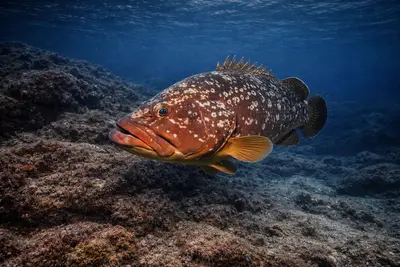
Groupers
common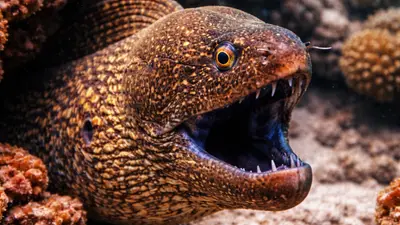
Moray eels
common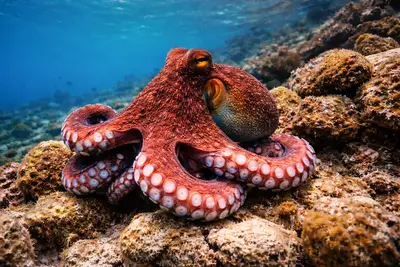
Octopus
common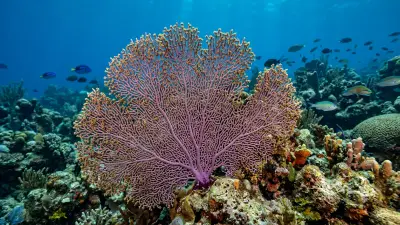
Sea fans
common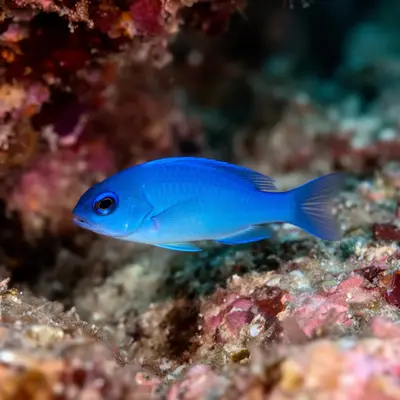
Damselfish
common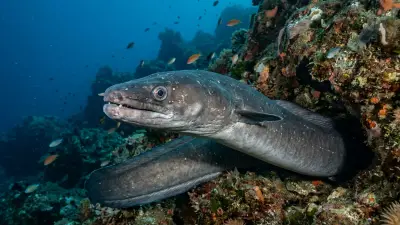
Conger eels
common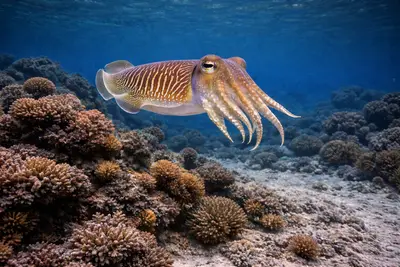
Cuttlefish
common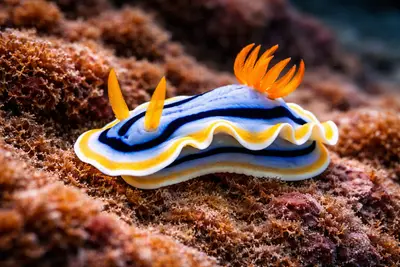
Nudibranchs
common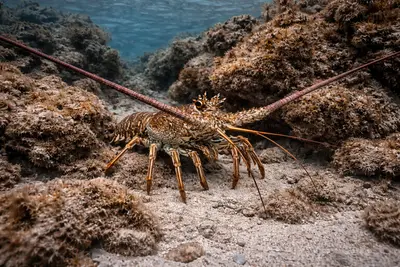
Lobsters
common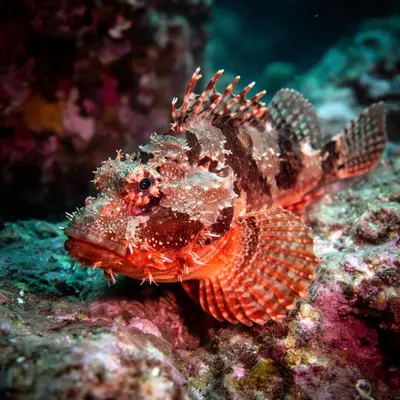
Scorpionfish
common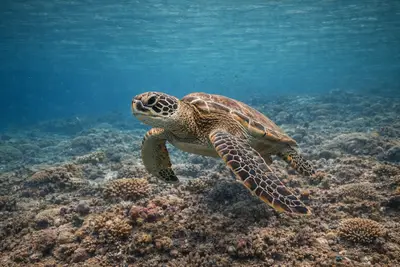
Green turtle
occasional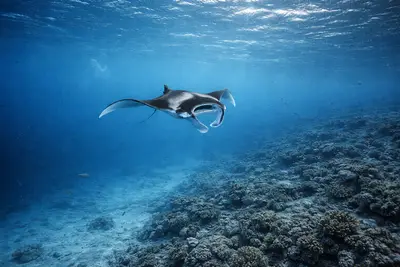
Manta Ray
rare
Reef shark
rare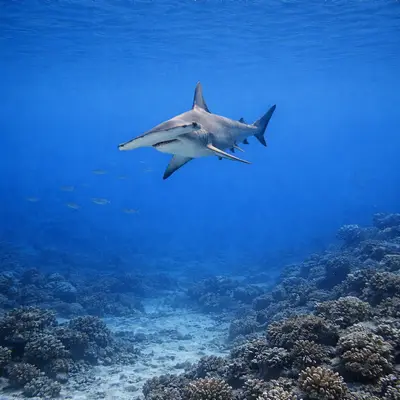
Hammerhead Shark
rareDive profile & how the dive runs
The dive to Air Cave begins with a descent along the rocky coastline, exploring the typical Mediterranean reef at modest depths. The cave entrance, appearing as a wide opening in the rock face, is typically found around 12 meters. Divers then transition into the progressively dimmer interior, following the passage deeper into the rock. The route leads to the unique air chamber where divers can surface inside. After experiencing the chamber, the dive reverses through the passage and concludes with an ascent back along the reef, with safety stops performed as needed in the clear open water outside the cave system.
Underwater photography
Air Cave presents unique photographic opportunities due to its distinct geological formations and the dramatic effect of the hidden air chamber. For wide-angle shots, a fisheye or wide-angle lens is ideal for capturing the scale of the cave entrance and the air chamber's interior, especially when illuminated by torchlight. Using strobes or continuous video lights is crucial to highlight the mineral deposits and rock textures that become vivid in the dark. Inside the cave, careful buoyancy control is paramount to avoid disturbing the silty bottom, which can quickly reduce visibility and ruin shots. When capturing the air chamber, consider the reflection on the water surface and how to balance artificial light with any ambient light filtering through the entrance. Focus on the unique shapes and patterns created by ancient water flow on the rock walls, and also the shade-tolerant marine life near the entrance.
Combine with nearby dive sites
- Pyramide Reef
A boat-accessed three islands reef near Tekirova with a canyon and mixed reef-and-wall terrain.
- Uc Adalar
A boat-dive area near Tekirova with reefs and caves.
- Three Islands
A Tekirova boat-diving cluster featuring reefs, caves, and wrecks.
- Paris
A historic French wreck off Kemer, accessed by boat.
Getting there & logistics
Air Cave is primarily accessed via local dive operators from the Kemer region, which is a developed diving area on Turkey's Mediterranean Riviera. Kemer is reachable via Antalya Airport (AYT), which serves as the main international gateway for this region. Dive trips are typically day boat excursions, often combined with other excellent reef diving along the Kemer coastline. There are no specific permits or fees mentioned for recreational diving at Air Cave itself, though standard operator fees apply. Trip lengths usually vary from single-day excursions to multi-day packages exploring several sites in the Kemer area.
Safety & environment
Diving at Air Cave requires advanced skills due to its overhead environment; divers must have excellent buoyancy control to prevent silting and maintain calm composure in enclosed spaces. A reliable dive torch is essential for navigation and illumination within the cave's darker sections. Although the air in the chamber is theoretically breathable, it is not fresh and should never be relied upon for extended breathing. For medical emergencies, the nearest recompression chamber is likely located in a major city like Antalya. Divers should ensure they have comprehensive dive insurance that covers cave diving and potential evacuation, as retrieval from an overhead environment can be complex. Always dive with experienced local guides who are intimately familiar with the cave system.
Who it suits — and who it doesn't
Suited for
- Advanced divers comfortable with overhead environments
- Divers with excellent buoyancy control
- Those seeking unique geological formations
- Photographers equipped for low-light environments
- Divers interested in combined reef and cave experiences
Less suited for
- Beginner divers or those without cave training
- Divers prone to claustrophobia
- Divers unwilling to carry primary and backup torches
- Those who struggle with buoyancy management
- Divers who expect extensive marine life inside the cave
FAQ
Deep cave FAQ
What makes Air Cave a unique dive site?
Air Cave is unique because it features an underwater passage leading into a hidden air-filled chamber where divers can actually surface. This allows for an extraordinary experience of being inside the earth, observing distinct geological formations and mineral deposits within a subterranean space.
What is the required diver experience level for Air Cave?
Air Cave is rated as an advanced dive due to its overhead environment. Divers must possess excellent buoyancy control, be comfortable in enclosed spaces, and have the specialized skills required for cave diving. It is not suitable for beginners or those without prior overhead environment experience.
Is the air in the chamber safe to breathe?
While the air in the chamber is theoretically breathable, it is not fresh and should not be relied upon for extended breathing. It is primarily for the unique experience of surfacing within the cave, not as a source of breathable air for prolonged periods.
What kind of marine life can be seen at Air Cave?
Within the cave, you might find small crustaceans adapted to low light. Near the entrance, where light penetrates, the transitional zone supports shade-tolerant sponges and anemones, as well as common Mediterranean species like groupers, moray eels, octopus, and damselfish.
What are the typical diving conditions at Air Cave?
Air Cave generally experiences mild to moderate currents. Visibility outside the cave can range from 18 to 30 meters, depending on the season and conditions, though it can decrease rapidly inside the cave if sediment is disturbed. Water temperatures vary seasonally, from 16°C in winter to 30°C in summer.
Why dive Deep cave from a liveaboard?
Deep cave is one of Turkey's signature dive sites. A liveaboard sleeps you on the water and puts you in the water for three to four guided dives per day, including dawn and night dives that day-boat operators rarely offer. You skip the daily commute back to port and reach quieter, less-crowded sites in the same region on a single trip.
Below are the liveaboards that include Deep cave on their Turkey itineraries.
Liveaboards diving Deep cave
These liveaboards may visit Deep cave on selected itineraries — the exact dive sites depend on departure, weather and conditions.
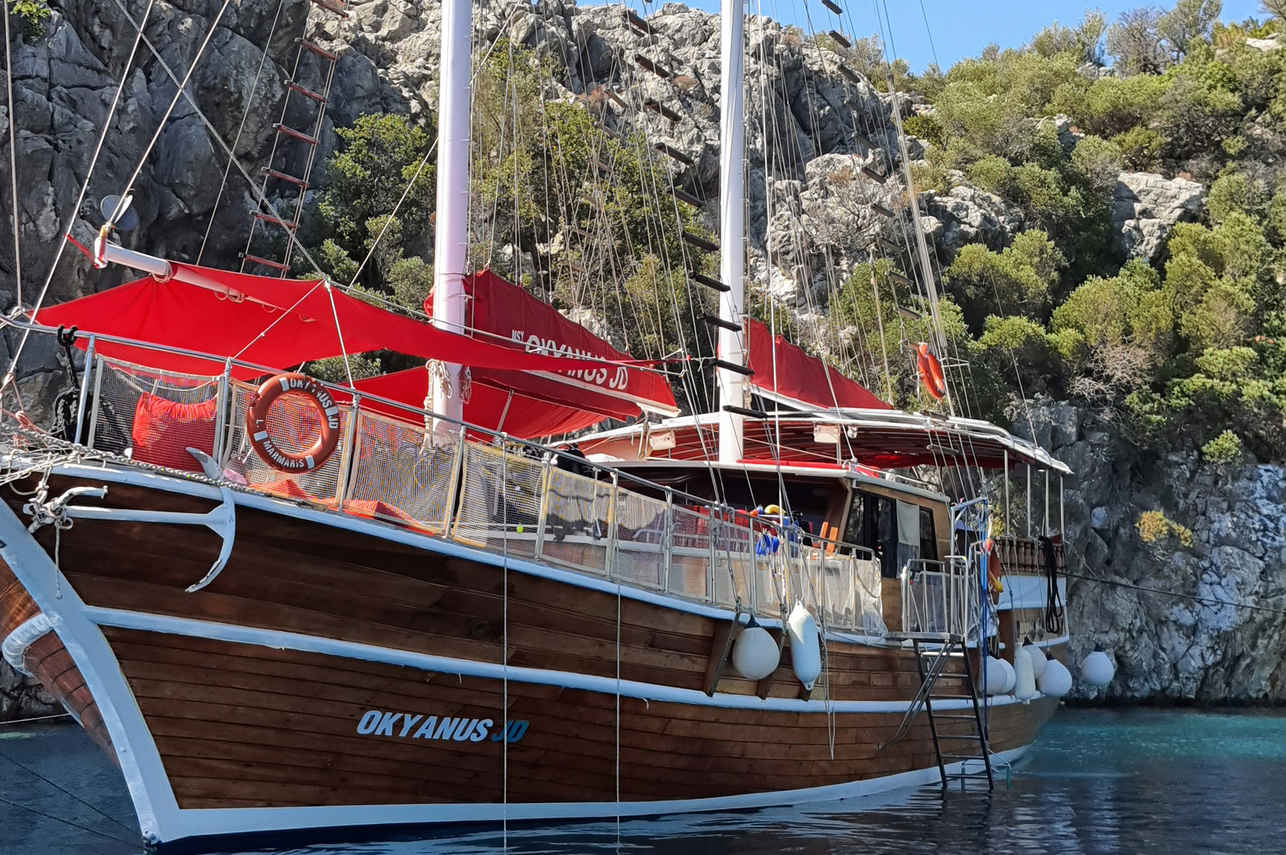
Okyanus JD
Turkey
12 guests24 m
$157/day
Dive sites similar to Deep cave
Same character, same waters — six more sites divers love for the exact same reasons.Compare seasons, access and liveaboard routes — then pick the site that fits your trip best.
Hidayet Koyu
Turkey
Hidayet Koyu is a well-known, sheltered bay located on the Kaş peninsula in Turkey, celebrated for its accessibility and vibrant marine ecosystem.
- Suitable for
- Beginner
- Current
- No current
- Access
- Liveaboard or dayboat
- Depth
- ≤ 32 m
- Theme
- Reef
Besmi Island
Turkey
Besmi Island, also known as Besmi Adası, is a challenging yet rewarding dive site located off Turkey's southwestern coast near Fethiye and southwest of Kaş.
- Suitable for
- Advanced
- Current
- Strong
- Access
- Dayboat
- Depth
- 4–60 m
- Theme
- Reef / Wall
Domuz Island
Turkey
Domuz Island, also known as Pig Island, is a celebrated dive destination nestled within the Göcek archipelago, part of Fethiye Bay.
- Suitable for
- Beginner
- Current
- Mild
- Access
- Dayboat
- Depth
- 5–15 m
- Theme
- Reef
Kızıl Island
Turkey
Kızıl Island, known locally as Kızılada, is a prominent dive site situated near Fethiye on Turkey's southwestern coast.
- Suitable for
- Intermediate
- Current
- Mild
- Access
- Dayboat
- Depth
- 8–40 m
- Theme
- Reef / Wall
Smugglers Bay
Turkey
Smugglers Bay, located near Bodrum in Turkey's Aegean Sea, is a beginner-friendly dive site renowned for its calm conditions and healthy marine environment.
- Suitable for
- Beginner
- Current
- Mild
- Access
- Dayboat
- Depth
- 3–35 m
- Theme
- Reef
Smagglers Bay
Turkey
Smagglers Bay, situated near Bodrum in Turkey's Aegean Sea, presents a beginner-friendly dive experience within a naturally sheltered environment.
- Suitable for
- Beginner
- Current
- Mild
- Access
- Dayboat
- Depth
- ≤ 30 m
- Theme
- Reef