Bahamas Liveaboard Diving

Liveaboards in the Bahamas

Bahamas liveaboard routes, seasons & prices

Quick Facts

Bahamas: quick facts for your diving trip

Liveaboards in our fleet
—
Typical dives per day
3–4depending on the itinerary
Starting prices per day
—
Best time to visit
November to May
Seasonal water temperature
24–29 °C
Main arrival airports
  • NASLynden Pindling International AirportMain gateway
  • FPOGrand Bahama International AirportGateway

Top marine life

Marine life recorded in these waters.

Top dive sites

The best-known dive sites in these waters.

Diving in the Caribbean: wrecks, walls and great hammerheads

A Bahamas liveaboard is the key to unlocking the secrets of this vast 700-island archipelago, offering an unparalleled variety of underwater experiences. From the legendary shark encounters of the north to the pristine, current-swept walls of the remote outer cays, this is where divers come for reliable, world-class pelagic action in crystal-clear water. The sheer scale of the region makes land-based operations limiting; a dedicated vessel is your ticket to the most exclusive sites and the true wildness of the islands.

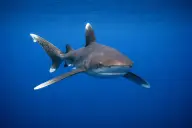
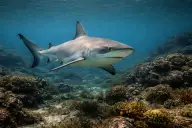
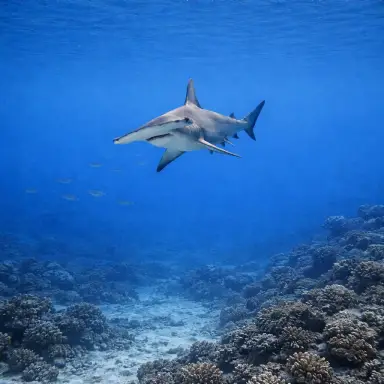
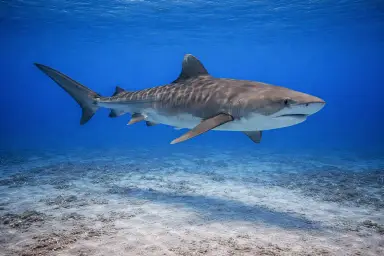
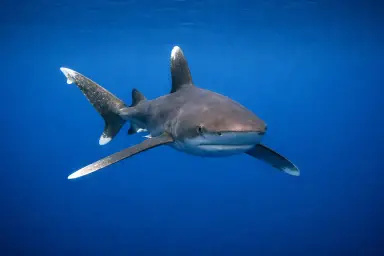
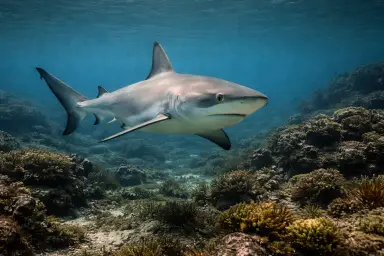
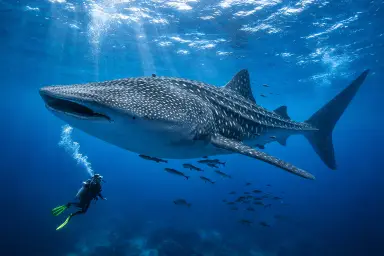
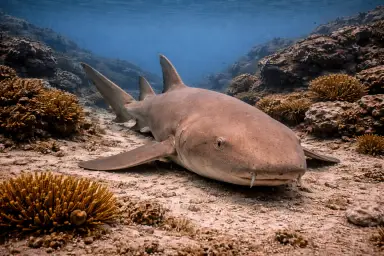
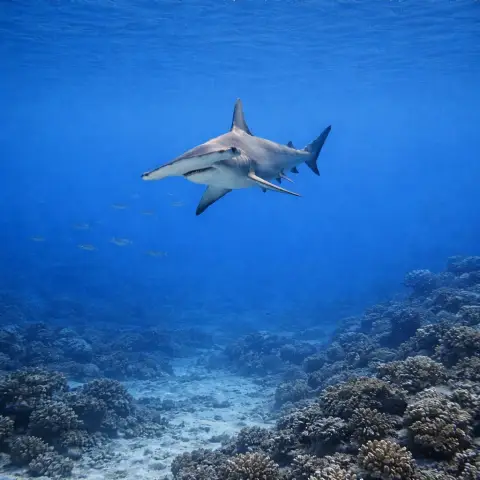
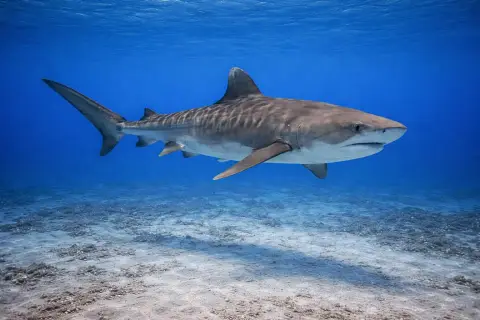
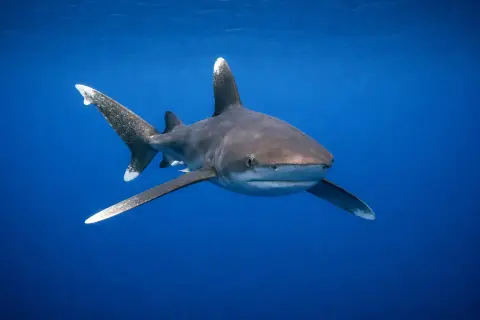
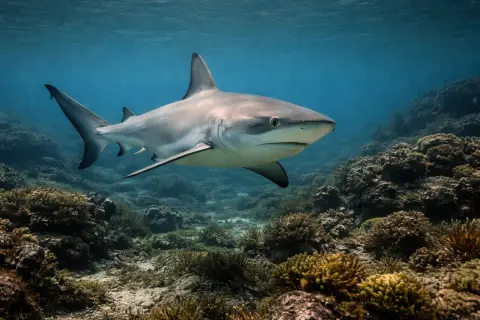
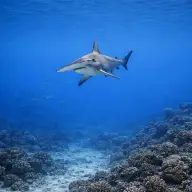
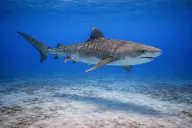
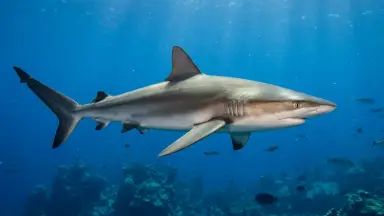
The conversation about Bahamas diving inevitably turns to sharks. The world-renowned Tiger Beach delivers consistent, intimate encounters with its namesake tiger sharks, plus lemon and Caribbean reef sharks. Further south, a journey through the Exuma Cays Land and Sea Park reveals vibrant reefs, exhilarating drift dives like the 'Washing Machine,' and walls plunging into the abyss. Depending on the itinerary and season, you might also see majestic great hammerheads off Bimini or elusive oceanic whitetips in the deep blue. These are consistently ranked among the best dive sites Bahamas has to offer.

Diving is excellent year-round, with water temperatures ranging from 24°C (75°F) in winter to a balmy 31°C (88°F) in summer, and visibility often exceeding 30 meters. While many species are present all year, specific encounters are seasonal. The prime time for great hammerheads in Bimini is from December to April, while oceanic whitetips are most reliably seen near Cat Island from April to June. The main Atlantic hurricane season runs from June to November, a factor to consider when planning.

A Bahamas liveaboard trip is surprisingly accessible, catering to certified divers of most levels. The iconic shark dives are often conducted in relatively shallow, calm water, prioritizing good buoyancy and a calm demeanor over advanced certifications
Why dive a liveaboard in the Bahamas

From legendary wrecks and thriving reefs to close-up encounters with iconic marine life, this destination offers the experiences divers dream about. Warm, clear waters and well-organized liveaboard routes make it easy to explore the best sites. These are the highlights that keep divers coming back year after year.

Shark capital

Tiger, hammerhead, and reef sharks in abundance

Blue holes

Mystical underwater sinkholes and cave systems

700 islands

Endless variety across pristine archipelago

Year-round diving

Warm waters and visibility up to 60 metres

Who a liveaboard in the Caribbean suits, and who it doesn't

Warm, clear and shark-focused: the Bahamas is the most accessible place to dive with big sharks in easy conditions.

Beginners

Open Water, from about 20 dives

Shallow reefs and coral gardens around Nassau and Grand Bahama sit in 10 to 20 metres with mild current and excellent visibility.

Matching areas:New ProvidenceGrand BahamaBimini

Advanced divers

Advanced, shark protocols and briefings

Baited Caribbean reef-shark dives at Shark Junction and tiger sharks at Tiger Beach demand disciplined buoyancy and strict position keeping.

Matching areas:Tiger BeachShark JunctionBimini

Deep and technical

Deep, Nitrox, cave and blue-hole diving

The Tongue of the Ocean wall drops into abyssal depth, and Andros holds famous inland and ocean blue holes — cave-certified territory, not recreational.

Matching areas:Tongue of the OceanAndros blue holesExuma

Photo and video

Wide-angle, shallow strong light

Tiger Beach shoots in roughly 5 to 10 metres of white sand and gin-clear water; wrecks around Nassau were used as film sets.

Matching areas:Tiger BeachNassau wrecksExuma Cays

Best time to dive in the Bahamas

Diving in the Bahamas is excellent all year, but conditions and marine life change with the seasons. The peak season from November to May offers calm seas, 30-meter visibility, and the best big shark action, with water temperatures around 24°C. Summer brings warmer water up to 31°C and lower prices but coincides with the Atlantic hurricane season from June to November.

👆 Click any month for detailed conditions
Excellent
Good
Off-Season

Nov – May (Peak)

Tiger sharks at Tiger Beach, hammerheads off Cat Island, best visibility up to 40m, calm seas.

Jun & Oct (Shoulder)

Reef sharks, nurse sharks, dolphins. Slightly rougher seas but still diveable.

Jul – Sep (Hurricane)

Many operators pause. If open, expect reduced visibility and unpredictable weather.

Underwater visibility

47m
(154ft)
30m
(98ft)
13m
(43ft)
Jan
Feb
Mar
Apr
May
Jun
Jul
Aug
Sep
Oct
Nov
Dec

Air & water temperature

35°C 29°C 22°C
24°
25°
24°
26°
25°
27°
26°
28°
27°
30°
28°
32°
29°
33°
29°
33°
29°
32°
28°
29°
26°
27°
25°
25°
Jan
Feb
Mar
Apr
May
Jun
Jul
Aug
Sep
Oct
Nov
Dec
Water
Air (Day)

Recommended wetsuit

5mm
5mm
5mm
5mm
3mm
3mm
3mm
3mm
3mm
3mm
5mm
5mm
Jan
Feb
Mar
Apr
May
Jun
Jul
Aug
Sep
Oct
Nov
Dec
3mm (warm)
5mm (moderate)
Wetsuit Guide

When to See What

Use this calendar as a guide: the highlighted months show when your chances are usually best. Wildlife follows its own rhythm, so sightings are never guaranteed, but we hope this makes planning a little easier.

Species
Jan
Feb
Mar
Apr
May
Jun
Jul
Aug
Sep
Oct
Nov
Dec
Great Hammerhead
Great Hammerhead
★
★
Tiger Shark
Tiger Shark
★
★
★
★
Oceanic Whitetip Shark
Caribbean Reef Shark
Whale Shark
Whale Shark
Nurse Shark
Nurse Shark
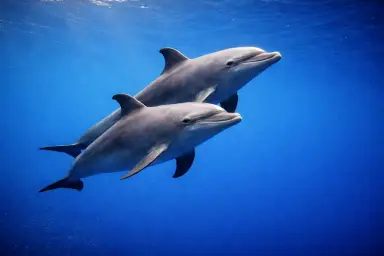
Bottlenose Dolphin
Bottlenose Dolphin
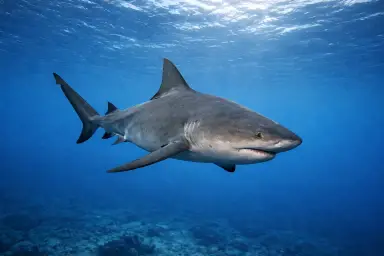
Bull Shark
Bull Shark
Lemon Shark
Lemon Shark
Silky Shark
Silky Shark
Eagle Ray
Eagle Ray
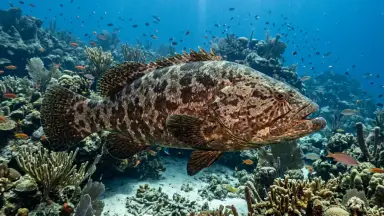
Goliath Grouper
Goliath Grouper
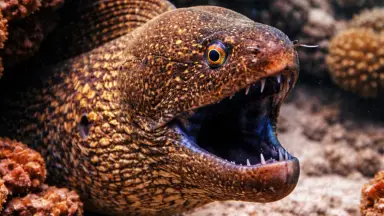
Moray Eel
Moray Eel
Barracuda
Barracuda
Green Turtle
Green Turtle
Nassau Grouper
Nassau Grouper
Best chancesPossible sightingsUnlikely

Tiger Beach and Shark Junction: the best dive sites in the Bahamas

A liveaboard is essential to access the Bahamas’ premier dive sites, which are spread across remote islands and open-ocean banks. Boats reach legendary spots like Tiger Beach, a shallow sand flat off Grand Bahama famous for its reliable tiger shark encounters. Other itineraries explore the vast Exuma Cays Land and Sea Park, home to thrilling drift dives like 'The Washing Machine' and pristine walls that are otherwise inaccessible.

© EsriSource: Esri, Maxar, Earthstar, GIS Community · Labels © Esri, HERE, Garmin, FAO, NOAA, USGS
1

Austin Smith Wreck

Intermediate
18–18m / 59–59ftBest: November–May24.9807°, -77.1921°

The Austin Smith Wreck, originally named HMBS Flamingo, was a 27 m (90 ft) Bahamian Defense Force cutter that was decommissioned in 1995. Intended for use as an artificial reef, it accidentally sank while being towed to its designated location in the Exuma Cays, coming to rest at a depth of 18 m (60 ft). Today, this site is a thriving artificial reef, easily accessible to divers looking for an engaging wreck experience. The wreck's structure is open, allowing for exploration and swim-throughs, all encrusted with diverse coral growth and sponges. The surrounding Bahamian waters are known for their exceptional clarity, providing high visibility for observing the wreck's inhabitants and features. The Austin Smith Wreck has become a magnet for marine life, drawing in various fish species and a notable population of Caribbean reef sharks. Divers frequently encounter nurse sharks, eagle rays, and sea turtles around the structure. The site is a dynamic ecosystem where colorful angelfish, snapper, grunts, and moray eels can be observed. This dive is often incorporated into Bahamas liveaboard itineraries, particularly those focusing on the Exuma Cays. It offers a comprehensive dive experience suitable for various skill levels, combining historical significance with abundant marine biodiversity in comfortable water temperatures.

90-foot Bahamian patrol vesselAccidentally sunk artificial reefOpen structures, swim-throughsCoral and sponge encrustedCaribbean reef sharksNurse sharks and eagle raysAccessible wreck depth
2

SS Sapona

Beginner
5–6m / 16–20ftBest: June–September25.0697°, -77.2621°

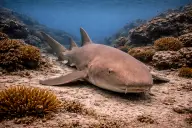
The SS Sapona is one of Bimini's most iconic dive sites, a concrete-hulled cargo steamer that ran aground during a hurricane in 1926. This unique ferro-cement vessel, originally built in 1911, was repurposed during the Prohibition era as a rum-running base and later served as target practice for the US Army Air Forces and Navy during WWII, adding to its compelling history. Today, the wreck sits in a remarkably shallow depth of 4.5 to 6 meters (15-20 feet), with significant portions still rising above the water's surface. This accessibility makes it an excellent site for divers of all levels, including beginners, as well as snorkelers. You can navigate through broken hull sections and peer into old storage rooms, experiencing the intertwining of history and marine life. Over the decades, the Sapona has transformed into a vibrant artificial reef, heavily encrusted with corals and sponges. It provides a sanctuary for various marine species, including schools of grunts and soldierfish, and often serves as a resting spot for nurse sharks beneath its stern. The wreck's exposed position and historical significance make it a distinctive landmark in Bimini.

Iconic concrete wreckProhibition-era historyShallow depth accessibilitySwim-through opportunitiesAbundant reef fish schoolsResting nurse sharksVisible from surfaceUnique photography subject
3

Twin Sister Wrecks

Intermediate
13–30m / 43–98ftBest: The Twin Sister Wrecks are accessible…24.9797°, -77.2591°

The Twin Sister Wrecks offer a compelling paired wreck dive experience off New Providence, presenting two small tanker hulls that rest at differing depths. These wrecks are renowned for their clear waters and prominent deck openings, allowing divers to peer into and even navigate through the holds, providing an engaging exploration opportunity. This site uniquely combines the allure of wreck diving with a thriving artificial reef environment. Expect to encounter a steady flow of sharks and various fish species congregating around the structures. The topography allows for a blend of depths, with one wreck situated at 13 meters and the other reaching 30 meters, catering to different experience levels. Diving here requires precise buoyancy control, careful gas management, and thoughtful route planning, especially when considering the deeper wreck and potential penetration. The consistent structure and clear conditions make it an appealing destination for divers seeking both history and vibrant marine encounters in the Bahamas.

Paired tanker wrecksClear-water divingLarge deck openingsArtificial reef growthShark encountersVaried depth profilesSteady marine traffic
4
10–60m / 33–197ftBest: November–May24.9617°, -77.2931°

Cousteau's Blue Hole, located on Andros Island, is an inland blue hole known for its distinctive light effects created by sun rays entering its wide opening. This site is part of the extensive network of blue holes found throughout the Bahamas, particularly concentrated on Andros, often referred to as 'the holy grail of blue hole diving.' Blue holes are vertical underwater caves formed over millennia as rainwater dissolved limestone, offering a glimpse into ancient cave systems. The site features interconnected chambers and passages, making it a captivating site for exploration. While the main shaft is accessible for advanced divers, horizontal tunnels extending from it require technical cave diving certification. The entrance is a hole in the ground, approximately 6.1 m (20 ft) above the water, necessitating a giant stride entry. Below the surface, divers may encounter a hydrogen sulfide layer before reaching clearer depths, along with a halocline where fresh and saltwater mix, creating a shimmering visual effect. Diving in inland blue holes like Cousteau's is protected from wave action, offering consistent conditions. Water clarity can vary; surface layers might be murky from decaying vegetation, but deeper sections are typically crystal clear, with visibility potentially exceeding 61 m (200 ft) in some Bahamian blue holes. Water temperatures remain warm year-round, generally between 24-29°C (75-84°F). Cousteau's Blue Hole offers a distinct challenge and reward for divers seeking unique subterranean exploration, requiring careful attention to equalization during rapid descents. Its remote and pristine nature adds to the adventure, making it a truly remarkable dive experience.

Unique light effectsInterconnected chambersTechnical cave diving accessGiant stride entryHalocline effectsRemote, pristine locationVertical shaft exploration

Bucket-list dives worth booking early

A Bahamas liveaboard trip is defined by its iconic big animal encounters, which are some of the best in the world. The key experience is diving cage-free with tiger sharks in the crystal-clear shallows of Tiger Beach or witnessing the great hammerhead migration off Bimini from December to March. Many itineraries, particularly in the Exuma Cays, also include a unique topside visit to swim with the famous pigs of Big Major Cay.

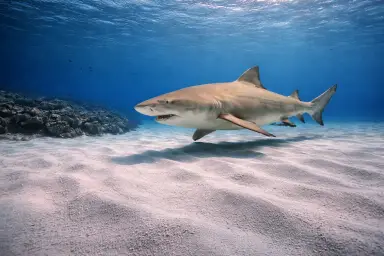
Underwater view of the dive site Tiger Shark Encounters in the Bahamas
1
October – January

Tiger Beach, Grand Bahama

Experience heart-pounding encounters with majestic tiger sharks at Tiger Beach, one of the world's premier shark diving destinations with crystal-clear visibility.
Read more
Underwater view of the dive site Swimming with Oceanic Whitetips in the Bahamas
2
March – June

Cat Island

Encounter the legendary oceanic whitetip sharks in the deep blue waters of Cat Island – once the most abundant large predator on Earth, now a rare and humbling sight.

Read more
Underwater view of the dive site Blue Hole Diving in the Bahamas
3
Year-round

Long Island

Descend into the mysterious Dean's Blue Hole and underwater cave systems of the Bahamas, exploring ancient stalactite formations created during the Ice Age.

Read more
Underwater view of the dive site Hammerhead Migration in the Bahamas
4
December – March

Bimini

Witness schools of great hammerhead sharks congregating in the shallow waters of Bimini during their annual winter migration – an electrifying spectacle.

Read more
Bahamas Liveaboard Diving

Above water: climate, shore trips and extra costs

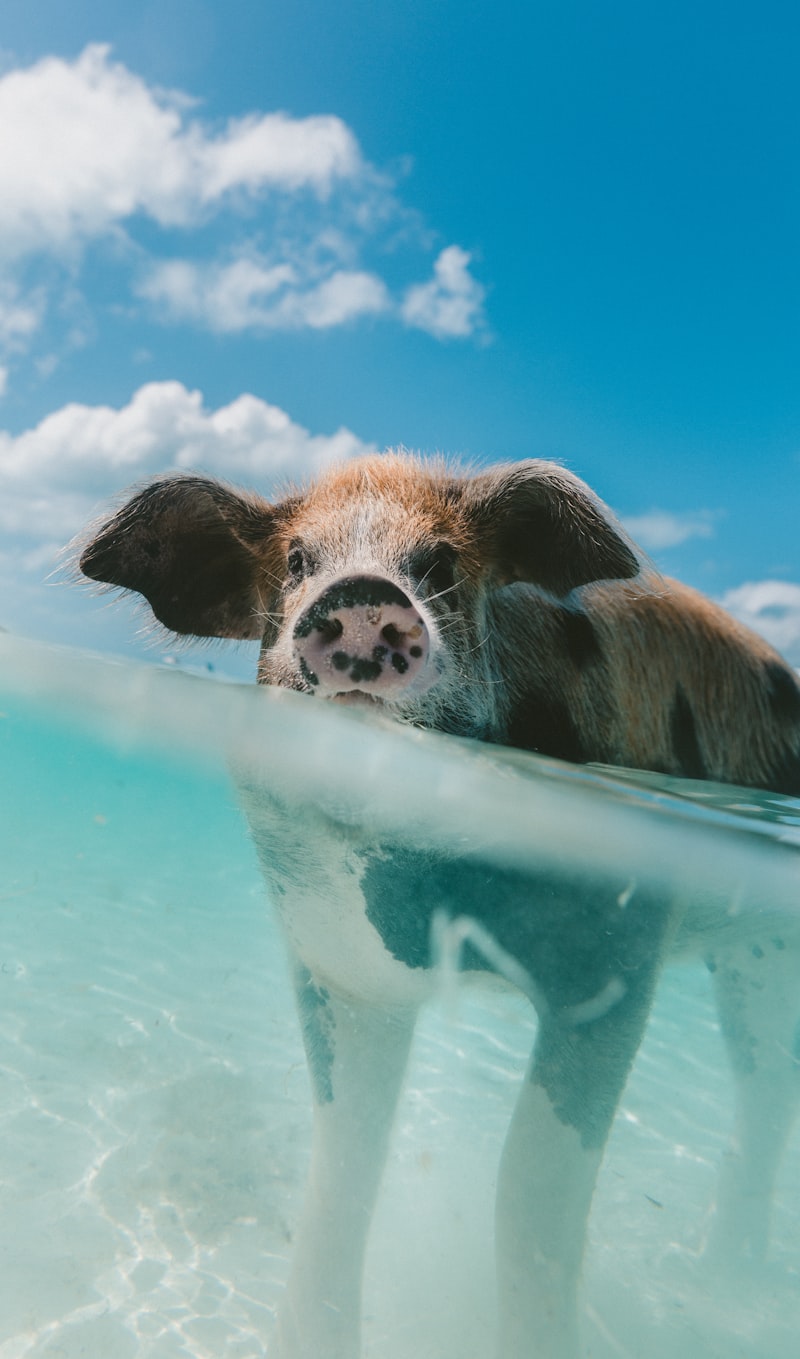
Beyond the dive deck, a Bahamas liveaboard often includes unique topside excursions that highlight the beauty of the 700 islands. Trips through the Exuma Cays famously stop for a swim with the friendly pigs on Big Major Cay, a memorable photo opportunity. For those extending their stay, it's possible to explore the stunning pink sand beaches of Harbour Island or see the dramatic Glass Window Bridge on Eleuthera.
Swimming Pigs of Big Major Cay

Swimming Pigs of Big Major Cay

The world-famous swimming pigs of Exuma have become a Bahamian icon. Wade into the turquoise shallows as friendly pigs paddle up to greet you—a surreal and unforgettable experience that perfectly captures the islands' laid-back charm.

Thunderball Grotto

Thunderball Grotto

This underwater sea cave near Staniel Cay gained fame in two James Bond films. Snorkel through the entrance at low tide and emerge into a cathedral of light where sunbeams pierce through rock openings, illuminating schools of tropical fish.

Pink Sand Beaches of Harbour Island

Pink Sand Beaches of Harbour Island

Stretching three miles along Harbour Island's eastern shore, this beach owes its rosy hue to microscopic coral fragments mixed with white sand. Consistently ranked among the world's most beautiful beaches, it's a photographer's paradise.

Glass Window Bridge

Glass Window Bridge

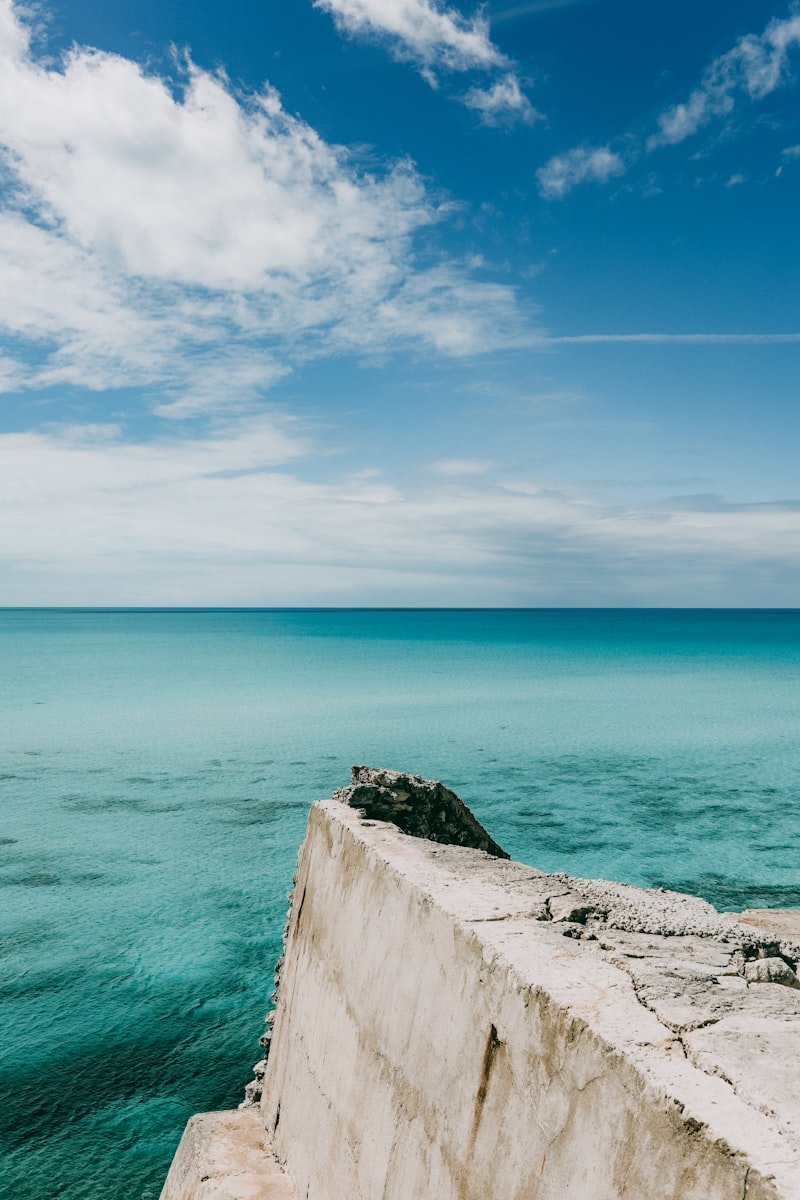
A narrow land bridge on Eleuthera where the dark blue Atlantic crashes against rocks on one side while the calm, turquoise Caribbean Sea laps gently on the other—nature's most dramatic contrast captured in a single breathtaking view.

What a liveaboard in the Bahamas costs

The calendar below shows how liveaboard prices shift month by month, so you can see exactly when your money goes furthest. We want every diver to get the best possible value, which is why we highlight the seasons that balance great conditions with the fairest rates.
The Bahamas is a premium liveaboard destination, generally more expensive than Caribbean or Red Sea alternatives. Prices fluctuate with the season, with the summer months from May to October offering lower rates, while peak shark-encounter months are priced higher. Your final cost will also depend on the vessel, with options ranging from authentic budget sailing yachts to premium catamarans.

$350–$600

per day liveaboard

$150–$250

per 2-tank dive trip

$200–$400

hotel per night

Prices reflect typical costs for mid-range to premium options. Budget alternatives may be available.

Getting to Nassau and Freeport: flights and transfers

Getting to your Bahamas liveaboard is straightforward, with two main gateways: Nassau (NAS) for Exuma trips and Freeport (FPO) for Tiger Beach. Lynden Pindling International Airport (NAS) receives direct flights from Miami, New York, London, and Toronto, while Freeport is easily reached from Fort Lauderdale. Citizens of the US, Canada, UK, and EU typically do not need a visa for tourist stays, and airport-to-marina transfers are short.

Insider tips

🚢

Book early for peak season – Liveaboards fill up 6-12 months ahead

🍽️

September offers best deals – Lowest prices but monitor weather forecasts

🚢

Consider land-based diving – Day trips from Nassau are more affordable than liveaboards

✈️

Fly midweek – Tuesday & Wednesday flights often 15-25% cheaper

🤿

Compare Nassau vs. outer islands – Better rates but more limited dive options

🎒

Bring your own gear – Rental equipment fees add up quickly over a multi-day trip

Getting there

Lynden Pindling International Airport

Nassau • NAS

Main gateway with direct flights from Miami, New York, Atlanta, Toronto, London

Grand Bahama International Airport

Freeport • FPO

Gateway for Grand Bahama diving, flights from Miami and Fort Lauderdale

Entry requirements

Citizens of the US, Canada, UK, EU, and many other countries do not require a visa for stays up to 90 days. A valid passport with at least 6 months validity is required. All visitors must complete the Bahamas Health Travel Visa online before arrival.

This information is provided without guarantee. Please visit the official website for the latest entry requirements.

Official Immigration Information →

Frequently asked questions about liveaboards in the Bahamas

How much does a Bahamas liveaboard cost in 2027?
While 2027 trip prices vary by boat and itinerary, you should also budget for on-board expenses. It's customary to tip the crew around 15% of your trip price in cash USD. Also, plan for extras like nitrox, which can be … per week, and any alcoholic drinks you might enjoy.
When is the best time for a Bahamas liveaboard trip?
The Bahamas offers great diving year-round, but the best time depends on what you want to see. The high season from November to May offers calmer seas and peak visibility, while the warmer months from June to October are ideal for spotting oceanic whitetips. The shoulder months of April-May and October-November often provide the best balance.
What sharks can I see on a Bahamas liveaboard?
The Bahamas is world-famous for its reliable and diverse shark encounters. On a liveaboard, you can expect to see legendary tiger sharks at Tiger Beach, great hammerhead aggregations off Bimini, oceanic whitetips at Cat Island, and numerous Caribbean reef sharks.
Is it safe to dive with so many sharks in the Bahamas?
Yes, Bahamian shark encounters are very well-managed and have an excellent safety record. Dives are heavily regulated and led by experienced shark handlers, with divers typically observing passively from a kneeling position. These strict protocols ensure a safe and respectful interaction for both divers and sharks.
What should I pack for a Bahamas liveaboard?
For your dives, pack a 3mm full wetsuit for the cooler months (Nov-Apr), while a skin or shorty is fine for summer. Don't forget to bring enough cash USD for crew tips and port fees. For photographers, a wide-angle lens is essential to capture the amazing shark action.
Why is a liveaboard the best way to dive the Bahamas?
The Bahamas' best dive sites are spread across a vast 800-kilometer archipelago. A liveaboard is the only practical way to reach and combine these far-flung locations, like Tiger Beach, the Exumas, and Cat Island, in a single trip. You'll wake up at a new world-class dive site each day without wasting time on daily boat transfers.
What's the best time to see great hammerheads in the Bahamas?
To maximize your chances of seeing the famous great hammerhead aggregations off Bimini, you should plan your trip for the winter months. The season runs from December to March, with encounters typically peaking in February. This is a truly legendary wildlife experience.

The Bahamas compared with other liveaboard destinations

Honest, in-depth comparisons to help you decide between destinations, certifications, equipment and dive styles.

Liveaboard vs Land-Based Diving: Which Trip Is Right for You?

Choosing between a liveaboard and a land-based dive trip is the most fundamental decision divers face when planning a serious diving holiday. The right answer depends on your priorities: maximum dive count and access to remote sites favor liveaboards; beach time, family flexibility and lower cost favor land-based resorts. Both formats have evolved significantly in the last decade, and the line between them has blurred — luxury dive resorts now offer multi-day expedition trips, while many liveaboards include topside excursions and even spa days. This guide compares the two formats across every meaningful dimension: cost per day, dives per day, marine life access, comfort, social dynamics, family-friendliness, and travel logistics. We'll also cover the hybrid models (resort + day-charter, or 'safari boat' itineraries) that try to capture the best of both worlds. If you're certified, in love with diving and want to maximize bottom time, a liveaboard is almost always the better choice — you can clock 25+ dives in a week and reach sites no day boat can. If you're traveling with non-divers, prefer land-based comfort, or want flexibility to take days off, a resort wins. We'll get into all the nuances below.

Read comparison

Turks & Caicos vs. Bahamas: Your Ultimate Liveaboard Dive Showdown

Choosing between the Turks & Caicos and the Bahamas for your next liveaboard dive adventure can be a delightful dilemma. Both archipelagos boast crystal-clear Caribbean waters, abundant marine life, and world-class dive sites, yet they offer distinct experiences tailored to different preferences and skill levels. Blue Rides is here to help you navigate these vibrant destinations, ensuring you pick the perfect liveaboard for your underwater dreams. From the dramatic walls of the Turks & Caicos to the shark-filled waters and blue holes of the Bahamas, each destination promises unforgettable encounters. We'll delve into the specifics, comparing everything from the best time to visit and the marine species you're likely to encounter, to the practicalities of trip length, pricing, and accessibility. Whether you're a seasoned diver seeking thrilling drifts or a newer enthusiast looking for vibrant reefs, understanding these differences is key to planning your ideal liveaboard trip.

Read comparison

Beyond the Limits: Recreational vs. Technical Diving Explained

Scuba diving opens up a breathtaking world hidden just beneath the surface, an activity enjoyed by millions globally. For the vast majority, this means recreational diving. Governed by agencies like PADI and SSI, recreational diving is defined by its limits: no deeper than 40 meters (130 feet), always having a direct path to the surface, and staying within no-decompression limits. This framework allows divers to explore vibrant coral reefs, shipwrecks, and kelp forests with relatively simple equipment and training, focusing on enjoyment and safety within a well-established comfort zone. On the other end of the spectrum lies technical (or tec) diving. Often seen as the 'extreme sport' of the scuba world, tec diving is explicitly about going beyond recreational limits. This means diving deeper than 40 meters, planning for mandatory decompression stops on ascent, or penetrating far into overhead environments like caves or complex wrecks. Agencies such as Technical Diving International (TDI), Global Underwater Explorers (GUE), and PADI's TecRec arm provide the highly specialized training required for these demanding dives. The fundamental difference is one of philosophy. Recreational diving prioritizes risk avoidance by staying within strict, pre-defined boundaries. Technical diving, in contrast, is about risk mitigation. Tec divers intentionally plan to enter situations that would be emergencies for recreational divers, but they do so with extensive training, meticulous planning, redundant equipment systems, and specialized breathing gases. It's a calculated approach to exploring environments that are otherwise inaccessible. This distinction isn't just about numbers and gear; it’s about mindset and motivation. While a recreational diver might be thrilled by the colorful reefs of the Red Sea, a technical diver might be drawn to the challenge of exploring a deep, historic wreck like the Britannic off the coast of Greece. Understanding the differences in limits, equipment, training, and risk is crucial for any diver considering where their underwater journey might lead next.

Read comparison
Plan your trip

Ready to dive?

Explore our expedition vessels and find your perfect trip to Bahamas