What diving with orcas is actually like
You do not go diving with orcas. You get dropped, on snorkel, into water somewhere between 2 and 8 degrees C, in front of a moving pod, and you have perhaps forty seconds before they have passed. Then the boat picks you up, repositions, and you do it again. A good day is six or eight of those drops; a bad day is none.
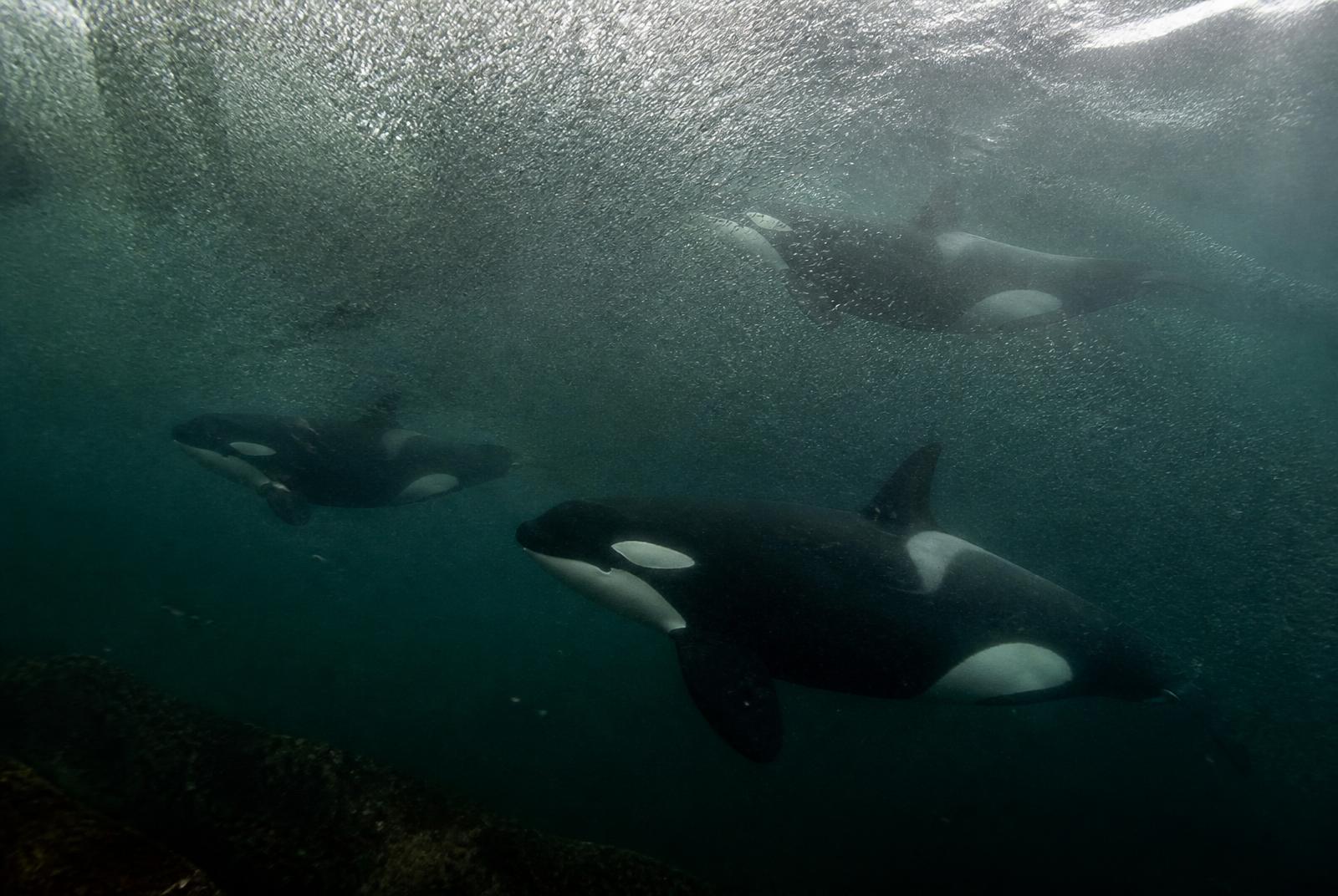
When it works, the scale rearranges your sense of things. A mature bull is nine metres long and six tonnes, with a dorsal fin taller than you are, and he will pass close enough that you hear the clicks and whistles through your hood. Orcas look at you. Whale sharks ignore you, mantas tolerate you, but an orca turns its head, tracks you with an eye, and makes an obvious decision about whether you are interesting.
In Norway the encounter usually happens inside a carousel feed: the pod herds herring into a tight ball against the surface, then stuns them with tail slaps. You are in a silver blizzard of fish with black-and-white shapes cutting through it, in half-light, in November.
It is physically the hardest wildlife encounter in this guide. Not because of the animals, but because of the cold, the sea state, the darkness and the repeated in-and-out over a long day.
Is it safe, and is it legal?
There has never been a recorded fatal attack by a wild orca on a human. Wild pods have specialised diets - some eat only fish, some only marine mammals - and humans do not register as prey for either. The animals are, however, entirely capable of hurting you by accident, which is why every credible operator runs snorkel-only, boat-controlled drops rather than free swimming among a pod.
Legality varies sharply. Northern Norway is the main place where in-water encounters are openly run by licensed operators, under national whale-watching guidelines that regulate how boats approach and where people may enter the water; those rules have been tightened repeatedly as the fleet grew. In Australia at Bremer Bay, in-water encounters are not permitted and the experience is surface-based. In New Zealand, swimming with orcas is prohibited under the Marine Mammals Protection Regulations. In Antarctica, IAATO guidelines govern approach distances and in-water activity is at expedition-leader discretion and rarely offered.
Practical takeaway: if an operator promises guaranteed in-water orca time anywhere outside Norway, treat the promise as a warning sign and check the local regulations yourself before you book.
Where to see orcas: destinations compared
Only one of those is a bookable in-water product with a real success rate, and that is northern Norway. Everything else is either surface-based by law or a matter of luck on a trip you booked for another reason.
| Destination | Season | Water temp | In-water? | What you see |
|---|---|---|---|---|
| Skjervoy & Tromso, Norway | Nov-Jan | 4-8 °C | Yes, snorkel, licensed operators | Herring carousel feeding, often with humpbacks |
| Bremer Bay, Australia | Jan-Apr | 16-19 °C | No, surface only | Large predatory aggregations on the continental shelf |
| Baja California, Mexico | Jan-Apr | 18-22 °C | Occasionally, opportunistic | Orcas hunting mobula rays and dolphins |
| Antarctic Peninsula | Dec-Mar | -1 to 2 °C | Rarely, expedition discretion | Type B pack-ice orcas hunting seals |
| False Bay & Gansbaai, South Africa | May-Aug | 13-17 °C | No | Surface sightings; the pair known for hunting white sharks |
| Galapagos | Jun-Nov | 17-22 °C | Chance encounter while diving | Transient pods, unpredictable |
Skjervoy & Tromso, Norway
Season: Nov-Jan
Water temp: 4-8 °C
In-water?: Yes, snorkel, licensed operators
What you see: Herring carousel feeding, often with humpbacks
Bremer Bay, Australia
Season: Jan-Apr
Water temp: 16-19 °C
In-water?: No, surface only
What you see: Large predatory aggregations on the continental shelf
Baja California, Mexico
Season: Jan-Apr
Water temp: 18-22 °C
In-water?: Occasionally, opportunistic
What you see: Orcas hunting mobula rays and dolphins
Antarctic Peninsula
Season: Dec-Mar
Water temp: -1 to 2 °C
In-water?: Rarely, expedition discretion
What you see: Type B pack-ice orcas hunting seals
False Bay & Gansbaai, South Africa
Season: May-Aug
Water temp: 13-17 °C
In-water?: No
What you see: Surface sightings; the pair known for hunting white sharks
Galapagos
Season: Jun-Nov
Water temp: 17-22 °C
In-water?: Chance encounter while diving
What you see: Transient pods, unpredictable
Norway: the herring hunt, and why it moves
Each winter, Norwegian spring-spawning herring overwinter in the fjords of the north, and orcas and humpbacks follow them in. Operators work out of Skjervoy, Tromso and increasingly further north and east, because the herring have shifted their wintering grounds several times in the past two decades - from Tysfjord to Andfjord to the Skjervoy area - and the whales moved with them.
The season is short and dark. November to mid-January is the window; in December there are only a few hours of usable twilight per day at 70 degrees north, which is beautiful and brutal in equal measure. Late October to November gives you more light and slightly calmer seas; December and January give you the strongest concentrations and the polar-night blue.
Two formats exist. Day boats out of Skjervoy or Tromso are cheaper and let you sleep in a heated cabin ashore. Small live-aboard sail boats and expedition vessels stay with the whales, get on the water at first light, and dramatically increase drop count - which is the only number that matters.
Realistic expectation for a five-day trip in season: whales on most days, in-water drops on several of them, and one or two genuinely close encounters. Anyone selling more certainty than that is selling weather they do not control.
Orca encounters are strictly seasonal and follow prey. The calendar shows the productive months in each destination - only Norway offers regular in-water snorkelling.
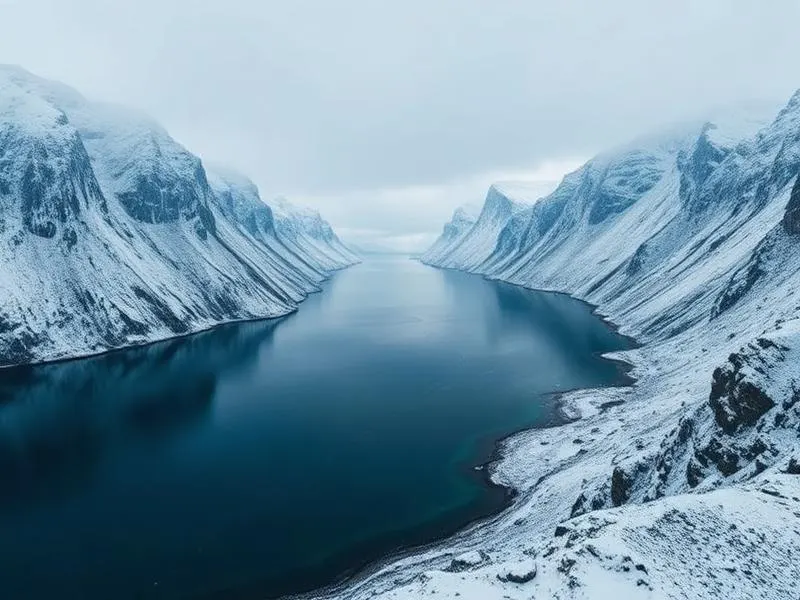
Skjervøy & TromsøNorway
The only reliable in-water orca destination: snorkel drops on herring carousel feeds, humpbacks included.
No liveaboards available
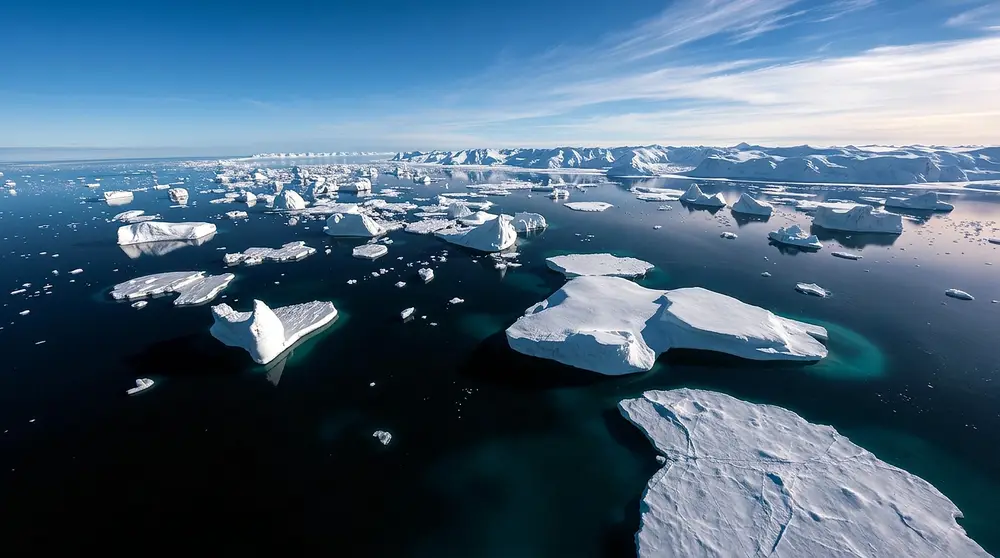
Antarctic PeninsulaAntarctica
Type B pack-ice orcas wave-washing seals; surface encounters from expedition vessels.
Bremer BayAustralia
The largest known aggregation in the southern hemisphere - surface viewing only, no swimming.
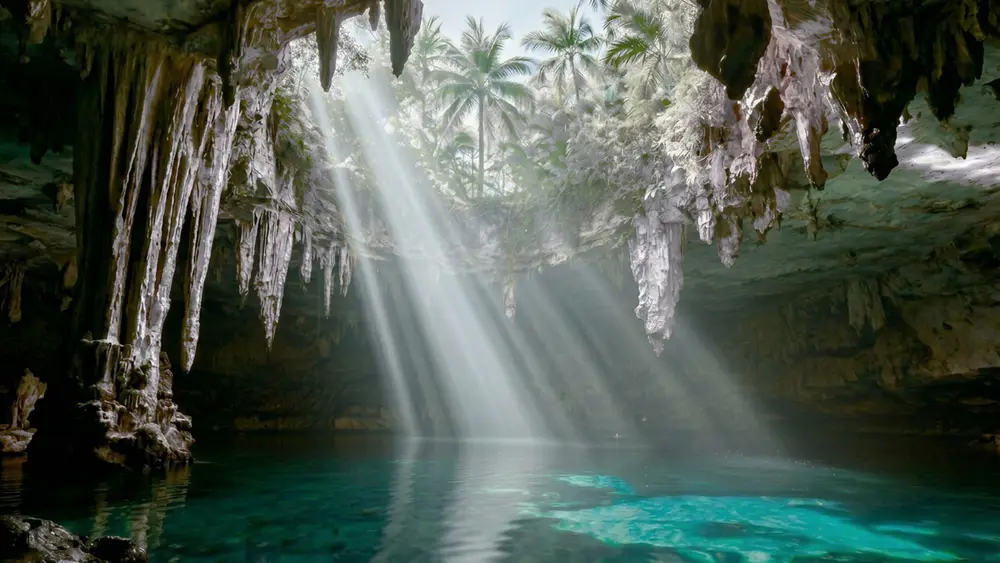
Baja CaliforniaMexico
Transient pods hunting mobula rays and dolphins in the Sea of Cortez; encounters are opportunistic.
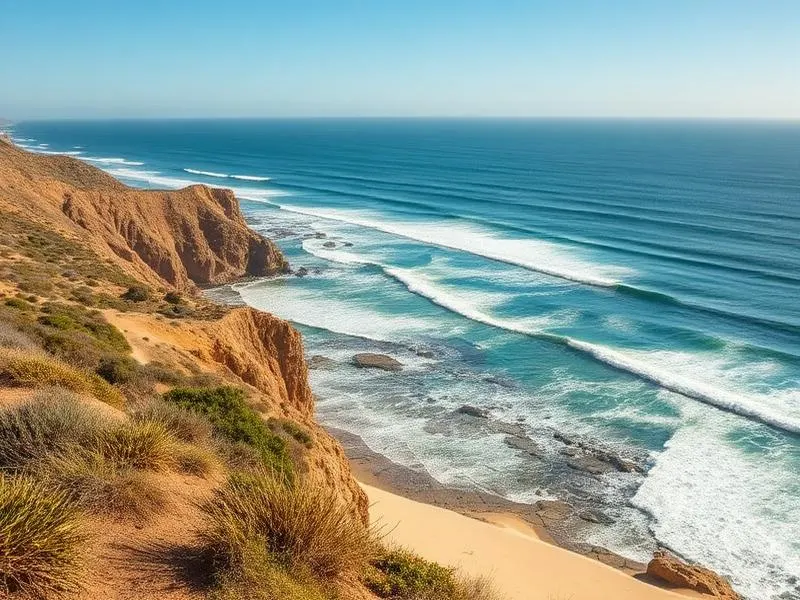
False Bay & GansbaaiSouth Africa
Surface sightings of the pair that changed white shark behaviour along this coast.
No liveaboards available
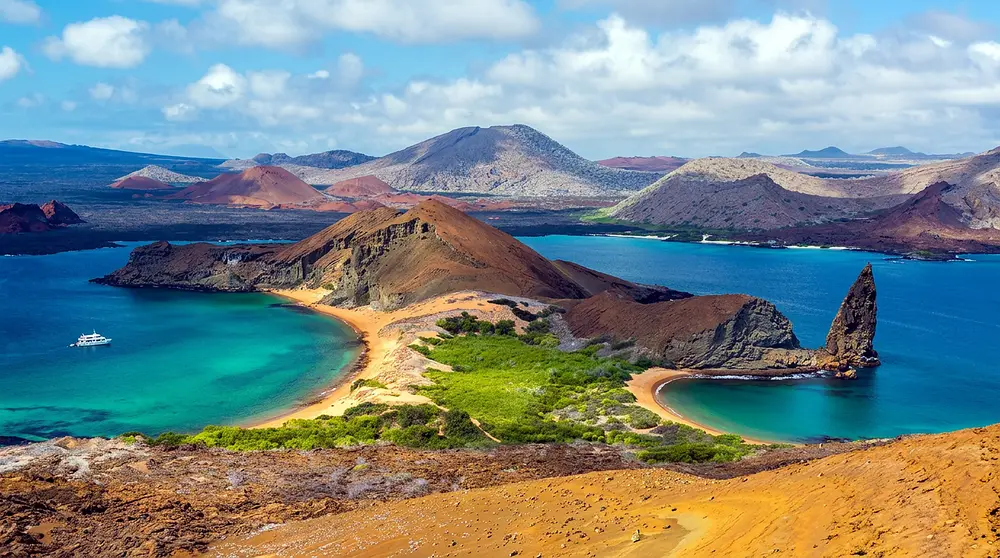
GalápagosGalapagos
Rare transient pods encountered while diving - a bonus, never a plan.
When to go: month by month
November is the sweet spot in Norway: whales already in the fjords, four to five hours of usable light, and prices below the December peak.
December to mid-January is the peak concentration and the polar night. Expect two to three hours of blue twilight, the best feeding action, the highest prices, and the roughest weather.
January to April moves the action south: Bremer Bay's aggregation builds on the Australian shelf, and Baja orcas hunt mobula rays in the Sea of Cortez.
December to March is Antarctic season, where orcas are a near-certain sighting from the ship and an extremely rare in-water encounter.
May to August is the South African window, entirely surface-based.
Why it is snorkel only, never scuba
Bubbles are the first reason. Orcas are acoustically sophisticated and a scuba exhaust is a loud, alien noise; pods reliably move away from divers on open circuit. Every operator who has tried it reports the same thing.
Mobility is the second. The encounter is a series of fast drops in front of moving whales, and you need to be in and out of a boat within seconds, repeatedly, in a swell. A dive rig makes that slow and dangerous.
Depth is the third: there is no reason to be deep. The action happens in the top five metres where the herring ball is pinned against the surface, so a freediver on a single breath sees more than a diver at 15 metres ever will.
Some expedition programmes do run scuba in orca waters - Antarctica in particular - but the in-water orca encounter itself is a snorkel product everywhere it exists.
Cold-water skills and gear you actually need
A drysuit is standard in Norway. Operators supply snorkelling drysuits with hood, gloves and boots, and you spend the day in it on deck between drops. If you own a suit, bring it; fit matters more than brand when you are entering water at 4 degrees C.
Cold shock is the real hazard. The first thirty seconds of face-in immersion drive an involuntary gasp and a spike in breathing rate. Practise controlled face-in immersion before the trip, and always enter feet-first and calmly rather than jumping.
Freediving ability is not required, but comfort is. Being able to hold a relaxed breath for 20-30 seconds, equalise while horizontal and finn efficiently in a drysuit turns a scramble into an encounter.
The skills that separate people who get shots from people who get cold: fast entries, immediate orientation at the surface, no splashing, and getting back in the boat quickly so the group can reposition.
Ecotypes: not all orcas are the same animal
Orcas are one species split into distinct, genetically separate ecotypes that do not interbreed and behave completely differently. Norwegian orcas are herring specialists with a carousel-feeding culture. North Pacific residents eat salmon; transients (Bigg's orcas) in the same waters eat seals and porpoises and travel in small, quiet groups.
In the Antarctic, at least four types are recognised: Type A hunting minke whales in open water, Type B wave-washing seals off ice floes, small Type B feeding on penguins, and Type C, the smallest, eating fish in the Ross Sea.
Ecotype determines what you will actually witness. The reason Norway is the in-water destination is that a fish-eating culture, feeding on a dense predictable prey source at the surface, produces long, repeatable encounters. Mammal-hunting ecotypes are quieter, more dispersed and far harder to be in the water with.
Etiquette and the rules that matter
- Enter only when the crew says so. Every drop is timed against the pod's heading; freelancing puts you in their path.
- Never swim toward orcas and never try to intercept a pod. Float, stay horizontal, let them choose the distance.
- Stay out of the middle of a hunt. A carousel feed is work; blocking it costs the animals calories.
- Never separate a calf from its mother or position between any two animals.
- No touching, no free-diving down onto them, and keep your fins still when they pass.
- Choose operators who limit swimmers in the water - two to four at a time - and who obey national approach rules even when it costs them a drop.
Photographing orcas in the dark
Norway in December is a low-light problem before it is a wildlife problem. Plan for ISO 3200-6400, the widest aperture you own, and shutter speeds no slower than 1/250 s to freeze a moving whale. A modern full-frame body earns its cost here.
Wide angle again: a fisheye or 16-35 mm behind a dome. Orcas pass close, and there is no such thing as a tight orca portrait at snorkel range.
Skip strobes underwater. They do nothing at range in dark green water, they backscatter in the herring scales, and they are an unnecessary disturbance. Shoot ambient and fix white balance in raw.
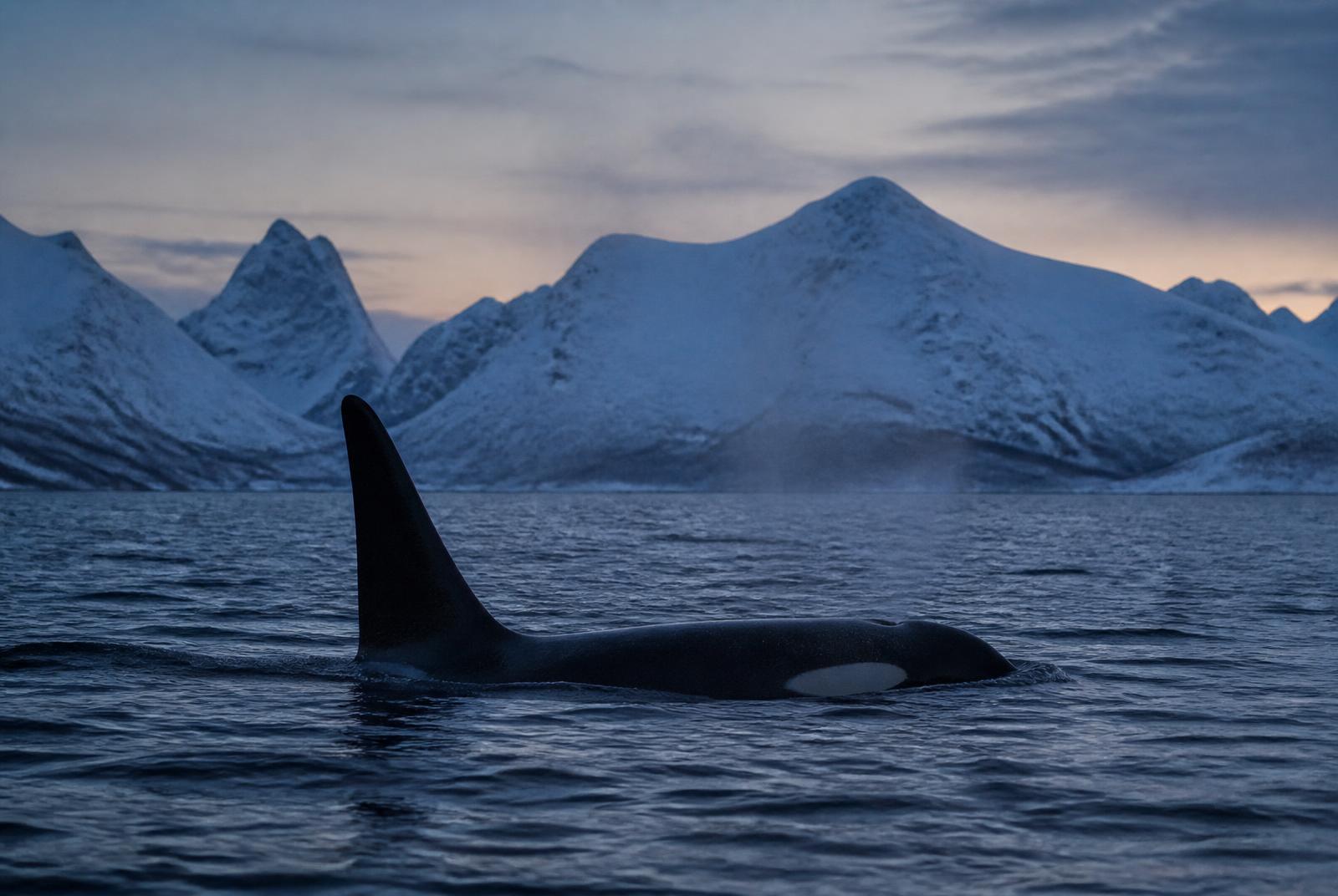
Do not neglect the surface. Half the best orca images are topside: dorsal fins against snow-covered mountains in blue twilight, blows lit by low sun. Bring a topside body with a 70-200 mm and keep it dry and accessible.
What to pack
- Thermal base layers and a thick fleece to wear under a snorkelling drysuit all day.
- Your own mask, snorkel and long freediving fins - rental fins are the usual weak point.
- Warm hat, waterproof outer shell and insulated boots for hours on an open deck between drops.
- Spare gloves and hood; wet gloves at -5 °C ashore end a day fast.
- High-ISO camera with wide-angle dome, plus a topside telephoto.
- Seasickness medication taken before departure, not after - Arctic winter swell is serious.
What it costs
Day trips from Tromso or Skjervoy run roughly EUR 200-350 per day for a snorkelling trip including drysuit and guide. Add accommodation and Arctic Norway food prices on top.
Small live-aboard sail and expedition boats in the Norwegian orca season sit around EUR 400-700 per person per day all-inclusive for five to seven day trips. You pay for time on the water, and time on the water is what produces drops.
Bremer Bay day tours are roughly AUD 400-500 for a full day of surface viewing on the shelf.
Antarctic voyages with a dive operation start around USD 800 per day for ten to twelve days, with orca sightings as one part of a much larger package.
Combining orcas with diving
Orcas are a snorkel trip, so the sensible way to build a dive holiday around them is to bolt them onto something else. In Norway that means adding a few days of cold-water diving or a Lofoten stopover; in Antarctica the orcas are a bonus on a polar dive expedition that also delivers leopard seals, ice walls and wrecks.
In Baja, orcas turn up during the same winter months as the mobula ray aggregations and the sea lion colonies, so a Sea of Cortez trip can produce all three without changing plans.
The honest framing: no liveaboard anywhere can sell you orcas. What a boat can do is put you in the right cold water at the right time of year with the flexibility to react when a pod is reported - which, for an animal that follows prey, is the only strategy that works.
Conservation: pressure on the black-and-white icon
The IUCN lists the orca globally as Data Deficient, because the ecotypes are so different that a single global assessment is close to meaningless. Individual populations are in real trouble: the Southern Resident orcas of the northeast Pacific number in the seventies and are threatened by chinook salmon decline, vessel noise and contaminants.
Persistent organic pollutants are the quiet crisis. PCBs accumulate up the food chain and concentrate in orca blubber, and modelling work published in Science in 2018 projected collapse in more than half of the world's orca populations over the coming century from PCB-driven reproductive failure alone.
Well-run tourism helps in two ways: it funds the photo-ID catalogues that make population monitoring possible, and it gives fjord and shelf communities an economic reason to protect the prey stocks. Choose operators who contribute sightings data, keep group sizes small, and follow approach rules on days when breaking them would sell better.