About Thulusdhoo Reef (North Malé)
Thulusdhoo Reef, situated off the surf island of Thulusdhoo in the North Malé Atoll, stands out as a vibrant house reef in the Maldives. This site provides an accessible and visually rich diving experience, characterized by a gently sloping reef system. Divers can expect to find outstanding hard coral growth, including extensive tables of Acropora and numerous Porites bommies, creating a thriving ecosystem for various marine species. The reef's unique topography and healthy coral structures make it a consistently rewarding dive, suitable for divers seeking both stunning wide-angle vistas and intricate macro subjects. The site is known for its remarkable marine life, with green turtles frequently observed grazing on seagrass patches scattered across the reef. Octopuses are often seen exhibiting their camouflage skills on the reef flat, blending seamlessly with their surroundings. Schools of yellowback fusiliers add dynamic flashes of colour as they shimmer above the coral gardens, contributing to the reef's lively atmosphere. The shallow reef top, ranging from 3 to 8 meters, serves as an excellent area for extended safety stops, offering ample opportunity for photographers to capture detailed shots in natural light. While currents in the Maldives can be strong, Thulusdhoo Reef generally offers more forgiving conditions compared to some of the deeper channels. Visibility typically ranges from 15 to 30 meters, providing clear views of the vibrant corals and marine inhabitants. The consistently warm water temperatures, between 27-30°C, ensure comfortable diving year-round. This makes Thulusdhoo Reef a popular inclusion on liveaboard itineraries, allowing divers to experience its beauty in conjunction with other renowned sites in the North Malé Atoll and beyond.
Highlights
Exceptional hard coral gardensGreen turtle encountersOctopus camouflage displaysYellowback fusilier schoolsShallow reef top for photographersVibrant sloping reefEasy, colourful dive
Season calendar
Best months to dive here
Jan
Feb
Mar
Apr
May
Jun
Jul
Aug
Sep
Oct
Nov
Dec
Excellent
Dive site facts: Thulusdhoo Reef (North Malé)
- Depth
- 3–30 m
- Typical dive
- 12–20 m, 50–60 min
- Current
- Mild to moderate
- Visibility
- 15–30 m
- Water temperature
- 27–30°C
- Entry
- Dhoni / Tender drop
- Level
- Open Water Diver
- Dive type
- Reef / Drift / House Reef
- Night dive
- Possible
- Region / port
- North Malé Atoll
- Coordinates
- 4.378, 73.635
Conditions & Currents
Currents at Thulusdhoo Reef are generally manageable, often presenting a mild drift that adds to the ease of the dive without demanding advanced current experience. This allows divers to effortlessly glide along the sloping reef, observing the prolific marine life. Visibility is typically strong, ranging from 15 to 30 meters, though it can occasionally be influenced by plankton blooms during the southwest monsoon, which also brings increased pelagic activity. Entry into the water is usually from a Dhoni, with divers dropping directly onto the reef to begin their drift. The exit involves surfacing near the main liveaboard or tender boat, often after an extended safety stop in the shallow, protected reef top area. Divers should be comfortable with basic drift diving techniques and be prepared for potential variations in current strength.
Marine life & sighting chances

Green Turtle
common
Octopus
occasional
Yellowback Fusilier
common
Hard Coral (Acropora)
commonHard Coral (Porites)
common
Reef Fish
commonDive profile & how the dive runs
Your dive at Thulusdhoo Reef typically begins with a backroll entry from a Dhoni or tender directly onto the reef, often around 5-8 meters depth. From there, you'll embark on a gentle drift along the sloping reef wall, allowing the current to guide you over vibrant hard coral gardens and past seagrass patches. The primary route generally follows the reef's contours, gradually descending to depths of 15-20 meters, where you'll observe green turtles, octopuses, and schools of fusiliers. As you reach the turnaround point, the dive guide will lead you shallower, often to the expansive reef flat at 3-8 meters. This shallow section provides an ideal, extended safety stop over flourishing corals, perfect for photographers to capture detailed shots. The dive concludes with surfacing near the main liveaboard or tender for pick-up.
Underwater photography
Thulusdhoo Reef offers excellent opportunities for both wide-angle and macro photography. For wide-angle shots, utilize the abundant hard coral formations, including expansive Acropora tables and Porites bommies, along with schools of yellowback fusiliers. Natural light is often sufficient in the shallower sections, but strobes can enhance colours and reduce backscatter. During green turtle encounters, maintain a respectful distance to capture their natural behaviour. For macro subjects, keep an eye on the reef flat for octopuses, which provide fascinating camouflage and behavioural photography. A macro lens will reveal the intricate details of smaller reef inhabitants often hidden within the healthy coral structures. Buoyancy control is paramount here to avoid damaging the pristine corals.
Combine with nearby dive sites
- Manta Point (Lankanfinolhu)
Manta Point, also known as Lankanfinolhu, stands as a premier dive site within the North Male Atoll, celebrated for its consistent manta…
- Banana Reef
Banana Reef, located in the North Malé Atoll, holds the distinction of being the Maldives' inaugural protected marine area, established in…
- Kandooma Thila (Cocoa Thila)
Kandooma Thila, also known as Cocoa Thila, is a world-class dive site nestled in the South Kaafu Atoll of the Maldives, just a short boat…
- Emas Thila (North Malé)
Emas Thila is a renowned submerged reef pinnacle located in the South Ari Atoll, a protected Marine Protected Area in the Maldives.
- Maldives Victory Wreck
The Maldives Victory Wreck is a renowned dive site located near Malé, the capital city of the Maldives.
Getting there & logistics
Access to Thulusdhoo Reef is primarily via liveaboards operating out of Malé, the capital of the Maldives. International flights arrive at Velana International Airport (MLE) on Hulhulé Island, adjacent to Malé. From there, guests are typically transferred by speedboat or domestic flight to their liveaboard. A typical liveaboard itinerary exploring the North Malé Atoll usually lasts 7 to 10 days, combining Thulusdhoo Reef with other renowned sites in the region. There are no specific dive permits required for this site, but marine park fees might apply depending on the overall liveaboard route. Liveaboards provide the most efficient way to reach multiple, less crowded dive sites, including Thulusdhoo, by avoiding daily commutes from land-based resorts.
Safety & environment
Diving in the Maldives, including Thulusdhoo Reef, generally maintains high safety standards, but divers should always carry comprehensive dive insurance that covers recompression chamber treatment and medical evacuation. The nearest recompression chamber is located in Malé. In case of a serious incident, evacuation to Malé by speedboat or seaplane would be necessary, a process that can take several hours depending on location and weather. Divers should be proficient in buoyancy control to protect the fragile coral ecosystems. Always follow your dive guide's instructions, particularly concerning currents and marine life interactions. A safety sausage and dive computer are essential for every dive, as drift diving is common throughout the region. Stay hydrated and be aware of your gas consumption, especially during longer drift dives.
Who it suits — and who it doesn't
Suited for
- Open Water certified divers
- Underwater photographers
- Divers seeking vibrant coral reefs
- Those interested in green turtle encounters
- Divers comfortable with mild drift
Less suited for
- Divers preferring strong pelagic action exclusively
- Divers who struggle with buoyancy control
- Those unwilling to do some drift diving
- Divers expecting extreme depths or technical dives
FAQ
Thulusdhoo Reef (North Malé) FAQ
What kind of marine life can I expect to see at Thulusdhoo Reef?
Thulusdhoo Reef is home to a diverse array of marine species, with frequent sightings of green turtles grazing on seagrass. You can also expect to see playful octopuses changing colours on the reef flat, and large schools of yellowback fusiliers. The healthy hard coral gardens themselves are a highlight, teeming with various reef fish.
What are the typical diving conditions like at Thulusdhoo Reef?
Diving conditions at Thulusdhoo Reef are generally excellent. Water temperatures consistently range from 27-30°C, ensuring comfortable dives. Visibility is usually very good, between 15 and 30 meters. Currents are typically mild to moderate, making it a pleasant drift dive suitable for most experience levels.
Is Thulusdhoo Reef suitable for beginner divers?
Yes, Thulusdhoo Reef is well-suited for Open Water certified divers. Its gently sloping reef and generally mild currents offer an accessible and enjoyable experience. The shallow reef top is also perfect for extended safety stops, providing a relaxed environment for newer divers to practice buoyancy and observe marine life.
What is the best time of year to dive Thulusdhoo Reef?
Thulusdhoo Reef can be dived year-round, offering consistent beauty. The dry season from December to May provides the clearest waters and best visibility. However, the wet season from June to November, while potentially having slightly reduced visibility due to plankton, can attract more pelagic activity, making it a rewarding experience as well.
Can I do night dives at Thulusdhoo Reef?
Yes, night dives are often possible at Thulusdhoo Reef. The house reef environment, with its varied topography and abundant marine life, transforms after dark, revealing different nocturnal species and behaviours. Liveaboards commonly offer night dive opportunities here, allowing divers to experience the reef in a unique light.
Why dive Thulusdhoo Reef (North Malé) from a liveaboard?
Thulusdhoo Reef (North Malé) is one of Maldives's signature dive sites. A liveaboard sleeps you on the water and puts you in the water for three to four guided dives per day, including dawn and night dives that day-boat operators rarely offer. You skip the daily commute back to port and reach quieter, less-crowded sites in the same region on a single trip.
Below are the liveaboards that include Thulusdhoo Reef (North Malé) on their Maldives itineraries.
Liveaboards diving Thulusdhoo Reef (North Malé)
These liveaboards may visit Thulusdhoo Reef (North Malé) on selected itineraries — the exact dive sites depend on departure, weather and conditions.
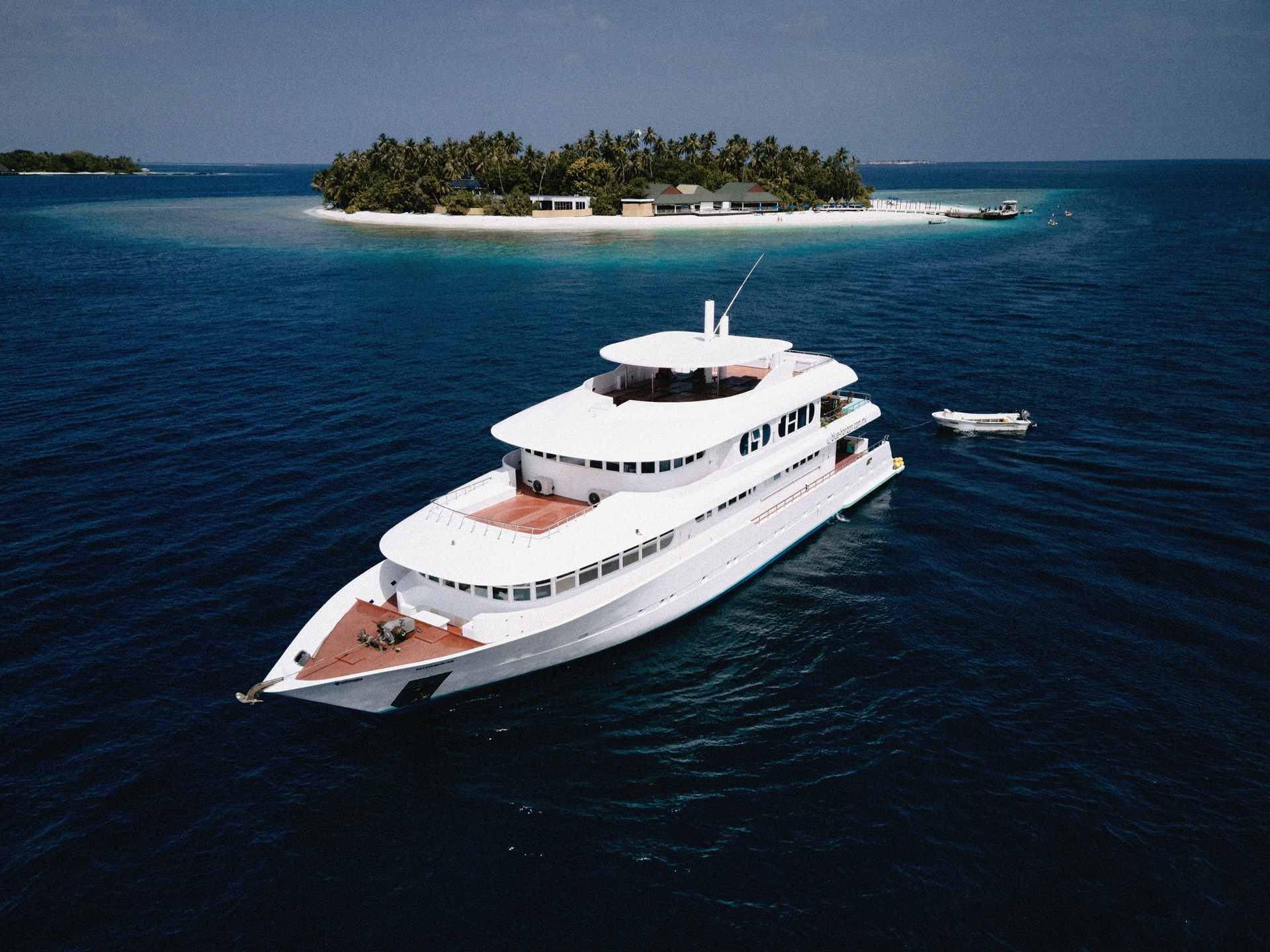
Horizon III
Maldives
25 guests
$204/day
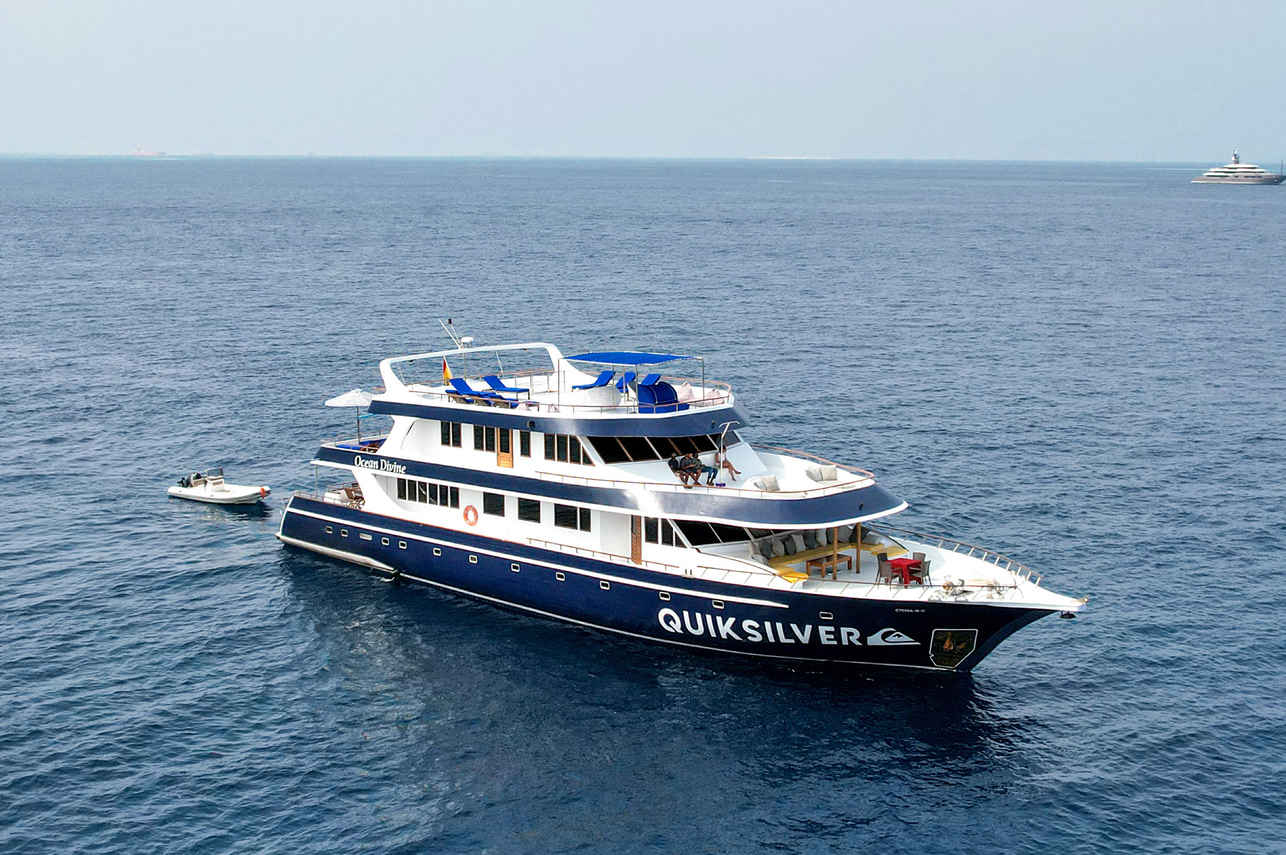
Ocean Divine
Maldives
16 guests33.528 m
$287/day
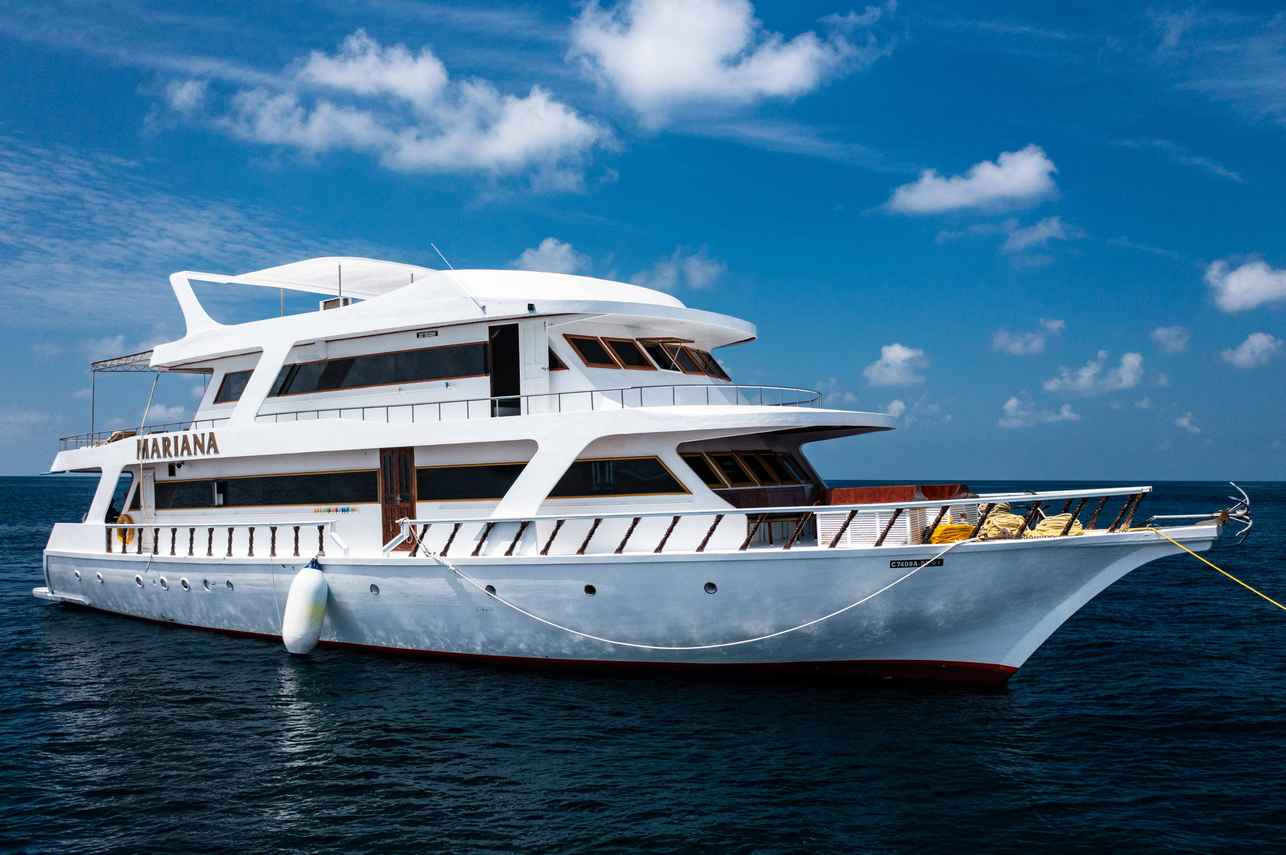
EcoPro Mariana
Maldives
16 guests30 m
$236/day
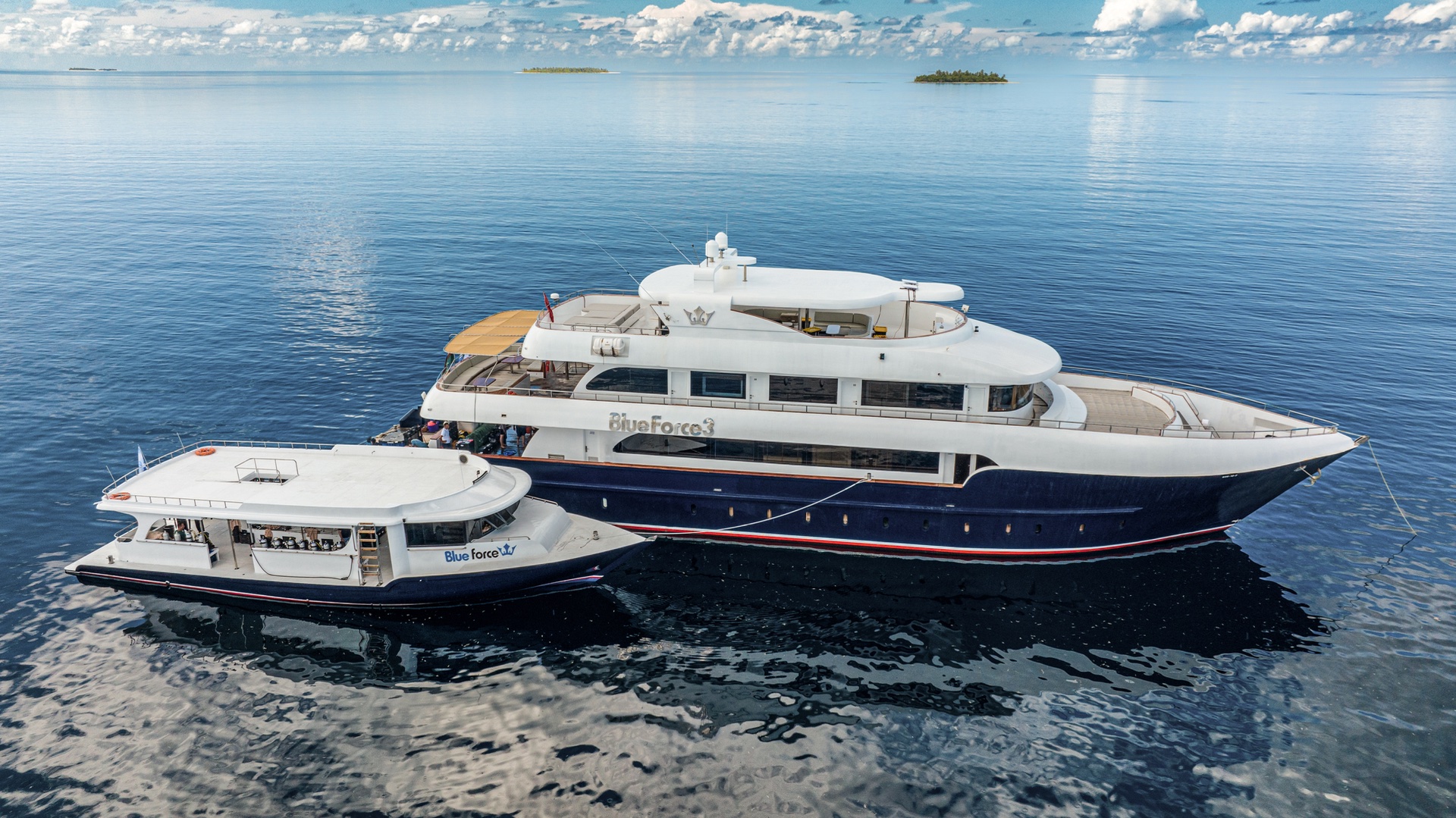
Maldives Blue Force 3
Maldives
26 guests42 m
$211/day
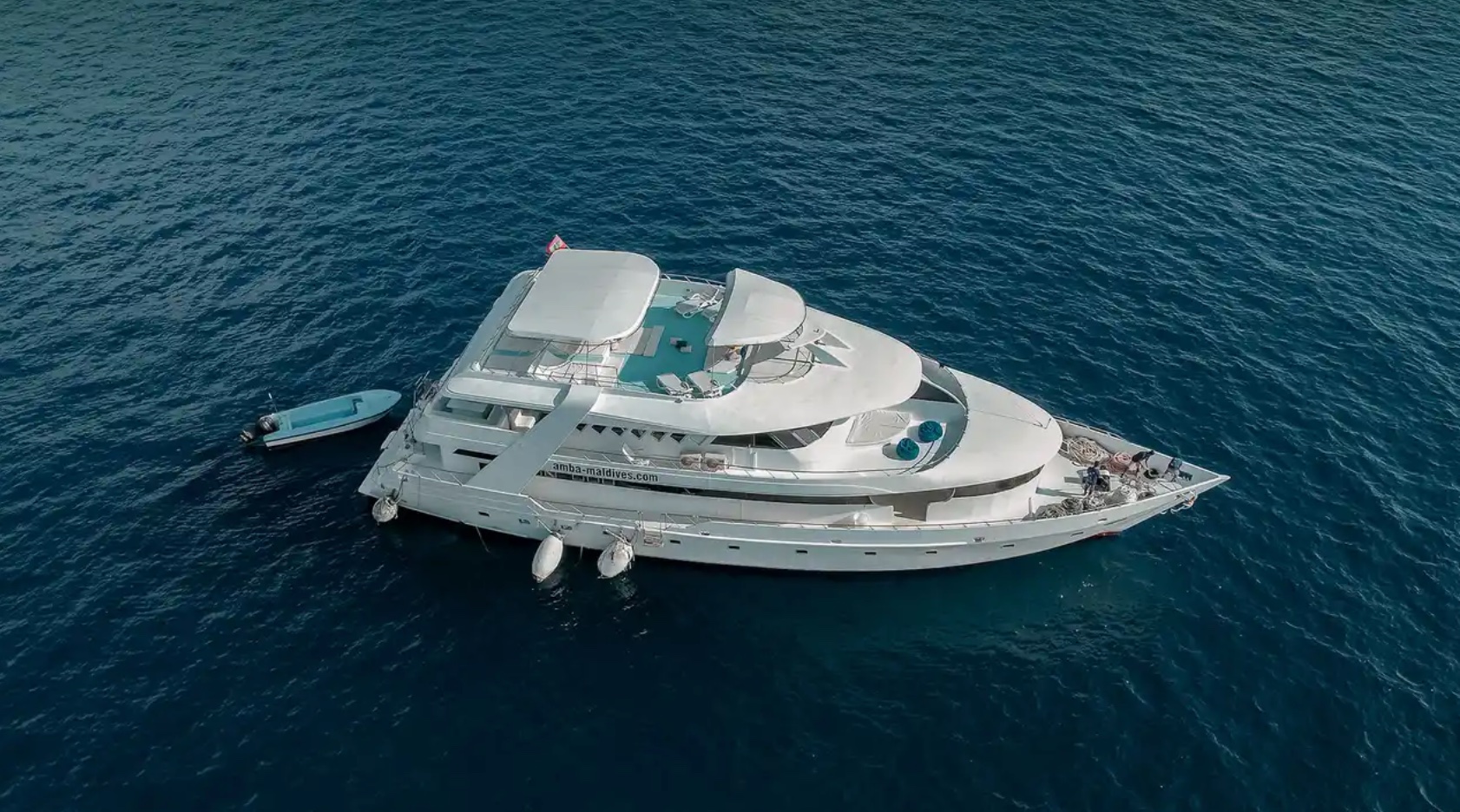
Amba
Maldives
20 guests
$178/day
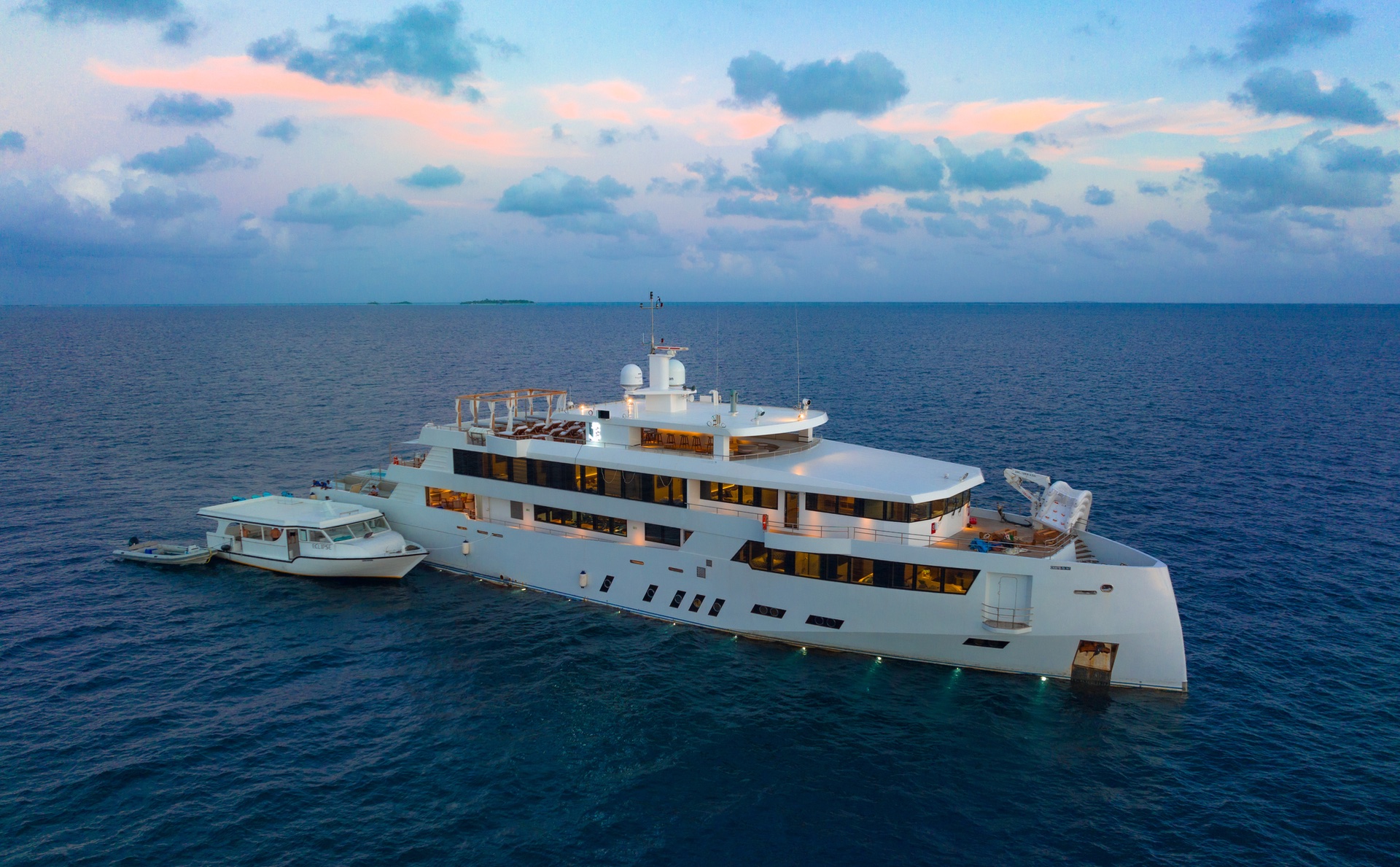
White Pearl
Maldives
26 guests
$375/day
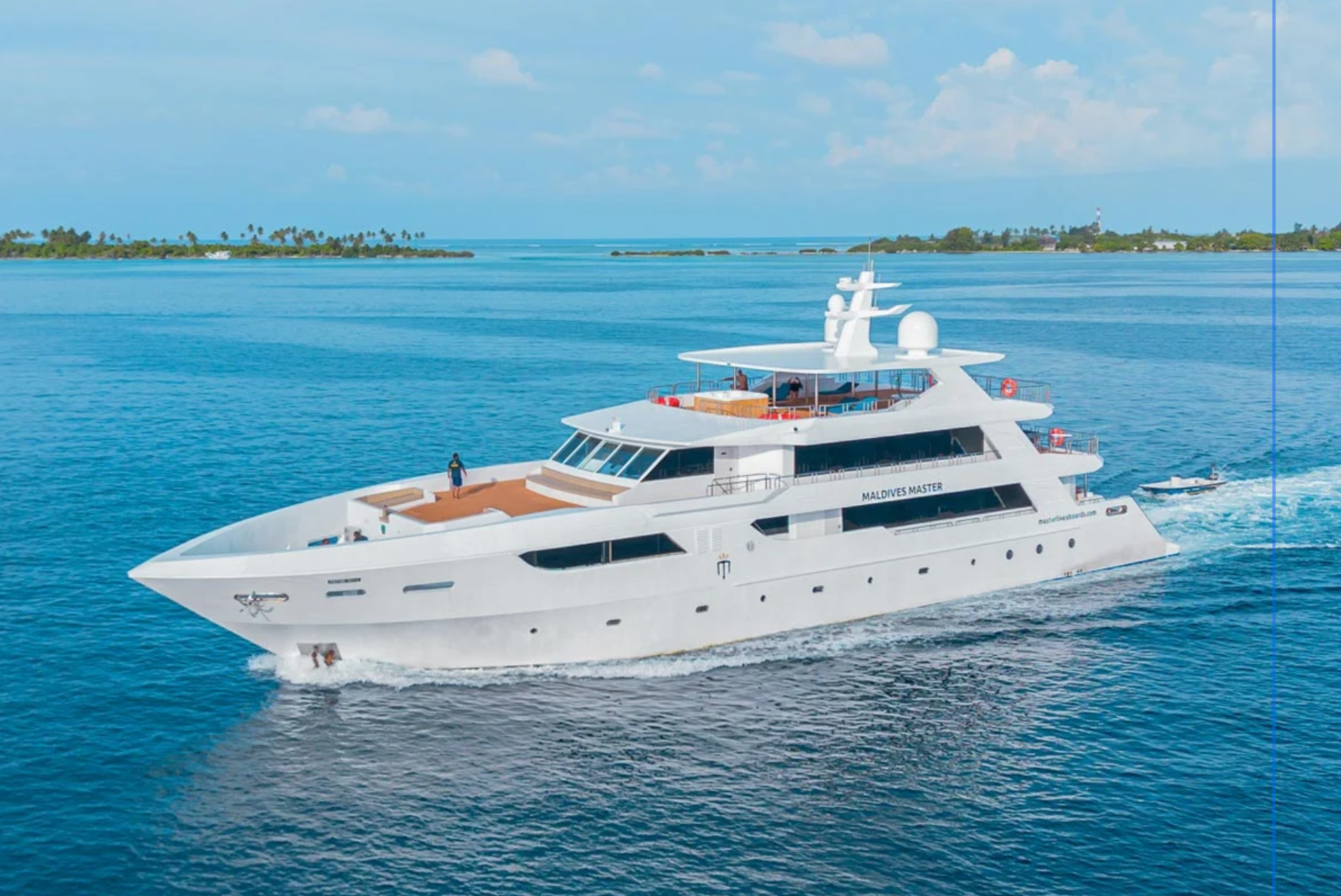
Maldives Master
Maldives
26 guests
$207/day
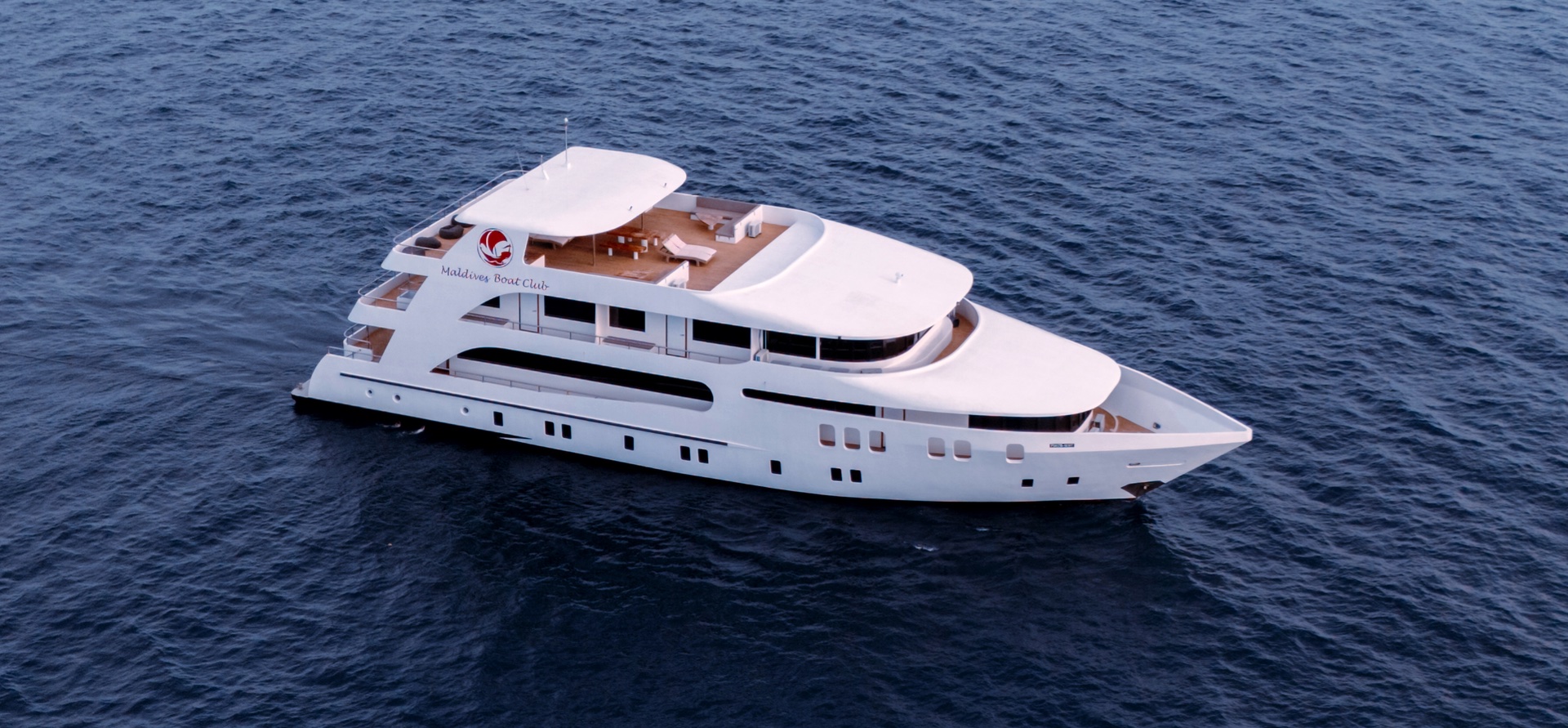
Adora
Maldives
22 guests
$297/day
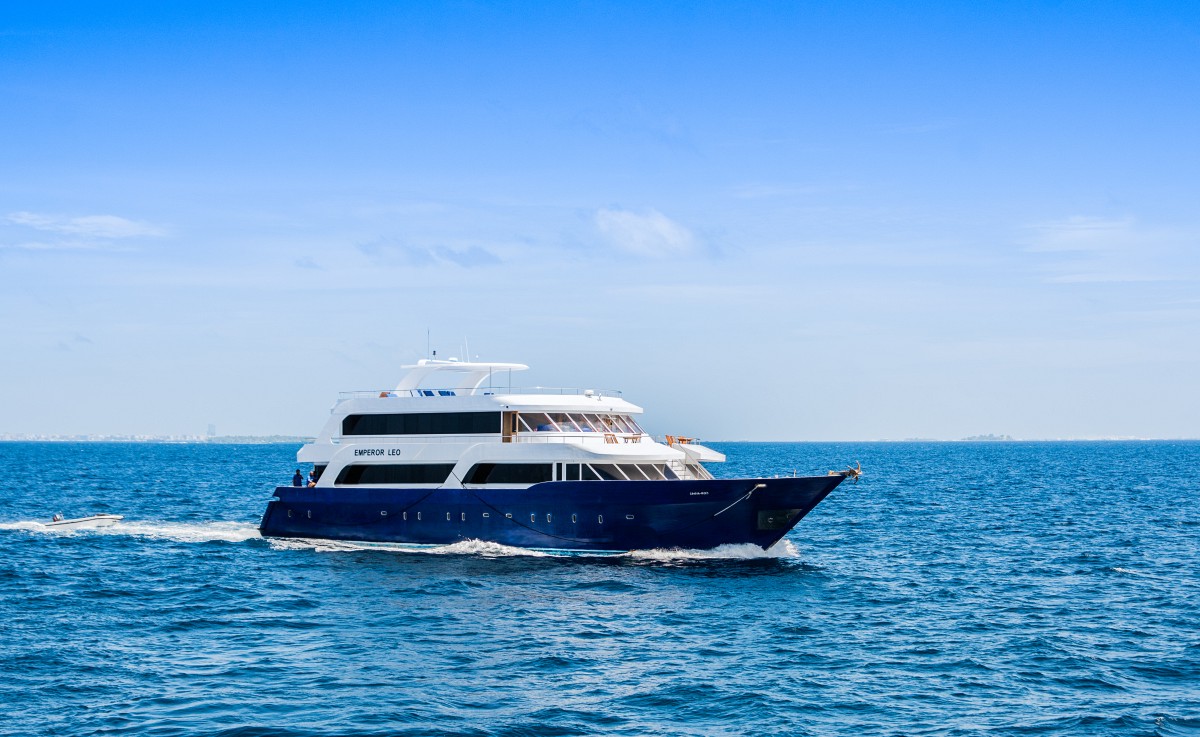
Emperor Leo
Maldives
24 guests35.1 m
$339/day
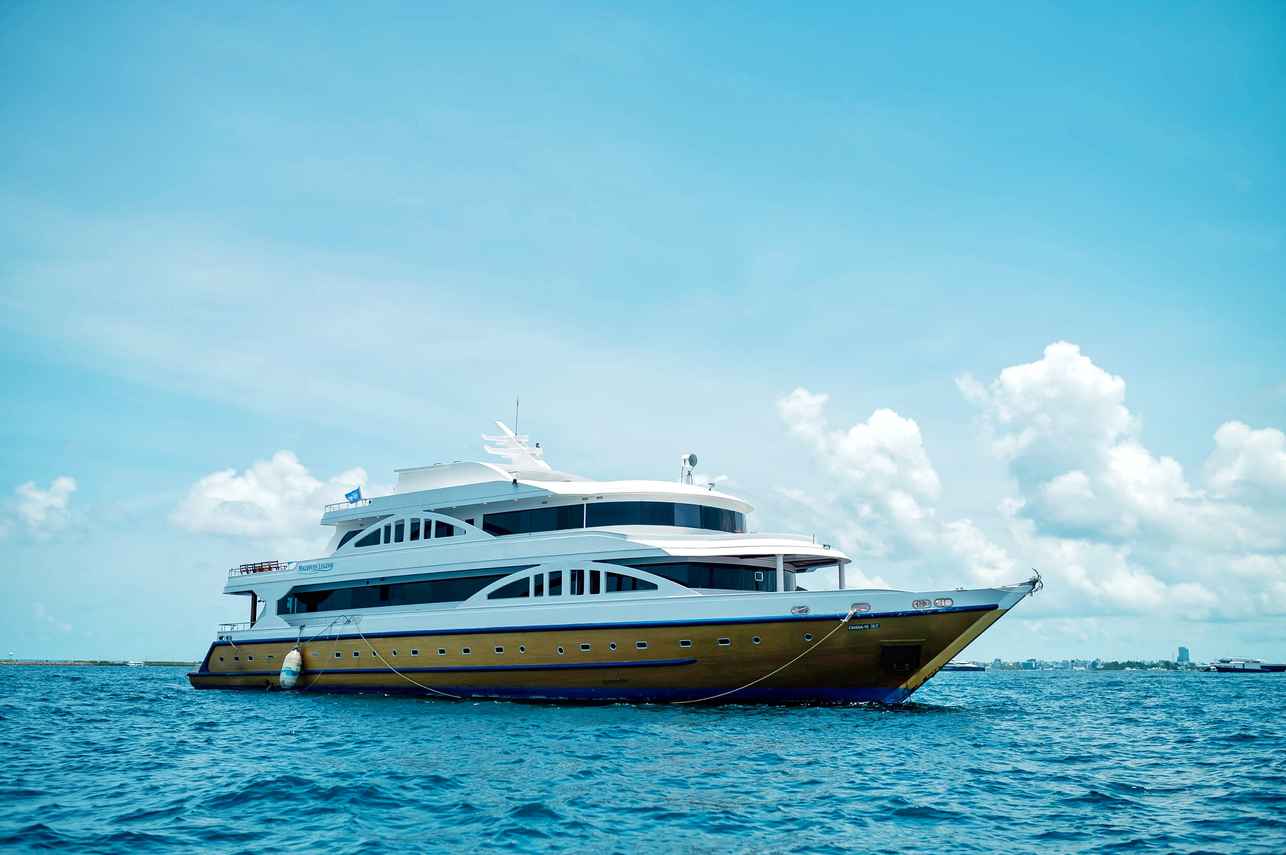
Maldives Legend Zen
Maldives
24 guests41 m
$316/day
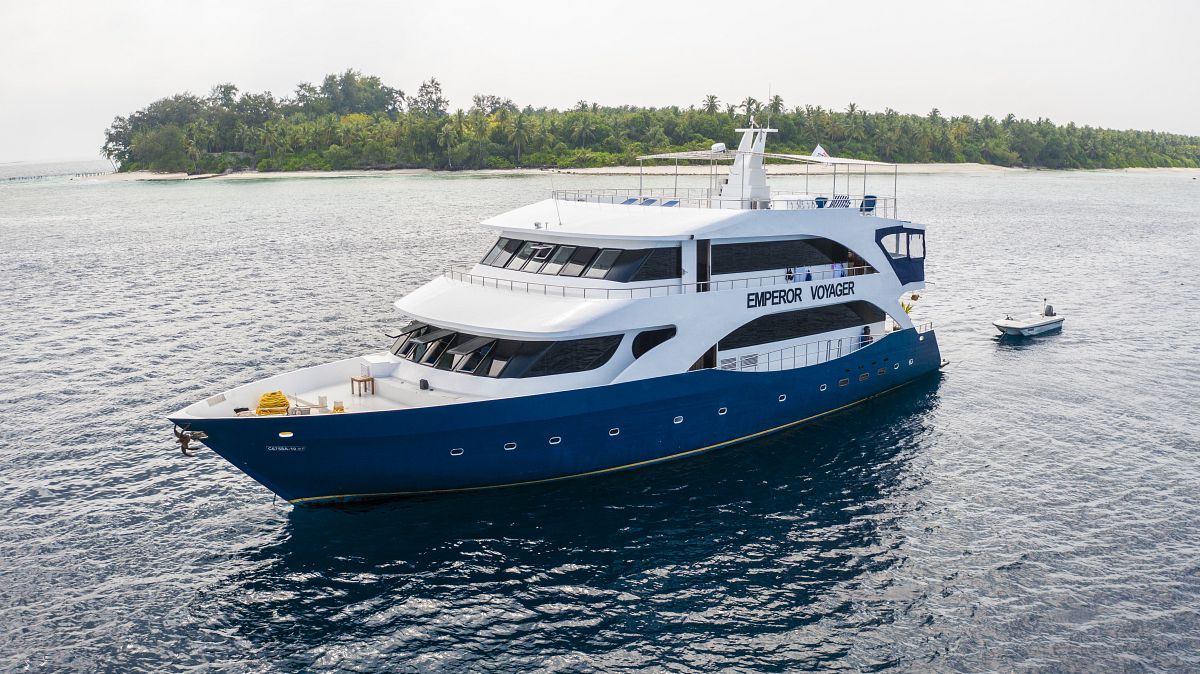
Emperor Voyager
Maldives
20 guests29.9 m
$332/day
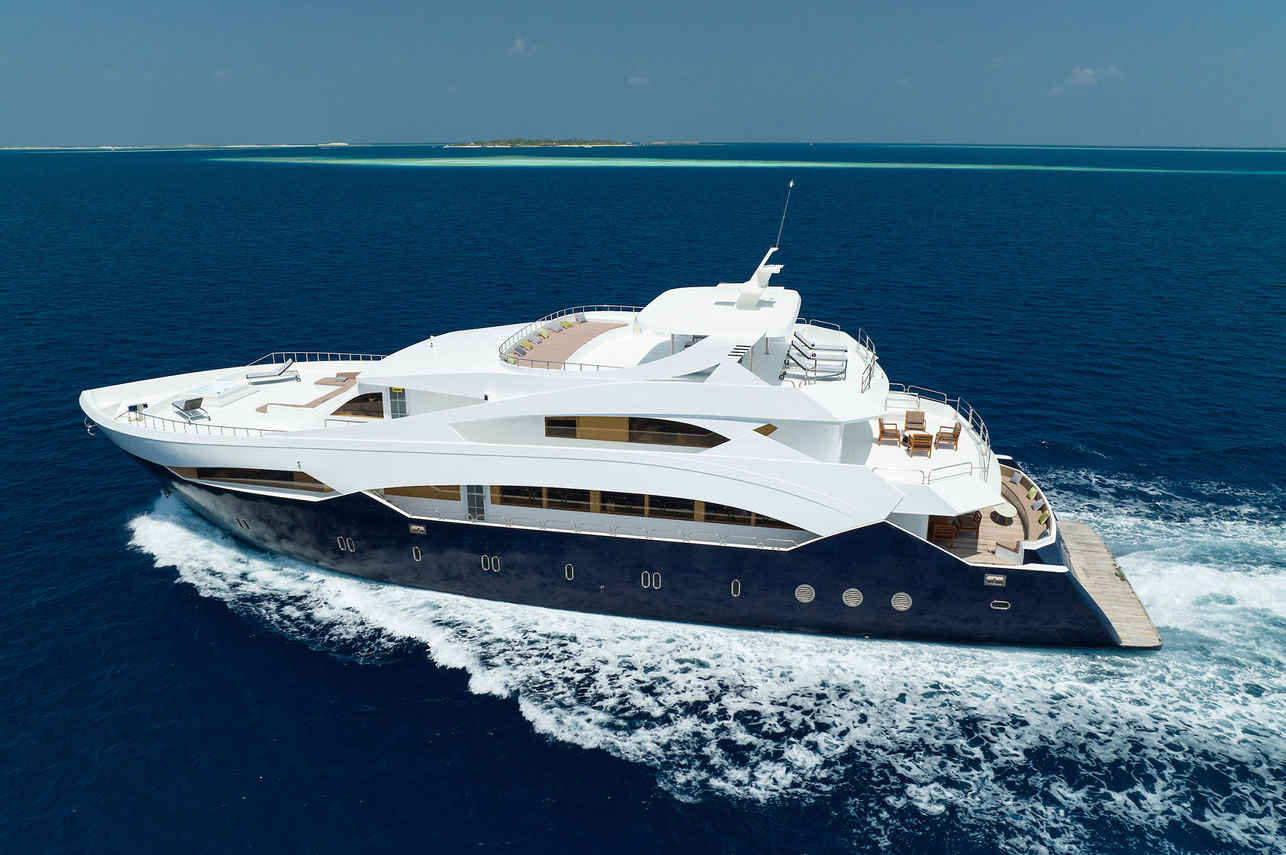
Felicity
Maldives
26 guests41 m
$229/day
Dive sites similar to Thulusdhoo Reef (North Malé)
Same character, same waters — six more sites divers love for the exact same reasons.Compare seasons, access and liveaboard routes — then pick the site that fits your trip best.
© Esri — Maxar, Earthstar, GIS
Kudimaa Wreck
Maldives
The Kudimaa Wreck is a compelling dive site in the Maldives, offering a fascinating artificial reef environment.
- Suitable for
- Advanced
- Current
- Moderate
- Access
- Liveaboard only
- Depth
- ≤ 30 m
- Theme
- Wreck / Reef
© Esri — Maxar, Earthstar, GIS
Filitheyo Reef (Faafu)
Maldives
Filitheyo Reef, situated in the Faafu Atoll, offers an unspoiled underwater paradise, unique as the only tourist island in the atoll.
- Suitable for
- Beginner
- Current
- Strong
- Access
- Liveaboard or dayboat
- Depth
- 1–30 m
- Theme
- Reef / Wall
© Esri — Maxar, Earthstar, GIS
Embudu Express
Maldives
Embudu Express, also known as Embudu Channel, is a celebrated dive site situated within the Malé Atoll of the Maldives, specifically in the South Malé Atoll.
- Suitable for
- Advanced
- Current
- Ripping
- Access
- Dayboat
- Depth
- 25–30 m
- Theme
- Drift / Reef
© Esri — Maxar, Earthstar, GIS
Gahaa Kandu
Maldives
Gahaa Kandu is a prime dive site within the Fuvahmulah Atoll in the Maldives, renowned for its dynamic underwater environment.
- Suitable for
- Advanced
- Current
- Moderate
- Access
- Liveaboard only
- Depth
- —
- Theme
- Reef
© Esri — Maxar, Earthstar, GIS
Skipjack 1 & 2
Maldives
Skipjack 1 & 2 are two distinct wreck dive sites located within the Lhaviyani Atoll in the northern Maldives.
- Suitable for
- Intermediate
- Current
- Moderate
- Access
- Liveaboard only
- Depth
- ≤ 28 m
- Theme
- Wreck / Reef
© Esri — Maxar, Earthstar, GIS
Maavaru Kandu
Maldives
Maavaru Kandu is a renowned dive site in the Maldives, characterized by its stunning underwater topography.
- Suitable for
- Intermediate
- Current
- Moderate
- Access
- Liveaboard only
- Depth
- 15–50 m
- Theme
- Reef / Drift