About Thoondu Point
Thoondu Point is a notable dive site located in Fuvahmulah, which is part of the southernmost atoll in the Maldives. This location is renowned for its diverse marine life and healthy coral reefs, making it a key attraction for divers exploring the unique underwater environment of this region. Fuvahmulah Atoll itself is a priority coral reef site, inscribed as a UNESCO Biosphere Reserve in 2020, highlighting its ecological significance and protected status. Divers at Thoondu Point can expect crystal-clear waters that teem with an array of exotic marine species. The topography includes vibrant coral formations and areas where schools of colorful fish congregate, providing a dynamic and picturesque setting for underwater exploration. The site is part of an atoll system where the Indian Monsoon current plays a vital role in nutrient distribution, sustaining a rich ecosystem. While general conditions in the Maldives offer warm water temperatures year-round, typically between 27-30°C, and visibility ranging from 15 to 30 meters, the specific conditions at Thoondu Point will reflect these regional trends. Dive sites in Fuvahmulah are particularly known for their potential to encounter elusive species such as tiger sharks and oceanic manta rays. Thoondu Point is primarily accessed via liveaboard trips that often visit the southern atolls, offering a comprehensive dive experience that showcases the pristine nature of this remote Maldivian destination. The dive allows for observation of abundant reef life, characteristic of the Maldives' rich coral reef systems, making it a rewarding experience for those seeking vibrant underwater encounters.
Highlights
Vibrant coral formationsSchools of colorful fishTiger shark encountersOceanic manta raysCrystal-clear watersUNESCO Biosphere Reserve areaFuvahmulah Atoll diving
Season calendar
Best months to dive here
Jan
Feb
Mar
Apr
May
Jun
Jul
Aug
Sep
Oct
Nov
Dec
Excellent
Good
Aug – Sep & Nov – Apr (NE Monsoon)
Best visibility up to 40m, calm seas, manta rays on the eastern atolls, whale sharks in South Ari Atoll.
May – Jul & Oct (Transition)
Changing conditions, good value, mantas moving between atolls, occasional rain showers.
Dive site facts: Thoondu Point
- Current
- Can be strong (seasonal)
- Visibility
- 10–30 m (seasonal)
- Water temperature
- 27–30°C
- Entry
- Liveaboard / day boat
- Level
- Intermediate to Advanced (current experience beneficial)
- Dive type
- Reef, big_animals, shark, drift, coral_garden
- Region / port
- Fuvahmulah Atoll, Maldives
- Coordinates
- -0.284046, 73.418222
Conditions & Currents
Thoondu Point experiences moderate currents, which are a characteristic feature of many Maldivian dive sites known for pelagic encounters. Divers should anticipate the need for drift entries and exits, maintaining close proximity to their dive group throughout the dive. The presence of these currents often correlates with excellent visibility, which can reach up to 40 meters during optimal periods, enhancing the viewing of marine life. While no specific thermoclines or surge information is available, the conditions imply that divers should possess at least an Intermediate certification level or be comfortable with current diving. Liveaboards provide expert guides to help navigate these conditions safely, ensuring an enjoyable experience while maximizing the chances of encountering the site's rich biodiversity.
Marine life & sighting chances

Tiger shark
occasional
Oceanic manta ray
occasional
Schools of fusiliers
common
Snapper
common
Sweetlips
common
Tuna
occasional
Green turtle
occasional
Hawksbill turtle
occasional
Grey reef shark
occasional
Napoleon wrasse
occasional
Eagle ray
occasional
Whale shark
occasional
Lionfish
common
Scorpionfish
commonDive profile & how the dive runs
Diving at Thoondu Point typically involves an entry from a liveaboard or day boat directly onto the reef or a channel. Given Fuvahmulah's reputation for pelagic encounters and strong currents, many dives here are likely drift dives, where divers are carried along by the prevailing current. The dive often starts by descending to a desired depth along the coral reef, observing vibrant coral formations and numerous schools of fish. The route is usually guided by the divemaster, navigating along the reef's contours or channel walls, where larger pelagic species like tiger sharks and manta rays might be encountered. Throughout the dive, maintaining good buoyancy is crucial to avoid touching the delicate corals. The dive progresses with the current, allowing divers to cover significant distances with minimal effort. Turn points are generally determined by air consumption and the dive master's assessment of current direction and strength. The safety stop is conducted in calmer, shallower waters, often along the reef top, before ascending to the surface for boat pickup.
Underwater photography
For capturing the vibrant reef scenes and schooling fish at Thoondu Point, a wide-angle lens is highly recommended. The clear waters and abundant light, especially during the dry season, are ideal for showcasing the extensive coral formations and the dynamic environment. Consider using external strobes to bring out the true colors of the corals and marine life, as ambient light alone may not fully illuminate the subjects at depth. When targeting larger pelagics like tiger sharks or manta rays, ensure your camera settings are suitable for fast-moving subjects and varying light conditions; increasing ISO might be necessary in plankton-rich waters during the wet season. Practice excellent buoyancy control to avoid disturbing the delicate ecosystem, which is particularly important in a UNESCO Biosphere Reserve area. Be respectful of marine life, maintaining a safe distance and avoiding intrusive flashes.
Combine with nearby dive sites
Getting there & logistics
Access to Thoondu Point is typically via liveaboard, which departs from Male (Velana International Airport, MLE). International travelers fly into MLE, with direct flights available from various global destinations. For itineraries focusing solely on Fuvahmulah and the deep south, some liveaboards might coordinate transfers to domestic airports like Gan International Airport (in Addu Atoll) for closer departures, which has direct flights to Colombo, Sri Lanka. Liveaboard trips to the southern atolls, including Fuvahmulah, often range from 7 to 12 nights, allowing ample time to explore multiple dive sites. No specific diving permits are generally required for Thoondu Point, but as Fuvahmulah is a UNESCO Biosphere Reserve, divers should adhere to responsible diving practices and any local regulations. These itineraries often combine several atolls to offer a comprehensive Maldivian dive experience.
Safety & environment
Diving in the Maldives, especially at sites with potential currents like Thoondu Point, requires careful attention to safety protocols. Divers should always carry appropriate safety gear, such as a surface marker buoy (SMB), and be proficient in its use. Understanding and following the dive briefing instructions from the dive guide is paramount, especially regarding current expectations and group management. While the specific location of the nearest recompression chamber to Fuvahmulah is not detailed, the primary recompression chamber in the Maldives is typically in Malé. In case of an emergency, evacuation would likely involve transport to Malé, which could be time-consuming due to the remote location of Fuvahmulah. Therefore, comprehensive dive accident insurance is highly recommended for all divers. Always dive within your certification limits and comfort zone, especially when currents are present, and never enter overhead environments like caves unless specifically trained and briefed.
Who it suits — and who it doesn't
Suited for
- Experienced divers comfortable with currents
- Divers seeking pelagic encounters (tiger sharks, manta rays)
- Underwater photographers with wide-angle setups
- Liveaboard enthusiasts exploring remote atolls
- Divers interested in vibrant coral reef ecosystems
Less suited for
- Absolute beginners without current experience
- Divers uncomfortable with drift diving
- Individuals seeking only shallow, calm dives
- Those prone to seasickness on liveaboards
- Divers with limited buoyancy control
FAQ
Thoondu Point FAQ
What kind of marine life can I expect at Thoondu Point?
Thoondu Point is part of the Fuvahmulah Atoll, which is celebrated for its diverse and often rare marine encounters. Divers frequently spot schools of colorful reef fish and various coral formations. The area is particularly famous for potential sightings of elusive species such as tiger sharks and oceanic manta rays, making it a highly sought-after destination for pelagic enthusiasts.
When is the best time to dive Thoondu Point for clear visibility?
For optimal visibility at Thoondu Point and other Maldivian dive sites, the dry season from December to May, corresponding to the northeast monsoon, is generally recommended. During this period, seas are typically calmer and the water clarity can exceed 30 meters. However, the wet season (June-November) brings plankton blooms which, while reducing visibility slightly, can attract large aggregations of filter feeders like mantas and whale sharks.
Are there strong currents at Thoondu Point?
As with many Maldivian dive sites, currents at Thoondu Point can be significant, influenced by the Indian Monsoon current. While specific current strength can vary, divers should be prepared for potential drift diving conditions. These currents are often responsible for bringing in the nutrient-rich waters that support the abundant marine life, including large pelagic species, but they require experienced diving skills and good buoyancy control.
How do I get to Thoondu Point?
Thoondu Point is primarily accessible via liveaboard dive boats, as it is located in the remote Fuvahmulah Atoll in the southern Maldives. Most liveaboard trips depart from Velana International Airport (MLE) in Malé. Some itineraries may involve domestic flights to a closer airport, like Gan International Airport in Addu Atoll, followed by a transfer to the liveaboard. Trips often range from 7 to 12 nights, focusing on exploring multiple southern atolls.
Is Thoondu Point suitable for beginner divers?
Thoondu Point is generally more suited for intermediate to advanced divers due to the potential for strong currents and the focus on deeper reef and pelagic encounters. While the Maldives offers conditions for all levels, sites known for significant currents and large marine life, especially in remote atolls like Fuvahmulah, typically require divers to have experience with drift diving and excellent buoyancy control for a safe and enjoyable experience.
Why dive Thoondu Point from a liveaboard?
Thoondu Point is one of Maldives's signature dive sites. A liveaboard sleeps you on the water and puts you in the water for three to four guided dives per day, including dawn and night dives that day-boat operators rarely offer. You skip the daily commute back to port and reach quieter, less-crowded sites in the same region on a single trip.
Below are the liveaboards that include Thoondu Point on their Maldives itineraries.
Liveaboards diving Thoondu Point
These liveaboards may visit Thoondu Point on selected itineraries — the exact dive sites depend on departure, weather and conditions.
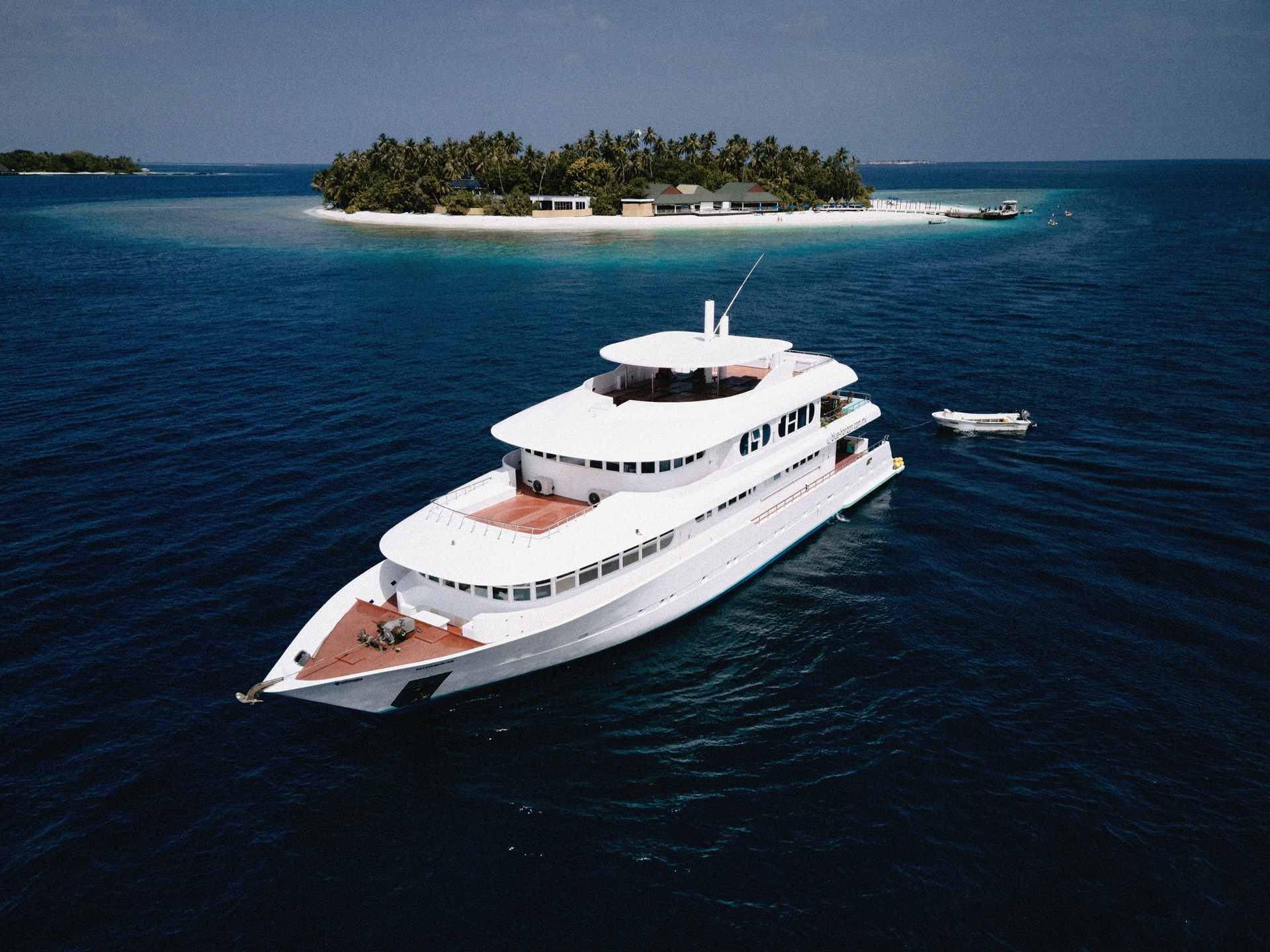
Horizon III
Maldives
25 guests
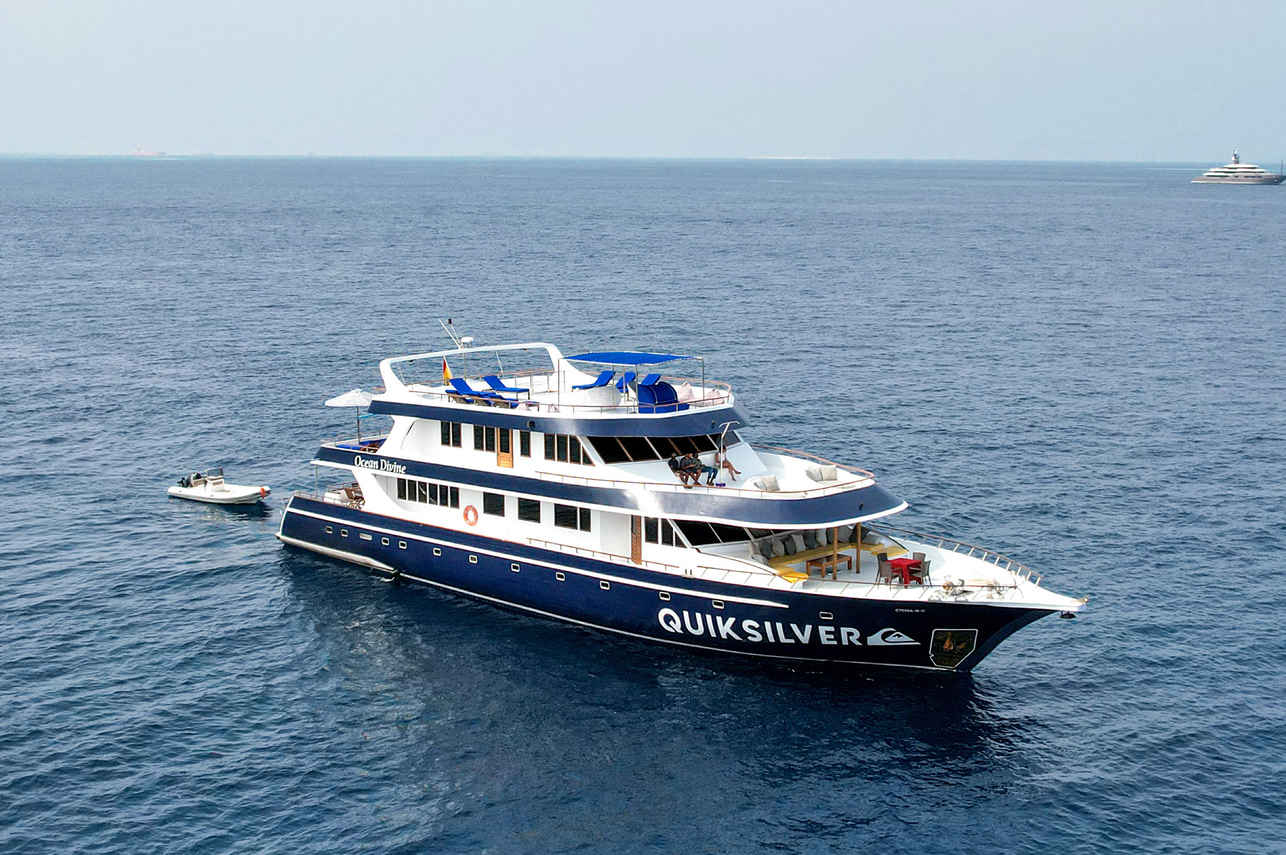
Ocean Divine
Maldives
16 guests34 m
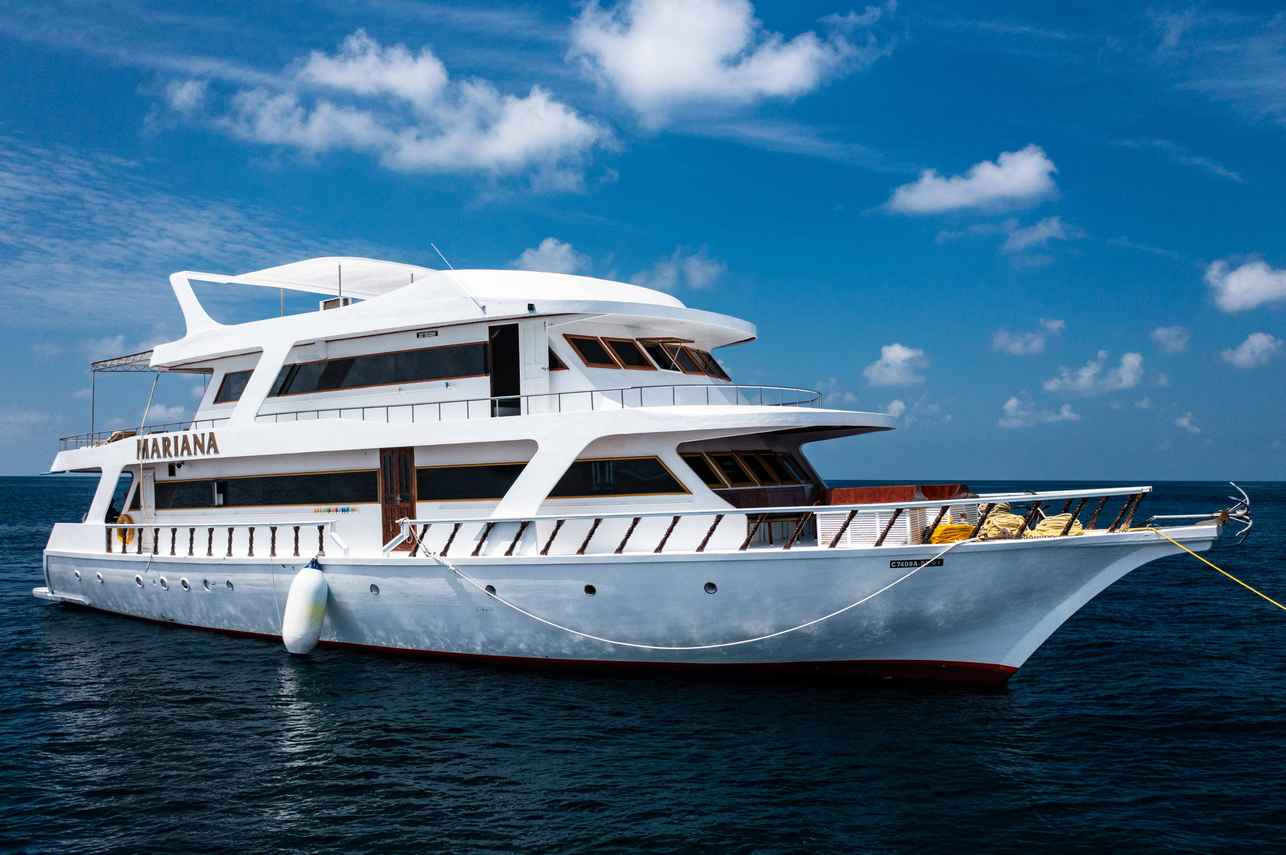
EcoPro Mariana
Maldives
16 guests30 m
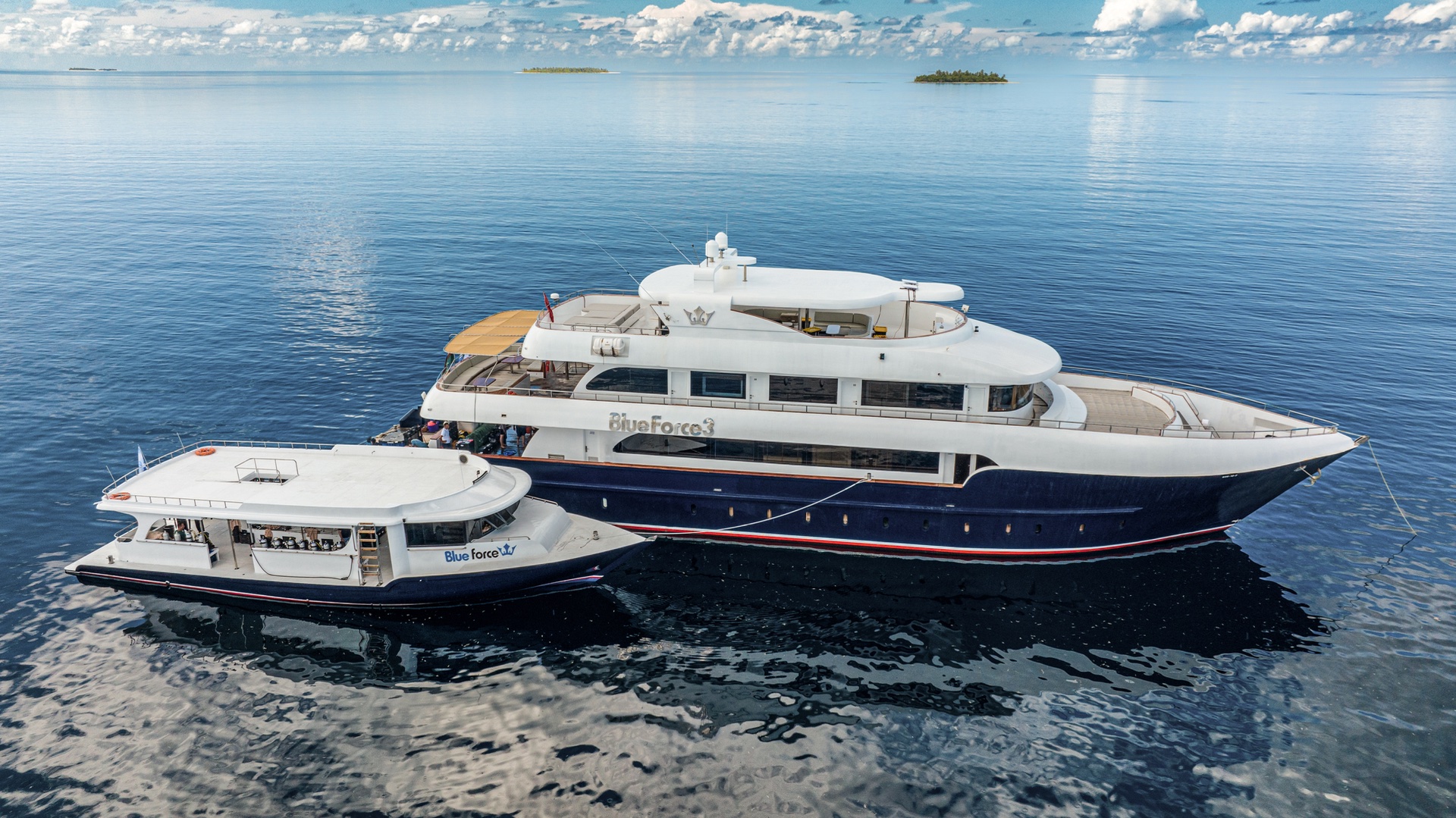
Maldives Blue Force 3
Maldives
26 guests42 m
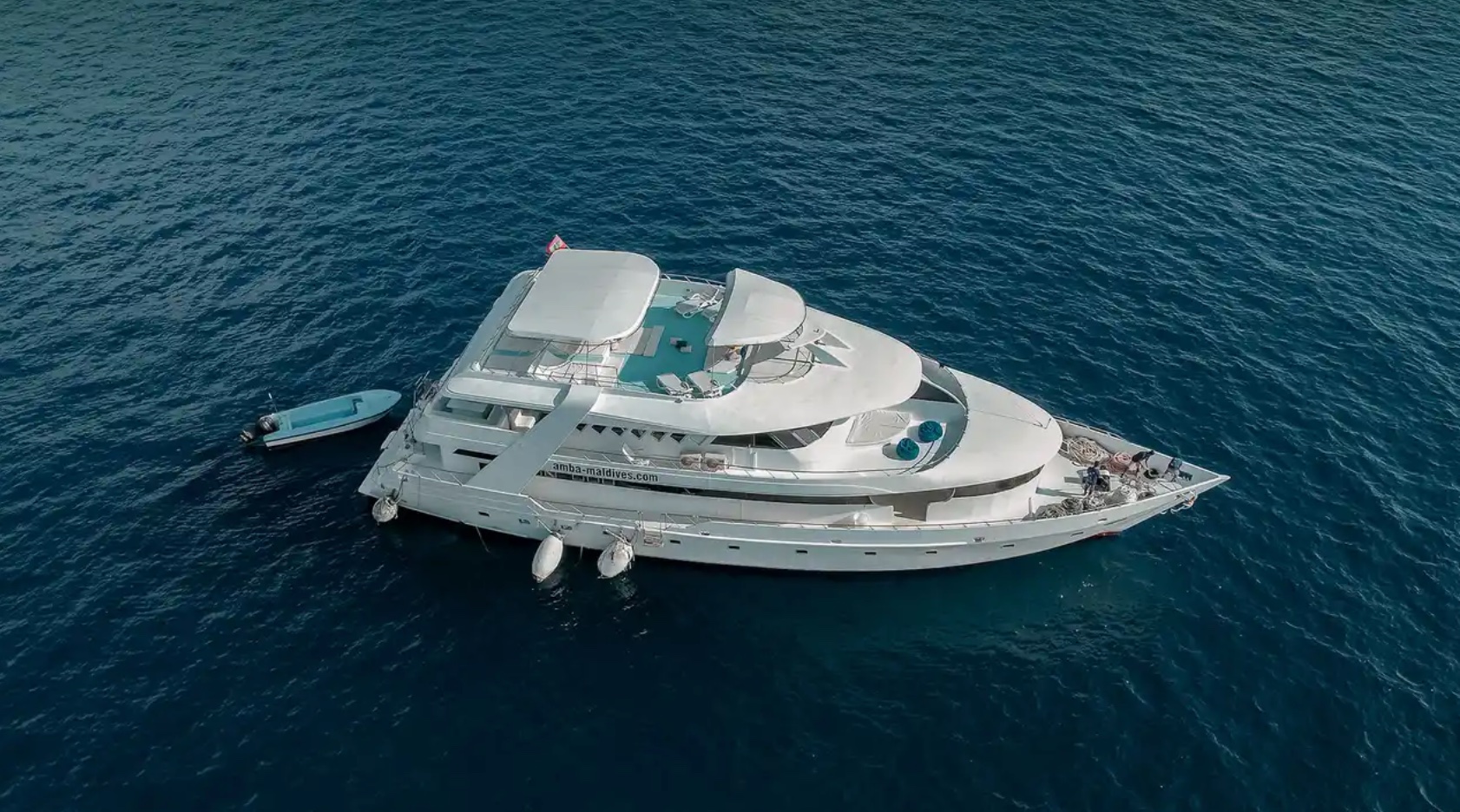
Amba
Maldives
20 guests
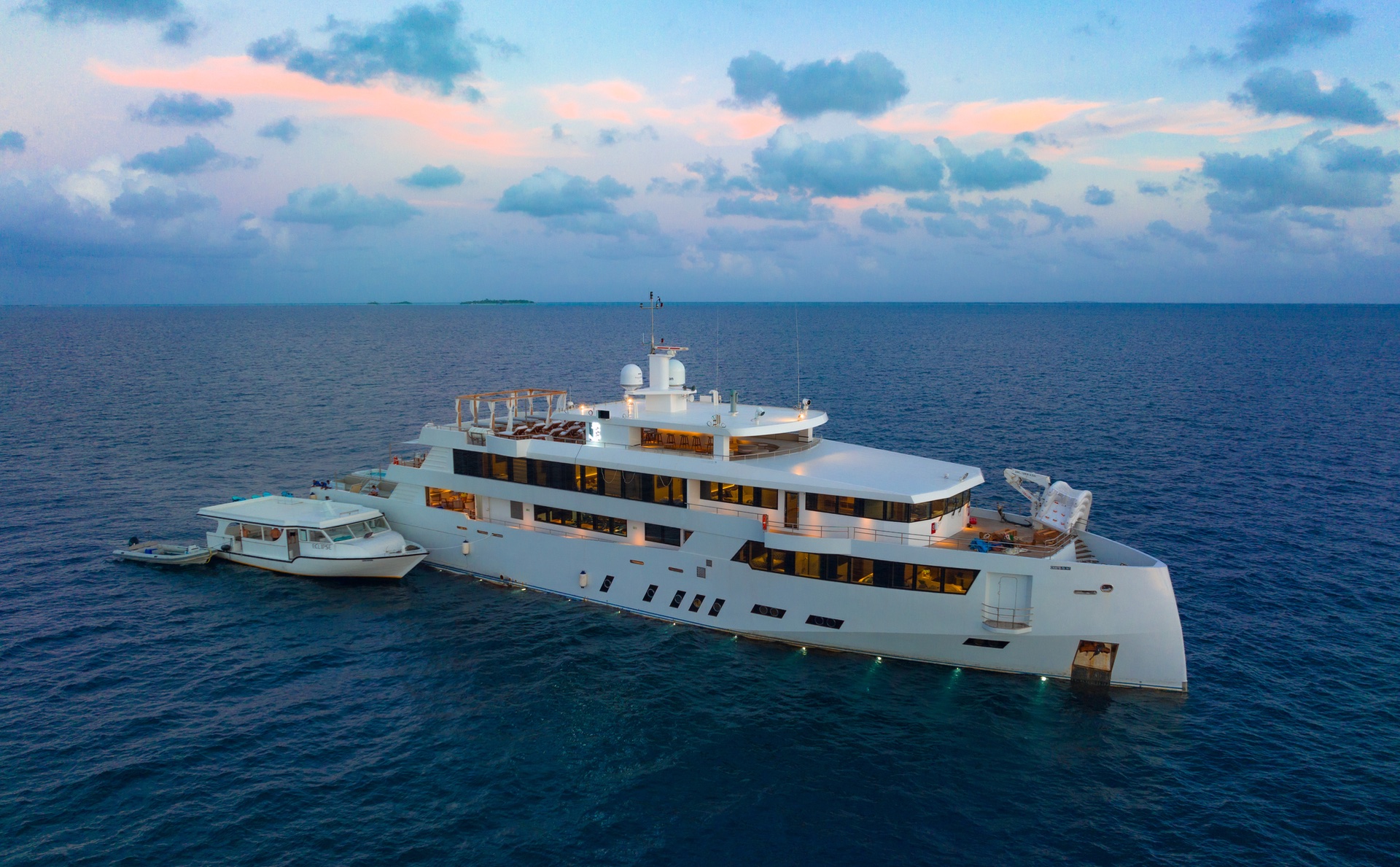
White Pearl
Maldives
26 guests
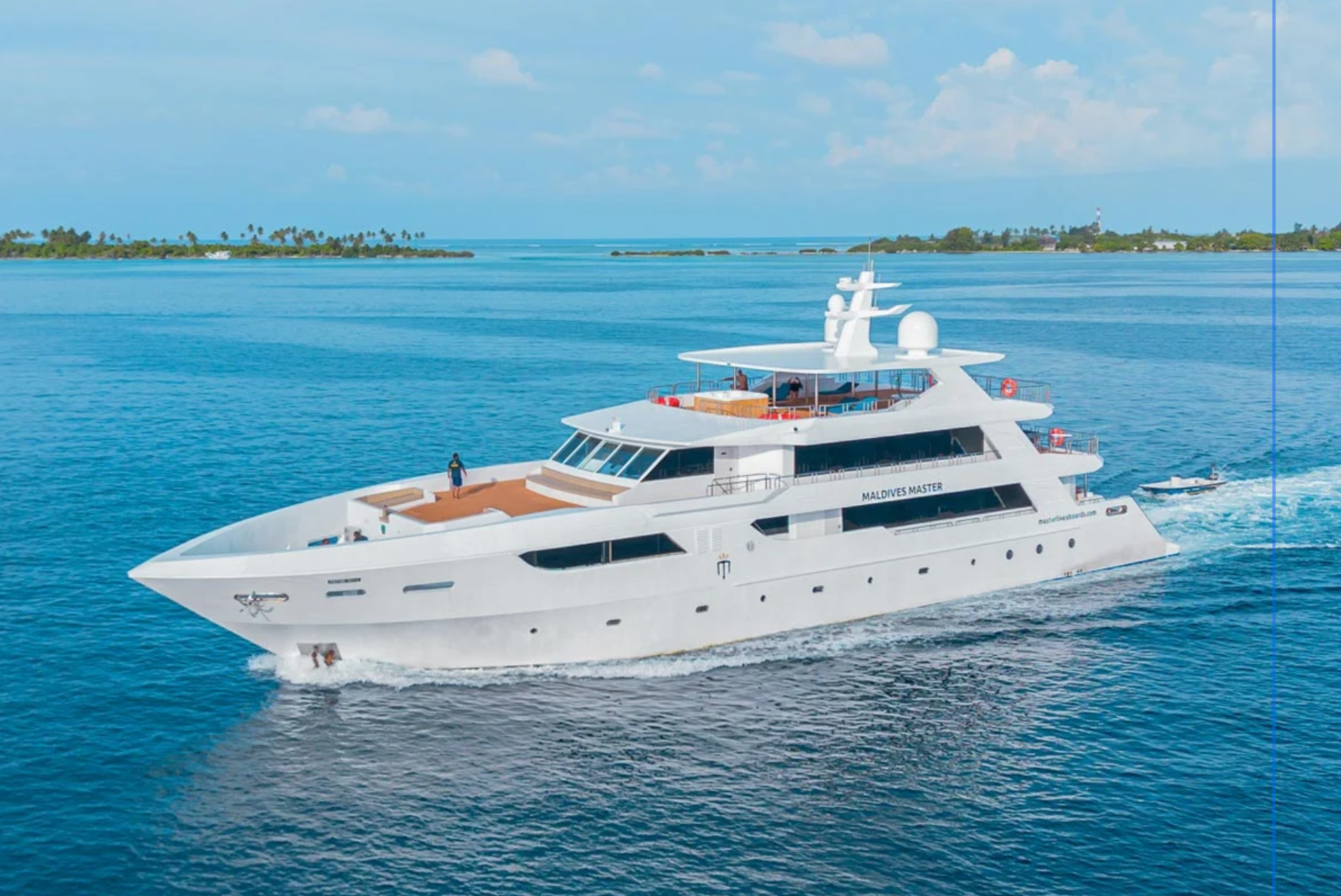
Maldives Master
Maldives
26 guests
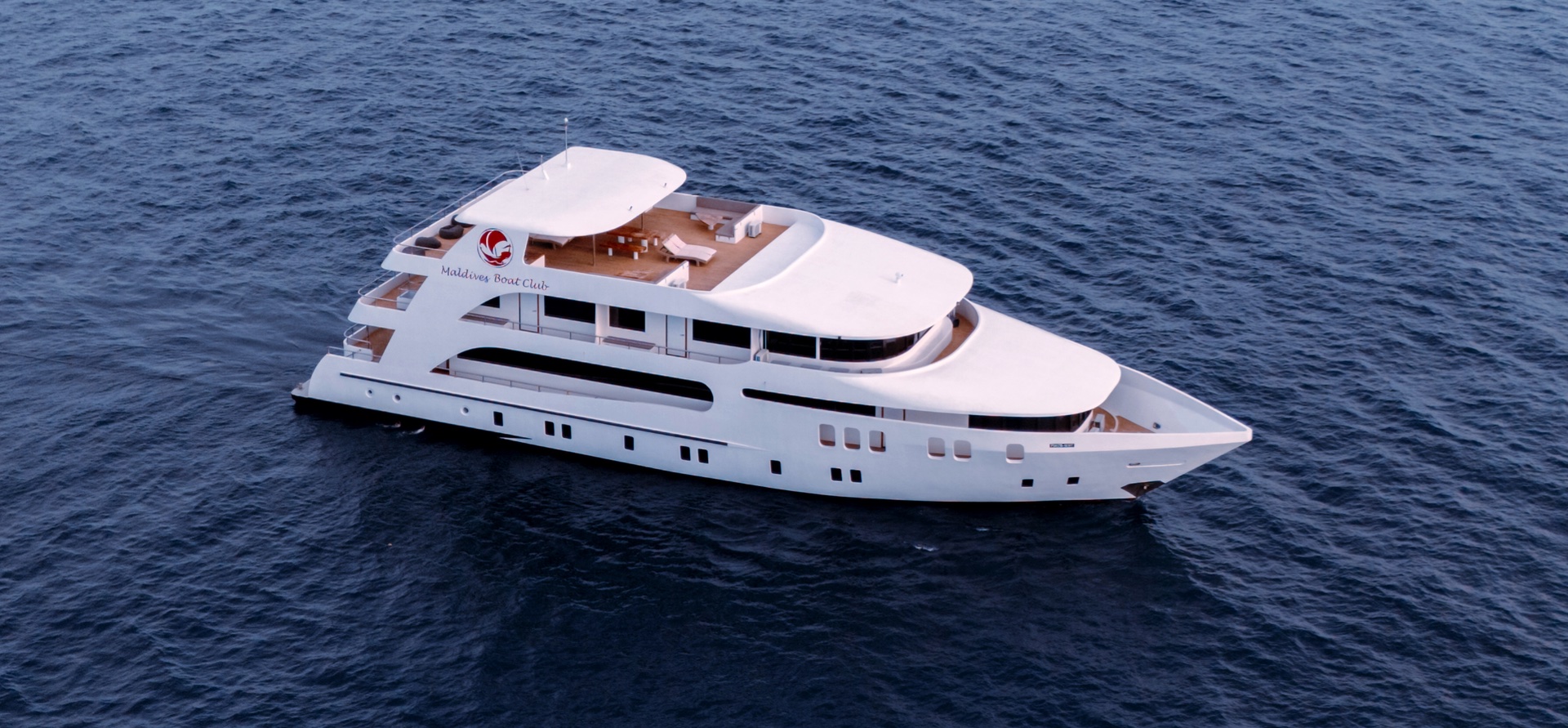
Adora
Maldives
22 guests
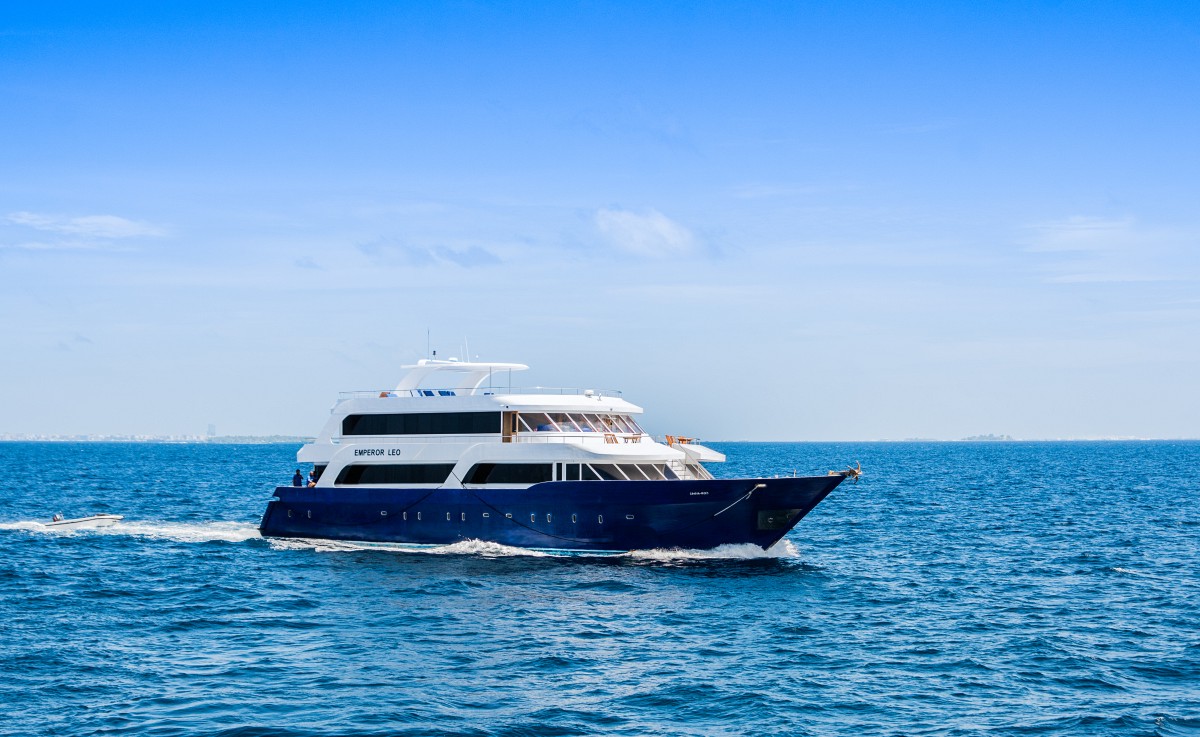
Emperor Leo
Maldives
24 guests35 m
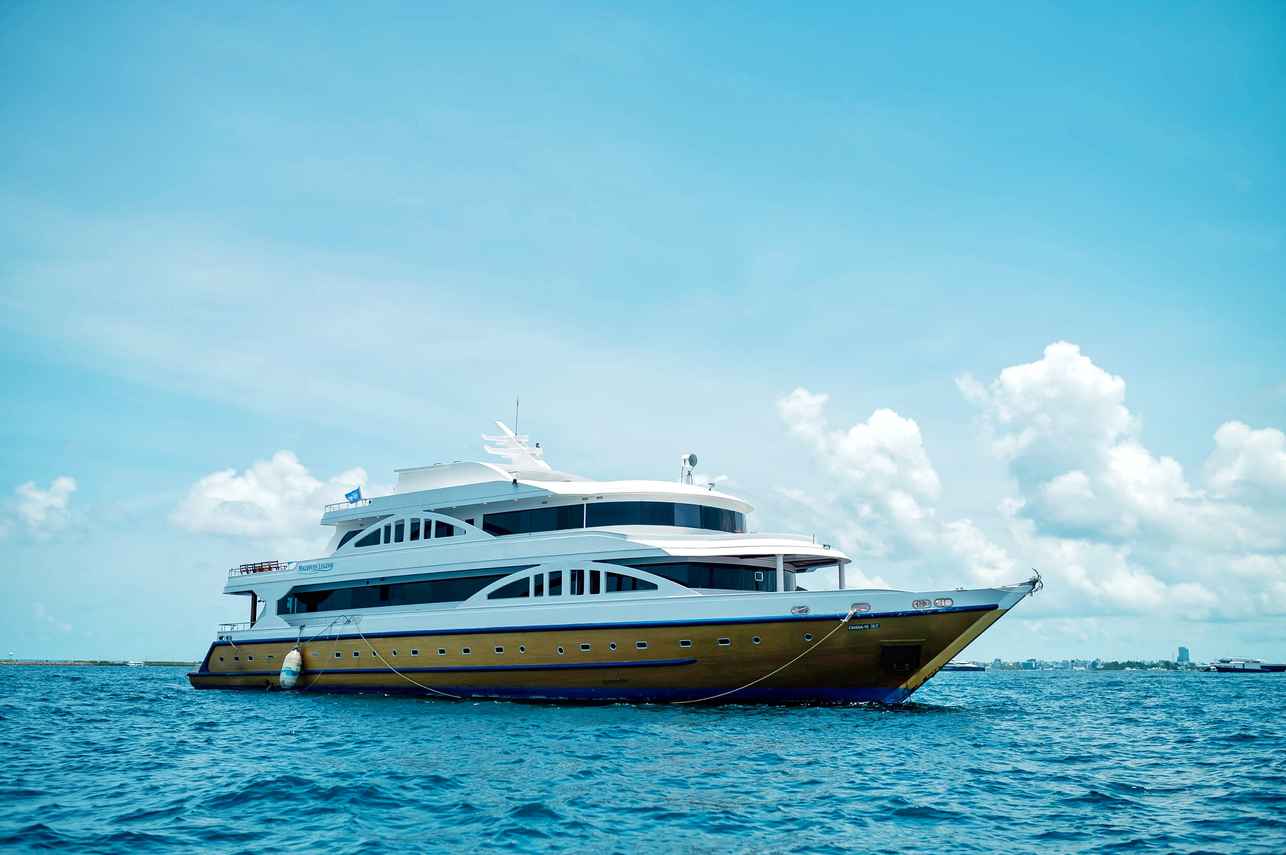
Maldives Legend Zen
Maldives
24 guests41 m
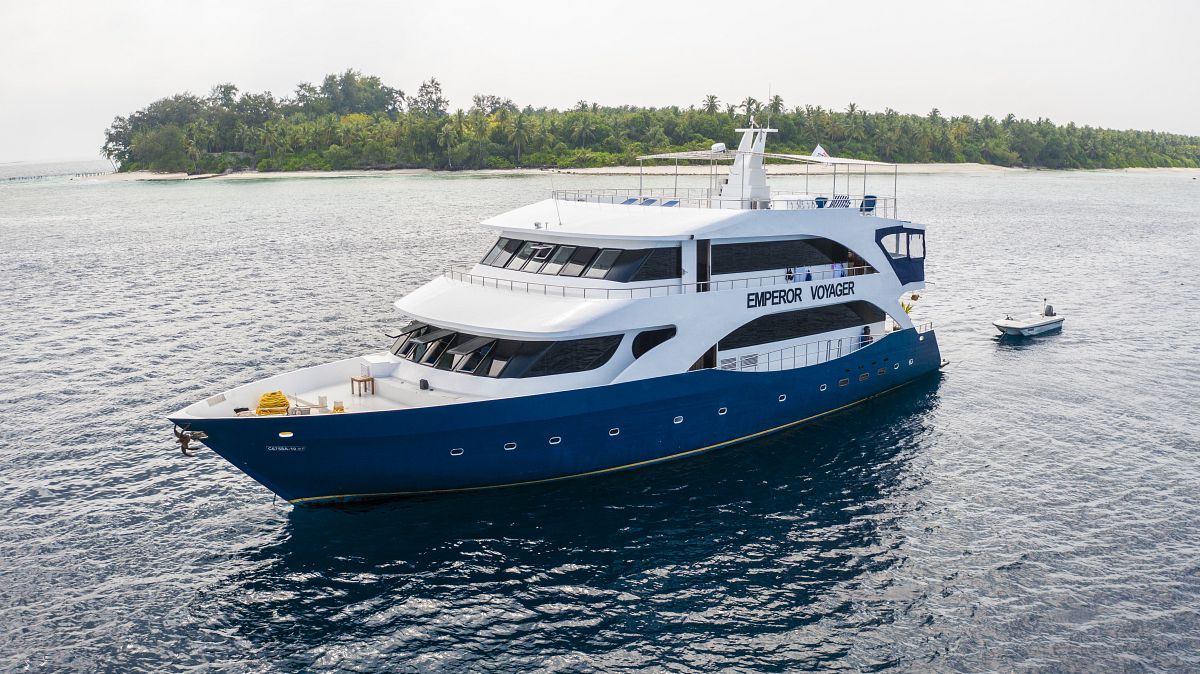
Emperor Voyager
Maldives
20 guests30 m
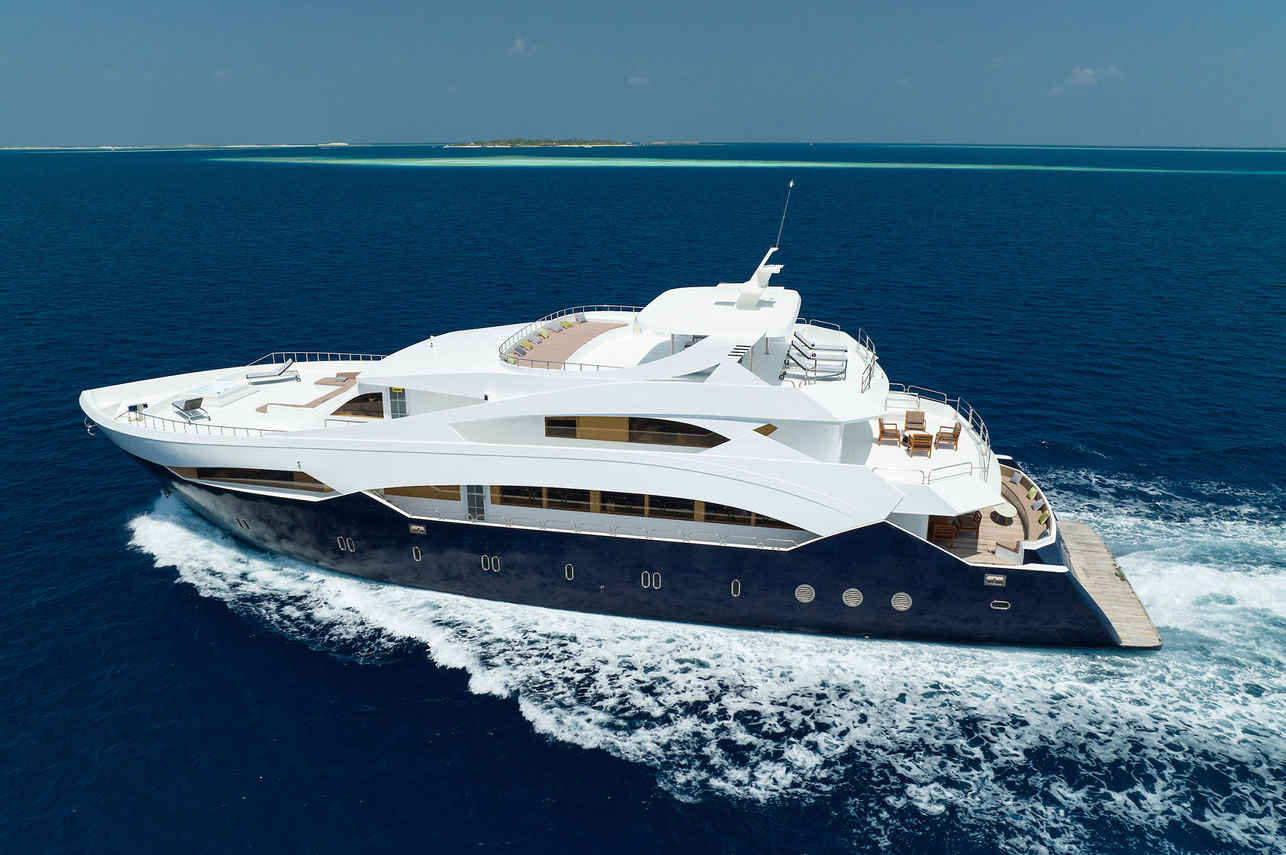
Felicity
Maldives
26 guests41 m
Dive sites similar to Thoondu Point
Same character, same waters — six more sites divers love for the exact same reasons.Compare seasons, access and liveaboard routes — then pick the site that fits your trip best.
© Esri — Maxar, Earthstar, GIS
7th Heaven
Maldives
7th Heaven is a vibrant channel reef located in the South Ari Atoll of the Maldives.
- Suitable for
- Intermediate
- Current
- Strong
- Access
- Liveaboard only
- Depth
- 10–30 m
- Theme
- Reef / Drift
The dive site known as "Abyss" is not specifically mentioned or described in the provided sources.
- Suitable for
- Intermediate
- Current
- Moderate
- Access
- Liveaboard or dayboat
- Depth
- 18–50 m
- Theme
- Reef
© Esri — Maxar, Earthstar, GIS
Addu Kandu
Maldives
Addu Kandu, also known as Addu Channel, is a significant natural waterway situated within the Addu Atoll, which is the southernmost atoll in the Maldives.
- Suitable for
- Advanced
- Current
- Strong
- Access
- Liveaboard only
- Depth
- 10–35 m
- Theme
- Drift
© Esri — Maxar, Earthstar, GIS
Aldabra Atoll
Seychelles
Aldabra Atoll, a remote UNESCO World Heritage Site in the Seychelles, offers an unparalleled diving experience that transports you back to a pristine, pre-industrial marine ecosystem.
- Suitable for
- Advanced
- Current
- Strong
- Access
- Liveaboard or dayboat
- Depth
- 5–40 m
- Theme
- Cave & cavern / Drift
© Esri — Maxar, Earthstar, GIS
Aldebaran Wreck
Seychelles
The Aldebaran Wreck, a 28-meter (92-foot) fishing vessel, was intentionally sunk on July 11, 2008, by the Seychelles Tourism Board to create an artificial reef.
- Suitable for
- Advanced
- Current
- Moderate
- Access
- Liveaboard or dayboat
- Depth
- 28–40 m
- Theme
- Wreck
© Esri — Maxar, Earthstar, GIS
Alimatha Jetty
Maldives
Alimatha Jetty, situated in the Vaavu Atoll beside the Alimatha Aquatic Resort's working pier, is celebrated as a premier night dive destination in the Maldives.
- Suitable for
- Beginner
- Current
- Moderate
- Access
- Liveaboard or dayboat
- Depth
- 2–12 m
- Theme
- Reef