About The Strip
Located in Bimini, The Strip is a notable reef line characterized by a small, low-profile coral formation situated in approximately 12 meters (40 feet) of water, surrounded by sand and algae beds. This unique topography creates numerous ledges and overhangs that serve as natural shelters, concentrating a high density of marine life. The site is celebrated for its rich biodiversity, including huge schools of grunts and snappers, various species of eels, and regular sightings of turtles and nurse sharks. Its compact nature ensures a constant visual spectacle, making it an excellent location for both day and night dives. During night dives, the reef comes alive with rare eels, crustaceans, and nudibranchs, offering a different perspective on its vibrant ecosystem. The broader waters around Bimini contribute to potential encounters with larger pelagic species, adding an exciting dimension to dives at The Strip. Generally calm conditions make boat access and diver retrieval straightforward, enhancing the overall dive experience. This site is suitable for divers of all experience levels due to its manageable depth and rich, accessible marine environment.
Highlights
Low-profile coral stripAbundant grunts and snappersEels and moray eelsNurse sharks sightingsExcellent night divingConcentrated fish lifeLedges and overhangsVariety of macro life
Season calendar
Best months to dive here
Jan
Feb
Mar
Apr
May
Jun
Jul
Aug
Sep
Oct
Nov
Dec
Excellent
Good
Off-Season
Nov – May (Peak)
Tiger sharks at Tiger Beach, hammerheads off Cat Island, best visibility up to 40m, calm seas.
Jun & Oct (Shoulder)
Reef sharks, nurse sharks, dolphins. Slightly rougher seas but still diveable.
Jul – Sep (Hurricane)
Many operators pause. If open, expect reduced visibility and unpredictable weather.
Dive site facts: The Strip
- Depth
- 12 m (40 ft)
- Current
- Strong current possible
- Visibility
- 20–30 m (65–100 ft)
- Water temperature
- 22–29°C (72–84°F)
- Entry
- Boat access
- Level
- All experience levels
- Dive type
- Reef, night dive
- Night dive
- Possible, excellent
- Region / port
- Bimini, Bahamas
- Coordinates
- 25.7361° N, 79.3328° W
Conditions & Currents
The Strip can experience strong currents, a factor divers must consider during planning and execution. It is crucial to monitor local current guidance and keep a clean, streamlined profile while navigating the reef. Dive operations typically employ a clear pickup strategy, which is essential given the potential for water movement. Divers should be mindful of staying close to the dive plan to ensure a safe and enjoyable experience at this reef line, which is usually accessed via boat with guided trips.
Marine life & sighting chances

Barracuda
common
Moray Eel
common
Lionfish
common
Angelfish
common
Spiny Lobster
common
Butterfly Fish
common
Parrotfish
common
Crab
common
Snapper
common
Grunt
common
Nurse Shark
common
Green Turtle
occasional
Bottlenose Dolphin
occasional
Octopus
March · occasionalDive profile & how the dive runs
Diving at The Strip typically involves a boat entry, leading to a shallow reef at 12 meters (40 feet). The dive route usually follows the elongated, low-profile coral strip, allowing divers to explore its numerous ledges and overhangs. These features are rich with concentrated fish life, including large schools of grunts and snappers, various eels, and macro subjects. Divers often spend time scrutinizing these nooks and crannies, especially during night dives to observe nocturnal crustaceans and nudibranchs. The turn point is determined by air consumption and current conditions, ensuring a relaxed exploration. The safety stop is conducted in the shallow surrounding waters, typically over the sand and algae beds, before returning to the boat for pickup.
Underwater photography
The Strip offers diverse photographic opportunities, from wide-angle shots of schooling fish to macro capture of elusive critters. For wide-angle photography, a fisheye or wide lens is ideal to capture the dense aggregations of grunts and snappers, as well as the overall reef structure and occasional passing turtles or nurse sharks. Strobes are beneficial to bring out the vibrant colors of the coral and fish in the relatively shallow but often shaded ledges. Macro enthusiasts will find a wealth of subjects, including various eels, crustaceans, and nudibranchs, particularly during night dives, where focus lights and snoots can highlight individual organisms. Buoyancy control is paramount to avoid disturbing the low-profile coral and to position correctly for shots.
Combine with nearby dive sites
- Bimini Barge
A deep wreck dive for advanced divers near the Gulf Stream.
- Turtle Rocks
Shallow rock formations popular for diverse marine life, accessible to snorkelers and novices.
- The Sapona
An iconic shallow wreck popular for snorkelers, beginners, and photographers.
- Tuna Alley
A seven-mile wall featuring sloping terrain and pelagic sightings.
- Rainbow Reef
Shallow ledges within a protected marine sanctuary, ideal for beginners.
Getting there & logistics
Access to Bimini is convenient, with major international airports in Nassau (Lynden Pindling International Airport) and Freeport (Grand Bahama International Airport) serving the Bahamas. From these, commuter planes or private speedboat transfers can reach Bimini. Many liveaboards exploring the Bimini area depart from Florida ports like Riviera Beach (near Palm Beach International Airport), offering easy access for travelers. Alternatively, resort-based diving is popular in Bimini, with local dive shops organizing daily boat trips to sites like The Strip. Trips can range from day excursions to week-long liveaboard itineraries, often combining several Bimini dive sites. Most dive sites do not require permits, but it's advisable to check with operators for any specific park fees or requirements.
Safety & environment
For diving in the Bahamas, a recompression chamber is available in Nassau. In case of a diving emergency at The Strip, evacuation would typically involve transport by boat to Bimini, followed by air evacuation to a medical facility in Florida or Nassau, depending on the severity and specific needs. Divers are strongly advised to have comprehensive dive insurance that covers emergency medical treatment and evacuation. Site-specific hazards at The Strip include potentially strong currents, requiring divers to adhere strictly to the dive plan and local guidance. Maintaining excellent buoyancy control is crucial to prevent contact with the low-profile coral formations. Always dive with a reputable operator, follow your guide's instructions, and ensure your dive skills are appropriate for the conditions encountered.
Who it suits — and who it doesn't
Suited for
- New divers seeking rich reef experiences
- Macro photographers
- Night dive enthusiasts
- Divers interested in diverse reef fish populations
- Those looking for a shallow, accessible reef dive
Less suited for
- Divers seeking deep wall or pelagic-only encounters
- Freedivers (due to emphasis on compact reef life on SCUBA)
- Those who prefer strong drift dives without static exploration
- Divers uncomfortable with potential currents
FAQ
The Strip FAQ
What kind of marine life can I expect to see at The Strip?
The Strip is renowned for its concentrated fish life. You can expect to see huge schools of grunts and snappers, various types of moray eels, and frequent sightings of nurse sharks. Macro life like crustaceans and nudibranchs are also abundant, especially during night dives.
Is The Strip suitable for beginner divers?
Yes, The Strip is excellent for divers of all experience levels. Its relatively shallow depth of 12 meters (40 feet) and rich marine environment make it very accessible. While currents can sometimes be strong, reputable dive operators will guide you safely through the site.
Can I do a night dive at The Strip?
Absolutely, The Strip is considered one of the best night dive sites in the Bimini area. Under the cover of darkness, you can find rare eels, various crustaceans, and nudibranchs that are often hidden during the day. It offers a completely different and exciting experience.
What are the typical diving conditions at The Strip?
The Strip generally has crystal-clear waters with visibility often ranging from 20 to 30 meters (65 to 100 feet). Water temperatures are comfortable, from 22-29°C (72-84°F) depending on the season. While typically calm, strong currents can sometimes be present, so listening to your dive guide is important.
How is The Strip accessed, and what are the regulations?
The Strip is accessed exclusively by boat through local dive operations in Bimini. It's usually dived as a guided reef stop rather than a shore entry. There are no specific permits typically required for this site, but following the charter's plan and local guidance on currents is essential for safety.
Why dive The Strip from a liveaboard?
The Strip is one of Bahamas's signature dive sites. A liveaboard sleeps you on the water and puts you in the water for three to four guided dives per day, including dawn and night dives that day-boat operators rarely offer. You skip the daily commute back to port and reach quieter, less-crowded sites in the same region on a single trip.
Below are the liveaboards that include The Strip on their Bahamas itineraries.
Liveaboards diving The Strip
These liveaboards may visit The Strip on selected itineraries — the exact dive sites depend on departure, weather and conditions.
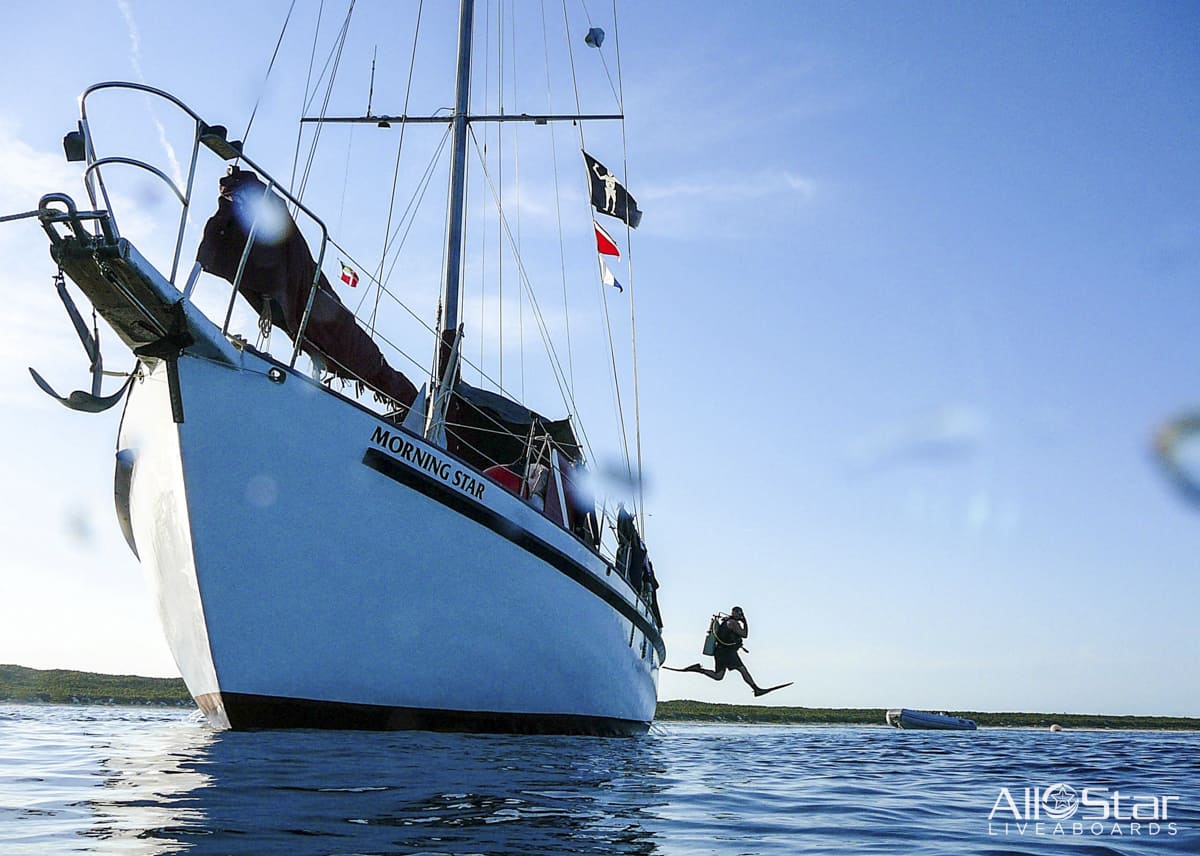
All Star Blackbeards Morning Star
Bahamas
24 guests20 m
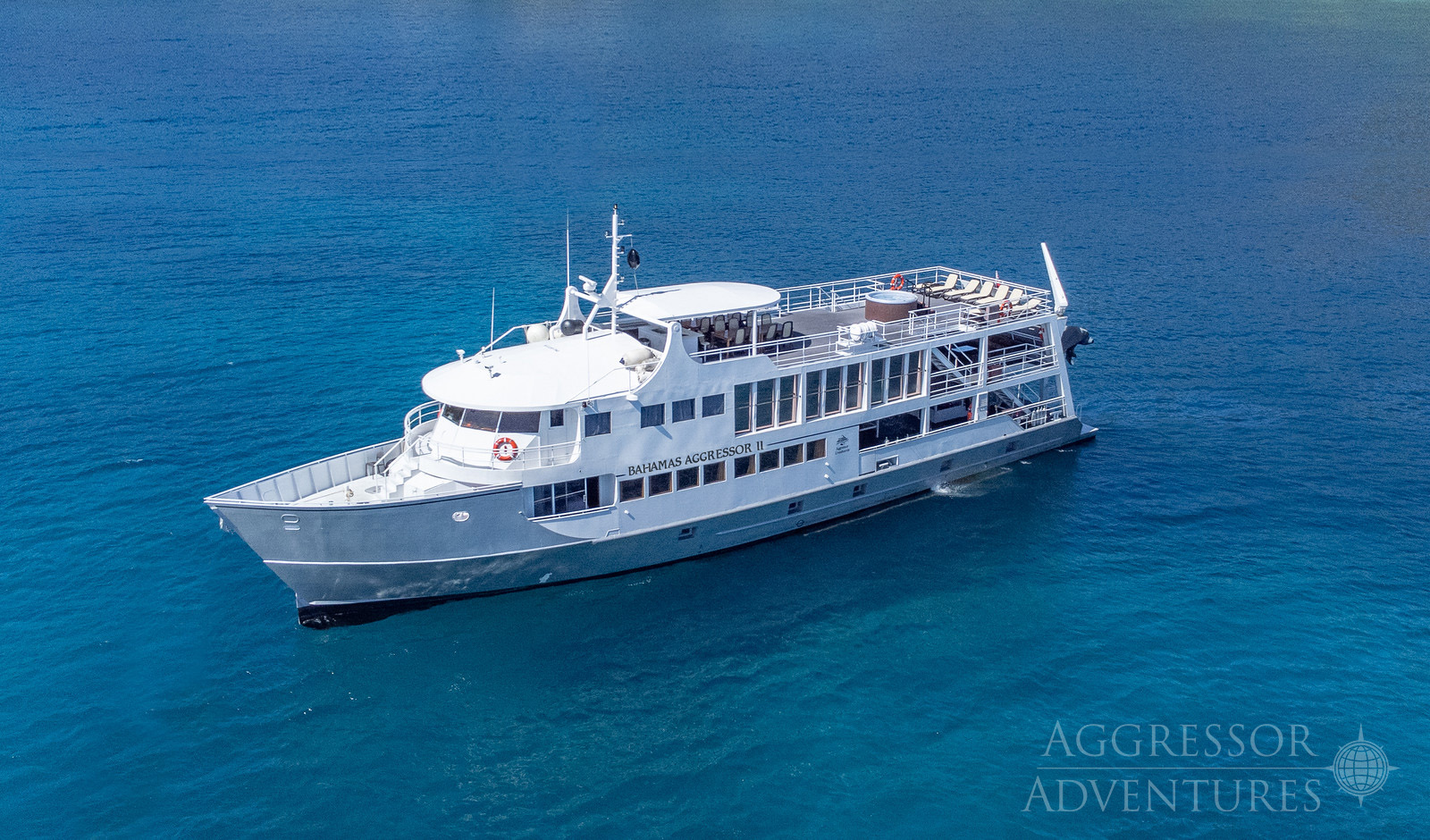
Bahamas Aggressor II
Bahamas
20 guests34 m
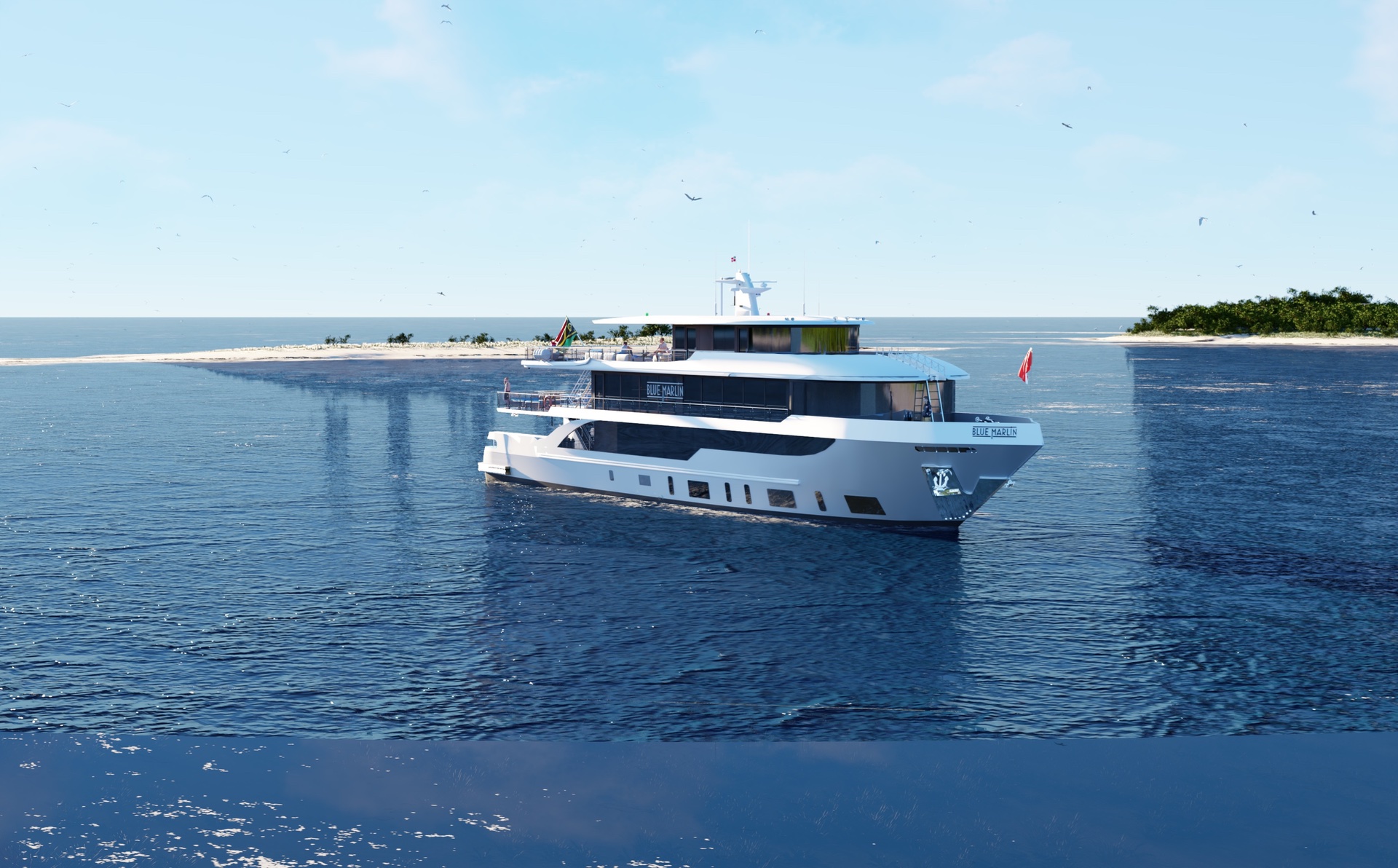
Blue Marlin
Bahamas
26 guests42 m
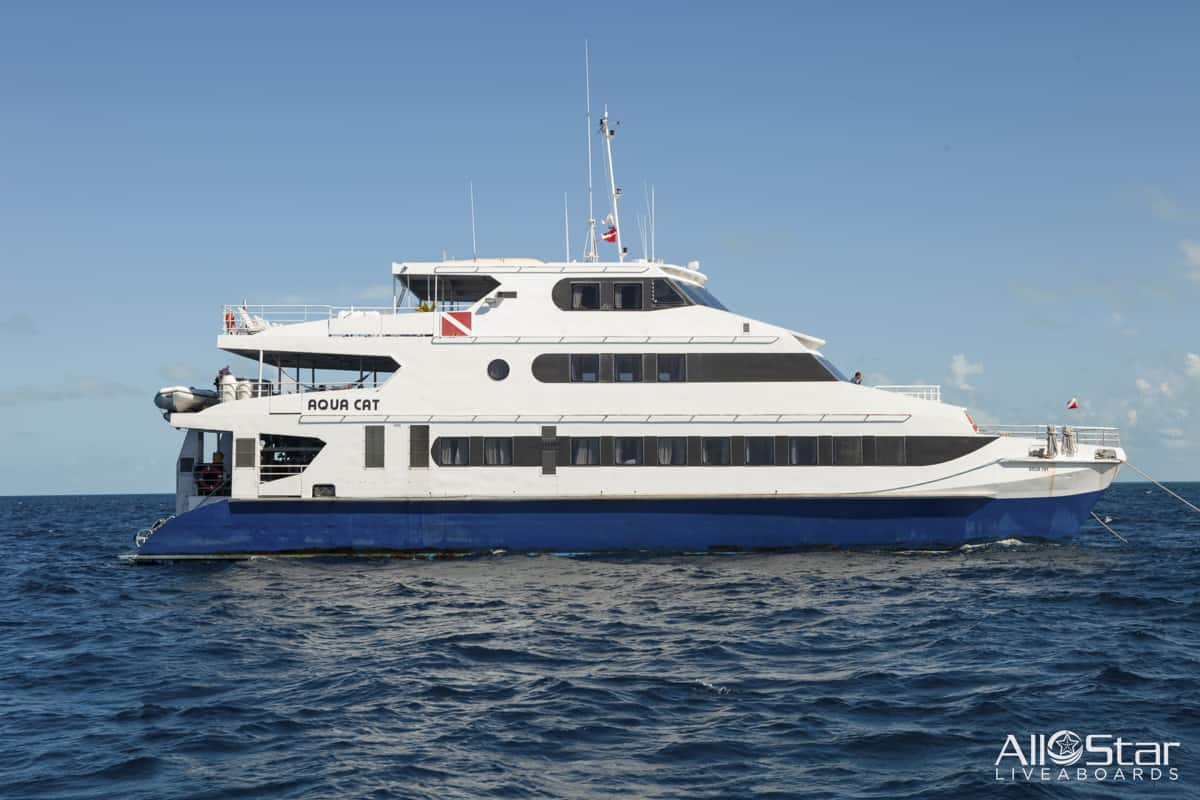
All Star Aqua Cat
Bahamas
30 guests31 m
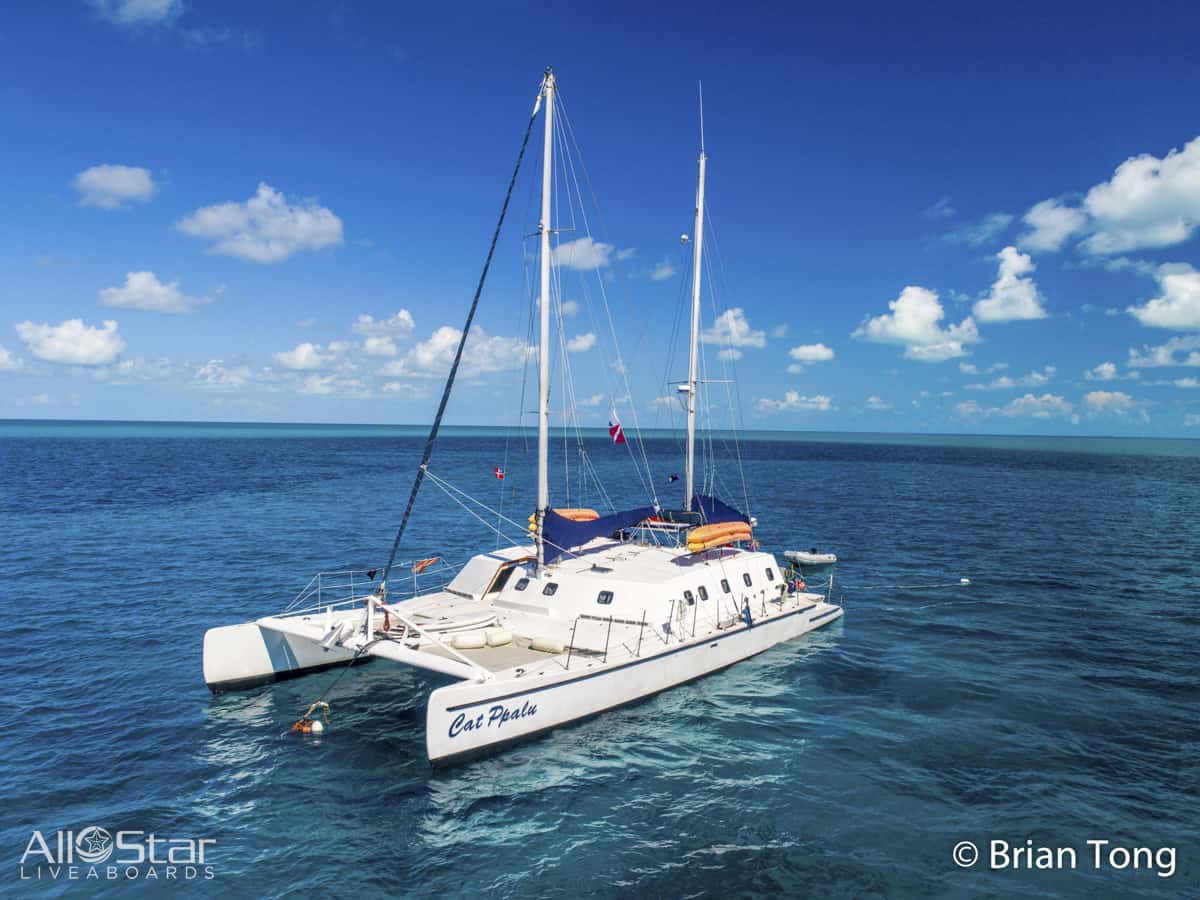
All Star Cat Ppalu
Bahamas
12 guests20 m
Dive sites similar to The Strip
Same character, same waters — six more sites divers love for the exact same reasons.Compare seasons, access and liveaboard routes — then pick the site that fits your trip best.
© Esri — Maxar, Earthstar, GIS
3 Fathom Wall
Cayman Islands
3 Fathom Wall is an exciting and fish-filled dive site located in the Cayman Islands, specifically at the intersection of the renowned Bloody Bay Wall.
- Suitable for
- Intermediate
- Current
- Mild
- Access
- Liveaboard only
- Depth
- ≤ 3000 m
- Theme
- Reef
While specific details for a dive site named "3 Riff" are not present in the provided sources, general diving conditions and characteristics for the Dominican Republic…
- Suitable for
- Advanced
- Current
- Mild
- Access
- Dayboat
- Depth
- 30–55 m
- Theme
- Reef
The dive site known as 3 Rocks is located off the coast of Sosúa in Puerto Plata, Dominican Republic, offering an accessible and lively underwater experience.
- Suitable for
- Beginner
- Current
- Mild
- Access
- Dayboat
- Depth
- 2–8 m
- Theme
- Reef
4 Amigos is a notable dive site located in the Bay Islands of Honduras, an area renowned for its extensive Mesoamerican Barrier Reef System, which is the world's second-longest.
- Suitable for
- Intermediate
- Current
- Moderate
- Access
- Liveaboard or dayboat
- Depth
- 9–40 m
- Theme
- Reef
© Esri — Maxar, Earthstar, GIS
6 Toed Cat
Mexico
The dive site known as "6 Toed Cat" is not a recognized dive location in Mexico; rather, it refers to the polydactyl felines, many with six toes, that inhabit the Ernest Hemingway Home and Museum in Key West, Florida.
- Suitable for
- Beginner
- Current
- Mild
- Access
- Liveaboard or dayboat
- Depth
- —
- Theme
- Reef
© Esri — Maxar, Earthstar, GIS
Aaron's Backyard
Honduras
Aaron's Backyard is a noted dive site within the Roatan Marine Park in Honduras, part of the extensive Mesoamerican Barrier Reef System.
- Suitable for
- Intermediate
- Current
- Moderate
- Access
- Liveaboard or dayboat
- Depth
- 9–40 m
- Theme
- Reef