About South West Rocks - Green Island
Green Island, situated off South West Rocks in New South Wales, presents an appealing dive destination within Australia's Great Southern Reef ecosystem. This site, easily accessible by boat, is known for its diverse marine inhabitants and varying underwater topography. It serves as a vital habitat for both temperate and tropical species, influenced by the East Australian Current that brings nutrient-rich waters to the area. While often overshadowed by the nearby Fish Rock Cave, Green Island provides a unique experience, particularly for macro enthusiasts and those seeking encounters with schooling fish and occasional larger pelagics. The dive site itself features a maximum depth of 20 meters, with an average depth around 14 to 16 meters, making it suitable for open water certified divers. Conditions can range from good to moderate, influenced by swell, wind, and tides. The island's sheltered northern side often provides calmer waters, which can be particularly beneficial when offshore conditions are rough. Visibility at Green Island can vary, with recent reports indicating around 5 meters, though it can be much clearer under optimal conditions. Marine life sightings include a variety of smaller creatures favored by macro photographers, along with occasional observations of schools of spotted eagle rays. Though not primarily known for sharks like its famous neighbor, Green Island still benefits from the abundant ecosystem of the South West Rocks region. Divers can expect to find a rich array of fish life along the island's gentle slopes and rocky formations. Boat entry is standard for this site, and divers should be prepared for cool water temperatures, especially outside the warmer months, often requiring a 7mm wetsuit. Despite potential moderate swells and currents, Green Island remains a rewarding dive for those seeking a tranquil and detailed exploration of a vibrant temperate reef environment.
Highlights
Diverse macro lifeSpotted eagle raysTemperate and tropical speciesSheltered diving opportunitiesRich fish lifeOpen Water accessible
Season calendar
Best months to dive here
Jan
Feb
Mar
Apr
May
Jun
Jul
Aug
Sep
Oct
Nov
Dec
Excellent
Good
Off-Season
Dive site facts: South West Rocks - Green Island
- Depth
- 6–22 m
- Typical dive
- 14–16 m
- Current
- Moderate
- Visibility
- 5 m (can be better)
- Water temperature
- 20°C
- Entry
- Boat
- Level
- Open Water
- Dive type
- Reef, Cave & cavern
- Region / port
- South West Rocks, New South Wales
- Coordinates
- -30.89, 153.07
Conditions & Currents
Conditions at Green Island can vary, with moderate swell and light breezes often present. The East Australian Current, a significant force in the region, influences the site, bringing nutrients and marine life but also potential currents. Divers should anticipate a range of current strengths, especially around exposed areas of the island. The northern side of Green Island often provides a more sheltered environment from the elements, which can be advantageous during rough offshore conditions. Surface conditions can impact visibility and overall dive comfort, necessitating a boat entry. Divers should be mindful of tidal movements, as they can affect current intensity and clarity, with some reports indicating green conditions despite an abundance of macro life. A 7mm wetsuit is frequently recommended due to cooler water temperatures, which can drop to 20°C or lower. Stronger currents or su
Marine life & sighting chances

Wobbegong Shark
occasional
Humpback Whale
May–November · occasionalDive profile & how the dive runs
Diving at Green Island typically begins with a boat entry, often deploying from the Macleay River for a 30-minute journey to the site. Upon arrival, divers descend into depths ranging from an average of 14 meters to a maximum of 20 meters, making it comfortable for Open Water certified individuals. The dive usually explores the gently sloping walls and rocky structures that characterize the island's underwater topography. Depending on surface conditions, especially if there's significant swell, the boat might position itself on the more sheltered northern side of the island. Divers follow a route that allows for observation of macro life and schooling fish, keeping an eye out for larger pelagics like spotted eagle rays. The dive progresses around the island, often encountering various gutters and smaller canyons. The turning point is generally determined by air consumption or bottom time, with the ascent initiated back towards the boat's location. Safety stops are conducted at the standard 5 meters for 3 minutes, typically performed while drifting or holding onto a line if conditions require.
Underwater photography
Green Island offers excellent opportunities for macro and wide-angle photography, depending on visibility. For capturing the vibrant macro life, such as various small critters and juvenile fish, a macro lens (like a 60mm or 100mm) paired with a powerful strobe or snoot will yield detailed shots. If visibility is good, a wide-angle lens can be effective for documenting schooling fish and the island's overall reef structure, especially if spotted eagle rays are present. Pay close attention to buoyancy to avoid disturbing the delicate ecosystem and to maintain clear shots in potentially variable visibility. When conditions are 'green,' focus on isolating subjects with strobes and using backscatter reduction techniques. Due to moderate swells and potential currents, ensure your camera setup is secure and manageable in the water.
Combine with nearby dive sites
- Green Island South
A closely related site with similar conditions, deeper average depth.
- Fish Rock Cave
A famous site known for its 120m cave and Grey Nurse Sharks, requiring advanced certification.
- North Solitary Island
Part of the Solitary Islands Marine Park, known for diverse marine life.
- South Solitary Island
Another key dive site within the Solitary Islands Marine Park.
Getting there & logistics
Diving Green Island requires travel to South West Rocks, New South Wales, which is approximately a five-hour drive from both Sydney and Brisbane. Divers typically meet at a local dive shop, usually around 7:30 AM, for a double dive, returning between 1:30 PM and 2:00 PM. The dive trips depart by boat from the Macleay River, taking about 30 minutes to reach the dive site. While Green Island can be a standalone dive, it's often combined with other local sites like Fish Rock, offering a varied itinerary for divers staying in the area. No specific park fees for Green Island are mentioned, but dive operators will include boat fees in their pricing. Accommodation options range from private rooms to dedicated divers' lodges in South West Rocks. Given the travel distance from major cities, a multi-day trip is usually recommended to fully experience the local diving.
Safety & environment
Diving at Green Island requires adherence to standard dive safety protocols, and divers should maintain their fitness for diving. The nearest recompression chamber is located in Sydney, necessitating robust emergency action plans in case of a decompression illness incident. Evacuation from Green Island would involve transport by boat back to the mainland, followed by road transport to a medical facility, which can be time-consuming. Dive insurance, covering medical emergencies and evacuation, is highly recommended. Site-specific hazards include potential moderate currents and swells, which can impact comfort and require good buoyancy control. Divers should always dive within their certification limits, preferably with recent dive experience, and communicate any concerns about conditions to their dive guide. A 7mm wetsuit is often advisable due to cooler water temperatures, preventing hypothermia. Always follow the instructions of the dive operator and guide, especially concerning entry and exit procedures from the boat.
Who it suits, and who it doesn't
Suited for
- Open Water certified divers seeking moderate conditions
- Macro photography enthusiasts
- Divers interested in diverse temperate and tropical marine life
- Those looking for a sheltered alternative in rougher offshore conditions
- Divers seeking a tranquil reef experience
Less suited for
- Divers expecting extreme depths
- Those solely focused on large pelagic shark encounters (Fish Rock is better)
- Individuals prone to severe seasickness in moderate swell
- Divers unprepared for cooler water temperatures
- Absolute beginner divers without recent experience in mild currents
FAQ
South West Rocks - Green Island FAQ
What is the typical depth at Green Island?
Green Island offers an average depth of 14 to 16 meters, with a maximum depth reaching 20 meters. This makes the site highly accessible and enjoyable for Open Water certified divers, providing a comfortable range for exploration.
What marine life can I expect to see at Green Island?
Divers at Green Island can anticipate a variety of marine life, including diverse macro organisms, schooling fish, and occasional sightings of spotted eagle rays. While not a primary shark aggregation site, it benefits from the rich ecosystem, sometimes hosting turtles, blue groupers, and goatfish, and rarely Grey Nurse Sharks.
What are the water conditions like at Green Island?
Water conditions at Green Island are generally moderate, with potential for swell and light breezes. Water temperatures can be cool, often around 20°C, necessitating a 7mm wetsuit. Visibility varies, with recent reports around 5 meters, though it can improve significantly on calm days.
Is Green Island suitable for Open Water divers?
Yes, Green Island is well-suited for Open Water certified divers due to its manageable depths and generally moderate conditions. While current experience can be helpful, the site often provides sheltered areas, making it an accessible option for those looking to explore a vibrant reef.
How is Green Island accessed for diving?
Access to Green Island is exclusively via boat, with trips typically departing from the Macleay River in South West Rocks. The journey to the dive site takes approximately 30 minutes. Dive operators in the area facilitate these boat trips as part of their daily dive tours.
What should I pack for diving Green Island?
Given the cool water temperatures, a 7mm wetsuit is highly recommended for comfort. Additionally, consider packing motion sickness medication if you are prone to seasickness, as moderate swells can occur. Standard dive gear, along with sun protection and appropriate clothing for boat travel, are also essential.
Why dive South West Rocks - Green Island from a liveaboard?
South West Rocks - Green Island is one of Australia's signature dive sites. A liveaboard sleeps you on the water and typically offers several guided dives per day (the exact number depends on the vessel and itinerary), including dawn and night dives that day-boat operators rarely offer. You skip the daily commute back to port and reach quieter, less-crowded sites in the same region on a single trip.
Liveaboards diving South West Rocks - Green Island
These liveaboards may visit South West Rocks - Green Island on selected itineraries, the exact dive sites depend on departure, weather and conditions.
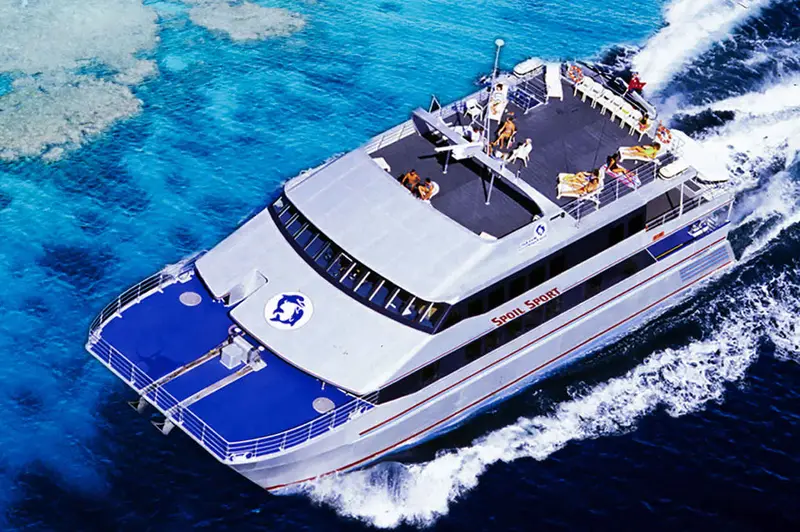
Spoilsport
Australia
28 guests30 m
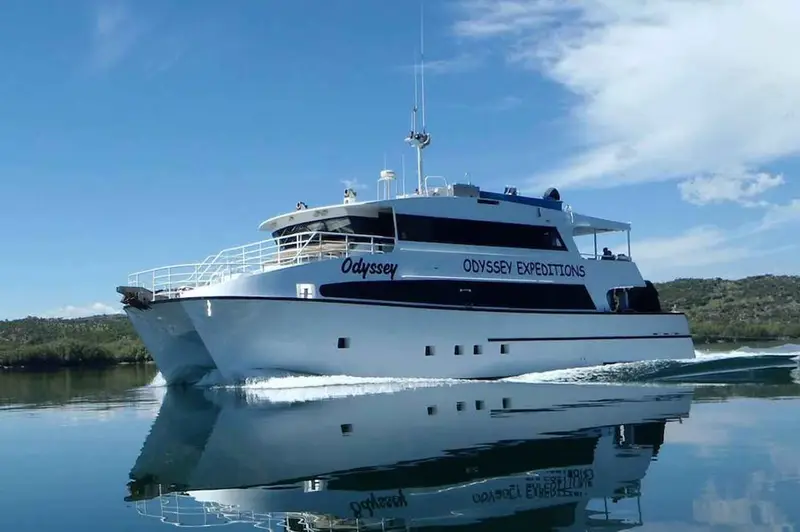
Odyssey Liveaboard
Australia
20 guests24 m
Dive sites similar to South West Rocks - Green Island
Same character, same waters, six more sites divers love for the exact same reasons.Compare seasons, access and liveaboard routes, then pick the site that fits your trip best.
© EsriMaxar, Earthstar, GIS
Bait Reef - Stepping Stones
Australia
The Stepping Stones at Bait Reef offer an intermediate diving experience within the Great Barrier Reef Marine Park, situated approximately 65 km northeast of Airlie Beach.
- Suitable for
- Intermediate
- Current
- Strong
- Access
- Liveaboard or dayboat
- Depth
- 3–30 m
- Theme
- Cave & cavern / Reef
© EsriMaxar, Earthstar, GIS
Bougainville Reef
Australia
Bougainville Reef, situated approximately 150 km south of Osprey Reef in the Coral Sea, is a remote and pristine dive destination off Australia's northeast coast.
- Suitable for
- Intermediate
- Current
- Strong
- Access
- Liveaboard only
- Depth
- 15–1000 m
- Theme
- Cave & cavern / Reef
© EsriMaxar, Earthstar, GIS
Cat's Meow
Fiji
Cat's Meow is a renowned dive site nestled within the Bligh Water region of Fiji, an area frequently explored by liveaboards.
- Suitable for
- Intermediate
- Current
- Ripping
- Access
- Liveaboard or dayboat
- Depth
- 8–25 m
- Theme
- Cave & cavern / Reef
© EsriMaxar, Earthstar, GIS
Dreadlocks
Fiji
Dreadlocks is a captivating dive site situated near Savusavu, on Fiji's second-largest island, Vanua Levu.
- Suitable for
- Intermediate
- Current
- Strong
- Access
- Liveaboard or dayboat
- Depth
- 5–25 m
- Theme
- Cave & cavern / Reef
Alibaba is a renowned drift dive located within the Garuae Pass in northern Fakarava, a UNESCO Biosphere Reserve in the Tuamotu Archipelago.
- Suitable for
- Intermediate
- Current
- Strong
- Access
- Liveaboard only
- Depth
- 5–30 m
- Theme
- Reef
© EsriMaxar, Earthstar, GIS
Aliko Reef
Micronesia
Aliko Reef is a prominent dive site within Yap, Micronesia, characterized by a captivating underwater topography that blends a mini-wall with an expansive coral plateau.
- Suitable for
- Intermediate
- Current
- Mild
- Access
- Dayboat
- Depth
- 6–15 m
- Theme
- Reef / Wall