About Green Island South
Green Island, located off South West Rocks in New South Wales, is a prominent dive destination within Australia’s Great Southern Reef ecosystem. Positioned a few dozen meters from the mainland, it's primarily accessed by boat, with dive operations often launching from the Macleay River for a short journey to the site. The island serves as a critical habitat, influenced by the nutrient-rich East Australian Current, supporting both temperate and tropical marine species. The underwater topography on the northern and eastern sides features a low reef extending from 15 meters down to 16-17 meters on sand, becoming more prominent with shear walls, narrow gutters, and overhangs towards the southeastern corner. While not known for dramatic depths, it offers a rich environment for exploration by open water certified divers, with a maximum depth of 20 meters. Green Island is particularly notable as a congregation site for grey nurse sharks, especially during winter and spring months, with divers reporting significant numbers. Beyond sharks, the site thrives with diverse macro life, schooling fish, and occasional sightings of larger pelagics like spotted eagle rays. Its sheltered northern side often provides calmer conditions, enhancing the dive experience. Diving here typically involves boat entry, navigating the island’s formations to observe resident marine life. While conditions can vary with swell and currents, the site remains a rewarding experience for those seeking detailed exploration of a vibrant temperate reef, often requiring a 7mm wetsuit due to cooler water temperatures outside warmer periods.
Highlights
Grey nurse shark congregationDiverse macro lifeEast Australian Current influenceTemperate and tropical speciesSheltered northern sideGently sloping reef wallsSpotted eagle ray sightings
Season calendar
Best months to dive here
Jan
Feb
Mar
Apr
May
Jun
Jul
Aug
Sep
Oct
Nov
Dec
Excellent
Good
Off-Season
Jun – Oct
Dry season with best visibility on the Great Barrier Reef. Minke whale season June–July. Ningaloo whale sharks March–July.
Apr – May & Nov
Comfortable temperatures, good visibility, fewer crowds. Giant cuttlefish aggregation in South Australia May–August.
Dec – Mar
Wet season in the tropics. Reduced visibility, jellyfish season. Warmer water attracts coral spawning.
Dive site facts: Green Island South
- Depth
- 14–20 m
- Typical dive
- 14–16 m
- Current
- Moderate
- Visibility
- 5–20 m
- Water temperature
- 20°C
- Entry
- Boat
- Level
- Open Water
- Dive type
- Macro, reef, temperate
- Night dive
- Possible
- Region / port
- South West Rocks, New South Wales
- Coordinates
- -30.89, 153.07
Conditions & Currents
Conditions at Green Island can range from moderate swell to light breezes, heavily influenced by the East Australian Current. This current brings rich nutrients and marine life but can also introduce varying current strengths, especially in exposed areas. Divers should be aware of tidal movements, as they can directly impact current intensity and local visibility. The northern side of Green Island often provides a more sheltered environment, which is advantageous during rough offshore conditions, though surface chop can still affect comfort and visibility. Boat entry is standard, and managing buoyancy is key, especially when currents are present. Water temperatures can be cool, often around 20°C, necessitating appropriate thermal protection.
Marine life & sighting chances

Grey Nurse Shark
Winter and Spring · common
Spotted Eagle Ray
occasional
Wobbegong Shark
occasional
Turtle
occasional
Goatfish
common
Mantis Shrimp
rare
Humpback Whale
May–November · occasional
Blue Groper
common
Remora fish
commonDive profile & how the dive runs
Diving at Green Island typically starts with a boat entry after a 30-minute journey from the Macleay River. Divers descend to an average depth of 14-16 meters, reaching a maximum of 20 meters, making it ideal for Open Water divers. The dive usually follows the sand edge along the reef, heading east from the mooring on the north-west corner. Grey nurse sharks are often found congregating in the area between the mooring and the north corner, and further south. As you round the corner, the reef becomes more shear with narrow gutters and overhangs, offering exploration opportunities. Divers zig-zag to explore these features, observing macro life and schooling fish. The dive progresses south along the sand edge until it meets a vertical wall, which often serves as a natural turning point. Safety stops are conducted during ascent.
Underwater photography
Green Island offers excellent opportunities for wide-angle photography, especially during winter and spring when grey nurse sharks are abundant. A fisheye or wide-angle lens is ideal for capturing their presence, particularly in the deeper, clearer areas where they congregate. For macro enthusiasts, the diverse reef life and small creatures require a macro lens, with careful attention to buoyancy to avoid disturbing delicate subjects. When photographing sharks, maintain a respectful distance and avoid sudden movements. Given varying visibility, strobes are highly recommended to bring out natural colors and improve contrast, especially in ambient light conditions.
Combine with nearby dive sites
Getting there & logistics
Access to Green Island is primarily via boat, with dive operations typically departing from South West Rocks, New South Wales. Journeys to the site, such as from the Macleay River, can take around 30 minutes. Divers are advised to confirm trip lengths with operators, as Green Island is often combined with other local sites like the famous Fish Rock Cave. No specific park fees are mentioned for Green Island itself, but divers should inquire with their chosen operator about any applicable costs. Given the cooler water temperatures outside the warmer months, packing a 7mm wetsuit is frequently recommended to ensure comfort during dives.
Safety & environment
For recompression chamber access, divers in this region would typically rely on facilities in larger regional centers, with evacuation often involving road transport or air ambulance in severe cases. Comprehensive dive insurance, covering medical emergencies and evacuation, is highly recommended. Site-specific hazards include potential moderate currents, especially in exposed areas, requiring careful dive planning and awareness of tidal movements. Divers should maintain appropriate thermal protection given the cooler water temperatures, which can drop to 20°C or lower. Adherence to dive guide instructions and buddy system protocols is crucial for safe diving at Green Island.
Who it suits — and who it doesn't
Suited for
- Open Water certified divers
- Macro photography enthusiasts
- Divers seeking grey nurse shark encounters
- Those interested in temperate reef ecosystems
- Divers comfortable with boat entries and moderate currents
Less suited for
- Beginners unfamiliar with boat entries
- Divers seeking exclusively tropical, warm water diving
- Those who prefer minimal current environments
- Individuals sensitive to cooler water temperatures
- Divers expecting extreme depths or extensive wreck diving
FAQ
Green Island South FAQ
What is the best time of year to see grey nurse sharks at Green Island?
Grey nurse sharks are most commonly sighted at Green Island during the winter and spring months. Divers visiting between June and September have reported high numbers, making this period ideal for shark encounters.
What are the typical dive depths at Green Island?
The dive site at Green Island features depths ranging from an average of 14-16 meters to a maximum of 20 meters. This makes it suitable and comfortable for open water certified divers to explore its reef formations.
How strong are the currents at Green Island?
Currents at Green Island are typically moderate, influenced by the East Australian Current and tidal movements. The northern side of the island often offers more sheltered conditions, but divers should be prepared for varying strengths, especially in more exposed areas.
What kind of marine life can I expect to see beyond sharks?
Beyond the notable grey nurse sharks, Green Island is home to diverse marine life. You can expect to encounter various macro species, schooling fish like goatfish, occasional spotted eagle rays, wobbegong sharks, and turtles.
Is Green Island suitable for all diver levels?
Green Island is well-suited for Open Water certified divers due to its manageable depths. While the site is accessible, moderate currents and cooler water temperatures might require some prior experience and comfort with temperate diving conditions.
Why dive Green Island South from a liveaboard?
Green Island South is one of Australia's signature dive sites. A liveaboard sleeps you on the water and puts you in the water for three to four guided dives per day, including dawn and night dives that day-boat operators rarely offer. You skip the daily commute back to port and reach quieter, less-crowded sites in the same region on a single trip.
Below are the liveaboards that include Green Island South on their Australia itineraries.
Liveaboards diving Green Island South
These liveaboards may visit Green Island South on selected itineraries — the exact dive sites depend on departure, weather and conditions.
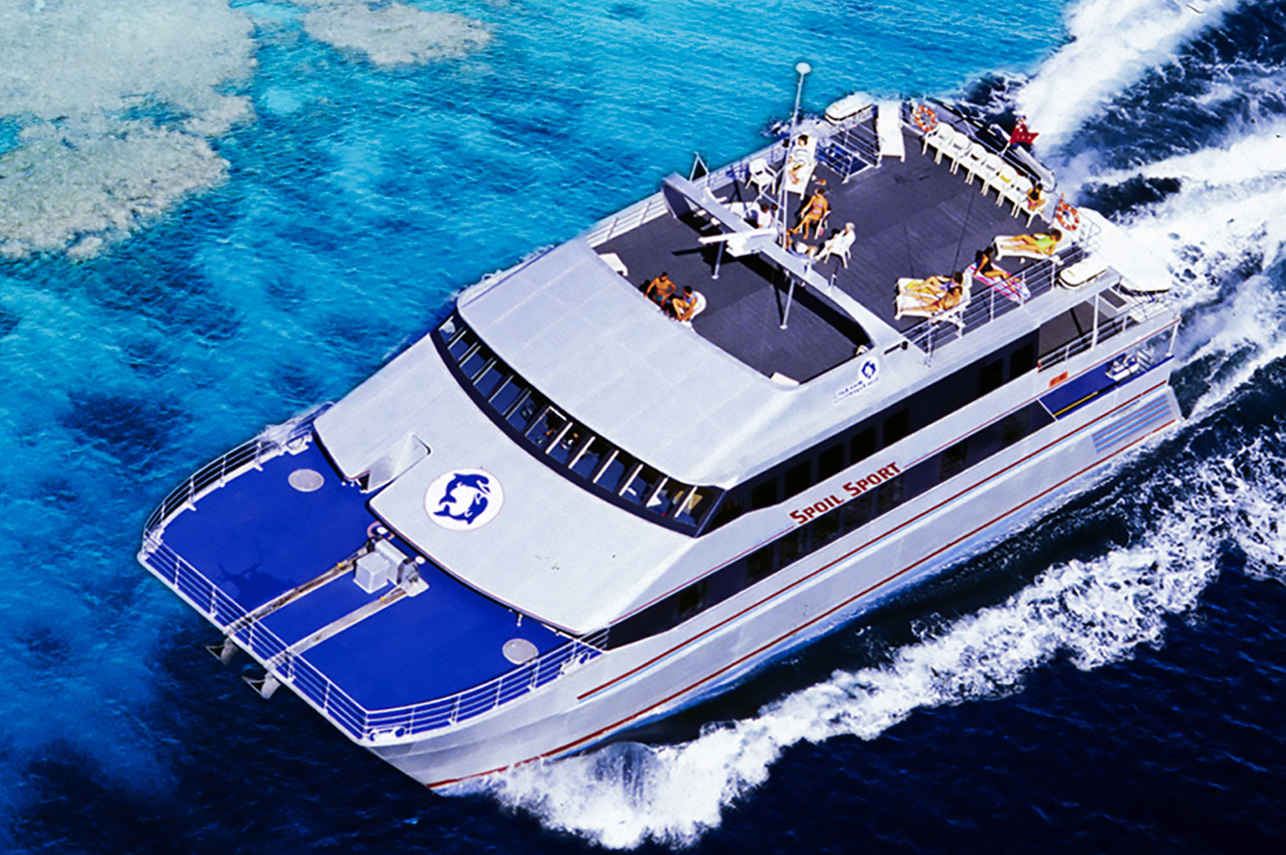
Spoilsport
Australia
28 guests30 m
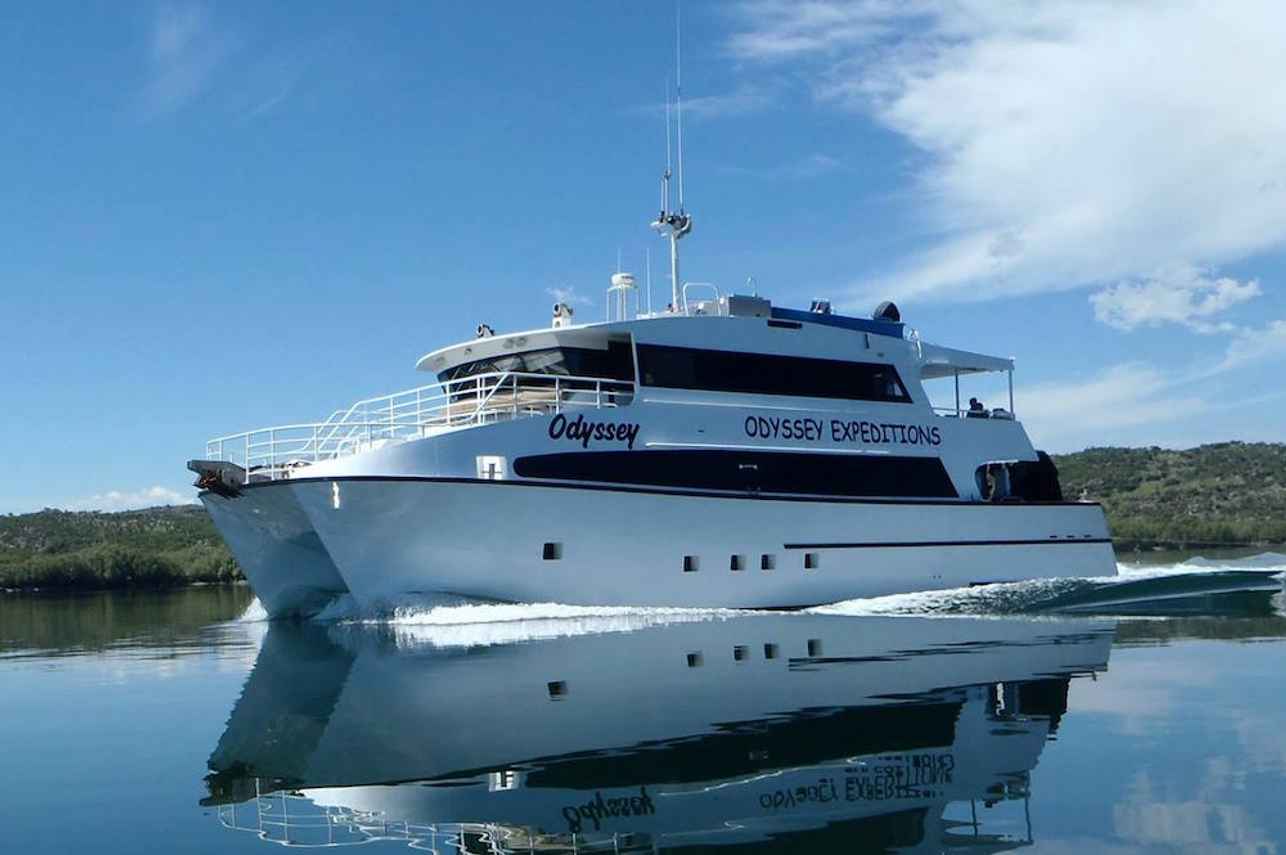
Odyssey Liveaboard
Australia
20 guests24 m
Dive sites similar to Green Island South
Same character, same waters — six more sites divers love for the exact same reasons.Compare seasons, access and liveaboard routes — then pick the site that fits your trip best.
© Esri — Maxar, Earthstar, GIS
Agincourt Reef
Australia
Agincourt Reef sits on the outer edge of the Great Barrier Reef, roughly 60–72 km off Port Douglas in Far North Queensland, at the southern end of the true ribbon reefs that run…
- Suitable for
- Beginner
- Current
- Moderate
- Access
- Dayboat
- Depth
- 2–20 m
- Theme
- Reef / Wall
Ahe Atoll, a remote and authentic destination in French Polynesia, offers a dive experience deeply intertwined with its local pearl farming community.
- Suitable for
- Advanced
- Current
- Strong
- Access
- Liveaboard or dayboat
- Depth
- 5–22 m
- Theme
- Channel / Drift
© Esri — Maxar, Earthstar, GIS
Alacrity Shoal
Fiji
Alacrity Shoal is a premier dive site in Fiji, renowned for its spectacular drift diving opportunities and rich marine biodiversity.
- Suitable for
- Advanced
- Current
- Strong
- Access
- Liveaboard or dayboat
- Depth
- 12–40 m
- Theme
- Drift / Seamount
Alibaba is a renowned drift dive located within the Garuae Pass in northern Fakarava, a UNESCO Biosphere Reserve in the Tuamotu Archipelago.
- Suitable for
- Intermediate
- Current
- Strong
- Access
- Liveaboard only
- Depth
- 5–30 m
- Theme
- Reef
© Esri — Maxar, Earthstar, GIS
Aliko Reef
Micronesia
Aliko Reef is a prominent dive site within Yap, Micronesia, characterized by a captivating underwater topography that blends a mini-wall with an expansive coral plateau.
- Suitable for
- Intermediate
- Current
- Mild
- Access
- Dayboat
- Depth
- 6–15 m
- Theme
- Reef / Wall
© Esri — Maxar, Earthstar, GIS
Amity Point
Australia
Amity Point is a popular shore diving destination located at the northwestern tip of North Stradbroke Island, within the protected waters of Moreton Bay.
- Suitable for
- Beginner
- Current
- Moderate
- Access
- Shore / dayboat
- Depth
- 5–15 m
- Theme
- Reef