About Punta Maria
Punta Maria is a renowned dive site situated off Cocos Island, approximately 500 kilometers southwest of Costa Rica's mainland. This volcanic island, a UNESCO World Heritage Site, is a mecca for experienced divers seeking intense pelagic encounters in its nutrient-rich waters. The site's primary feature is an underwater pinnacle that acts as a bustling cleaning station, attracting a diverse range of marine life. Depths at Punta Maria typically range from 15 to 30 meters, with the pinnacle itself being a focal point for activity. Divers can expect a dynamic environment characterized by strong currents, which are instrumental in drawing large pelagic species to the area. The site is a hotspot for various shark species, including scalloped hammerheads and Galapagos sharks, which frequent the cleaning stations. While visibility can range from 10 to 25 meters, thermoclines are common, occasionally causing temperature drops. The dive experience at Punta Maria is often described as wild and action-packed, making it a must-visit for those comfortable with challenging conditions and eager to witness large marine animals. Access is exclusively via liveaboard, underscoring its remote and pristine nature.
Highlights
Schooling scalloped hammerheadsGalapagos shark cleaning stationRemote pelagic encountersDynamic pinnacle topographyRich marine biodiversity
Season calendar
Best months to dive here
Jan
Feb
Mar
Apr
May
Jun
Jul
Aug
Sep
Oct
Nov
Dec
Good
Dive site facts: Punta Maria
- Depth
- 15–30 m
- Typical dive
- 18–35 m, 50–60 min
- Current
- Medium to strong
- Visibility
- 10–25 m
- Water temperature
- 26–29°C (79–84°F)
- Entry
- Tender / negative entry
- Level
- Advanced, current experience essential
- Dive type
- Pelagic, drift, cleaning station
- Night dive
- Not permitted
- Region / port
- Cocos Island, Costa Rica
- Coordinates
- 5.515, -87.04
Conditions & Currents
Punta Maria is characterized by medium to strong currents that can shift direction, making it an advanced dive site. Divers should be prepared for drift diving and possess excellent buoyancy control to navigate the dynamic water movement around the pinnacle. These currents are precisely what attract the abundant pelagic life, including large schools of sharks and rays, so understanding how to work with them is key to a successful dive. Visibility typically ranges from 10 to 25 meters, but occasional thermoclines can cause sudden temperature drops, necessitating a thicker wetsuit. Entry is usually via tender, often requiring a negative entry to quickly descend and avoid surface currents.
Marine life & sighting chances


Galapagos shark
common
Whitetip reef shark
common
Whale shark
June to November · occasional
Tiger shark
occasional
Silky shark
occasional
Manta ray
June to November · occasional
Marble ray
occasional
Dolphin
occasional
Jack (schooling)
common
Tuna
common
King angelfish
commonDive profile & how the dive runs
Dives at Punta Maria typically begin with a negative entry from the tender boat, allowing divers to quickly descend past the stronger surface currents. The primary objective is to reach the pinnacle, which serves as a cleaning station, usually found between 18 to 35 meters. Divers often position themselves behind the pinnacle or large boulders, using reef hooks if necessary, to observe the active pelagic life attracted to the cleaning station. The dive generally follows the contours of the seamount, drifting with the current to maximize encounters with schooling hammerheads and Galapagos sharks. Ascent is gradual, with a safety stop conducted in the blue, mindful of potential currents and boat traffic. Maximum bottom time is usually around 60 minutes to manage gas consumption in deep and dynamic conditions.
Underwater photography
Capturing the pelagic action at Punta Maria demands a wide-angle setup, ideally with a fisheye or rectilinear lens, to encompass schooling hammerheads and other large marine animals. Strong strobes are essential to compensate for depth and diffuse natural light, especially given the potential for thermoclines affecting visibility. Practice good buoyancy control to avoid disturbing the cleaning station and to maintain position in currents, which is crucial for sharp images. Patience is key; position yourself strategically and wait for the marine life to approach, rather than chasing subjects, which can disrupt natural behavior and stir up sediment. Respect animal space, particularly around cleaning stations, to ensure uninhibited interactions.
Combine with nearby dive sites
Getting there & logistics
Access to Punta Maria, like all Cocos Island dive sites, is exclusively via liveaboard, requiring a 36-hour journey from the Costa Rican mainland port of Puntarenas. Divers typically fly into San José (SJO), where they usually spend a night before transferring to Puntarenas for liveaboard embarkation. Trips are generally 10 days in duration, combining multiple dives per day at various Cocos Island sites. An additional Cocos Island National Park fee of approximately $490 per person and a $30 chamber fee are mandatory and not included in liveaboard costs. It is advisable to book well in advance due to limited liveaboard availability.
Safety & environment
Diving at Punta Maria requires strict adherence to safety protocols due to its remote location and challenging conditions. The nearest recompression chamber is in San José, a minimum of 36 hours away, emphasizing the critical need for conservative dive planning and mandatory dive and travel insurance. Divers must be experienced in strong currents and proficient in buoyancy control. A 5mm wetsuit, hood, and boots are recommended for thermal protection against potential thermoclines. Always follow the dive guide's instructions, maintain buddy contact, and carry a surface marker buoy. Report any incidents immediately to the divemaster, as evacuation can be complex and time-consuming.
Who it suits — and who it doesn't
Suited for
- Experienced divers comfortable with strong currents
- Advanced Open Water certified divers
- Photographers seeking pelagic action
- Divers interested in shark encounters and cleaning stations
- Liveaboard enthusiasts
Less suited for
- Beginner divers or those without drift diving experience
- Divers prone to seasickness on long crossings
- Individuals uncomfortable with deep dives
- Those without adequate dive and travel insurance
- Divers seeking easy, calm conditions
FAQ
Punta Maria FAQ
What kind of marine life can I expect at Punta Maria?
Punta Maria is a prime location for pelagic encounters. You can expect to see large schools of scalloped hammerhead sharks, Galapagos sharks, and whitetip reef sharks. Occasionally, whale sharks, tiger sharks, and various rays like manta and marble rays are also sighted.
What are the typical dive conditions at Punta Maria?
The dive site is known for medium to strong currents, which attract the abundant marine life but require experienced divers. Visibility generally ranges from 10 to 25 meters, and water temperatures are between 26-29°C, though thermoclines can cause sudden drops.
Is Punta Maria suitable for beginner divers?
No, Punta Maria is not recommended for beginner divers. The strong currents, deep dives, and remote location necessitate advanced diving skills, excellent buoyancy control, and experience with drift diving. It is best suited for experienced and Advanced Open Water certified divers.
How do I get to Punta Maria?
Punta Maria is part of Cocos Island, which is only accessible via liveaboard. You will typically fly into San José, Costa Rica, then transfer to Puntarenas to embark on a liveaboard vessel for a 36-hour journey to the island.
What equipment is recommended for diving Punta Maria?
A 5mm wetsuit, hood, and boots are recommended due to potential thermoclines. Essential gear includes a dive computer, surface marker buoy, and reef hook for maintaining position in currents. For photography, a wide-angle lens and strong strobes are advised for capturing the large pelagics.
Are there any specific safety considerations for diving here?
Given the remote location and strong currents, conservative dive planning is crucial. Mandatory dive and travel insurance are required, and divers must be proficient in managing challenging conditions. Always follow your dive guide's instructions and maintain excellent buoyancy and buddy contact.
Why dive Punta Maria from a liveaboard?
Punta Maria is one of Costa Rica's signature dive sites. A liveaboard sleeps you on the water and puts you in the water for three to four guided dives per day, including dawn and night dives that day-boat operators rarely offer. You skip the daily commute back to port and reach quieter, less-crowded sites in the same region on a single trip.
Below are the liveaboards that include Punta Maria on their Costa Rica itineraries.
Liveaboards diving Punta Maria
These liveaboards may visit Punta Maria on selected itineraries — the exact dive sites depend on departure, weather and conditions.
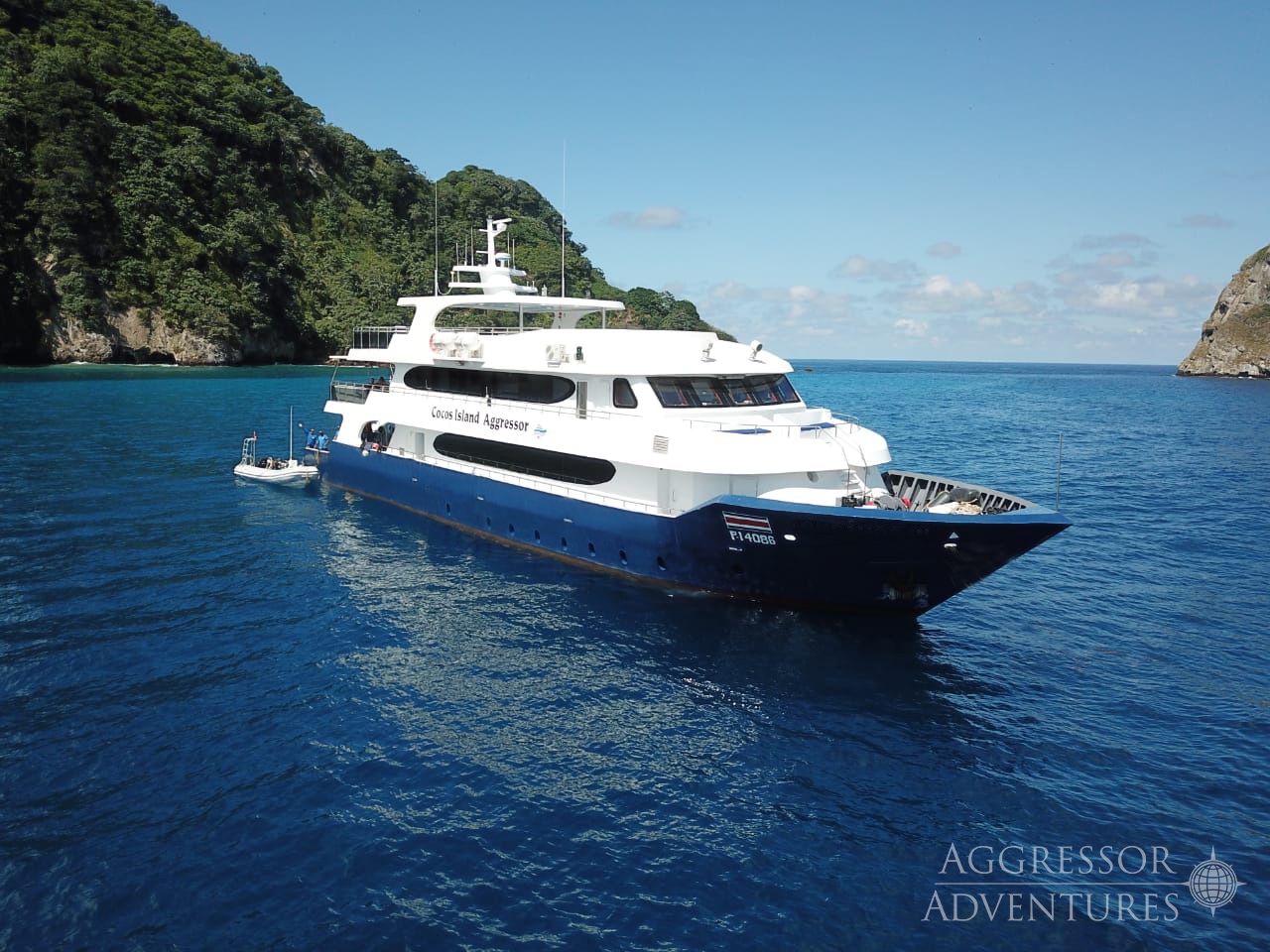
Cocos Aggressor
Costa Rica
22 guests37.8 m
$636/day
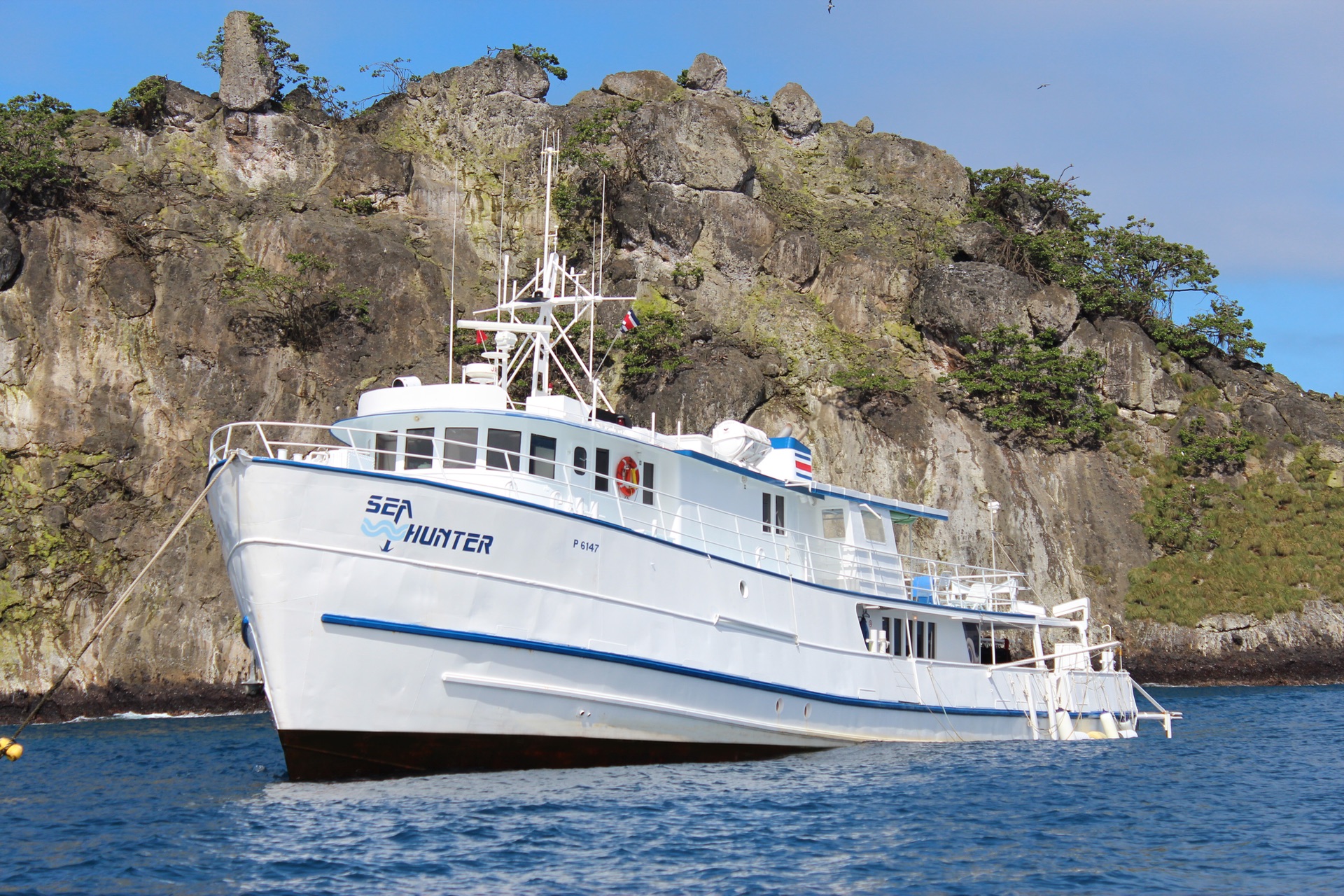
Sea Hunter
Costa Rica
20 guests
$690/day
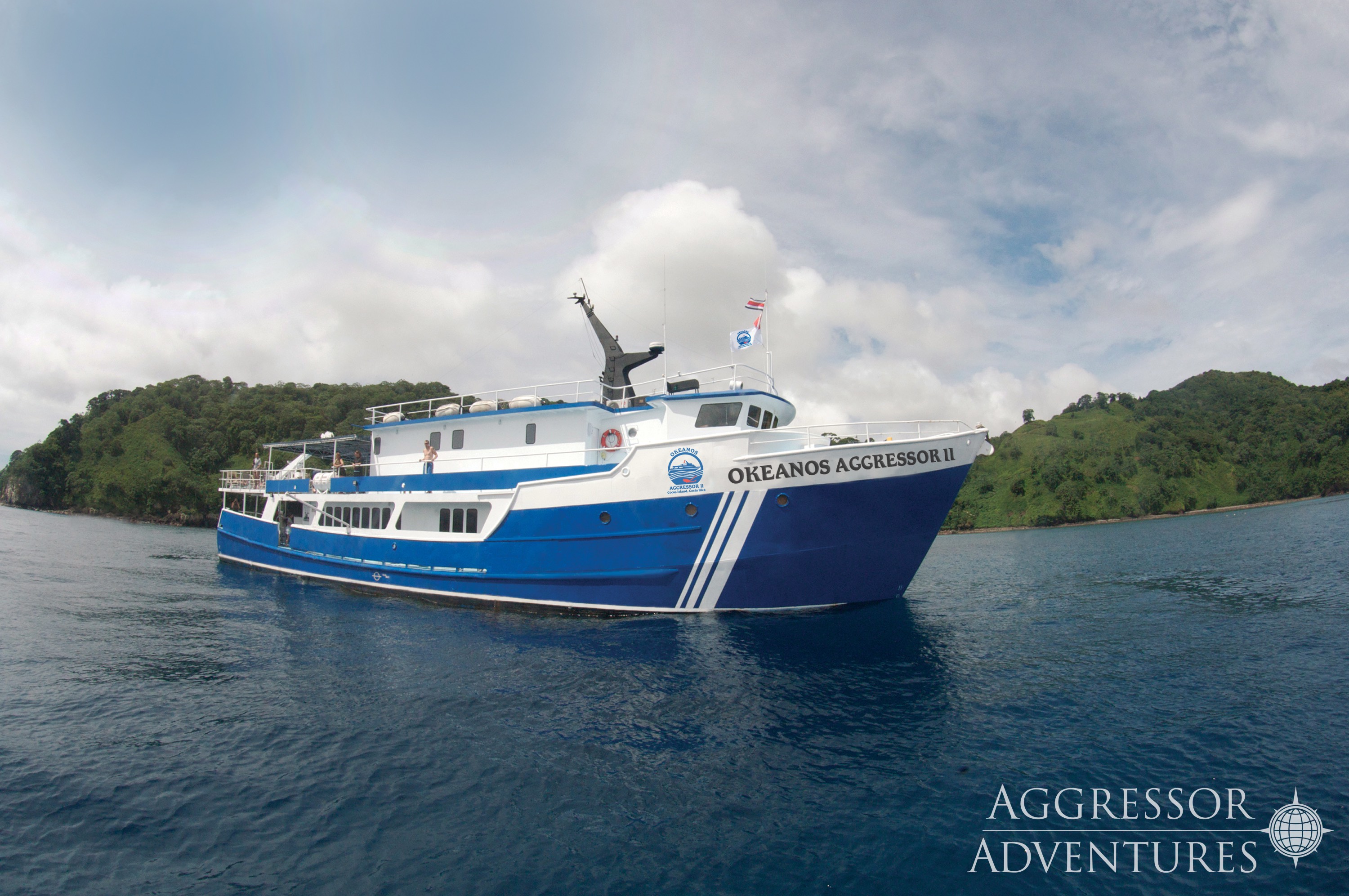
Okeanos Aggressor II
Costa Rica
24 guests36.6 m
$504/day
Dive sites similar to Punta Maria
Same character, same waters — six more sites divers love for the exact same reasons.Compare seasons, access and liveaboard routes — then pick the site that fits your trip best.
© Esri — Maxar, Earthstar, GIS
Brumel Deep
Costa Rica
Brumel Deep, a prominent dive site just a 20-minute boat ride from Flamingo Marina, offers a protected environment, making it an excellent choice when stronger winds affect the main Catalina Islands.
- Suitable for
- Intermediate
- Current
- Mild
- Access
- Dayboat
- Depth
- ≤ 30 m
- Theme
- Reef
© Esri — Maxar, Earthstar, GIS
Los Sombreros
Costa Rica
Los Sombreros, named for its two small islets resembling Mexican hats, offers a boat dive experience in the Catalina Islands suitable for mixed-experience groups.
- Suitable for
- Intermediate
- Current
- Moderate
- Access
- Dayboat
- Depth
- 8–25 m
- Theme
- Reef / Drift
Elefante is a prominent dive site within the volcanic Catalinas Islands, located off Costa Rica's northern Pacific coast in Guanacaste.
- Suitable for
- Advanced
- Current
- Moderate
- Access
- Dayboat
- Depth
- 13–23 m
- Theme
- Reef
Arco Iris, or "Rainbow" in Spanish, is a prominent dive site located near Brumel Island (Penahuaste), approximately 8km north of Playa Potrero in Costa Rica.
- Suitable for
- Beginner
- Current
- Moderate
- Access
- Dayboat
- Depth
- 9–30 m
- Theme
- Reef
Virador is a highly regarded dive site located in the Gulf of Papagayo, off Costa Rica's Pacific coast.
- Suitable for
- Intermediate
- Current
- Moderate
- Access
- Dayboat
- Depth
- 8–30 m
- Theme
- Reef
© Esri — Maxar, Earthstar, GIS
Punta Gorda
Costa Rica
Punta Gorda, a prominent rocky outcrop in Costa Rica's Gulf of Papagayo, is celebrated as one of the area's most colorful and diverse dive sites.
- Suitable for
- Intermediate
- Current
- Moderate
- Access
- Dayboat
- Depth
- 10–21 m
- Theme
- Reef