About Northwest Point
Northwest Point, situated off the western end of Providenciales, is a premier diving destination in the Turks and Caicos Islands, renowned for its spectacular vertical walls and rich marine biodiversity. This area boasts over a dozen distinct wall dive sites spread across a three-mile stretch, each offering unique topography and an abundance of marine life. It is an integral part of the Northwest Point Marine National Park, ensuring its pristine condition and protected status. Diving here typically involves exploring the transition from shallow reef tops to dramatic drop-offs that plunge thousands of feet into the ocean. The underwater landscape is adorned with magnificent formations of colorful sponges, including massive barrel sponges, vibrant elephant ear sponges, and striking tube sponges, alongside various hard and soft corals. These thriving coral ecosystems provide a home for a wide array of reef fish and invertebrates, creating a dynamic and visually stunning environment. Divers at Northwest Point can anticipate frequent encounters with pelagic species such as Caribbean reef sharks, eagle rays, and sea turtles, often cruising along the wall. Schools of fish are also a common sight, contributing to the vibrant underwater tapestry. The consistent presence of these larger animals, combined with the intricate coral structures, makes every dive an exciting adventure. While visibility is generally excellent, conditions can be influenced by weather patterns, particularly wind, which may affect surface chop and water clarity. Access to Northwest Point is primarily by boat from Providenciales, often included as a highlight on liveaboard itineraries. The dive sites cater to a range of experience levels, with options for both advanced divers seeking deep wall explorations and those looking for captivating reef dives. The region's calm conditions and warm water temperatures throughout much of the year further enhance the diving experience, making it an ideal location
Highlights
Dramatic vertical wall divingAbundant Caribbean reef sharksMassive barrel and elephant ear spongesUnique underwater topographyExcellent visibilityHumpback whale sightings (seasonal)Artificial reef at The DomeThe Crack swim-through
Season calendar
Best months to dive here
Jan
Feb
Mar
Apr
May
Jun
Jul
Aug
Sep
Oct
Nov
Dec
Excellent
Dive site facts: Northwest Point
- Depth
- 10–3000+ m
- Typical dive
- 15–40 m, 50–60 min
- Current
- Mild
- Visibility
- 30+ m
- Water temperature
- 26–29°C
- Entry
- Boat / giant stride
- Level
- All levels (with depth awareness)
- Dive type
- Wall, drift, reef, pelagic encounters
- Night dive
- Possible
- Region / port
- Providenciales
- Coordinates
- 21.82, -72.345
Conditions & Currents
Currents at Northwest Point are generally gentle, contributing to the site's reputation for calm diving conditions and making it suitable for various dive levels. However, divers should be mindful that conditions can occasionally shift, especially on wall dives where exposure to open ocean currents is greater. Visibility frequently exceeds 30 meters, often reaching over 100 feet, providing clear views of the extensive walls and marine life. Water temperatures remain comfortably warm, typically ranging from 79 to 84°F, which often means a 3mm shorty or rash guard is sufficient thermal protection. Entry is usually via a giant stride from a dive boat, with exits conducted back onto the vessel. Divers exploring wall sites should always monitor their depth carefully, as the dramatic drop-offs can easily lead to exceeding planned limits if distracted.
Marine life & sighting chances
Caribbean reef shark
commonEagle ray
commonSea turtle
commonMoray eel
commonHumpback whale
January-March · occasionalHammerhead shark
occasionalNurse shark
commonGrouper
commonSnapper
commonLobster
commonNudibranch
occasionalFlamingo tongue snail
occasionalBottlenose dolphin
occasionalBarracuda
commonDive profile & how the dive runs
A typical dive at Northwest Point commences with a giant stride entry from the dive boat directly onto the reef top, often at depths around 10-15 meters. From there, you'll descend towards the iconic wall, which begins around 15-20 meters and drops into the abyss. The dive profile involves exploring along the vertical face, observing the vibrant sponge and coral formations, and keeping an eye out for pelagic marine life that cruises the drop-off. Popular sites like 'The Crack' offer unique swim-throughs starting at 15 meters and extending deeper along the wall, while 'Shark Hotel' focuses on areas frequented by Caribbean reef sharks. Divers typically follow the wall for a segment, maintaining an average depth of 20-30 meters, before gradually ascending to shallower sections of the reef top for the latter part of the dive. The safety stop is conducted at 5 meters, often above the lively coral gardens, before ascending back to the waiting boat.
Underwater photography
Northwest Point offers diverse opportunities for both wide-angle and macro photography. For the dramatic wallscapes, large sponge formations, and cruising pelagics like sharks and eagle rays, a wide-angle lens is essential to capture the grandeur. The excellent visibility here, often exceeding 30 meters, makes it ideal for showcasing the expansive underwater environment. Consider using strobes to bring out the true colors of the corals and sponges against the deep blue background. For macro enthusiasts, sites like 'The Dome' artificial reef offer smaller subjects such as nudibranchs and flamingo tongue snails, requiring a macro lens. Buoyancy control is paramount, especially when navigating close to the delicate wall ecosystems and for capturing sharp, focused images. Maintain a respectful distance from marine life and avoid touching any part of the reef, as it is a protected marine park.
Combine with nearby dive sites
- Black Coral Forest
Known for deep overhangs featuring multiple black coral species.
- Shark Hotel
Famous for consistent sightings of Caribbean reef sharks.
- The Crack
A unique wall dive with a distinctive fissure divers can swim through.
- Thunderdome
Features a sunken steel dome, now a thriving artificial reef.
Getting there & logistics
Access to Northwest Point is primarily via liveaboard vessels or daily dive charters operating from Providenciales (Provo), the main hub of the Turks and Caicos Islands. Providenciales International Airport (PLS) serves as the primary gateway, with direct flights available from various North American cities. Liveaboard trips typically offer itineraries lasting 7 to 10 days, allowing divers to explore not only Northwest Point but also other remote sites like West Caicos and French Cay. Day trips from Provo usually involve a 30-minute boat ride to reach the dive sites. The diving experience here often includes multiple dives per day, with night dives frequently offered, especially on liveaboard excursions. As Northwest Point is within a protected marine park, adherence to conservation guidelines, such as not touching marine life or coral, is strictly enforced.
Safety & environment
Diving at Northwest Point demands a commitment to safety protocols due to its wall diving characteristics. While currents are generally mild, constant awareness of depth and bottom time is crucial, especially given the sheer drop-offs that extend into very deep waters. Divers should always carry a surface marker buoy (SMB) for safety and maintain excellent buoyancy control to protect the delicate coral and sponge formations, as disturbing marine life is illegal within this protected marine park. Dive insurance that covers emergency medical treatment and evacuation, including hyperbaric chamber treatment, is highly recommended. The nearest recompression chamber is located in Providenciales, but evacuation logistics from remote dive sites can still take time. It is important to dive within your certification limits and follow your dive guide's instructions closely, particularly regarding maximum depth and ascent rates.
Who it suits — and who it doesn't
Suited for
- Experienced wall divers
- Underwater photographers (wide-angle & macro)
- Divers seeking pelagic encounters
- Liveaboard enthusiasts
- Divers comfortable with mild drift dives
Less suited for
- Absolute beginner divers
- Divers uncomfortable with deep blue exposure
- Those prone to seasickness on longer boat rides
- Divers who prefer shallow, current-free reef dives exclusively
FAQ
Northwest Point FAQ
What kind of marine life can I expect to see at Northwest Point?
Northwest Point is known for its diverse marine life, including frequent sightings of Caribbean reef sharks, eagle rays, and various sea turtles. You'll also encounter numerous reef fish, moray eels, and lobsters among the vibrant corals. Seasonal visitors like humpback whales can sometimes be seen during the winter months.
Are there strong currents at Northwest Point?
Generally, the currents at Northwest Point are mild, contributing to calm and enjoyable diving conditions. However, as it is an exposed wall dive site, occasional shifts in current can occur. Divers should always be mindful of their position relative to the wall and their dive group.
Is Northwest Point suitable for beginner divers?
While the conditions are generally calm, Northwest Point is primarily a wall diving destination where depths can easily exceed recreational limits. Divers should have good buoyancy control and comfort in deeper water. It is best suited for certified divers with some experience, though shallower sections can be enjoyed by less experienced divers under proper supervision.
What are some of the most famous dive sites within Northwest Point?
Some of the most renowned dive sites in the Northwest Point area include 'Black Coral Forest,' famous for its deep overhangs, 'Shark Hotel,' known for its resident reef sharks, and 'The Crack,' offering a unique swim-through fissure. 'Thunderdome' also stands out as an artificial reef built around a sunken dome structure.
What is the water temperature and visibility like?
The water temperature at Northwest Point is consistently warm, ranging from 79 to 84°F (26-29°C) throughout the year, making a 3mm wetsuit or shorty sufficient. Visibility is exceptional, often exceeding 30 meters (100 feet), providing clear views of the stunning wall formations and abundant marine life.
Why dive Northwest Point from a liveaboard?
Northwest Point is one of Turks & Caicos's signature dive sites. A liveaboard sleeps you on the water and puts you in the water for three to four guided dives per day, including dawn and night dives that day-boat operators rarely offer. You skip the daily commute back to port and reach quieter, less-crowded sites in the same region on a single trip.
Below are the liveaboards that include Northwest Point on their Turks & Caicos itineraries.
Liveaboards diving Northwest Point
These liveaboards may visit Northwest Point on selected itineraries — the exact dive sites depend on departure, weather and conditions.
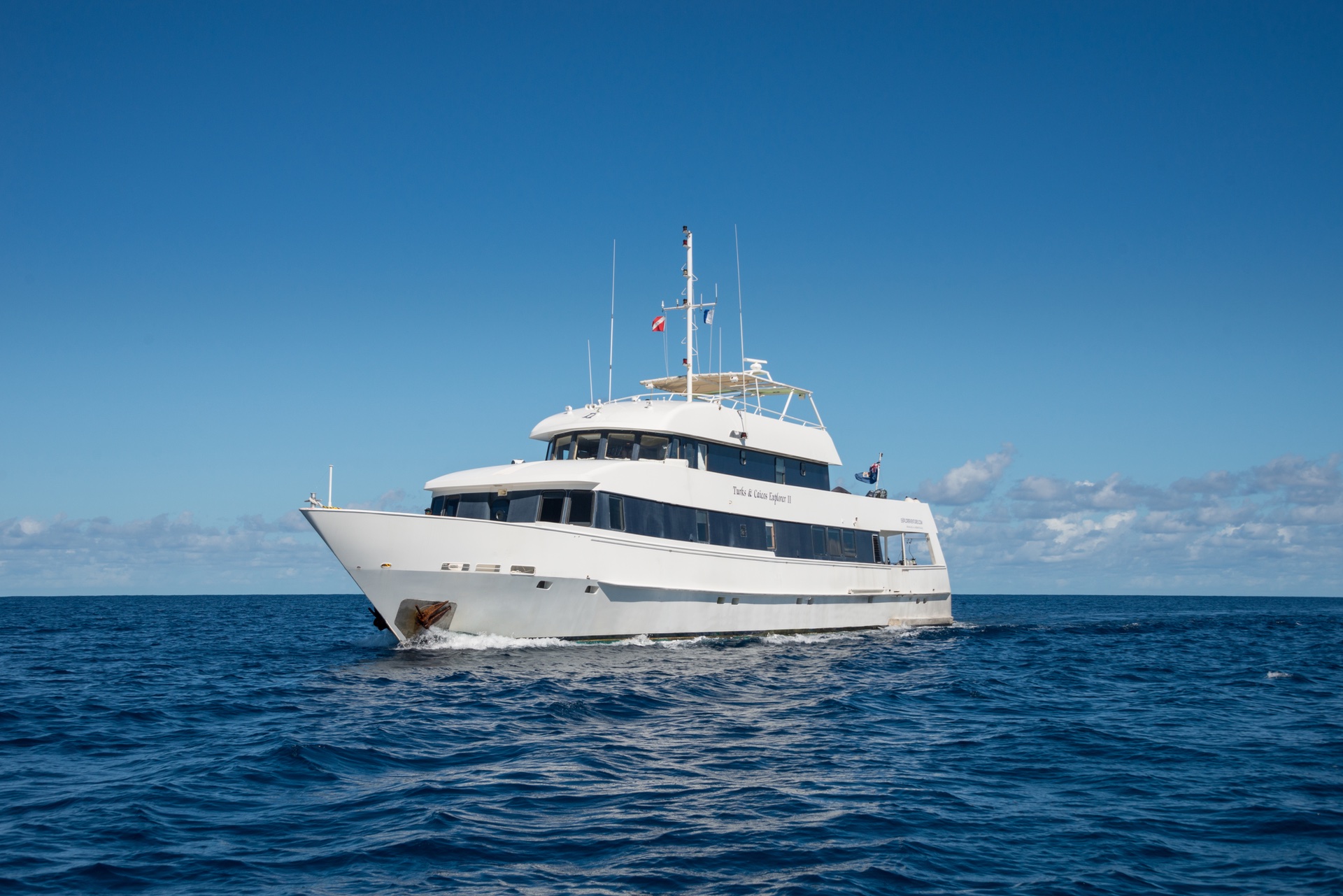
Turks and Caicos Explorer II
Turks & Caicos
20 guests
$249/day
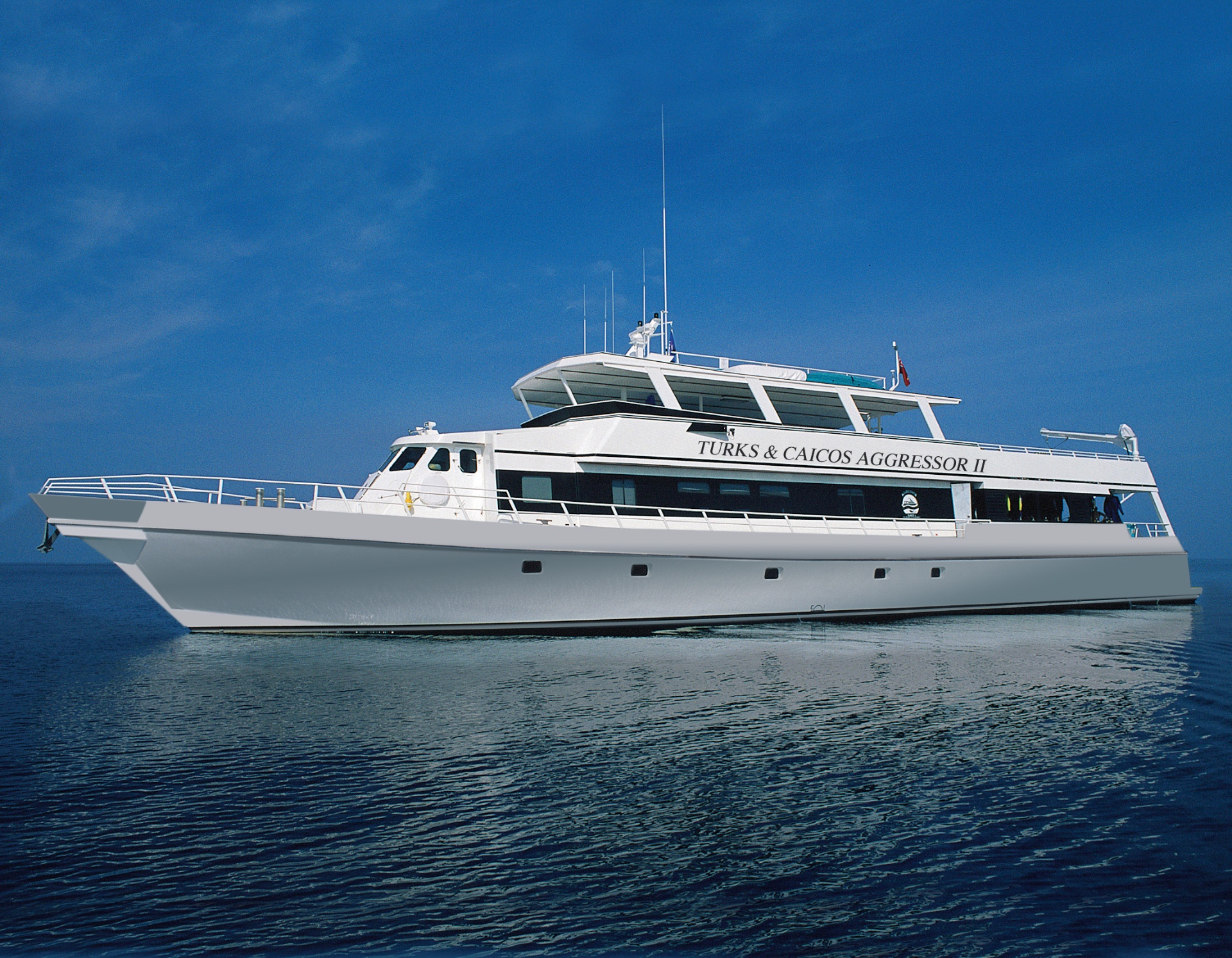
Turks & Caicos Aggressor II
Turks & Caicos
18 guests36.6 m
$287/day
Dive sites similar to Northwest Point
Same character, same waters — six more sites divers love for the exact same reasons.Compare seasons, access and liveaboard routes — then pick the site that fits your trip best.
© Esri — Maxar, Earthstar, GIS
Coral Gables
Turks & Caicos
Coral Gables is a popular dive site situated within Grace Bay, off Providenciales in the Turks & Caicos Islands.
- Suitable for
- Beginner
- Current
- Strong
- Access
- Liveaboard or dayboat
- Depth
- 10–25 m
- Theme
- Reef / Wall
Aquarium is a captivating dive site situated off the coast of Providenciales in the Turks and Caicos Islands, forming part of a diverse underwater landscape that includes reef and wall diving.
- Suitable for
- Beginner
- Current
- No current
- Access
- Liveaboard or dayboat
- Depth
- 14–46 m
- Theme
- Wall / Reef
© Esri — Maxar, Earthstar, GIS
Magic Mushroom
Turks & Caicos
Magic Mushroom is a captivating dive site situated off West Caicos, just north of the Yankee Town ruins.
- Suitable for
- Beginner
- Current
- Strong
- Access
- Shore / dayboat
- Depth
- 12–24 m
- Theme
- Wall
© Esri — Maxar, Earthstar, GIS
Thunderdome
Turks & Caicos
Thunderdome is an extraordinary dive site located at Northwest Point in Turks & Caicos, featuring a submerged metal dome structure with a fascinating origin story.
- Suitable for
- Beginner
- Current
- Mild
- Access
- Liveaboard or dayboat
- Depth
- 5–15 m
- Theme
- Wall
© Esri — Maxar, Earthstar, GIS
Elephant Ear Canyon
Turks & Caicos
Elephant Ear Canyon is a distinctive wall dive site situated off West Caicos in the Turks and Caicos Islands.
- Suitable for
- Intermediate
- Current
- Mild
- Access
- Liveaboard or dayboat
- Depth
- 10–95 m
- Theme
- Wall / Reef
© Esri — Maxar, Earthstar, GIS
Eagle Ray Pass
Turks & Caicos
Eagle Ray Pass is a notable dive site situated off Grace Bay in the Turks and Caicos Islands.
- Suitable for
- Intermediate
- Current
- Mild
- Access
- Liveaboard or dayboat
- Depth
- ≤ 30 m
- Theme
- Wall / Reef