About miniwall
Miniwall is a distinctive dive site characterized by its horseshoe-shaped reef structure, located approximately 25 miles from Old Bahama Bay Marina. This site provides a captivating underwater landscape where divers can observe a rich variety of marine species thriving amidst the coral formations. It is well-known for its vibrant fan corals that host smaller creatures, creating an active ecosystem. The topography features a reef that, while not a deep wall, presents a significant enough structure to attract a range of marine inhabitants. Depths are suitable for most recreational divers, with visibility generally excellent, allowing for clear views of the reef's details and resident fish. It is often visited as an early morning dive due to its proximity and the journey required. Marine life at Miniwall is diverse, including sightings of four-eye butterflyfish navigating the fan corals and crabs tucked into rock crevices. Yellowhead jawfish are commonly observed, frequently popping in and out of their burrows to feed. A notable highlight is the regular presence of Caribbean reef sharks circling the area, adding an exciting pelagic element to the dive experience. Divers typically begin their day here, experiencing a relaxed immersion into a bustling reef environment. While currents are generally manageable, divers should be prepared for potential shifts, which may influence navigation and effort. The site offers a comprehensive introduction to the vibrant marine biodiversity of the Bahamas.
Highlights
Overhanging wall explorationVibrant deep-sea spongesPorcupine pufferfish sightingsMain wall proximityShallow twilight zone habitatAbundant colorful wrasse
Season calendar
Best months to dive here
Jan
Feb
Mar
Apr
May
Jun
Jul
Aug
Sep
Oct
Nov
Dec
Excellent
Good
Dive site facts: miniwall
- Depth
- 9 m
- Current
- Mild
- Visibility
- 50–80 ft
- Water temperature
- 80–87°F
- Entry
- Boat
- Level
- Open Water Diver
- Dive type
- Reef, wall
- Region / port
- Bahamas
- Coordinates
- 24.9027, -77.3351
Conditions & Currents
At Miniwall, currents are typically mild, but conditions can vary, sometimes requiring divers to be aware of gentle drifts. Visibility at the site is generally very good, often ranging from 50 to 80 feet, which aids in navigation and marine life spotting. Water temperatures are comfortable, fluctuating between 80°F and 87°F depending on the time of year. Entry is usually from a liveaboard, and divers should be prepared for standard boat entries and exits. While no specific mention of thermoclines or surge is made for Miniwall, divers in the Bahamas should always be ready for potential variations in water conditions. The site is suitable for divers who are comfortable with typical reef diving scenarios, offering a relatively straightforward yet rewarding experience.
Marine life & sighting chances

Caribbean reef shark
common
Four-eye butterflyfish
common
Yellowhead jawfish
common
Crab
occasional
Fan coral
commonDive profile & how the dive runs
A dive at Miniwall typically begins with a briefing on its horseshoe-shaped reef and resident marine life before a boat entry. Divers descend to explore the vibrant reef, characterized by fan corals and numerous small crevices. The route often involves slowly traversing the reef, observing four-eye butterflyfish among the corals and searching for crabs tucked into rocks. A highlight is watching yellowhead jawfish darting in and out of their burrows. Caribbean reef sharks are frequently encountered circling the area, adding an exciting dimension to the dive. Divers maintain an appropriate depth to maximize bottom time while enjoying the clear visibility. The turn point is usually based on gas consumption or designated time, allowing for a gradual ascent. Safety stops are performed as standard procedure before returning to the surface, often near the boat.
Underwater photography
Miniwall offers excellent opportunities for wide-angle photography, especially to capture the distinctive horseshoe reef shape and the frequent presence of Caribbean reef sharks. A fisheye lens will be ideal for these broader compositions. For macro enthusiasts, focusing on the fan corals can yield captivating shots of four-eye butterflyfish and other small reef inhabitants, while patient observation near sandy patches can reveal yellowhead jawfish peeking from their burrows. Natural light is generally abundant due to good visibility, but strobes are recommended to bring out the true colors of the corals and fish. Maintain good buoyancy to avoid disturbing the delicate coral formations and the shy jawfish.
Combine with nearby dive sites
- Shark Paradise
Shark Paradise is a vibrant dive site in the Bahamas, specifically noted for its abundant shark encounters.
- Mt. Olympus
Mt.
- Fish Tail
Fish Tail is a captivating, shallow, coral-rich dive site located in the Bahamas, specifically near Shark Paradise.
- Metropolis
Metropolis is a standout dive site in the Bahamas, renowned for its consistent and diverse shark encounters, making it a thrilling…
- El Dorado
El Dorado is a captivating dive site in the Bahamas, specifically noted for its beautiful coral gardens and sandy flats.
Getting there & logistics
Access to Miniwall is primarily via liveaboard trips departing from ports such as Old Bahama Bay Marina. Divers flying into the Bahamas typically arrive at major international airports like Lynden Pindling International Airport (Nassau) or Freeport Grand Bahama International Airport. From there, transfers are arranged to the liveaboard departure points. Bahamas liveaboards offer weeklong itineraries, often combining Miniwall with other notable dive sites like Shark Paradise and Mt. Olympus. Permits are not generally required for individual dive sites, though liveaboard costs cover all diving activities.
Safety & environment
For diving at Miniwall and throughout the Bahamas, it is strongly recommended that divers have comprehensive travel and dive insurance, ensuring coverage for potential medical emergencies and evacuations. While specific chamber locations for this precise area aren't detailed, Nassau hosts medical facilities capable of handling dive-related incidents. Evacuation from more remote sites typically involves boat transfer to the nearest island with medical services, or direct to a chamber if critical. Divers should maintain awareness of their surroundings due to the presence of Caribbean reef sharks and practice good buoyancy to protect the delicate reef. Always follow your dive guide's instructions and stay within your certification limits.
Who it suits — and who it doesn't
Suited for
- Open Water Certified Divers
- Divers interested in reef ecology
- Shark encounter enthusiasts
- Underwater photographers
- Those seeking vibrant coral gardens
Less suited for
- Divers with limited buoyancy control
- Those uninterested in reef fish
- Divers seeking only deep wreck penetration
- Individuals prone to seasickness on longer boat transfers
FAQ
miniwall FAQ
What kind of marine life can I expect to see at Miniwall?
At Miniwall, you can commonly observe Caribbean reef sharks circling the area, providing an exciting pelagic encounter. The reef is also home to numerous four-eye butterflyfish darting around fan corals, and yellowhead jawfish frequently pop out of their burrows in the sandy patches. You might also spot various crabs hiding within the rock crevices of the reef structure.
What are the typical diving conditions at Miniwall?
Miniwall generally offers favorable diving conditions with excellent visibility, often ranging between 50 and 80 feet. Water temperatures are comfortably warm, typically from 80°F to 87°F. While currents are usually mild, conditions can occasionally vary, so divers should be prepared for gentle drifts. The site is accessible by boat, typically as an early morning dive.
Is Miniwall suitable for beginner divers?
Miniwall is suitable for Open Water certified divers and above. Its generally mild currents, good visibility, and vibrant reef life make it an accessible site for those with basic diving experience. However, all divers should be comfortable with boat entries and exits and maintain good buoyancy control to protect the reef.
How is Miniwall structured underwater?
Miniwall is characterized by a unique horseshoe-shaped reef structure. This distinctive topography creates varied habitats for marine life, with fan corals adorning the reef and numerous small cracks and crevices providing shelter for smaller creatures. It offers a captivating landscape to explore, blending coral formations with sandy areas.
How far is Miniwall from major departure points?
Miniwall is located approximately 25 miles from Old Bahama Bay Marina, a common liveaboard departure point in the Bahamas. The journey typically takes some time by boat, often making it an early morning dive stop on multi-day itineraries. This distance highlights why liveaboards are the primary way to access this and other remote Bahamian dive sites effectively.
Why dive miniwall from a liveaboard?
miniwall is one of Bahamas's signature dive sites. A liveaboard sleeps you on the water and puts you in the water for three to four guided dives per day, including dawn and night dives that day-boat operators rarely offer. You skip the daily commute back to port and reach quieter, less-crowded sites in the same region on a single trip.
Below are the liveaboards that include miniwall on their Bahamas itineraries.
Liveaboards diving miniwall
These liveaboards may visit miniwall on selected itineraries — the exact dive sites depend on departure, weather and conditions.
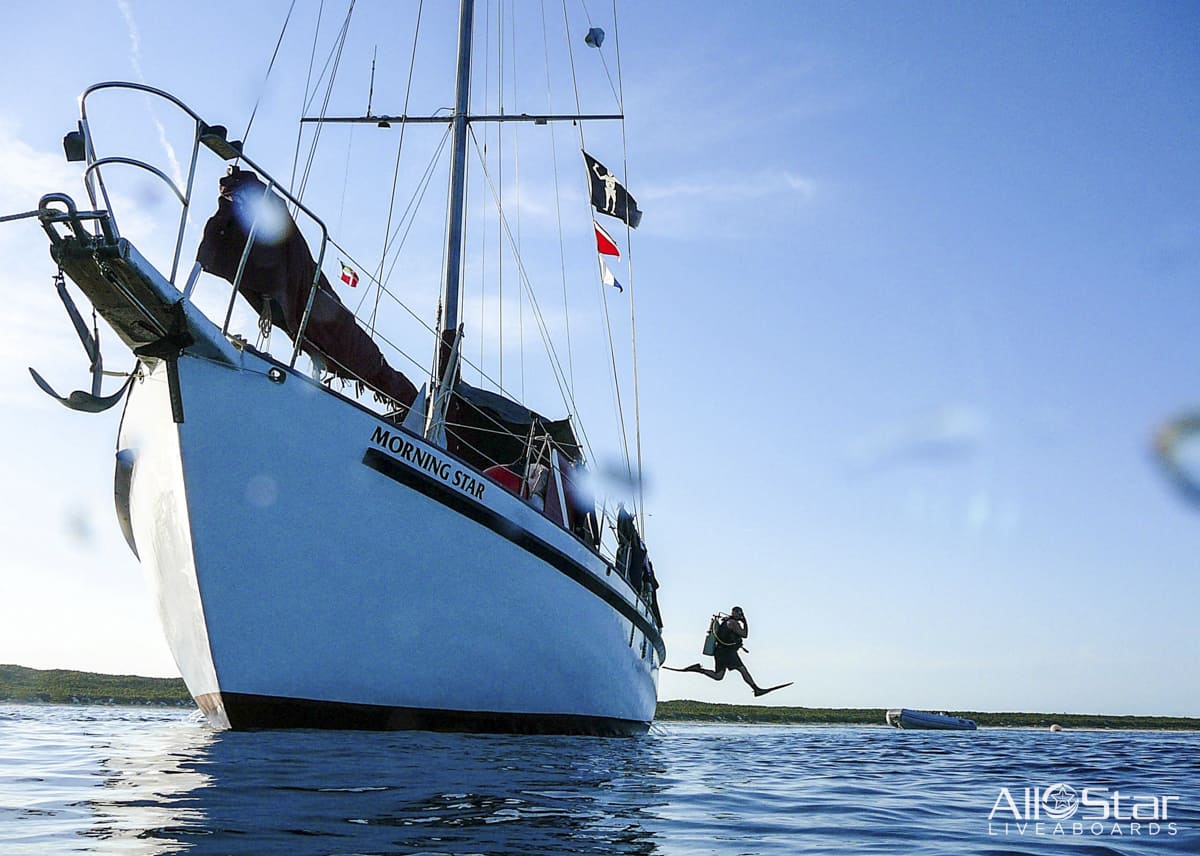
All Star Blackbeards Morning Star
Bahamas
24 guests19.81 m
$156/day
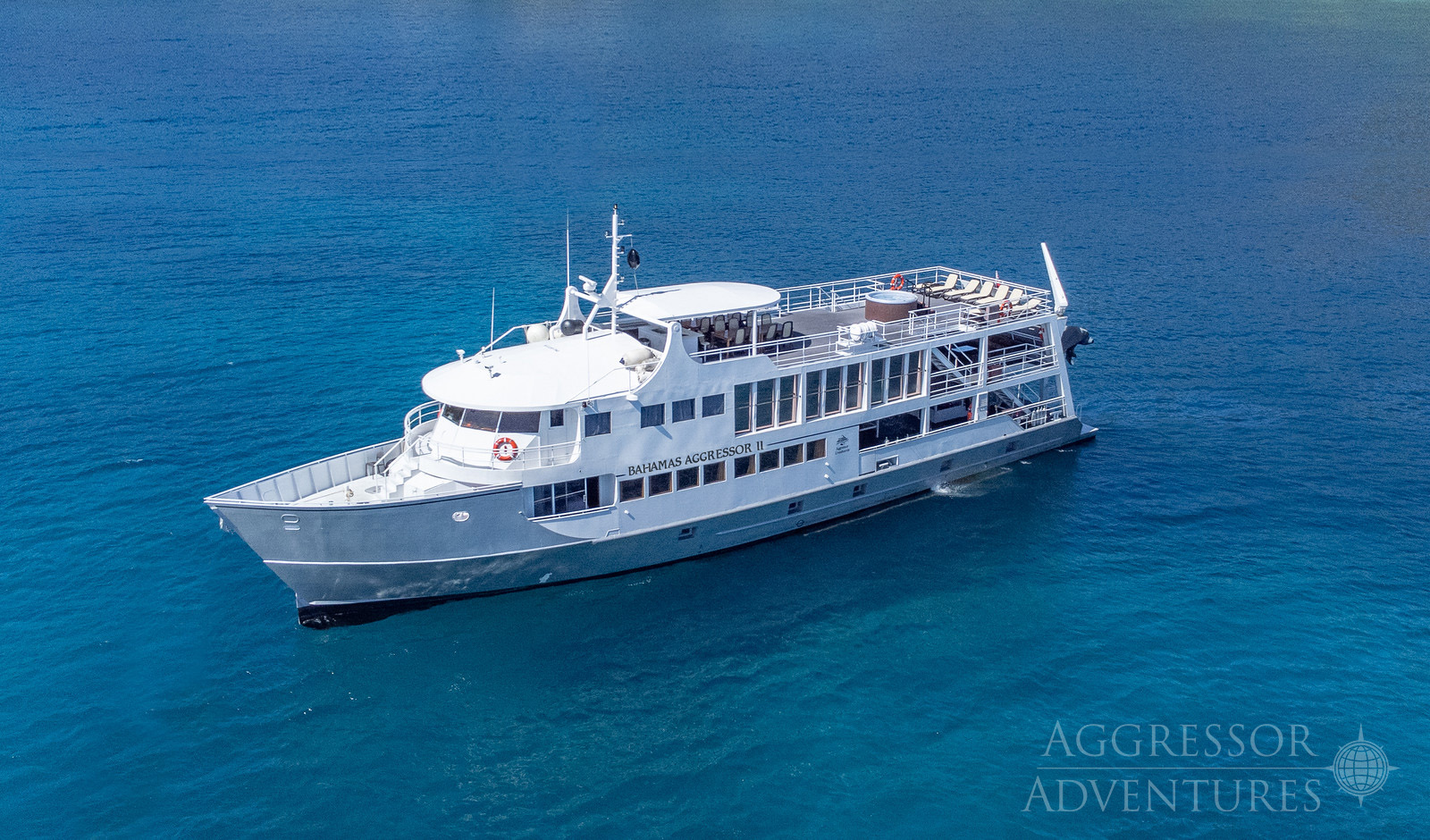
Bahamas Aggressor II
Bahamas
20 guests33.5 m
$328/day
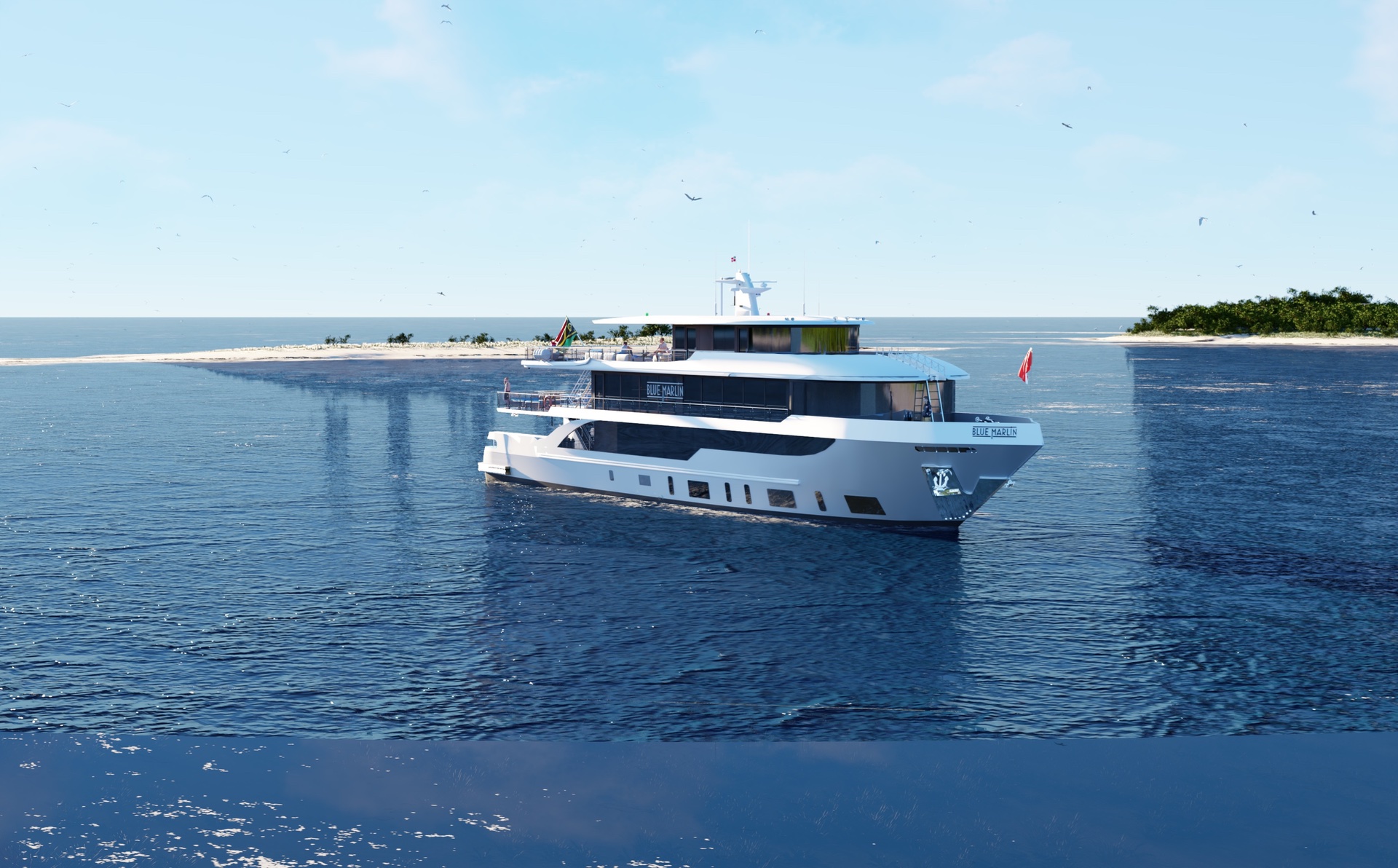
Blue Marlin
Bahamas
26 guests42 m
$318/day
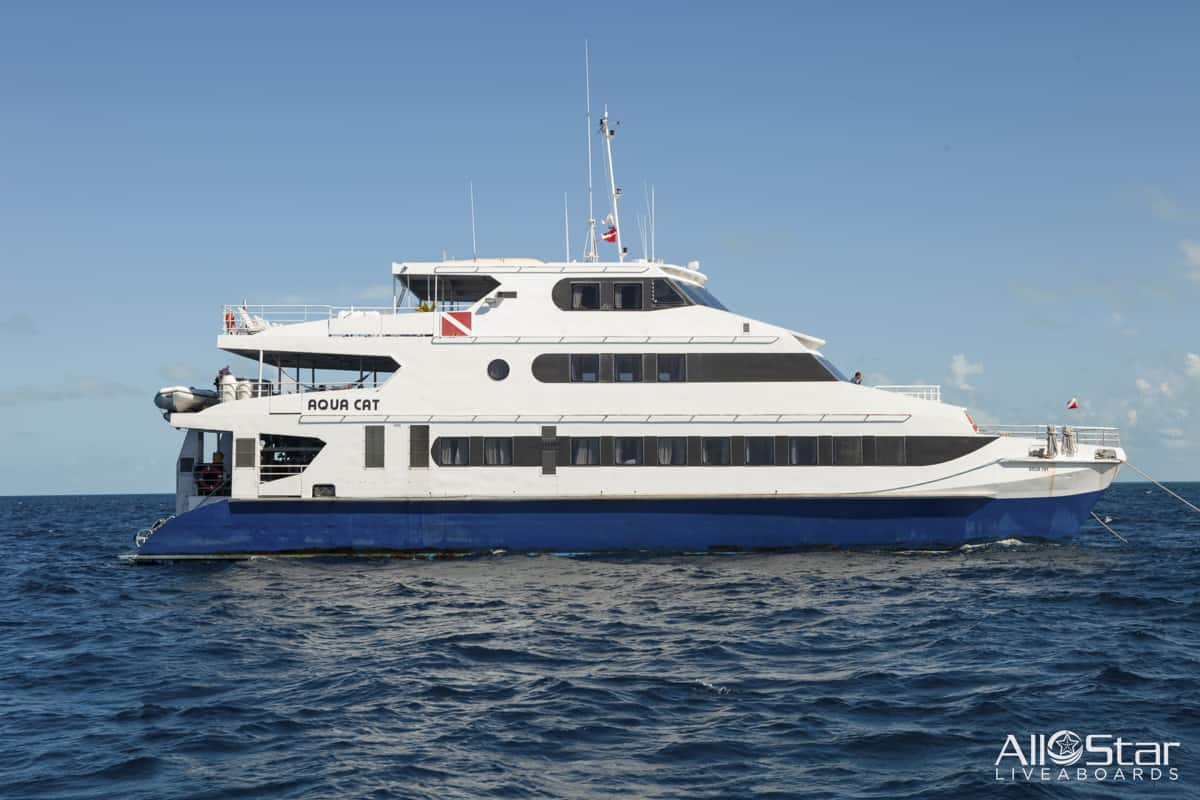
All Star Aqua Cat
Bahamas
30 guests31.09 m
$312/day
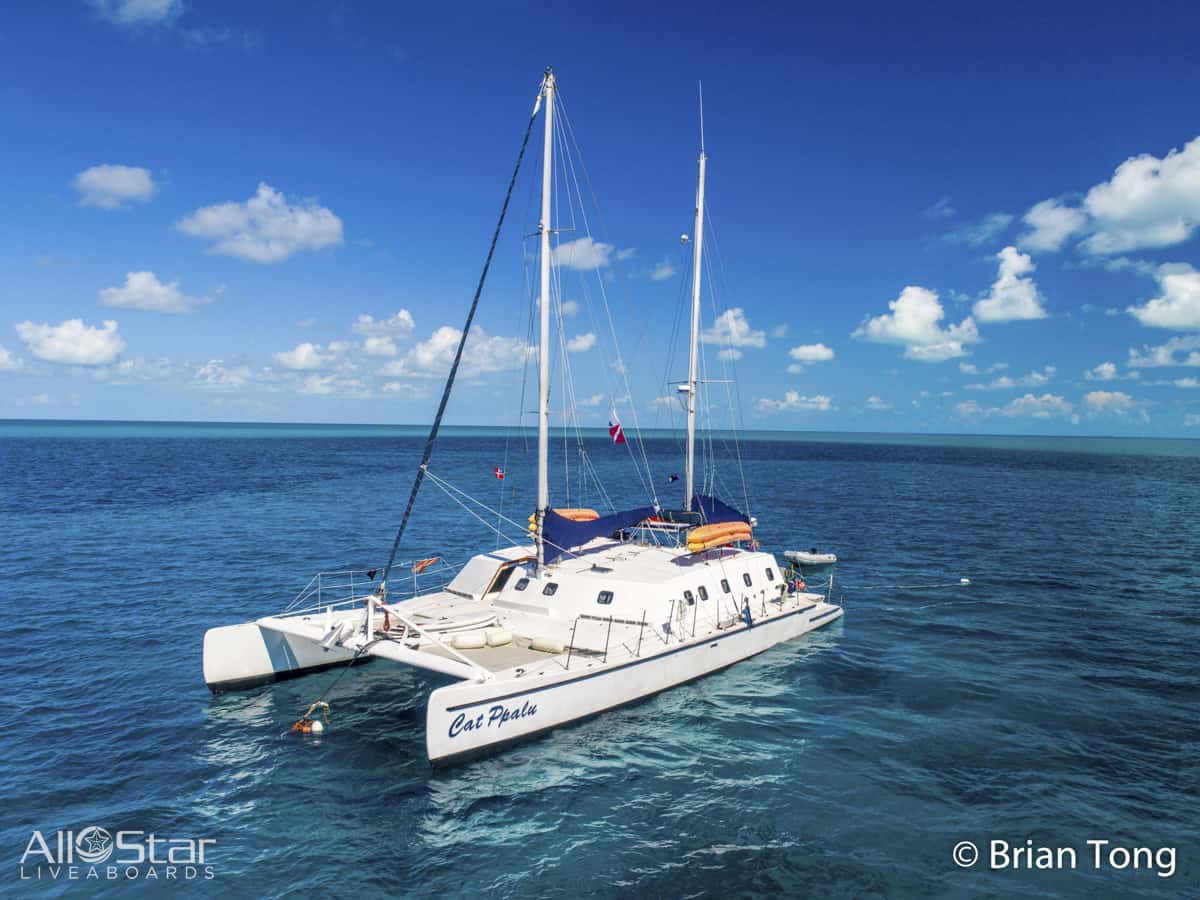
All Star Cat Ppalu
Bahamas
12 guests20 m
$237/day
Dive sites similar to miniwall
Same character, same waters — six more sites divers love for the exact same reasons.Compare seasons, access and liveaboard routes — then pick the site that fits your trip best.
© Esri — Maxar, Earthstar, GIS
Columbus Point
Bahamas
Columbus Point, situated off Cat Island in the Bahamas, stands out as an advanced dive destination renowned for its dramatic wall diving along one of the region's most untouched reef systems.
- Suitable for
- Advanced
- Current
- Strong
- Access
- Dayboat
- Depth
- ≤ 40 m
- Theme
- Wall / Drift
© Esri — Maxar, Earthstar, GIS
Cut Through City
Bahamas
Cut Through City is a standout dive site located off the coast of Eleuthera in the Bahamas, a region renowned for its diverse underwater topography.
- Suitable for
- Intermediate
- Current
- Mild
- Access
- Liveaboard only
- Depth
- 27–40 m
- Theme
- Wall / Reef
© Esri — Maxar, Earthstar, GIS
Metropolis
Bahamas
Metropolis is a standout dive site in the Bahamas, renowned for its consistent and diverse shark encounters, making it a thrilling destination for divers seeking pelagic action.
- Suitable for
- Intermediate
- Current
- Moderate
- Access
- Liveaboard only
- Depth
- ≤ 13 m
- Theme
- Reef
© Esri — Maxar, Earthstar, GIS
Mt. Olympus
Bahamas
Mt. Olympus is a dynamic dive site in the Bahamas, regularly visited by liveaboards, known for its healthy marine ecosystem and varied underwater terrain.
- Suitable for
- Advanced
- Current
- Moderate
- Access
- Liveaboard only
- Depth
- ≤ 122 m
- Theme
- Reef / Drift
© Esri — Maxar, Earthstar, GIS
Ras Mohammed
Bahamas
Ras Mohammed National Park, situated approximately 20 kilometers south of Sharm El Sheikh, marks the southernmost tip of the Sinai Peninsula in Egypt.
- Suitable for
- Advanced
- Current
- No current
- Access
- Shore / dayboat
- Depth
- ≤ 100 m
- Theme
- Reef
Cathedral is a renowned dive site located within the Dog Rocks Reef, which is part of the extensive Exuma Cays in the Bahamas, specifically situated off the coast of Scotland Cay.
- Suitable for
- Beginner
- Current
- Moderate
- Access
- Liveaboard only
- Depth
- 10–15 m
- Theme
- Cavern / Wall