About Media Luna
Media Luna is a premier advanced dive site located on the eastern side of Roatan, Honduras, distinguishable by its unique half-moon shaped plateau. This site offers a complex underwater landscape featuring a series of overhangs, ledges, and extensive canyon systems that create a challenging yet rewarding environment for experienced divers. Situated on the Mesoamerican Barrier Reef, the second-largest reef system globally, Media Luna showcases the vibrant health of Roatan's coral ecosystems. The topography descends from an upper reef, which is rich with hard coral formations, down to deeper sections that attract larger marine species. While the upper reef provides an ideal setting for safety stops, the deeper areas are where encounters with pelagic life, such as eagle rays and occasional reef sharks, are more common. The site's location on the less-trafficked east side of the island means divers can experience a more pristine and less crowded environment compared to the west end, fostering a truly immersive dive. Water temperatures in Roatan generally range from 25°C to 29°C, and visibility often exceeds 24 meters, allowing for clear exploration of Media Luna's intricate structures. The diving experience here is characterized by navigating diverse formations and observing abundant fish populations, supported by well-executed dive briefings that detail entry, descent, and safety procedures for wall dives.
Highlights
Half-moon shaped plateauComplex overhangs and ledgesExtensive canyon systemsLush hard coral formationsFrequent eagle ray sightingsOccasional reef shark encountersLess crowded east end siteDramatic wall diving
Season calendar
Best months to dive here
Jan
Feb
Mar
Apr
May
Jun
Jul
Aug
Sep
Oct
Nov
Dec
Excellent
Good
Dive site facts: Media Luna
- Depth
- 12–40 m
- Current
- Mild to moderate
- Visibility
- 24–36 m
- Water temperature
- 25–29°C
- Entry
- Boat
- Level
- Advanced
- Dive type
- Wall, reef, canyon
- Region / port
- Roatan, Honduras
- Coordinates
- 16.3227° N, 86.5021° W
Conditions & Currents
Currents at Media Luna are typically described as light to moderate, although the presence of deep-water sea fans at other Roatan wall dives suggests some current can be expected in deeper sections. During wall dives in Roatan, divers are often advised about current direction and the need to stay close to the wall for shelter. For safety and enjoyment, all divers must pay close attention to the dive briefing, which covers current direction, descent timing, and exit plans, especially given that some sections may experience reverse currents. While the site does not have strong currents, an understanding of drift diving principles and good buoyancy control are beneficial. Visibility is generally excellent, ranging from 24 to 36 meters, ensuring clear views of the site's complex topography. Thermoclines are generally not a major concern in Roatan's warm Caribbean waters, which range from 25-
Marine life & sighting chances
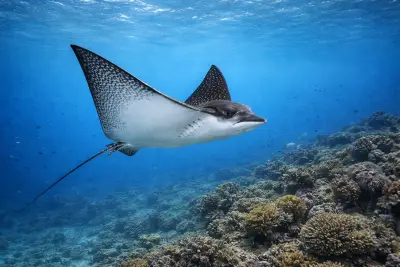
Eagle rays
occasional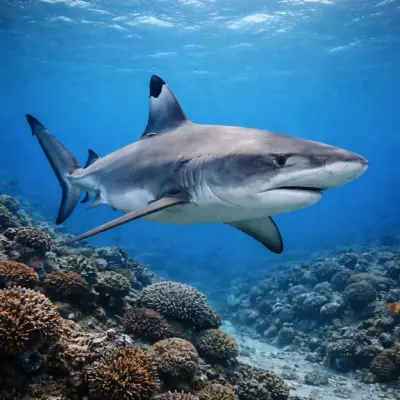
Reef sharks
occasional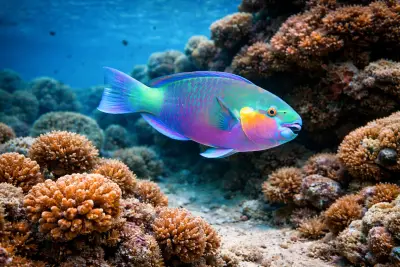
Parrotfish
common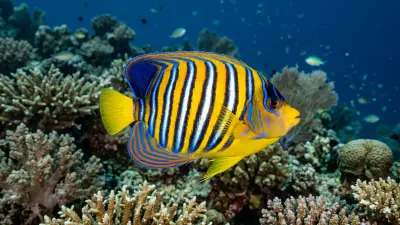
Angelfish
common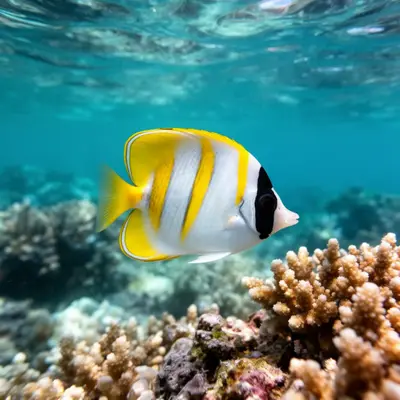
Butterflyfish
common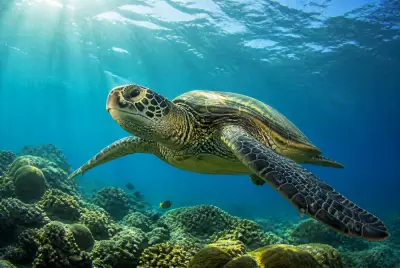
Sea turtles
occasional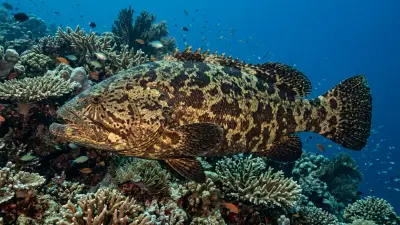
Groupers
common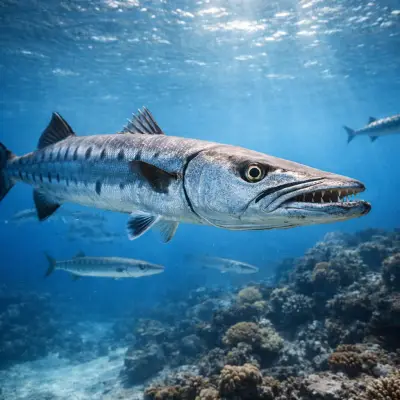
Barracudas
common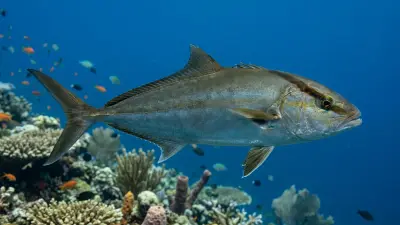
Jacks
common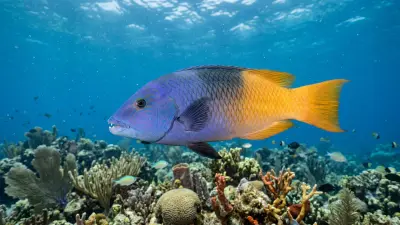
Creole wrasse
common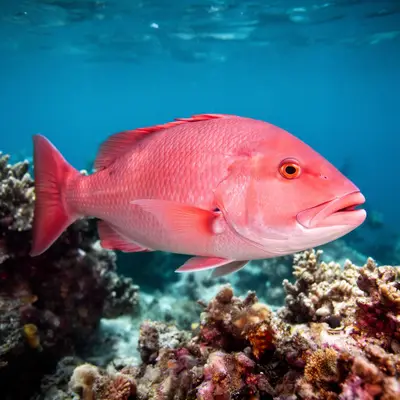
Yellowtail snapper
common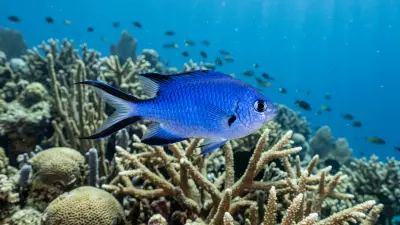
Blue chromis
common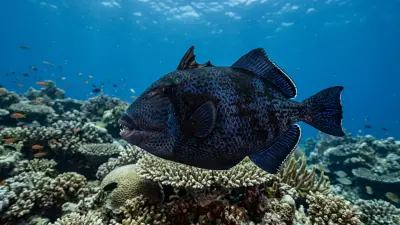
Black durgeon
common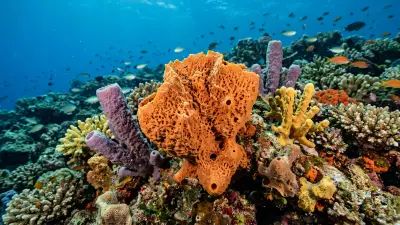
Sponges
commonDive profile & how the dive runs
Diving at Media Luna typically involves a boat entry, often from a short distance due to its location on the east side of Roatan. Divers descend as a group, with a common meeting depth of approximately 12 meters to allow for ear equalization before proceeding deeper. The dive follows the half-moon shaped plateau, exploring its intricate topography of overhangs, ledges, and canyon systems, which start around 12 meters and extend down to 40 meters and beyond. Divers are guided along the wall, observing the lush hard coral on the upper reef and looking into the blue for pelagic encounters in deeper zones. The dive is multi-level, allowing for longer bottom times, with the route often dictated by the prevailing current. At the end of the dive, divers conduct a three-minute safety stop, usually along the shallower upper reef, which is rich with coral life. The dive boat tracks the group and picks them up near the end point of the drift.
Underwater photography
Media Luna offers diverse photographic opportunities, particularly for wide-angle and macro lenses. The dramatic half-moon plateau, extensive canyon systems, and abundant hard coral formations are excellent subjects for wide-angle shots, capturing the vastness and structure of the reef. For macro enthusiasts, the healthy reef is home to numerous smaller critters, and careful observation, especially within the overhangs and ledges, can reveal hidden subjects. Photographers should prioritize excellent buoyancy control to avoid damaging delicate corals and disturbing marine life within the confined spaces of canyons. Natural light is generally sufficient in the shallower parts due to Roatan's high visibility, but strobes are recommended to bring out the vibrant colors of corals and fish at deeper depths and within shaded areas. When encountering pelagic species like eagle rays or sharks, maintain a respectful distance to avoid startling them.
Combine with nearby dive sites
- Calvin's Crack
A dramatic elbow-shaped plateau with a long crevice.
- Patti's Place & The Train Station
Known for large schools of snapper and dense fish concentrations.
- Carib Wall
A vertical reef wall with deep-water sea fans and schooling fish.
- The Roly Poly
An accessible WWII cargo shipwreck, encrusted with coral.
- The Seamounts
Underwater mountains attracting large pelagics and predatory jacks.
Getting there & logistics
Access to Media Luna is typically via day boat from resorts or dive operators located on the east end of Roatan. The island is served by Juan Manuel Gálvez International Airport (RTB), with direct flights from several major North American cities. Most dive trips to Roatan are week-long packages, often including accommodation and multiple daily boat dives. Dive sites like Media Luna are usually reached within a 15-minute boat ride from eastern docks, making for efficient dive excursions without lengthy travel times between sites. Dive operators often handle all equipment setup between dives. While a marine park fee is customary for diving in Roatan, it is often a voluntary contribution to the Roatan Marine Park, which protects these reefs. Typical dive packages include 2-4 boat dives per day with tanks and weights provided.
Safety & environment
For diving Media Luna, ensuring personal dive insurance with emergency evacuation coverage is highly recommended, as with all international diving. The nearest recompression chamber is located in Coxen Hole, Roatan. In case of a dive emergency, evacuation would involve boat transport to shore followed by land transport to the chamber. Site-specific hazards include navigating complex overhangs and canyons, which require excellent buoyancy control to prevent entanglement or accidental contact with the reef. Divers should be aware of potential currents, especially in deeper areas, and follow divemaster instructions regarding staying close to the wall or specific routes. All divers must participate in a thorough dive briefing, understand communication signals, and adhere strictly to depth and bottom time limits for multi-level dives. Always dive with a reliable buddy and ensure adequate air supply, checking gauges regularly. If separated, follow standard procedures, including surfacing safely and waiting for the boat, which will be in the vicinity.
Who it suits — and who it doesn't
Suited for
- Advanced certified divers seeking challenging topography
- Divers comfortable with wall diving and potential currents
- Underwater photographers looking for diverse reef structures
- Divers interested in pelagic encounters
- Those who appreciate less crowded dive sites
Less suited for
- Beginner divers or those new to wall diving
- Divers with poor buoyancy control
- Those prone to claustrophobia in confined spaces (canyons/overhangs)
- Divers unprepared for potential encounters with larger marine life
- Individuals who prefer only shallow, calm, open reef dives
FAQ
Media Luna FAQ
What makes Media Luna an 'advanced' dive site?
Media Luna is categorized as advanced due to its complex topography, which includes extensive overhangs, ledges, and canyon systems, requiring good buoyancy control and navigation skills. The depth range, extending to 40 meters, and the potential for occasional currents also contribute to its advanced rating. Divers should be comfortable with deeper profiles and intricate underwater environments.
What kind of marine life can I expect to see at Media Luna?
At Media Luna, you can anticipate seeing a rich variety of Caribbean reef fish, including parrotfish, angelfish, and schools of snapper, chromis, and wrasse. In the deeper sections and open water, there are occasional sightings of larger pelagics such as eagle rays and reef sharks. The reef itself is also home to diverse sponges and healthy hard coral formations.
How do currents typically affect diving at Media Luna?
Currents at Media Luna are generally mild to moderate, making it manageable for experienced divers. Dive briefings will always outline the expected current direction and strength for the day, and divers are often advised to stay closer to the wall for shelter. Good trim and awareness of your surroundings are key to comfortably navigating this site.
Is Media Luna suitable for underwater photography?
Yes, Media Luna is an excellent site for underwater photography, offering subjects for both wide-angle and macro lenses. The dramatic reef structures, canyon systems, and healthy hard corals are perfect for wide-angle shots, while the abundant reef fish and smaller critters provide macro opportunities. Excellent visibility and vibrant marine life make it a rewarding location for photographers.
What are the typical dive depths at Media Luna?
The dive at Media Luna typically starts with a common meeting depth of around 12 meters, allowing divers to equalize comfortably. From there, the site's complex topography descends gradually, offering exploration opportunities down to approximately 40 meters. The dive is multi-level, meaning divers will explore different depth ranges throughout the dive to maximize bottom time and safety.
Why is Media Luna considered a better dive than some sites on Roatan's west end?
Media Luna, located on Roatan's east end, benefits from significantly less dive traffic compared to the more crowded west end. This results in healthier, more pristine reefs and a more tranquil, immersive dive experience. The relative remoteness also means access to sites that many west-end shops rarely visit, preserving the natural state of the reef and its marine inhabitants.
Why dive Media Luna from a liveaboard?
Media Luna is one of Honduras's signature dive sites. A liveaboard sleeps you on the water and puts you in the water for three to four guided dives per day, including dawn and night dives that day-boat operators rarely offer. You skip the daily commute back to port and reach quieter, less-crowded sites in the same region on a single trip.
Below are the liveaboards that include Media Luna on their Honduras itineraries.
Liveaboards diving Media Luna
These liveaboards may visit Media Luna on selected itineraries — the exact dive sites depend on departure, weather and conditions.
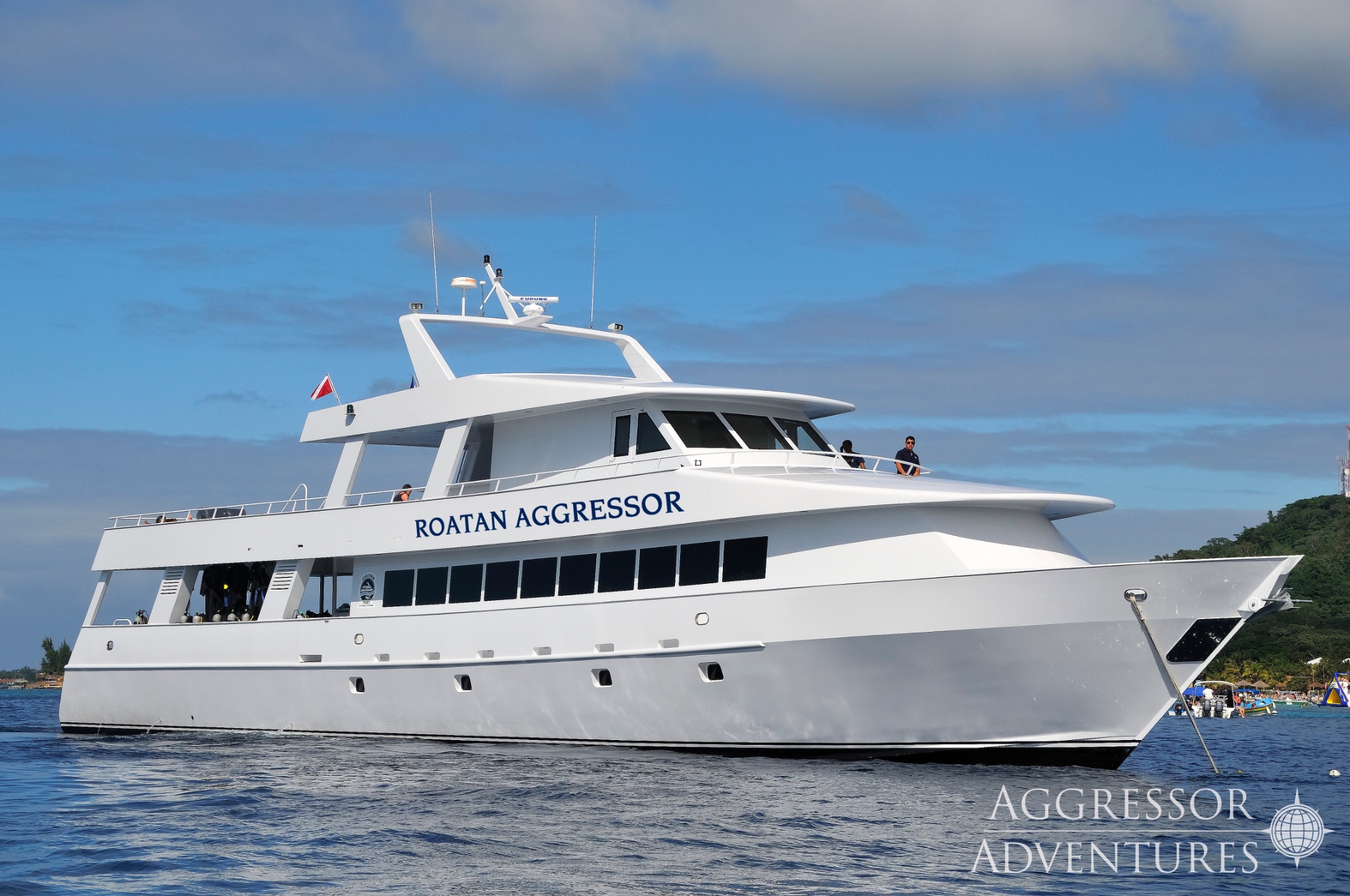
Roatan Aggressor
Honduras
18 guests31.1 m
$309/day
Dive sites similar to Media Luna
Same character, same waters — six more sites divers love for the exact same reasons.Compare seasons, access and liveaboard routes — then pick the site that fits your trip best.
© Esri — Maxar, Earthstar, GIS
Satoshi’s Grave
Honduras
Satoshi’s Grave is a distinctive wreck site located on the southern shore of Roatan, specifically the Wreck of Mr. Bud.
- Suitable for
- Beginner
- Current
- Moderate
- Access
- Liveaboard or dayboat
- Depth
- 18–18 m
- Theme
- Wreck / Reef
© Esri — Maxar, Earthstar, GIS
Blackish Point
Honduras
Blackish Point is a captivating shore-drift wall dive located on the north side of Utila, offering a unique blend of volcanic rock formations, soft corals, and an intricate network of caves, overhangs, and crevices.
- Suitable for
- Intermediate
- Current
- Mild
- Access
- Shore / dayboat
- Depth
- 11–27 m
- Theme
- Cave & cavern / Drift
© Esri — Maxar, Earthstar, GIS
Butcher's Bank
Honduras
Butcher's Bank is a celebrated dive site in Roatan, Honduras, widely regarded as one of the island's most enjoyable locations, particularly for novice divers.
- Suitable for
- Beginner
- Current
- Mild
- Access
- Dayboat
- Depth
- 12–18 m
- Theme
- Reef
© Esri — Maxar, Earthstar, GIS
Wreck of the Aguila
Honduras
The Wreck of the Aguila, affectionately known as 'The Eagle,' is a 60-meter (200-foot) cargo ship purposefully sunk in 1997 to create an artificial reef within recreational diving limits.
- Suitable for
- Intermediate
- Current
- Mild
- Access
- Dayboat
- Depth
- 20–33 m
- Theme
- Wreck / Reef
© Esri — Maxar, Earthstar, GIS
Al's Garden
Honduras
Al's Garden is a notable dive site located in Roatan, part of Honduras's Bay Islands, a region renowned for its vibrant underwater topography and diverse marine ecosystems.
- Suitable for
- Intermediate
- Current
- Moderate
- Access
- Liveaboard or dayboat
- Depth
- 9–40 m
- Theme
- Reef
© Esri — Maxar, Earthstar, GIS
Gold Chain Reef
Honduras
Gold Chain Reef is a celebrated dive site located off the coast of Roatan, Honduras, within the vast Mesoamerican Barrier Reef System, the world's second-largest coral reef.
- Suitable for
- Intermediate
- Current
- Mild
- Access
- Liveaboard only
- Depth
- 3–9 m
- Theme
- Wall