About Patti's Place & The Train Station
Patti's Place and The Train Station offers divers an engaging experience on Roatan, part of the immense Mesoamerican Barrier Reef System. Roatan's reefs are renowned for their health, thanks to the Roatan Marine Park's conservation efforts, making the diving here truly exceptional. The island's underwater topography features a mix of coral gardens, channels, and walls, catering to various dive preferences. Diving in Roatan reveals an incredible array of marine biodiversity, from colorful corals and sponges to a variety of fish and larger pelagics. While whale shark sightings have become rare, the vibrant ecosystem ensures diverse encounters. The water temperature remains warm year-round, contributing to comfortable diving conditions. The dive experience in Roatan is characterized by generally mild currents and excellent visibility, making it suitable for a wide range of diver experience levels. Dive sites are typically a short boat ride from shore, with most shops using small pangas and returning to shore between dives. This allows for convenient surface intervals and access to many unique locations.
Highlights
Mesoamerican Barrier ReefHealthy coral ecosystemsDiverse marine lifeWarm, clear watersMild currentsAccessible by boat
Season calendar
Best months to dive here
Jan
Feb
Mar
Apr
May
Jun
Jul
Aug
Sep
Oct
Nov
Dec
Excellent
Good
Off-Season
Mar – May & Dec
Best visibility, calm seas, whale shark season begins
Jan – Feb
Good conditions with warm water and decent visibility
Jun – Nov
Rainy season with reduced visibility but second whale shark peak Sep-Dec
Dive site facts: Patti's Place & The Train Station
- Depth
- 5–30 m
- Current
- Mild to moderate
- Visibility
- 30 m+
- Water temperature
- 25–29°C
- Entry
- Boat
- Level
- Open Water to Advanced
- Dive type
- Reef, wall, drift
- Night dive
- Possible
- Region / port
- Roatan, Honduras
- Coordinates
- 16.2567° N, 86.5159° W
Conditions & Currents
Currents around Roatan are generally mild, making many dive sites accessible for a broad range of divers. However, some sites, especially those at "the point" where different shorelines meet, such as 'Texas', can experience stronger currents due to upwellings from the deep. These currents bring nutrient-rich water, supporting abundant life but also requiring divers to be mindful of drift. Visibility is consistently excellent, often exceeding 30 meters during the dry season, though it can be reduced in the wet season due to stirred-up sediments, which paradoxically can attract large schools of fish. Water temperatures are warm year-round, ranging from 25°C to 29°C, and only start to cool beyond 9 to 12 meters of depth. While most diving occurs on the protected northwest side of the island, strong north or west winds can create rough surface conditions, potentially making boat entry and ex
Marine life & sighting chances

Green turtle
occasional
Hawksbill turtle
occasional
Southern stingray
occasional
Eagle ray
occasional
Giant crab
occasional
Seahorse
occasional
Parrotfish
common
Angelfish
common
Damselfish
common
Hogfish
common
Trunkfish
common
Triggerfish
common
Moray eel
occasional
Silversides
Mid-June, August, September · commonDive profile & how the dive runs
Your dive at Patti's Place and The Train Station typically begins with a boat entry to a mooring point. You will descend along the reef slope, exploring the dynamic topography of canyons, swim-throughs, and walls characteristic of Roatan's healthy reef system. Depths will vary, starting in shallower coral gardens and gradually moving deeper along the wall, which can drop to several tens of meters. Pay attention to the rich biodiversity in the crevices and overhangs. The dive concludes with a gradual ascent, allowing for a thorough safety stop at shallower depths, before returning to the boat for surface interval. The profile may include a gentle drift depending on local currents.
Underwater photography
Roatan's clear waters and abundant marine life make Patti's Place and The Train Station an excellent site for underwater photography. Wide-angle lenses are ideal for capturing the expansive coral formations, dramatic walls, and any larger marine encounters like eagle rays or schooling fish. For smaller subjects like seahorses or colorful reef fish, a macro lens will be beneficial. External strobes are highly recommended to bring out the true colors of the corals and sponges, especially at deeper sections of the wall where natural light diminishes. Focus on maintaining excellent buoyancy to avoid stirring up sediment or damaging the delicate corals. Be patient with marine life, allowing subjects to get accustomed to your presence for natural, captivating shots. During the dry season, consistent visibility of 30 meters or more offers superb conditions for sharp images.
Combine with nearby dive sites
Getting there & logistics
Diving in Roatan, including Patti's Place and The Train Station, typically involves flying into Juan Manuel Gálvez International Airport (RTB). Most dive operations are concentrated around West End, West Bay, and Sandy Bay, offering convenient access to numerous sites. Dive sites are usually a short boat ride away, with dive shops often returning to shore between dives using small pangas for surface intervals. While individual dive costs vary, multi-day packages or liveaboard options are common for exploring more of the Bay Islands. There are no specific permits mentioned for this particular dive site, but divers should be aware of the Roatan Marine Park regulations, such as the prohibition of gloves, which aims to protect the fragile ecosystem. Some shops may charge a supplemental fee for dives on the south side of the island if prevailing winds require relocation.
Safety & environment
Safety is paramount when diving in Roatan. The nearest recompression chamber is located on the island itself, offering critical medical support for diving emergencies. Evacuation procedures, while efficient within Roatan, could involve longer transfers for complex cases, making comprehensive dive insurance essential for all divers. Site-specific hazards are generally low due to mild currents, but divers should always be aware of their depth and bottom time, especially on wall dives where temperatures can cool below 9-12 meters. The Roatan Marine Park enforces strict rules, including a ban on wearing gloves to prevent accidental contact with and damage to the delicate coral, and a prohibition on touching marine life. Always dive within your training limits and follow your dive guide's instructions. Wearing reef-safe sunscreen is also advised for protection against intense sun exposure.
Who it suits — and who it doesn't
Suited for
- Open Water certified divers seeking beautiful reef environments
- Underwater photographers looking for vibrant coral and diverse marine life
- Divers who enjoy mild current drift diving
- Those seeking a warm-water dive destination year-round
- Divers interested in exploring healthy reef ecosystems
Less suited for
- Divers unwilling to follow marine park rules (e.g., no gloves)
- Those expecting guaranteed whale shark encounters
- Divers who get easily cold in water temperatures around 25°C without adequate exposure protection
- Individuals seeking extreme currents or highly challenging technical dives
- Travelers sensitive to potential rain during the wet season (October-February)
FAQ
Patti's Place & The Train Station FAQ
What kind of marine life can I expect to see at Patti's Place and The Train Station?
You can anticipate seeing a diverse range of marine life, including green and hawksbill turtles, southern stingrays, and majestic eagle rays. The reef is also home to various colorful reef fish like parrotfish, angelfish, damselfish, hogfish, trunkfish, and triggerfish. Occasionally, you might spot giant crabs, seahorses, and moray eels, adding to the rich biodiversity of the Mesoamerican Barrier Reef.
What are the typical water conditions for diving this site?
Roatan generally offers excellent diving conditions with warm water temperatures ranging from 25°C to 29°C year-round. Visibility is often 30 meters or more, particularly during the dry season. Currents are typically mild, making for comfortable diving, although some areas can experience moderate currents due to upwellings, enhancing marine life viewing. The site is known for its clear waters and calm seas for most of the year.
Is Patti's Place and The Train Station suitable for beginner divers?
Yes, Roatan's dive sites, including this one, are generally suitable for Open Water certified divers. The mild currents, warm waters, and excellent visibility contribute to a comfortable and enjoyable experience for those new to diving. However, always follow your dive guide's instructions and stay within your certified limits to ensure a safe dive.
When is the best time of year to dive Patti's Place and The Train Station?
While diving is excellent year-round in Roatan, August and September are often highlighted for their calm conditions, very warm water, and fewer crowds. The dry season from March to October also offers consistently high visibility. Even during the wet season (October-February), good diving can be found, as rain typically occurs in the early mornings and doesn't usually lead to dive cancellations.
What kind of dive topography does this site offer?
Patti's Place and The Train Station showcases the classic Roatan reef topography, featuring vibrant coral gardens that gently slope down to dramatic walls. You can expect to navigate through natural canyons, explore fascinating swim-throughs, and observe marine life hiding in crevices and overhangs. This varied landscape provides an engaging experience for divers of all interests.
Why dive Patti's Place & The Train Station from a liveaboard?
Patti's Place & The Train Station is one of Honduras's signature dive sites. A liveaboard sleeps you on the water and puts you in the water for three to four guided dives per day, including dawn and night dives that day-boat operators rarely offer. You skip the daily commute back to port and reach quieter, less-crowded sites in the same region on a single trip.
Below are the liveaboards that include Patti's Place & The Train Station on their Honduras itineraries.
Liveaboards diving Patti's Place & The Train Station
These liveaboards may visit Patti's Place & The Train Station on selected itineraries — the exact dive sites depend on departure, weather and conditions.
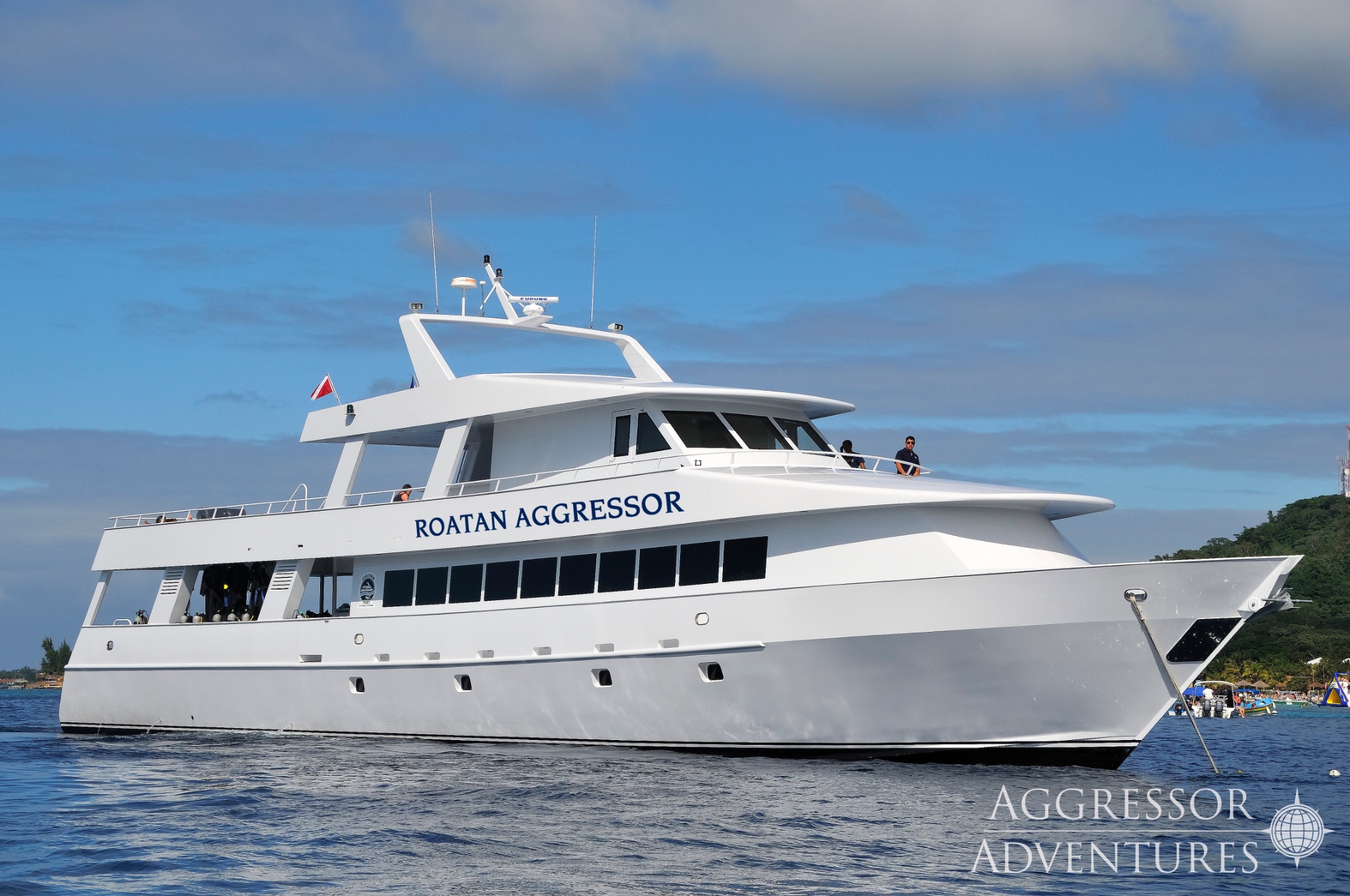
Roatan Aggressor
Honduras
18 guests31 m
Dive sites similar to Patti's Place & The Train Station
Same character, same waters — six more sites divers love for the exact same reasons.Compare seasons, access and liveaboard routes — then pick the site that fits your trip best.
© Esri — Maxar, Earthstar, GIS
3 Fathom Wall
Cayman Islands
3 Fathom Wall is an exciting and fish-filled dive site located in the Cayman Islands, specifically at the intersection of the renowned Bloody Bay Wall.
- Suitable for
- Intermediate
- Current
- Mild
- Access
- Liveaboard only
- Depth
- ≤ 3000 m
- Theme
- Reef
While specific details for a dive site named "3 Riff" are not present in the provided sources, general diving conditions and characteristics for the Dominican Republic…
- Suitable for
- Advanced
- Current
- Mild
- Access
- Dayboat
- Depth
- 30–55 m
- Theme
- Reef
The dive site known as 3 Rocks is located off the coast of Sosúa in Puerto Plata, Dominican Republic, offering an accessible and lively underwater experience.
- Suitable for
- Beginner
- Current
- Mild
- Access
- Dayboat
- Depth
- 2–8 m
- Theme
- Reef
4 Amigos is a notable dive site located in the Bay Islands of Honduras, an area renowned for its extensive Mesoamerican Barrier Reef System, which is the world's second-longest.
- Suitable for
- Intermediate
- Current
- Moderate
- Access
- Liveaboard or dayboat
- Depth
- 9–40 m
- Theme
- Reef
© Esri — Maxar, Earthstar, GIS
6 Toed Cat
Mexico
The dive site known as "6 Toed Cat" is not a recognized dive location in Mexico; rather, it refers to the polydactyl felines, many with six toes, that inhabit the Ernest Hemingway Home and Museum in Key West, Florida.
- Suitable for
- Beginner
- Current
- Mild
- Access
- Liveaboard or dayboat
- Depth
- —
- Theme
- Reef
© Esri — Maxar, Earthstar, GIS
Aaron's Backyard
Honduras
Aaron's Backyard is a noted dive site within the Roatan Marine Park in Honduras, part of the extensive Mesoamerican Barrier Reef System.
- Suitable for
- Intermediate
- Current
- Moderate
- Access
- Liveaboard or dayboat
- Depth
- 9–40 m
- Theme
- Reef