About Marianne
South Marianne Island is a highly regarded dive location situated in the Seychelles, accessible from either Praslin or La Digue islands. This site is celebrated for its distinctive underwater landscape, which features impressive granite formations including caves, large boulders, and prominent pinnacles, creating a dramatic and complex environment for exploration. The topography facilitates a dynamic dive experience, where divers can navigate through these natural structures. The site is particularly renowned for its rich pelagic life, drawing in various shark species. Strong currents are a defining characteristic, making drift diving a popular method to experience the site's expansive features and diverse marine encounters. Divers frequently encounter an abundance of pelagic species, including multiple types of sharks and eagle rays. Other common sightings include Hawksbill turtles, guitarfish, and giant moray eels. The site also boasts large shivers of grey reef sharks, making shark encounters a highlight. Due to the significant currents and the nature of the dive, South Marianne Island is best suited for advanced divers. The prevailing conditions necessitate experience with drift diving techniques. The site is generally unavailable for diving during June, July, and August because of unfavorable sea conditions, indicating that other months offer better opportunities.
Highlights
Unique granitic rock formationsUnderwater caves and bouldersMultiple shark speciesLarge shivers of grey reef sharksEagle raysHawksbill turtlesGiant moray eelsDrift diving experience
Season calendar
Best months to dive here
Jan
Feb
Mar
Apr
May
Jun
Jul
Aug
Sep
Oct
Nov
Dec
Excellent
Good
Dive site facts: Marianne
- Current
- Moderate
- Visibility
- 15-40 m
- Water temperature
- 26-29°C
- Entry
- Liveaboard only
- Level
- Advanced
- Dive type
- Wall, Wreck
- Region / port
- Belize
- Coordinates
- 18.5721° N, 87.2796° W
Conditions & Currents
South Marianne Island is characterized by strong currents, making it an ideal location for drift diving. Divers should be prepared for significant water movement, necessitating good buoyancy control and comfort with current diving. Entry is typically made as a live boat drop, allowing divers to be carried along by the current, and exit involves being picked up downstream. Surface conditions can also be affected by these currents, and sea conditions are often unfavorable from June to August, leading to site unavailability. This site is specifically recommended for advanced divers who possess the necessary experience to manage challenging current environments and understand the implications for gas planning and dive safety.
Marine life & sighting chances
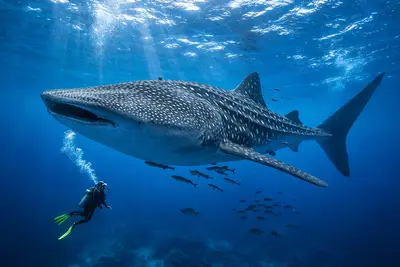
Whale shark
April to June · occasional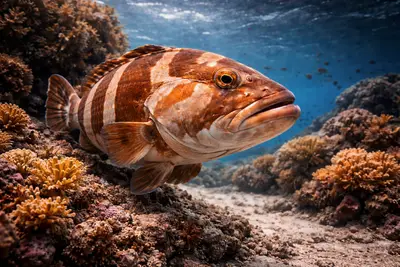
Nassau grouper
October to December · occasional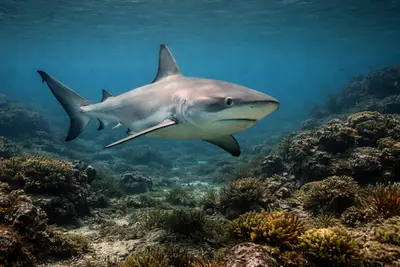
Caribbean reef shark
common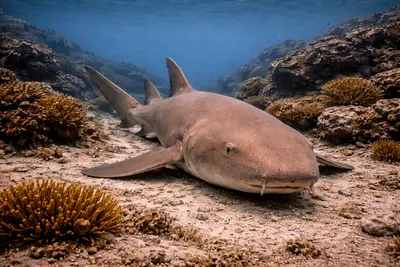
Nurse shark
common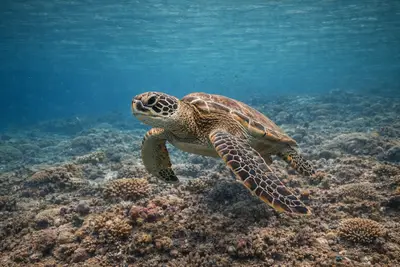
Green sea turtle
common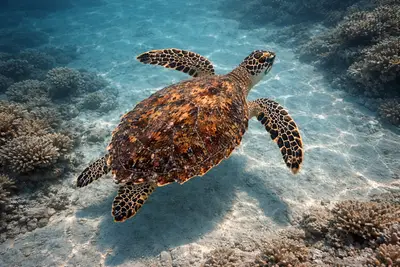
Hawksbill sea turtle
common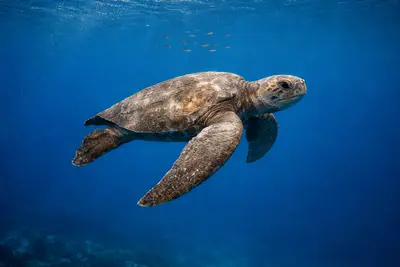
Loggerhead sea turtle
occasional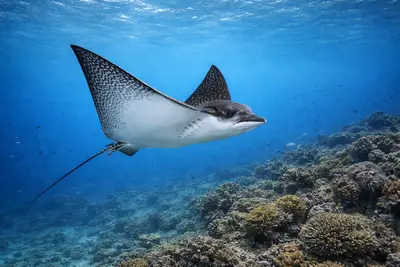
Spotted eagle ray
common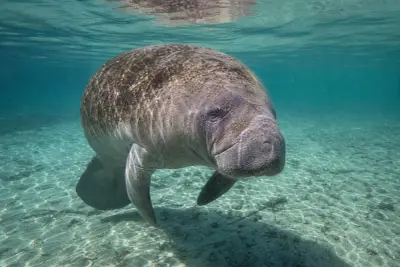
Manatee
occasional
Dolphin
occasional
Barracuda
common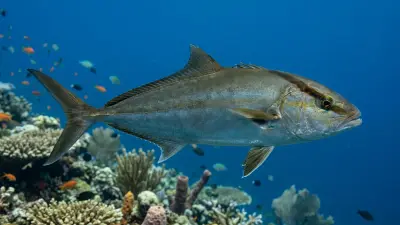
Jack
common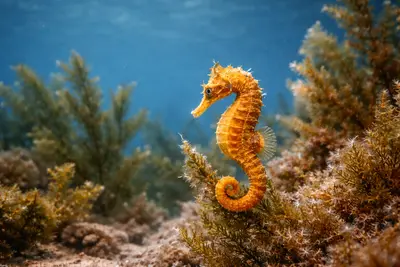
Seahorse
occasional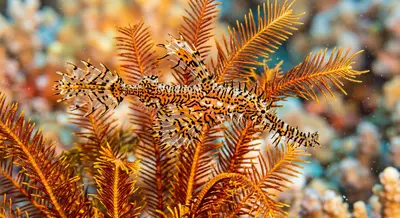
Pipefish
occasionalUnderwater photography
Belize offers exceptional opportunities for both wide-angle and macro photography depending on the site. During the dry season from February to June, especially April to June, visibility is at its peak, making it ideal for capturing dramatic reef structures, shark silhouettes, and the unique geological formations of sinkholes like the Great Blue Hole. For wide-angle shots, consider using early morning light on vertical walls at sites like Half Moon Caye and Lighthouse Reef. For deeper areas, strobes are essential to bring out color and detail. Macro enthusiasts will find subjects year-round, particularly in the shallow patch reefs and mangrove edges of Turneffe Atoll. A 60mm or 105mm lens is recommended for capturing small reef creatures such as seahorses, blennies, and nudibranchs. Night dives are also productive for macro, revealing octopuses, lobsters, and sleeping parrotfish. Maintaining excellent buoyancy is crucial for protecting the fragile coral and avoiding stirring up sediment, which can ruin a shot.
Combine with nearby dive sites
- The Great Blue Hole
Iconic sinkhole with unique geological formations and occasional sharks.
- Half Moon Caye Wall
Pristine walls with abundant corals, reef sharks, and nurse sharks.
- Turneffe Atoll
Largest atoll with rich biodiversity, steep drop-offs, and mangrove lagoons.
- Glover’s Reef Atoll
Features dramatic walls and potential for big fish action.
- Gladden Spit
Known for whale shark sightings around the full moon from April to June.
- Hol Chan Marine Reserve
Excellent for varied marine life, including sharks and rays, with easy access.
Getting there & logistics
Belize is served by Philip S. W. Goldson International Airport (BZE) near Belize City. From there, domestic flights or boat transfers connect divers to major dive hubs like Ambergris Caye, Caye Caulker, Placencia, or liveaboard departure points. Liveaboards typically offer week-long itineraries, providing access to remote offshore atolls and sites like the Great Blue Hole, Lighthouse Reef, and Half Moon Caye. Resort-based diving is common around Ambergris Caye and Caye Caulker, offering daily excursions to local reefs. Marine park fees are required for protected areas like the Blue Hole and Half Moon Caye, which are often included in tour packages. Booking 4-6 months in advance is recommended, especially for peak season (March-June) and whale shark trips, to secure preferred liveaboard space or dive packages.
Safety & environment
Diving in Belize typically requires standard dive insurance covering medical emergencies and recompression chamber treatment. The nearest recompression chamber is located in San Pedro on Ambergris Caye, serving a wide area of Belize's dive sites. Evacuation from remote atolls or southern dive sites to the chamber can involve significant time, requiring boat and potentially air transfer, underscoring the importance of proper planning and emergency protocols. Divers should be aware of site-specific hazards such as currents, particularly at offshore atolls, and always follow guide instructions. Maintaining good buoyancy control is vital to protect the fragile coral reef system and avoid injuries. Dive operators adhere to strict safety standards, monitoring weather and current conditions closely to ensure safe diving environments. Always ensure your dive computer is functional and you understand your air consumption and no-decompression limits.
Who it suits — and who it doesn't
Suited for
- Divers seeking diverse experiences from shallow reefs to deep sinkholes
- Underwater photographers looking for excellent visibility and varied subjects
- Liveaboard enthusiasts wanting to explore remote atolls and iconic sites
- Whale shark hopefuls planning trips from April to June
- Divers interested in combining cultural experiences with diving
Less suited for
- Divers uncomfortable with potential for strong currents on outer atolls
- Budget travelers during peak season (December to April)
- Divers seeking dedicated wreck diving, as options are limited
- Those who prefer very short boat rides to dive sites
- Divers with no experience in drift diving for certain atoll locations
FAQ
Marianne FAQ
When is the best time to dive in Belize?
The optimal time to dive in Belize is typically from April to June. During these months, you'll experience peak underwater visibility, often exceeding 40 meters, and a higher chance of encountering whale sharks around Gladden Spit. This period also offers a good balance of excellent conditions with fewer tourist crowds compared to the dry season's peak.
What is the water temperature like in Belize?
Belize boasts consistently warm water temperatures throughout the year. On average, the water ranges from 26°C (79°F) in the winter months to 29°C (84°F) during the summer. Most divers find comfort in a 3mm wetsuit or even a shorty, depending on individual preference and dive depth.
Are there whale sharks in Belize, and when can I see them?
Yes, Belize is a prime destination for whale shark encounters. These gentle giants are typically sighted from April to June, with appearances often coinciding with the full moon periods when they feed on spawning fish eggs, particularly at Gladden Spit. Booking in advance is highly recommended for whale shark-specific trips.
What kind of marine life can I expect to see?
Belize's Mesoamerican Barrier Reef system is incredibly biodiverse. Divers frequently encounter Caribbean reef sharks, nurse sharks, various species of sea turtles (green, hawksbill, loggerhead), spotted eagle rays, and barracuda. Macro life like seahorses and pipefish can be found in sheltered areas, while seasonal visitors include whale sharks and manatees.
Is Belize suitable for beginner divers?
Belize caters to all experience levels. While advanced sites like the Great Blue Hole and some outer atoll walls are best for experienced divers, numerous shallow reefs offer gentle currents and vibrant marine life, perfect for Open Water certified divers. Many resorts also provide training and guided dives for beginners.
What are the common dive trip options in Belize?
Divers can choose between liveaboard trips, which access remote sites like the Great Blue Hole and Lighthouse Reef on week-long itineraries, or resort-based diving. Resort options are concentrated in areas like Ambergris Caye, Caye Caulker, and Placencia, offering daily boat excursions to nearby reefs and walls, often combined with topside activities.
Why dive Marianne from a liveaboard?
Marianne is one of Belize's signature dive sites. A liveaboard sleeps you on the water and puts you in the water for three to four guided dives per day, including dawn and night dives that day-boat operators rarely offer. You skip the daily commute back to port and reach quieter, less-crowded sites in the same region on a single trip.
Below are the liveaboards that include Marianne on their Belize itineraries.
Liveaboards diving Marianne
These liveaboards may visit Marianne on selected itineraries — the exact dive sites depend on departure, weather and conditions.
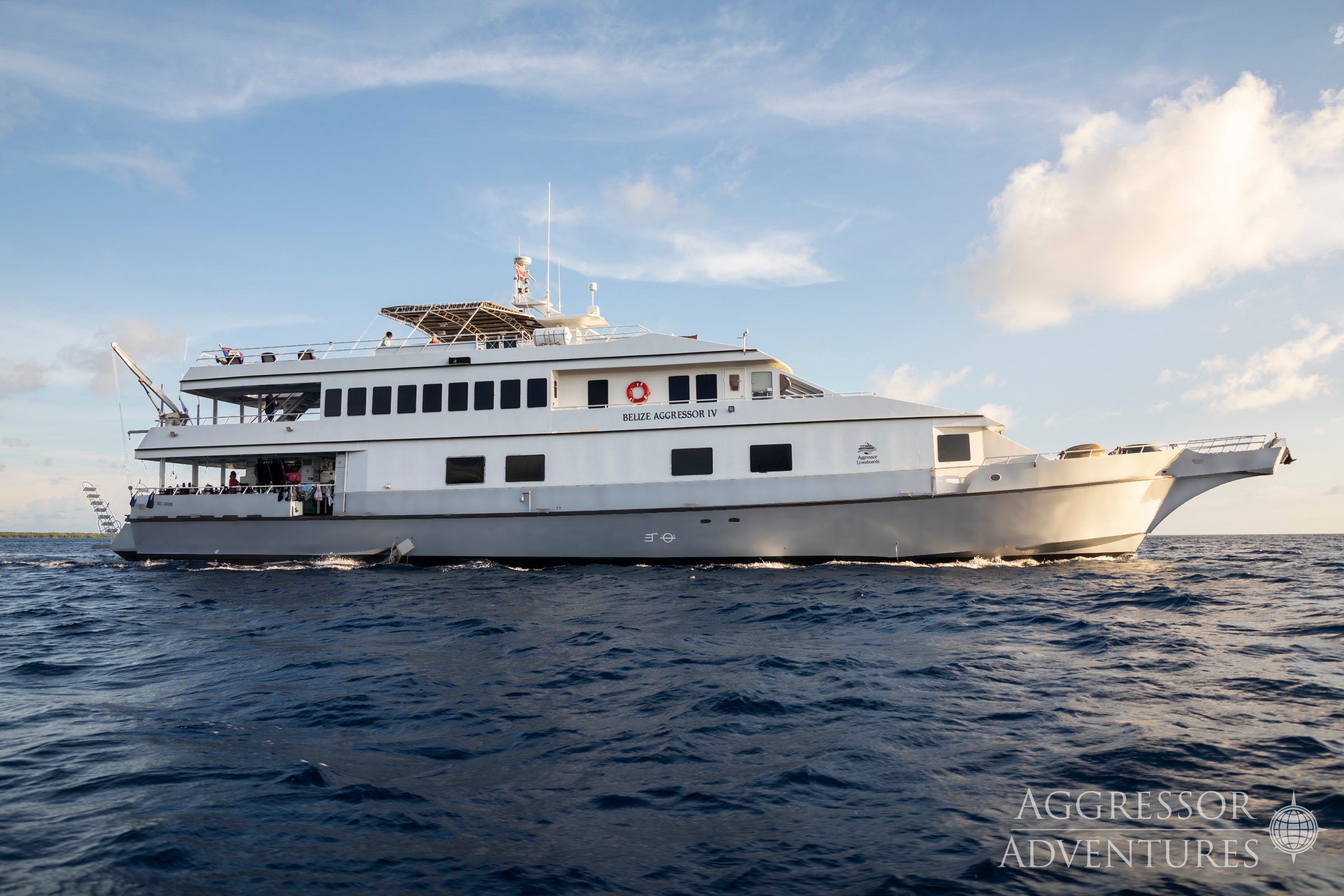
Belize Aggressor IV
Belize
20 guests42.1 m
$356/day
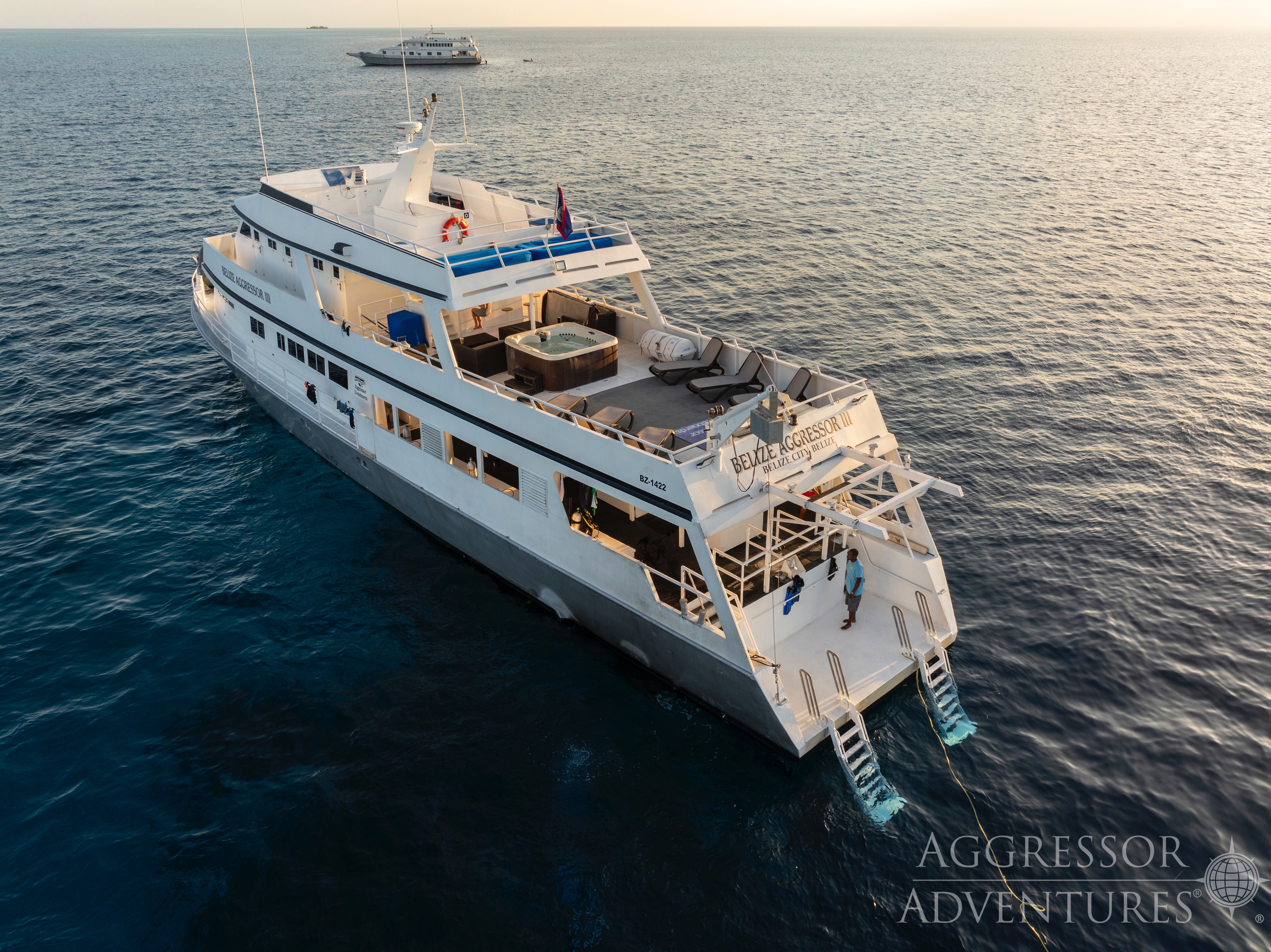
Belize Aggressor III
Belize
18 guests33.5 m
$336/day
Dive sites similar to Marianne
Same character, same waters — six more sites divers love for the exact same reasons.Compare seasons, access and liveaboard routes — then pick the site that fits your trip best.
© Esri — Maxar, Earthstar, GIS
Sayonara Wreck
Belize
The Sayonara Wreck offers an engaging intermediate dive experience southwest of the Turneffe Islands in Belize.
- Suitable for
- Intermediate
- Current
- Moderate
- Access
- Liveaboard only
- Depth
- 12–18 m
- Theme
- Wreck / Reef
© Esri — Maxar, Earthstar, GIS
Carrie Bow Caye Reef
Belize
Carrie Bow Caye is a small sand caye positioned directly on the Belize Barrier Reef, hosting a continuous coral reef monitoring program by the Smithsonian Institution since 1972.…
- Suitable for
- Intermediate
- Current
- Moderate
- Access
- Liveaboard or dayboat
- Depth
- 4–30 m
- Theme
- Reef / Wall
© Esri — Maxar, Earthstar, GIS
Ambergris Caye
Belize
Ambergris Caye, the largest and most popular of Belize's offshore cayes, offers unparalleled diving along 40 kilometers of the Belize Barrier Reef, situated less than a mile offshore.
- Suitable for
- Intermediate
- Current
- Mild
- Access
- Dayboat
- Depth
- 15–60 m
- Theme
- Reef / Wall
© Esri — Maxar, Earthstar, GIS
Long Caye Ridge
Belize
Long Caye Ridge is a highly-rated dive site situated within Belize's Lighthouse Reef Atoll, an area renowned for its pristine conditions due to its distance from the mainland.
- Suitable for
- Intermediate
- Current
- No current
- Access
- Liveaboard only
- Depth
- 21–21 m
- Theme
- Reef
© Esri — Maxar, Earthstar, GIS
Silver Caves
Belize
Silver Caves offers a distinctive diving experience within the Lighthouse Reef Atoll, one of Belize's healthiest reef systems.
- Suitable for
- Advanced
- Current
- Mild
- Access
- Liveaboard only
- Depth
- 18–28 m
- Theme
- Reef / Cave & cavern