About Las Cadenas
Las Cadenas, meaning "The Chains," is a fascinating artificial reef dive site located off the coast of Punta Cana in the Dominican Republic. This site features a collection of concrete blocks and chains that have served as an anchor field for centuries, creating a unique habitat for marine life. Divers can explore these structures, which now host a vibrant ecosystem. The topography consists of scattered concrete blocks and chains resting on a sandy bottom, attracting a diverse range of marine creatures. Expect to encounter numerous reef fish, including trumpetfish, butterflyfish, porcupinefish, parrotfish, and angelfish. The site is also home to various sponges and sea urchins, adding to the visual appeal. Keep an eye out for larger pelagic species such as eagle rays, barracuda, and jacks, which occasionally cruise by. Seasonality in the Dominican Republic generally means warm water temperatures year-round, ideal for diving. This site is well-suited for divers of all levels, with generally mild currents ensuring a relaxed experience. The entry is typically boat-based, and the clear Caribbean waters often provide excellent visibility, making it easy to navigate and appreciate the marine environment. Punta Cana's dive sites are known for their accessibility, making "Las Cadenas" an enjoyable and straightforward dive.
Highlights
Night divingOctopusUnique formations
Season calendar
Best months to dive here
Jan
Feb
Mar
Apr
May
Jun
Jul
Aug
Sep
Oct
Nov
Dec
Excellent
Dive site facts: Las Cadenas
- Depth
- 7–10 m
- Typical dive
- 7–10 m, 50–60 min
- Current
- Mild
- Visibility
- 18–30 m
- Water temperature
- 24–29°C
- Entry
- Boat
- Level
- Beginner to Advanced
- Dive type
- Reef, photography
- Night dive
- Possible
- Region / port
- Bayahibe
- Coordinates
- 18.355, -68.845
Conditions & Currents
Las Cadenas is characterized by generally mild currents, making it an accessible and comfortable dive site for most experience levels. Divers should expect gentle water movement rather than strong flows, which contributes to longer bottom times and relaxed exploration. Visibility is consistently excellent, often ranging between 18 to 27 meters and peaking at 30 meters during the summer months. Water temperatures remain warm year-round, typically between 24-29°C, reducing the need for thick exposure suits. Entry and exit are usually managed via tender boats, and the calm conditions rarely present significant surge or surface chop, ensuring a smooth diving experience.
Marine life & sighting chances
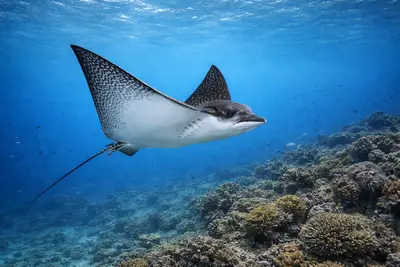
Eagle rays
occasionalSea turtles
common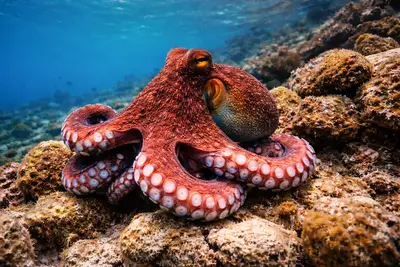
Octopus
common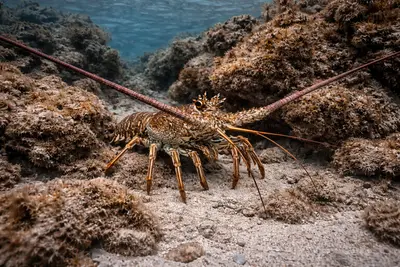
Lobsters
common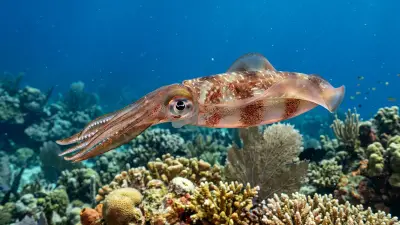
Caribbean squid
occasional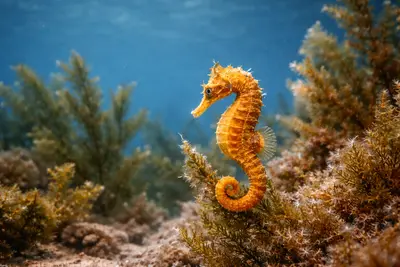
Seahorses
occasional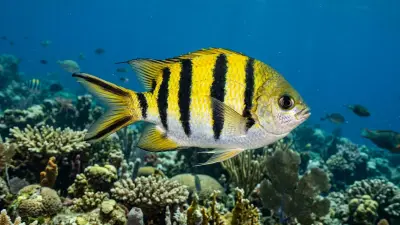
Sergeant majors
common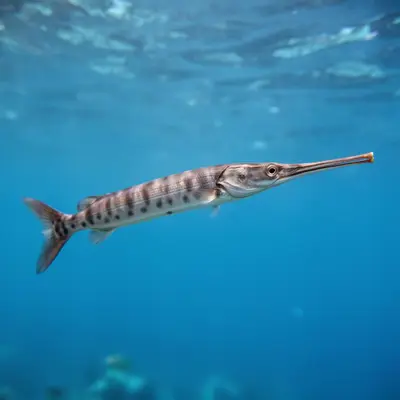
Trumpetfish
common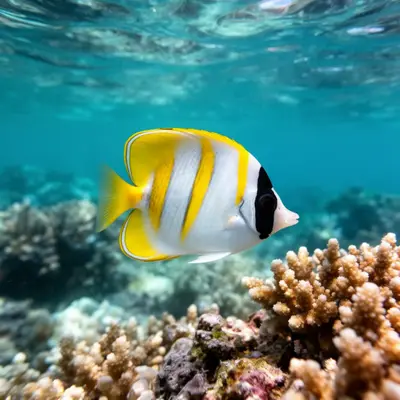
Butterflyfish
common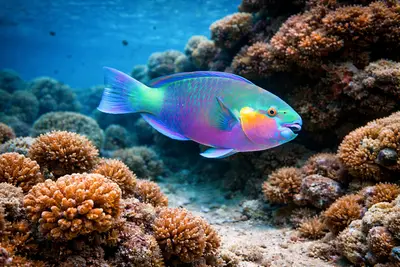
Parrotfish
common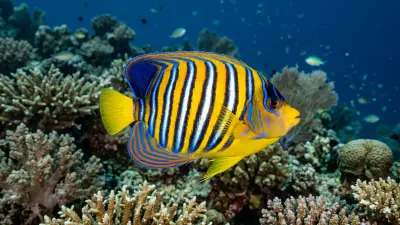
Angelfish
common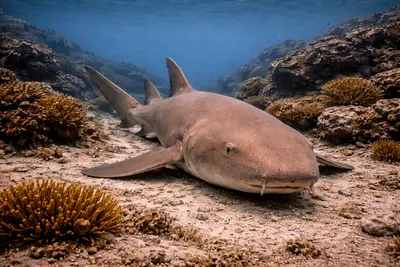
Nurse sharks
occasional
Barracuda
occasionalDive profile & how the dive runs
Your dive at Las Cadenas typically begins with a boat entry, descending directly onto the top of the reef at around 7 meters. The dive usually follows the natural contours of the coral, gradually moving through vibrant sections filled with diverse marine life. You can expect to explore various coral formations, keeping an eye out for hidden octopuses and schooling reef fish. The profile generally remains shallow, allowing for extended bottom times. The turn point is determined by air consumption or dive time, after which you'll slowly ascend back along the reef, with the safety stop conducted in the shallowest part of the reef, enjoying the last minutes surrounded by abundant life.
Underwater photography
Las Cadenas offers exceptional opportunities for underwater photography, particularly due to its shallow depths and excellent visibility. Wide-angle lenses are ideal here to capture the expansive coral formations and schools of fish. For macro subjects like seahorses, octopuses, or intricate coral polyps, a macro lens with powerful strobes or a video light will highlight their vibrant colors and details. The abundant natural light in these shallow waters means you might even achieve good results without external lighting, but strobes will enhance color and contrast. Always maintain impeccable buoyancy to avoid disturbing the delicate reef and its inhabitants, ensuring a clear shot and preserving the ecosystem.
Combine with nearby dive sites
- Saona Island Reef
Saona Island Reef, situated off the southeastern coast of the Dominican Republic within Cotubanamá National Park, is a celebrated dive…
- Atlantic Princess Wreck
A former passenger ship at 12 meters, usually with large schools of sergeant majors.
- St. George Wreck
The St.
- Padre Nuestro Cave
Padre Nuestro Cave offers a distinctive freshwater diving experience within the Parque Nacional del Este, approximately 15 minutes from…
- Catalina Island Wall
Catalina Island Wall is a world-renowned dive site located off the southeastern coast of the Dominican Republic, easily accessible from…
Getting there & logistics
Access to Las Cadenas is primarily from Bayahibe, a key diving hub on the Dominican Republic's southeast coast. Divers typically fly into La Romana International Airport (LRM), which is a short drive from Bayahibe, or Punta Cana International Airport (PUJ), approximately an hour's drive away. Dive trips are usually day excursions, often combined with visits to nearby Saona Island or other local reefs and wrecks. Many resorts in Bayahibe offer on-site dive centers that provide boat transfers to the dive sites. There are no specific marine park fees mentioned for this site, but general dive operator costs cover boat trips and equipment. Full-day itineraries often include multiple dives and lunch breaks on a nearby beach.
Safety & environment
Diving at Las Cadenas is generally considered safe due to its mild currents and shallow depth, suitable for divers of various experience levels. However, standard safety protocols are paramount. Divers must carry valid dive insurance covering emergency medical treatment and evacuation. The nearest recompression chamber is located in Santo Domingo, which is approximately a 1.5 to 2-hour drive from Bayahibe, making emergency evacuation a significant consideration. Always dive with a reputable operator, follow your dive guide's instructions, and perform buddy checks. Avoid touching marine life or coral to prevent injury and protect the delicate ecosystem. Staying hydrated and well-rested is also crucial for safe diving.
Who it suits — and who it doesn't
Suited for
- Beginner divers seeking easy reef dives
- Underwater photographers due to excellent visibility and natural light
- Divers interested in abundant Caribbean reef fish and coral
- Those looking for relaxed, shallow diving experiences
- Families with certified junior divers
Less suited for
- Divers seeking deep technical wreck penetration
- Those specifically looking for large pelagic encounters
- Divers who prefer strong currents and drift diving
- Individuals with limited buoyancy control who might damage the reef
FAQ
Las Cadenas FAQ
What marine life can I expect to see at Las Cadenas?
At Las Cadenas, you can expect to encounter a rich variety of Caribbean marine life. Common sightings include sea turtles, octopuses, lobsters, and various reef fish such as sergeant majors, parrotfish, butterflyfish, and angelfish. Occasional sightings of eagle rays, nurse sharks, and barracuda also occur, adding excitement to your dive.
Is Las Cadenas suitable for beginner divers?
Yes, Las Cadenas is highly suitable for beginner divers. Its shallow depths, typically ranging from 7 to 10 meters, combined with mild currents and excellent visibility, create very comfortable and forgiving diving conditions. This allows new divers to focus on enjoying the vibrant marine life and practicing their buoyancy skills in a relaxed environment.
What are the typical diving conditions like at Las Cadenas?
Diving conditions at Las Cadenas are consistently favorable. Water temperatures range from 24-29°C year-round, making for comfortable dives. Visibility is generally excellent, often between 18 to 30 meters, providing clear views of the reef. Currents are typically mild, ensuring a calm and enjoyable experience for all divers.
How do I get to Las Cadenas?
Las Cadenas is accessed by boat from Bayahibe, a popular departure point for dive excursions in the Dominican Republic. Most dive operators in Bayahibe offer daily trips to this site. You would typically fly into La Romana (LRM) or Punta Cana (PUJ) airports, then take ground transportation to Bayahibe to meet your dive operator.
Can I do underwater photography at Las Cadenas?
Las Cadenas is an excellent site for underwater photography, particularly for wide-angle shots of coral gardens and schools of fish due to its clear, well-lit shallow waters. Macro photographers will also find plenty of subjects like seahorses and octopuses. The natural light often suffices, but external strobes or video lights will enhance colors and details.
Why dive Las Cadenas from a liveaboard?
Las Cadenas is one of Dominican Republic's signature dive sites. A liveaboard sleeps you on the water and puts you in the water for three to four guided dives per day, including dawn and night dives that day-boat operators rarely offer. You skip the daily commute back to port and reach quieter, less-crowded sites in the same region on a single trip.
Below are the liveaboards that include Las Cadenas on their Dominican Republic itineraries.
Liveaboards diving Las Cadenas
These liveaboards may visit Las Cadenas on selected itineraries — the exact dive sites depend on departure, weather and conditions.
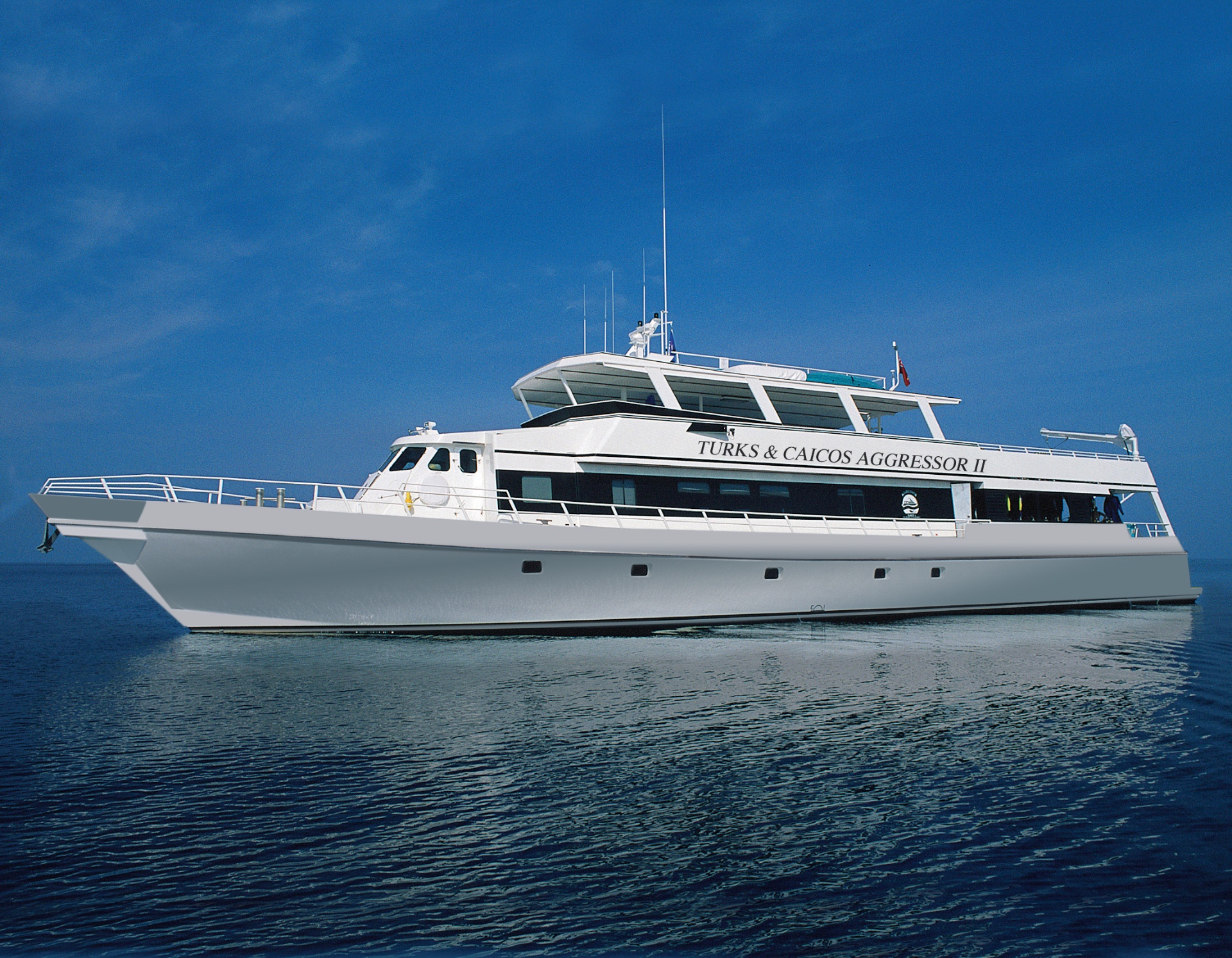
Turks & Caicos Aggressor II
Turks & Caicos
18 guests36.6 m
$287/day
Dive sites similar to Las Cadenas
Same character, same waters — six more sites divers love for the exact same reasons.Compare seasons, access and liveaboard routes — then pick the site that fits your trip best.
© Esri — Maxar, Earthstar, GIS
Canal Saona
Dominican Republic
Saona Island Reef, located within Cotubanamá National Park off the southeastern coast of the Dominican Republic, is a well-regarded dive site known for its rich coral ecosystems and abundant marine species.
- Suitable for
- Intermediate
- Current
- Moderate
- Access
- Liveaboard or dayboat
- Depth
- 20–20 m
- Theme
- Reef
El Peñon is a highly-regarded dive site located within the protected Parque Nacional del Este, near Bayahibe in the Dominican Republic.
- Suitable for
- Beginner
- Current
- No current
- Access
- Dayboat
- Depth
- 7–28 m
- Theme
- Reef
El Limón is a notable shipwreck site located within the La Caleta Underwater National Park, close to Santo Domingo.
- Suitable for
- Advanced
- Current
- Mild
- Access
- Dayboat
- Depth
- 30–30 m
- Theme
- Wreck / Reef
© Esri — Maxar, Earthstar, GIS
Sosua Marine Reserve
Dominican Republic
The Sosua Marine Reserve offers a premier diving experience directly accessible from Playa Sosua on the north coast of the Dominican Republic.
- Suitable for
- Beginner
- Current
- Mild
- Access
- Dayboat
- Depth
- 5–18 m
- Theme
- Reef
The Dominican Republic presents a varied underwater landscape, suitable for divers of all levels, with its calm Caribbean seas off the south coast providing ideal conditions for…
- Suitable for
- Intermediate
- Current
- Moderate
- Access
- Liveaboard or dayboat
- Depth
- 5–26 m
- Theme
- Reef