About Padre Nuestro Cave
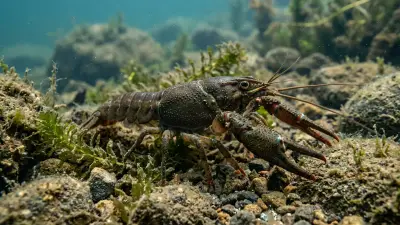
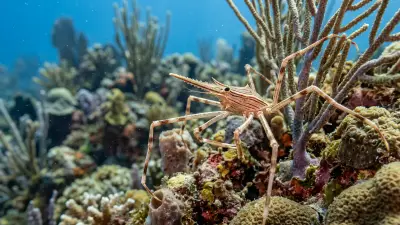
Padre Nuestro Cave offers a distinctive freshwater diving experience within the Parque Nacional del Este, approximately 15 minutes from Bayahibe, Dominican Republic. This limestone karst cave system, locally known as Padre Nuestro, holds historical significance with ancient Taino artifacts found within its passages, reflecting the indigenous presence long before European arrival. The cave features a freshwater pool entrance that leads into extensive underground passages. Divers will encounter impressive stalactites hanging from the ceiling and navigate through narrow sections where the rock formations close in. The visibility is exceptional due to the still, crystal-clear freshwater, making for a surreal underwater journey. The dive typically explores depths ranging from 6 to 9 meters (20 to 31 feet), with a maximum observed depth of 13 meters (43 feet), keeping divers primarily within the cavern zone. This ensures natural light is always accessible, and a clear path to the exit is maintained, making it suitable for cavern-certified divers or those taking an introductory course. Water temperatures remain consistently comfortable, between 25-26°C (77-79°F), allowing for comfortable diving with minimal thermal protection. Divers should be prepared to adjust their buoyancy from saltwater norms, as freshwater requires less lead weight. The cave's unique environment supports aquatic life such as crayfish, guppies, crabs, and tadpoles, primarily found near the entrance.
Highlights
Freshwater cave divingAncient Taino artifactsStalactite formationsCrystal-clear visibilityUnique aquatic lifeCavern zone explorationStill, current-free waters
Season calendar
Best months to dive here
Jan
Feb
Mar
Apr
May
Jun
Jul
Aug
Sep
Oct
Nov
Dec
Excellent
Good
Dive site facts: Padre Nuestro Cave
- Depth
- 6–13 m
- Typical dive
- 6–9 m, 30–40 min
- Current
- None
- Visibility
- Excellent
- Water temperature
- 25–26°C
- Entry
- Freshwater pool descent
- Level
- Cavern certification or intro course required
- Dive type
- Cavern, freshwater, geological
- Night dive
- Not typical
- Region / port
- Bayahibe, Dominican Republic
- Coordinates
- 18.373706, -68.814928
Conditions & Currents
Padre Nuestro Cave is characterized by completely still water with no discernible current, which contributes significantly to the excellent visibility. Entry is typically a descent into a freshwater pool, where divers adjust their buoyancy for the freshwater environment.
Marine life & sighting chances
Dive profile & how the dive runs
The dive begins by descending into a freshwater pool, which serves as the main entrance to the cave system. Upon entry, divers navigate into the underground passages. The typical route remains within the cavern zone, ensuring that natural light is always visible and a direct line back to the exit is maintained. Divers explore depths averaging 6 to 9 meters, with the maximum depth reaching around 13 meters. The first section of the cave is often highly decorated with formations. After passing through a potential restriction, a larger hall opens up, featuring giant stalactites. The western side of the cave presents a different environment with darker rocks and fewer decorations. Throughout the dive, buoyancy control is crucial due to the freshwater environment and narrow sections. The dive concludes with a gradual ascent back towards the entrance pool for the safety stop.
Underwater photography
Capturing the unique environment of Padre Nuestro Cave requires specific considerations for underwater photography. Given the excellent freshwater visibility and lack of current, sharp images are achievable. A wide-angle lens is ideal for showcasing the impressive stalactite formations, the vastness of the larger halls, and the narrow passages. External lighting, such as powerful video lights or strobes, is essential to illuminate the cave's interiors, as ambient light diminishes quickly beyond the entrance. Due to the clarity and stillness, careful buoyancy is paramount to avoid disturbing the fine sediment, which can significantly reduce visibility for both photography and other divers. When photographing marine life like crayfish or guppies near the entrance, a macro lens might be useful, but the primary subjects are the geological formations.
Combine with nearby dive sites
- St. George Wreck
An advanced wreck dive in Bayahibe with depths up to 40 meters and extensive swim-throughs.
- Atlantic Princess Wreck
A popular, shallower wreck dive in Bayahibe accessible to various skill levels, offering hull penetration and an adjacent reef.
- Dominicus Reef
A vibrant coral reef site offering diverse marine life near Bayahibe.
- Catalina Island Wall
A dramatic wall dive known for its drop-offs and coral formations, often combined with other Bayahibe dives.
Getting there & logistics
Padre Nuestro Cave is located within Parque Nacional del Este, approximately 15 minutes by car from Bayahibe, Dominican Republic. The nearest international airport is Punta Cana International Airport (PUJ). Access to the park requires a small entrance fee, and a paved trail approximately 1.9 km long leads through a dry forest to the cave entrance. Diving typically involves a local dive operator from Bayahibe, who will arrange transportation and guidance. Trip durations usually involve a single dive at the cave, often combined with other local reef or wreck dives to make a full day's itinerary. Divers should verify that their chosen operator provides appropriate gear for freshwater diving, as buoyancy requirements differ significantly from saltwater.
Safety & environment
Diving Padre Nuestro Cave requires a cavern certification or participation in an introductory cavern course, emphasizing proper training for overhead environments. The nearest recompression chamber is located in Santo Domingo, which is a significant distance and involves land transport. Dive insurance covering cave/cavern diving and medical evacuation is highly recommended. Site-specific hazards include navigating narrow passages and maintaining excellent buoyancy control to avoid contact with the cave ceiling or disturbing sediment. Always dive with a reliable primary light, a backup light, and follow a continuous guideline, as stipulated by cavern diving protocols. It is crucial to stay within the natural light zone and always have a clear exit path visible to ensure a safe dive.
Who it suits — and who it doesn't
Suited for
- Certified cavern divers
- Divers interested in unique geological formations
- Those seeking a freshwater dive experience
- Divers practicing advanced buoyancy control
- Underwater photographers focusing on cave environments
Less suited for
- Open Water certified divers without cavern training
- Divers uncomfortable in overhead environments
- Those prone to claustrophobia
- Divers with poor buoyancy control
- Individuals unfamiliar with freshwater buoyancy adjustments
FAQ
Padre Nuestro Cave FAQ
What kind of certification do I need to dive Padre Nuestro Cave?
To dive Padre Nuestro Cave, you generally need to hold a cavern diving certification. Alternatively, you can participate in an introductory cavern course offered by local dive centers. This ensures you have the necessary skills and understanding to safely navigate an overhead environment.
What is the water temperature and visibility like inside the cave?
The water temperature inside Padre Nuestro Cave is consistently comfortable, typically ranging between 25-26°C (77-79°F). Visibility is excellent due to the still, crystal-clear freshwater, which allows for clear views of the formations, assuming divers maintain good buoyancy and do not disturb the sediment.
Are there any currents in Padre Nuestro Cave?
No, Padre Nuestro Cave is characterized by completely still water. There are no noticeable currents, which contributes to the excellent visibility and makes for a tranquil diving experience. This absence of current is a significant factor in the dive's profile.
What kind of marine life can I expect to see in the cave?
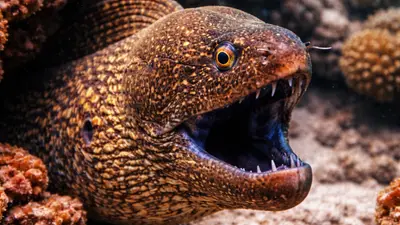
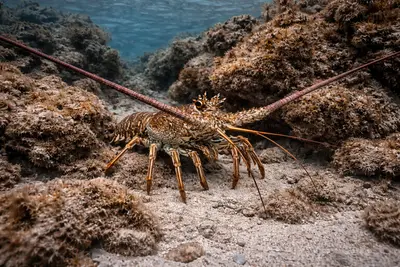
While not a coral reef, Padre Nuestro Cave hosts unique freshwater aquatic life. Divers might encounter crayfish, guppies, crabs, and tadpoles, particularly near the entrance and shallower sections. The primary attraction, however, is the geological formations of the cave itself.
How do I get to Padre Nuestro Cave?
Padre Nuestro Cave is located within Parque Nacional del Este, a short drive from Bayahibe. Most divers arrange transport through local dive operators in Bayahibe. There is a park entrance fee, and a paved trail of about 1.9 km leads from the park entrance to the cave.
Is it possible to dive Padre Nuestro Cave all year round?
Yes, diving at Padre Nuestro Cave is a year-round activity. The water temperature remains consistent and comfortable throughout the year. While the Dominican Republic has a hurricane season from June to September, the cave environment is largely unaffected by surface weather conditions, making it a reliable dive site.
Why dive Padre Nuestro Cave from a liveaboard?
Padre Nuestro Cave is one of Dominican Republic's signature dive sites. A liveaboard sleeps you on the water and puts you in the water for three to four guided dives per day, including dawn and night dives that day-boat operators rarely offer. You skip the daily commute back to port and reach quieter, less-crowded sites in the same region on a single trip.
Below are the liveaboards that include Padre Nuestro Cave on their Dominican Republic itineraries.
Liveaboards diving Padre Nuestro Cave
These liveaboards may visit Padre Nuestro Cave on selected itineraries — the exact dive sites depend on departure, weather and conditions.
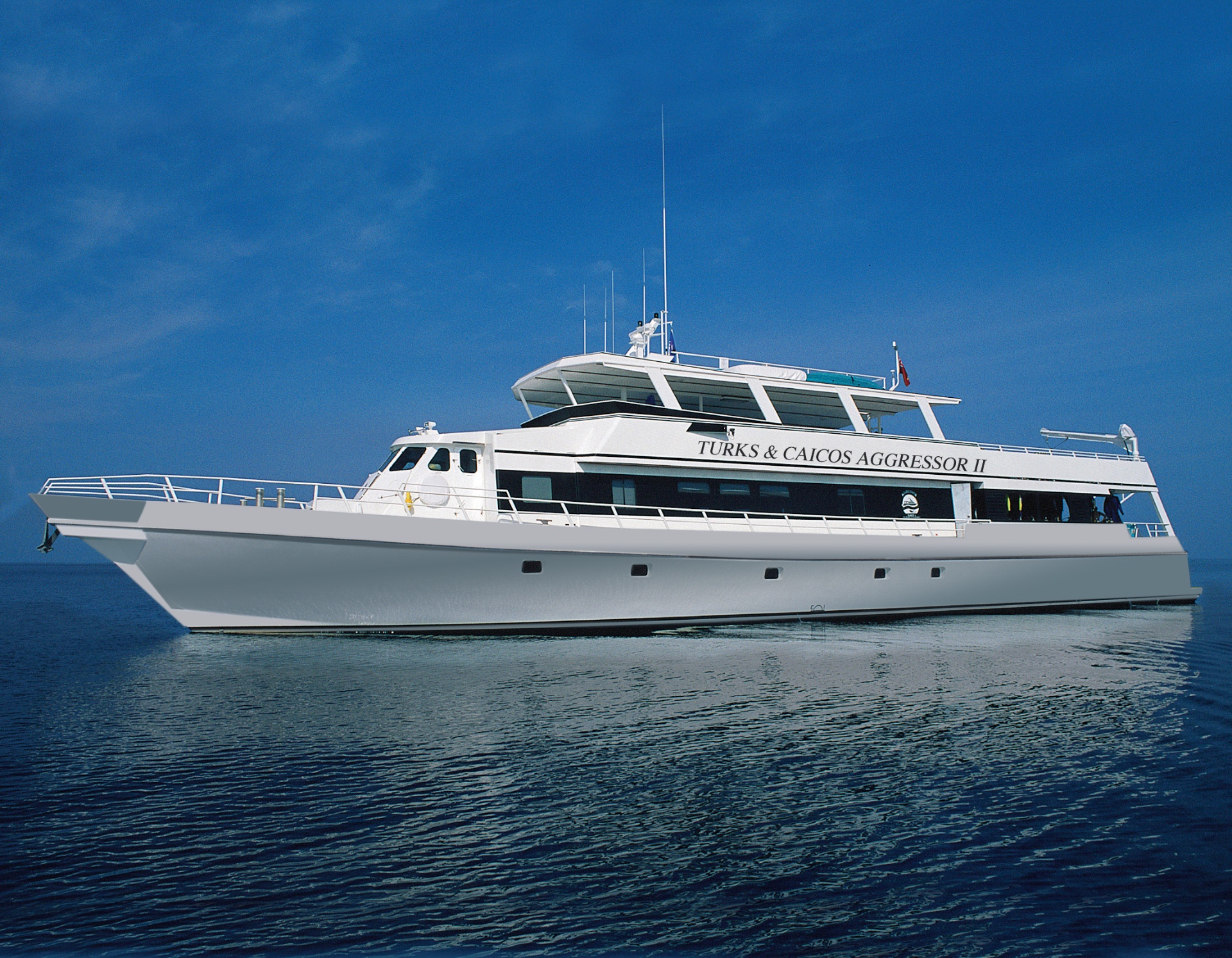
Turks & Caicos Aggressor II
Turks & Caicos
18 guests36.6 m
$287/day
Dive sites similar to Padre Nuestro Cave
Same character, same waters — six more sites divers love for the exact same reasons.Compare seasons, access and liveaboard routes — then pick the site that fits your trip best.
Cueva del Indio
Dominican Republic
Cueva del Indio, also known as Cueva Taina, is a unique freshwater cave diving system situated near Santo Domingo in the Dominican Republic.
- Suitable for
- Advanced
- Current
- No current
- Access
- —
- Depth
- 12–41 m
- Theme
- Cave & cavern
Cueva de las Golondrinas
Dominican Republic
Cueva de las Golondrinas, or "Cave of the Swallows," is a remarkable sea cave nestled on Puerto Rico's northern coastline in Manatí. It forms part of the La Esperanza Nature…
- Suitable for
- Intermediate
- Current
- Strong
- Access
- Liveaboard or dayboat
- Depth
- 5–18 m
- Theme
- Cave & cavern / Wall
Canal Saona
Dominican Republic
Saona Island Reef, located within Cotubanamá National Park off the southeastern coast of the Dominican Republic, is a well-regarded dive site known for its rich coral ecosystems and abundant marine species.
- Suitable for
- Intermediate
- Current
- Moderate
- Access
- Liveaboard or dayboat
- Depth
- 20–20 m
- Theme
- Reef
El Peñon
Dominican Republic
El Peñon is a highly-regarded dive site located within the protected Parque Nacional del Este, near Bayahibe in the Dominican Republic.
- Suitable for
- Beginner
- Current
- No current
- Access
- Dayboat
- Depth
- 7–28 m
- Theme
- Reef
El Limón
Dominican Republic
El Limón is a notable shipwreck site located within the La Caleta Underwater National Park, close to Santo Domingo.
- Suitable for
- Advanced
- Current
- Mild
- Access
- Dayboat
- Depth
- 30–30 m
- Theme
- Wreck / Reef
Sosua Marine Reserve
Dominican Republic
The Sosua Marine Reserve offers a premier diving experience directly accessible from Playa Sosua on the north coast of the Dominican Republic.
- Suitable for
- Beginner
- Current
- Mild
- Access
- Dayboat
- Depth
- 5–18 m
- Theme
- Reef