About Palancar Bricks
Palancar Bricks is a distinct section of the expansive Palancar Reef, situated on the southern side of Cozumel Island in the Mexican Caribbean. This area is famously named after a shipwreck from the 1950s that scattered bricks across the reef floor, some of which are still visible today. Palancar Reef itself is a significant component of the Mesoamerican Reef, the second-largest barrier reef system globally, and is safeguarded under Marine Park Law since 1996, ensuring its thriving biodiversity. The dive site features a discontinuous wall adorned with coral formations interspersed with sandy slopes. Divers navigate these vibrant structures, encountering various coral types and abundant marine life. While the site is suitable for PADI Open Water certified divers, intermediate and advanced divers can explore deeper sections. The topography offers a mix of wall diving and sandy patches where specific marine creatures can be spotted. Palancar Bricks hosts a rich array of marine life typical of Cozumel's reefs. You can observe schools of colorful fish, hawksbill turtles, groupers, and nurse sharks along the reef. Southern rays are often found in the sandy areas, and the region is also home to the endemic Cozumel Splendid Toadfish. While specific seasonality for encounters isn't detailed, the overall Cozumel diving season extends for about ten months a year. Diving at Palancar Bricks typically involves a moderate current, guiding divers along the reef in a drift dive style. The clear waters of Cozumel enhance the experience, allowing for excellent visibility. Operators often match dive sites to current conditions and diver experience levels, making Palancar Bricks a flexible option for many. It's often part of a two-tank morning dive trip.
Highlights
Historic shipwrecked bricksDiscontinuous coral wallSandy slope transitionsHawksbill turtle sightingsNurse shark encountersSouthern ray in sandEndemic Splendid Toadfish
Best Season
The diving season in Cozumel, encompassing Palancar Bricks, extends for approximately ten months each year. Water temperatures generally range from 25-28°C (78-82°F) year-round, allowing for comfortable diving in light wetsuits.
Dive site facts: Palancar Bricks
- Depth
- 15–25 m
- Current
- Mild
- Entry
- Liveaboard only
- Level
- Intermediate
- Dive type
- Reef, Reef
- Region / port
- Mexico
- Coordinates
- 20.3072° N, 87.0184° W
Conditions & Currents
Currents at Palancar Bricks are typically moderate, which is characteristic of drift diving in Cozumel. Dive operations frequently adapt plans based on daily current strength to ensure optimal conditions for all divers. The exceptionally clear waters of Cozumel, a result of the island's lack of river sediment and constant ocean exchange, offer excellent visibility, enhancing safety and the overall experience. Divers should be comfortable with drift diving techniques, allowing the current to guide them along the reef. While thermoclines are not specifically mentioned for this site, they are not a common disruptive factor in Cozumel's warm waters. Entry and exit are typically boat-based, and dive guides often lead groups to maximize enjoyment while navigating the current.
Why dive Palancar Bricks from a liveaboard?
Palancar Bricks is one of Mexico's signature dive sites. A liveaboard sleeps you on the water and puts you in the water for three to four guided dives per day, including dawn and night dives that day-boat operators rarely offer. You skip the daily commute back to port and reach quieter, less-crowded sites in the same region on a single trip.
Below are the liveaboards that include Palancar Bricks on their Mexico itineraries.
Liveaboards diving Palancar Bricks
These liveaboards may visit Palancar Bricks on selected itineraries — the exact dive sites depend on departure, weather and conditions.
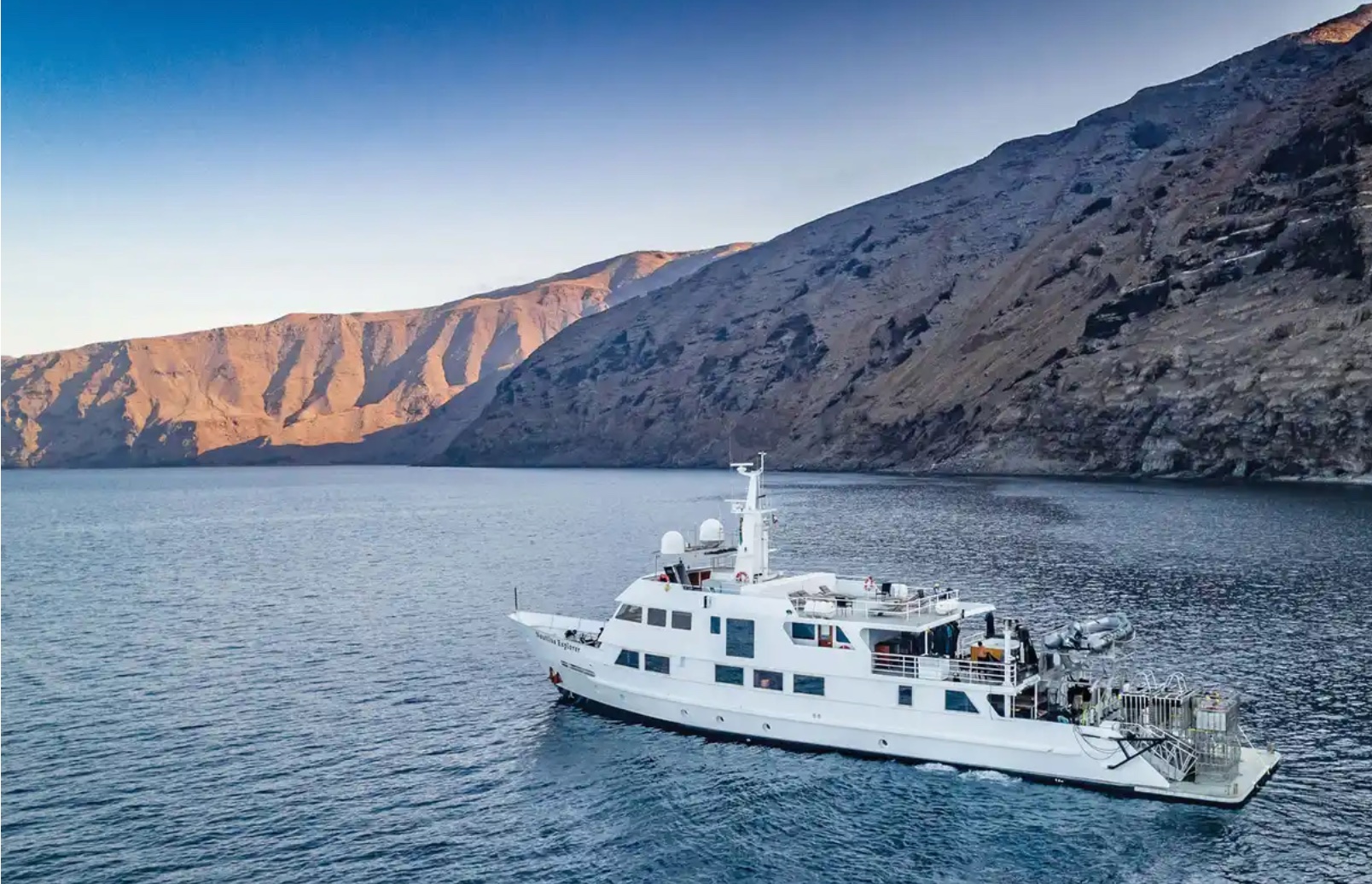
Nautilus Explorer
Mexico
25 guests44.8 m
$230/day
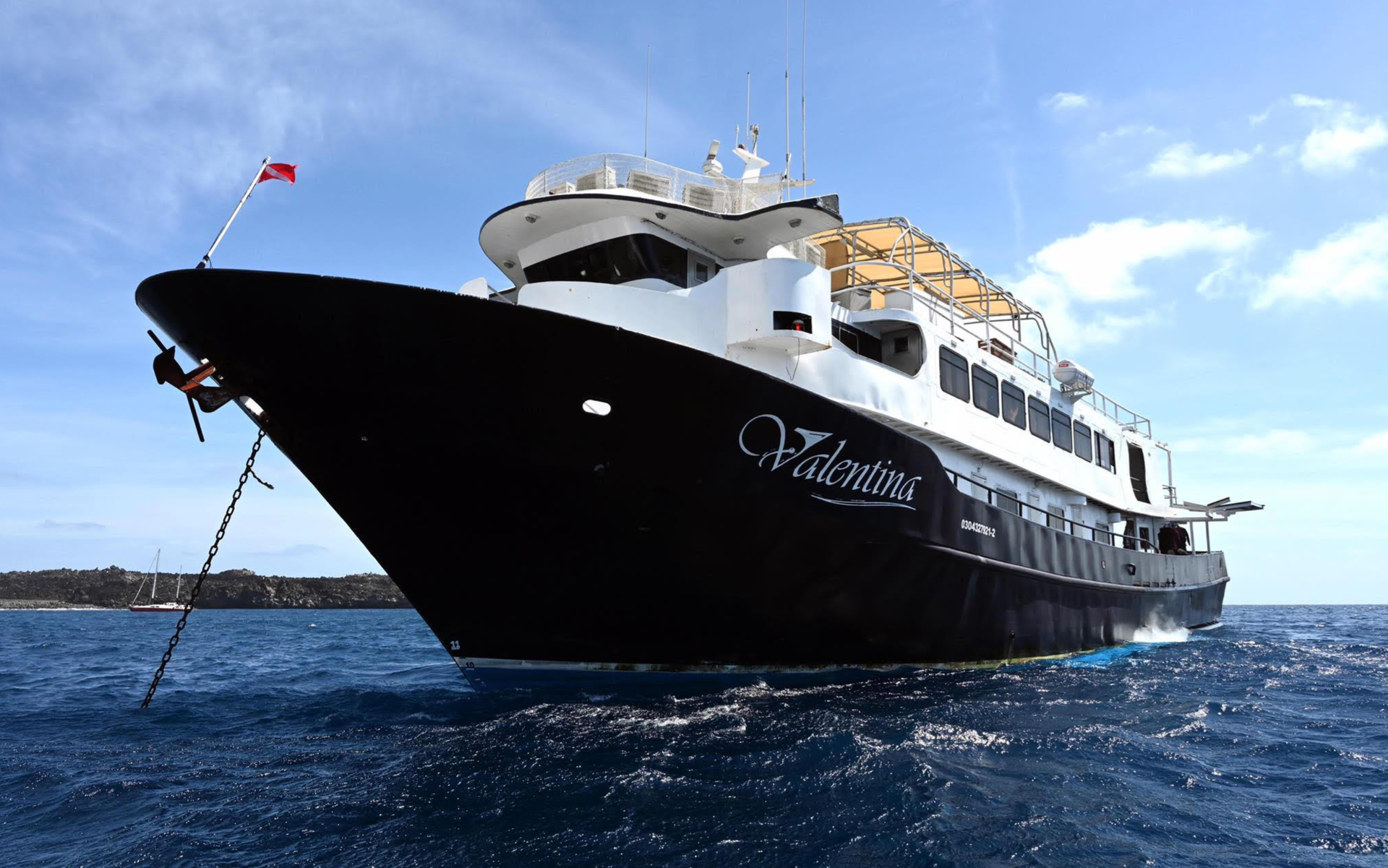
Valentina
Mexico
20 guests38.1 m
$430/day
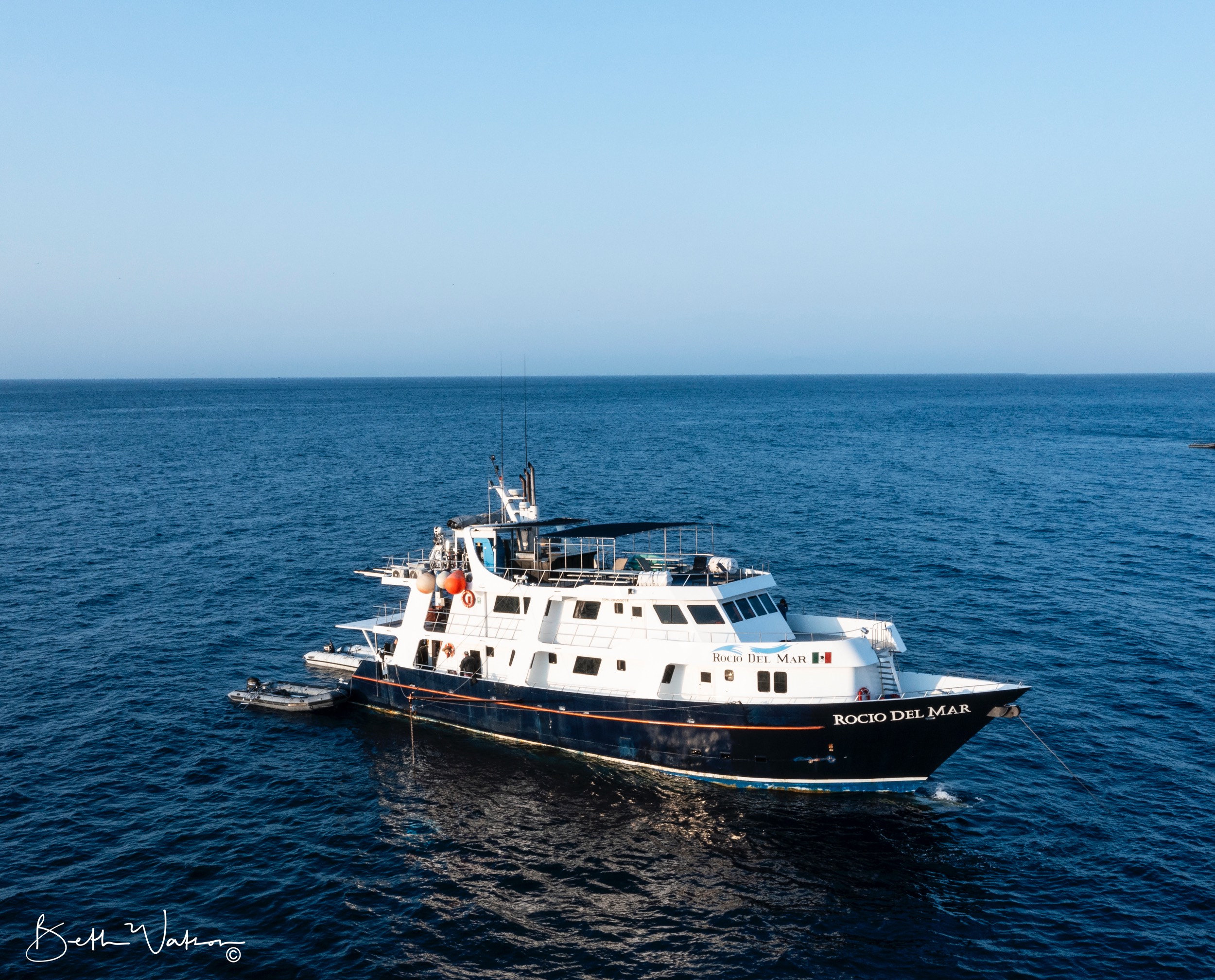
Rocio del Mar
Mexico
20 guests33.5 m
$392/day
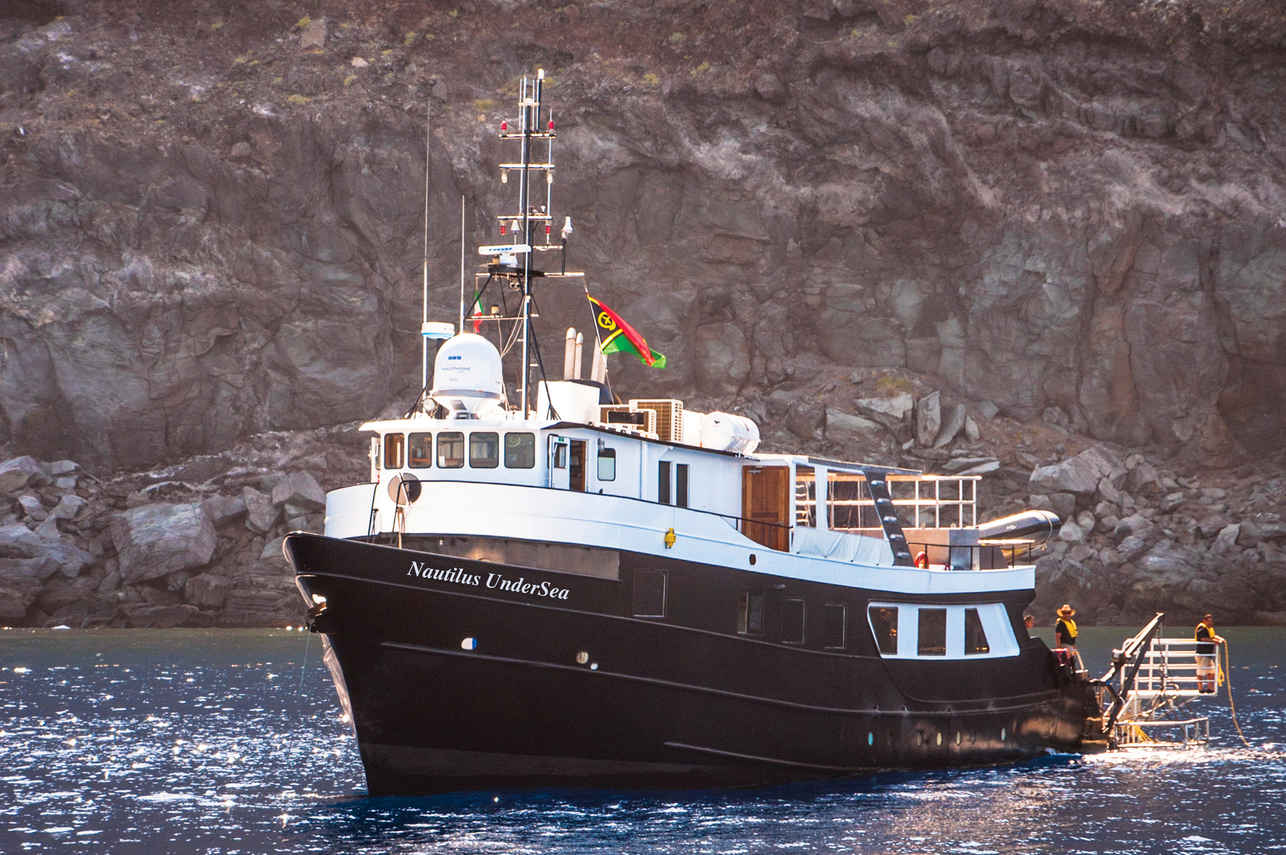
Nautilus Under Sea
Mexico
19 guests32 m
$261/day
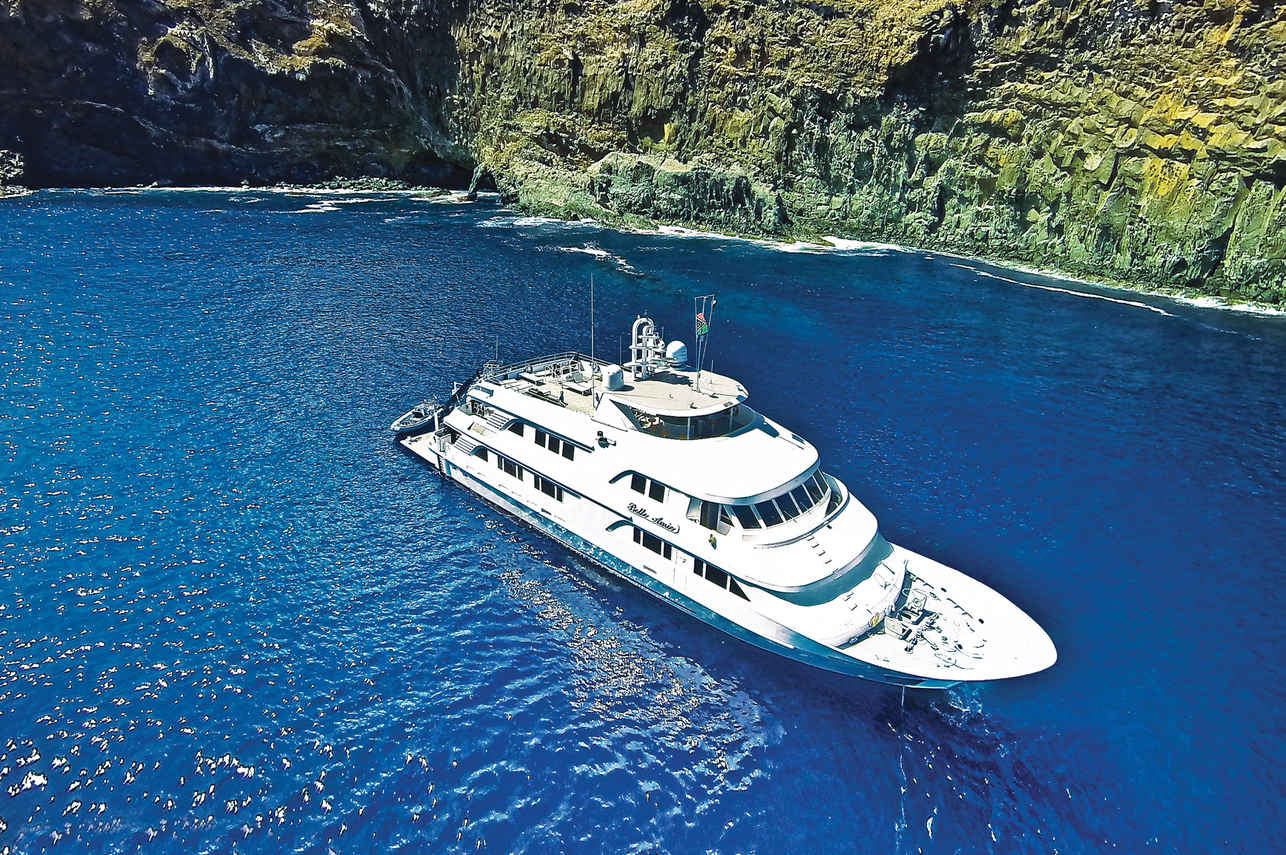
Nautilus Belle Amie
Mexico
32 guests44.8 m
$323/day
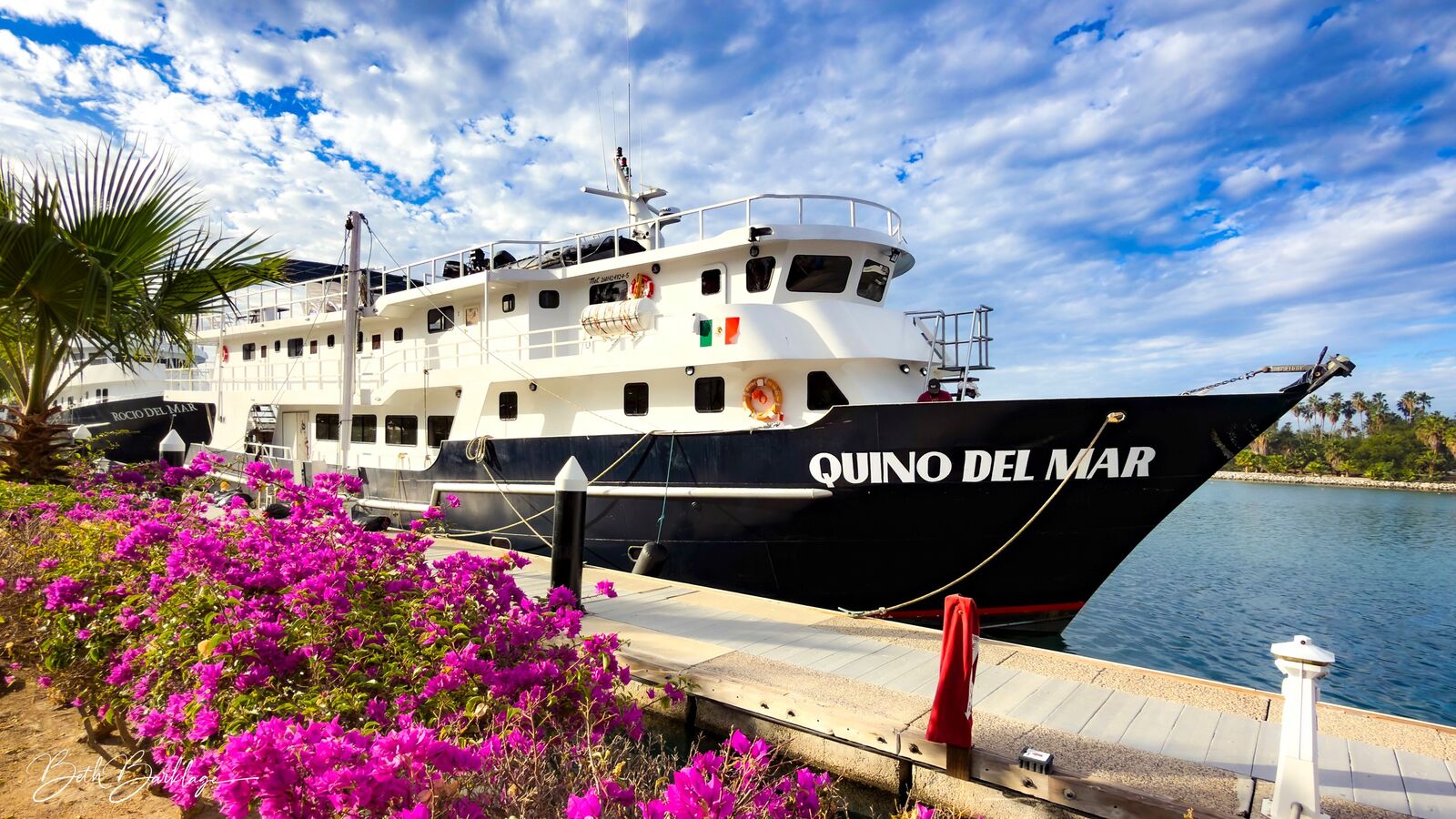
Quino del Mar
Mexico
20 guests36 m
$377/day
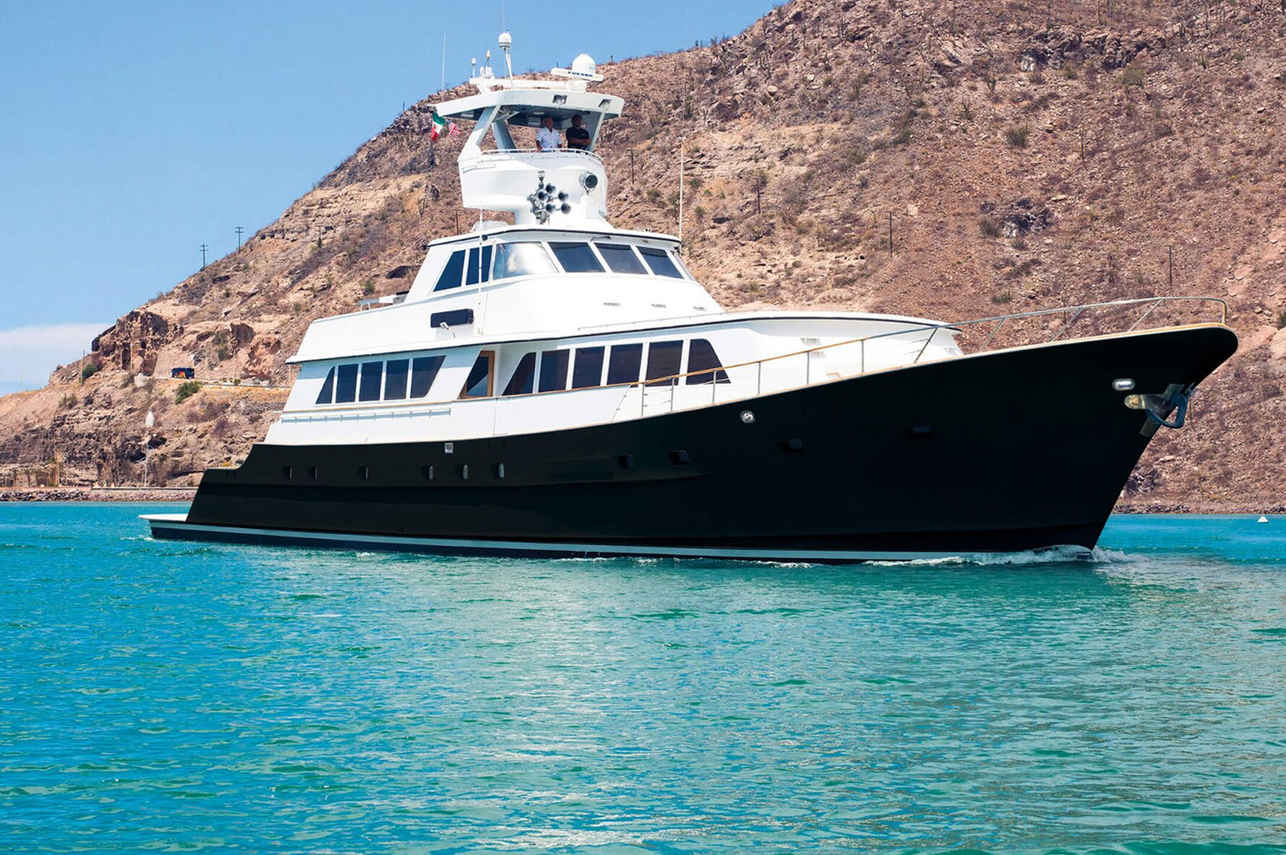
Nautilus Gallant Lady
Mexico
12 guests35.36 m
$332/day
Dive sites similar to Palancar Bricks
Same character, same waters — six more sites divers love for the exact same reasons.Compare seasons, access and liveaboard routes — then pick the site that fits your trip best.
© Esri — Maxar, Earthstar, GIS
Tak Be Luum
Mexico
Cenote Tak Be Luum, located in the Mexican state of Quintana Roo, is an exceptional cavern dive that forms part of the vast Sac Actun underwater cave system, one of the world's largest.
- Suitable for
- Advanced
- Current
- No current
- Access
- Shore / dayboat
- Depth
- 4–9 m
- Theme
- Reef
© Esri — Maxar, Earthstar, GIS
Neptune's Finger
Mexico
Neptune's Finger is a renowned dive site located in Cabo San Lucas, Mexico, at the southern tip of the Baja California Peninsula.
- Suitable for
- Beginner
- Current
- Mild
- Access
- Liveaboard or dayboat
- Depth
- 4–152 m
- Theme
- Reef
© Esri — Maxar, Earthstar, GIS
Majahuitas
Mexico
Majahuitas is a pristine and secluded cove located on the southern coast of Banderas Bay, near Puerto Vallarta, Mexico.
- Suitable for
- Beginner
- Current
- Mild
- Access
- Dayboat
- Depth
- 8–14 m
- Theme
- Reef
La Poza is a remarkable dive site located in Xcalak, a serene fishing village situated on Mexico's Caribbean coast, near the Belize border.
- Suitable for
- Advanced
- Current
- Mild
- Access
- Shore / dayboat
- Depth
- 20–25 m
- Theme
- Reef
© Esri — Maxar, Earthstar, GIS
Siete Bocas
Mexico
Cenote Siete Bocas, meaning "Seven Mouths," is a unique cavern dive site nestled along the Ruta de los Cenotes near Puerto Morelos in Mexico's Riviera Maya.
- Suitable for
- Intermediate
- Current
- No current
- Access
- Shore / dayboat
- Depth
- ≤ 30 m
- Theme
- Reef
© Esri — Maxar, Earthstar, GIS
Sleeping Shark Cave
Mexico
Sleeping Shark Cave is a legendary underwater site situated off the eastern coast of Isla Mujeres, Mexico.
- Suitable for
- Intermediate
- Current
- No current
- Access
- Liveaboard or dayboat
- Depth
- 16–20 m
- Theme
- Reef