About Haller Deep
Haller Deep is a prominent dive site in Roatan, Honduras, distinguished by its significant depth and dramatic underwater landscape. Situated within the Mesoamerican Barrier Reef System, the site features steep drop-offs and a deep wall that plunges into the ocean's abyssal reaches. While specific details on its exact location or unique topographical features are not explicitly detailed in the provided sources, the general characteristics of Roatan's deep wall diving are applicable, highlighting vertical coral formations disappearing into profound depths. The site, like others on Roatan, benefits from warm waters year-round and consistent visibility, especially during the dry season, making it an attractive destination for divers seeking deep exploration. Roatan's dive sites, including those with significant depth, showcase diverse marine life, from various reef fish to larger pelagics. The deep environment of Haller Deep suggests a focus on the larger reef structure and potentially encounters with animals adapted to deeper waters, though specific species for this site are not mentioned. Diving here typically involves navigating the profound wall, with careful attention to depth and bottom times, common for advanced diving. The practical dive experience at sites like Haller Deep is designed for safety and exploration, often involving boat entries and meticulous dive planning. Operators ensure small groups and experienced guides, with emphasis on proper buoyancy and environmental protection. While not explicitly stated for Haller Deep, the typical Roatan dive profile involves multi-level diving with a safety stop, ensuring a rewarding and safe deep dive experience.
Highlights
Dramatic deep wall divingPart of Mesoamerican Barrier ReefSteep underwater drop-offsPotential for pelagic sightingsExcellent year-round visibilityAdvanced dive profiles
Season calendar
Best months to dive here
Jan
Feb
Mar
Apr
May
Jun
Jul
Aug
Sep
Oct
Nov
Dec
Excellent
Good
Off-Season
Mar – May & Dec
Best visibility, calm seas, whale shark season begins
Jan – Feb
Good conditions with warm water and decent visibility
Jun – Nov
Rainy season with reduced visibility but second whale shark peak Sep-Dec
Dive site facts: Haller Deep
- Depth
- 12–40 m+
- Current
- Variable, can be strong
- Visibility
- 25–40 m
- Water temperature
- 27–31°C
- Entry
- Boat
- Level
- Advanced recommended
- Dive type
- Wall, deep, reef
- Night dive
- Possible upon request
- Region / port
- Roatan, Honduras
- Coordinates
- 16.2844° N, 86.5130° W
Conditions & Currents
Currents in Roatan's deeper sites, while not explicitly detailed for Haller Deep, can vary, with some locations experiencing stronger flows, especially around points or deeper sections of walls. Dry season months typically offer calmer conditions overall, but divers should always anticipate potential currents on deeper wall dives. Visibility is generally excellent, often exceeding 30 meters during the dry season, though heavy rains in the wet season (November-February) can stir up sediments and reduce it. Water temperatures remain warm throughout the year, ranging from 27°C to 31°C, minimizing concerns about thermoclines. Divers should maintain excellent buoyancy control to avoid disturbing the deep reef environment and ensure safe navigation along the wall. Entry is usually from a boat, with return to a mooring line or a live drift pickup, depending on conditions and site specifics, nec
Marine life & sighting chances

Whale Sharks
occasional
Caribbean Reef Sharks
occasional
Eagle Rays
occasional
Sea Turtles
occasional
Seahorses
occasional
Parrotfish
common
Angelfish
common
Moray Eels
common
Hard Corals
common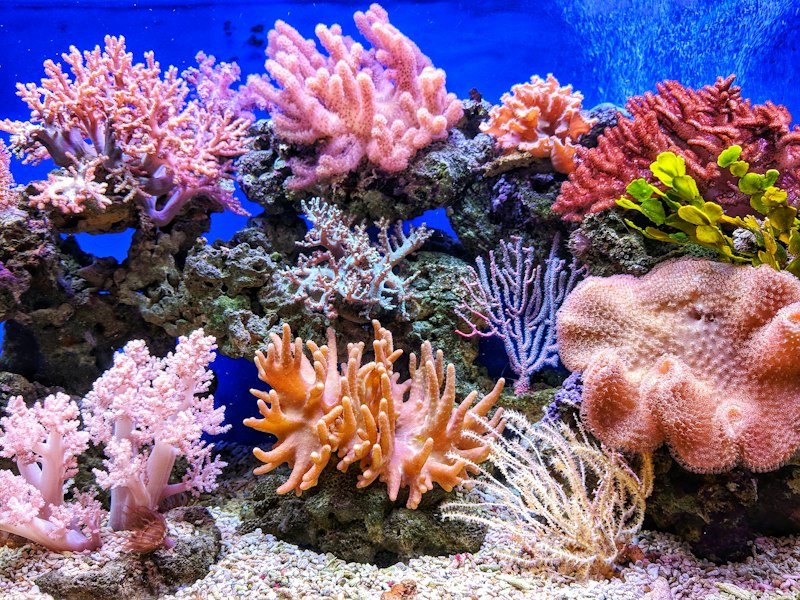
Soft Corals
common
Sponges
commonDive profile & how the dive runs
A typical dive at Haller Deep begins with a boat entry, often descending directly onto the top of the deep wall. Divers generally follow the dramatic drop-off, exploring the vibrant coral formations and reef inhabitants at various depth bands. The route emphasizes the vertical topography, allowing divers to experience the profound depth while managing their bottom time and gas consumption. The dive progresses along the wall, with careful attention to multi-level profiles to maximize dive duration and minimize decompression stress. The turning point is determined by gas limits and no-decompression limits, initiating a gradual ascent. The safety stop typically occurs at 5 meters for 3 to 5 minutes, usually beneath the boat or along a shallower section of the reef, before surfacing.
Underwater photography
Haller Deep, as a deep wall dive, presents excellent opportunities for wide-angle photography, capturing the expansive reef architecture and deep blue backdrops. A wide-angle lens is recommended to frame the dramatic drop-offs and large coral formations. For capturing potential pelagic encounters, a fast-focusing camera system is beneficial. While natural light can be sufficient in shallower sections given Roatan's high visibility, external strobes or video lights are essential for restoring color and detail at deeper depths and enhancing macro subjects if encountered on the wall. Maintain impeccable buoyancy to avoid stirring up sediment or contacting the delicate deep-water corals. Be mindful of not disturbing marine life or habitats for photo opportunities, especially when focusing on cryptic creatures or larger, shy species.
Combine with nearby dive sites
- Hole in the Wall
Hole in the Wall is a celebrated dive site in Roatan, part of the extensive Mesoamerican Barrier Reef System, which is the second-largest…
- Toon Town
Toon Town is a distinctive dive site located within the Cayos Cochinos archipelago, which forms part of Honduras' Bay Islands.
- Black Coral Wall
Black Coral I and II are prominent dive sites within Cuba's renowned Jardines de la Reina marine reserve, an area celebrated for its…
- Inside Outside
The Inside Outside dive site in Roatan, Honduras, earns its name from the abundant cracks and swim-throughs that characterize its unique…
- Carib Point
Carib Point is a distinctive shallow fringing reef and hardbottom site located off Roatán's north shore, specifically in the Sandy Bay/West…
Getting there & logistics
Access to Haller Deep is primarily through dive operators located on Roatan, with flights typically arriving at Juan Manuel Gálvez International Airport (RTB) on the island. Dive trips usually depart from various ports along the island, such as West End or West Bay, often as part of daily two-tank morning dives or single afternoon trips. A $10 annual Roatan Marine Park fee bracelet is required for all divers, contributing to reef protection. Liveaboards and resort-based dive packages are common, offering varying trip lengths. The site would typically be combined with other Roatan highlights like shallower reefs or wrecks to offer a diverse diving experience over a multiple-day itinerary.
Safety & environment
For diving Haller Deep, the nearest recompression chamber is located in Roatan, offering crucial support in case of decompression sickness. Divers should always carry valid dive insurance that covers emergency medical treatment and evacuation, as access to advanced medical facilities might require transport off the island. Site-specific hazards include potential currents and the increased risk associated with deep diving, emphasizing the importance of conservative dive planning, adherence to depth and time limits, and meticulous gas management. Divers must possess good buoyancy control to protect the fragile deep reef environment. Roatan dive operators enforce a responsible diver code, prohibiting touching corals, harassing marine life, or disturbing the seabed, ensuring the preservation of this unique ecosystem.
Who it suits, and who it doesn't
Suited for
- Experienced divers comfortable with depth
- Advanced Open Water certified divers
- Divers seeking dramatic wall topography
- Underwater photographers with wide-angle setups
- Those interested in larger reef structures and pelagic encounters
Less suited for
- Beginner Open Water divers
- Divers uncomfortable with deep environments
- Individuals with poor buoyancy control
- Divers prone to nitrogen narcosis
- Those who prefer purely shallow, calm reef dives
FAQ
Haller Deep FAQ
What kind of dive site is Haller Deep?
Haller Deep is characterized as a deep wall dive, featuring dramatic drop-offs into profound oceanic depths. It is part of the extensive Mesoamerican Barrier Reef System, offering exploration of vertical coral structures and the chance to observe marine life thriving in deeper environments. This site is known for its significant topographical features rather than specific shallow reef characteristics.
What is the typical depth range for diving Haller Deep?
The depth range for Haller Deep typically extends from approximately 12 meters (40 feet) and beyond, following the deep wall. While a specific maximum depth for recreational diving is not cited, divers often explore down to 40 meters (130 feet) or more, depending on their certification and the dive plan. This site is primarily for divers comfortable with advanced depth profiles.
When is the best time of year to dive Haller Deep?
The prime diving season for Haller Deep, similar to other Roatan sites, is during the dry season, which runs from March through October. This period offers the best underwater visibility, often exceeding 30 meters, and generally calmer sea conditions. While diving is possible year-round, the wet season from November to February can bring more rain and potentially reduced visibility.
What marine life can I expect to see at Haller Deep?
While specific species for Haller Deep are not detailed, deep wall dives in Roatan commonly feature diverse hard and soft corals and sponges covering the extensive reef structure. Divers may encounter various reef fish like parrotfish and angelfish, moray eels, and occasionally larger marine animals such as sea turtles, eagle rays, or even Caribbean reef sharks. Whale shark sightings are also possible seasonally in the wider Roatan area.
Are there strong currents at Haller Deep?
Current conditions at deep wall sites like Haller Deep can be variable. While Roatan generally experiences gentle conditions, some deeper areas or exposed points may encounter stronger currents. Dive operators monitor conditions closely and plan dives accordingly, sometimes opting for drift dives. Divers should be prepared for potential currents and maintain excellent buoyancy control.
Why dive Haller Deep from a liveaboard?
Haller Deep is one of Honduras's signature dive sites. A liveaboard sleeps you on the water and puts you in the water for three to four guided dives per day, including dawn and night dives that day-boat operators rarely offer. You skip the daily commute back to port and reach quieter, less-crowded sites in the same region on a single trip.
Below are the liveaboards that include Haller Deep on their Honduras itineraries.
Liveaboards diving Haller Deep
These liveaboards may visit Haller Deep on selected itineraries, the exact dive sites depend on departure, weather and conditions.

Roatan Aggressor
Honduras
18 guests31 m
Dive sites similar to Haller Deep
Same character, same waters, six more sites divers love for the exact same reasons.Compare seasons, access and liveaboard routes, then pick the site that fits your trip best.
© EsriMaxar, Earthstar, GIS
3 Fathom Wall
Cayman Islands
3 Fathom Wall is an exciting and fish-filled dive site located in the Cayman Islands, specifically at the intersection of the renowned Bloody Bay Wall.
- Suitable for
- Intermediate
- Current
- Mild
- Access
- Liveaboard only
- Depth
- ≤ 3000 m
- Theme
- Reef
While specific details for a dive site named "3 Riff" are not present in the provided sources, general diving conditions and characteristics for the Dominican Republic…
- Suitable for
- Advanced
- Current
- Mild
- Access
- Dayboat
- Depth
- 30–55 m
- Theme
- Reef
The dive site known as 3 Rocks is located off the coast of Sosúa in Puerto Plata, Dominican Republic, offering an accessible and lively underwater experience.
- Suitable for
- Beginner
- Current
- Mild
- Access
- Dayboat
- Depth
- 2–8 m
- Theme
- Reef
4 Amigos is a notable dive site located in the Bay Islands of Honduras, an area renowned for its extensive Mesoamerican Barrier Reef System, which is the world's second-longest.
- Suitable for
- Intermediate
- Current
- Moderate
- Access
- Liveaboard or dayboat
- Depth
- 9–40 m
- Theme
- Reef
© EsriMaxar, Earthstar, GIS
6 Toed Cat
Mexico
The dive site known as "6 Toed Cat" is not a recognized dive location in Mexico; rather, it refers to the polydactyl felines, many with six toes, that inhabit the Ernest Hemingway Home and Museum in Key West, Florida.
- Suitable for
- Beginner
- Current
- Mild
- Access
- Liveaboard or dayboat
- Depth
- —
- Theme
- Reef
© EsriMaxar, Earthstar, GIS
Aaron's Backyard
Honduras
Aaron's Backyard is a noted dive site within the Roatan Marine Park in Honduras, part of the extensive Mesoamerican Barrier Reef System.
- Suitable for
- Intermediate
- Current
- Moderate
- Access
- Liveaboard or dayboat
- Depth
- 9–40 m
- Theme
- Reef