About Casa Cenote
Casa Cenote, also known as Cenote Manatí, is a distinct open-air cenote situated near Tulum on Mexico's Riviera Maya. Unlike many enclosed cenotes, this site is a wide, open channel flowing through dense mangrove forests, where freshwater from the extensive underground river system meets the Caribbean Sea. This unique environment makes it accessible and enjoyable for divers of all experience levels, creating an underwater river exploration feeling. The cenote's topography is defined by its meandering channel, with mangrove roots extending into the water, forming intricate natural architecture. The maximum depth rarely exceeds six meters, allowing for extended bottom times without significant air consumption concerns. A notable geological feature is the halocline, a visible shimmering layer where the cooler freshwater blends with warmer Caribbean saltwater, creating surreal visual effects. The biodiversity at Casa Cenote is a direct result of this freshwater and saltwater convergence. Tropical reef fish from the Caribbean, such as angelfish and barracuda, intermingle with freshwater species like cichlids, creating an unusual ecological community. Tarpon are frequently observed, alongside juvenile snappers and groupers seeking shelter among the mangrove roots, which also host crabs, shrimp, seahorses, sponges, and tunicates. Thanks to its open-air setting, natural light floods the water throughout the dive, eliminating overhead environment concerns. Early morning dives are particularly rewarding for photographers, as the sun's rays penetrate the mangrove canopy, illuminating the clear waters. Located just minutes from the Tulum-Cancún highway, Casa Cenote is easily accessed and often combined with coastal reef dives for a comprehensive diving experience.
Highlights
Open-air cenoteMangrove forest environmentHalocline phenomenonFreshwater and marine life mixShallow, clear watersAbundant juvenile fishResident tarponBeginner-friendly depth
Season calendar
Best months to dive here
Jan
Feb
Mar
Apr
May
Jun
Jul
Aug
Sep
Oct
Nov
Dec
Excellent
Good
Nov – Apr (Peak)
Socorro season open (Nov–May) for giant mantas and hammerheads. Cozumel bull sharks Dec–Mar. Cenotes excellent year-round. Best overall conditions.
May – Oct (Transition & Sea of Cortez)
Socorro closing, Cozumel still good. Whale sharks arrive at Isla Mujeres Jun–Sep. From August, the Sea of Cortez comes alive: Midriff Islands offer massive sea lion colonies and schooling mobulas. September and October bring world-class diving around La Paz and Cabo Pulmo with whale sharks, hammerheads, and bull sharks on the Explore Baja route.
Dive site facts: Casa Cenote
- Depth
- Up to 6 m
- Typical dive
- 3-6 m, 60+ min
- Current
- None
- Visibility
- 30-100 m+
- Water temperature
- 24-26°C
- Entry
- Shore
- Level
- Open Water Diver
- Dive type
- Cenote / Freshwater, Mangrove
- Night dive
- Possible (check with guide)
- Region / port
- Tulum, Riviera Maya, Mexico
- Coordinates
- 20.3392, -87.354
Conditions & Currents
Casa Cenote generally features calm conditions, making it suitable for divers of various experience levels. As an estuary that connects to the ocean, it has a mixing zone where freshwater meets saltwater, creating a halocline at different depths. Entry is typically from the shore, providing easy access. Visibility is consistently excellent, often extending up to 40 meters, though visual distortion can occur within the halocline layer. Surge is minimal due to the sheltered nature of the cenote. This site is particularly well-suited for buoyancy practice due to the presence of the halocline and the need to navigate around delicate mangrove roots and geological formations, making it a good choice for beginner divers and those refining their skills.
Marine life & sighting chances

Tarpon
common
Barracuda
occasional
Snapper (juvenile)
common
Grouper (juvenile)
common
Blue swimming crab
occasional
Green moray eel
occasional
Seahorse
occasionalCichlid
common
Angelfish
common
Turtle
rareGuppy
commonPlaty
commonMolly
common
Morelet's crocodile (Panchito)
occasionalDive profile & how the dive runs
Your dive at Casa Cenote begins with a shore entry into the emerald green waters, often guided by your instructor. You'll follow the meandering open-air channel, which provides a sensation of diving through an underwater river in a jungle setting. The route typically involves exploring the intricate mangrove root systems that extend into the water, serving as a nursery for diverse marine life. Depths remain shallow, generally between 3 to 6 meters, making it ideal for relaxed exploration. You will navigate through various swim-throughs and beneath rocky overhangs, observing the halocline where freshwater and saltwater meet. The dive typically involves a continuous circuit, often turning back at a designated point. Due to the shallow nature and minimal exertion, safety stops are integrated into the final ascent near the entry point, maintaining visual contact with the surface and allowing for extended decompression if needed.
Underwater photography
Casa Cenote offers exceptional opportunities for wide-angle photography, capturing the dramatic light beams filtering through the mangrove canopy and the halocline effect. A fisheye or wide-angle lens is ideal for showcasing the expansive views of the open cenote and the intricate root structures. For macro subjects, such as juvenile fish, crabs, and seahorses hidden among the roots, a macro lens or diopter attachment will be invaluable. Natural light is abundant, especially during morning dives, but strobes can enhance colors and bring out details in darker areas or against the sun. Be mindful of your buoyancy to avoid stirring up the fine sediment, which can quickly reduce visibility. Capturing the resident Morelet's crocodile, Panchito, if sighted, offers a unique photo subject, but always maintain a respectful distance.
Combine with nearby dive sites
- Cenote Dos Ojos
Cenote Dos Ojos, Spanish for "Two Eyes," is one of the most iconic and visually stunning cenotes in Mexico's Yucatán Peninsula.
- Akumal Bay
Akumal Bay Marine Park, nestled along Mexico's Riviera Maya, stands out as a premier Caribbean destination, particularly renowned for its…
- Cenote Tajma Ha
Tajma-Ha, often called "Taj Mahal" by local cave divers and named for the Mayan word "ha" meaning "water," is a renowned cenote system…
- Cenote Cristalino
Cenote Cristalino is a popular open-air cenote located approximately 20 minutes south of Playa del Carmen, alongside Highway 307 in…
- Cenote Kukulkan (Chikin Ha)
Cenote Kukulkan, often referred to as Chikin Ha, is a captivating underwater cavern system located in the heart of the Yucatán Peninsula…
Getting there & logistics
Casa Cenote is easily accessible, located approximately 10 kilometers north of Tulum, or about 70 kilometers south of Playa del Carmen. To reach it, head north from Tulum on Highway 307 for about 8 km, then follow signs for Tankah Inn or Pavo Real, continuing on a private road to the resort. Dive trips typically originate from dive shops in Tulum or Playa del Carmen. Day trips are standard, often combining a cenote dive with a reef dive along the coast. No specific permits beyond the standard cenote entrance fee are usually required for recreational divers, which is often included in guided tour prices. The site is part of the extensive Riviera Maya cenote network, making it a convenient addition to any dive itinerary in the region.
Safety & environment
For safety at Casa Cenote, proper buoyancy control is paramount to protect the delicate ecosystem and maintain visibility. Divers should be comfortable with an overhead environment, even though natural light is always visible. A full 5mm wetsuit is recommended due to the consistent 24-26°C water temperature. The nearest recompression chamber is in Playa del Carmen, about 70 km away, making dive insurance essential. In case of an emergency, evacuation would primarily involve ground transport. Always dive with a certified guide, especially for those unfamiliar with cenote diving. Be aware of slippery surfaces around entry and exit points, particularly during the rainy season. While a resident crocodile named Panchito inhabits the cenote, it is generally considered friendly; however, maintain respect and distance from all wildlife.
Who it suits, and who it doesn't
Suited for
- Open Water certified divers
- Beginner divers seeking easy cenote experience
- Divers interested in unique halocline effects
- Underwater photographers (wide-angle and macro)
- Divers looking for combined freshwater and marine life
Less suited for
- Divers seeking deep, dark cave exploration
- Those uninterested in mangrove ecosystems
- Divers preferring strong currents or large pelagic encounters
- Individuals uncomfortable in overhead environments (despite open nature)
FAQ
Casa Cenote FAQ
What is the maximum depth at Casa Cenote?
Casa Cenote is a relatively shallow dive site, with its maximum depth rarely exceeding six meters. This makes it an ideal location for beginner divers and those who prefer shallower, longer dives without significant concerns about air consumption or deep-water experience.
Do I need a special certification to dive Casa Cenote?
No, you do not need a special certification like cave diving for Casa Cenote. It is considered an open-air cenote within the cavern zone, meaning natural light is always visible. An Open Water Diver certification is sufficient to explore this site with a certified guide.
What kind of marine life can I expect to see in Casa Cenote?
Casa Cenote is unique for its blend of freshwater and saltwater ecosystems, hosting a diverse range of species. You can expect to see tarpon, barracuda, juvenile snappers and groupers, various small fish like guppies, platies, and mollies, as well as crabs, shrimp, and seahorses among the mangrove roots. The resident Morelet's crocodile, Panchito, is also occasionally sighted.
Is Casa Cenote suitable for beginners?
Absolutely, Casa Cenote is highly recommended for beginner divers. Its shallow depth, calm conditions, and constant natural light create a very welcoming and forgiving environment. It's an excellent place to practice buoyancy control and get accustomed to cenote diving.
What is the halocline, and will I see it at Casa Cenote?
The halocline is a visible phenomenon where fresh water meets denser salt water, creating a shimmering, blurred layer. Casa Cenote is well-known for its prominent halocline, offering divers a surreal visual experience as they pass through this boundary between two distinct water bodies.
Is the resident crocodile, Panchito, dangerous to divers?
Panchito, the Morelet's crocodile living in Casa Cenote, is a wild animal but is generally regarded as accustomed to human presence and not aggressive. However, it is always crucial to maintain a respectful distance and never attempt to feed or provoke any wildlife, ensuring both your safety and the crocodile's well-being.
Why dive Casa Cenote from a liveaboard?
Casa Cenote is one of Mexico's signature dive sites. A liveaboard sleeps you on the water and puts you in the water for three to four guided dives per day, including dawn and night dives that day-boat operators rarely offer. You skip the daily commute back to port and reach quieter, less-crowded sites in the same region on a single trip.
Below are the liveaboards that include Casa Cenote on their Mexico itineraries.
Liveaboards diving Casa Cenote
These liveaboards may visit Casa Cenote on selected itineraries, the exact dive sites depend on departure, weather and conditions.
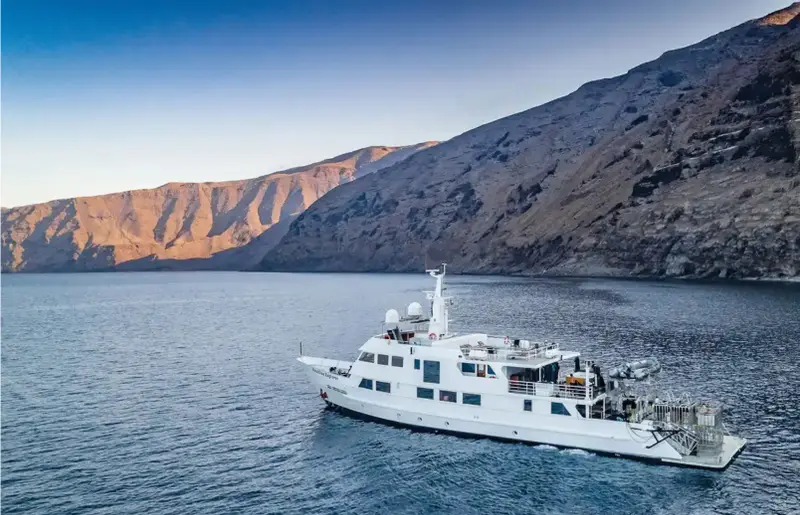
Nautilus Explorer
Mexico
25 guests45 m
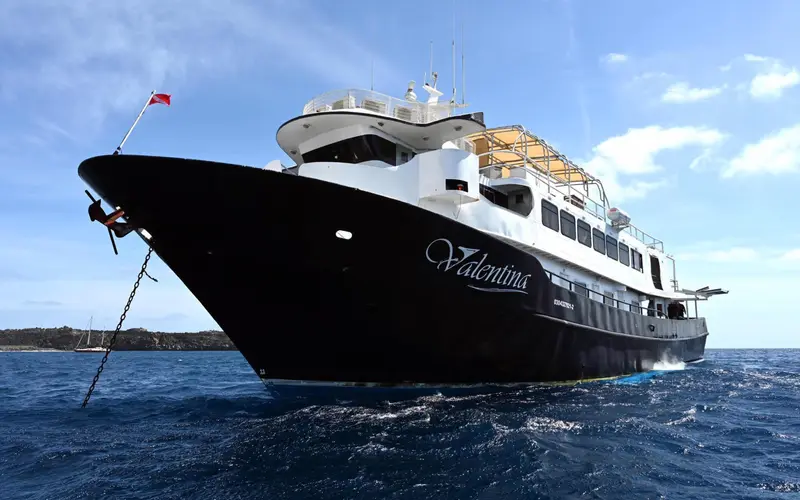
Valentina
Mexico
20 guests38 m
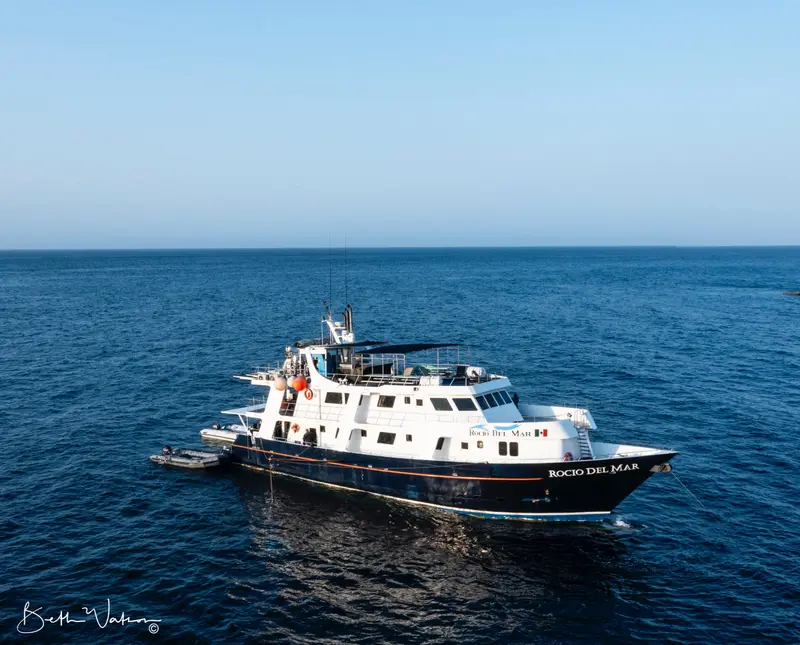
Rocio del Mar
Mexico
20 guests34 m
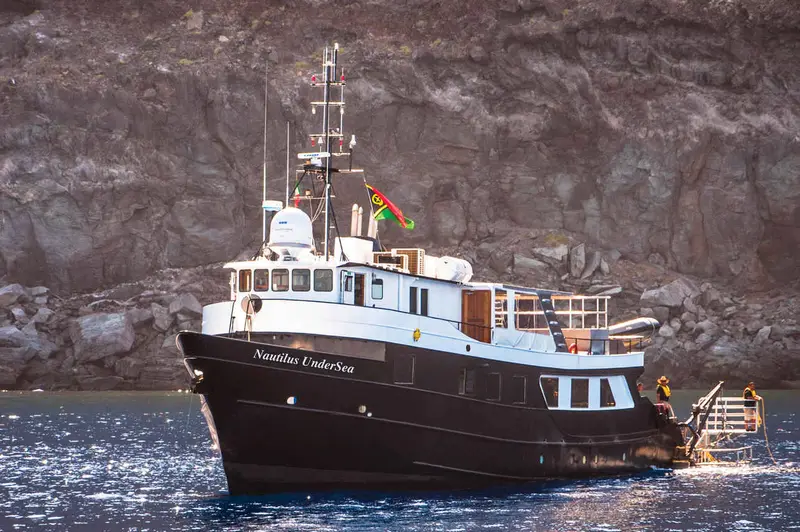
Nautilus Under Sea
Mexico
19 guests32 m
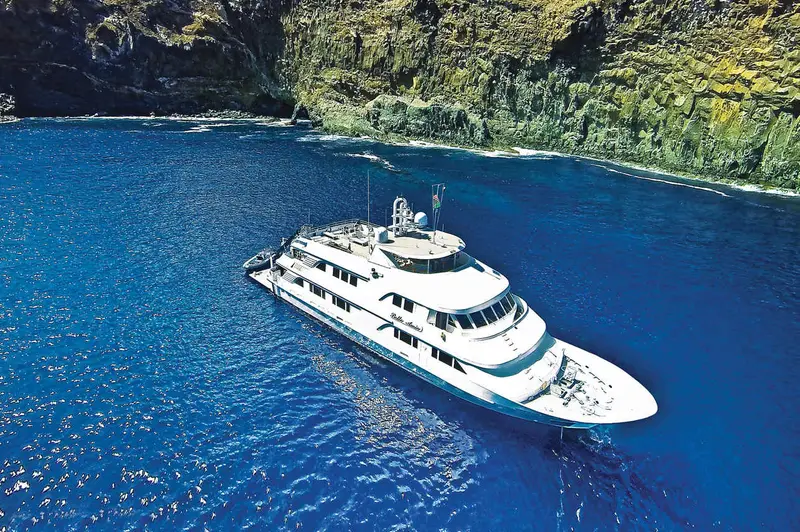
Nautilus Belle Amie
Mexico
32 guests45 m
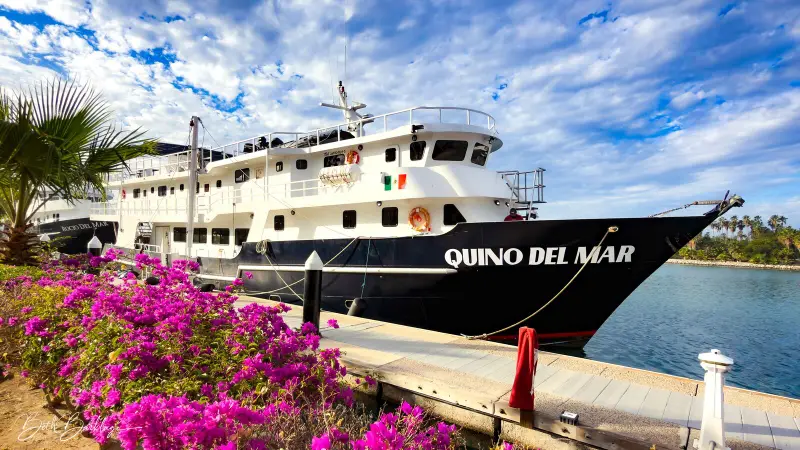
Quino del Mar
Mexico
20 guests36 m
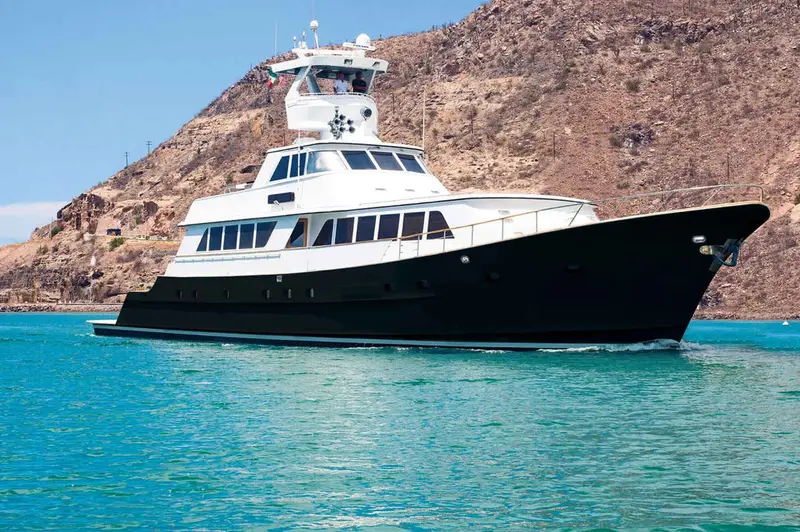
Nautilus Gallant Lady
Mexico
12 guests35 m
Dive sites similar to Casa Cenote
Same character, same waters, six more sites divers love for the exact same reasons.Compare seasons, access and liveaboard routes, then pick the site that fits your trip best.
© EsriMaxar, Earthstar, GIS
3 Fathom Wall
Cayman Islands
3 Fathom Wall is an exciting and fish-filled dive site located in the Cayman Islands, specifically at the intersection of the renowned Bloody Bay Wall.
- Suitable for
- Intermediate
- Current
- Mild
- Access
- Liveaboard only
- Depth
- ≤ 3000 m
- Theme
- Reef
While specific details for a dive site named "3 Riff" are not present in the provided sources, general diving conditions and characteristics for the Dominican Republic…
- Suitable for
- Advanced
- Current
- Mild
- Access
- Dayboat
- Depth
- 30–55 m
- Theme
- Reef
The dive site known as 3 Rocks is located off the coast of Sosúa in Puerto Plata, Dominican Republic, offering an accessible and lively underwater experience.
- Suitable for
- Beginner
- Current
- Mild
- Access
- Dayboat
- Depth
- 2–8 m
- Theme
- Reef
4 Amigos is a notable dive site located in the Bay Islands of Honduras, an area renowned for its extensive Mesoamerican Barrier Reef System, which is the world's second-longest.
- Suitable for
- Intermediate
- Current
- Moderate
- Access
- Liveaboard or dayboat
- Depth
- 9–40 m
- Theme
- Reef
© EsriMaxar, Earthstar, GIS
6 Toed Cat
Mexico
The dive site known as "6 Toed Cat" is not a recognized dive location in Mexico; rather, it refers to the polydactyl felines, many with six toes, that inhabit the Ernest Hemingway Home and Museum in Key West, Florida.
- Suitable for
- Beginner
- Current
- Mild
- Access
- Liveaboard or dayboat
- Depth
- —
- Theme
- Reef
© EsriMaxar, Earthstar, GIS
Aaron's Backyard
Honduras
Aaron's Backyard is a noted dive site within the Roatan Marine Park in Honduras, part of the extensive Mesoamerican Barrier Reef System.
- Suitable for
- Intermediate
- Current
- Moderate
- Access
- Liveaboard or dayboat
- Depth
- 9–40 m
- Theme
- Reef