About Carlos' Corner
Carlos' Corner is a notable dive site located within Cuba's Jardines de la Reina (Gardens of the Queen) Marine Protected Area, a vast and exceptionally preserved archipelago situated about 100 miles south of the Florida Keys. This site is particularly recognized for its abundant silky shark populations, which frequently congregate near the surface, offering unique interactions that are a hallmark of diving in this region. The Gardens of the Queen, protected since 1996, represents one of the Caribbean's most successful marine conservation efforts, leading to thriving ecosystems where large predators and fish stocks flourish, making every dive a vibrant experience. While specific topographical details for Carlos' Corner are not extensively described, the broader Jardines de la Reina area features diverse underwater landscapes including healthy reefs with varied coral formations, canyons, and walls. The marine park's protection allows for mature marine life, including large groupers and sharks, to be commonly observed across its sites. The area generally offers clear waters and a rich biodiversity, characteristic of a pristine Caribbean environment. Encounters with silky sharks are a consistent highlight at Carlos' Corner, observed frequently near the surface. Beyond these pelagic species, divers can expect to see an array of marine life including goliath groupers, tarpon, Caribbean reef sharks, various colorful corals, and numerous tropical reef fish throughout the Jardines de la Reina. Tarpon aggregate for spawning in April and May, while whale sharks are spotted between September and January in the wider region, though their presence specifically at Carlos' Corner is not mentioned. Marine park regulations limit the number of divers, ensuring a less crowded and more impactful experience. Diving in Jardines de la Reina is typically conducted via liveaboard, which serves as a base for daily excursions to various sites like Carlos' Corner, often via tender boats. The conditions generally cater to a range of experience levels, with some sites offering calm waters and others featuring more dramatic topography like steep drop-offs. The focus on conservation and limited access ensures an immersive and natural dive experience, with operators often tailoring itineraries to suit the group's certification and preferences.
Highlights
Silky shark encountersHealthy coral reefsAbundant fish stocksGardens of the Queen MPAVibrant marine ecosystem
Season calendar
Best months to dive here
Jan
Feb
Mar
Apr
May
Jun
Jul
Aug
Sep
Oct
Nov
Dec
Excellent
Dive site facts: Carlos' Corner
- Visibility
- 30+ m
- Water temperature
- 25-30 °C
- Entry
- Liveaboard only
- Dive type
- Reef, big_animals
- Region / port
- Gardens of the Queen, Cuba
- Coordinates
- 21.6607° N, 80.3546° W
Conditions & Currents
Information regarding specific current strength and direction for Carlos' Corner is not explicitly detailed in the provided sources. However, as with many ocean dive sites, conditions can vary, potentially influenced by tides. Divers should anticipate a range of current conditions, from gentle to potentially moderate, which is typical for healthy reef systems that support diverse marine life. It is always prudent for divers to streamline their equipment and be prepared for varying water movement, maintaining good buoyancy control. Dive briefings will provide specific guidance on expected currents, entry techniques, and group navigation to ensure a safe and enjoyable dive experience.
Marine life & sighting chances
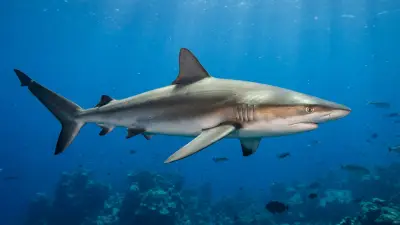
Silky shark
Year-round · common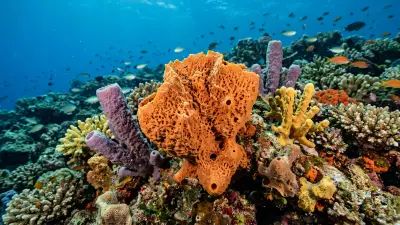
Pink vase sponge
Year-round · common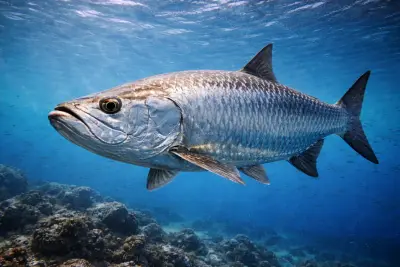
Tarpon
April/May · occasional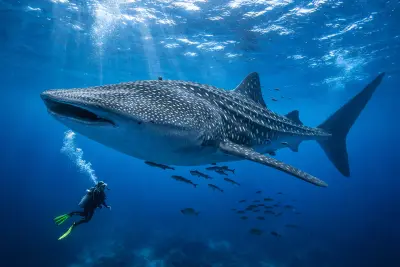
Whale shark
September-January · occasionalFish stocks (general)
Year-round · commonDive profile & how the dive runs
A typical dive at Carlos' Corner usually involves a boat entry, allowing divers to descend onto the vibrant reef system. The profile often starts by exploring the shallower areas of the coral reef, which teem with diverse fish life and colorful sponges. As divers progress, they can move towards slightly deeper sections, maintaining an awareness of their surroundings for pelagic sightings. The site's reputation for silky sharks suggests an emphasis on observing open water areas, often near the surface where these sharks seek the sun. Divers maintain good buoyancy to protect the healthy coral formations, drifting gently with any prevailing currents to maximize observation time without excessive finning. The dive concludes with a safety stop, typically in shallower, sheltered water, before surfacing for boat pick-up.
Underwater photography
Carlos' Corner offers fantastic opportunities for wide-angle photography, especially to capture the abundant silky sharks and the broad expanse of the healthy reef. For pelagic encounters, a wide-angle lens is essential to frame larger subjects like sharks and potential whale sharks. When photographing marine life, maintain excellent buoyancy to avoid disturbing corals or other delicate organisms. Given the clear visibility, natural light can be sufficient in shallower areas, but strobes will enhance color and detail, particularly for vibrant coral scenes or capturing the sheen of shark skin. For close-up shots of sponges and reef inhabitants, a macro lens can be rewarding. Always prioritize ethical interaction, avoiding chasing or stressing animals, and be mindful of your fin kicks in the presence of strong currents.
Getting there & logistics
Access to Carlos' Corner, part of the Gardens of the Queen Marine Protected Area, is primarily via liveaboard trips departing from the fishing village of Jucaro, Cuba. International travelers often fly into Havana, followed by a domestic transfer and a bus ride to Jucaro, which can take several hours. Liveaboards, such as the Jardines Aggressor I, typically offer week-long itineraries, providing comprehensive access to various sites within the MPA. For U.S. citizens, booking must often be done through specific educational programs that comply with regulations. Dive packages usually cover accommodation, meals, and diving activities, though airfare, visas, and insurance are separate. The limited annual diver permits underscore the exclusivity and protected status of this destination.
Safety & environment
Diving at Carlos' Corner in the Gardens of the Queen requires adherence to standard safety protocols and an awareness of the remote location. While there is no specific mention of a recompression chamber on-site, the nearest medical facilities, including recompression chambers, would be located in major Cuban cities, implying a potentially lengthy evacuation process in case of a diving emergency. Divers must have comprehensive dive insurance that covers medical emergencies, including recompression treatment and emergency evacuation. Site-specific hazards include potential encounters with large marine life, such as sharks, for which divers should follow guide instructions and maintain respectful distances. Given the area's protected status, responsible diving practices, including strict no-touching rules and meticulous buoyancy control, are paramount to preserve the delicate ecosystem.
Who it suits — and who it doesn't
Suited for
- Experienced divers seeking pelagic encounters
- Divers interested in pristine marine protected areas
- Underwater photographers focusing on wide-angle
- Conservation-minded divers
- Liveaboard enthusiasts
Less suited for
- Absolute beginner divers
- Divers uncomfortable with potential shark encounters
- Those preferring shore diving access
- Budget-conscious travelers (due to liveaboard costs)
- Divers expecting readily available recompression facilities
FAQ
Carlos' Corner FAQ
What kind of marine life can I expect to see at Carlos' Corner?
Carlos' Corner is particularly famous for its frequent sightings of silky sharks, which can often be observed near the surface. Beyond these pelagic encounters, divers can also expect to see tarpon, especially during their spawning aggregation in April and May, and a wide array of vibrant reef fish. The site is also home to diverse coral formations and sponges, such as the pink vase sponge, indicating a very healthy and biodiverse ecosystem. Whale sharks are an additional highlight for divers visiting between September and January.
What are the water temperatures like at Carlos' Corner throughout the year?
Water temperatures at Carlos' Corner are warm year-round, ranging from 25-27°C (77-81°F) during the winter months to 28-30°C (82-86°F) in the summer. These comfortable temperatures generally mean a 3mm to 5mm wetsuit is suitable in winter, while a skin suit or 3mm wetsuit is often sufficient in summer. Divers who are prone to feeling cold may prefer a slightly thicker suit or additional layers during the cooler season.
What is the best time of year to dive Carlos' Corner?
Carlos' Corner offers excellent diving opportunities throughout the entire year, thanks to consistent conditions and diverse marine life. While year-round diving is possible, specific periods may enhance certain experiences. For example, April and May are ideal for observing tarpon aggregations, and whale sharks are more frequently sighted from September through January. The visibility is also consistently good, often exceeding 30 meters (100 feet), providing clear views regardless of the season.
How do I get to Carlos' Corner and the Gardens of the Queen?
Accessing Carlos' Corner requires booking a liveaboard trip, which typically departs from the fishing village of Jucaro, Cuba. Most international divers, especially those from the U.S., will fly into Havana and then take a bus transfer to Jucaro. The journey from Havana to Jucaro can take several hours, followed by a boat transfer to the Gardens of the Queen. Liveaboards provide the primary means of reaching and exploring this remote marine protected area, often as part of a week-long itinerary.
Are there any specific conservation efforts in place at Carlos' Corner?
Yes, Carlos' Corner is part of the Gardens of the Queen Marine Protected Area, an 837-square-mile zone known for its highly successful conservation efforts. This area operates under strict regulations, limiting the number of divers and fishermen annually to preserve its pristine condition. These vigilant conservation measures have resulted in a significant increase in fish stocks and a thriving ecosystem, making it a model for marine protection. Divers visiting Carlos' Corner are integral to supporting these ongoing conservation initiatives.
Why dive Carlos' Corner from a liveaboard?
Carlos' Corner is one of Cuba's signature dive sites. A liveaboard sleeps you on the water and puts you in the water for three to four guided dives per day, including dawn and night dives that day-boat operators rarely offer. You skip the daily commute back to port and reach quieter, less-crowded sites in the same region on a single trip.
Below are the liveaboards that include Carlos' Corner on their Cuba itineraries.
Liveaboards diving Carlos' Corner
These liveaboards may visit Carlos' Corner on selected itineraries — the exact dive sites depend on departure, weather and conditions.
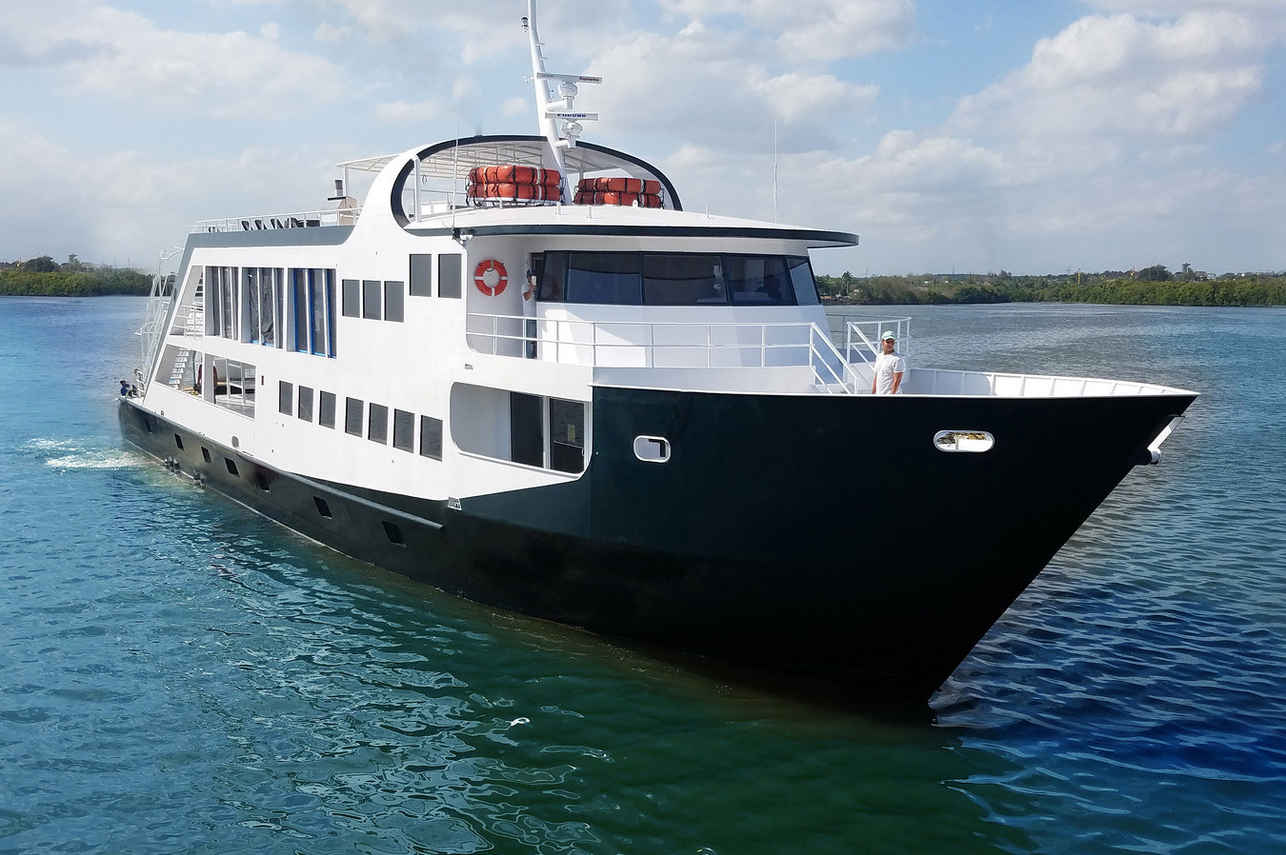
Jardines Avalon Fleet
Cuba
20 guests35.05 m
$494/day
Dive sites similar to Carlos' Corner
Same character, same waters — six more sites divers love for the exact same reasons.Compare seasons, access and liveaboard routes — then pick the site that fits your trip best.
© Esri — Maxar, Earthstar, GIS
El Almirante
Cuba
El Almirante is an advanced dive site located off the shores of Maria la Gorda, on Cuba's Guanahacabibes Peninsula.
- Suitable for
- Advanced
- Current
- Moderate
- Access
- Dayboat
- Depth
- 27–30 m
- Theme
- Wall / Reef
La Patana is a prominent dive site within the protected marine park of Jardines de la Reina, a vast archipelago stretching 150 kilometers off Cuba's southern coast.
- Suitable for
- Intermediate
- Current
- Mild
- Access
- Liveaboard only
- Depth
- 15–30 m
- Theme
- Reef / Wall
© Esri — Maxar, Earthstar, GIS
Arrecife Somero
Cuba
Arrecife Somero, located near Key Sigua within the UNESCO-recognized Zapata Swamp biosphere reserve, presents a unique reef crest forming a horseshoe shape.
- Suitable for
- Beginner
- Current
- Mild
- Access
- Liveaboard only
- Depth
- 2–5 m
- Theme
- Reef
© Esri — Maxar, Earthstar, GIS
Puente Escondido
Cuba
Puente Escondido is a notable dive site nestled within the Jardines de la Reina marine park, an expansive and highly protected area off Cuba's southern coast.
- Suitable for
- Beginner
- Current
- Mild
- Access
- Liveaboard only
- Depth
- ≤ 18 m
- Theme
- Reef
La Corona is a captivating dive site situated within the expansive 35-kilometer barrier reef off Playa Santa Lucía in Cuba's Camagüey province.
- Suitable for
- Beginner
- Current
- Mild
- Access
- Dayboat
- Depth
- 5–40 m
- Theme
- Reef / Wall
© Esri — Maxar, Earthstar, GIS
Cueva del Negro
Cuba
Cueva del Negro is a notable dive site located near Cayo Largo, an island off Cuba's southern coast, known for its extensive underwater features.
- Suitable for
- Intermediate
- Current
- No current
- Access
- Liveaboard or dayboat
- Depth
- 8–8 m
- Theme
- Reef