About Juan Escutia C-56
The Juan Escutia C-56 is a popular shipwreck dive located in the Puerto Morelos Reef National Park, approximately 15 minutes by boat from shore. This former US Navy minesweeper, which served in World War II, was deliberately sunk in 2000 to create an artificial reef. The wreck rests on a white sandy seabed at a maximum depth of 30 meters, making it a deep dive suitable for advanced certified divers. Its structure is impressive, with a front cannon still intact, and it is now extensively covered in coral and sponge growth, attracting a rich variety of marine life. While currents are generally mild, the depth requires advanced training. The site is vibrant with schools of fish, and curious rays and groupers are commonly seen patrolling the area. Advanced divers have the opportunity to penetrate the shipwreck, exploring its interior. Diving here is possible throughout the year due to consistent water temperatures, with summer months often offering the best visibility.
Highlights
Historic US Navy minesweeperDeliberately sunk as an artificial reefImpressive structure with intact cannonRich coral and sponge growthPotential for wreck penetrationAbundant fish schools, rays, and groupers
Dive site facts: Juan Escutia C-56
- Depth
- 25–30 m
- Current
- Mild
- Entry
- Liveaboard or dayboat
- Level
- Advanced
- Dive type
- Wreck, Reef
- Region / port
- Mexico
- Coordinates
- 20.8226° N, 86.8837° W
Conditions & Currents
Currents are usually mild, which makes this a relaxed dive suitable for most certified divers. Dive profiles here run between roughly 25 and 30 metres, so plan your gas and no-decompression limits around the deeper part of the site. It is usually briefed as a dive for advanced divers. It can be dived from a liveaboard or a day boat, depending on where you start the trip. Tide, wind and season all shift the picture from day to day, so the crew's briefing on the boat always overrides any general description.
Why dive Juan Escutia C-56 from a liveaboard?
Juan Escutia C-56 is one of Mexico's signature dive sites. A liveaboard sleeps you on the water and puts you in the water for three to four guided dives per day, including dawn and night dives that day-boat operators rarely offer. You skip the daily commute back to port and reach quieter, less-crowded sites in the same region on a single trip.
Below are the liveaboards that include Juan Escutia C-56 on their Mexico itineraries.
Liveaboards diving Juan Escutia C-56
These liveaboards may visit Juan Escutia C-56 on selected itineraries — the exact dive sites depend on departure, weather and conditions.
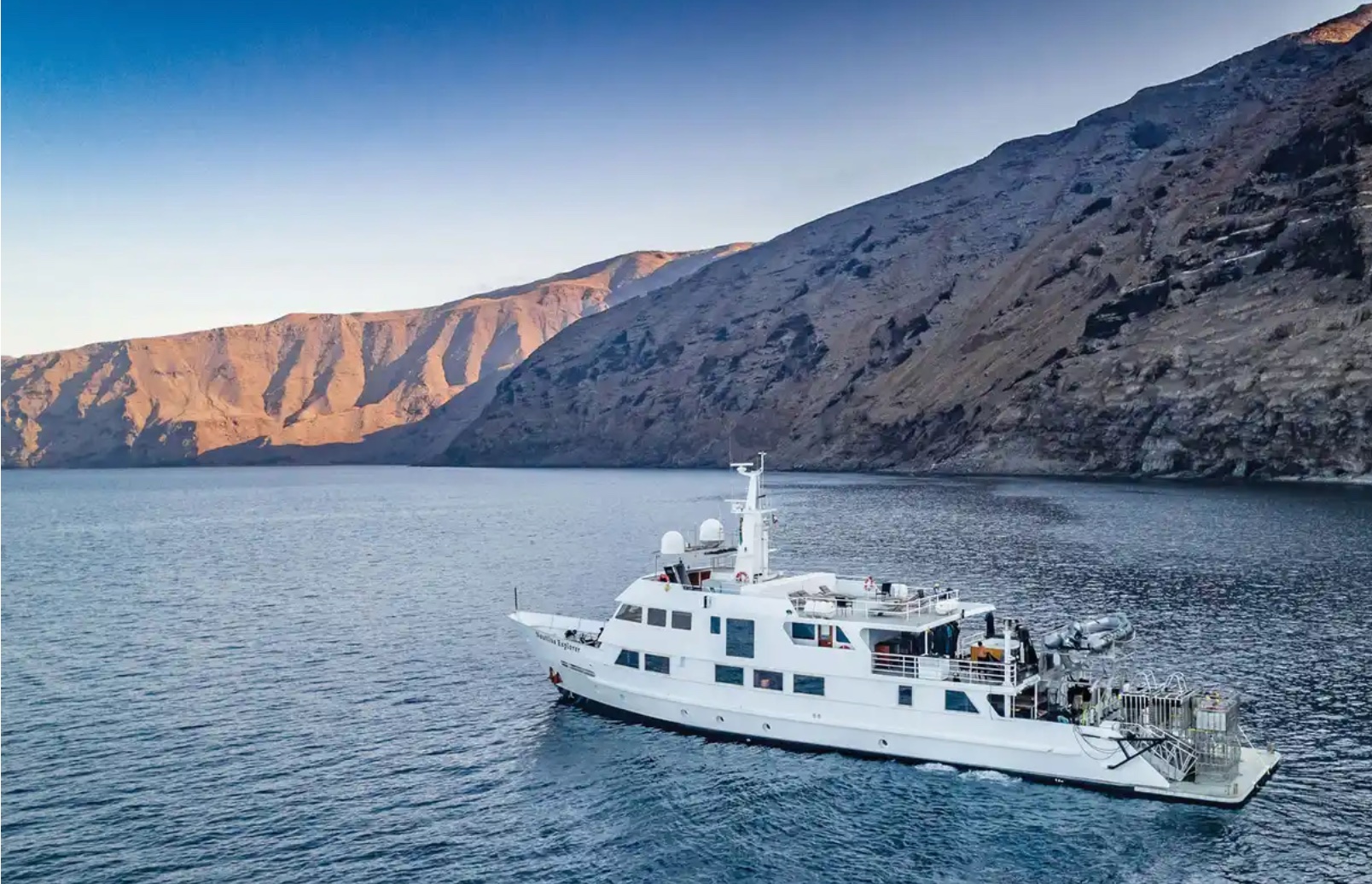
Nautilus Explorer
Mexico
25 guests44.8 m
$230/day
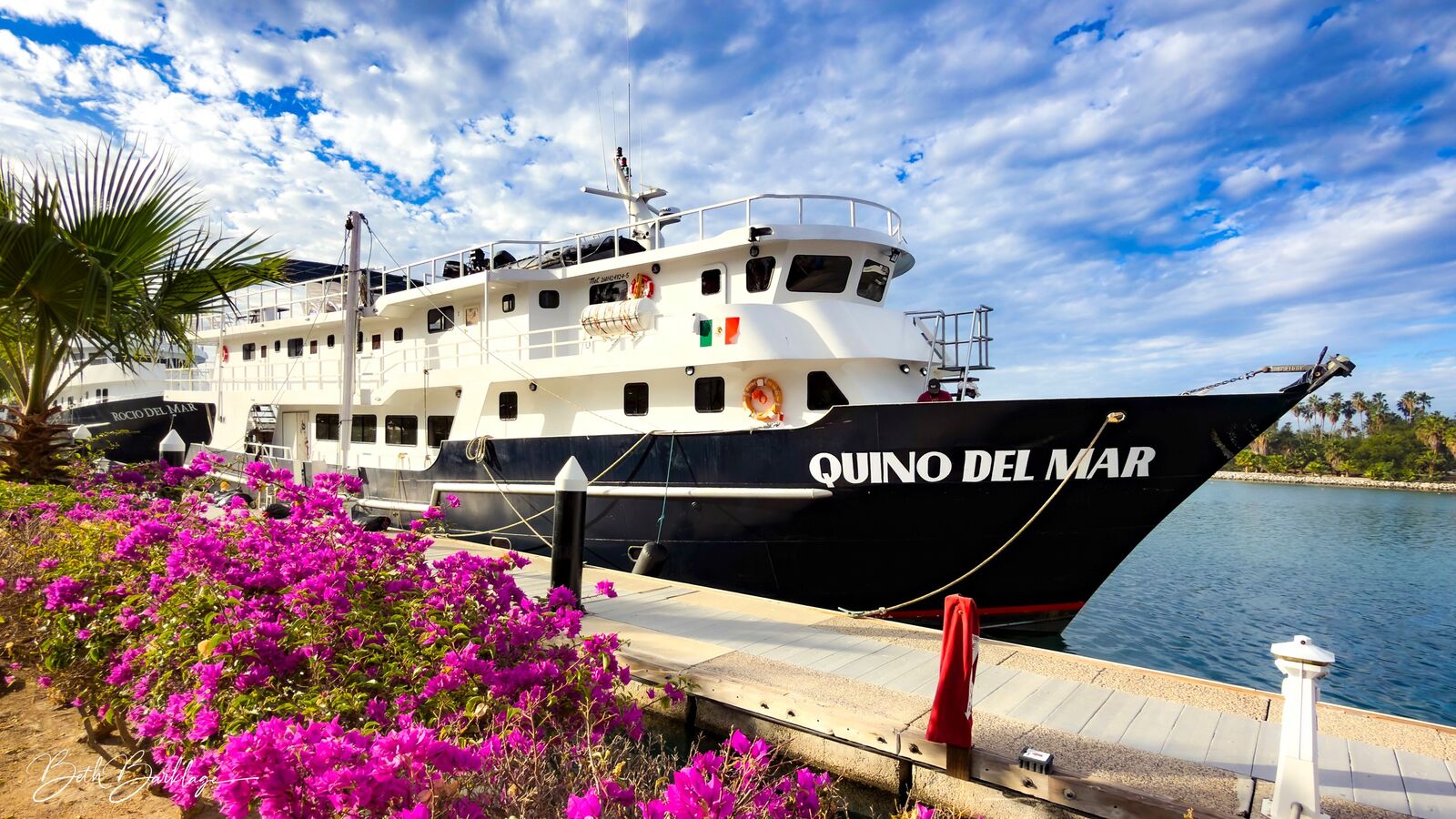
Quino del Mar
Mexico
20 guests36 m
$392/day
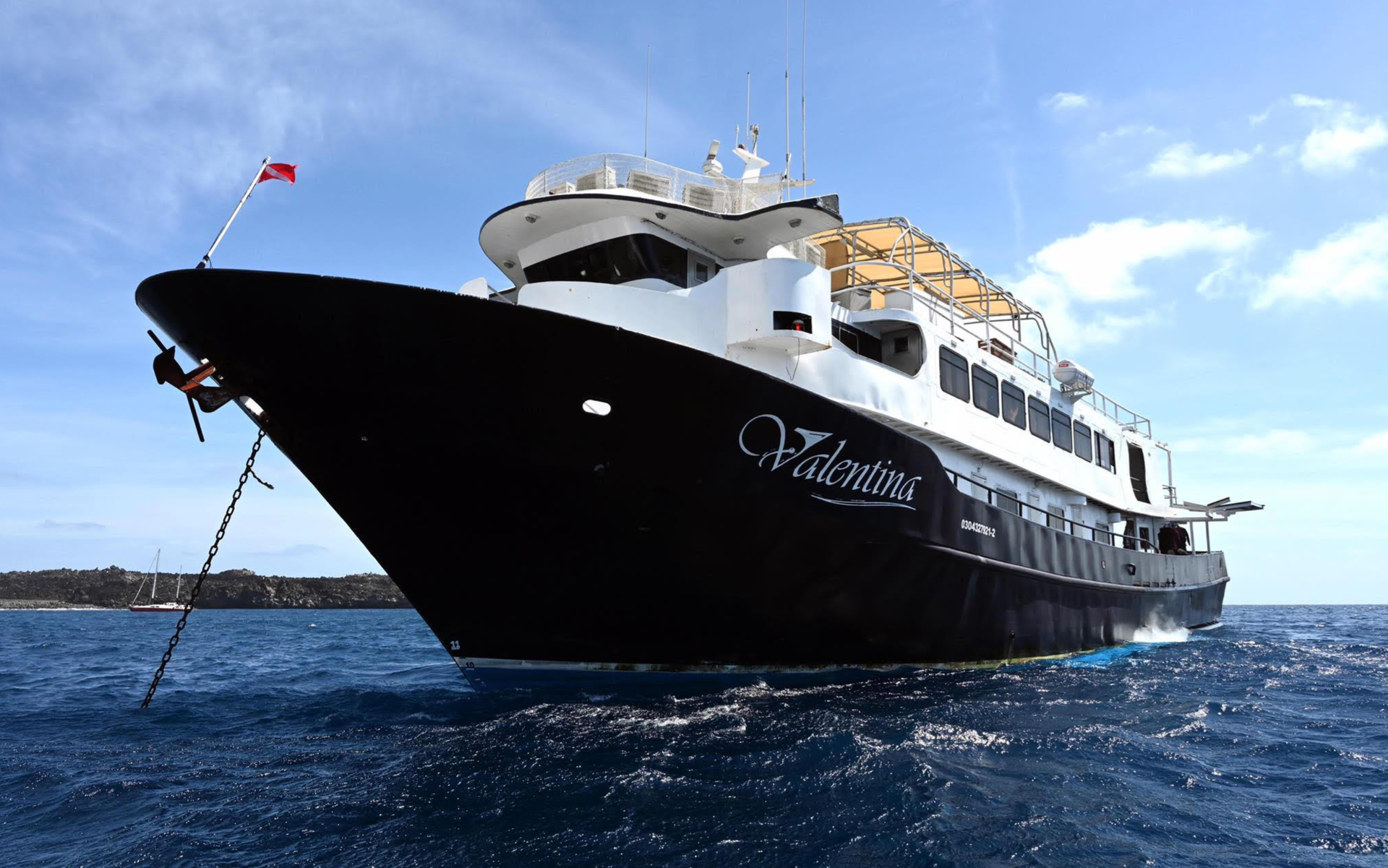
Valentina
Mexico
20 guests38.1 m
$430/day
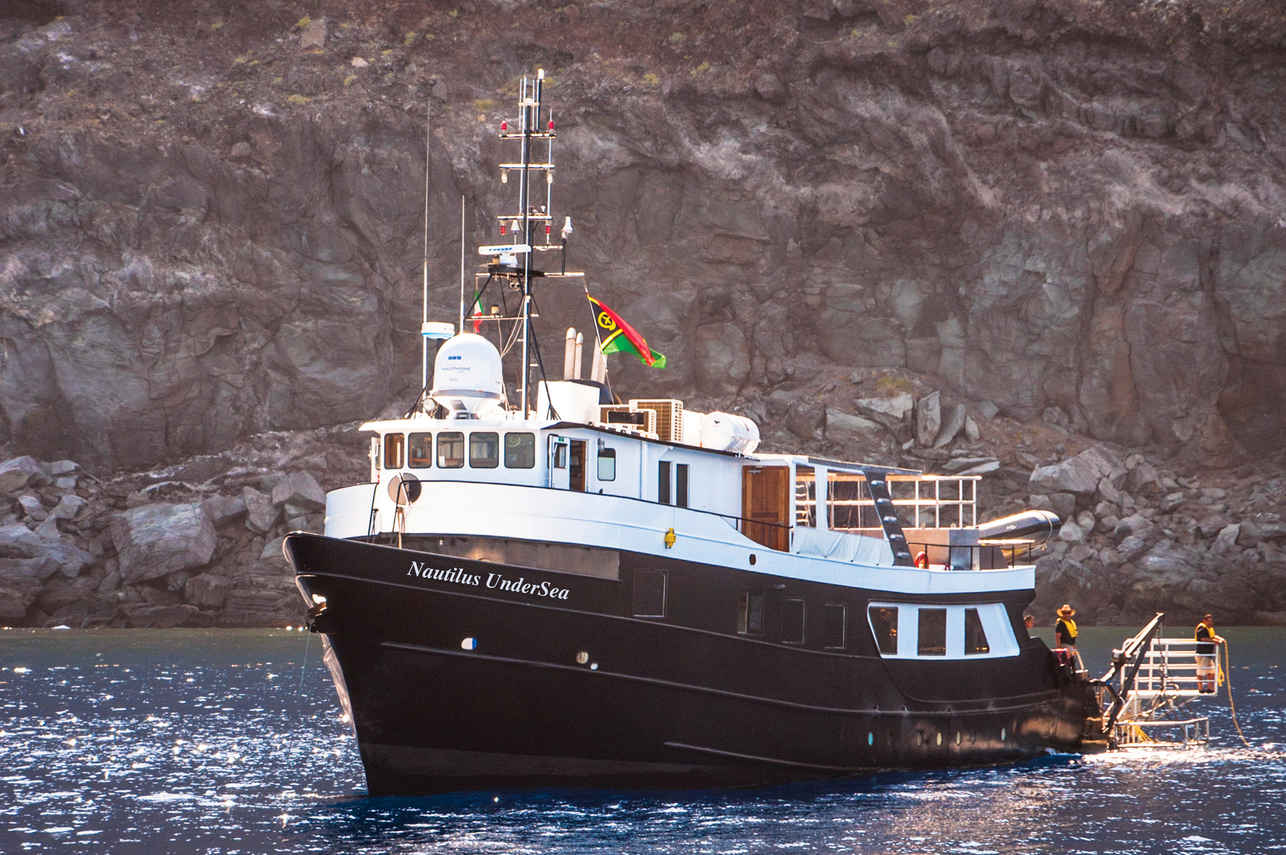
Nautilus Under Sea
Mexico
19 guests32 m
$261/day
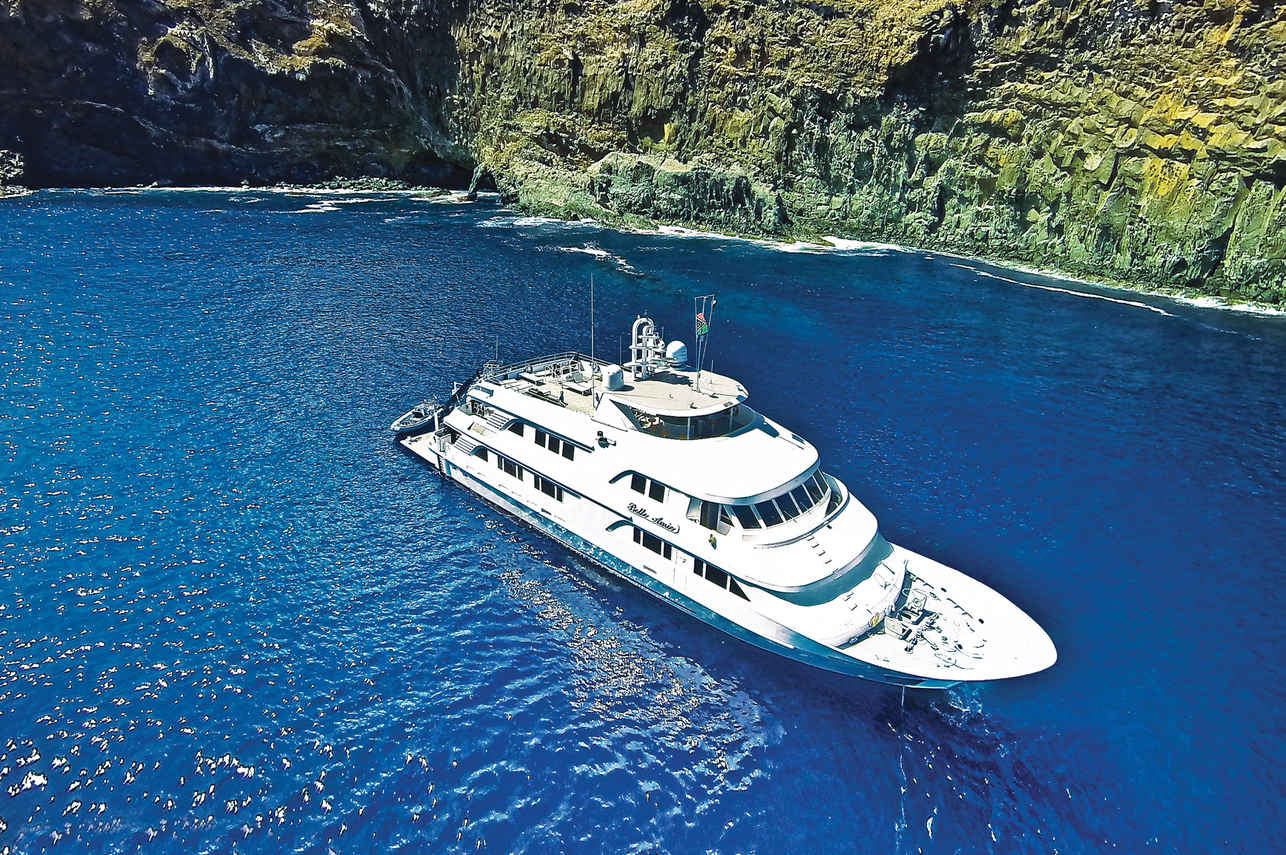
Nautilus Belle Amie
Mexico
32 guests44.8 m
$249/day
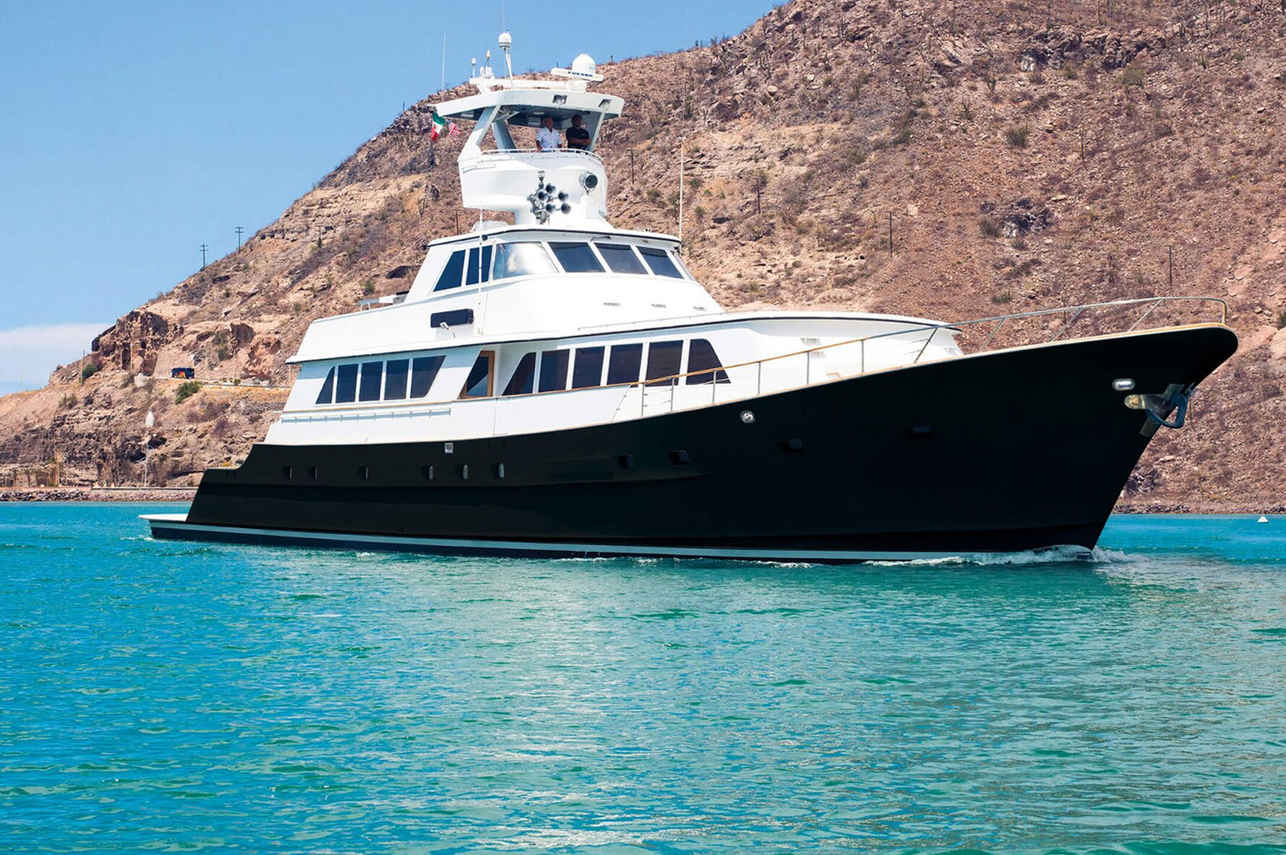
Nautilus Gallant Lady
Mexico
12 guests35.36 m
$332/day
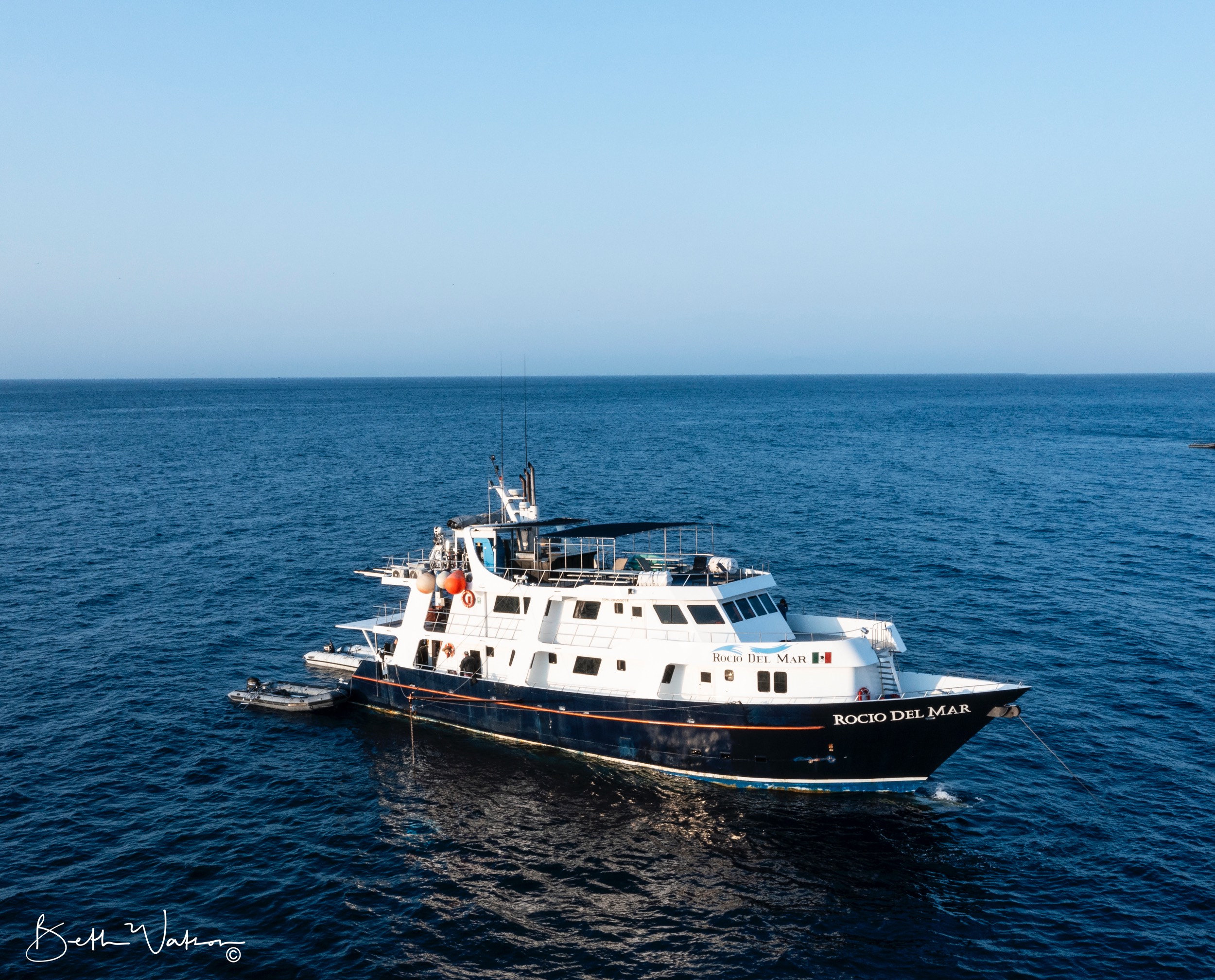
Rocio del Mar
Mexico
20 guests33.5 m
$392/day
Dive sites similar to Juan Escutia C-56
Same character, same waters — six more sites divers love for the exact same reasons.Compare seasons, access and liveaboard routes — then pick the site that fits your trip best.
© Esri — Maxar, Earthstar, GIS
Tak Be Luum
Mexico
Cenote Tak Be Luum, located in the Mexican state of Quintana Roo, is an exceptional cavern dive that forms part of the vast Sac Actun underwater cave system, one of the world's largest.
- Suitable for
- Advanced
- Current
- No current
- Access
- Shore / dayboat
- Depth
- 4–9 m
- Theme
- Reef
© Esri — Maxar, Earthstar, GIS
Neptune's Finger
Mexico
Neptune's Finger is a renowned dive site located in Cabo San Lucas, Mexico, at the southern tip of the Baja California Peninsula.
- Suitable for
- Beginner
- Current
- Mild
- Access
- Liveaboard or dayboat
- Depth
- 4–152 m
- Theme
- Reef
© Esri — Maxar, Earthstar, GIS
Majahuitas
Mexico
Majahuitas is a pristine and secluded cove located on the southern coast of Banderas Bay, near Puerto Vallarta, Mexico.
- Suitable for
- Beginner
- Current
- Mild
- Access
- Dayboat
- Depth
- 8–14 m
- Theme
- Reef
La Poza is a remarkable dive site located in Xcalak, a serene fishing village situated on Mexico's Caribbean coast, near the Belize border.
- Suitable for
- Advanced
- Current
- Mild
- Access
- Shore / dayboat
- Depth
- 20–25 m
- Theme
- Reef
© Esri — Maxar, Earthstar, GIS
Siete Bocas
Mexico
Cenote Siete Bocas, meaning "Seven Mouths," is a unique cavern dive site nestled along the Ruta de los Cenotes near Puerto Morelos in Mexico's Riviera Maya.
- Suitable for
- Intermediate
- Current
- No current
- Access
- Shore / dayboat
- Depth
- ≤ 30 m
- Theme
- Reef
© Esri — Maxar, Earthstar, GIS
Sleeping Shark Cave
Mexico
Sleeping Shark Cave is a legendary underwater site situated off the eastern coast of Isla Mujeres, Mexico.
- Suitable for
- Intermediate
- Current
- No current
- Access
- Liveaboard or dayboat
- Depth
- 16–20 m
- Theme
- Reef