Dominican Republic Liveaboard Diving
Divers Alert Network (DAN) logoFree dive insuranceincluded with every booking

Liveaboards in the Dominican Republic

from $328 / day

1 of 1 · Dominican Republic liveaboard routes, seasons & prices

Turks & Caicos Aggressor II

Experience dramatic wall dives and majestic whale encounters in total comfort.

  • Individual Climate Control
  • Private Ensuite Bath
  • In-Room Media Player
18 guestsfrom $328/day

Diving in the Caribbean: wrecks, walls and humpback whales

Few underwater encounters compare to the profound experience of sharing the water with North Atlantic humpback whales. Each year, these gentle giants journey to the protected marine sanctuary of the Silver Bank, a remote offshore plateau accessible only by vessel. This congregation, one of the largest in the world, is for the sole purposes of mating, giving birth, and nursing calves in the warm, safe waters. A Dominican Republic liveaboard is the exclusive means to witness this incredible spectacle, offering a front-row seat to one of nature's most moving events.

While the country is known for varied Dominican Republic diving, the liveaboard focus is singular and powerful. The itinerary is dedicated to respectful, soft-in-water encounters with the humpbacks. The best dive sites a Dominican Republic liveaboard visits are not coral reefs, but the designated zones within the Silver Bank and nearby Navidad Bank. Here, under strict guidelines, you may find yourself swimming near a curious calf, observing a mother resting below, or feeling the resonating songs of courting males vibrate through your entire body. These are not scuba dives, but intimate, surface-level experiences that prioritize the well-being of the whales.

This world-class wildlife event is highly seasonal, occurring within a narrow window from mid-January through the end of March. During these months, surface conditions in the open ocean can be choppy, but the reward is unparalleled access to the whale pods. Water temperatures are a comfortable 25-26°C (77-79°F), and while underwater visibility can vary, the sheer size and proximity of the whales make it a non-issue. Planning is essential as trips are limited and book out far in advance to coincide with the peak of the whale migration.

A Dominican Republic liveaboard to the Silver Bank is ideal for the patient ocean enthusiast, wildlife photographer, and experienced traveler whose priority is a singular, profound megafauna encounter. It is less a trip for divers seeking maximum bottom time and more a specialized expedition for those who understand the privilege of witnessing natural behavior on a grand scale. If your dive log is defined by the quality and uniqueness of your encounters rather than sheer quantity, this journey to the winter home of the humpback whale is an essential, bucket-list experience.

Why dive a liveaboard in the Dominican Republic

From legendary wrecks and thriving reefs to close-up encounters with iconic marine life, this destination offers the experiences divers dream about. Warm, clear waters and well-organized liveaboard routes make it easy to explore the best sites. These are the highlights that keep divers coming back year after year.

Humpback whales

Thousands migrate to Silver Bank each winter to mate and calve

Wreck diving

Historic shipwrecks including the St. George and Atlantic Princess

Cave diving

Unique freshwater cenote-like caves at Padre Nuestro

Wall diving

Dramatic walls at Catalina Island with abundant coral coverage

Who a liveaboard in the Caribbean suits — and who it doesn't

Reef and wreck diving on two coasts, plus the Silver Bank — the world’s best-known humpback whale in-water encounter, which is snorkelling, not diving.

Beginners

Open Water, from about 20 dives

Bayahibe and the Catalina and Saona island reefs are shallow, warm and calm, with easy shore-based logistics.

Matching areas:BayahibeCatalina IslandSaona

Advanced divers

Advanced, wall and wreck dives

The Catalina wall drops from about 12 metres, and the St. George wreck near Bayahibe sits at roughly 15 to 40 metres.

Matching areas:Catalina WallSt. George wreckPunta Cana

Deep and technical

Deep, Nitrox, limited technical scene

The St. George offers structured penetration for trained divers and the Catalina wall runs past recreational depth; technical support exists but is concentrated in a few Bayahibe operators.

Matching areas:St. George wreckCatalina Wall

Photo and video

Wide-angle plus the Silver Bank season

Humpback whale encounters on the Silver Bank run roughly late January to early April under permit — snorkel only, no scuba.

Matching areas:Silver BankCatalina IslandBayahibe

Best time to dive in the Dominican Republic

Timing is critical for a Dominican Republic liveaboard, as the unique whale encounters are strictly seasonal. The season runs from mid-January through the end of March, coinciding with the annual humpback whale migration to the Silver Bank. While water temperatures remain a comfortable 25-26°C, surface conditions in the open ocean can be choppy during these months. Trips are concentrated between January and March, with February and March considered the peak for whale activity and booking out well in advance.

👆 Click any month for detailed conditions
Excellent
Good
Off-Season

Dec – Apr (Dry Season)

Best visibility 25–40m, calm seas. Humpback whale season Jan–Mar in Silver Bank. Ideal water temperatures 25–27°C.

May – Nov (Wet/Hurricane Season)

Warmer water, occasional rain reduces visibility. Hurricane risk Aug–Oct but diving continues. Fewer crowds, better prices.

Underwater visibility

37m
(121ft)
28m
(90ft)
18m
(59ft)
Jan
Feb
Mar
Apr
May
Jun
Jul
Aug
Sep
Oct
Nov
Dec

Air & water temperature

34°C 29°C 24°C
26°
28°
26°
28°
27°
29°
27°
30°
28°
30°
28°
31°
29°
32°
29°
32°
29°
31°
28°
30°
27°
29°
26°
28°
Jan
Feb
Mar
Apr
May
Jun
Jul
Aug
Sep
Oct
Nov
Dec
Water
Air (Day)

Recommended wetsuit

5mm
5mm
3mm
3mm
3mm
3mm
3mm
3mm
3mm
3mm
3mm
5mm
Jan
Feb
Mar
Apr
May
Jun
Jul
Aug
Sep
Oct
Nov
Dec
3mm (warm)
5mm (moderate)
Wetsuit Guide

What you'll see diving in the Caribbean

The marine life focus of a Dominican Republic liveaboard is the North Atlantic humpback whale, with thousands gathering from January to March. You can expect powerful soft-in-water encounters with mothers and their calves or hear the songs of courting males vibrating through the water. While some itineraries include reef diving at Navidad Bank, the primary encounters are with the whales. On the reefs, divers might also spot nurse sharks, eagle rays, barracudas, and green or hawksbill turtles.

When to See What

Use this calendar as a guide: the highlighted months show when your chances are usually best. Wildlife follows its own rhythm, so sightings are never guaranteed — but we hope this makes planning a little easier. The Dominican Republic's underwater calendar is defined by the arrival of the North Atlantic humpback whale population at the Silver Bank. These majestic giants congregate to mate and give birth from mid-January through March, creating a spectacular but brief window for liveaboard encounters.

Species
Jan
Feb
Mar
Apr
May
Jun
Jul
Aug
Sep
Oct
Nov
Dec
Sennet
Sennet
Sponge
Sponge
Lizardfish
Lizardfish
Needlefish
Needlefish
Numbfish
Numbfish
Painted Tunicate
Painted Tunicate
Pilotfish
Pilotfish
Porkfish
Porkfish
Purple Tunicate
Purple Tunicate
Remora
Remora
Scad
Scad
Sea Hare
Sea Hare
Sea Slug
Sea Slug
Sharpnose Puffer
Sharpnose Puffer
Shy Hamlet
Shy Hamlet
★
Peak Season
Present
Rare/Absent

Silver Bank and Catalina Island Wall: the best dive sites in the Dominican Republic

The primary destination for any Dominican Republic liveaboard is the Silver Bank, a remote, submerged plateau located 130km north of the coast. This protected marine sanctuary is only accessible by vessel, making a liveaboard essential for the experience. The 'diving' here consists of soft-in-water snorkeling encounters in designated zones, not scuba diving. Some itineraries also venture to the nearby Navidad Bank for a mix of whale watching and potential reef exploration.

© Esri — Source: Esri, Maxar, Earthstar, GIS Community · Labels © Esri — HERE, Garmin, FAO, NOAA, USGS
1

Deep Wall

WallIntermediate
11–33m / 36–108ftBest: December–May19.7904°, -70.4537°

Deep Wall is an ideal dive site located near Sosúa in the Dominican Republic, offering a unique experience that belies its name by being highly accessible even for beginners. While the 'wall' designation might suggest challenging depths, the primary dive experience focuses on the rich upper reef section that transitions into a comfortable drop-off. The topography features a reef wall adorned with orange cup corals and sea whips, alongside sandy channels that provide shelter for various species. Divers typically explore the top reef, navigating overhangs and observing the vibrant coral formations. This site offers a dynamic environment where the reef meets the blue, ensuring engaging dives without excessive depth. Marine life is abundant and diverse, with regular sightings of hawksbill turtles and nurse sharks resting within the sandy areas. Other notable inhabitants include eagle rays, moray eels, and lobsters, creating a lively underwater spectacle. The consistent presence of these creatures adds to the appeal of Deep Wall throughout the year. The site benefits from easy boat access and generally reliable conditions, making it a staple for dive operators along the north coast. Its beginner-friendly nature combined with rich biodiversity ensures a rewarding experience for divers of all skill levels, allowing for extended bottom times to fully appreciate the reef's intricacies.

Beginner-friendly wall divingOrange cup corals, sea whipsHawksbill turtles, nurse sharksSandy channels and overhangsReliable dive conditionsEasy boat access
2

Limon

WreckBeginner
1–1m / 3–3ftBest: June–September18.4371°, -69.6148°

Limon is a dive site located in the Dominican Republic, near Boca Chica, nestled within an underwater national park. This site features a 70-foot (21-meter) tugboat that was intentionally sunk to create an artificial reef, now resting close to natural coral formations. It is positioned in proximity to the larger Hickory wreck, making it a popular choice for divers seeking multiple wreck experiences in one area. This shallow dive site is characterized by abundant coral reefs and a diverse array of marine species that have colonized both the wreck and its surrounding environment. The wreck itself provides shelter and a foundation for thriving marine life, contributing to the rich biodiversity of the area. Its accessible depth ensures that both novice and experienced divers can enjoy its underwater attractions. Divers here can observe the fascinating process of nature reclaiming man-made structures, with the tugboat's skeleton becoming an integral part of the reef ecosystem. The site is vibrant with color from sponges and various encrusting corals. The proximity to other dive sites in the national park also allows for varied dive planning and extended exploration of the region's underwater landscapes. The overall diving experience at Limon is considered straightforward and enjoyable due to its shallow nature and the clear conditions often found in the Caribbean waters. It serves as an excellent introduction to wreck diving for beginners while still offering captivating marine life for more seasoned divers.

Purpose-sunk tugboat wreckAbundant sponges and coralsDiverse tropical reef fishShallow, accessible depthPart of underwater national parkClose to Hickory wreck
3

Mar Chiquita

ReefBeginner
Best: November–April19.0916°, -69.5363°

Mar Chiquita is a distinctive coastal feature located on Puerto Rico's north coast, within the municipality of Manatí. This site is renowned for its unique natural rock formations, including a prominent arch and a crescent-shaped cove carved by wave action. The area is characterized by dramatic limestone formations and a shoreline that is predominantly rocky, though small sandy entry points are available. Its striking appearance makes it one of the most visually appealing beaches in the region. The topography features a natural rock "pool" inside the cove, offering a calmer area even when the surf is rough outside. This protected space is formed by a wall of rocks parallel to the coastline, creating a natural basin. Outside the protective rock barrier, the gap in the rocks funnels powerful surf, making it a high-energy spot for wave watching and bodyboarding. The water inside the natural pool can be surprisingly calm and suitable for short swims, particularly when tides are favorable, with good visibility reported for snorkeling in calmer conditions. While the sources primarily focus on the beach's geological features and recreational aspects like swimming and snorkeling, there is no specific mention of unique marine life species or seasonal aggregation events for diving. Snorkeling is mentioned as an activity with potential for decent visibility when conditions are calm. The site is generally considered a spot for quick dips and people-watching rather than extensive marine life encounters. Diving at Mar Chiquita is not explicitly mentioned in the sources, which describe it mainly as a beach for swimming, snorkeling, and wave watching. The primary experience highlighted is enjoying the natural pool and observing the powerful waves. The site can become crowded, especially on weekends, suggesting that early weekday visits are preferable to avoid throngs. The description of currents as "sketchy" inside the calm pool implies that even in seemingly protected areas, water movement should be respected.

Natural rock archCrescent-shaped coveDramatic limestone formationsProtected natural poolHigh-energy wave watchingBodyboarding spotUnique coastal scenery
4

Tortuga

ReefIntermediate
16–16m / 52–52ftBest: June–October, May–November18.4639°, -69.8585°

Tortuga is a well-regarded dive site located within the National Park of the East, a roughly 30-minute boat journey from Coral Point. As its name suggests, this site is a known hot spot for observing turtles and other significant marine life in the Bayahibe area. The site benefits from its protected national park status, which prohibits fishing and contributes to the healthy and lively underwater ecosystem. The topography features a shallow reef garden, starting at approximately 12 meters and sloping down to 16 meters, with colorful corals and sponges covering the seafloor. The excellent visibility, often exceeding 20 meters, allows for clear views of the extensive marine community and the vibrant reef structures. While turtles are a main attraction, the site also offers frequent sightings of eagle rays, lionfish, and green moray eels. Nudibranchs are also present, adding to the macro diversity. The marine life thrives in the calm, low-current conditions that prevail here, making for a relaxed diving experience. Tortuga is renowned for its easy diving conditions, suitable for divers of all abilities, including beginners. Its shallow depths and minimal currents provide a leisurely environment to explore the reef. Snorkelers can also enjoy the site, viewing the rich marine life from the surface due to the exceptional water clarity.

Abundant green and hawksbill turtlesCalm, clear Caribbean reefInside National Park of the EastShallow coral gardensFrequent eagle ray sightingsAccessible for all diver levels

Bucket-list dives worth booking early

The undisputed bucket-list experience in the Dominican Republic is the soft-in-water encounter with humpback whales at the Silver Bank. Floating on the surface while a mother and her curious calf swim peacefully below is a life-changing moment. Feeling the powerful songs of courting males vibrate through the water is an equally profound experience. Witnessing the spectacular surface displays of breaching and tail slapping from the tender boat completes this unforgettable wildlife expedition.

Underwater view of the dive site Humpback Whale Season in the Dominican Republic
1
January – March

Silver Bank

Witness thousands of humpback whales migrating to the warm waters of Silver Bank for breeding and calving – one of only three places worldwide for in-water whale encounters.

Read more
Underwater view of the dive site Silver Bank Snorkeling in the Dominican Republic
2
January – April

Silver Bank

Float in crystal-clear water as mother humpback whales and their calves pass beneath you – a life-changing encounter in this protected marine sanctuary.

Read more
Underwater view of the dive site Catalina Island Wall in the Dominican Republic
3
Year-round

Catalina Island

Dive the dramatic underwater walls of Catalina Island, where colorful coral gardens, nurse sharks, and rays thrive in warm Caribbean waters.

Read more

Above water: climate, shore trips and extra costs

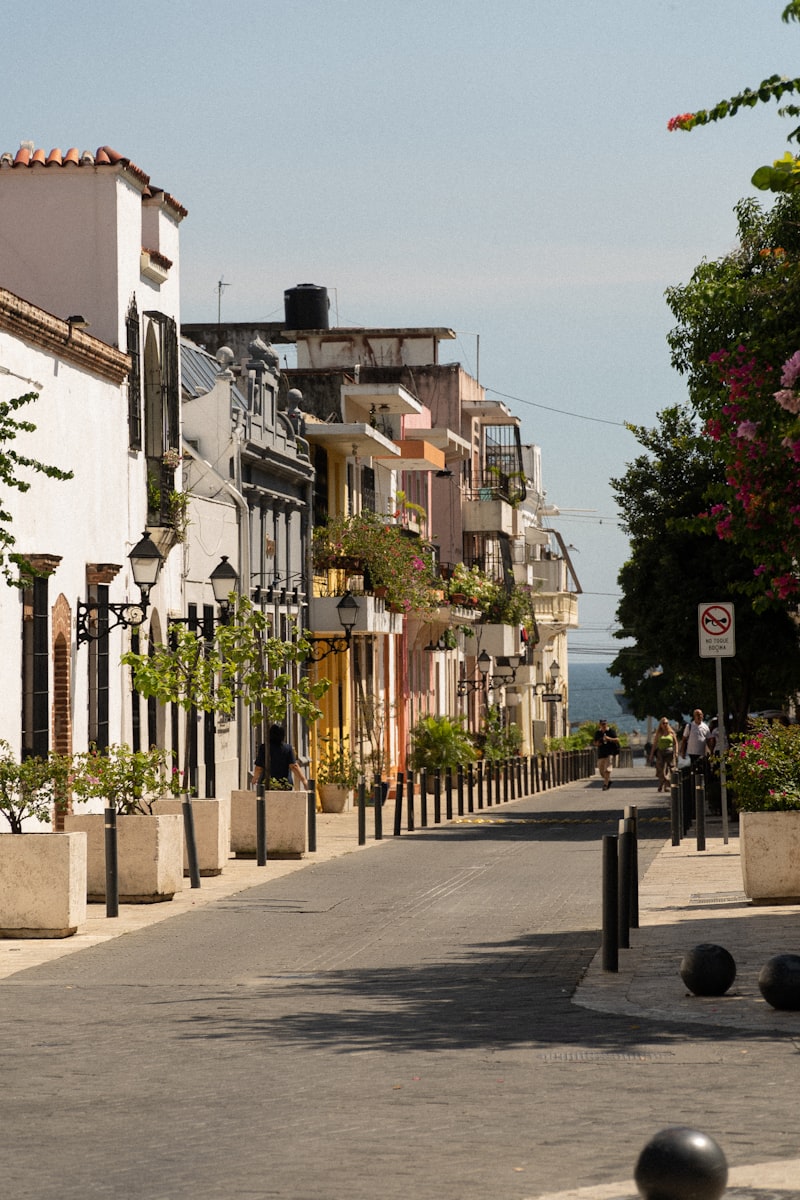
Before or after your whale expedition, the Dominican Republic offers rich topside attractions. You can explore the historic Colonial Zone of Santo Domingo, a UNESCO World Heritage site, or hike the 27 Waterfalls of Damajagua near the departure port of Puerto Plata. For more coastal beauty, consider whale watching from the Samaná Peninsula or taking a day trip to the pristine beaches of Isla Saona. Land-based diving is also available from Bayahibe.

Santo Domingo Colonial Zone

Santo Domingo Colonial Zone

The oldest European city in the Americas with stunning colonial architecture and UNESCO World Heritage status.

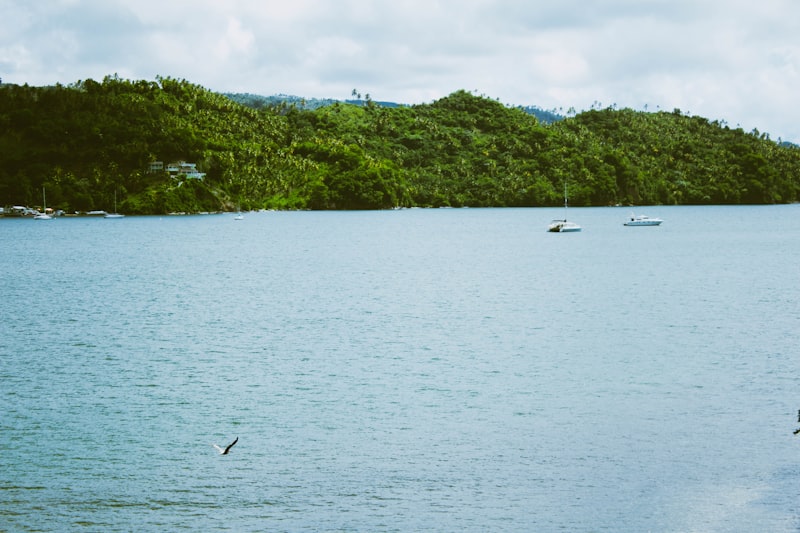
Samaná Peninsula

Samaná Peninsula

Whale watching from January to March, El Limón waterfall, and pristine beaches in a jungle setting.

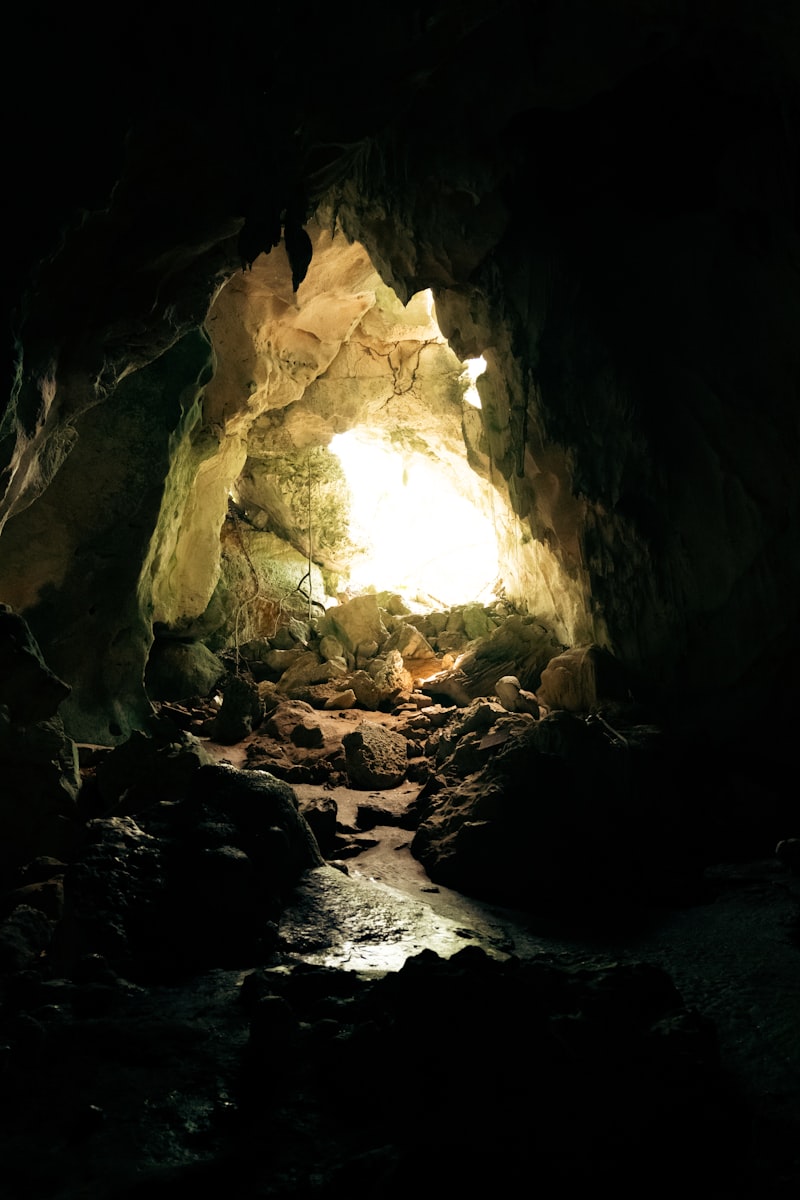
Los Haitises National Park

Los Haitises National Park

Mangroves, caves with Taino petroglyphs, and diverse bird life accessible only by boat.

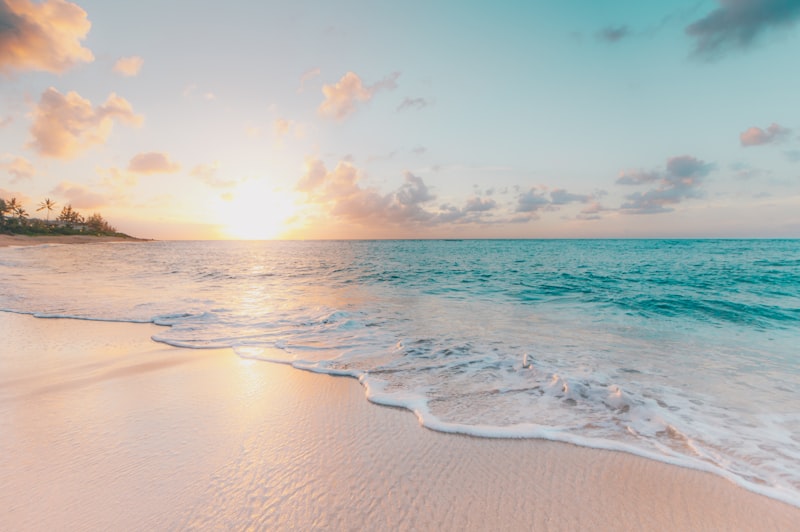
Punta Cana Beaches

Punta Cana Beaches

World-famous white sand beaches and turquoise Caribbean waters. Perfect for relaxation between dive days.

What a liveaboard in the Dominican Republic costs

The calendar below shows how liveaboard prices shift month by month, so you can see exactly when your money goes furthest. We want every diver to get the best possible value, which is why we highlight the seasons that balance great conditions with the fairest rates.

A liveaboard trip to the Dominican Republic's Silver Bank is a premium experience, with costs reflecting its exclusive nature and limited access. Only a handful of vessels hold the necessary permits, creating high demand for a small number of spots, particularly during the peak whale months of February and March. Prices are driven by this seasonality and the trip's specialized focus on a world-class wildlife event rather than by a high volume of dives.

$328

per day liveaboard

$68–$136

per 2-tank dive trip

$45–$171

hotel per night

Prices reflect typical costs for mid-range to premium options. Budget alternatives may be available.

Getting to Punta Cana and Santo Domingo: flights and transfers

Getting to your Dominican Republic liveaboard is straightforward, with trips to the Silver Bank departing from Puerto Plata on the north coast. International travelers should fly into Gregorio Luperón International Airport (POP), where transfers to the departure marina are usually included. Most EU, US, Canadian, and UK citizens can enter with a valid passport for up to 30 days, but an electronic e-ticket form must be completed before arrival.

Insider tips

🤿

Visit during shoulder season (May-June) for lower prices and good diving conditions

🏨

Stay in Bayahibe for easy access to the best dive sites

🎯

Silver Bank whale trips book out months in advance—reserve early

🏨

Local dive shops in Bayahibe offer competitive pricing compared to resort packages

Getting there

Punta Cana International Airport

Punta Cana • PUJ

Main tourist gateway, direct flights from US, Europe and Latin America

Las Américas International Airport

Santo Domingo • SDQ

Capital city airport, 2hrs to Bayahibe dive hub

Gregorio Luperón International Airport

Puerto Plata • POP

Northern gateway for Silver Bank whale trips

Entry requirements

Most nationalities receive a 30-day tourist visa on arrival. EU, US, Canadian, and UK citizens can enter with a valid passport. An e-ticket form must be filled out before arrival.

This information is provided without guarantee. Please visit the official website for the latest entry requirements.

Official Immigration Information →

Frequently asked questions about liveaboards in the Dominican Republic

When is the best time to dive in the Dominican Republic?
Diving conditions in the Dominican Republic change throughout the year. Check our month-by-month best-time-to-dive guides to plan around peak visibility, weather and marine life encounters.
Do I need a liveaboard to dive in the Dominican Republic?
A liveaboard gives you access to remote dive sites in the Dominican Republic that day boats cannot reach, plus 3–5 dives per day in maximum comfort. For the best dives in the Dominican Republic, a liveaboard is the recommended choice.
What certification do I need to dive in the Dominican Republic?
Most Dominican Republic liveaboards require Open Water as a minimum, with Advanced Open Water and 30+ logged dives recommended for currents and deeper sites. Some expert routes require Tech or 100+ dives.
How much does a Dominican Republic liveaboard cost?
Liveaboard prices in the Dominican Republic typically range from €1,500 to €6,000+ per week depending on vessel category, route length and season. Browse the boats below for live pricing.
Do I need a visa for Dominican Republic?
Visa requirements vary by your nationality. Always check the latest entry rules with the destination's official government source before booking flights.
Is diving in the Dominican Republic safe for beginners?
Many Dominican Republic sites are beginner-friendly, but some routes feature strong currents or deep walls suited only to experienced divers. Check each vessel's recommended experience level.

The Dominican Republic compared with other liveaboard destinations

Honest, in-depth comparisons to help you decide between destinations, certifications, equipment and dive styles.

Liveaboard vs Land-Based Diving: Which Trip Is Right for You?

Choosing between a liveaboard and a land-based dive trip is the most fundamental decision divers face when planning a serious diving holiday. The right answer depends on your priorities: maximum dive count and access to remote sites favor liveaboards; beach time, family flexibility and lower cost favor land-based resorts. Both formats have evolved significantly in the last decade, and the line between them has blurred — luxury dive resorts now offer multi-day expedition trips, while many liveaboards include topside excursions and even spa days. This guide compares the two formats across every meaningful dimension: cost per day, dives per day, marine life access, comfort, social dynamics, family-friendliness, and travel logistics. We'll also cover the hybrid models (resort + day-charter, or 'safari boat' itineraries) that try to capture the best of both worlds. If you're certified, in love with diving and want to maximize bottom time, a liveaboard is almost always the better choice — you can clock 25+ dives in a week and reach sites no day boat can. If you're traveling with non-divers, prefer land-based comfort, or want flexibility to take days off, a resort wins. We'll get into all the nuances below.

Read comparison

Mexico vs. Dominican Republic: Your Liveaboard Dive Destination

Choosing your next liveaboard adventure involves weighing diverse factors, from the vibrant marine ecosystems to the logistical ease of travel. Mexico and the Dominican Republic, both premier dive destinations in the Americas, offer distinct underwater experiences that cater to different preferences and skill levels. Mexico, renowned for its vast Pacific and Caribbean coasts, presents an unparalleled diversity, from the pelagic giants of Baja California to the intricate reef systems of the Yucatán Peninsula. Its liveaboard offerings are extensive, focusing on big animal encounters and remote, pristine dive sites. Conversely, the Dominican Republic, nestled in the heart of the Caribbean, provides a more intimate dive experience, often characterized by colorful coral reefs, historical wrecks, and an abundance of macro life. While its liveaboard fleet is smaller, it offers unique access to specific dive regions and a different flavor of Caribbean diving. This comparison will help you navigate the nuances and decide which destination aligns best with your dream dive vacation.

Read comparison

Beyond the Limits: Recreational vs. Technical Diving Explained

Scuba diving opens up a breathtaking world hidden just beneath the surface, an activity enjoyed by millions globally. For the vast majority, this means recreational diving. Governed by agencies like PADI and SSI, recreational diving is defined by its limits: no deeper than 40 meters (130 feet), always having a direct path to the surface, and staying within no-decompression limits. This framework allows divers to explore vibrant coral reefs, shipwrecks, and kelp forests with relatively simple equipment and training, focusing on enjoyment and safety within a well-established comfort zone. On the other end of the spectrum lies technical (or tec) diving. Often seen as the 'extreme sport' of the scuba world, tec diving is explicitly about going beyond recreational limits. This means diving deeper than 40 meters, planning for mandatory decompression stops on ascent, or penetrating far into overhead environments like caves or complex wrecks. Agencies such as Technical Diving International (TDI), Global Underwater Explorers (GUE), and PADI's TecRec arm provide the highly specialized training required for these demanding dives. The fundamental difference is one of philosophy. Recreational diving prioritizes risk avoidance by staying within strict, pre-defined boundaries. Technical diving, in contrast, is about risk mitigation. Tec divers intentionally plan to enter situations that would be emergencies for recreational divers, but they do so with extensive training, meticulous planning, redundant equipment systems, and specialized breathing gases. It's a calculated approach to exploring environments that are otherwise inaccessible. This distinction isn't just about numbers and gear; it’s about mindset and motivation. While a recreational diver might be thrilled by the colorful reefs of the Red Sea, a technical diver might be drawn to the challenge of exploring a deep, historic wreck like the Britannic off the coast of Greece. Understanding the differences in limits, equipment, training, and risk is crucial for any diver considering where their underwater journey might lead next.

Read comparison
Plan your trip

Ready to dive?

Explore our expedition vessels and find your perfect trip to Dominican Republic

4.8246 Reviews