About Vatu Vai
Vatu Vai, locally known as "Manta Rock," stands as a premier dive site nestled near Wakaya Island in Fiji. It gained its reputation as an active cleaning station, attracting numerous manta rays, making it a focal point for divers eager to witness these majestic creatures up close. The site is part of the extensive reef system off Wakaya's west side, an area noted for its vibrant hard and soft coral formations and pelagic encounters. Diving at Vatu Vai typically involves exploring the outer reef walls where mantas patrol. Beyond the headline attractions, the site supports a rich ecosystem of reef sharks, diverse fish schools, and intriguing macro life. The topography often features gentle slopes and walls, providing ample opportunity to observe both large pelagics and smaller invertebrates. It's a site that rewards attentive divers with a broad spectrum of marine biodiversity. While manta ray sightings are a significant draw, Vatu Vai consistently offers excellent conditions for underwater photography and general reef exploration. The health of the coral structures contributes to the site's overall appeal, ensuring a visually stimulating dive experience. Its location, remote from the main islands, contributes to a pristine environment, primarily accessed via liveaboards or exclusive resort transfers. Water temperatures remain warm year-round, ranging from 25–29°C (77–84°F), maintaining comfort for extended dives. Visibility is generally good, especially during the dry season, enhancing the clarity of the vibrant underwater landscape. Vatu Vai embodies Fiji's reputation as a world-class diving destination, blending thrilling encounters with serene reef exploration.
Highlights
Manta ray cleaning stationEncounters with black mantasVibrant hard and soft coralsActive reef shark sightingsDiverse pelagic and macro lifeRemote, pristine environment
Season calendar
Best months to dive here
Jan
Feb
Mar
Apr
May
Jun
Jul
Aug
Sep
Oct
Nov
Dec
Good
Dive site facts: Vatu Vai
- Depth
- 8–32 m
- Current
- Moderate
- Visibility
- 20–40 m
- Water temperature
- 25–29°C
- Entry
- Tender / Negative entry possible
- Level
- Open Water Diver, Manta experience helpful
- Dive type
- Manta cleaning station, reef dive
- Night dive
- Possible
- Region / port
- Wakaya Island / Lomaiviti Group
- Coordinates
- -17.05, 179.2
Conditions & Currents
Currents at Vatu Vai are generally described as moderate, influenced by tidal movements. Divers can expect a gentle to mild drift, particularly along the outer reef walls where manta rays are frequently seen. Entry is typically by tender, often involving a negative entry to reach the desired depth quickly and position divers effectively for manta sightings. Exit strategies are usually straightforward, returning to the tender after the dive. While strong currents are less common, awareness of local conditions and dive guide briefings is crucial for an enjoyable and safe dive. Visibility remains consistently good, often excellent, providing clear views of the cleaning station activity and the surrounding reef structure.
Marine life & sighting chances
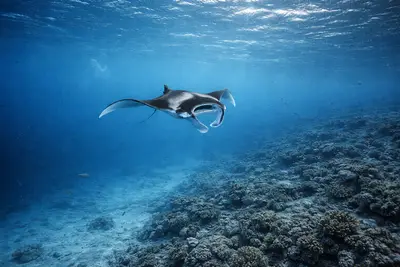
Manta Ray
common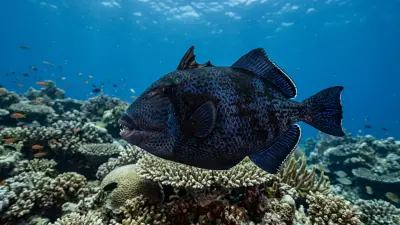
Black Manta
occasional
Grey Reef Shark
occasionalWhite Tip Reef Shark
occasional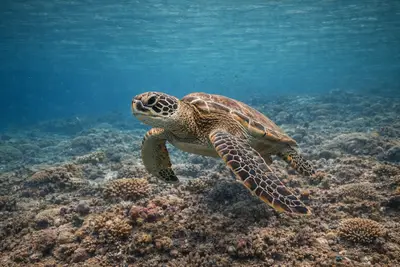
Green Sea Turtle
occasional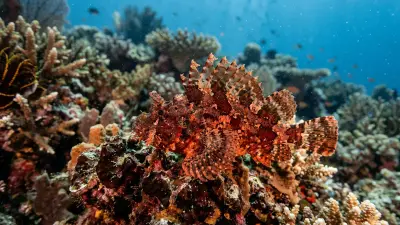
Leaf Scorpionfish
occasional
Hard Corals
common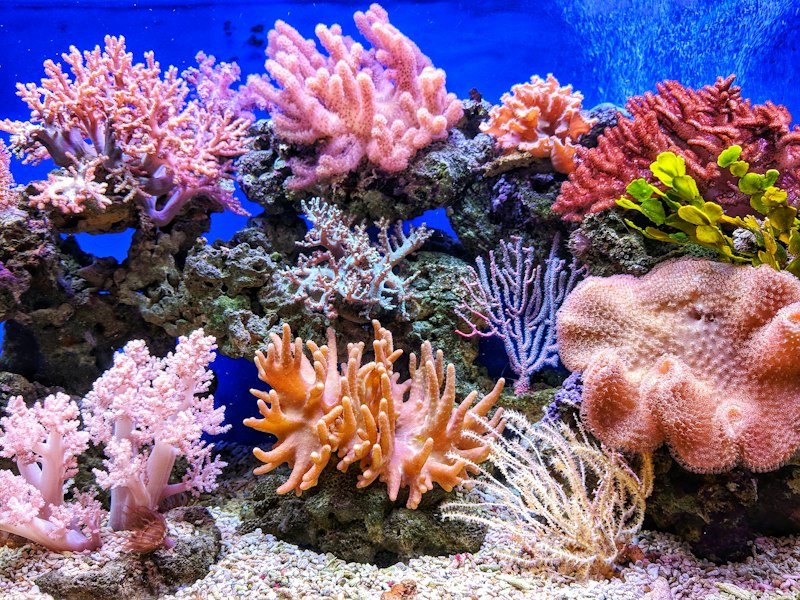
Soft Corals
common
Barracuda
occasionalDive profile & how the dive runs
Dives at Vatu Vai typically begin with a negative entry from a tender, positioning divers efficiently at the cleaning station. The dive then progresses along the outer reef walls, often with a mild current carrying divers past vibrant coral formations. Divers maintain a depth that allows for optimal manta ray viewing, generally in the 15-25 meter range, while also exploring crevices for smaller reef inhabitants. The route usually involves a gentle drift along the wall, observing marine activity and structure. The turnaround point is often determined by air consumption or current changes, prompting a gradual ascent along the reef. Safety stops are conducted in the shallower, protected areas of the reef or in the blue, depending on current and boat positioning, before surfacing for tender pickup.
Underwater photography
Vatu Vai is a prime location for wide-angle photography, especially when focusing on manta rays and the expansive coral landscapes. A fisheye or wide-angle lens will effectively capture the scale of manta encounters and the vibrant reef. Due to potential currents, good buoyancy control is essential to maintain position and avoid damaging corals or disturbing marine life. Strobes are highly recommended to bring out the true colors of the soft corals and illuminate the undersides of passing mantas. For macro enthusiasts, consider a dedicated macro lens if spending time searching for smaller critters, but the primary draw here is the pelagic action. Patience and readiness are key, as mantas can appear suddenly and from any direction.
Combine with nearby dive sites
- Lion’s Den
Another popular site near Wakaya Island, known for hard and soft corals and schooling barracuda.
- Nigali Passage
Located off Gau Island, famous for its shark encounters and strong currents, typically part of a liveaboard itinerary.
- E6
A large pinnacle in the Bligh Water, offering dramatic topography and rich marine life.
- Wakaya Island
The broader area surrounding Vatu Vai, offering various other dive sites.
Getting there & logistics
Access to Vatu Vai is primarily via liveaboards operating in the Lomaiviti Group or specialized transfers from exclusive resorts on Wakaya Island. Flights to Fiji typically arrive at Nadi International Airport (NAN) on Viti Levu. From Nadi, guests usually transfer to a liveaboard departure point or arrange further transport to Wakaya via charter plane or resort boat. Liveaboard trips often span 7-10 days, incorporating sites like Nigali Passage, Wakaya, and Namena Marine Reserve. Due to its remote location, independent day trips are rare, emphasizing the need for organized excursions. Dive operators generally handle all permits and local fees, which may include conservation contributions for protected areas.
Safety & environment
Diving at Vatu Vai is generally safe but requires adherence to standard dive practices and guide instructions. The nearest recompression chambers are located in Suva and Nadi, both requiring significant travel time from Wakaya Island. Divers should ensure comprehensive dive insurance, including evacuation coverage, as medical facilities in remote areas are limited. Potential hazards include moderate currents, which necessitate good buoyancy control and careful entry/exit procedures. Always dive with a reputable operator, follow your guide's directions, and respect marine life, especially the mantas at the cleaning station. Be mindful of boat traffic if surface intervals are near busy channels.
Who it suits — and who it doesn't
Suited for
- Experienced Open Water Divers comfortable with drift dives
- Underwater photographers seeking pelagic action
- Divers interested in manta ray encounters
- Liveaboard guests exploring remote Fijian sites
- Nature enthusiasts appreciating diverse marine ecosystems
Less suited for
- Absolute beginner divers with no current experience
- Divers uncomfortable with potential negative entries
- Those prone to seasickness on longer boat transits
- Individuals seeking shore-based diving convenience
FAQ
Vatu Vai FAQ
What marine life can I expect to see at Vatu Vai?
Vatu Vai is best known as a manta ray cleaning station, offering frequent opportunities to observe these majestic creatures, including rare black mantas. Beyond mantas, you can expect to see reef sharks, green sea turtles, and a variety of colorful hard and soft corals, along with schooling fish and occasional macro life like leaf scorpionfish.
Is Vatu Vai suitable for beginner divers?
While Vatu Vai offers incredible sights, it is generally recommended for experienced Open Water Divers due to potential moderate currents and the common use of negative entries. Divers should be comfortable with drift diving and maintaining good buoyancy control in varying conditions to fully enjoy the site safely.
When is the best time of year to visit Vatu Vai for manta rays?
Manta rays can be spotted at Vatu Vai throughout the year, but the dry season from May to October often provides the best diving conditions with clearer visibility and more stable weather. These conditions enhance the chances of clear sightings and comfortable diving experiences.
How do I get to Vatu Vai?
Vatu Vai's remote location means it is primarily accessed via liveaboard dive cruises that visit the Lomaiviti Group of islands, or through transfers organized by exclusive resorts on Wakaya Island. Most trips start from Nadi International Airport (NAN) and involve further transfers to the liveaboard departure port or Wakaya.
Are there strong currents at Vatu Vai?
Currents at Vatu Vai are typically moderate, often providing a gentle drift along the reef walls. However, like many cleaning stations, current intensity can vary with tides. Dive guides will provide thorough briefings and manage entries to ensure divers are positioned safely and optimally for observing marine life.
Why dive Vatu Vai from a liveaboard?
Vatu Vai is one of Fiji's signature dive sites. A liveaboard sleeps you on the water and puts you in the water for three to four guided dives per day, including dawn and night dives that day-boat operators rarely offer. You skip the daily commute back to port and reach quieter, less-crowded sites in the same region on a single trip.
Below are the liveaboards that include Vatu Vai on their Fiji itineraries.
Liveaboards diving Vatu Vai
These liveaboards may visit Vatu Vai on selected itineraries — the exact dive sites depend on departure, weather and conditions.
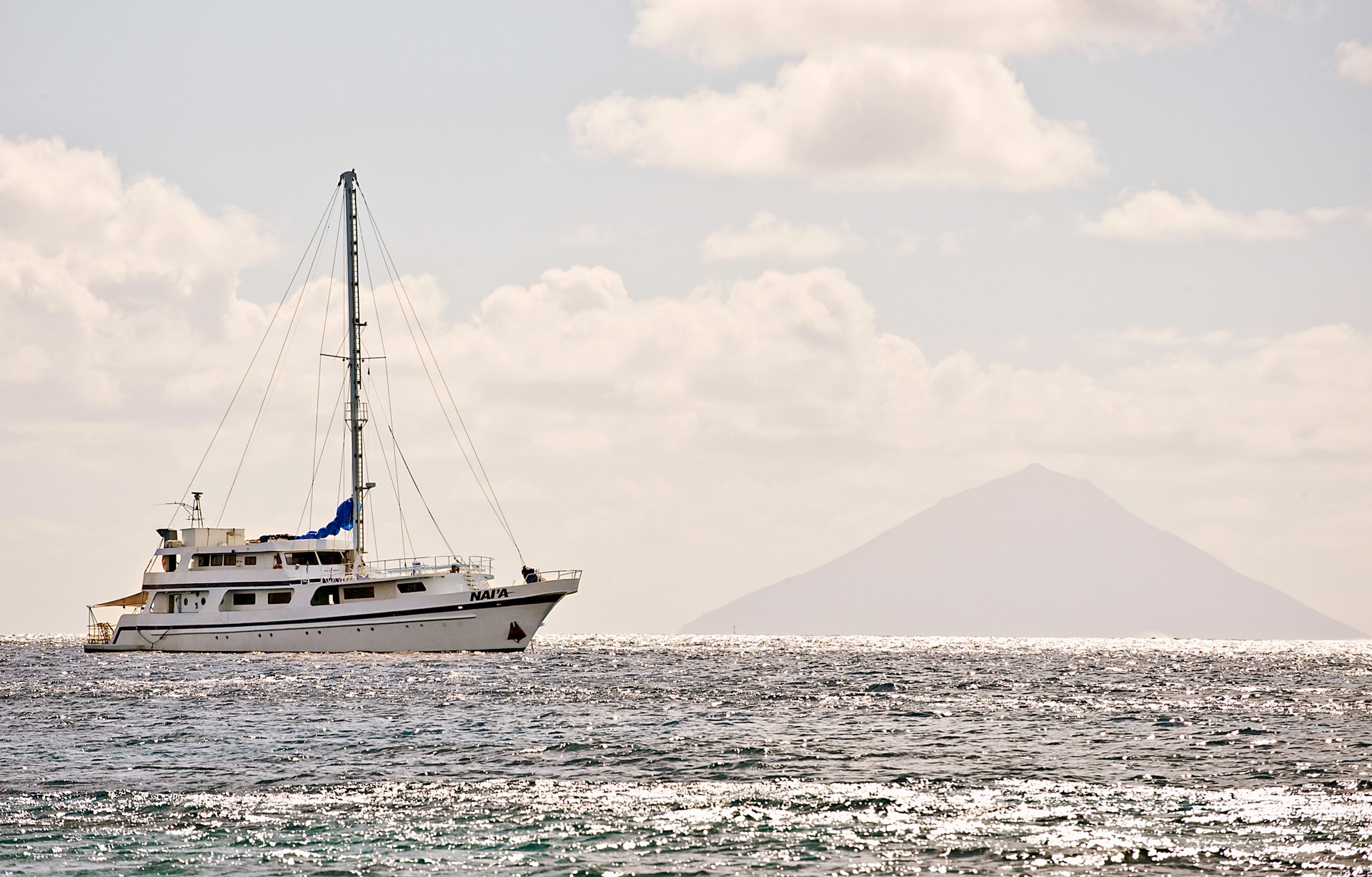
Nai'a
Fiji
16 guests36.576 m
$547/day
Dive sites similar to Vatu Vai
Same character, same waters — six more sites divers love for the exact same reasons.Compare seasons, access and liveaboard routes — then pick the site that fits your trip best.
© Esri — Maxar, Earthstar, GIS
Namena Marine Reserve, nestled in Fiji's Koro Sea, is a crown jewel among the world's elite dive spots, consistently ranked as one of the best global destinations for scuba diving.
- Suitable for
- Advanced
- Current
- Moderate
- Access
- Liveaboard only
- Depth
- 5–40 m
- Theme
- Reef / Wall
© Esri — Maxar, Earthstar, GIS
Dream Maker
Fiji
Dream Maker is a captivating dive site situated on the main reef's point in Fiji, featuring a dynamic topography rich with numerous crevices and swim-throughs.
- Suitable for
- Intermediate
- Current
- Moderate
- Access
- Dayboat
- Depth
- 3–24 m
- Theme
- Reef / Wall
© Esri — Maxar, Earthstar, GIS
Three Brothers
Fiji
Three Brothers, also known as Terumbu Tiga, is a renowned dive site in Fiji, celebrated for its excellent visibility and rich biodiversity.
- Suitable for
- Advanced
- Current
- Mild
- Access
- Liveaboard only
- Depth
- 10–25 m
- Theme
- Reef / Wall
© Esri — Maxar, Earthstar, GIS
Breath Taker
Fiji
Breath Taker is a captivating reef wall dive located in Fiji's Bligh Waters, specifically on the Rakiraki side of Viti Levu.
- Suitable for
- Intermediate
- Current
- Strong
- Access
- Liveaboard or dayboat
- Depth
- 3–36 m
- Theme
- Reef / Wall
Kansas is a distinguished dive site within Fiji's renowned Bligh Waters, celebrated for its spectacular display of soft corals.
- Suitable for
- Advanced
- Current
- Strong
- Access
- Liveaboard or dayboat
- Depth
- 10–30 m
- Theme
- Drift / Pinnacle
© Esri — Maxar, Earthstar, GIS
Naiqoro Passage
Fiji
Naiqoro Passage is a celebrated dive site in the Kadavu region of Fiji, offering an exciting exploration of both shallow reefs and deeper channels.
- Suitable for
- Advanced
- Current
- Strong
- Access
- Liveaboard or dayboat
- Depth
- 8–30 m
- Theme
- Drift / Wall