About U1277
The U1277 is a German submarine wreck located near Porto, Portugal, deliberately sunk by its captain on June 4, 1945, at the end of World War II to prevent its capture. It lies on a sandy seabed at a depth of 31 meters, making it one of Portugal's nationally recognized diving icons and the most interesting wreck dive in the northern region of the country. The submarine rests tilted approximately 45 degrees to its portside, with the stern completely silted into the sand. Facing south, the prow has deteriorated, and the exterior fuselage of the conning tower, which once housed anti-aircraft armament, is now absent. Only the internal hull, constructed from 22mm welded metal plates, the targeting periscope, and a coverless hatch remain visible in the conning tower. The two torpedo launch tubes on the port side have fallen onto the sand, while those on the starboard side remain in place. The U1277's hull is adorned with thousands of small white anemones, *Sargartia elegans*, and a remarkable colony of pink anemones, believed to be descendents from the North Sea. This artificial reef attracts abundant marine life, including numerous pouting fish, some of the largest conger eels found in these waters, and large, curious octopuses. Despite its deteriorating condition, the U1277 offers a distinctive wreck diving experience in the cold, dark waters typical of northern continental Portugal. It provides an opportunity to combine historical exploration with encounters with robust Atlantic species in a unique underwater environment.
Highlights
WWII German U-boat wreckHistoric submarine featuresArtificial reef ecosystemAbundant Atlantic marine lifeAdvanced technical wreck diveIconic Portuguese dive site
Season calendar
Best months to dive here
Jan
Feb
Mar
Apr
May
Jun
Jul
Aug
Sep
Oct
Nov
Dec
Good
Dive site facts: U1277
- Depth
- 30-31 m
- Typical dive
- 40-60 min
- Current
- Mild to variable
- Visibility
- 0-10 m (avg. 3 m)
- Water temperature
- 12-15°C
- Entry
- Boat from Marina de Leça
- Level
- Advanced Open Water
- Dive type
- Wreck, historical, reef
- Night dive
- Possible (occasionally offered)
- Region / port
- Porto, Northern Portugal
- Coordinates
- 41.6050° N, 8.8250° W
Conditions & Currents
Currents around the U-1277 are generally mild, but can vary, especially with local conditions. While the sources do not specify the exact entry and exit techniques, boat diving is the standard approach from nearby marinas. Visibility can be quite limited, often ranging from 0 to 10 meters, with a typical average of 3 meters. Divers frequently report a sandy layer between 12 and 15 meters, which can significantly reduce visibility in that band, sometimes resembling a night dive experience. Water temperatures are consistently cool throughout the year, ranging from 12°C to 15°C, necessitating appropriate thermal protection. This variability in visibility and cool temperatures means divers should be comfortable in challenging conditions and plan their gas accordingly.
Marine life & sighting chances
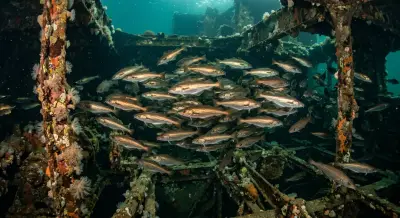
Pout
common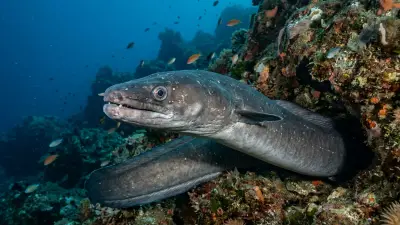
Conger eel
common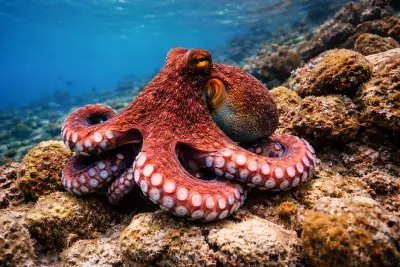
Octopus
common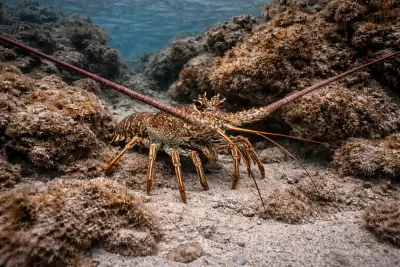
Lobster
common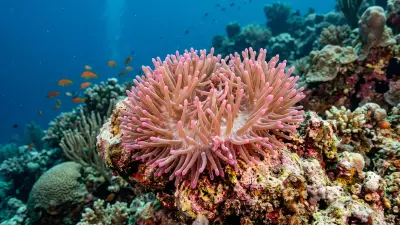
Small white anemone
common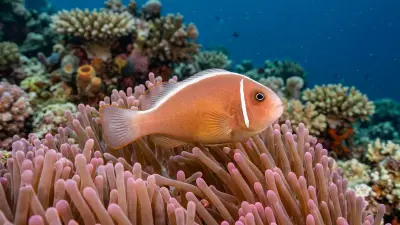
Pink anemone
common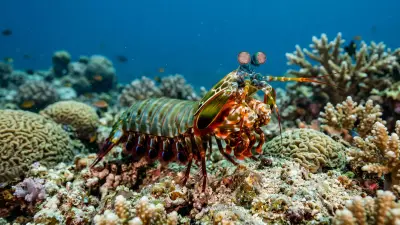
Shrimp
common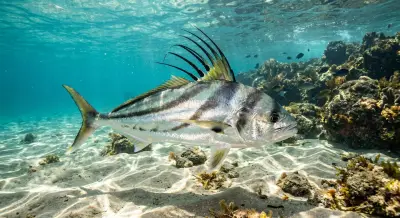
Roosterfish
occasional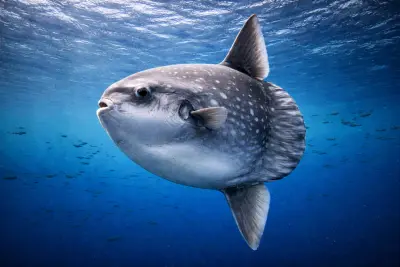
Sunfish
occasionalDive profile & how the dive runs
Dives to the U-1277 typically begin with a boat descent to the wreck, which rests upright on a sandy bottom at 30-31 meters. Divers commonly explore the exterior of the submarine, noting features like the pressure hull, conning tower, and periscope. The hull provides numerous crevices and shelters for marine life. Due to sand accumulation inside and the presence of ghost nets, penetration is not recommended. The dive progresses around the wreck, allowing time to observe the abundant marine life, including large conger eels, octopuses, and thousands of pouts. Ascent usually follows the boat line, with the safety stop conducted in the blue or on an attached buoy line.
Underwater photography
Capturing the U-1277 requires careful consideration of its depth and often limited visibility. A wide-angle lens is essential for documenting the impressive scale of the submarine, especially its prominent conning tower and hull. Given the low ambient light at 30 meters, external strobes or powerful video lights are crucial for illuminating the wreck and its vibrant marine inhabitants. Focus on the intricate details of the sub, such as the pressure hull's welded plates and the combat periscope, or the dense populations of anemones and fish that blanket its surfaces. Patience and excellent buoyancy control are key to avoid stirring up the sandy bottom, which can quickly degrade visibility further.
Combine with nearby dive sites
- Ocean Revival Park (Algarve)
The Ocean Revival Park, located off the coast of Lagos in Portugal's Algarve region, is a premier destination for wreck diving enthusiasts.
- Berlengas Nature Reserve
The Berlengas Nature Reserve is an exceptional diving destination located approximately 10 to 15 kilometers west of Peniche, Portugal.
- Sesimbra Wreck Garden
Sesimbra Wreck Garden, situated near Lisbon, Portugal, offers an exceptional diving experience within the protected waters of the Luiz…
Getting there & logistics
Access to the U-1277 typically begins at Marina de Leça, near Porto, which is well-served by Porto Airport (OPO). Dive operators in the area arrange speedboat transfers, usually involving a 15-minute ride to the site. A typical excursion is a double dive, lasting approximately 3.5 hours, including briefings and transit. The U-1277 is frequently combined with a second dive at a nearby reef or another wreck, depending on conditions and diver preferences. No specific park fees or permits were mentioned, but standard dive operation costs include equipment and guide services. Divers should carry their certification cards and be aware that a recent dive within the last year is often required, or a skills update will be mandatory.
Safety & environment
Diving the U-1277 requires adherence to advanced diving protocols due to its depth and the potential for challenging conditions. The nearest recompression chamber would likely be in a major medical facility in Porto or Lisbon, requiring emergency medical evacuation if needed. Comprehensive dive insurance covering dive emergencies and evacuations is highly recommended. Specific hazards include ghost nets, which pose entanglement risks, and the often limited visibility that can disorient divers. The wreck's interior is compromised by sand and not suitable for penetration. Divers must maintain excellent buoyancy to avoid stirring up the silty bottom. It is crucial to dive with experienced local guides and within a small group, typically limited to eight participants, to ensure maximum safety and attention.
Who it suits — and who it doesn't
Suited for
- Certified Advanced Open Water Divers
- Wreck diving enthusiasts
- Divers interested in historical sites
- Photographers with specialized gear
- Divers comfortable with cold water and limited visibility
Less suited for
- Open Water Divers or beginners
- Divers without recent dive experience
- Individuals prone to claustrophobia
- Divers expecting tropical-like visibility
- Those without comprehensive dive insurance
FAQ
U1277 FAQ
What is the historical significance of the U-1277?
The U-1277 was a German Type VIIC/41 submarine from WWII. It was scuttled by its own crew off the coast of Portugal on June 3, 1945, to prevent its capture by Allied forces after Germany's surrender. Today, it serves as a preserved underwater war relic and a significant historical dive site.
What is the typical depth and visibility at the U-1277 dive site?
The U-1277 rests at an average depth of 30 meters, with a maximum depth of 31 meters. Visibility can be quite challenging, ranging from 0 to 10 meters, with an average of about 3 meters. A sandy layer between 12 and 15 meters can also reduce visibility considerably.
What kind of marine life can be seen on the U-1277?
Despite being a wreck, the U-1277 has become a vibrant artificial reef. Divers commonly encounter thousands of pouts, large conger eels, curious octopuses, and lobsters. The wreck's hull is also covered in small white anemones (Sargatia elegans) and pink anemone communities, with occasional sightings of uncommon species like sunfish and roosterfish.
Is the U-1277 suitable for all levels of divers?
No, the U-1277 dive site is recommended for experienced divers, specifically those with an Advanced Open Water Diver certification. Its depth, combined with cold water temperatures and potentially limited visibility, makes it unsuitable for beginners or Open Water certified divers without advanced training.
Where do dive trips to the U-1277 depart from?
Dive trips to the U-1277 typically depart from Marina de Leça, which is located near Porto in northern Portugal. The journey to the dive site usually takes about 15 minutes by speedboat, and it is common for the excursion to include a second dive at a nearby location.
Why dive U1277 from a liveaboard?
U1277 is one of Portugal's signature dive sites. A liveaboard sleeps you on the water and puts you in the water for three to four guided dives per day, including dawn and night dives that day-boat operators rarely offer. You skip the daily commute back to port and reach quieter, less-crowded sites in the same region on a single trip.
Below are the liveaboards that include U1277 on their Portugal itineraries.
Liveaboards diving U1277
These liveaboards may visit U1277 on selected itineraries — the exact dive sites depend on departure, weather and conditions.
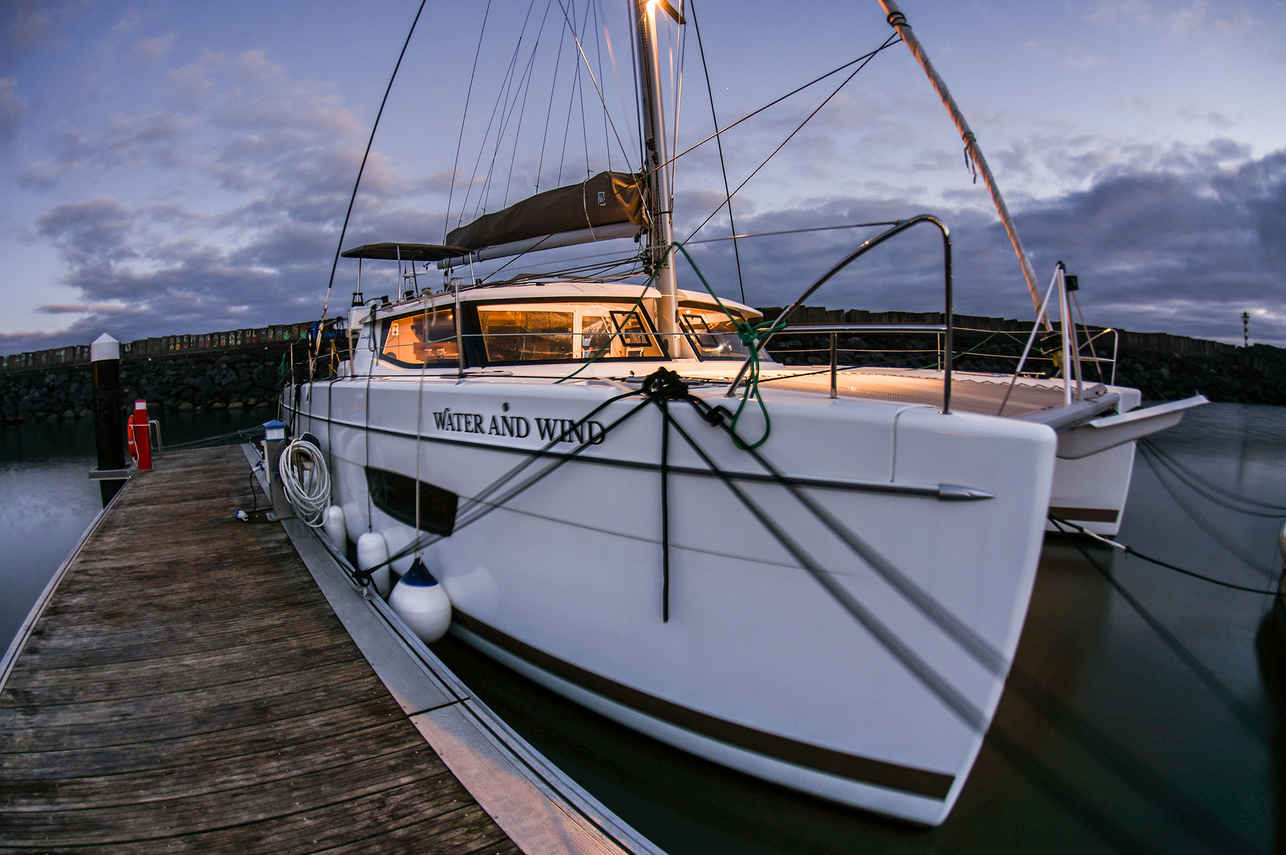
Water And Wind
Portugal
8 guests13.41 m
Dive sites similar to U1277
Same character, same waters — six more sites divers love for the exact same reasons.Compare seasons, access and liveaboard routes — then pick the site that fits your trip best.
© Esri — Maxar, Earthstar, GIS
Pedra da Velha
Portugal
Pedra da Velha is an advanced boat-access rocky reef and pinnacle located off Peniche, within the protected Berlengas archipelago.
- Suitable for
- Advanced
- Current
- Moderate
- Access
- Dayboat
- Depth
- 10–20 m
- Theme
- Reef / Wall
© Esri — Maxar, Earthstar, GIS
Pedra da Nau
Portugal
Pedra da Nau is a notable dive site situated in a protected bay near Cascais, easily accessible with a short boat ride from shore or even by land.
- Suitable for
- Beginner
- Current
- Mild
- Access
- Liveaboard or dayboat
- Depth
- 4–18 m
- Theme
- Reef
Silveira is a welcoming beginner-friendly dive site located off Terceira Island in the Azores archipelago, Portugal.
- Suitable for
- Beginner
- Current
- Mild
- Access
- Dayboat
- Depth
- 2–15 m
- Theme
- Reef / Pinnacle
© Esri — Maxar, Earthstar, GIS
Cinco Ribeiras
Portugal
Cinco Ribeiras is situated on the western coast of Terceira Island in the Azores, named after a nearby village.
- Suitable for
- Beginner
- Current
- Mild
- Access
- Shore / dayboat
- Depth
- 5–16 m
- Theme
- Reef / Cavern
Baixa do Ambrósio is an advanced dive site situated in the open Atlantic, southeast of Santa Maria Island in the eastern Azores.
- Suitable for
- Advanced
- Current
- Strong
- Access
- Dayboat
- Depth
- 5–47 m
- Theme
- Reef / Drift