About The Meadows
The Meadows is a notable dive and snorkel site located off Little Cayman, renowned for its calm, current-free waters and healthy marine ecosystem. This site provides an accessible and rewarding experience for all levels, from snorkelers to experienced divers, allowing ample time to explore without the challenges of strong currents. The site is characterized by vibrant coral gardens and diverse reef structures, forming part of the extensive marine park system surrounding Little Cayman. While specific depths are not detailed in sources, it is explicitly mentioned as suitable for snorkelers, suggesting a relatively shallow profile compared to the deep wall dives common in the region. Marine life at The Meadows thrives due to the pristine conditions, with a rich variety of fish species and invertebrates present year-round. The generally high visibility and warm waters contribute to a vivid underwater spectacle, making it a prime location for observing Caribbean reef inhabitants. Diving here typically involves leisurely exploration, with operators often offering guided tours that respect marine conservation practices. The emphasis on calm conditions and ease of access makes The Meadows a popular choice for those seeking a relaxed yet vibrant underwater experience.
Highlights
Current-free environmentIdeal for snorkelersVibrant coral gardensDiverse marine lifeCalm, clear watersPhoto-friendly conditionsPart of Little Cayman's protected areas
Season calendar
Best months to dive here
Jan
Feb
Mar
Apr
May
Jun
Jul
Aug
Sep
Oct
Nov
Dec
Excellent
Dive site facts: The Meadows
- Current
- Minimal to none
- Visibility
- Excellent, generally 70 meters+
- Water temperature
- 26–29°C (79–84°F)
- Entry
- Boat
- Level
- All levels (including snorkelers)
- Dive type
- Reef, shallow exploration
- Region / port
- Little Cayman
- Coordinates
- 19.6911° N, 80.0770° W
Conditions & Currents
The Meadows, like many dive sites around Little Cayman, is generally characterized by current-free conditions, providing an exceptionally calm environment for divers. This minimal water movement makes it an ideal location for underwater photography, as divers can position themselves easily without battling strong flows. The limited tidal range in the Cayman Islands means minimal fluctuation between high and low tides, which consistently contributes to these relaxed conditions. Divers can expect stable water, allowing for unhurried exploration and extended bottom times. Entry and exit are typically straightforward due to the calm seas. Visibility is consistently high, enhancing the overall dive experience at this tranquil site.
Marine life & sighting chances
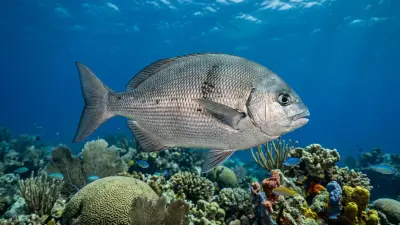
Bermuda chub
occasional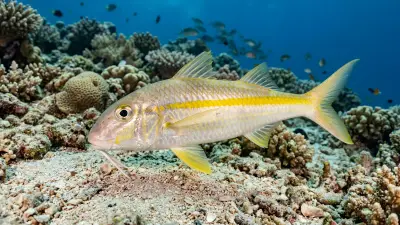
Goatfish
occasional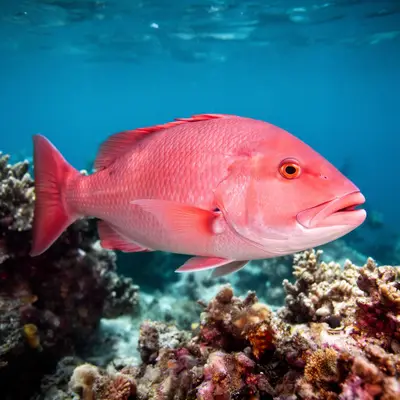
Snapper
occasional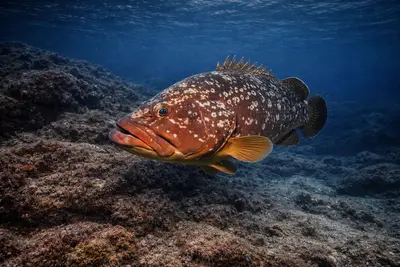
Grouper
occasional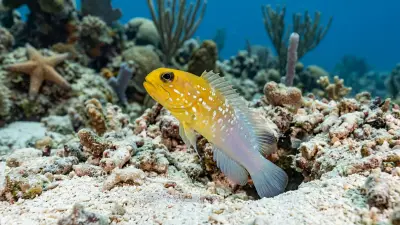
Yellowhead jawfish
occasional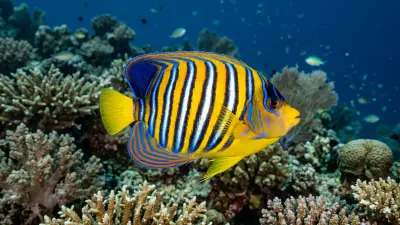
Angelfish
common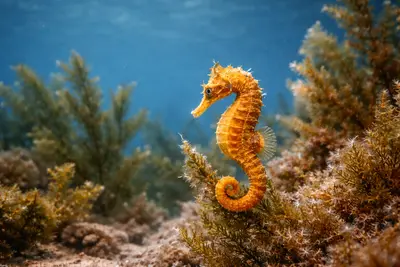
Seahorse
occasional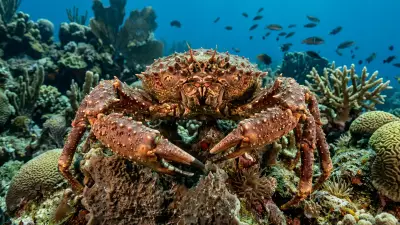
Channel-clinging crab
occasional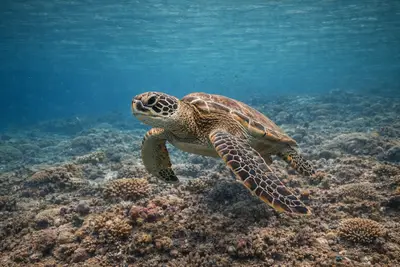
Turtle
occasional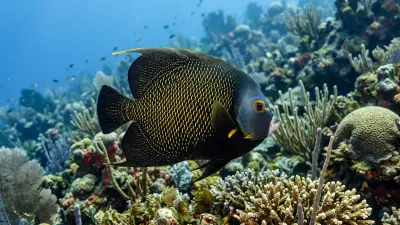
French Angelfish
occasional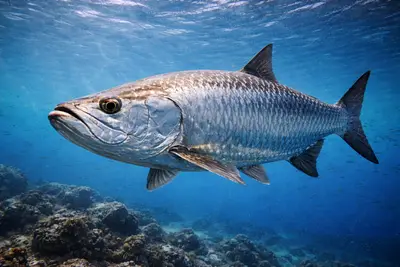
Tarpon
occasional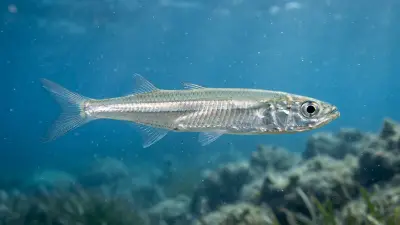
Silversides
occasionalDive profile & how the dive runs
Dives at The Meadows typically begin with a backward roll or giant stride entry from a dive boat, mooring near the reef system. Given the current-free conditions, divers can descend directly onto the shallow reef plateau. The dive usually involves a gradual exploration of the coral gardens, moving at a relaxed pace to observe the abundant marine life. Divers can freely roam the site within set limits, often following the dive master for 30 to 45 minutes, exploring coral formations and seeking out smaller creatures. Turn points are flexible, determined by air consumption and bottom time, allowing for extensive observation. The ascent is typically slow, with safety stops performed at 5 meters, often on the shallowest part of the reef, before surfacing to the awaiting boat.
Underwater photography
The Meadows offers exceptional opportunities for both wide-angle and macro photography due to its clear, current-free waters and diverse marine life. For wide-angle shots, a fisheye or rectilinear wide-angle lens is ideal for capturing the expansive coral gardens and reef formations. The abundant natural light in the shallow sections means strobes can be used to fill in shadows and bring out vibrant coral colors without needing excessive power. For macro subjects like seahorses, channel-clinging crabs, and smaller reef fish, a 60mm or 100mm macro lens is recommended. Dual strobes will help illuminate intricate details and minimize backscatter. Practicing excellent buoyancy control is crucial to avoid disturbing delicate corals and sediment, ensuring clear shots. Photographers can take advantage of the calm conditions to patiently compose shots and wait for marine life behavior, making it a highly rewarding site.
Combine with nearby dive sites
- Randy's Gazebo
Features a chimney, archway, and large barrel sponges along Bloody Bay Wall.
- Bloody Bay Wall
Iconic wall starting at 7 meters, dropping to over 300 meters with sponges and corals.
- Mixing Bowl
A diverse, fish-filled site with gentle slopes and sheer walls near Bloody Bay Wall.
- Bonnie's Arch
A beautiful arch suitable for photography, sometimes home to seahorses and angelfish.
- Eagle Ray Rock
Eagle Ray Rock is a prominent dive site located approximately two miles off Grand Cayman's southwestern coast, just south of Smith Cove.
- Jackson Bight Wall
Jackson Bight Wall is a premier dive site located in Little Cayman, part of the Cayman Islands, renowned for its dramatic vertical…
Getting there & logistics
Access to The Meadows begins with flying into Owen Roberts International Airport (GCM) on Grand Cayman. From there, short domestic flights connect travelers to Little Cayman. Upon arrival on Little Cayman, resorts like Little Cayman Beach Resort provide shuttle services. Dive operations, such as Reef Divers, offer personalized valet diving, handling gear and boat loading. Typical dive trips often combine several sites around Little Cayman, including Bloody Bay Marine Park, over multi-day itineraries, frequently 7 nights with 12 dives. The calm waters allow for flexible dive schedules, and many sites, including The Meadows, are moored to protect the reefs.
Safety & environment
For diving in Little Cayman, including The Meadows, the nearest recompression chamber is located on Grand Cayman. In case of a dive emergency, evacuation to Grand Cayman would be necessary, emphasizing the importance of comprehensive dive insurance. Dive operators at Little Cayman adhere to strict safety protocols, including detailed dive briefs and setting dive limits, though divers are typically free to explore within their buddy teams and these limits. The current-free nature of The Meadows reduces some risks, but divers should still maintain excellent buoyancy and situational awareness. Always ensure your dive insurance covers emergency evacuation and medical treatment in the Cayman Islands.
Who it suits — and who it doesn't
Suited for
- New divers and those seeking calm conditions
- Underwater photographers due to stable conditions
- Snorkelers and non-divers accompanying a trip
- Divers interested in diverse reef ecosystems
- Relaxed, multi-day dive itineraries
Less suited for
- Divers seeking extreme wall dives or strong currents
- Those who prefer wreck diving exclusively
- Divers uninterested in shallow reef exploration
- Individuals looking for highly challenging or advanced conditions
FAQ
The Meadows FAQ
Is The Meadows suitable for beginners?
Yes, The Meadows is an excellent site for beginners and less experienced divers. It is known for its calm, current-free waters and generally shallow profile, making it very accessible. This allows new divers to comfortably explore the reef and focus on buoyancy without the added challenge of strong currents.
Can snorkelers visit The Meadows?
Absolutely. The Meadows is specifically identified as a suitable site for snorkelers, alongside divers. Its clear, shallow waters and vibrant marine life make it an ideal spot for surface exploration, offering fantastic visibility and plenty of things to see close to the surface.
What kind of marine life can I expect at The Meadows?
The Meadows is home to a diverse array of Caribbean reef fish and invertebrates. While specific lists for this exact site are limited, similar healthy reef systems in the area host angelfish, tarpon, silversides, various snappers, groupers, and goatfish. Seahorses and turtles are also occasionally sighted.
Are there strong currents at The Meadows?
No, The Meadows is notable for its generally current-free conditions. This lack of strong currents is a significant advantage, particularly for underwater photographers and divers who prefer a more relaxed and unhurried exploration of the reef. The minimal tidal range in the Cayman Islands contributes to these calm conditions.
Where is The Meadows located?
The Meadows is located in the waters off Little Cayman, one of the three Cayman Islands. It is part of the extensive and well-protected marine park system surrounding Little Cayman, known for its pristine reefs and healthy marine environment. Access is typically via boat from local dive operators.
Why dive The Meadows from a liveaboard?
The Meadows is one of Cayman Islands's signature dive sites. A liveaboard sleeps you on the water and puts you in the water for three to four guided dives per day, including dawn and night dives that day-boat operators rarely offer. You skip the daily commute back to port and reach quieter, less-crowded sites in the same region on a single trip.
Below are the liveaboards that include The Meadows on their Cayman Islands itineraries.
Liveaboards diving The Meadows
These liveaboards may visit The Meadows on selected itineraries — the exact dive sites depend on departure, weather and conditions.
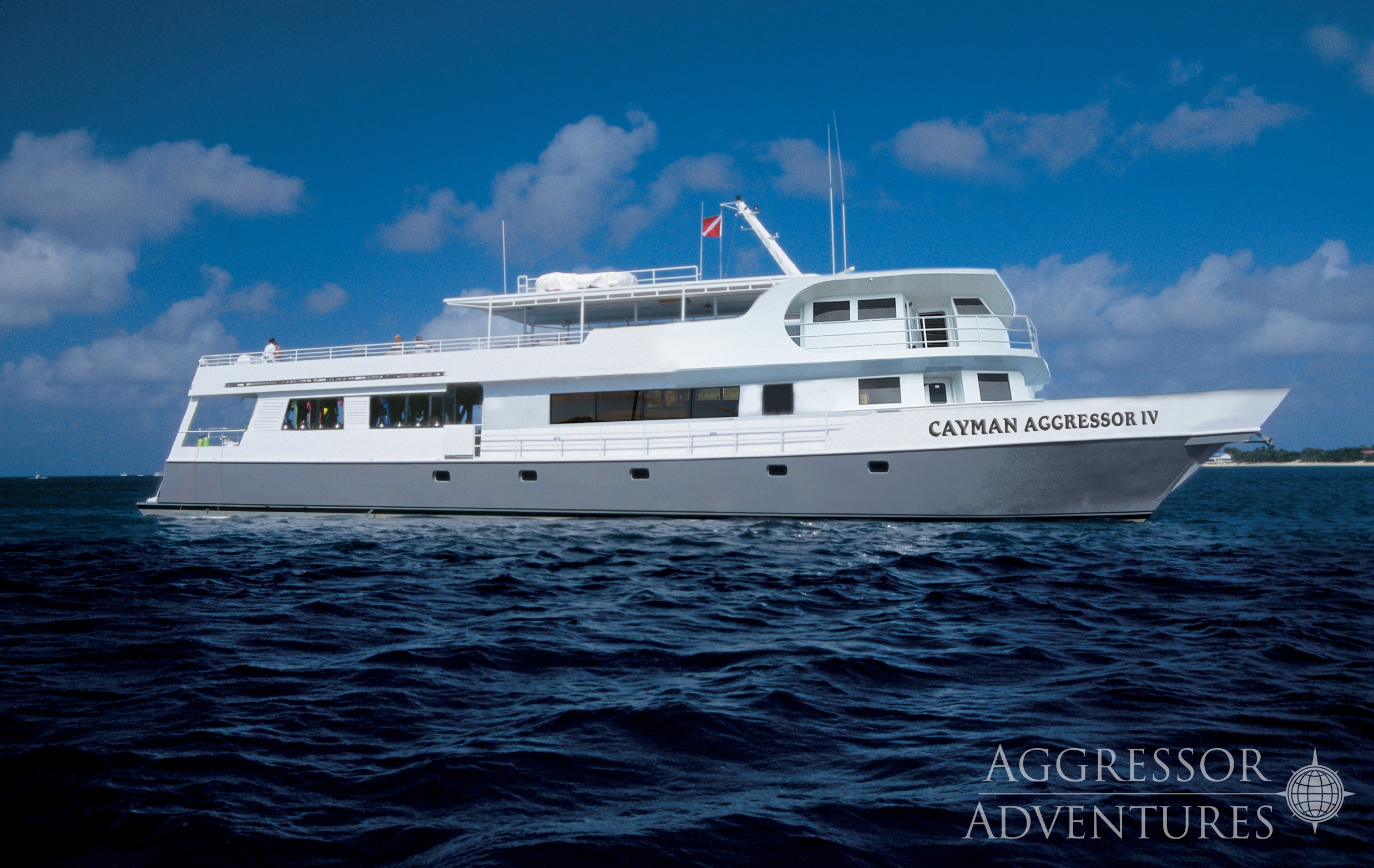
Cayman Aggressor IV
Cayman Islands
18 guests32.9 m
$328/day
Dive sites similar to The Meadows
Same character, same waters — six more sites divers love for the exact same reasons.Compare seasons, access and liveaboard routes — then pick the site that fits your trip best.
© Esri — Maxar, Earthstar, GIS
Big Table Rock
Cayman Islands
Big Table Rock is a well-known dive site located in George Town, Grand Cayman, offering a diverse and visually striking underwater landscape.
- Suitable for
- Intermediate
- Current
- Mild
- Access
- Dayboat
- Depth
- 10–30 m
- Theme
- Reef / Wall
© Esri — Maxar, Earthstar, GIS
North Wall
Cayman Islands
The North Wall of Grand Cayman stands as one of the most celebrated and visually striking dive regions, stretching along the island's northern coastline.
- Suitable for
- Advanced
- Current
- Mild
- Access
- Liveaboard or dayboat
- Depth
- 50–100 m
- Theme
- Reef
© Esri — Maxar, Earthstar, GIS
Parrot's Reef
Cayman Islands
Parrot's Reef is a notable dive site found along Grand Cayman's South coast, distinct from the more frequently dived West and North Walls.
- Suitable for
- Beginner
- Current
- Mild
- Access
- Dayboat
- Depth
- 12–15 m
- Theme
- Reef
© Esri — Maxar, Earthstar, GIS
Marty's Wall
Cayman Islands
Marty's Wall is a dive site located in West Bay, Grand Cayman, an area known for its dramatic wall dives and pristine coral ecosystems.
- Suitable for
- Intermediate
- Current
- Mild
- Access
- Dayboat
- Depth
- 12–36 m
- Theme
- Wall / Reef
© Esri — Maxar, Earthstar, GIS
Big Tunnels
Cayman Islands
Big Tunnels is a prominent dive site located on the West Side of Grand Cayman, specifically south of Northwest Point and near Orange Canyon, forming part of the extensive western wall system.
- Suitable for
- Intermediate
- Current
- Mild
- Access
- Liveaboard or dayboat
- Depth
- 17–27 m
- Theme
- Reef
© Esri — Maxar, Earthstar, GIS
Randy's Gazebo
Cayman Islands
Randy's Gazebo is a highly regarded dive site located in Little Cayman, one of the three Cayman Islands, renowned for its spectacular underwater scenery and healthy marine ecosystems.
- Suitable for
- Intermediate
- Current
- Mild
- Access
- Dayboat
- Depth
- 5–18 m
- Theme
- Reef / Wall