About Sergeant's Caye
Sergeant's Caye, nestled within the world's second-largest barrier reef system, offers an exceptional dive experience characterized by its thriving marine ecosystem and generally favorable conditions. This site is part of the extensive Belize Barrier Reef, a UNESCO World Heritage site known for its rich biodiversity and pristine coral gardens. The topography features healthy coral reefs, gentle slopes, and abundant hard and soft corals, providing diverse habitats for a wide array of marine species. Depths are suitable for various certification levels, allowing both beginner and experienced divers to explore its underwater wonders. The clear waters and vibrant reef structures make it an ideal location for underwater photography. Marine life sightings are frequent year-round, including a variety of reef fish, sharks, rays, and turtles. The consistent water temperatures contribute to a stable environment for these species. While specific seasonal highlights for Sergeant's Caye are not detailed, the broader Belizean seasons offer varied experiences, from whale shark encounters in spring to fewer crowds during the wet season. Diving here typically involves boat access to the site, allowing divers to explore the intricate reef system. The overall experience is relaxed and focused on marine observation, with good visibility enhancing the enjoyment of the rich underwater landscape.
Highlights
Vibrant coral gardensHealthy reef ecosystemDiverse marine lifePart of Belize Barrier ReefExcellent visibilityGentle slopes
Season calendar
Best months to dive here
Jan
Feb
Mar
Apr
May
Jun
Jul
Aug
Sep
Oct
Nov
Dec
Excellent
Good
Off-Season
Nov – May (Dry Season)
Calm seas, best visibility up to 40m, whale shark season at Gladden Spit in April-May.
Jun – Aug (Wet Season)
Still diveable with warm waters. Occasional rain and reduced visibility, but fewer crowds.
Sep – Oct (Hurricane)
Peak hurricane season. Most operators remain open but weather can be unpredictable.
Dive site facts: Sergeant's Caye
- Depth
- 10–35 m
- Current
- Mild
- Visibility
- 15–30 m
- Water temperature
- 26–29°C
- Entry
- Boat entry
- Level
- All levels
- Dive type
- Coral reef, wall
- Region / port
- Belize Barrier Reef
- Coordinates
- 17.75, -88.0833
Conditions & Currents
Currents at Sergeant's Caye are generally mild, making it suitable for divers of various experience levels. Conditions are often influenced by local tides and broader Caribbean water movements, but rarely pose significant challenges. Visibility typically ranges from 15 to 30 meters, often exceeding 24 meters, though it can be affected by wind and local conditions. Water temperatures remain consistently warm, averaging between 26°C in winter and 29°C in summer, eliminating the need for thick wetsuits. Entry and exit are typically straightforward boat entries. While specific information on thermoclines and surge at Sergeant's Caye is limited, the general calm conditions of the Belize Barrier Reef suggest these are not major concerns. Divers should always consult with local guides for the most up-to-date conditions.
Marine life & sighting chances

Caribbean reef shark
occasional
Nurse shark
occasional
Spotted eagle ray
occasional
Barracuda
common
Jack
common
Sea turtle
occasional
Parrotfish
common
Eel
common
Snapper
common
Grouper
common
Angelfish
commonDive profile & how the dive runs
Dives at Sergeant's Caye typically begin with a boat entry directly onto the reef. Divers descend along gentle coral slopes, observing the vibrant reef life. The route usually involves a leisurely drift or a planned trajectory along the reef wall, exploring various coral formations and looking for resident marine species. Depths are generally moderate, making it accessible for a range of certification levels. The turning point is often dictated by air consumption or bottom time limits, after which divers ascend gradually. Safety stops are conducted in the shallower parts of the reef, providing an additional opportunity for observation before surfacing back to the boat.
Underwater photography
Sergeant's Caye offers fantastic opportunities for both wide-angle and macro photography due to its healthy coral reefs and diverse marine life. For capturing the expansive reefscapes and large schools of fish, a wide-angle lens is recommended, especially given the excellent visibility. Consider strobes to bring out the true colors of the corals and fish, as natural light diminishes with depth. For macro enthusiasts, the intricate reef structure and abundant smaller creatures, like blennies, gobies, and nudibranchs, warrant a 60mm or 105mm macro lens. Maintaining good buoyancy is crucial to avoid damaging the delicate corals and to get clear shots. Always approach marine life slowly and respectfully, allowing them to acclimate to your presence without disturbance, ensuring natural behaviors are captured.
Combine with nearby dive sites
- Hol Chan Marine Reserve
A well-known protected area rich in marine life, offering varied dive experiences.
- Shark Ray Alley
Famous for encounters with nurse sharks and stingrays in shallow waters.
- Ambergris Caye
A primary diving hub with access to numerous barrier reef sites.
- Caye Caulker Marine Reserve
Offers good diving with a more laid-back atmosphere.
- The Elbow at Turneffe
Known for pelagic encounters and strong currents, a more advanced dive.
Getting there & logistics
Access to Sergeant's Caye is typically from Belize City, Ambergris Caye, or Caye Caulker. The primary international airport is Philip S. W. Goldson International Airport (BZE). From there, travelers can take domestic flights to smaller cayes or water taxis to coastal towns. Dive trips to Sergeant's Caye are often part of daily excursions from these popular tourist centers or included in liveaboard itineraries exploring the wider Belize Barrier Reef. Liveaboards provide comprehensive week-long trips to remote sites like Lighthouse Reef and the Blue Hole, while resort-based diving focuses on sites closer to shore. Marine park fees may apply, but are usually included in dive operator packages.
Safety & environment
Diving in Belize, including at Sergeant's Caye, requires adherence to standard safety practices. It is crucial to have comprehensive dive insurance that covers emergency medical treatment and evacuation, as the nearest recompression chamber is located in San Pedro, Ambergris Caye. Evacuation from remote sites can be time-consuming and costly. Divers should always follow their dive guide's instructions, maintain proper buoyancy control, and avoid touching or disturbing marine life to preserve the delicate ecosystem. Staying hydrated and being aware of potential boat traffic in popular areas are also important considerations for diver safety.
Who it suits — and who it doesn't
Suited for
- Beginner divers seeking gentle conditions
- Underwater photographers looking for vibrant reefs
- Divers interested in diverse reef fish and corals
- Those looking for relaxed, scenic dives
- snorkelers and freedivers
Less suited for
- Divers seeking challenging currents
- Those primarily interested in large pelagic only encounters
- Wreck diving enthusiasts
- Divers preferring deep wall drops exclusively
FAQ
Sergeant's Caye FAQ
What kind of marine life can I expect to see at Sergeant's Caye?
At Sergeant's Caye, you can expect to encounter a wide variety of reef fish, including parrotfish, snappers, groupers, and angelfish. Occasional sightings of Caribbean reef sharks, nurse sharks, spotted eagle rays, and sea turtles are also common. The healthy coral formations provide habitat for numerous smaller creatures, making each dive a vibrant experience.
Is Sergeant's Caye suitable for beginner divers?
Yes, Sergeant's Caye is generally suitable for beginner divers. The currents are typically mild, and the reef features gentle slopes, allowing for a relaxed and enjoyable dive experience. The excellent visibility also contributes to a comfortable introduction to Belizean diving for less experienced individuals.
What are the typical water temperatures at Sergeant's Caye?
Water temperatures at Sergeant's Caye remain consistently warm throughout the year. They average around 26°C (79°F) during the winter months and can reach up to 29°C (84°F) in the summer. This comfortable temperature range means divers often only require a thin wetsuit or even just a rash guard.
How is the visibility at Sergeant's Caye?
Visibility at Sergeant's Caye is generally excellent, typically ranging from 15 to 30 meters (50 to 100 feet) or even more on clear days. While conditions can vary slightly with wind and local factors, the clear Caribbean waters usually provide superb viewing conditions, especially from April to June when visibility peaks.
Can I combine a dive at Sergeant's Caye with other activities?
Absolutely. Diving at Sergeant's Caye is often part of a day trip from nearby Ambergris Caye or Caye Caulker, leaving plenty of time for other activities. You can combine it with snorkeling, exploring the local cayes, or enjoying the relaxed island atmosphere. Many tours integrate a dive or snorkel at this site with other reef excursions.
Why dive Sergeant's Caye from a liveaboard?
Sergeant's Caye is one of Belize's signature dive sites. A liveaboard sleeps you on the water and puts you in the water for three to four guided dives per day, including dawn and night dives that day-boat operators rarely offer. You skip the daily commute back to port and reach quieter, less-crowded sites in the same region on a single trip.
Below are the liveaboards that include Sergeant's Caye on their Belize itineraries.
Liveaboards diving Sergeant's Caye
These liveaboards may visit Sergeant's Caye on selected itineraries — the exact dive sites depend on departure, weather and conditions.
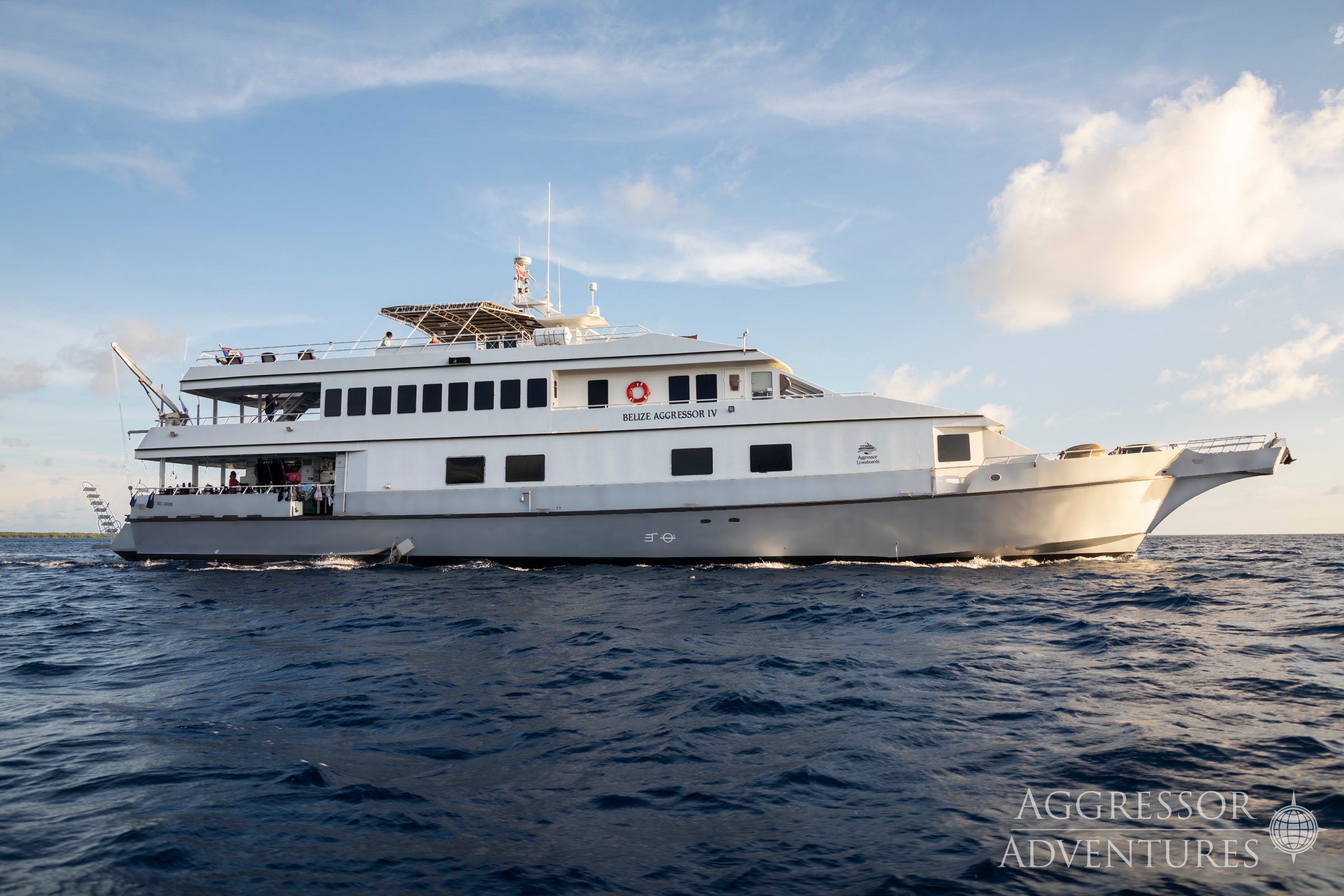
Belize Aggressor IV
Belize
20 guests42 m
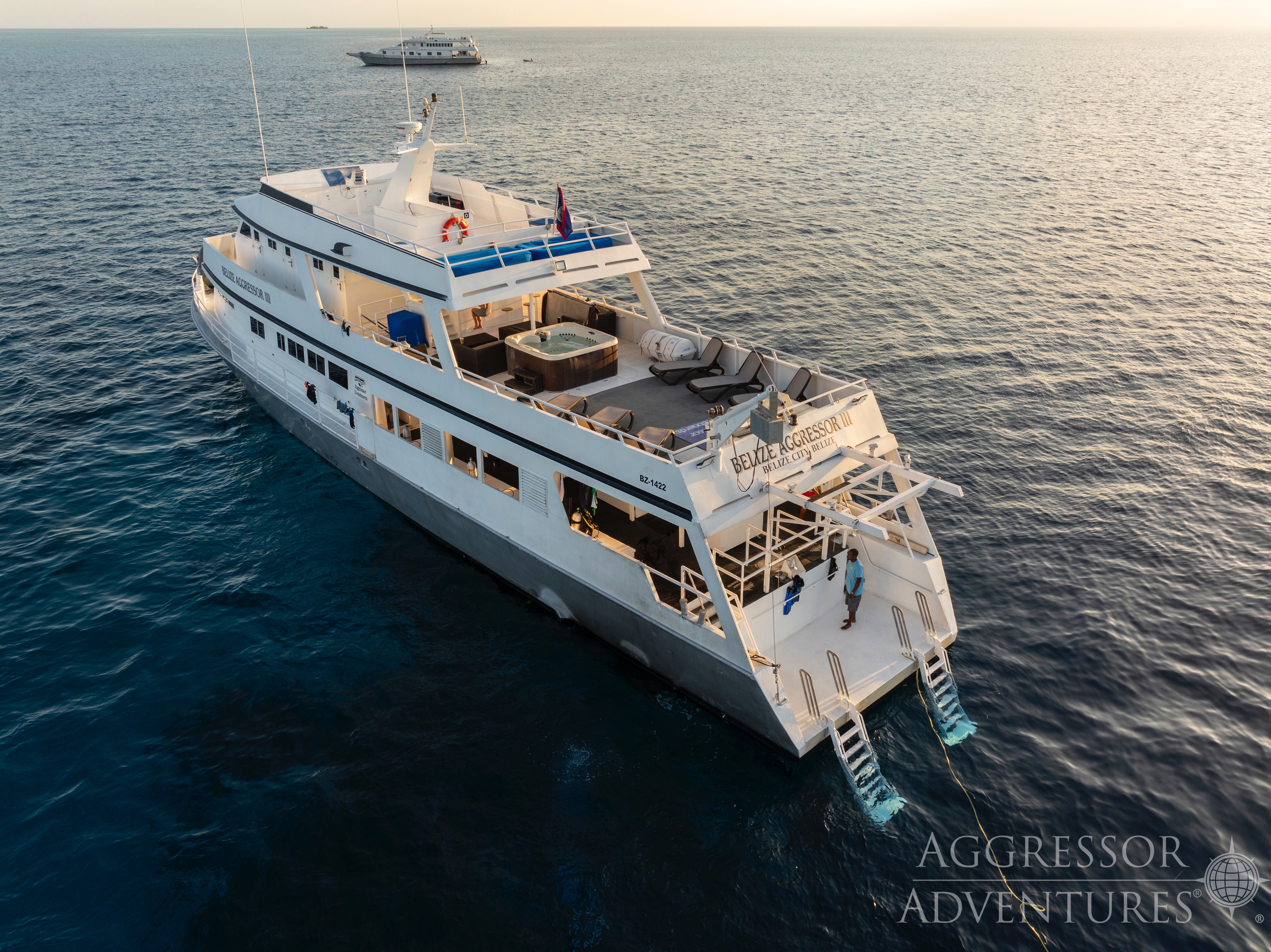
Belize Aggressor III
Belize
18 guests34 m
Dive sites similar to Sergeant's Caye
Same character, same waters — six more sites divers love for the exact same reasons.Compare seasons, access and liveaboard routes — then pick the site that fits your trip best.
© Esri — Maxar, Earthstar, GIS
3 Fathom Wall
Cayman Islands
3 Fathom Wall is an exciting and fish-filled dive site located in the Cayman Islands, specifically at the intersection of the renowned Bloody Bay Wall.
- Suitable for
- Intermediate
- Current
- Mild
- Access
- Liveaboard only
- Depth
- ≤ 3000 m
- Theme
- Reef
While specific details for a dive site named "3 Riff" are not present in the provided sources, general diving conditions and characteristics for the Dominican Republic…
- Suitable for
- Advanced
- Current
- Mild
- Access
- Dayboat
- Depth
- 30–55 m
- Theme
- Reef
The dive site known as 3 Rocks is located off the coast of Sosúa in Puerto Plata, Dominican Republic, offering an accessible and lively underwater experience.
- Suitable for
- Beginner
- Current
- Mild
- Access
- Dayboat
- Depth
- 2–8 m
- Theme
- Reef
4 Amigos is a notable dive site located in the Bay Islands of Honduras, an area renowned for its extensive Mesoamerican Barrier Reef System, which is the world's second-longest.
- Suitable for
- Intermediate
- Current
- Moderate
- Access
- Liveaboard or dayboat
- Depth
- 9–40 m
- Theme
- Reef
© Esri — Maxar, Earthstar, GIS
6 Toed Cat
Mexico
The dive site known as "6 Toed Cat" is not a recognized dive location in Mexico; rather, it refers to the polydactyl felines, many with six toes, that inhabit the Ernest Hemingway Home and Museum in Key West, Florida.
- Suitable for
- Beginner
- Current
- Mild
- Access
- Liveaboard or dayboat
- Depth
- —
- Theme
- Reef
© Esri — Maxar, Earthstar, GIS
Aaron's Backyard
Honduras
Aaron's Backyard is a noted dive site within the Roatan Marine Park in Honduras, part of the extensive Mesoamerican Barrier Reef System.
- Suitable for
- Intermediate
- Current
- Moderate
- Access
- Liveaboard or dayboat
- Depth
- 9–40 m
- Theme
- Reef