About Rurutu - Whale Encounters
Rurutu stands out in French Polynesia as one of the few islands without a protective lagoon, directly exposing its coastline to the vast Pacific Ocean. This unique geography provides a sanctuary for marine life, especially humpback whales, which migrate here annually from August to October to calve, nurse, and mate in the sheltered waters. The island's remote and untouched nature, combined with exceptional water clarity, offers unparalleled opportunities for respectful interactions with these majestic marine mammals, primarily through snorkeling. The underwater landscape around Rurutu features extensive coral formations and dramatic drop-offs. Dive sites like Peva Pass and Una’a Point reveal thriving coral outcrops, cavities teeming with tropical fish, and encounters with various shark species. Visibility frequently exceeds 50 meters, offering breathtaking views of the vibrant marine ecosystem. While the focus is on whale encounters, the island's waters also host diverse fish populations, including parrotfish, angelfish, and emperors. White-tip sharks are commonly sighted, and tuna schools traverse the deeper sections. The relatively few boats operating in these waters ensure a tranquil and intimate experience. Since there are no dedicated dive centers on Rurutu, visitors typically engage in snorkeling for whale encounters. Those wishing to scuba dive must bring their own equipment, enabling them to explore the rich coral formations and diverse marine inhabitants of this pristine destination.
Highlights
Humpback whale encountersExceptional water clarityPristine coral formationsRemote, untouched islandAbundant tropical fishWhite-tip shark sightingsDramatic underwater topographyPolynesian cultural immersion
Season calendar
Best months to dive here
Jan
Feb
Mar
Apr
May
Jun
Jul
Aug
Sep
Oct
Nov
Dec
Good
Dive site facts: Rurutu - Whale Encounters
- Depth
- Surface (snorkeling) for whales, 12m+ for scuba
- Typical dive
- Snorkeling sessions typically 3 hours, scuba duration variable
- Current
- Variable oceanic currents
- Visibility
- 50m+
- Water temperature
- 22–27°C (72–81°F)
- Entry
- Boat launch
- Level
- Snorkeling for all, experienced for self-sufficient scuba
- Dive type
- Whale encounters, reef exploration
- Night dive
- Not specified
- Region / port
- Austral Islands, French Polynesia
- Coordinates
- -22.45, -151.3667
Conditions & Currents
Rurutu is directly exposed to the Pacific Ocean, meaning currents can vary, though specific details on strength and direction for dive sites are limited given the focus on snorkeling. Visibility is consistently excellent, often exceeding 50 meters, indicating minimal particulate matter. Water temperatures are warm, averaging between 22°C and 27°C, but can feel cooler on boat trips due to wind, especially after being wet. While most activities involve snorkeling near the fringing reef, boat transfers are typically short. Divers bringing their own equipment should be prepared for potential oceanic currents, particularly in areas like Peva Pass and Una’a Point, which feature drop-offs and open water. Safety stops would occur in these clear conditions, requiring careful buoyancy control.
Marine life & sighting chances

Humpback whale
August-October · common
Reef shark
occasional
White-tip shark
common
Black-tip shark
occasionalGrey reef shark
occasional
Pilot whale
rareTropical fish (various)
common
Parrotfish
common
Angelfish
common
Emperor fish
common
Tuna
occasionalDive profile & how the dive runs
Whale encounters in Rurutu are primarily conducted via snorkeling. Boats depart from the island's shore and travel short distances, typically less than 1km, to locate humpback whales. Once whales are spotted and conditions are deemed safe by experienced guides, snorkelers enter the water quietly to observe them. The whales often stay close to the fringing reef. During an encounter, snorkelers maintain a respectful distance, allowing the whales to approach naturally. The duration of time in the water with whales varies, but a typical whale swimming tour lasts about four hours, including transfer time. For potential self-sufficient scuba dives at sites like Peva Pass, entry would be from the beach, following a corridor at 12 meters depth, exploring drop-offs and cavities, then returning the same route. Una’a Point involves exploring immense plateaus and coral formations from boat access.
Underwater photography
Capturing the magnificent humpback whales in Rurutu's crystal-clear waters requires careful preparation and respect for marine life. For snorkeling, a wide-angle lens is essential to encompass the whales' immense size, with GoPros or similar action cameras being popular for their portability and ease of use in dynamic situations. Underwater photography should prioritize natural light given the exceptional visibility, but external video lights can enhance color and detail. Maintain a safe and non-intrusive distance, allowing the whales to dictate the interaction. For self-guided scuba dives, similar wide-angle setups are ideal for coral formations and larger fish schools. Ethical conduct and minimal disturbance are paramount to ensure the well-being of the whales and other marine inhabitants.
Combine with nearby dive sites
- Moorea - The Canyons
The Canyons is a notable dive site located off the mythical Ōpūnohu Bay in Moorea, one of French Polynesia's easily accessible Society…
- Moorea - Tiki Point
Tiki Point is an outstanding dive site located off the picturesque island of Moorea in French Polynesia, easily accessible from Tahiti.
- Moorea - Ray Corridor
The Ray Corridor in Moorea offers an exhilarating drift dive experience within a natural lagoon, making it a favorite for divers seeking…
- Moorea - The Roses
Moorea's 'The Roses' is a celebrated dive site off the stunning volcanic island of Moorea, part of French Polynesia's easily accessible…
- Tahiti - Shark's Hole
Shark's Hole, locally known as "The Shark Hole," is a notable dive site located in the Tuamotu atolls of French Polynesia, specifically…
- Tahiti - The Source
Tahiti's "The Source" is a premier dive destination, celebrated for its rich marine biodiversity and breathtaking coral landscapes.
Getting there & logistics
Access to Rurutu typically involves a flight from Papeete (Tahiti), which takes about three hours. Given its remote nature, Rurutu is not usually combined with other popular dive islands in the Tuamotus in a single liveaboard itinerary, but rather as a distinct, culturally immersive experience. Visitors usually stay on the island for approximately 7-8 days, with daily whale swimming tours lasting about four hours. Accommodation is often with local families or small guesthouses, providing an authentic Polynesian cultural experience. Flights and transfers to the Austral Islands are generally not included in tour packages. There are very few tourism boats on the island, enhancing the sense of a secluded, untouristed destination.
Safety & environment
Due to Rurutu's remote location in the Austral Islands, immediate medical facilities and recompression chambers are limited or non-existent. In the event of a serious diving or snorkeling emergency, evacuation to Tahiti would likely be required, which can be time-consuming and costly. Comprehensive dive accident insurance is therefore essential for all participants. Whale encounters are strictly regulated to ensure both human and whale safety; only snorkeling is permitted for direct interactions, and guides ensure respectful distances are maintained. Divers wishing to explore independently must be highly self-sufficient and aware of their limits, as there are no dive centers on the island. Participants should be comfortable in open ocean conditions and prepared for variable weather.
Who it suits — and who it doesn't
Suited for
- Whale enthusiasts and snorkelers
- Nature lovers seeking remote, untouched destinations
- Travelers interested in deep cultural immersion
- Photographers focused on marine megafauna
- Those seeking a tranquil, off-the-beaten-path experience
Less suited for
- Dedicated scuba divers without personal equipment
- Individuals expecting luxury resorts and bustling nightlife
- Those sensitive to cool boat conditions or potential sea sickness
- Budget travelers, as remote logistics can be costly
- Divers reliant on local dive shops for gear and guiding
FAQ
Rurutu - Whale Encounters FAQ
When is the best time to see humpback whales in Rurutu?
The prime season for encountering humpback whales in Rurutu is from August to October. During these months, the whales migrate from their Antarctic feeding grounds to the warmer waters of the Austral Islands for breeding and calving, offering consistent opportunities for interactions.
Can I scuba dive with the whales in Rurutu?
No, direct interaction with humpback whales in Rurutu is strictly limited to snorkeling to ensure their protection and minimize disturbance. There are no dive centers on the island, so any scuba diving would require bringing your own equipment and would be independent of whale encounters.
What is the water visibility like in Rurutu?
Rurutu is renowned for its exceptional water clarity, with visibility often exceeding 50 meters. This pristine environment enhances the experience of observing marine life, especially the large humpback whales, in their natural habitat.
Are there many tourists in Rurutu?
Rurutu is a remote and largely untouristed island in French Polynesia, known for its secluded and authentic atmosphere. There are typically only a handful of tourism boats operating around the island, ensuring a more intimate and less crowded experience compared to other whale-watching destinations.
What kind of marine life can I expect to see besides whales?
Beyond the humpback whales, Rurutu's waters are home to diverse tropical fish, including parrotfish, angelfish, and emperors. You can also expect to encounter white-tip reef sharks and occasional sightings of other reef sharks and tuna, particularly around the coral formations and drop-offs.
Is Rurutu suitable for beginner snorkelers?
While the primary activity is snorkeling, participants should be comfortable in open ocean conditions. The clear, calm waters generally make it accessible, but encounters with large marine animals require a certain level of comfort and respect for wildlife. Guides prioritize safety and offer assistance as needed.
Why dive Rurutu - Whale Encounters from a liveaboard?
Rurutu - Whale Encounters is one of French Polynesia's signature dive sites. A liveaboard sleeps you on the water and puts you in the water for three to four guided dives per day, including dawn and night dives that day-boat operators rarely offer. You skip the daily commute back to port and reach quieter, less-crowded sites in the same region on a single trip.
Below are the liveaboards that include Rurutu - Whale Encounters on their French Polynesia itineraries.
Liveaboards diving Rurutu - Whale Encounters
These liveaboards may visit Rurutu - Whale Encounters on selected itineraries — the exact dive sites depend on departure, weather and conditions.
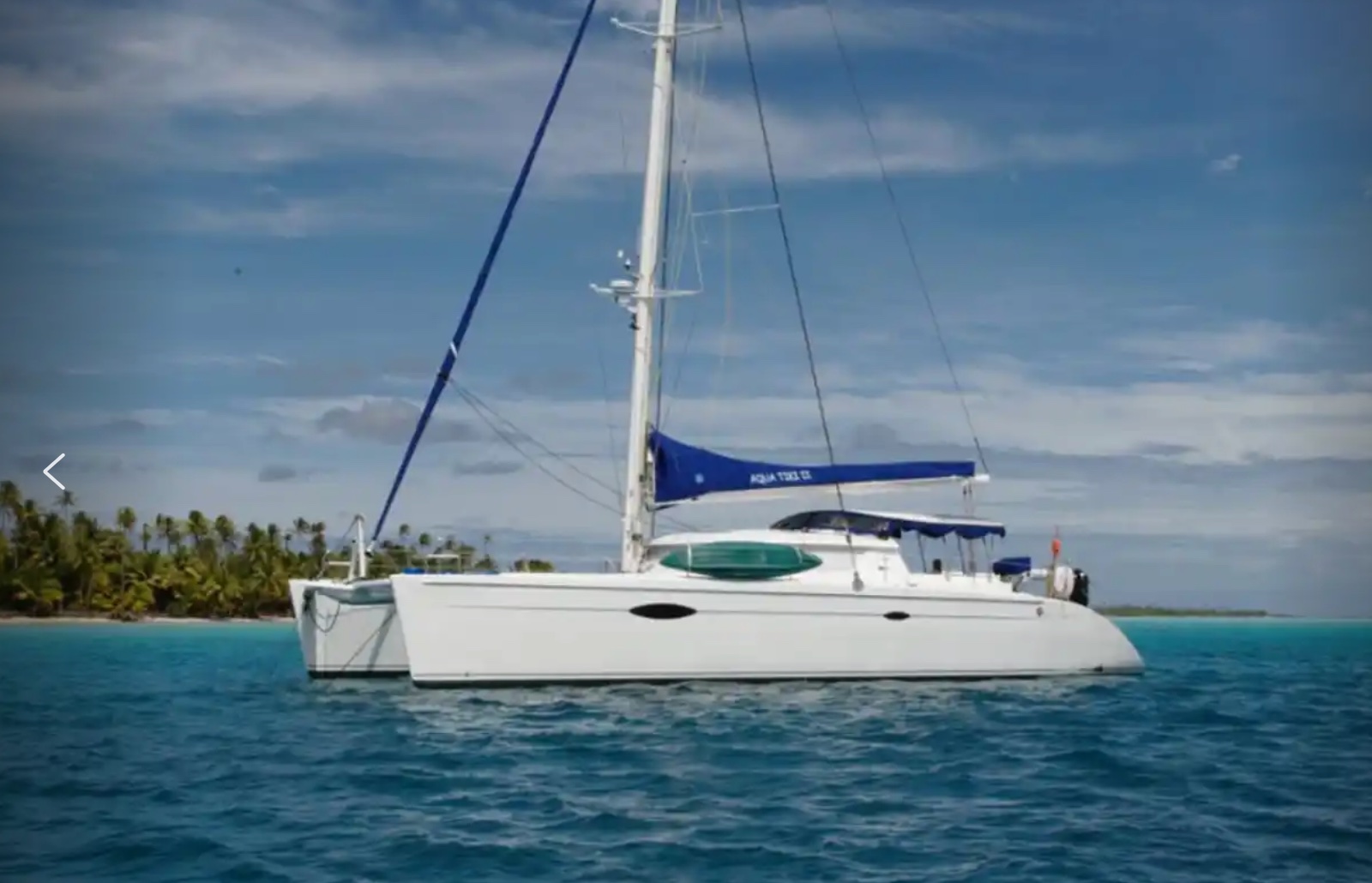
Aqua Tiki II
French Polynesia
8 guests
$573/day
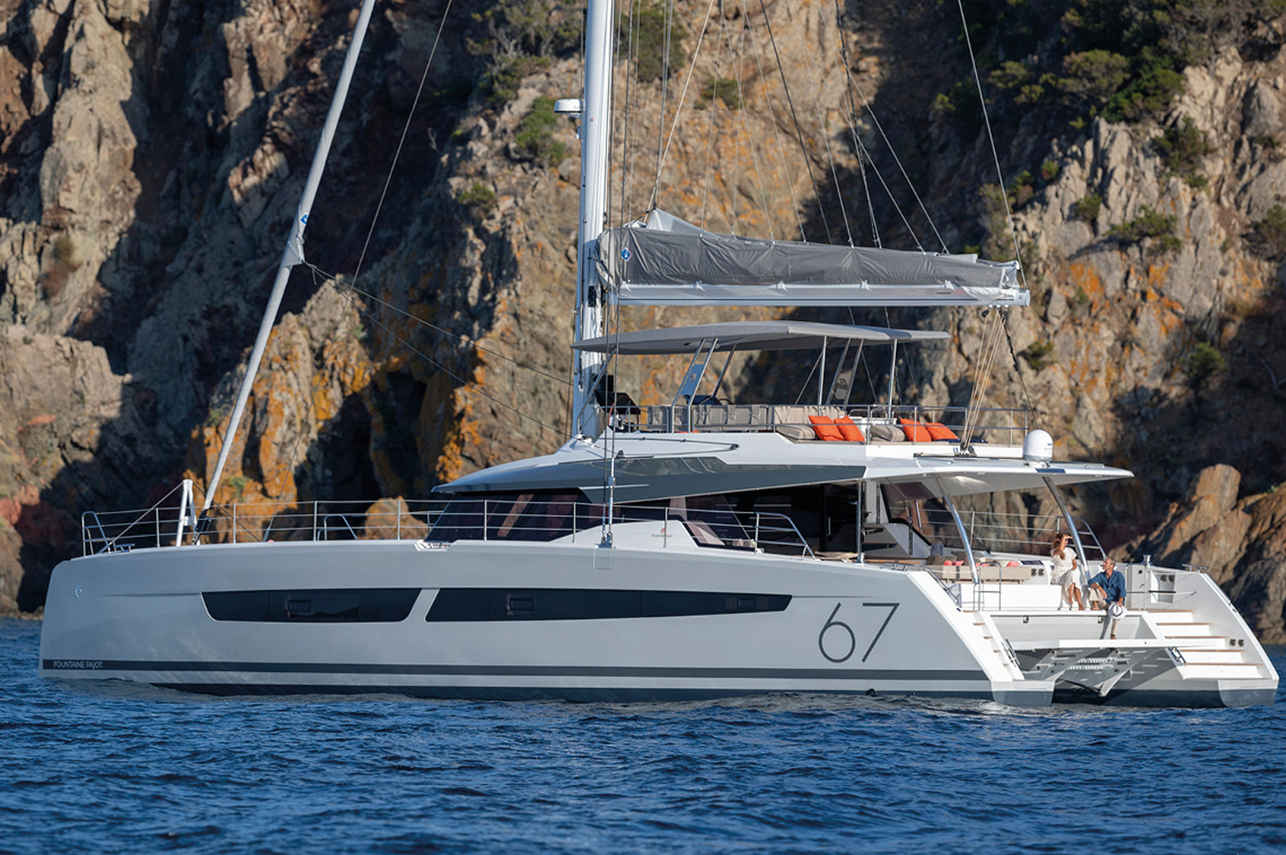
Aqua Tiki III
French Polynesia
10 guests20 m
$499/day
Dive sites similar to Rurutu - Whale Encounters
Same character, same waters — six more sites divers love for the exact same reasons.Compare seasons, access and liveaboard routes — then pick the site that fits your trip best.
© Esri — Maxar, Earthstar, GIS
Challenger Bay
Australia
Challenger Bay, nestled on Ribbon Reef #10, approximately 176 kilometers north of Port Douglas, is a renowned dive site on the remote northern Great Barrier Reef.
- Suitable for
- Advanced
- Current
- Moderate
- Access
- Liveaboard only
- Depth
- 5–30 m
- Theme
- Reef
© Esri — Maxar, Earthstar, GIS
Trochus Sanctuary
Micronesia
Trochus Sanctuary is a distinctive dive site located north of the mid-point of Kosrae, southwest of the island's airport.
- Suitable for
- Beginner
- Current
- Mild
- Access
- Dayboat
- Depth
- 5–13 m
- Theme
- Reef
© Esri — Maxar, Earthstar, GIS
Bare Island East
Australia
Bare Island East is a highly regarded shore dive in Sydney, celebrated for its diverse and colourful sponge gardens.
- Suitable for
- Intermediate
- Current
- Mild
- Access
- Shore / dayboat
- Depth
- 2–11 m
- Theme
- Reef
© Esri — Maxar, Earthstar, GIS
Raine Island
Australia
Raine Island is a pivotal dive site located in the Far Northern Great Barrier Reef, approximately 85 kilometers east-north-east of Cape Grenville and just over 4 nautical miles south of the island itself.
- Suitable for
- Advanced
- Current
- Strong
- Access
- Liveaboard only
- Depth
- 5–40 m
- Theme
- Reef / Wall
© Esri — Maxar, Earthstar, GIS
Neptune Islands
Australia
The Neptune Islands, nestled at the mouth of South Australia's Spencer Gulf, offer an unparalleled opportunity to encounter great white sharks.
- Suitable for
- Advanced
- Current
- Strong
- Access
- Liveaboard or dayboat
- Depth
- 5–15 m
- Theme
- Drift
© Esri — Maxar, Earthstar, GIS
Walung Drop-Off
Micronesia
Walung Drop-Off is a well-known dive site situated off the southwest coast of Kosrae in the Federated States of Micronesia.
- Suitable for
- Intermediate
- Current
- Moderate
- Access
- Dayboat
- Depth
- ≤ 30 m
- Theme
- Wall / Reef