About Orange Canyon
Orange Canyon is a prominent dive site situated off the west side of Grand Cayman, celebrated for its unique underwater topography. The site is named for the spectacular orange elephant ear sponges that extensively cover its dramatic coral pinnacles and canyon walls. Divers begin at a mooring ball, descending into a blue canyon before emerging onto a wall at around 30 meters. This wall dive allows for exploration along its face, offering opportunities to spot larger pelagic species. However, the shallower areas atop the wall are equally rich, revealing a vibrant ecosystem of various corals, sponges, and smaller marine life such as eels and turtles. The geological formations create an intricate environment perfect for discovery. The canyon's structure and the abundance of sponges make for excellent photographic opportunities, both wide-angle for the topography and macro for the smaller creatures inhabiting the sponges. While currents can occasionally be present, visibility is generally excellent, enhancing the diving experience. Orange Canyon caters particularly well to intermediate and advanced divers due to its depth profile and the potential for currents. It offers a captivating blend of dramatic wall diving and intricate reef exploration, showcasing the rich biodiversity of Grand Cayman's underwater world.
Highlights
Dramatic canyon topographyOrange elephant ear spongesWall dive explorationPotential pelagic sightingsVibrant coral formationsDiverse reef fishIntricate sponge habitats
Season calendar
Best months to dive here
Jan
Feb
Mar
Apr
May
Jun
Jul
Aug
Sep
Oct
Nov
Dec
Excellent
Dive site facts: Orange Canyon
- Depth
- Up to 30 m+
- Typical dive
- 12–30 m, 50 min
- Current
- Mild, occasional
- Visibility
- 20–40 m
- Water temperature
- 24–30 °C
- Entry
- Boat
- Level
- Intermediate to Advanced
- Dive type
- Wall, Canyon, Reef
- Region / port
- West Bay, Grand Cayman
- Coordinates
- 19.7033, -80.0983
Conditions & Currents
Currents at Orange Canyon are typically mild, though they can occasionally be present, necessitating good buoyancy control. Surge is usually absent, contributing to stable diving conditions. Visibility consistently ranges from 20 to 40 meters, often reaching over 30 meters, providing clear views of the extensive topography and marine life. Water temperatures are warm, ranging from 27-30°C in summer and 24-27°C in winter. Divers should be mindful of the depth, as the wall descends to over 30 meters, requiring careful gas planning and an awareness of no-decompression limits.
Marine life & sighting chances

Elephant Ear Sponges
common
Reef Fish
common
Corals
common
Spotted Eagle Rays
occasional
Sharks
occasional
Eels
common
Turtles
occasional
Silversides
occasional
Tarpon
occasional
Cleaner Shrimps
occasional
Blennies
occasional
Groupers
occasionalDive profile & how the dive runs
The dive at Orange Canyon typically commences with a descent from a mooring ball through a natural coral break or canyon entrance. Divers then navigate along the dramatic wall, which quickly drops to depths exceeding 30 meters. The route often involves exploring the various ledges, overhangs, and crevices that characterize the canyon's structure, looking out into the blue for pelagic encounters. The dive gradually ascends, finishing along the shallower reef top at around 12-15 meters, where the safety stop is conducted amidst abundant coral and reef fish activity. Divers can spend approximately 50 minutes exploring this diverse site.
Underwater photography
Orange Canyon provides excellent opportunities for both wide-angle and macro photography. For capturing the dramatic canyon walls and expansive coral formations, a wide-angle lens is recommended. The vibrant orange elephant ear sponges make a striking backdrop, especially when illuminated with strobes to bring out their true colors and reduce backscatter in the clear water. For macro subjects, such as cleaner shrimps and blennies found within the sponges or intricate reef life, a dedicated macro lens will yield detailed shots. Divers should maintain excellent buoyancy control to navigate the canyon without disturbing the delicate coral and sponge ecosystems, ensuring a clear field of view and respecting marine life behavior.
Combine with nearby dive sites
- Trinity Caves
Known for its iconic swim-through systems and caverns.
- Big Tunnel
Features large swim-throughs and jaw-dropping sponge formations.
- Cemetery Wall
A popular wall dive offering extensive reef exploration.
- USS Kittiwake
A renowned artificial reef wreck, accessible as a separate dive.
- Stingray City Sandbar
A unique shallow interaction with Southern Stingrays.
Getting there & logistics
Orange Canyon is typically accessed by boat, with short rides of 15 to 25 minutes from West Bay, Grand Cayman. The primary international gateway is Owen Roberts International Airport (GCM). Dive trips to Orange Canyon are often part of two-tank morning dives, combining a wall dive with a shallower reef dive. Most dive operators in West Bay include this site in their itineraries. There are no specific permits required for diving at Orange Canyon. Divers can easily arrange packages through local dive shops, which often include transportation, equipment, and guided dives.
Safety & environment
For diving in Grand Cayman, the nearest recompression chamber is located at the Health City Cayman Islands hospital. Divers should always carry valid dive insurance that covers recompression treatment and emergency evacuation. While currents at Orange Canyon are generally mild, divers should be aware of occasional stronger flows and maintain good buoyancy control, especially when navigating near the wall and canyon features. It's crucial to dive within one's certified limits and to always follow the dive guide's instructions. Standard safety protocols, such as checking air consumption and monitoring no-decompression limits, are paramount, especially given the site's depth profile.
Who it suits — and who it doesn't
Suited for
- Intermediate certified divers
- Advanced divers seeking wall and canyon topography
- Underwater photographers interested in wide-angle and macro
- Divers seeking diverse marine life and healthy reefs
- Those who appreciate dramatic underwater landscapes
Less suited for
- Beginner divers without wall diving experience
- Divers uncomfortable with potential currents or deeper profiles
- Individuals seeking only shallow, current-free reef dives
- Those who prefer wreck-exclusive diving
FAQ
Orange Canyon FAQ
What is Orange Canyon known for?
Orange Canyon is primarily known for its stunning underwater topography, featuring dramatic canyon walls and intricate coral formations. The site is famously named for the abundant and vibrant orange elephant ear sponges that adorn its surfaces, creating a visually striking environment for divers. It offers a captivating blend of deep wall diving and rich reef exploration.
What kind of marine life can I expect to see at Orange Canyon?
Divers at Orange Canyon can expect a diverse array of marine life, ranging from various reef fish and healthy corals to intricate sponges. Occasional sightings of larger pelagics like spotted eagle rays and sharks are possible when looking out into the blue. Smaller creatures such as eels, turtles, cleaner shrimps, and blennies also inhabit the reef and sponge formations.
Is Orange Canyon suitable for beginner divers?
Orange Canyon is generally recommended for intermediate to advanced divers. This is due to its depth profile, with walls dropping to over 30 meters, and the potential for occasional currents. Beginner divers may find the depth and dynamic environment challenging, and a good level of buoyancy control is beneficial for navigating the site safely.
What are the typical diving conditions at Orange Canyon?
Diving conditions at Orange Canyon are typically excellent, with visibility often ranging from 20 to 40 meters. Currents are usually mild, but divers should be prepared for occasional moderate flows. Water temperatures are warm year-round, between 24-30°C. The site generally experiences no surge, contributing to a comfortable and enjoyable dive.
How is Orange Canyon accessed, and what are the logistics involved?
Orange Canyon is accessed exclusively by boat, with most dive operators in West Bay, Grand Cayman, offering trips to the site. The boat ride is usually short, around 15-25 minutes. Divers typically visit Orange Canyon as part of a two-tank dive, often paired with a shallower reef dive. No special permits are required for recreational diving here.
Why dive Orange Canyon from a liveaboard?
Orange Canyon is one of Cayman Islands's signature dive sites. A liveaboard sleeps you on the water and puts you in the water for three to four guided dives per day, including dawn and night dives that day-boat operators rarely offer. You skip the daily commute back to port and reach quieter, less-crowded sites in the same region on a single trip.
Below are the liveaboards that include Orange Canyon on their Cayman Islands itineraries.
Liveaboards diving Orange Canyon
These liveaboards may visit Orange Canyon on selected itineraries — the exact dive sites depend on departure, weather and conditions.
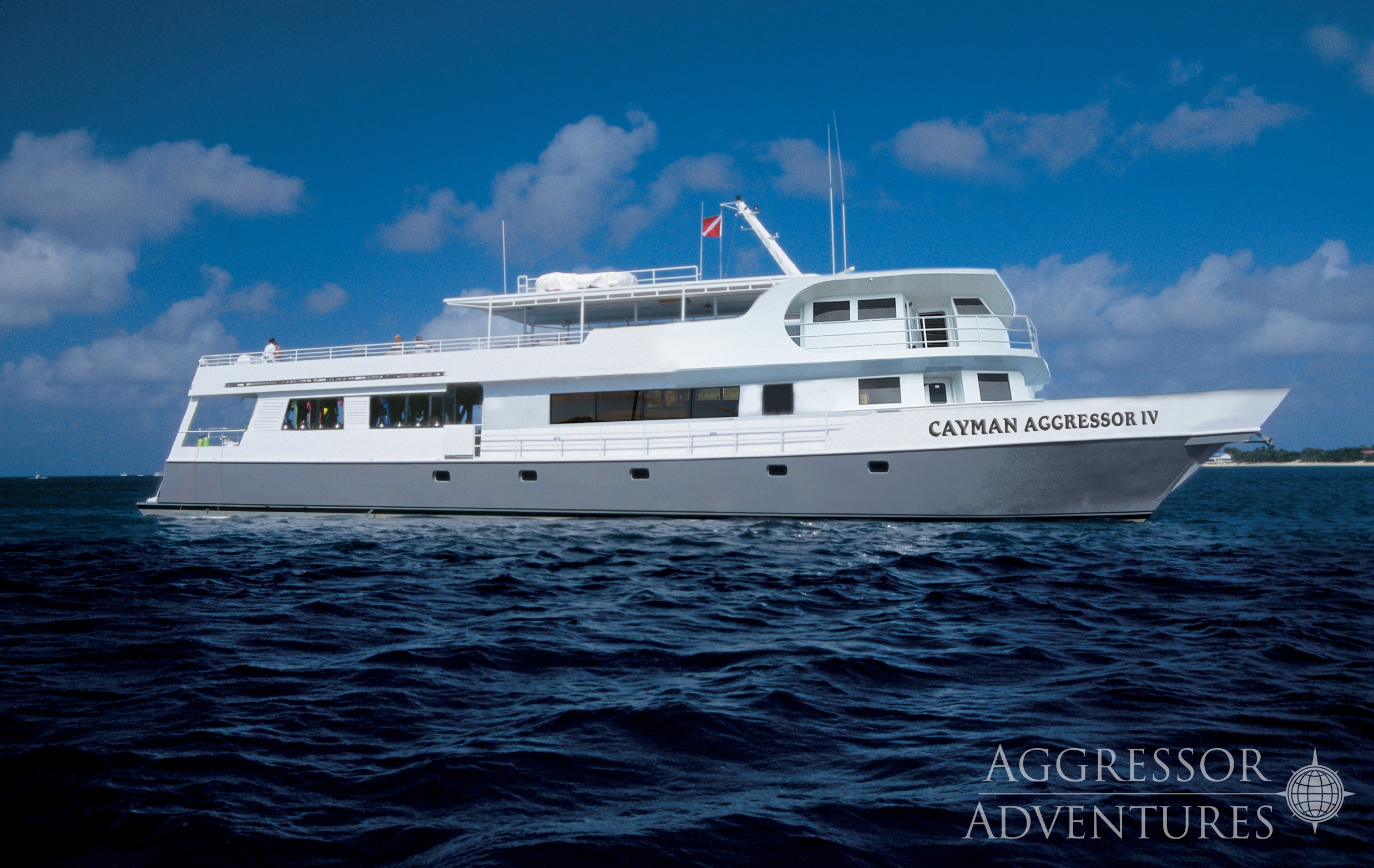
Cayman Aggressor IV
Cayman Islands
18 guests32.9 m
$328/day
Dive sites similar to Orange Canyon
Same character, same waters — six more sites divers love for the exact same reasons.Compare seasons, access and liveaboard routes — then pick the site that fits your trip best.
© Esri — Maxar, Earthstar, GIS
Big Table Rock
Cayman Islands
Big Table Rock is a well-known dive site located in George Town, Grand Cayman, offering a diverse and visually striking underwater landscape.
- Suitable for
- Intermediate
- Current
- Mild
- Access
- Dayboat
- Depth
- 10–30 m
- Theme
- Reef / Wall
© Esri — Maxar, Earthstar, GIS
Marty's Wall
Cayman Islands
Marty's Wall is a dive site located in West Bay, Grand Cayman, an area known for its dramatic wall dives and pristine coral ecosystems.
- Suitable for
- Intermediate
- Current
- Mild
- Access
- Dayboat
- Depth
- 12–36 m
- Theme
- Wall / Reef
© Esri — Maxar, Earthstar, GIS
Randy's Gazebo
Cayman Islands
Randy's Gazebo is a highly regarded dive site located in Little Cayman, one of the three Cayman Islands, renowned for its spectacular underwater scenery and healthy marine ecosystems.
- Suitable for
- Intermediate
- Current
- Mild
- Access
- Dayboat
- Depth
- 5–18 m
- Theme
- Reef / Wall
© Esri — Maxar, Earthstar, GIS
Lea Lea's Lookout
Cayman Islands
Lea Lea's Lookout is a renowned dive site located on Little Cayman's northern coast, forming part of the iconic Bloody Bay Wall within the Bloody Bay Marine Park.
- Suitable for
- Beginner
- Current
- Mild
- Access
- Dayboat
- Depth
- 7–36 m
- Theme
- Wall / Reef
© Esri — Maxar, Earthstar, GIS
Disneyworld
Cayman Islands
Disneyworld is a notable dive site located on the west side of Grand Cayman, distinguished by its vibrant coral formations.
- Suitable for
- Intermediate
- Current
- Mild
- Access
- Dayboat
- Depth
- 10–30 m
- Theme
- Reef / Wall
© Esri — Maxar, Earthstar, GIS
Grand Cayman Wall
Cayman Islands
The Grand Cayman Wall stands out as one of the world's premier wall diving destinations, encompassing numerous sites around the island.
- Suitable for
- Intermediate
- Current
- Moderate
- Access
- Dayboat
- Depth
- 12–35 m
- Theme
- Wall / Reef