About Nuku Hiva - The Sentinels
Nuku Hiva - The Sentinels stands as the premier dive site in the remote Marquesas Islands, a truly wild and adventurous destination within French Polynesia. This site is defined by towering volcanic rock pinnacles that ascend dramatically from depths of 40 meters to just beneath the surface. These unique geological features create an ideal environment for attracting a significant biomass and a spectacular concentration of large pelagic marine life. The nutrient-rich waters surrounding the Marquesas Islands sustain an extraordinary ecosystem, making it a hotspot for encounters with impressive creatures. Divers frequently observe scalloped hammerhead sharks, large manta rays, and immense schools of barracuda congregating around these sentinels. Beyond the pinnacles, in the open blue water, there are occasional sightings of melon-headed whales and pilot whales, adding to the allure of this secluded dive spot. The diving experience here is characterized by its untouched and remote nature, appealing to those seeking an off-the-beaten-path adventure. The strong currents in this region, while challenging, are precisely what draw in the abundant plankton, which in turn supports the diverse and large marine predators. It's a place where every dive promises the potential for a truly memorable pelagic encounter. While the main airport for the Marquesas is on Nuku Hiva, accessing The Sentinels typically involves liveaboard travel due to its remote location, ensuring divers can fully immerse themselves in this unique environment without daily returns to port.
Highlights
Scalloped hammerhead sharksTowering volcanic pinnaclesMassive barracuda schoolsMelon-headed whalesGiant manta raysRemote pelagic encountersExtraordinary biomassWild, adventurous diving
Season calendar
Best months to dive here
Jan
Feb
Mar
Apr
May
Jun
Jul
Aug
Sep
Oct
Nov
Dec
Good
Dive site facts: Nuku Hiva - The Sentinels
- Depth
- 60 feet and deeper
- Current
- Strong
- Visibility
- Low to good
- Water temperature
- Around 28°C
- Entry
- Liveaboard tender
- Level
- Intermediate to Advanced
- Dive type
- Pelagic, drift, pinnacles
- Region / port
- Marquesas Islands, French Polynesia
- Coordinates
- -8.87, -140.12
Conditions & Currents
The waters around Nuku Hiva - The Sentinels are known for their rushing currents, which play a crucial role in attracting the abundant marine life by carrying plankton. These strong currents necessitate careful dive planning and good buoyancy control from divers. While challenging, these conditions are precisely what create the opportunity for phenomenal encounters with large pelagic species, including various sharks and manta rays. Divers should be prepared for drift dives and adhere closely to their guide's instructions for entry, route, and exit to ensure safety and maximize the experience. Visibility, while sometimes reduced by the nutrient-rich plankton, remains generally good enough to appreciate the passing giants.
Marine life & sighting chances


Manta ray
common
Barracuda
common
Melon-headed whale
occasional
Pilot whale
occasionalDragon eel
occasional
Boxer crab
occasional
Cleaner shrimp
occasionalDive profile & how the dive runs
The Hammerhead Sentinel dive typically begins with a descent to approximately 60 feet, allowing divers to position themselves along the volcanic pinnacles. The dive often involves a drift, carried by the strong currents that bring in abundant marine life. Focus on the blue water for passing pelagics like hammerheads and manta rays, while also observing the macro life such as dragon eels and boxer crabs hidden in the rocky cracks. The dive usually progresses around the base of the pinnacles, with the turn point determined by current strength and air consumption. Safety stops are conducted in shallower, calmer sections, often on the leeward side of the formations, allowing for decompression and observation of smaller reef inhabitants.
Underwater photography
Capturing the pelagic action at The Sentinels demands a wide-angle lens, as you'll be focusing on large subjects like hammerheads, manta rays, and schools of barracuda. Given the depth and potential for lower visibility from nutrient-rich waters, powerful strobes or video lights are essential to bring out colors and add definition to your subjects. Be prepared for strong currents; excellent buoyancy control is crucial not only for stable shots but also for maintaining safety and avoiding contact with the delicate rock formations. Patience is key for capturing those fleeting moments with large marine life, often requiring you to wait for them to approach rather than actively pursuing them.
Combine with nearby dive sites
- North Pass - Fakarava
Fakarava, a UNESCO biosphere reserve within the Tuamotu Archipelago, stands as a premier dive destination renowned for its exceptional…
- South Pass - Fakarava
Fakarava's South Pass, known locally as Tumakohua Pass, is a renowned drift dive located in the Tuamotu archipelago of French Polynesia, a…
- Tiputa Pass
Tiputa Pass, located in Rangiroa, stands as one of the two main channels connecting the open ocean to the atoll's lagoon, making it a…
- Rangiroa - The Aquarium
The Aquarium at Rangiroa stands out as one of French Polynesia's most accessible dive sites, making it an ideal choice for both novice…
Getting there & logistics
Access to Nuku Hiva and The Sentinels usually starts with an international flight to Papeete, Tahiti, as there are no direct flights from the continental United States to the Marquesas. From Papeete, you'll need to take a domestic Air Tahiti flight to Nuku Hiva's airport, located on the northern end of the island. The final leg to Taiohae, where a dive shop is mentioned, is either an expensive 10-minute helicopter ride or a two-hour 4WD taxi over rugged terrain. Given the remoteness, liveaboards are the most practical and recommended way to dive The Sentinels and other Marquesas sites, offering continuous support and flexibility to explore various locations within the islands, typically on multi-day itineraries.
Safety & environment
Diving at Nuku Hiva - The Sentinels requires adherence to strict safety protocols, especially due to the presence of strong currents. Divers must maintain excellent buoyancy control and always follow the guidance of their local dive professionals. Given the remote nature of the Marquesas Islands, emergency medical facilities, particularly recompression chambers, are not readily available on Nuku Hiva itself. Evacuation to Tahiti for serious diving-related incidents would be a complex and time-consuming process, emphasizing the critical importance of proper dive planning, conservative dive profiles, and comprehensive dive insurance that covers emergency medical evacuation. Whale and shark interaction rules are strictly controlled, prohibiting any feeding or direct interference with marine life.
Who it suits — and who it doesn't
Suited for
- Experienced divers comfortable with strong currents
- Pelagic enthusiasts seeking big animal encounters
- Adventurous divers looking for remote, wild locations
- Underwater photographers targeting wide-angle subjects
- Divers preferring liveaboard experiences
Less suited for
- Beginner divers or those without current experience
- Divers seeking easy, calm, shallow dives
- Those uninterested in pelagic marine life
- Divers sensitive to potential lower visibility
FAQ
Nuku Hiva - The Sentinels FAQ
What kind of marine life can I expect to see at Nuku Hiva - The Sentinels?
At Nuku Hiva - The Sentinels, you can expect thrilling encounters with large pelagic species. Divers frequently spot scalloped hammerhead sharks, giant manta rays, and massive schools of barracuda. Occasional sightings of melon-headed whales and pilot whales in the blue water behind the pinnacles also occur, alongside macro life like dragon eels and boxer crabs.
What are the diving conditions like at The Sentinels?
The diving conditions at The Sentinels are characterized by strong, rushing currents. These currents are a key factor in attracting the rich marine life, but they require divers to have excellent buoyancy control and experience with drift diving. Visibility can sometimes be reduced by the nutrient-rich plankton that feeds the ecosystem, yet it remains generally good for spotting large animals.
Why is a liveaboard recommended for diving Nuku Hiva - The Sentinels?
A liveaboard is highly recommended for diving Nuku Hiva - The Sentinels because of its remote location. Liveaboards provide continuous access to the dive site and surrounding areas, eliminating the need for daily transfers back to port. This maximizes dive opportunities, including dawn and night dives, and allows for exploration of quieter, more pristine spots in the Marquesas.
What is the best time of year to dive Nuku Hiva - The Sentinels?
The best time to dive Nuku Hiva - The Sentinels, and French Polynesia in general, is during the dry season, which runs from April to September. During these months, you typically experience the best visibility and calmer sea conditions. While pelagic sightings are possible year-round, this period offers the most comfortable and favorable diving environment.
What skill level is required for diving at The Sentinels?
Diving at Nuku Hiva - The Sentinels is best suited for intermediate to advanced divers. The presence of strong currents demands good buoyancy control and prior experience with similar drift diving conditions. This site is ideal for those who are confident in challenging environments and eager for dynamic pelagic encounters.
Why dive Nuku Hiva - The Sentinels from a liveaboard?
Nuku Hiva - The Sentinels is one of French Polynesia's signature dive sites. A liveaboard sleeps you on the water and puts you in the water for three to four guided dives per day, including dawn and night dives that day-boat operators rarely offer. You skip the daily commute back to port and reach quieter, less-crowded sites in the same region on a single trip.
Below are the liveaboards that include Nuku Hiva - The Sentinels on their French Polynesia itineraries.
Liveaboards diving Nuku Hiva - The Sentinels
These liveaboards may visit Nuku Hiva - The Sentinels on selected itineraries — the exact dive sites depend on departure, weather and conditions.
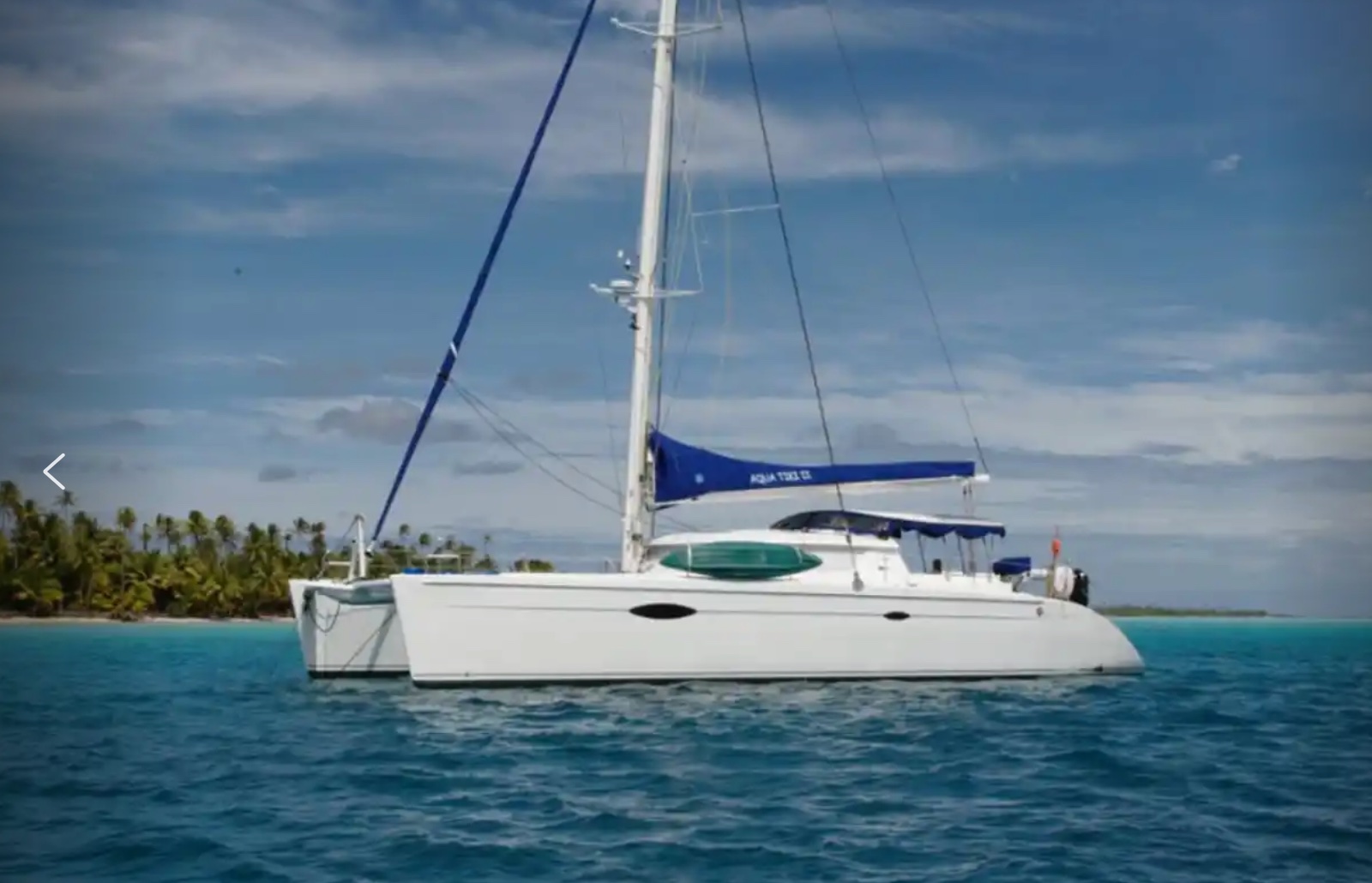
Aqua Tiki II
French Polynesia
8 guests
$573/day
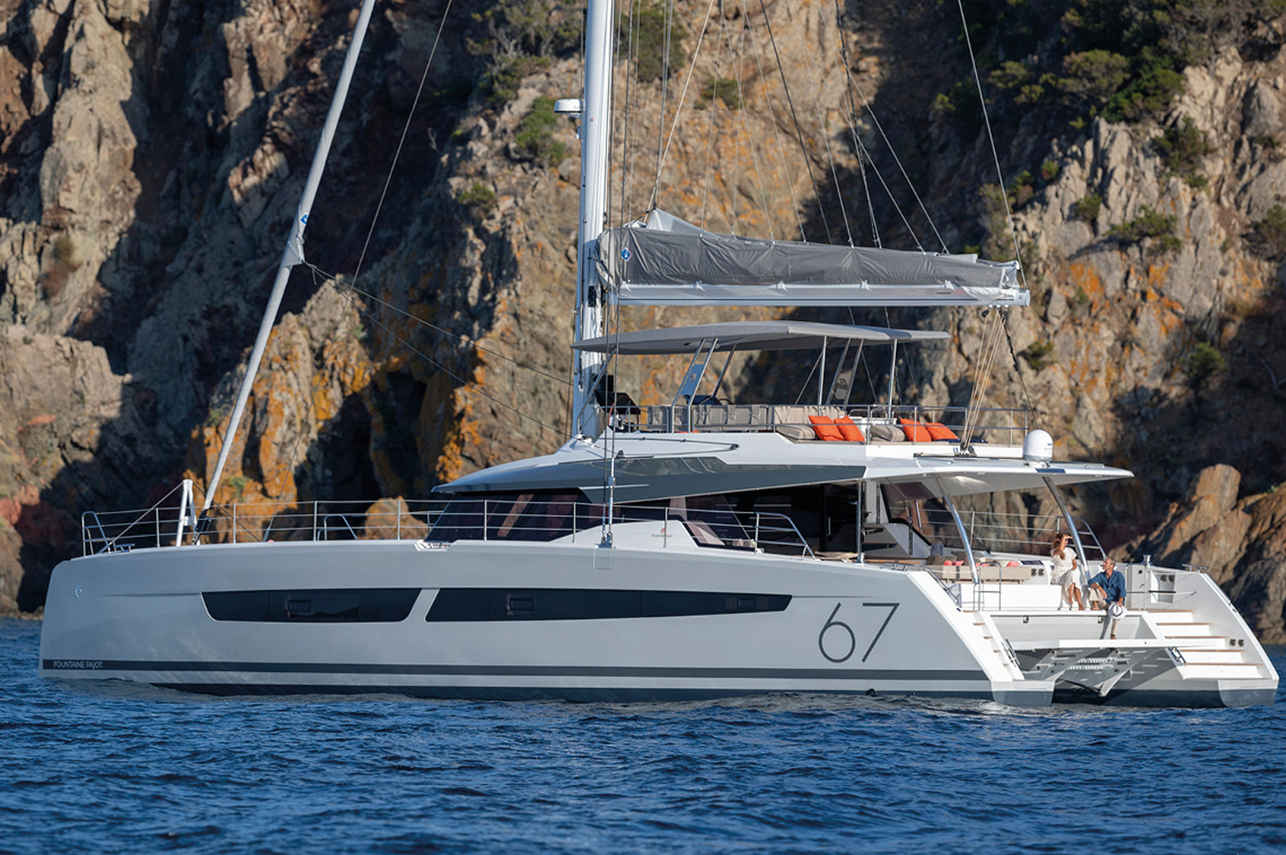
Aqua Tiki III
French Polynesia
10 guests20 m
$499/day
Dive sites similar to Nuku Hiva - The Sentinels
Same character, same waters — six more sites divers love for the exact same reasons.Compare seasons, access and liveaboard routes — then pick the site that fits your trip best.
© Esri — Maxar, Earthstar, GIS
Challenger Bay
Australia
Challenger Bay, nestled on Ribbon Reef #10, approximately 176 kilometers north of Port Douglas, is a renowned dive site on the remote northern Great Barrier Reef.
- Suitable for
- Advanced
- Current
- Moderate
- Access
- Liveaboard only
- Depth
- 5–30 m
- Theme
- Reef
© Esri — Maxar, Earthstar, GIS
Trochus Sanctuary
Micronesia
Trochus Sanctuary is a distinctive dive site located north of the mid-point of Kosrae, southwest of the island's airport.
- Suitable for
- Beginner
- Current
- Mild
- Access
- Dayboat
- Depth
- 5–13 m
- Theme
- Reef
© Esri — Maxar, Earthstar, GIS
Bare Island East
Australia
Bare Island East is a highly regarded shore dive in Sydney, celebrated for its diverse and colourful sponge gardens.
- Suitable for
- Intermediate
- Current
- Mild
- Access
- Shore / dayboat
- Depth
- 2–11 m
- Theme
- Reef
© Esri — Maxar, Earthstar, GIS
Raine Island
Australia
Raine Island is a pivotal dive site located in the Far Northern Great Barrier Reef, approximately 85 kilometers east-north-east of Cape Grenville and just over 4 nautical miles south of the island itself.
- Suitable for
- Advanced
- Current
- Strong
- Access
- Liveaboard only
- Depth
- 5–40 m
- Theme
- Reef / Wall
© Esri — Maxar, Earthstar, GIS
Neptune Islands
Australia
The Neptune Islands, nestled at the mouth of South Australia's Spencer Gulf, offer an unparalleled opportunity to encounter great white sharks.
- Suitable for
- Advanced
- Current
- Strong
- Access
- Liveaboard or dayboat
- Depth
- 5–15 m
- Theme
- Drift
© Esri — Maxar, Earthstar, GIS
Walung Drop-Off
Micronesia
Walung Drop-Off is a well-known dive site situated off the southwest coast of Kosrae in the Federated States of Micronesia.
- Suitable for
- Intermediate
- Current
- Moderate
- Access
- Dayboat
- Depth
- ≤ 30 m
- Theme
- Wall / Reef